Inspiration
Imagine a world where every walk in the park or hike in the mountains opens the door to a hidden universe of wildlife, right at your fingertips. That’s the vision behind BioDex—a platform born from our love for nature and our commitment to helping others connect with the world’s biodiversity in a fun, engaging way. Just like the thrill of finding rare Pokémon, BioDex makes discovering real animals a game you’ll want to keep playing, but with an impact that extends beyond the screen.
What it does
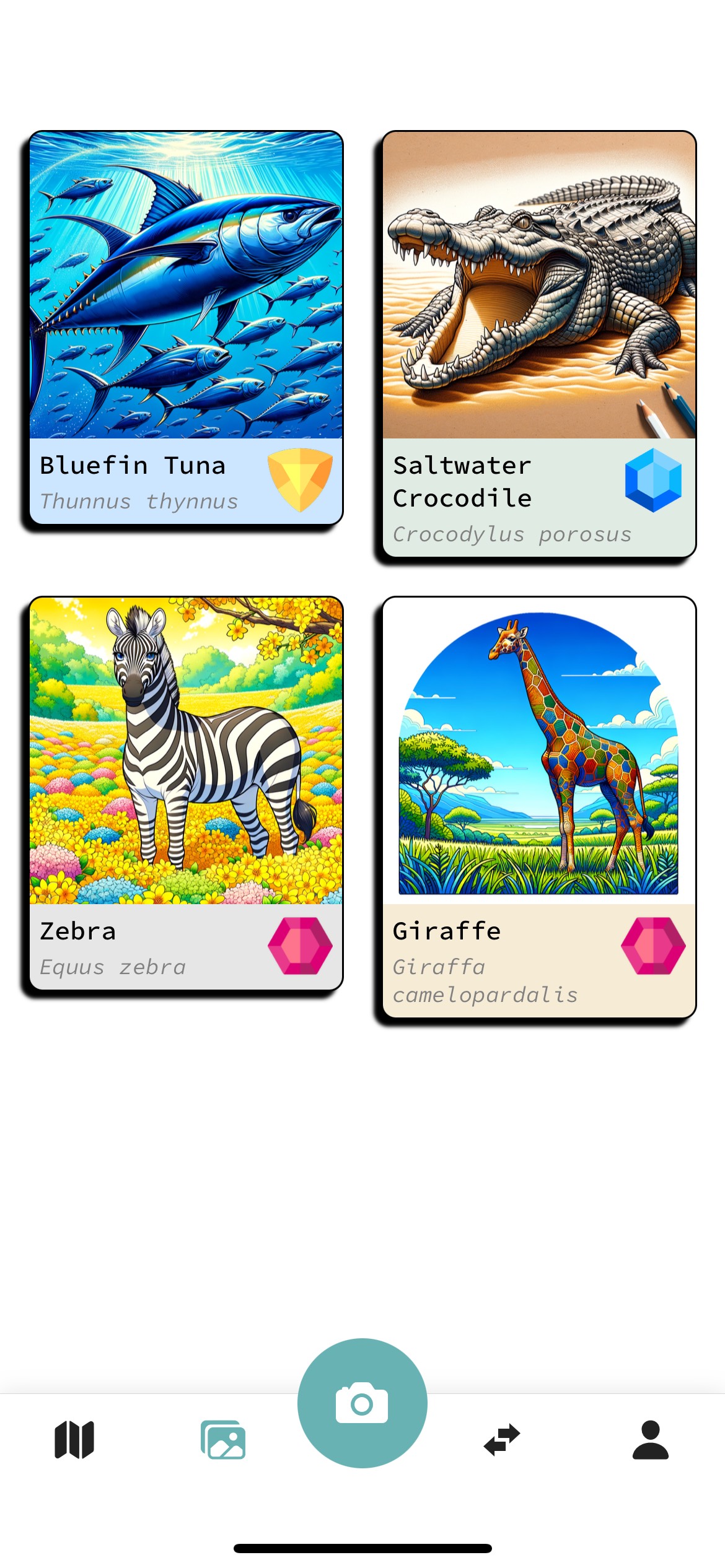
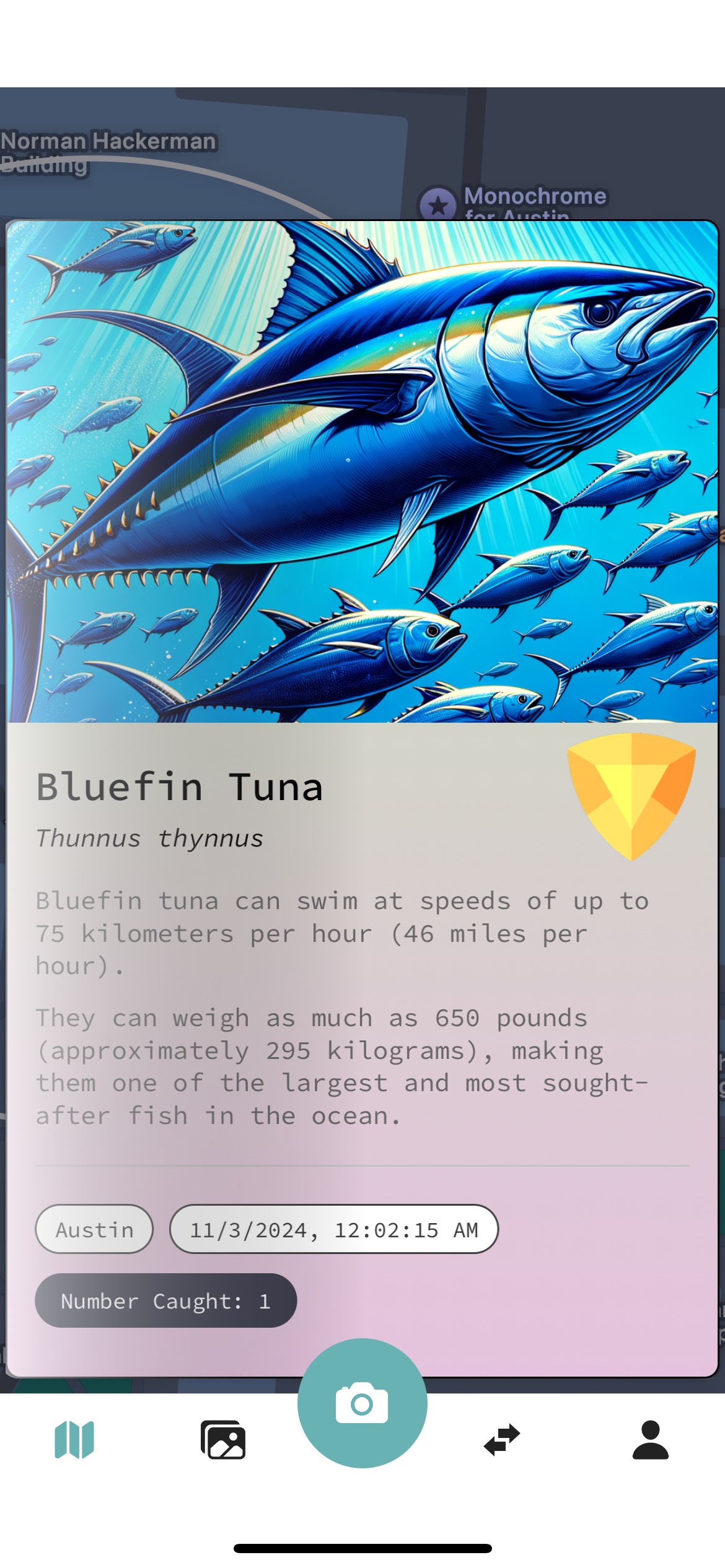
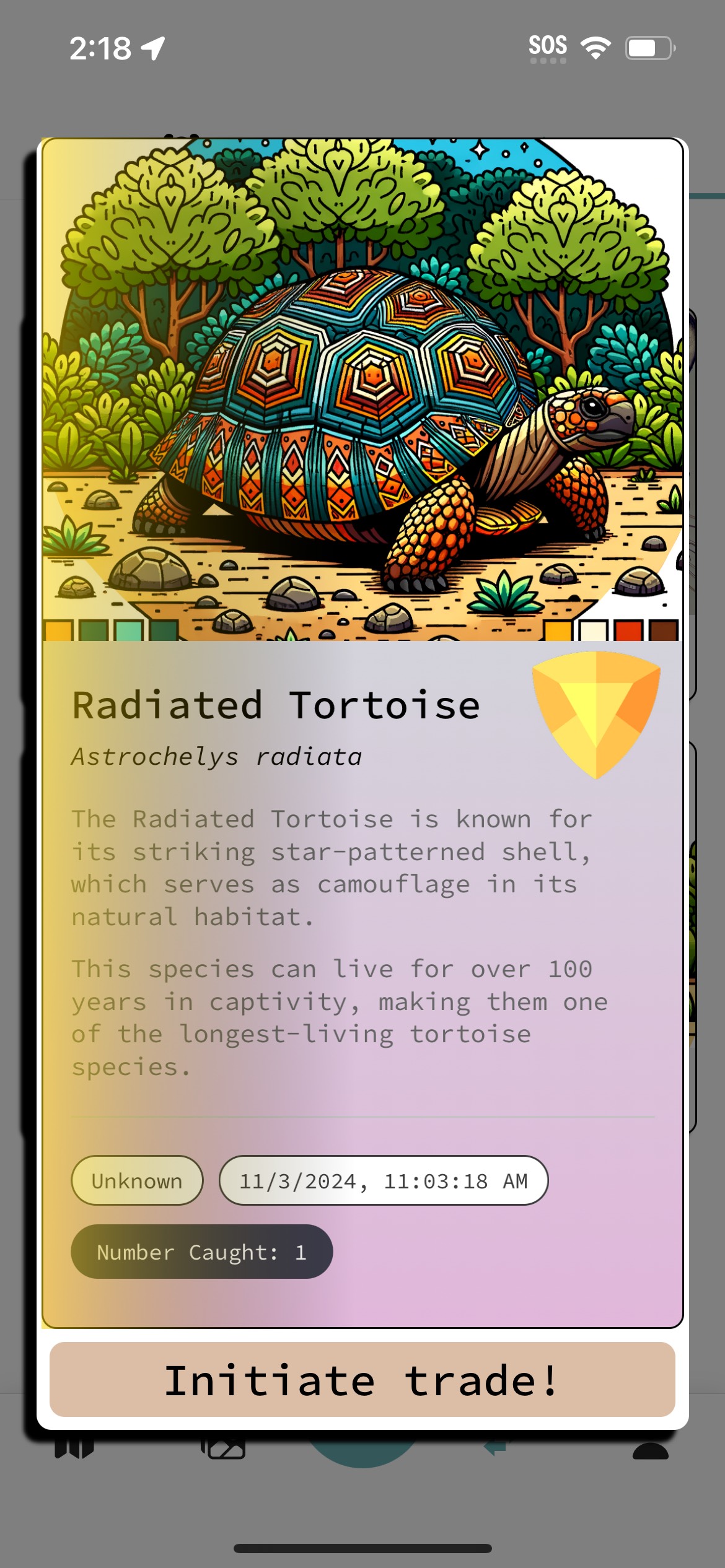
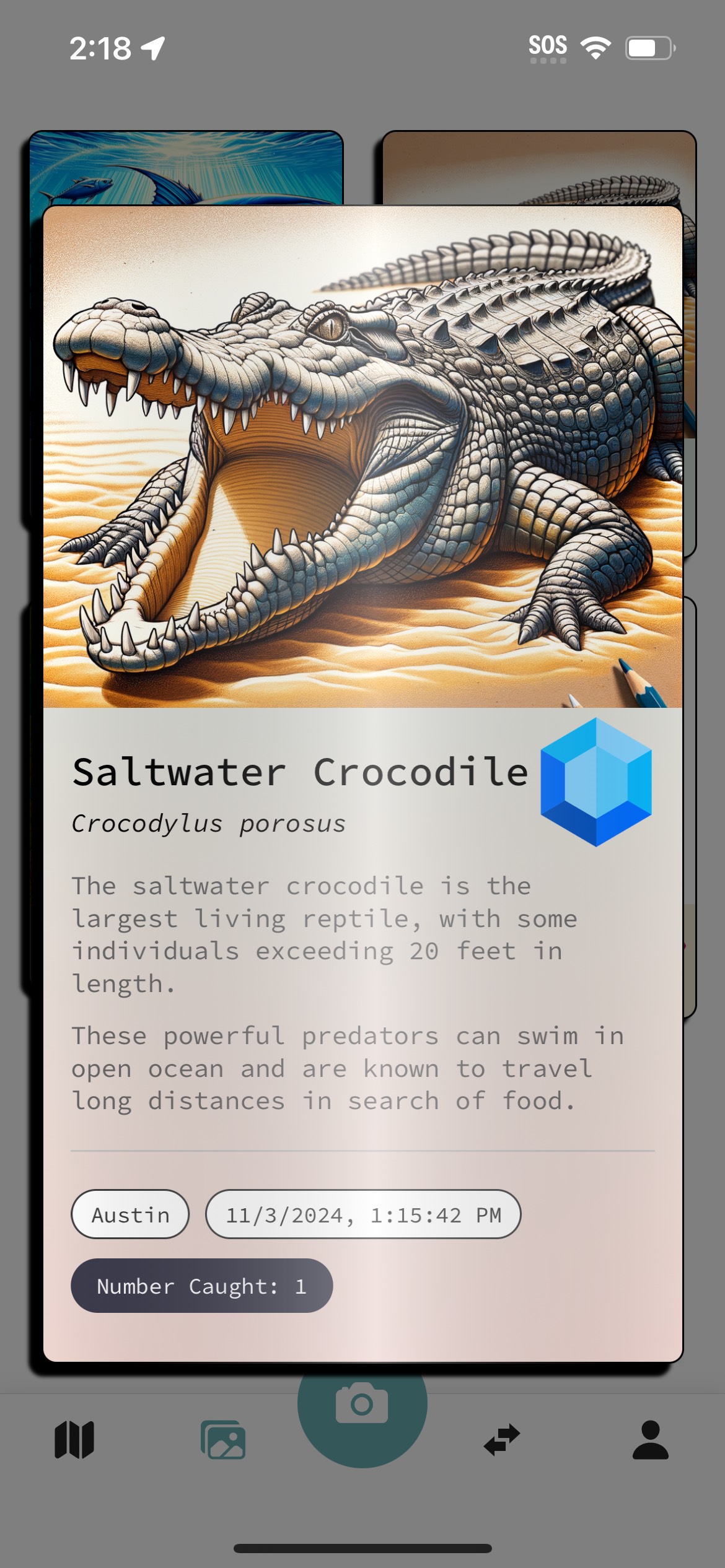
BioDex is your wildlife adventure companion, blending the magic of exploration with the excitement of a collectible trading card game. Step outside, snap photos of local wildlife, and instantly turn them into collectible cards that reveal each animal’s unique traits, rarity, and ecological significance. Want to collect all the native species in your area? BioDex’s gamified challenges and trade features invite users of all ages to learn about their environment while building and trading their own wildlife decks.
How we built it
Building Biodex was a multifaceted process that involved careful planning, collaboration, and the integration of various technologies. Here’s a breakdown of how we brought this project to life:
- Conceptualization and Design: We started by brainstorming the core concept of Biodex, focusing on the user experience and the educational aspects of the app. Wireframes and mockups were created to visualize the user interface, emphasizing intuitive navigation and engaging design.
- Technology Stack Selection: After finalizing the design, we chose the technology stack that would best support our goals: Frontend: We opted for React Native to develop a cross-platform mobile app, ensuring that users on both iOS and Android could access Biodex seamlessly. Backend: Flask was selected for the backend to handle server-side logic and API requests efficiently. Database: We utilized the Firebase for its advanced search capabilities, allowing for efficient retrieval of related animals based on user inputs.
- AI Integration: Developing the AI component was a crucial step. We used OpenAI to analyze user-uploaded photos and generate custom trading cards. This involved gathering a dataset of animal images and relevant metadata, fine-tuning the model for accuracy, and ensuring it could produce meaningful content.
- API Development: We created a set of RESTful APIs to facilitate communication between the frontend and backend. This included endpoints for user authentication, photo uploads, card generation, and animal searches. We emphasized security and performance during this stage to ensure a smooth user experience.
- User Interface Development: With the backend in place, we focused on building the frontend components using React Native. We implemented features such as photo uploading, card viewing, and interactive animal searches, ensuring a responsive design that adapts to different screen sizes.
Challenges we ran into
- Setting up Expo and React Native: Getting started with Expo and React Native turned out to be quite cumbersome! While the initial setup was complicated and required us to navigate various configurations, we learned a lot about mobile development in the process. Each hurdle taught us something new, and we eventually became more confident in managing these tools, transforming a frustrating experience into a valuable learning opportunity.
- Unpredictable Backend Connection: The connection between our Flask backend and React Native frontend had its fair share of ups and downs. We encountered some unpredictable behavior, with API calls occasionally timing out. This challenge led us on a quest to troubleshoot by experimenting with different configurations—switching between localhost and various IP addresses, depending on whether we were on university Wi-Fi or a personal hotspot. While it was a bit chaotic, we embraced the problem-solving process and bonded as a team over our shared determination to find a solution.
- Design and Visualization Hurdles: Crafting a visually appealing and user-friendly interface was no small feat! We spent considerable time brainstorming and mapping out features to ensure a cohesive flow throughout the application. Though it was challenging to align our creative visions, the collaboration sparked tons of innovative ideas and discussions. We genuinely enjoyed the iterative process of design, and seeing our concepts come to life was incredibly rewarding.
- Image Generation Limitations: We encountered unexpected roadblocks when working with OpenAI’s image generation API, particularly with neural style transformations that didn’t always deliver as expected. Rather than getting discouraged, we pivoted our approach, breaking the process into two separate API calls to achieve better results. This experience not only taught us about the intricacies of API interactions but also fueled our creativity as we explored different ways to enhance the user experience.
Accomplishments that we're proud of
We’re thrilled with the milestones we’ve achieved in developing Biodex! Here are some highlights:
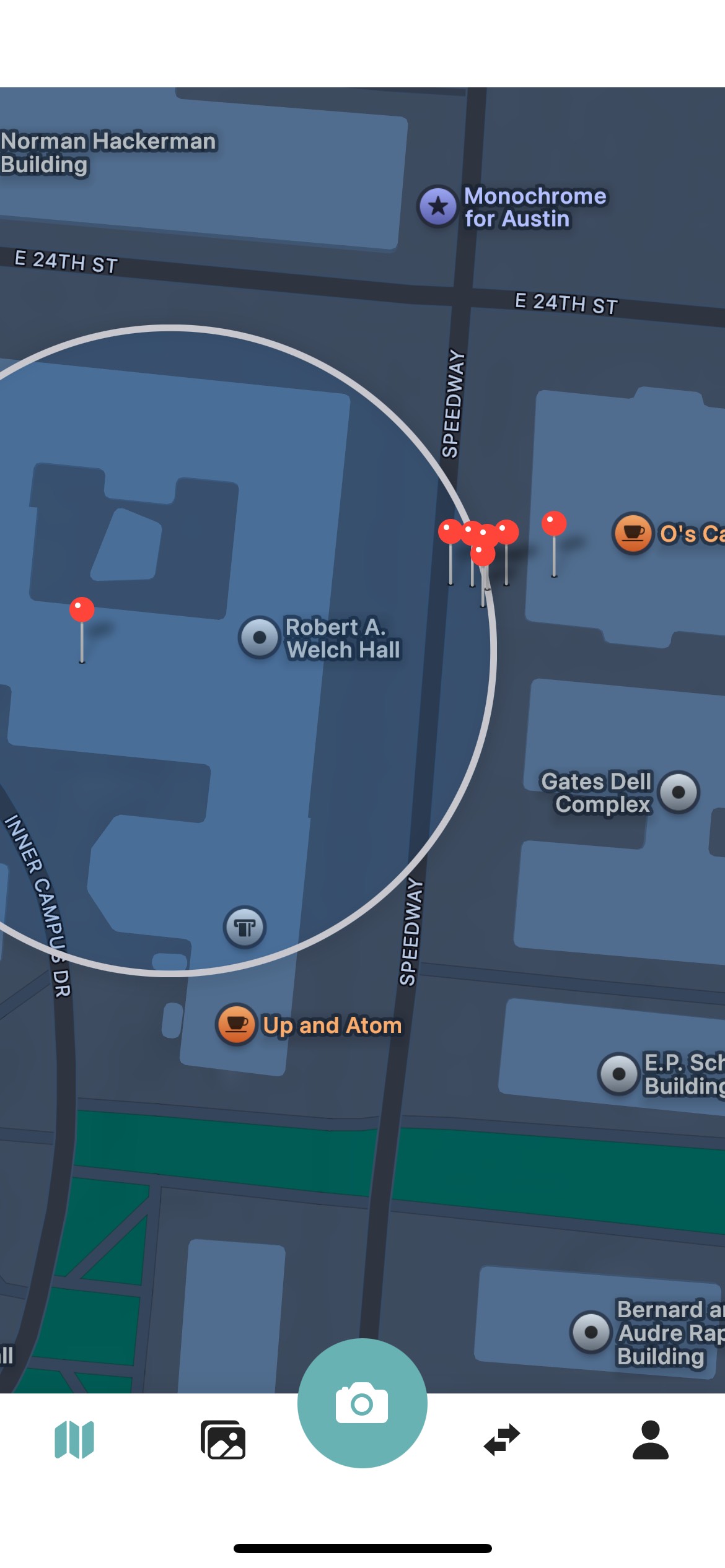
- Interactive Animal Map: We successfully integrated a dynamic map featuring pins of various animals, making it easy for users to explore and discover wildlife in their area.
- Sleek Card UI: Our card-like interface not only looks fantastic but also enhances user engagement, allowing for an enjoyable and intuitive experience.
- Robust Backend Completion: We built a solid backend using Flask, ensuring smooth functionality and seamless data management throughout the app.
- OpenAI Integration: We incorporated OpenAI to power our image generation features, adding an innovative touch that elevates the user experience. These accomplishments reflect our hard work and creativity, and we can’t wait to build on this foundation as we continue to evolve Biodex!
What we learned
As we developed Biodex, we learned more about full-stack development, particularly mobile-development with React Native, backend development with Flask. Integrating APIs like OpenAI for image generation, Google Maps for navigation, and Svelte for dynamic interfaces pushed our limits and sparked our creativity!
What's next for Biodex
The future of Biodex is brimming with possibilities! We envision expanding our platform to include even more interactive features, such as user-generated content, enhanced gamification elements, and deeper educational resources about biodiversity. We aim to foster a vibrant community of nature enthusiasts who can share their discoveries and experiences. With plans to integrate more advanced technologies and collaborate with conservation organizations, Biodex will not only be a tool for exploration but also a catalyst for environmental awareness and action.
Conclusion
Biodex represents a unique fusion of technology and nature, serving as a bridge between the digital world and the great outdoors. Through its innovative approach, the project not only provides a platform for wildlife exploration but also instills a sense of stewardship for the environment. Throughout the development of Biodex, we learned invaluable lessons about the importance of user engagement and community-building in technology-driven projects. The process taught us how to leverage technology responsibly, creating tools that encourage users to appreciate and protect the natural world. Working on this project emphasized the significance of collaboration and adaptability, as navigating challenges often required creative solutions and teamwork. Ultimately, Biodex is a testament to the power of curiosity and innovation, reminding us that technology can be a catalyst for positive change. It inspires us to embrace our surroundings, celebrate biodiversity, and foster connections with both nature and each other. Through this journey, we gained not only technical skills but also a deeper understanding of our role in preserving the planet's diverse ecosystems, fueling my passion for future projects that marry technology with environmental awareness.

Log in or sign up for Devpost to join the conversation.