-
-
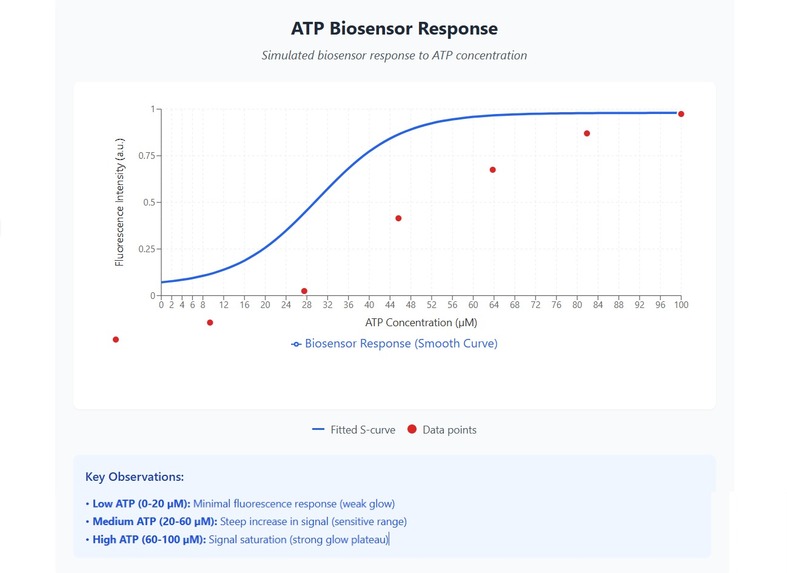
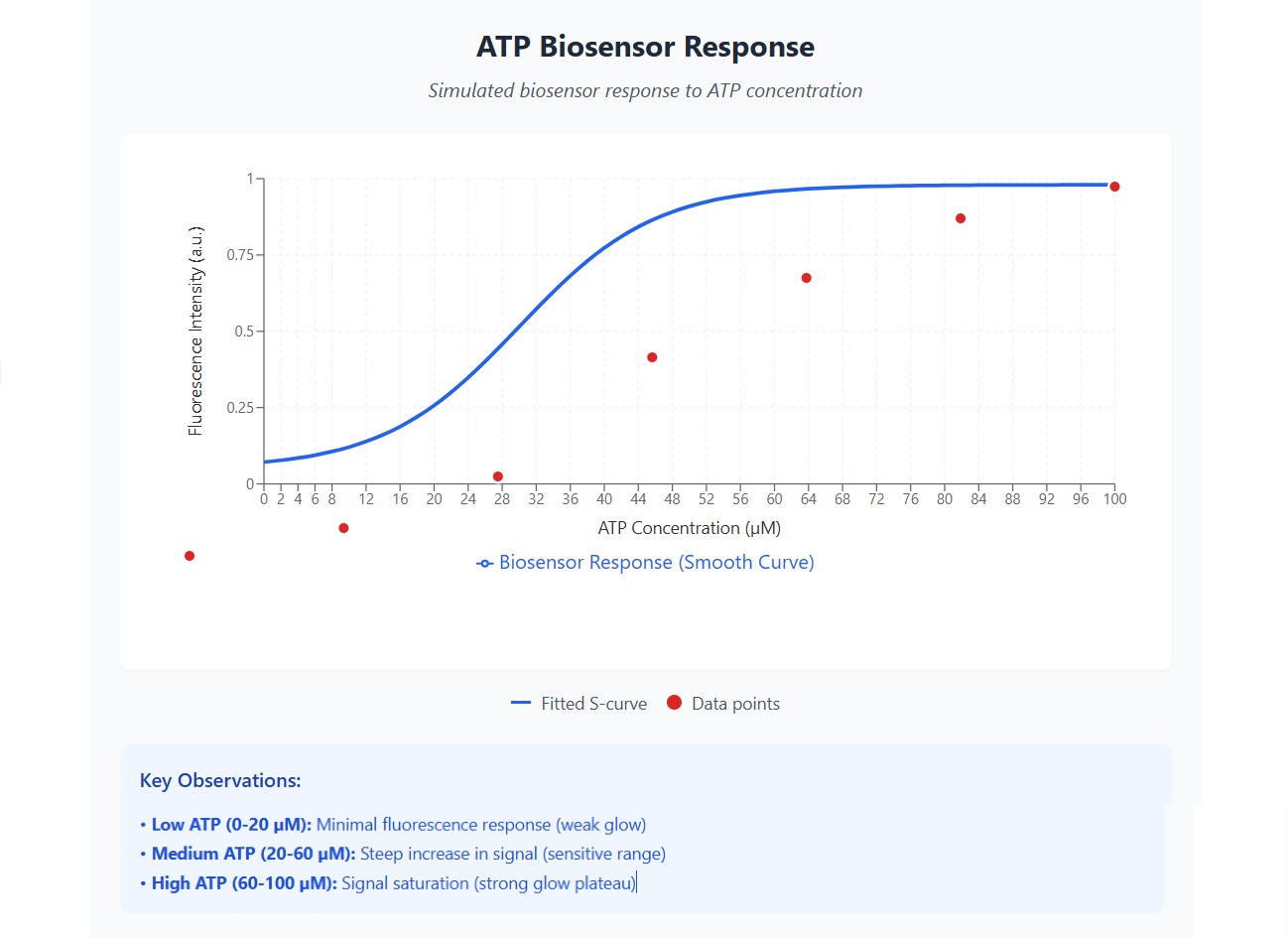
ATP Biosensors Sample Data Graph
-
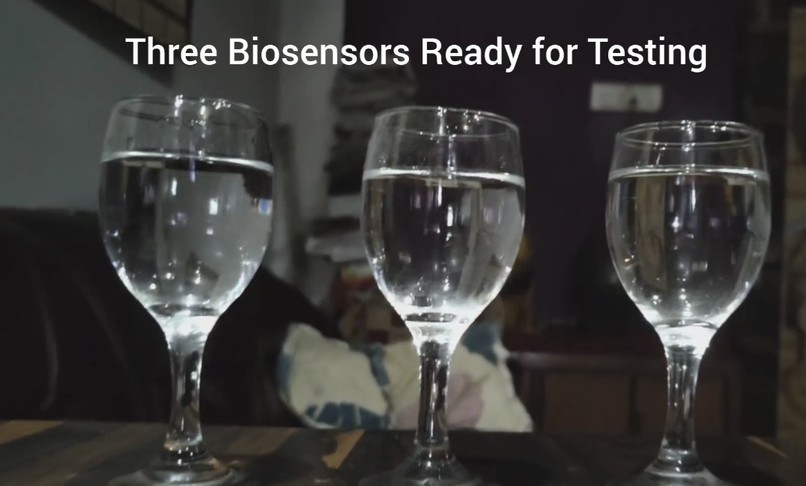
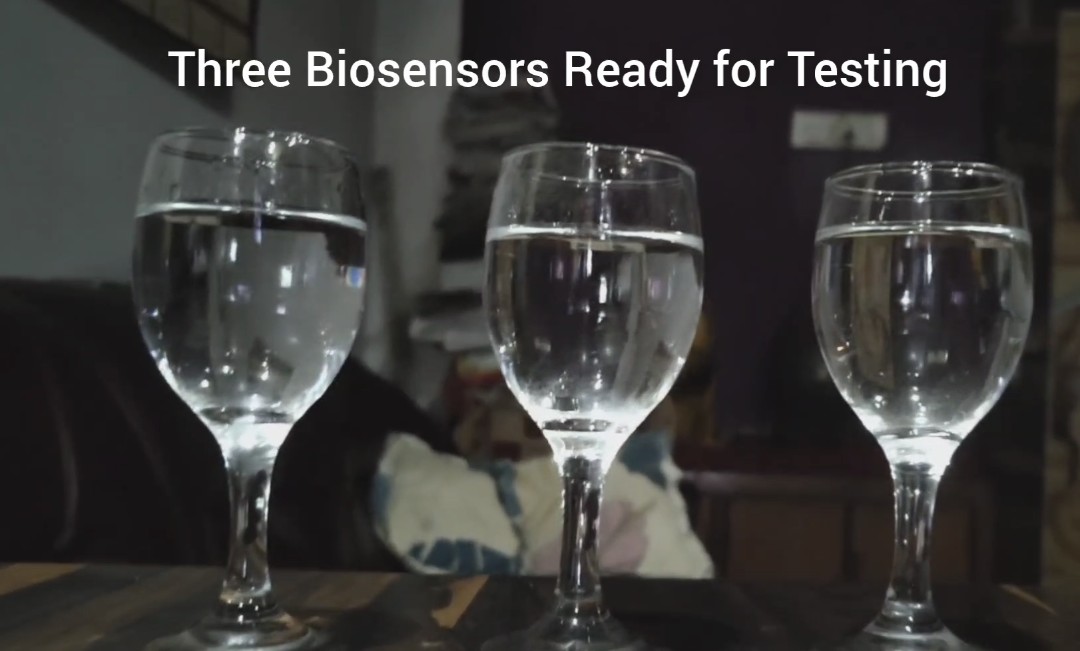
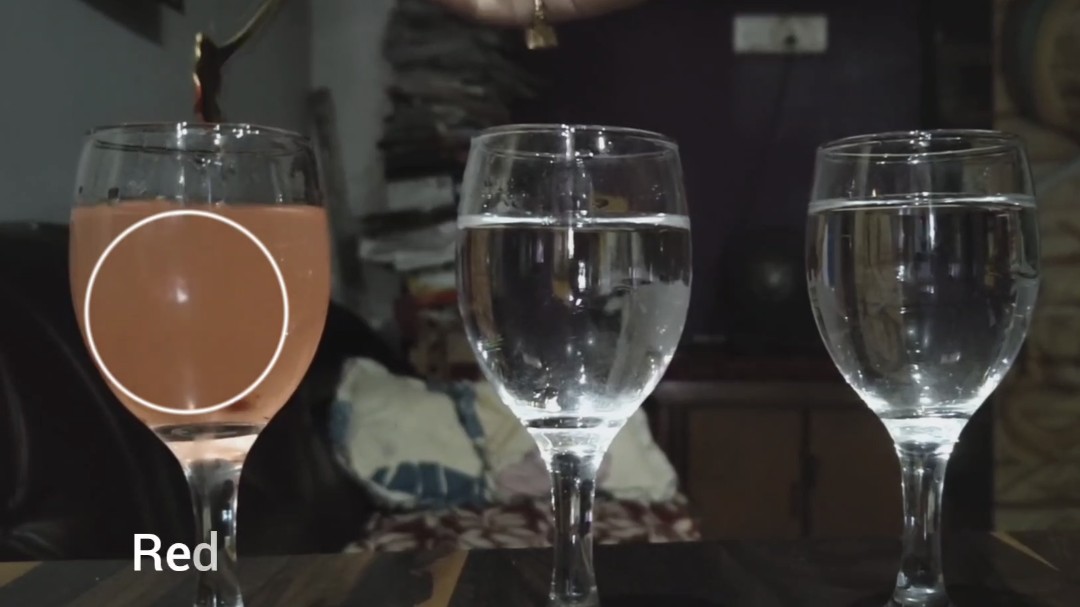
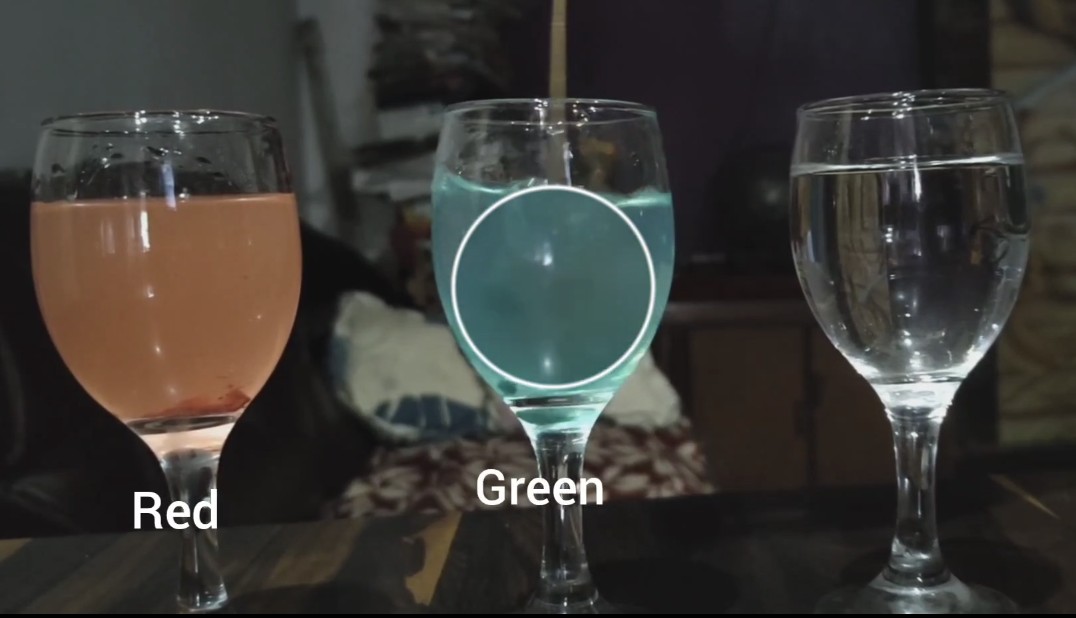
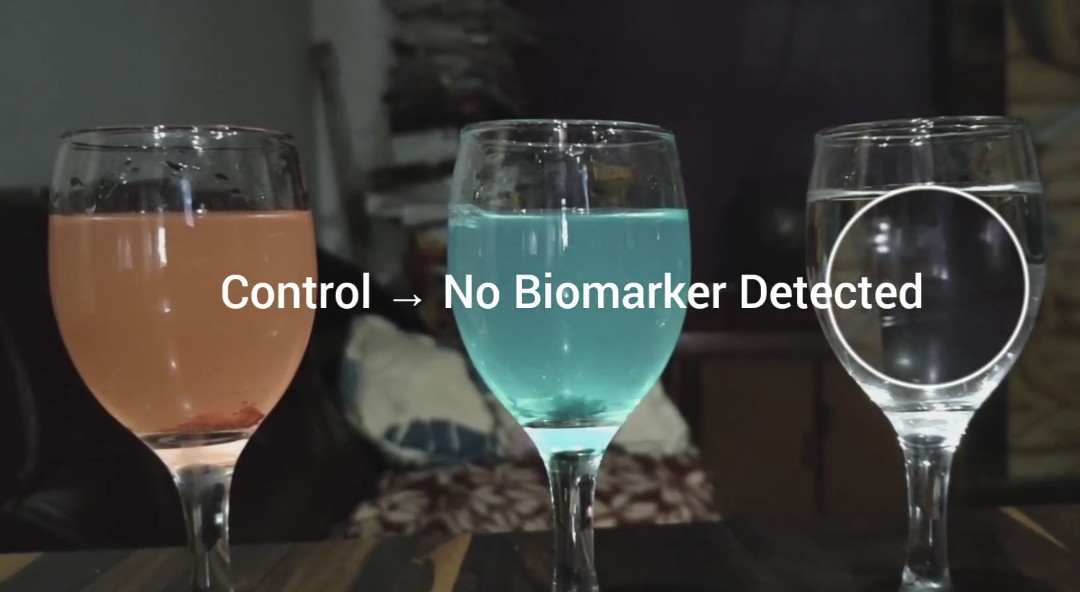
Prototype of the Three Biosensors Working
-
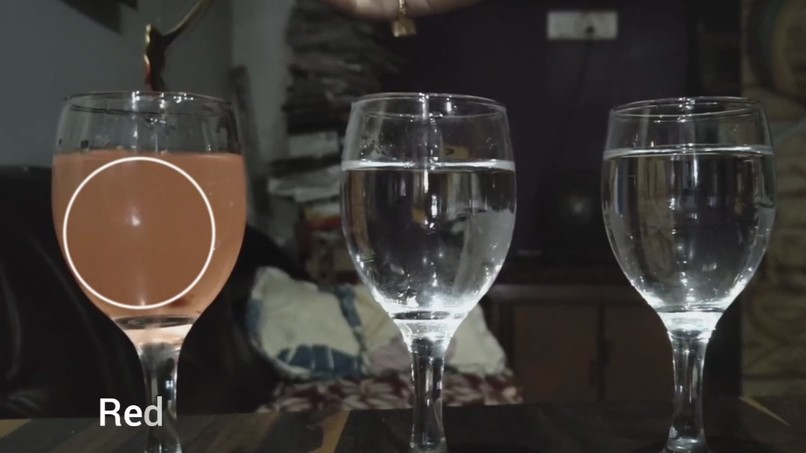
The Red one shows the Amino Acid detection
-
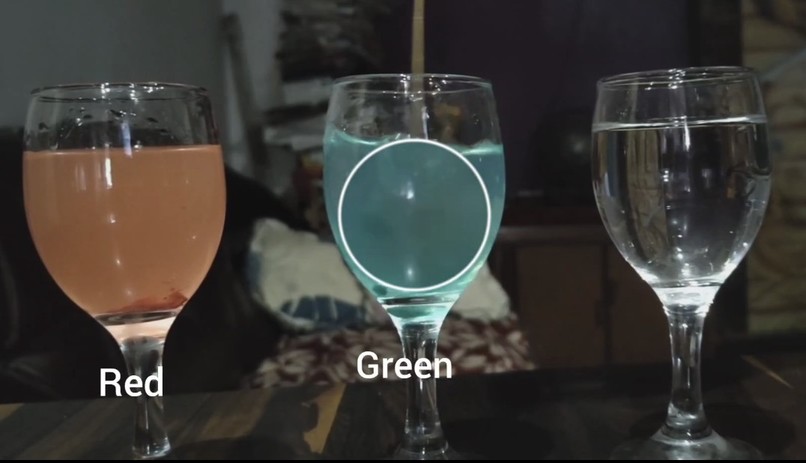
The Green one shows the Glow Reaction of ATP detection
-
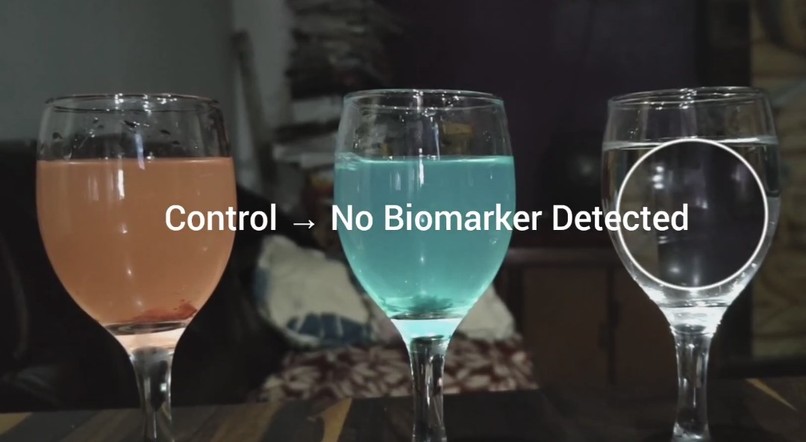
The last one shows no reaction due to absence of Bio detectors
-
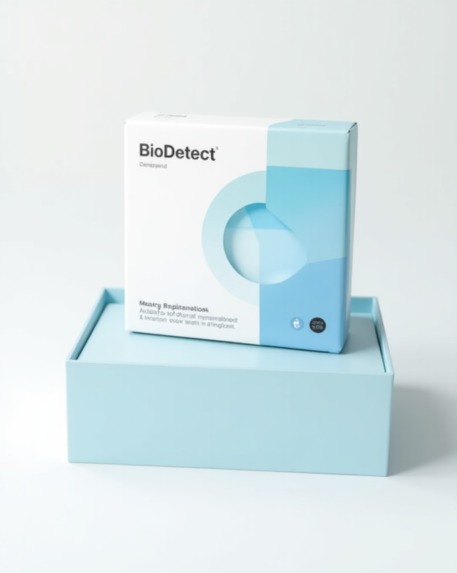
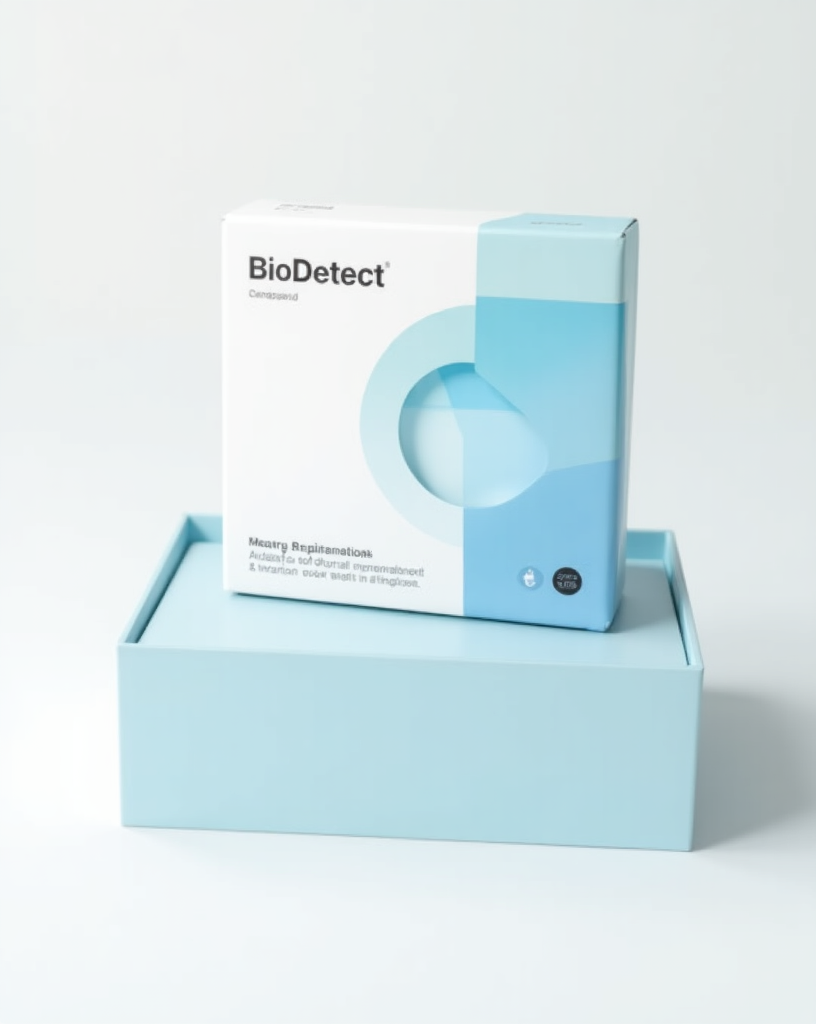
Digital Prototype of the Kit (closed)
-
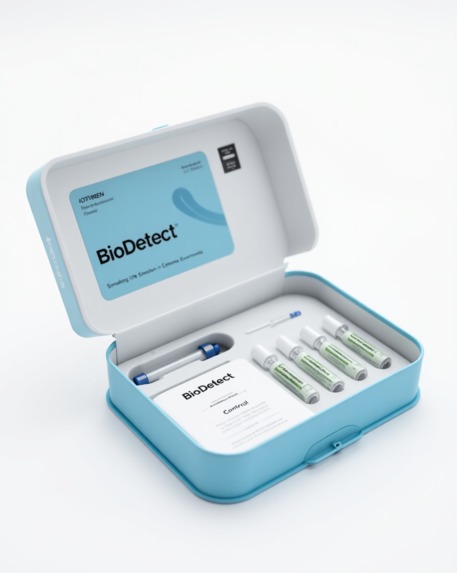
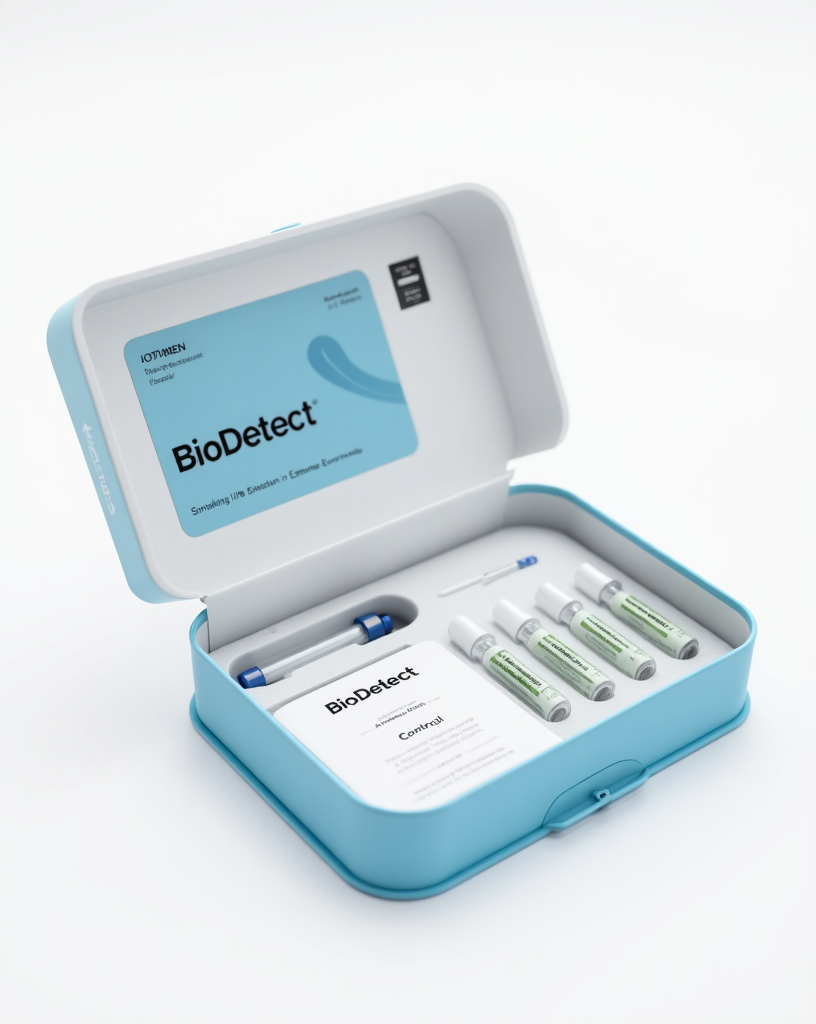
*Digital Prototype of the Kit (open)
Inspiration
The search for life beyond Earth has always fascinated me. Missions to Mars and icy moons like Europa spend billions of dollars on instruments to detect possible biosignatures, yet students and smaller labs rarely get the chance to engage with astrobiology hands-on.
I wanted to change that — to create a low-cost, safe, and accessible way for anyone to experience the excitement of life detection experiments. The idea of bringing "Mars science into the classroom" inspired the birth of BioDetect.
What it does
BioDetect is a portable synthetic biology kit that simulates how scientists detect biosignatures in extreme environments.
- Uses freeze-dried cell-free biosensors that respond to potential biomarkers such as ATP (the energy molecule of life), amino acids (building blocks of proteins), and pH shifts.
- When a sample is added, the biosensors glow or change color, allowing learners to simulate real NASA-style life detection experiments.
- Designed to be affordable (< $50), safe (no live bacteria), and educational for classrooms, citizen scientists, and Mars-analog research.
How we built it
- Concept Design: Outlined the workflow of a “mini lab-in-a-box” with tubes/strips, a dropper, and a guidebook in the PPT.
- Digital Prototype: Designed mockups of the BioDetect kit using PowerPoint/Canva, showing its outer box and inside contents.
- Simulated Reactions: Created visual demos using colored solutions to mimic sensor outputs.
- Data Simulation: Generated a synthetic dataset of ATP concentration vs. fluorescence intensity and visualized the expected detection curve using Python.
Challenges we ran into
- Biosafety: Live E. coli circuits aren’t suitable for classrooms. Solved by switching to cell-free systems, which are stable, safe, and already used in educational kits.
- Astrobiology focus: Existing bio kits are general, so we had to emphasize the unique space exploration angle.
- Resources: As a solo beginner without a wet lab, I relied on creative prototyping, mockups, and simulations instead of real engineered circuits.
- Data limitations: With no real Martian soil data, we used rule-based synthetic data for survival/detection simulations, but documented assumptions clearly.
Accomplishments that we're proud of
- Built a clear, visual prototype that looks and feels like a real product.
- Created a working simulation of biomarker detection that judges can interact with.
- Positioned the project as a unique educational tool for astrobiology — not just another biology kit.
- Learned to communicate complex science in a way that’s simple, inspiring, and accessible.
What we learned
- The importance of cell-free synthetic biology for safe, portable biosensing.
- How to prototype without a lab using digital design, simulations, and mock experiments.
- How to clearly frame an idea in the Astrobiology track so judges see its uniqueness.
- That storytelling and accessibility are as important as technical depth in inspiring others.
What's next for BioDetect
- Prototype Expansion: Add more biosensors for biomarkers like lipids, gases, or perchlorate detection.
- Field Testing: Try the kit in Mars analog environments (e.g., Atacama Desert, Antarctica).
- Educational Rollout: Partner with schools, space camps, and citizen science programs to inspire students globally.
- Research Integration: Collaborate with astrobiology labs to adapt BioDetect for pre-mission simulation studies.
Vision: To make astrobiology accessible to everyone, from students in classrooms to scientists preparing for life detection beyond Earth.
Built With
- canva
- chatgpt
- claude
- food-coloring-(prototype-simulation)
- github
- image.art-(digital-prototype)
- markdown
- matplotlib
- powerpoint
- python
- vscode-copilot


Log in or sign up for Devpost to join the conversation.