-
-
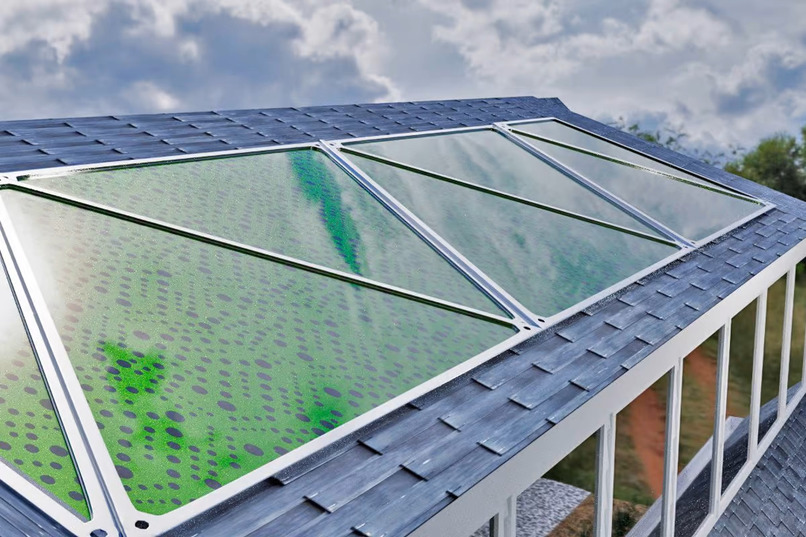
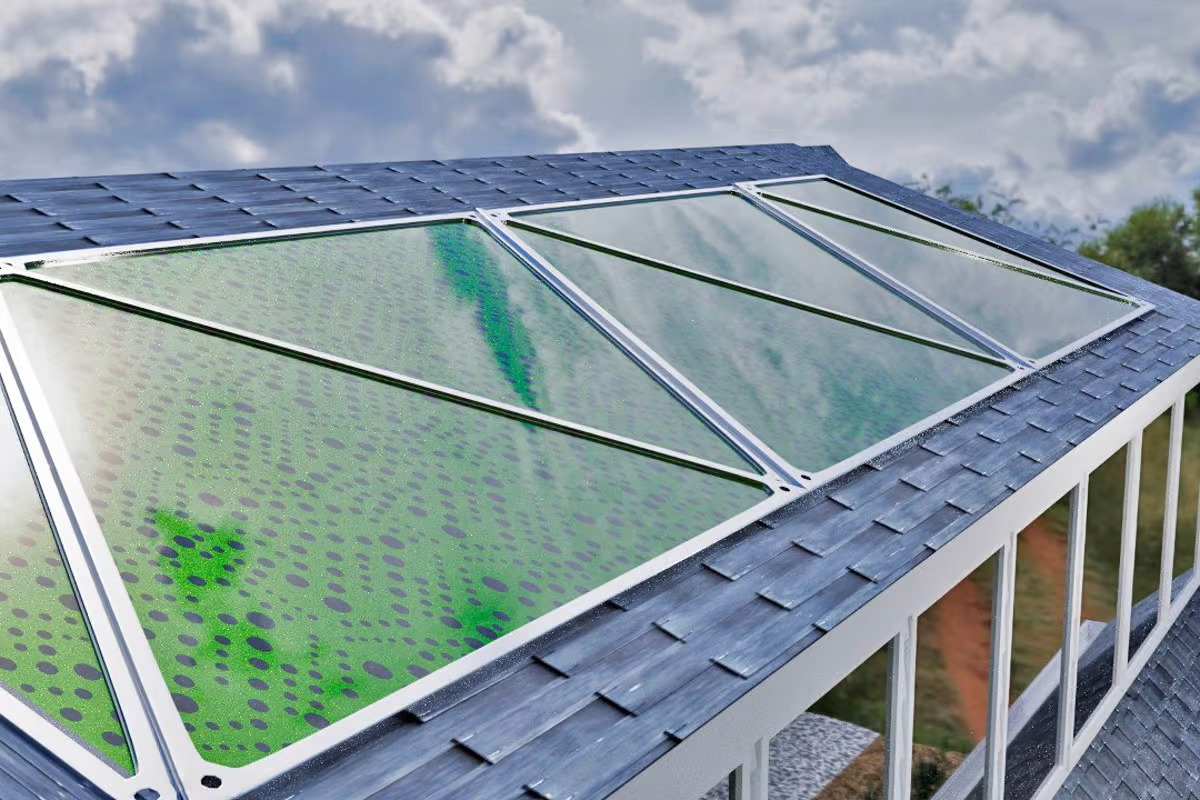
This would be an example of algae based solar panel(source from: "https://newatlas.com/energy/greenfluidics-algae-biopanels/"
Inspiration/Context
Our inspiration for Bio-Panels came from a deep concern for the current global issues. Although more and more people have received access to electricity and clean cooking fuels in many parts of the world in recent years, there are still more than 675 million individuals who do not have access to the grid and 2.3 billion individuals who are cooking with unsafe and polluting fuels. This has led many countries to raise investments in renewable energy sources and also led many other countries to increase their reliance on nonrenewable energy sources such as fossil fuels, putting the transition to green and renewable energy at risk. At this rate, the switch to a more global renewable energy grid will not be a reality. We inspire to improve current solar panel efficiency and make renewable energy more accessible and affordable to everyone.
What it does
We propose to implement bio-based solar cells to reduce the use of expensive materials like silicon and titanium dioxide. Bio-panels, just like regular solar panels, will absorb photons and emit electrons that can be used to produce electricity, similarly to how a regular dye-sensitized solar cell would work. Jellyfish and algae cells in those bio-panels will contain self-repairing properties that could reduce the maintenance cost and increase durability compared to traditional solar panels.
How we built it
Because there are no prototypes, the design would be just like a regular solar panel. We can use materials from species like Jellyfish or algae for example like Aequorea victoria, who contain the green fluorescent protein(GFP) in their cell that can be used to improve current solar panels. GFP-based solar cells can also be integrated into self-contained "bioluminescent" fuel cells that generate electricity without an external light source, by using light-emitting enzymes like those found in fireflies or sea pansies. When exposed to sunlight, algae cells can split water molecules and produce electrons, protons, and oxygen as byproducts. These electrons generated by the algae can be captured and used to generate electricity. According to the startup’s research with Chalmers University of technology, a material made from silica shells of diatom algae–Algica, can increase the efficiency by up to 36% when mixed into the active layer
Challenges we ran into
Although Bio-Panels are environmentally friendly, there are limits and barriers to their implication. Some examples would be that the current efficiency of these jellyfish-based solar cells is quite low, around 0.1%, compared to 10-15% for existing dye-sensitized solar cells. Because this is a niche and unfamiliar topic that not a lot of people knew about, we struggled to find sources and evidence to back up our idea of using bio-materials to replace metal for solar panels. There needs to be more research on jellyfish based proteins to see how the efficiency could be improved.
What's next for Bio-Panel
Overall, we want to promote the idea of bio-panels so in the future everyone can have access to renewable energies. We want to make solar panels more affordable, long-lasting, and use renewable resources. We aim to work with universities to further research on the real applications of using bio-based solar panels. We hope to bring awareness to this niche and unique topic to help improve the future!
Built With
- adobeaudition
- google-docs
- googleslides
- obs
- premierpro

Log in or sign up for Devpost to join the conversation.