Project Story: BinSmart
Inspiration
The idea for BinSmart was inspired by the growing global need for sustainable solutions to address plastic waste, particularly in public spaces. As awareness about environmental issues and waste management increased, we identified an opportunity to develop a product that not only reduces waste but also encourages recycling in schools, universities, and offices. We wanted to create a durable, eco-friendly, and cost-effective recycling bin that would be easy to implement in everyday public settings.
What We Learned
Throughout the development of BinSmart, we learned the importance of balancing sustainability with practicality. We explored different materials, manufacturing methods, and life cycle considerations to ensure that the bin would not only last but also have a minimal environmental footprint. Key takeaways include:
The value of recycled materials in reducing waste and supporting a circular economy.
The complexity of life cycle analysis and how important it is to consider every phase of a product's life — from material sourcing to end-of-life disposal.
How effective efficient manufacturing processes can significantly reduce costs and environmental impact.
How We Built the Project
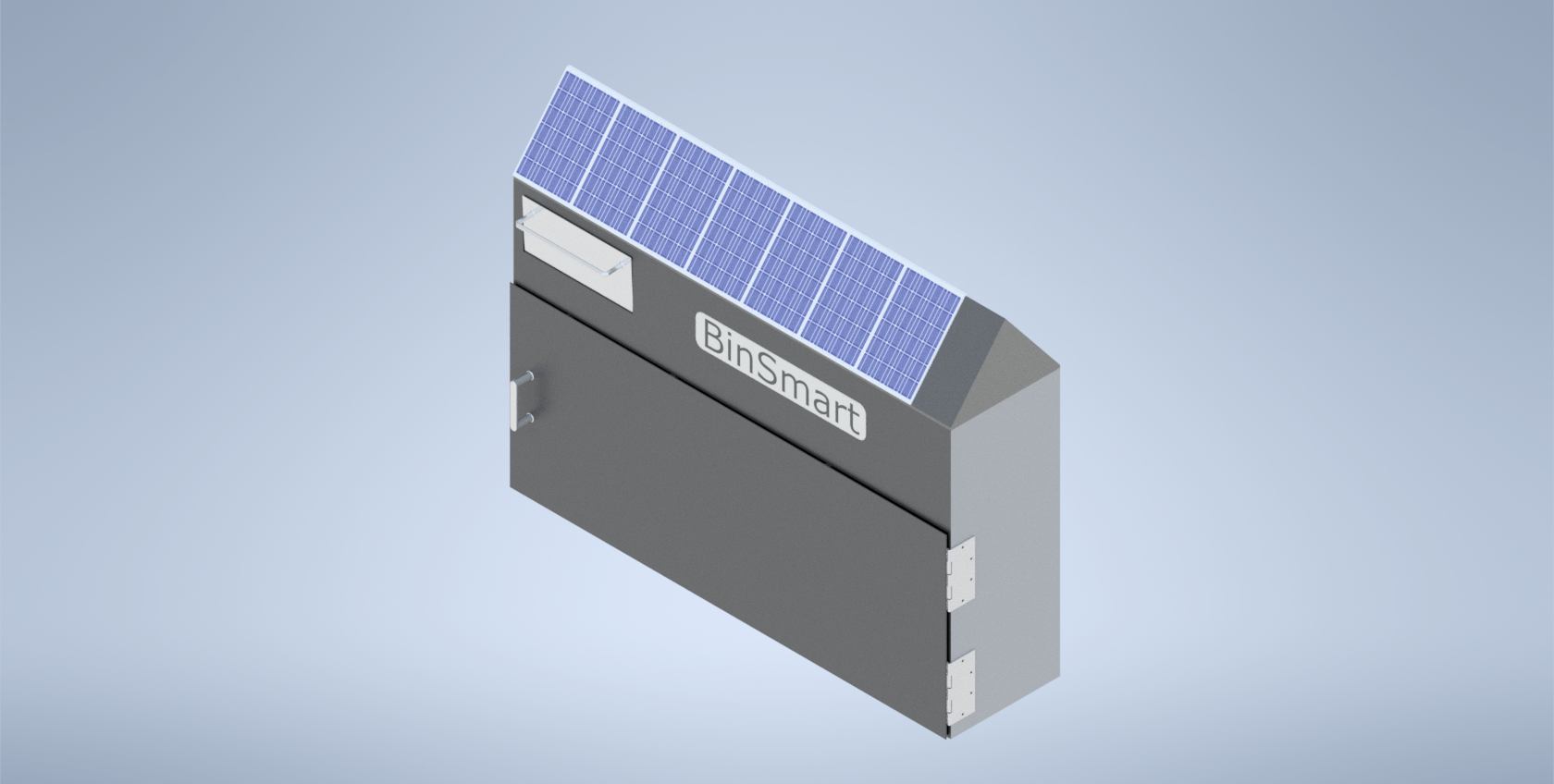
To build BinSmart, we started with recycled HDPE (High-Density Polyethylene), a material that’s durable, highly recyclable, and cost-effective. We then chose injection moulding as the manufacturing method due to its efficiency and minimal environmental impact. The bin was designed with a 20-year lifespan, reducing the frequency of replacements and waste generation.
We conducted a Life Cycle Analysis (LCA) to assess the product’s environmental impact at each stage, from sourcing to end-of-life. By focusing on transport distance, material selection, and manufacturing processes, we ensured the bin was as sustainable as possible while remaining affordable and functional for public use.
Challenges Faced
One of the main challenges was finding a balance between sustainability and cost-effectiveness. We wanted the bin to be both affordable for schools, universities, and offices while also having a minimal environmental footprint. This required extensive research into different materials, manufacturing methods, and logistical solutions. Additionally, we had to carefully consider the recyclability of our product and ensure it could be easily processed at the end of its life.
Another significant challenge was ensuring durability and ease of use for the bins. We wanted them to be resistant to weathering and able to withstand heavy use in public spaces, while still being lightweight and easy to move. This meant selecting the right materials and testing prototypes thoroughly to ensure they met all practical requirements.
Conclusion
BinSmart represents our commitment to sustainability, innovation, and practicality. By focusing on a circular economy approach, we’ve created a product that can serve public spaces for years while reducing waste and promoting responsible recycling. Through this project, we’ve learned valuable lessons about environmental impact, manufacturing processes, and product design—lessons that will help us continue developing smarter, more sustainable products in the future.
Built With
- canva
- css
- html
- inventor
- javascript
- python

Log in or sign up for Devpost to join the conversation.