-
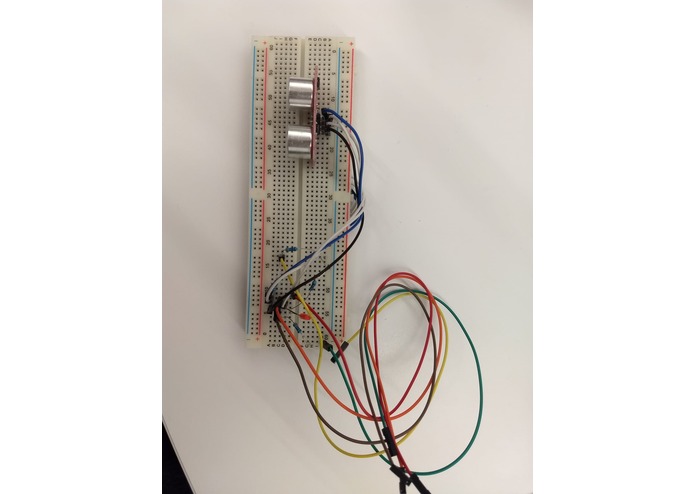
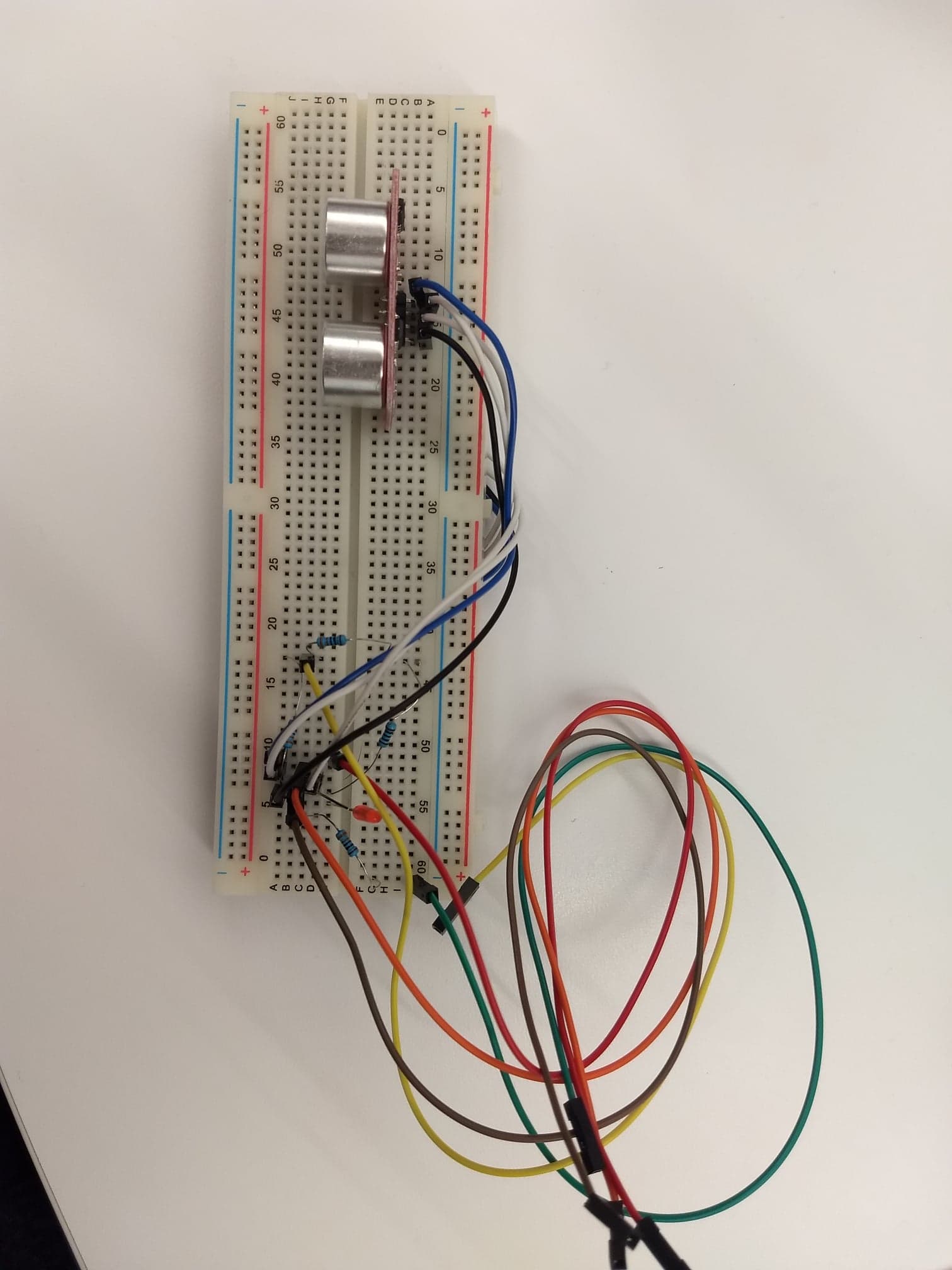
Breadboard Setup
-
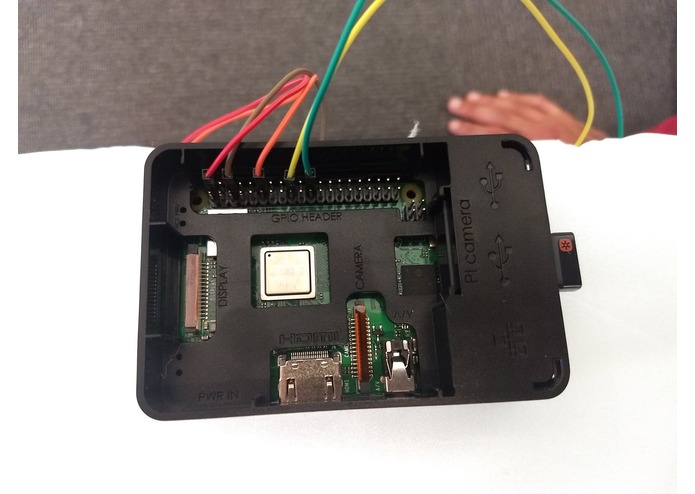
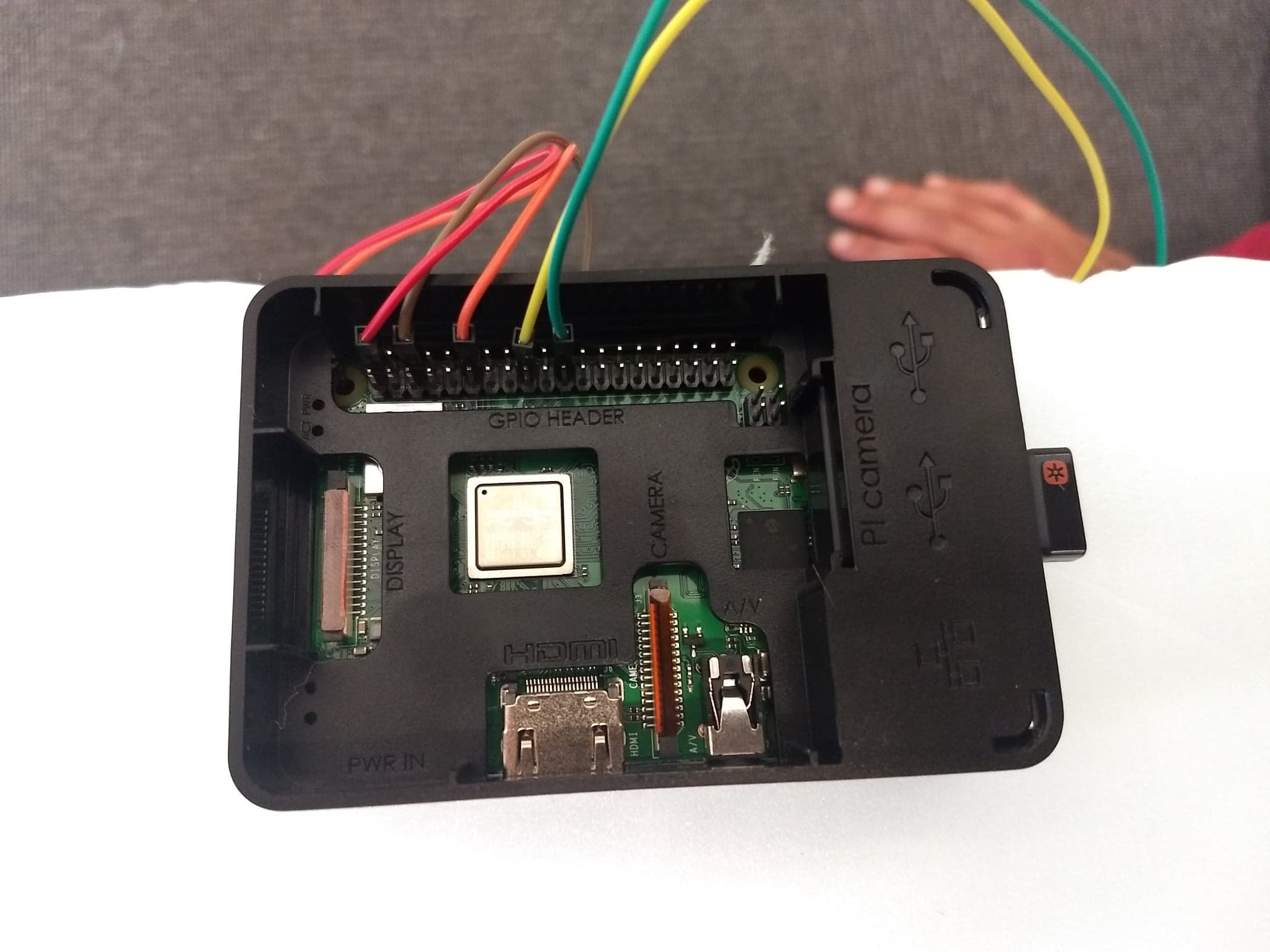
Raspberry Pi micro controller
-
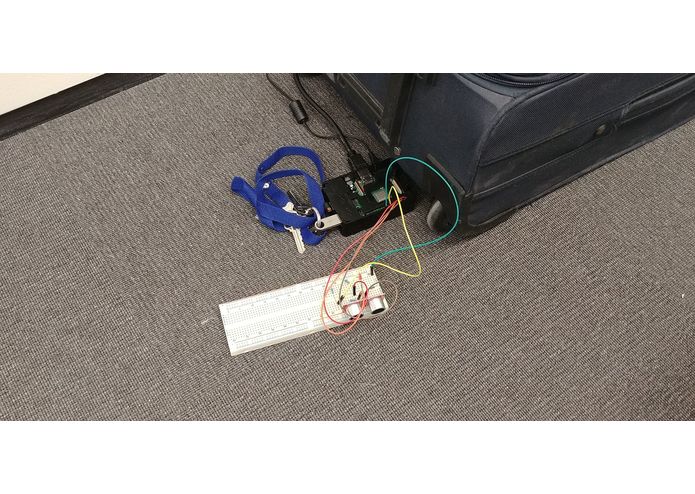
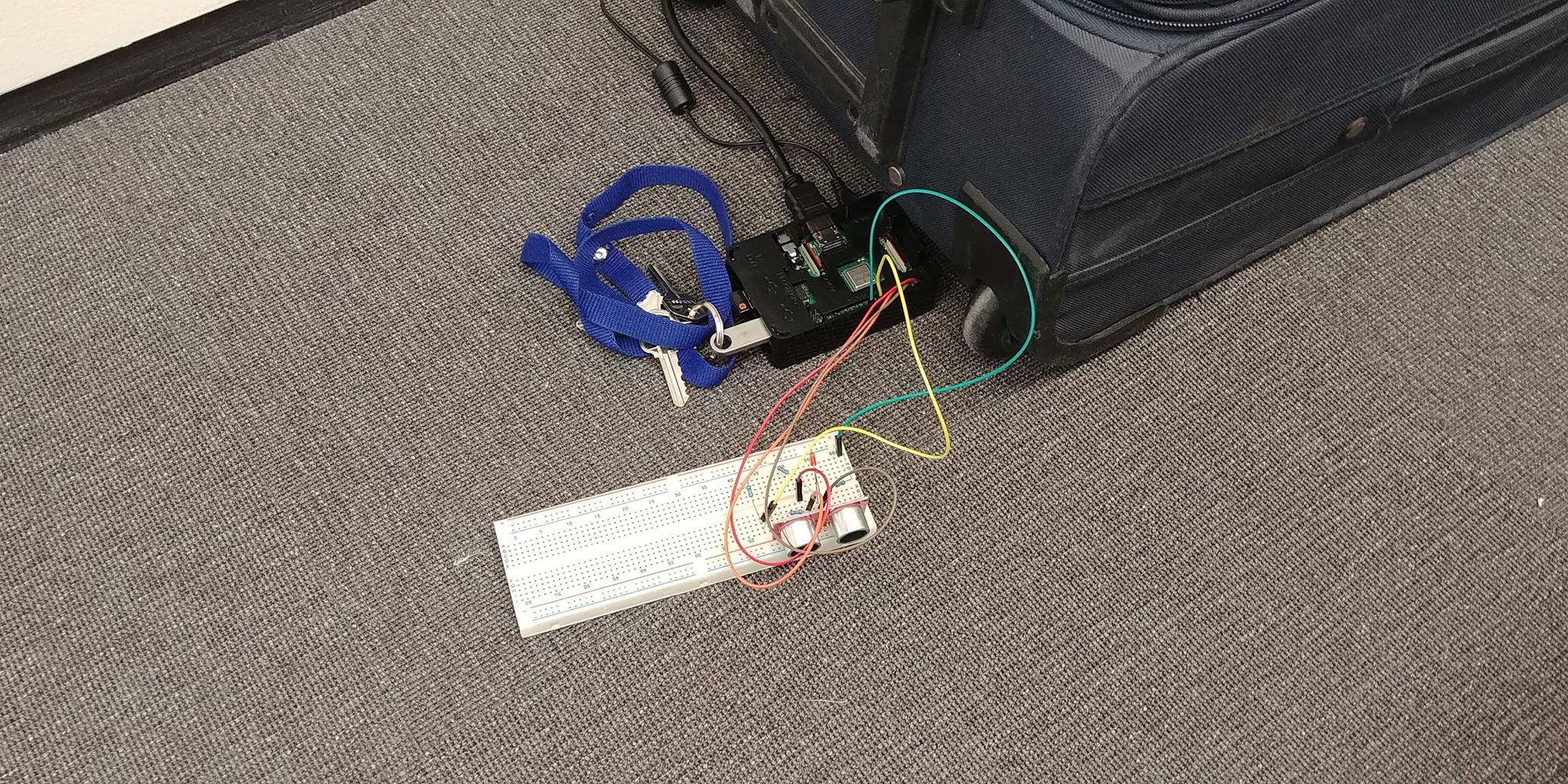
Breadboard + micro controller setup
-
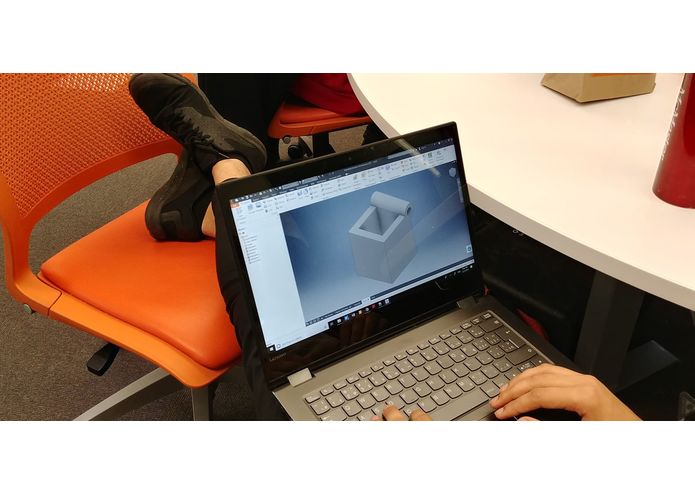
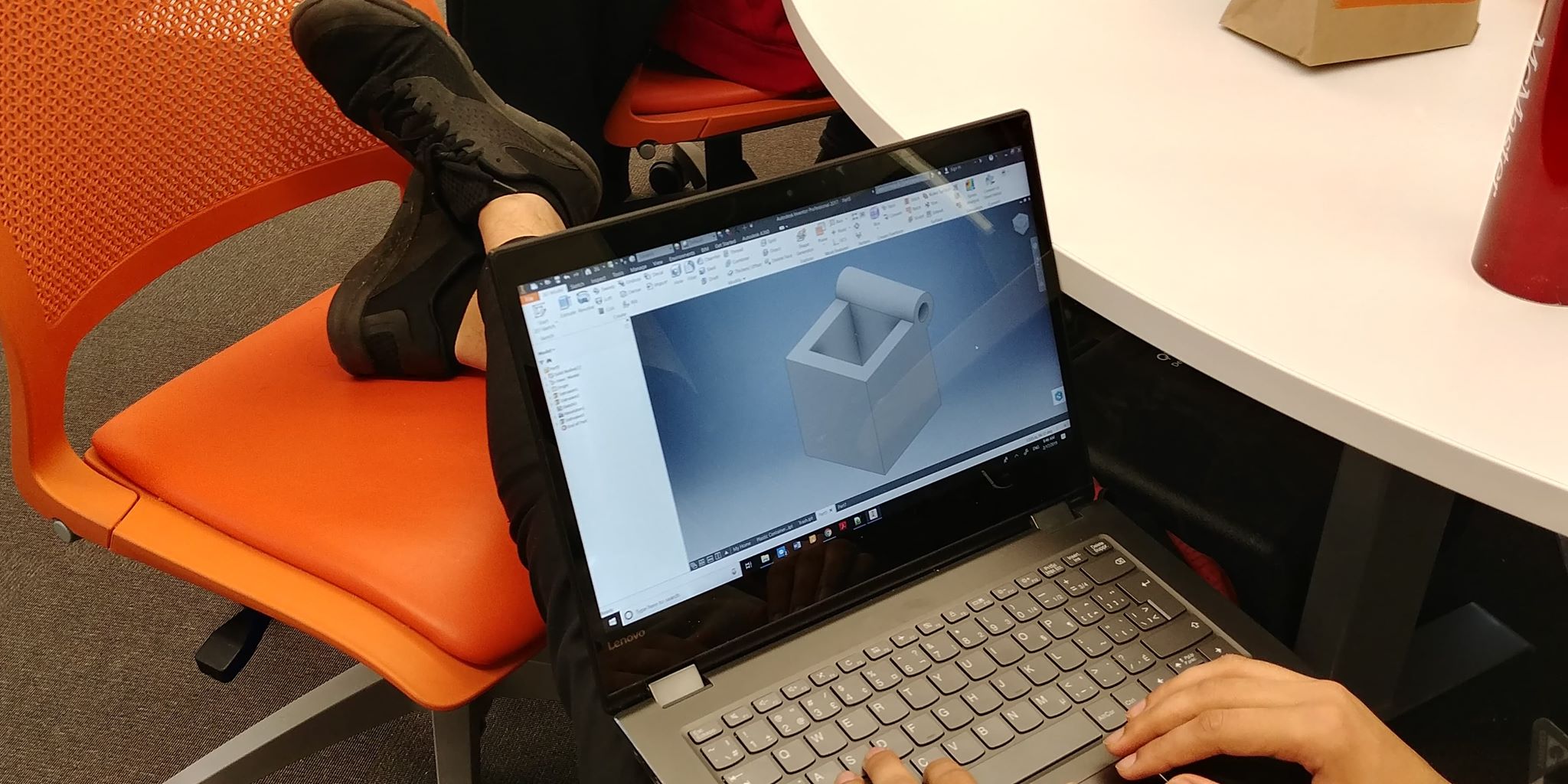
Cad design for prototyping
-
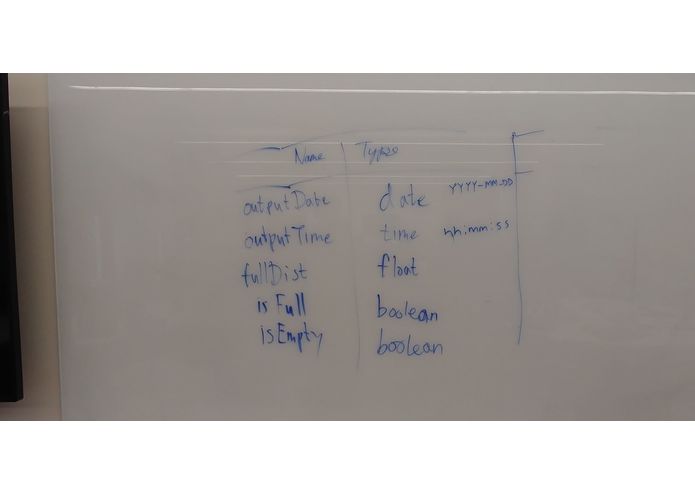
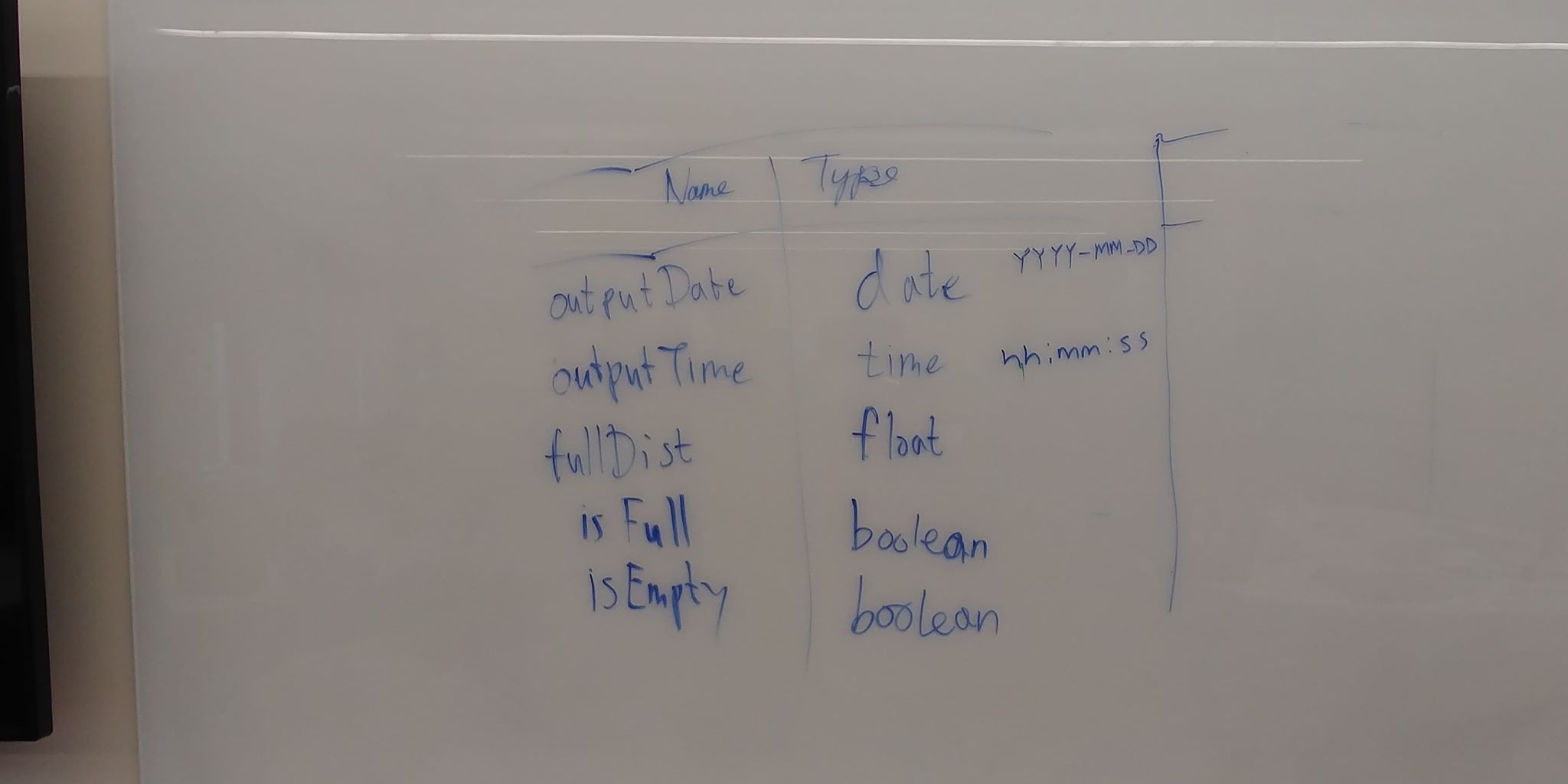
Column diagram for data frames
Inspiration
With rapidly increasing populations in Canada's largest cities and waste over-pollution issues, it is becoming increasingly important to handle waste management carefully. Cities must ensure that the frequency of removal is adequate while attempting to reduce costs and increase sustainability.
What it does
This project was developed to improve our system of garbage collection from the dumpsters. The current system employs collecting waste from every single dumpster via garbage trucks and is inefficient in the sense when the trucks must invest their time of getting the filled, old dumpsters rather than the new, unfilled dumpsters. Also, it increases the traffic in the streets since the waste pick-up is on every Monday (which is one of the busiest days in the week).
However, the innovative automated dumpster monitor give a real time indicator of the garbage level in a dumpster at any given time. With this data, the waste collection routes are optimized and the labour and fuel cost associated with the garbage trucks are reduced. It allows the dumpster collectors to plan their weekly pick up schedule is an efficient manner. Moreover, with fewer trucks on the street, there would be less traffic and people can reach their destination safely.
What our system does is it gives a real time indicator of the garbage level in a trashcan at any given time. Using that data we can then optimize waste collection routes and ultimately reduce fuel consumption. It allows trash collectors to plan their daily/weekly pick up schedule.
How we built it
First, the total height of the dustbin is entered. The level of the waste amount This will help us generate the percentage of trash in the trashcan. The two criteria that emerges from the two functions which needs to be satisfied to show that the particular bin needs to be emptied :
The amount of trash, in other words let's say if your bin is half full you don't really need to empty it. Our thresh, or maximum amount that we permit of trash, is 75% of the bin. (You could alter the thresh according to your preference.)
If supposing a particular trashcan fills up 20% and then for a week doesn't change, it comes into our second criteria, time. With time even the little amount will start rotting leading to a smelly surrounding. To avoid that our tolerance level is 2 days, so if a trashcan is less than 75% but it is two days old it then will also need to be emptied.
Challenges we ran into
We encountered issues with the use of the Twilio API initially for the purpose of sending text messages to alert users to bins that are near full capacity. This was the most unfamiliar concept to the entire group and acted as a major learning experience.
Accomplishments that we're proud of
We are mainly proud that we were able to make use of brand new frameworks with something that was familiar (python programming and pandas).
What we learned
The bulk of the learning with this project came with the interfacing of hardware and software while keeping in mind the role of communications.
What's next for BinIt
To increase usability of the data generated by this project, the addition of database integration is a necessity. This increases the accessibility of the information as well, and if hosted on cloud platforms issues regarding rapid growth will not be a major issue.


Log in or sign up for Devpost to join the conversation.