Inspiration
We were inspired to build Binit when we learned about the waste that gets thrown in the wrong bins—like recyclables in the trash or compostables in the recycling bin. These disposals lead to millions of tons of waste ending up in landfills, emitting harmful CO2, and contributing to deforestation, with the potential to save trees and reduce carbon emissions if properly managed.
What it does
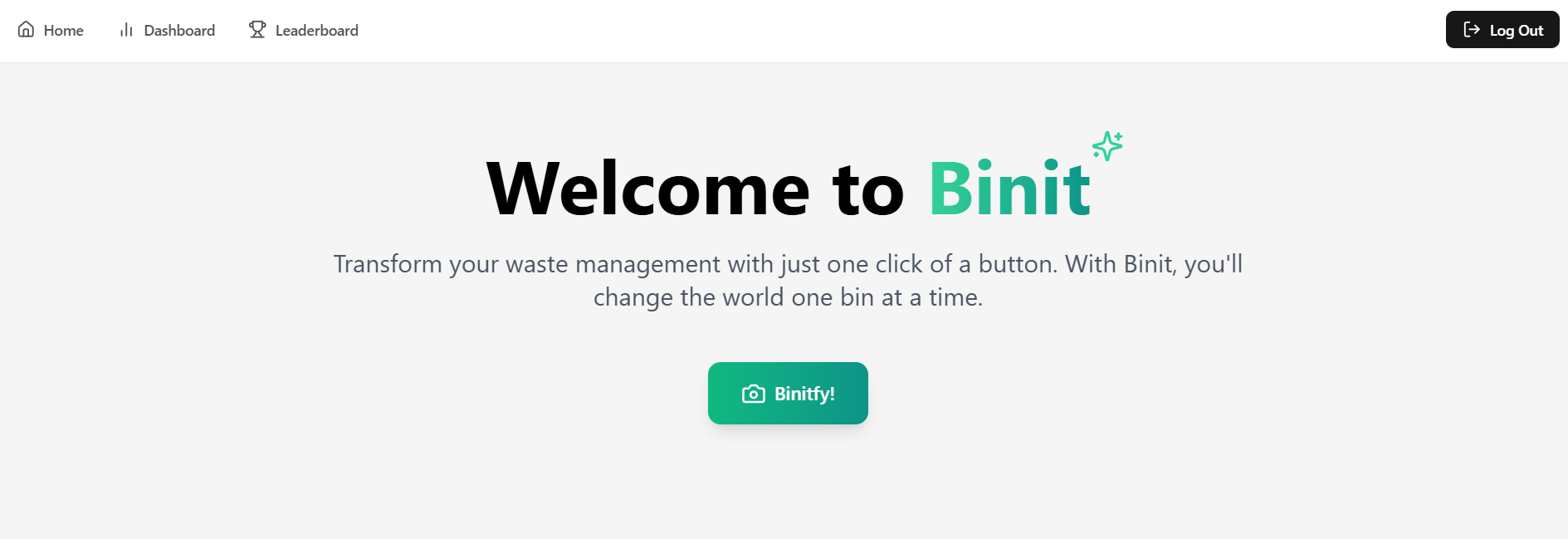
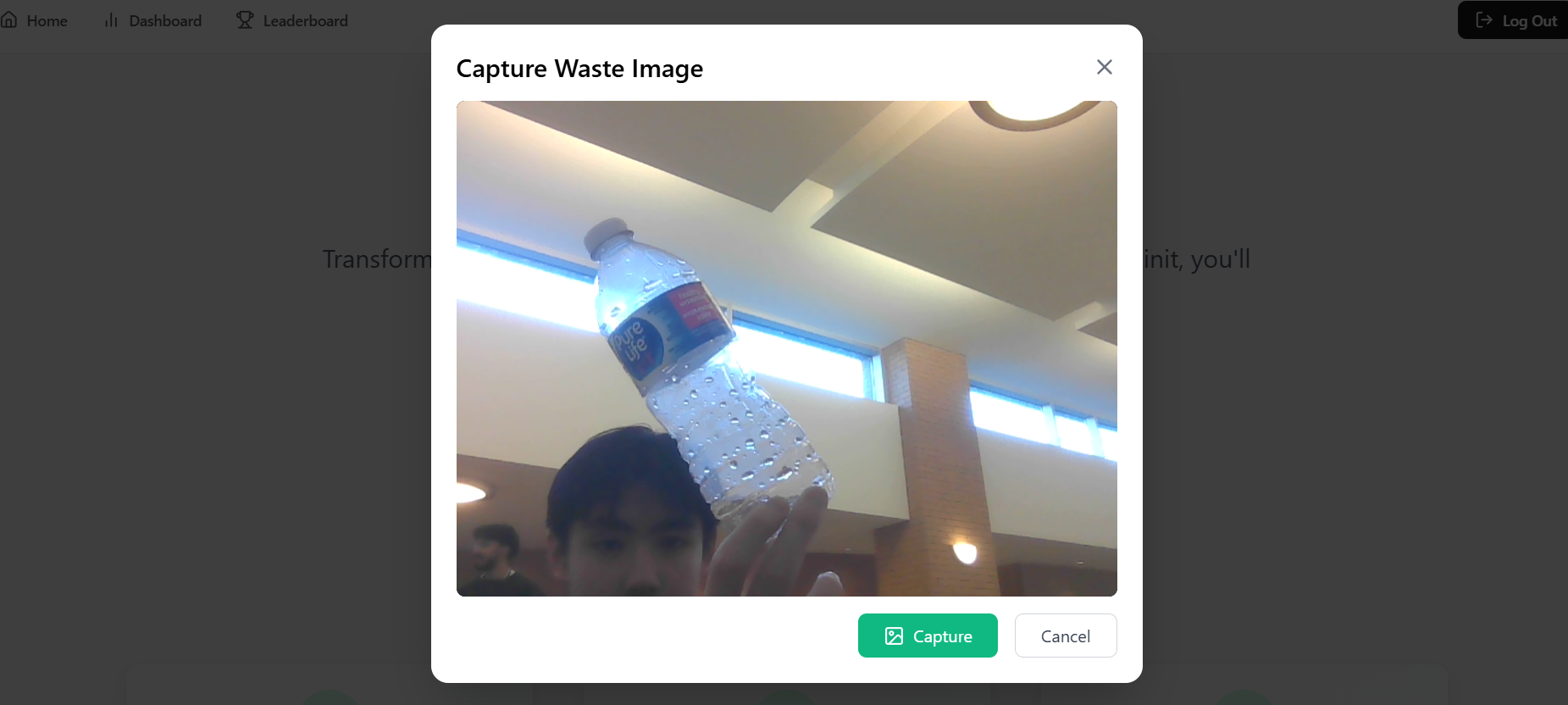
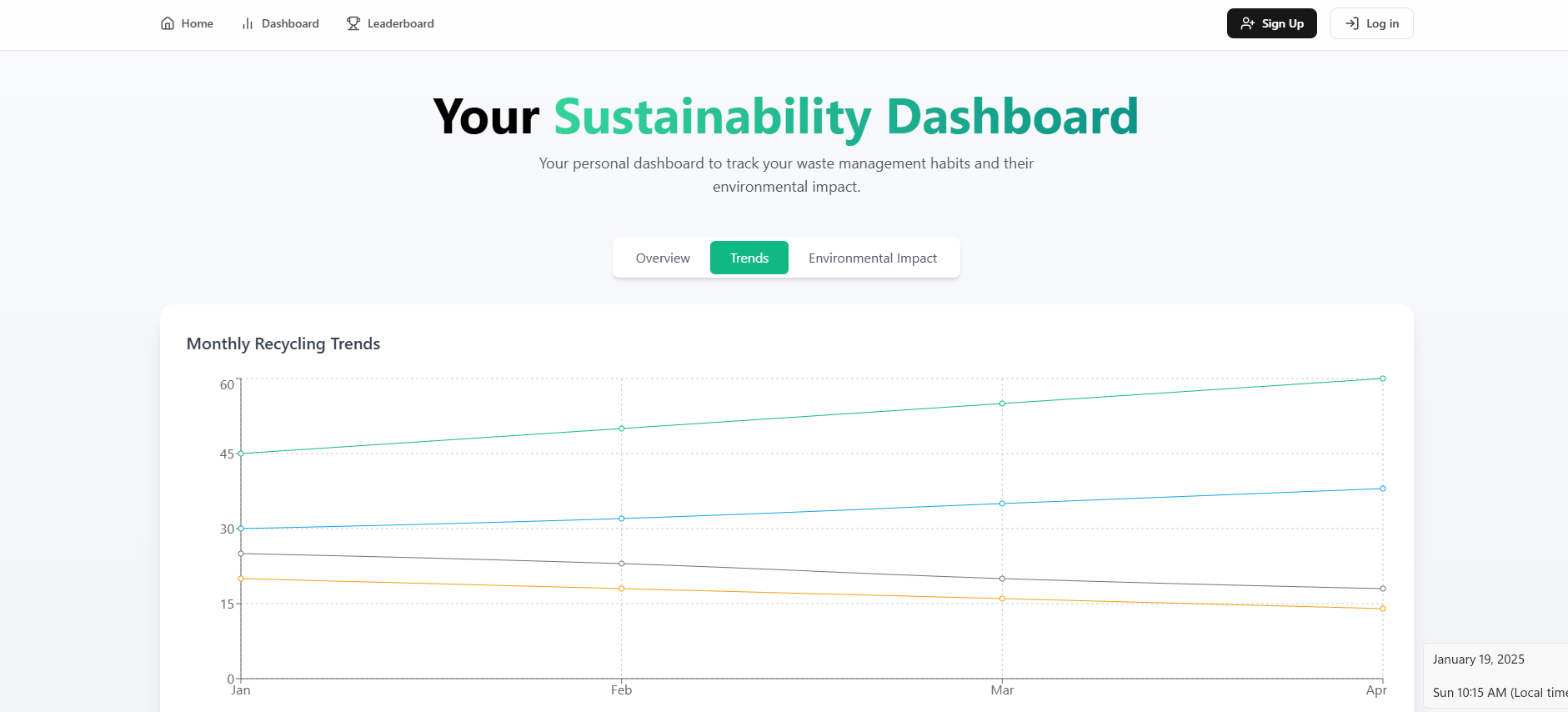
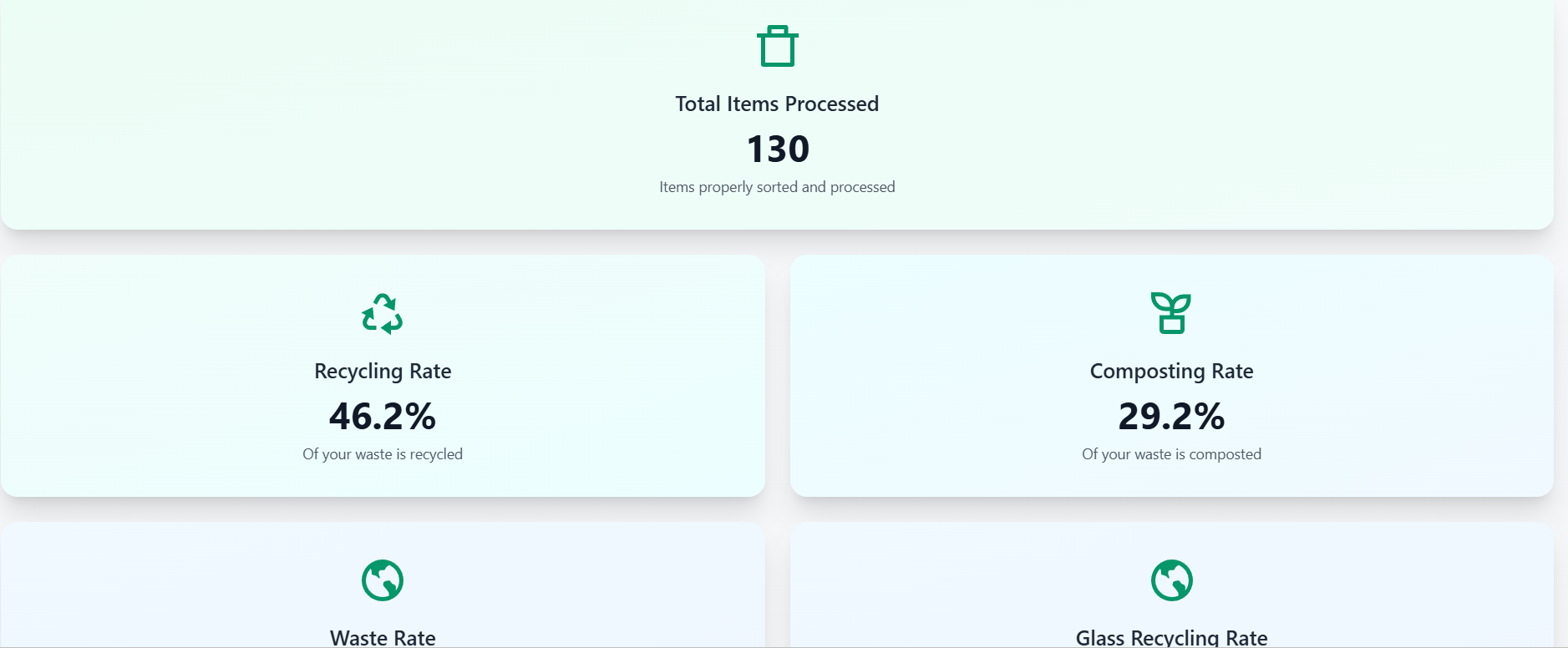
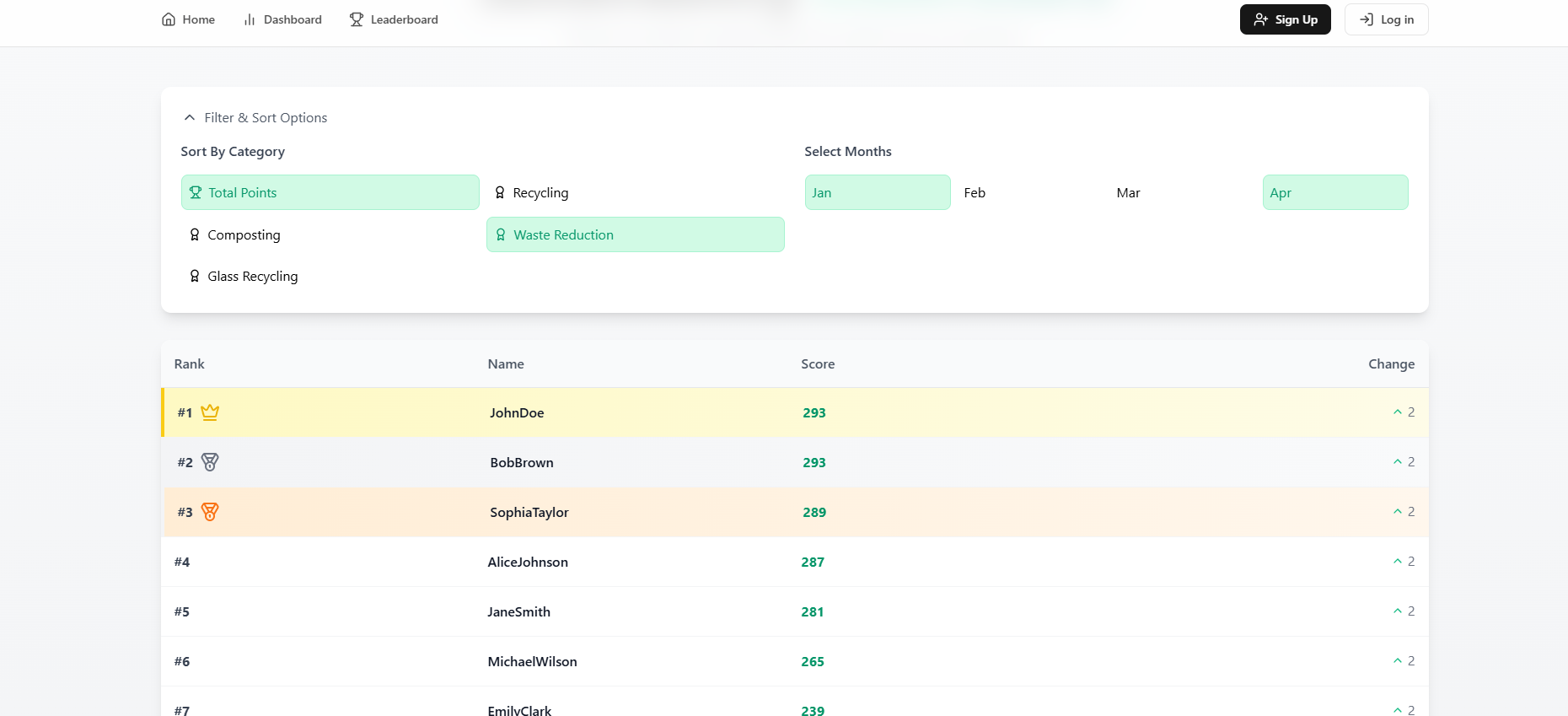
With a simple photo, Binit uses the Gemini API to instantly categorize waste, showing users exactly which bin to dispose of it in. Properly disposing of waste earns points, boosting your rank on the leaderboard. Binit tracks your waste management and environmental impact with a clean, minimalist interface, making it easy to track your progress. With Binit, you can change the world, one bin at a time!
How we built it
We used React for the frontend and Tailwind for styling. Waste classification is powered by the Gemini API. Axios and RESTful APIs were used to establish a connection between the frontend and backend. The backend is built with Django, and we’re using SQLite for the database
Challenges we ran into
Integrating Django with React presented a unique challenge, as one team member was focused on frontend development with no backend experience, while the other was skilled in backend but lacked frontend expertise. This made communication and collaboration between the two sides challenging.
Accomplishments that we're proud of
Developing our first full-stack website and connecting the frontend and backend. Designed a user-friendly UI thats fully responsive Implementing an account system with Django Wrapper with Gemini-api
What we learned
React, Restful API, Django, Gemini API
What's next for Binit
Environmental impacts using real data Scalable for larger amounts of data Making it into an app Give more rewards and incentives


Log in or sign up for Devpost to join the conversation.