-
-
Logo
-
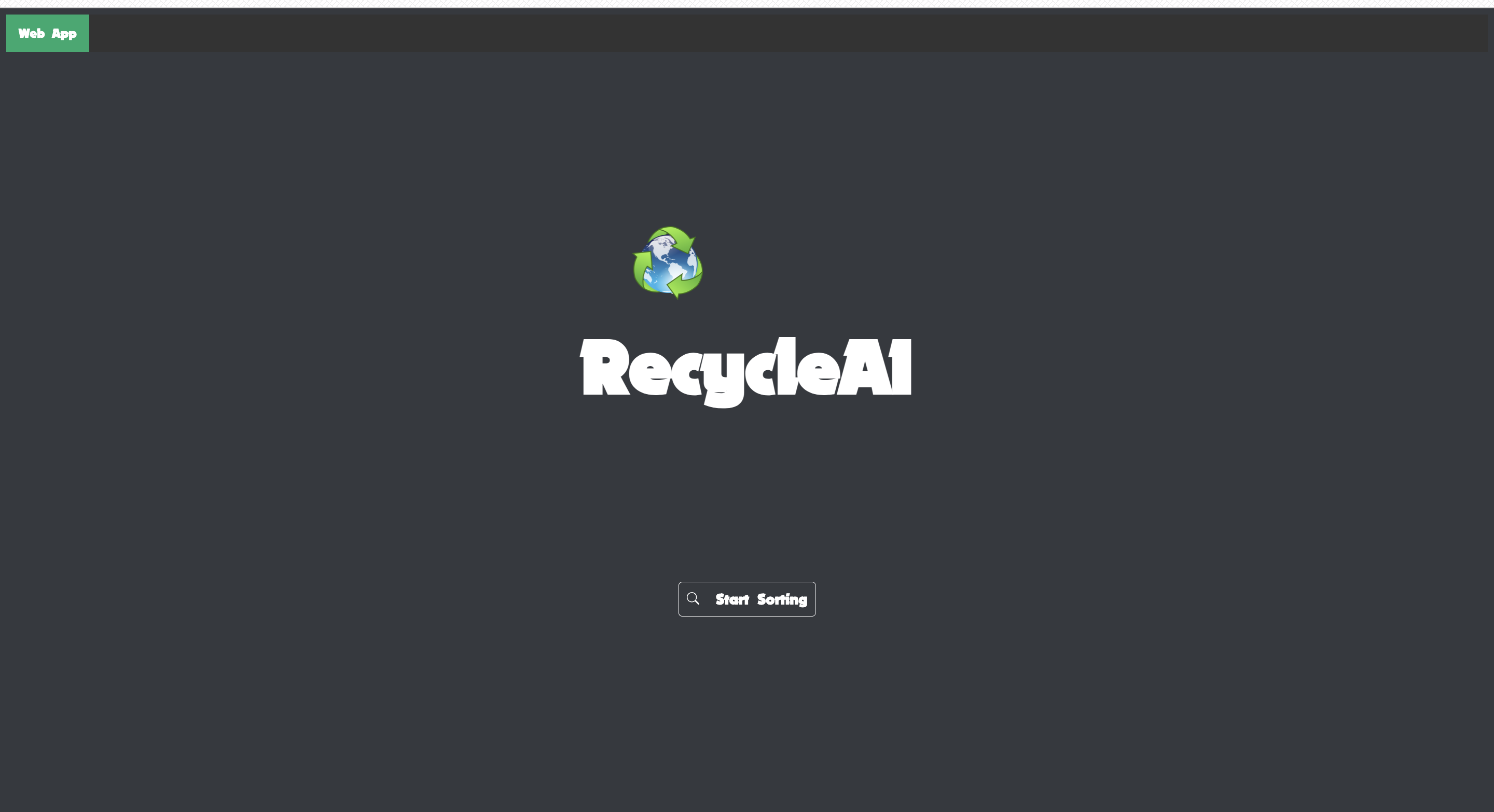
Start screen
-
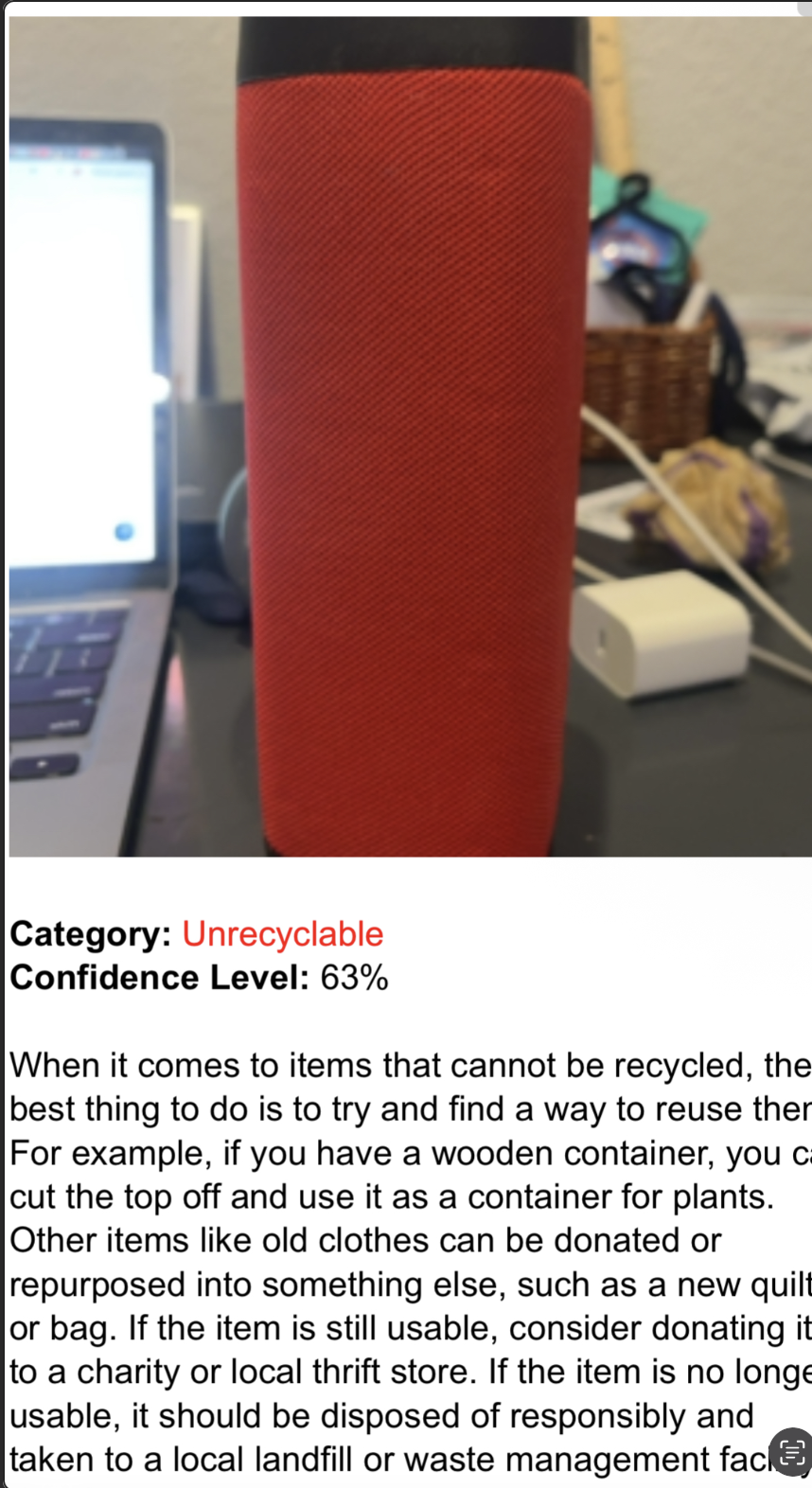
Test 1
-
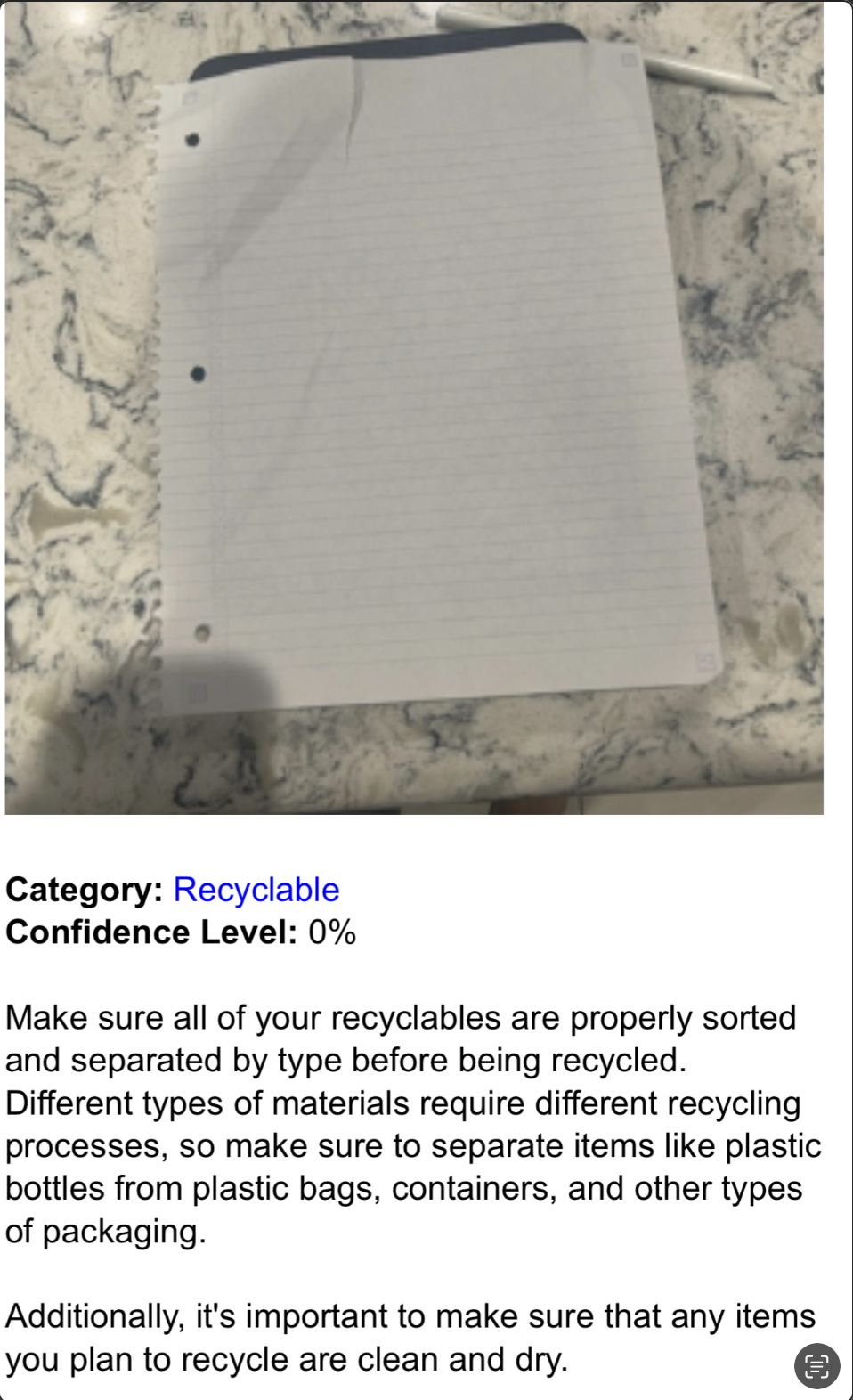
Test 2
-
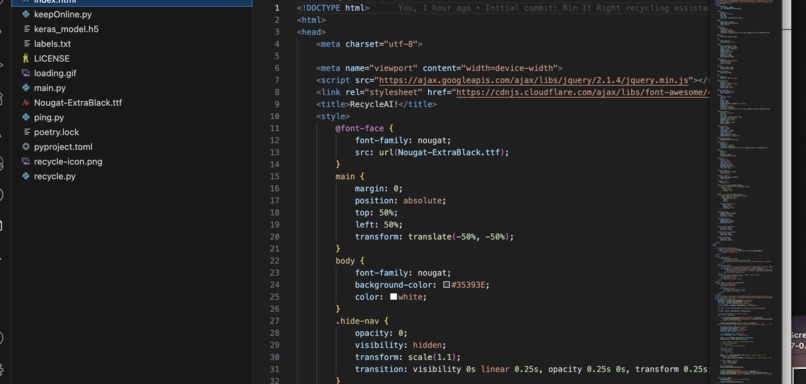
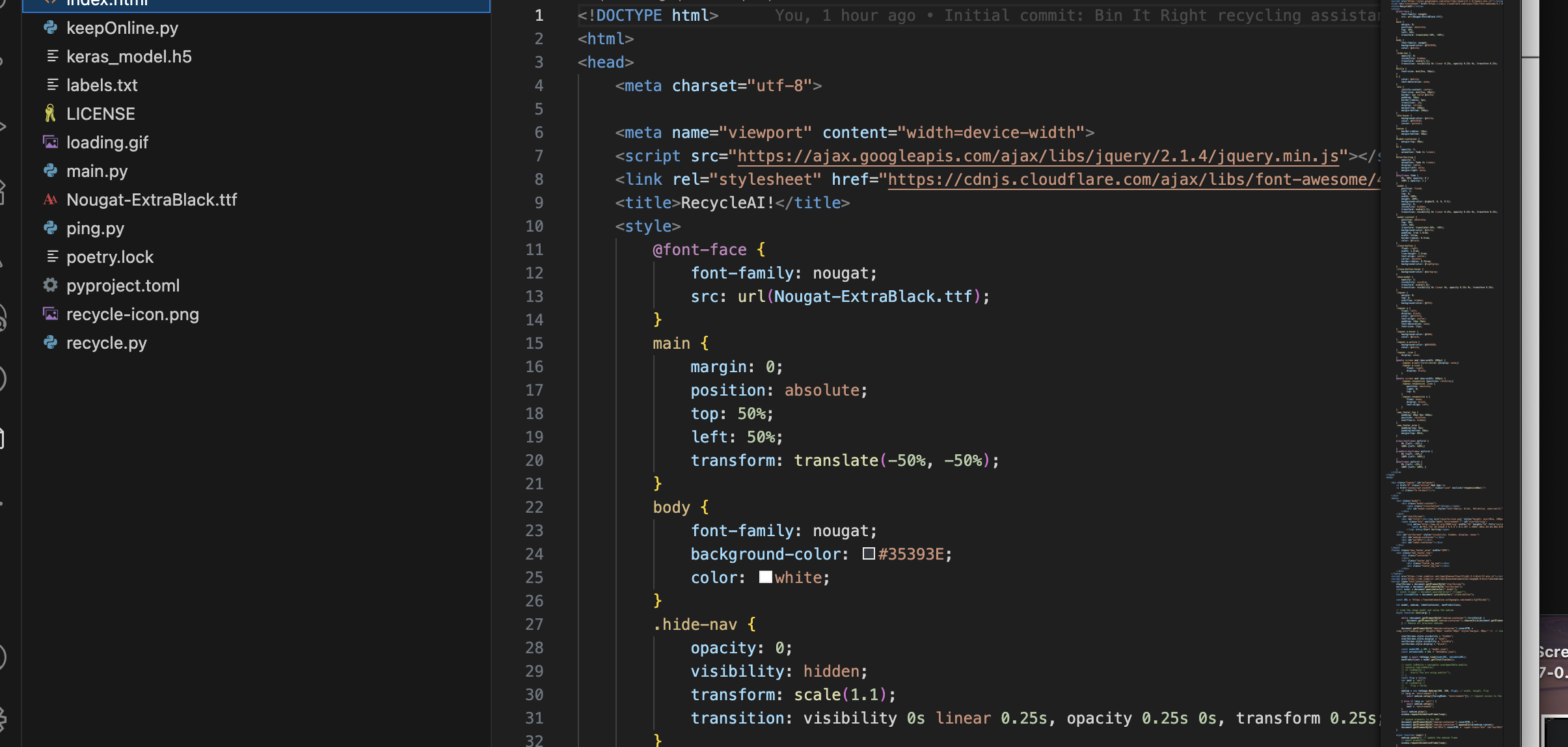
Code Block 1
-
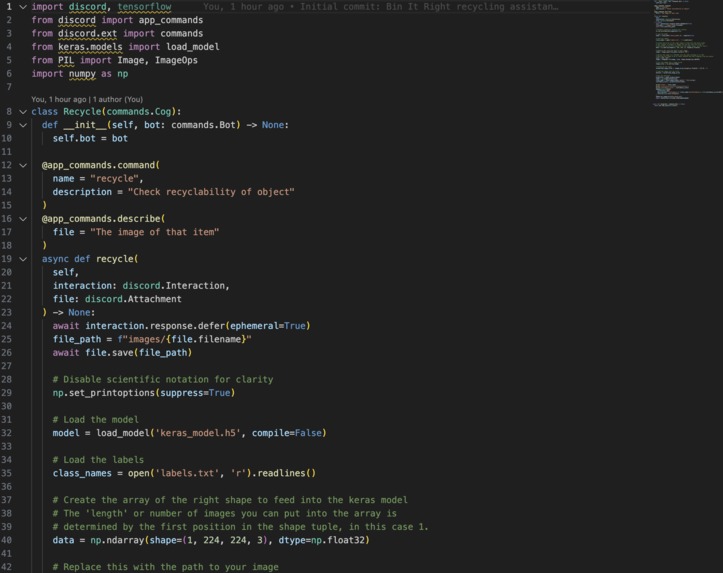
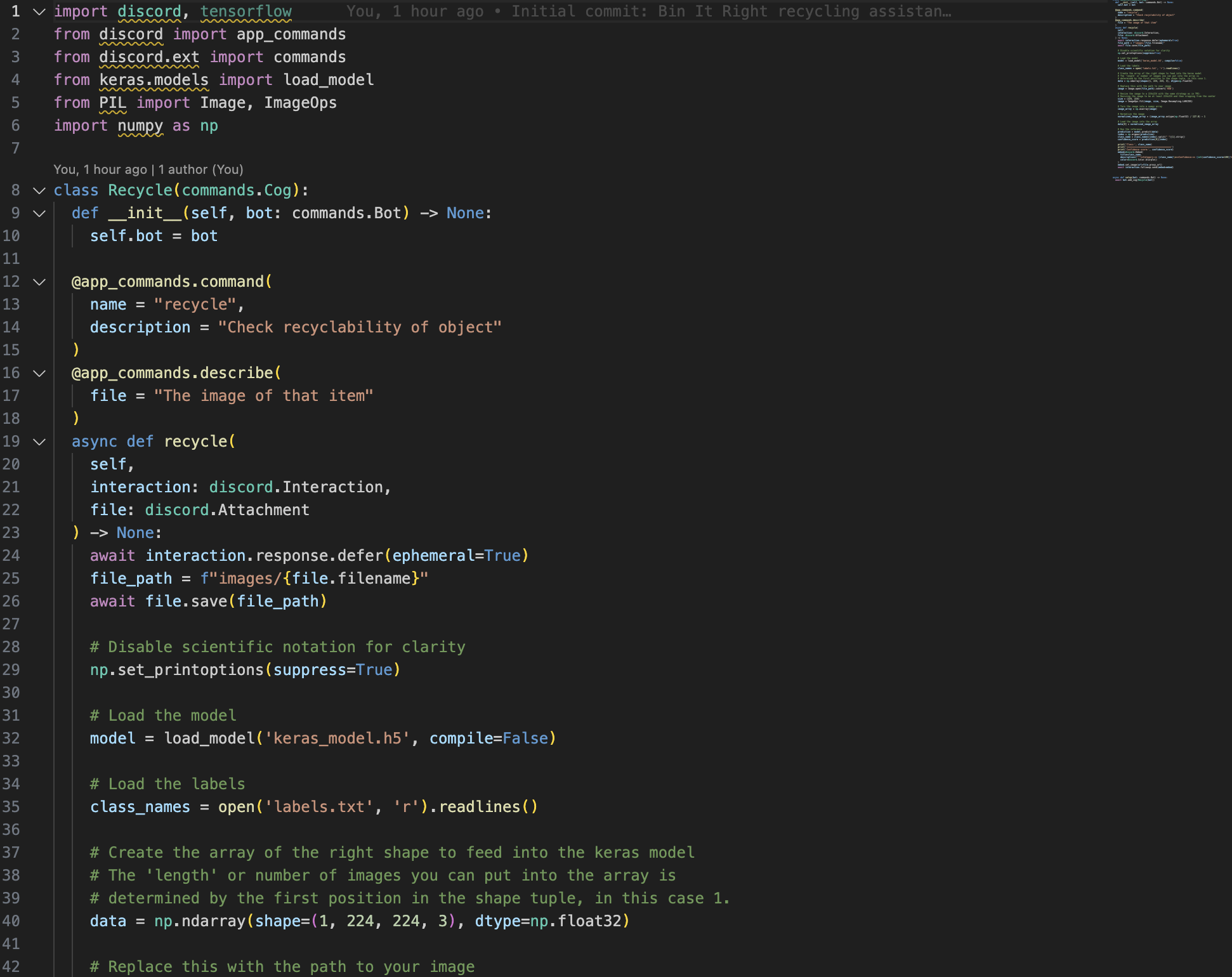
Code Block 2
Inspiration The inspiration for RecycleAI came from my older brother, who has cerebral palsy and is nonverbal. Teaching him about recycling was challenging because recycling rules aren’t always clear, and identifying recyclable items can be confusing even for adults. I wanted to create something so simple and intuitive that my brother could use it independently without extra instructions. The goal was to combine AI technology with accessibility to make sustainable living easier for everyone, regardless of ability.
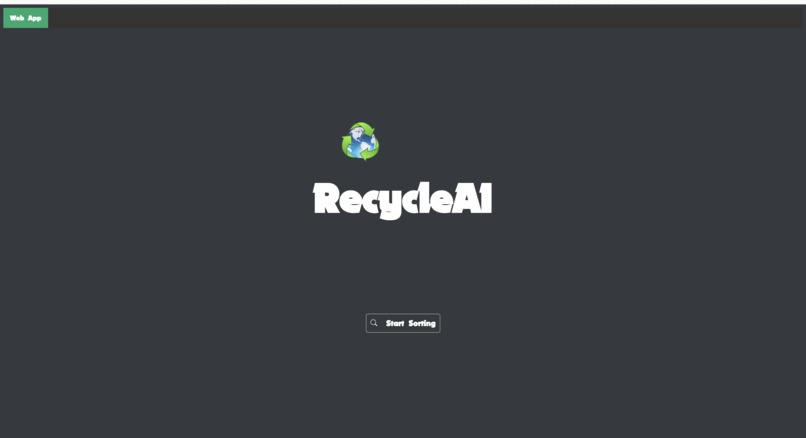
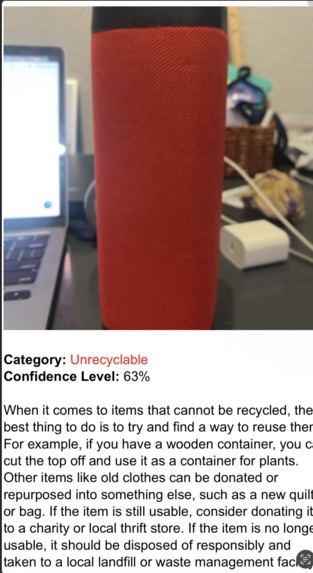
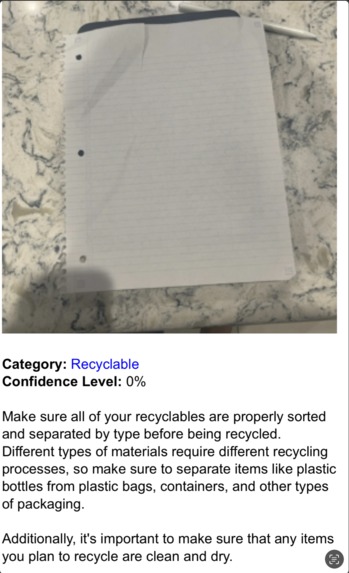
What it does RecycleAI is a web app that uses AI to instantly identify whether an item is recyclable. Users take a photo of an item, and the app quickly analyzes the image, then returns a “Recyclable” or “Not Recyclable” answer along with a confidence percentage. The interface is clean and straightforward, designed to work on any phone, tablet, or computer without requiring downloads or logins. This makes it perfect for people of all ages and abilities, including my brother, who can simply tap the screen and get a result in seconds.
How we built it We built the app using a lightweight HTML/CSS/JavaScript frontend so it could load quickly and run smoothly on any device. The backend is written in Python, which processes uploaded images and sends them to an AI image recognition model for analysis. This model was trained on thousands of images of recyclable and non‑recyclable items, allowing it to make accurate predictions for common materials like plastics, glass, and paper. We deployed the app online so that it’s accessible anywhere with an internet connection, making it easy to test and use in real‑world situations.
Challenges we ran into One major challenge was training the AI model to correctly distinguish between similar materials, like coated paper versus plain cardboard. We also needed to ensure that the app gave results quickly so users wouldn’t lose interest while waiting. Accessibility was another challenge, since we had to make the interface easy enough for my brother to use without written instructions or complex menus. Finally, making the app mobile‑friendly required extra work to ensure images uploaded correctly and displayed consistently across different devices.
Accomplishments we’re proud of We’re proud that the app is genuinely accessible — my brother was able to test it successfully and understand the results. It works instantly without any need for sign‑ups, downloads, or special settings, making it usable for people who may have limited technical experience. We also successfully integrated AI image recognition into a web app format that runs quickly and reliably. Most importantly, it bridges the gap between environmental responsibility and accessibility, helping more people participate in sustainable habits.
What we learned We learned how important it is to design technology with real users in mind, especially those who face physical or communication challenges. Real‑world testing with my brother provided valuable feedback on how to simplify the interface and make it more intuitive. We also learned how to fine‑tune AI models for better accuracy and speed in real‑time applications. This project reinforced that accessibility and advanced technology can work hand in hand to create tools that are both powerful and inclusive.
What’s next for RecycleAI Next, we want to train the AI model on more diverse datasets so it can handle less common recyclables and region‑specific recycling rules. We also plan to add an optional “learning mode” where the app can teach users why certain items are recyclable or not, reinforcing better habits. An offline mode is another priority so that people in areas with poor internet can still use the tool. Ultimately, our vision is for RecycleAI to become a widely‑used resource that makes recycling second nature for everyone — including people like my brother, who inspired the idea.

Log in or sign up for Devpost to join the conversation.