-
-
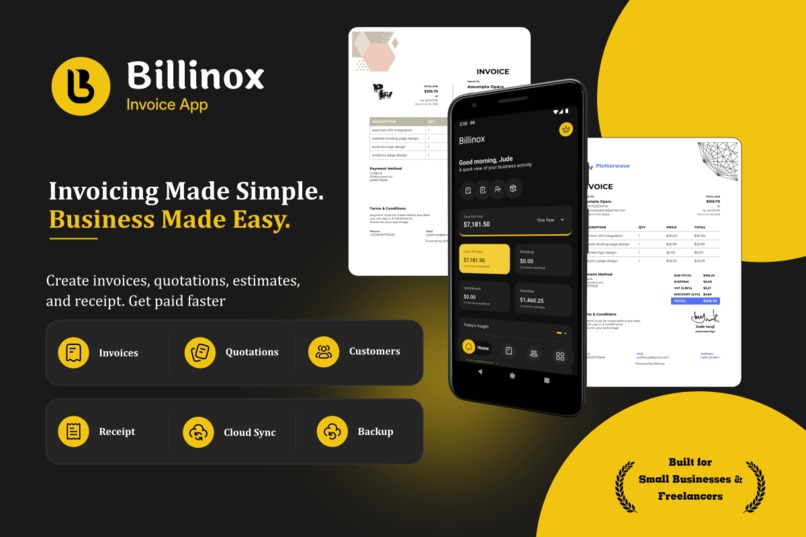
Invoicing made simple
-
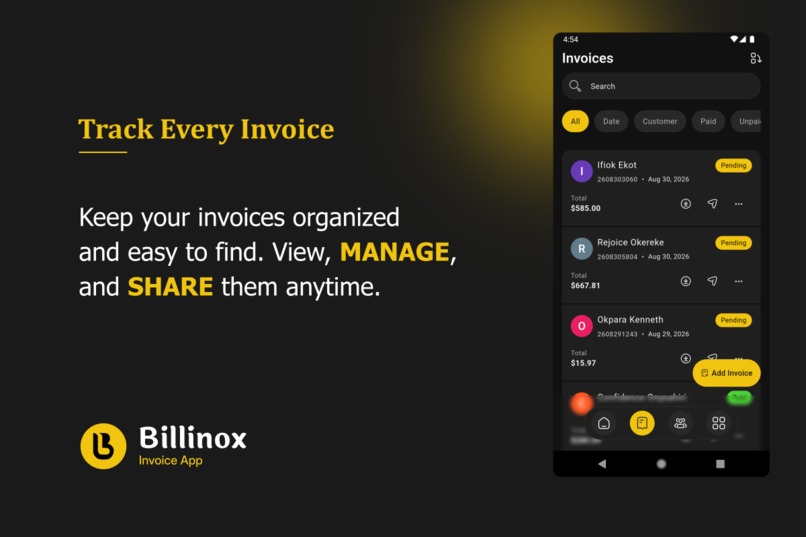
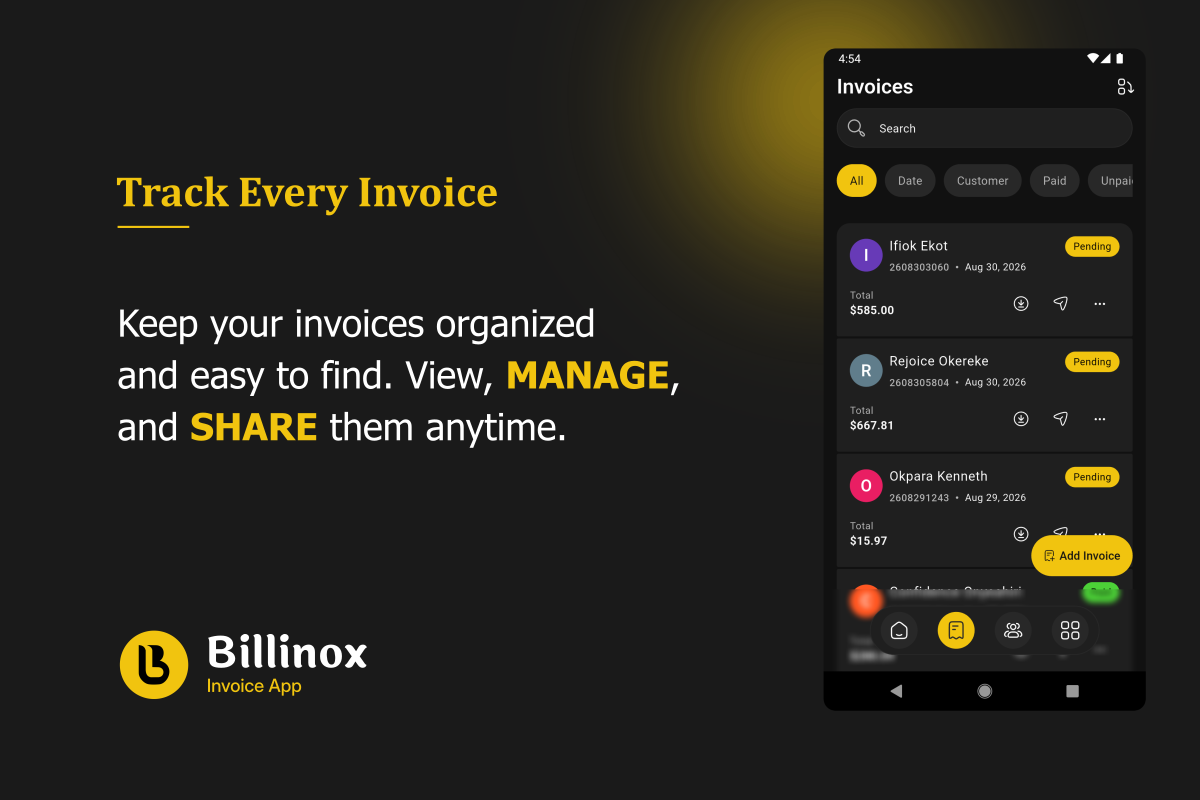
Track every invoice
-
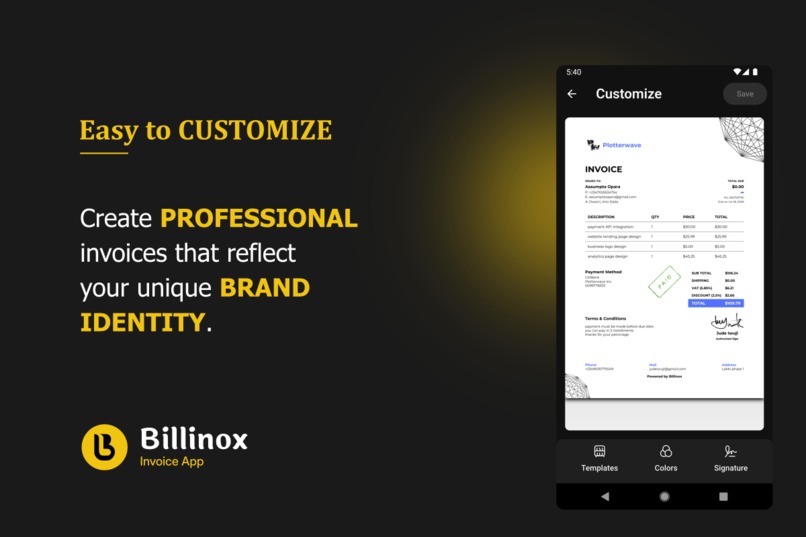
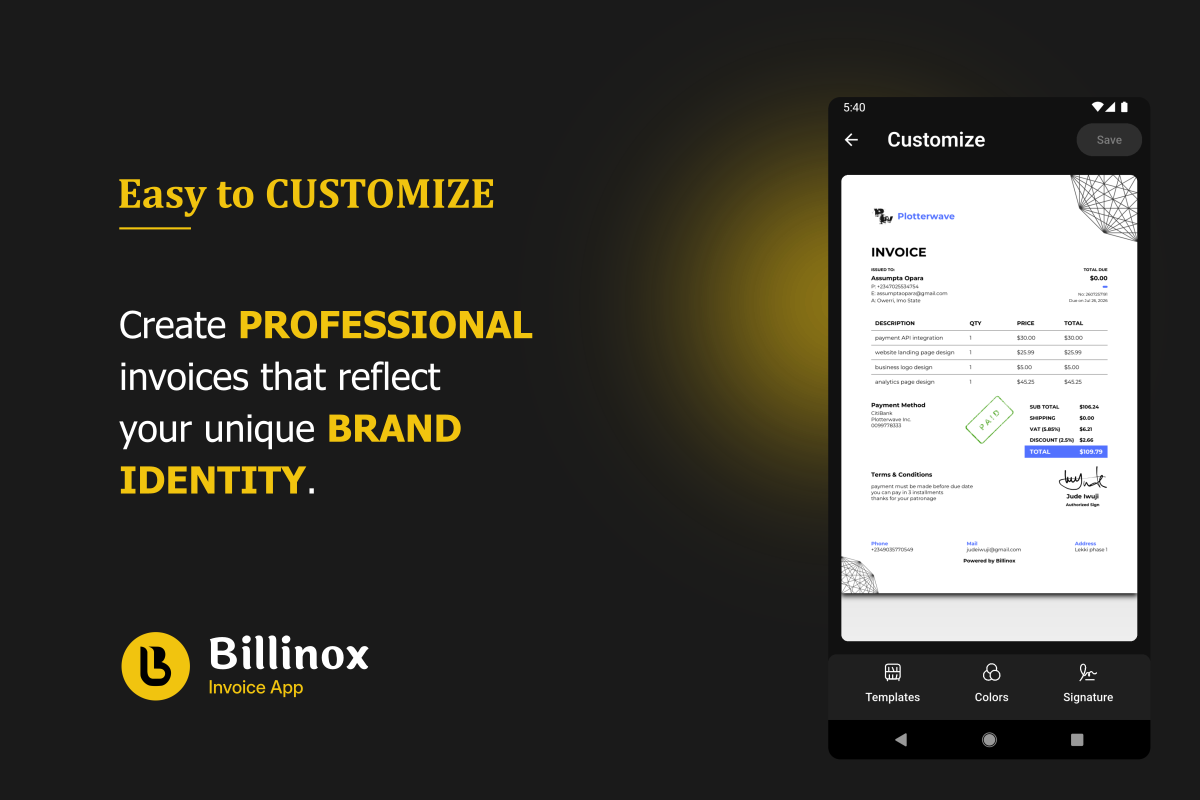
Easy to customize
-
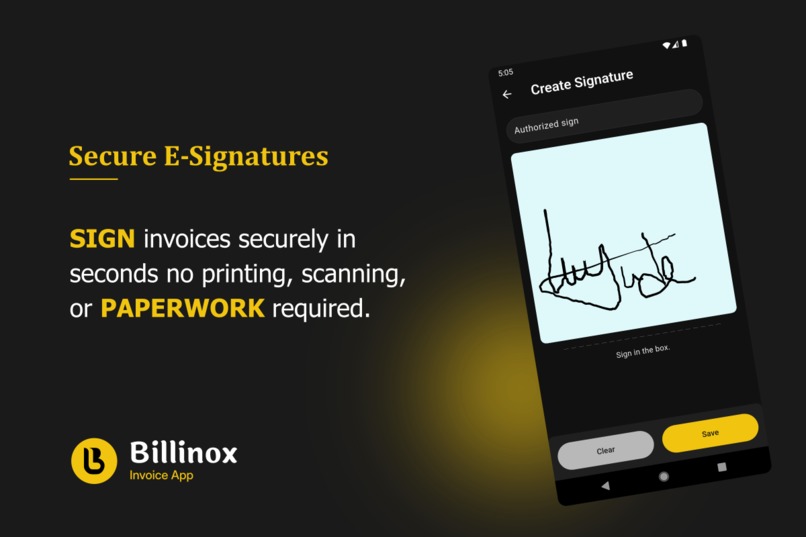
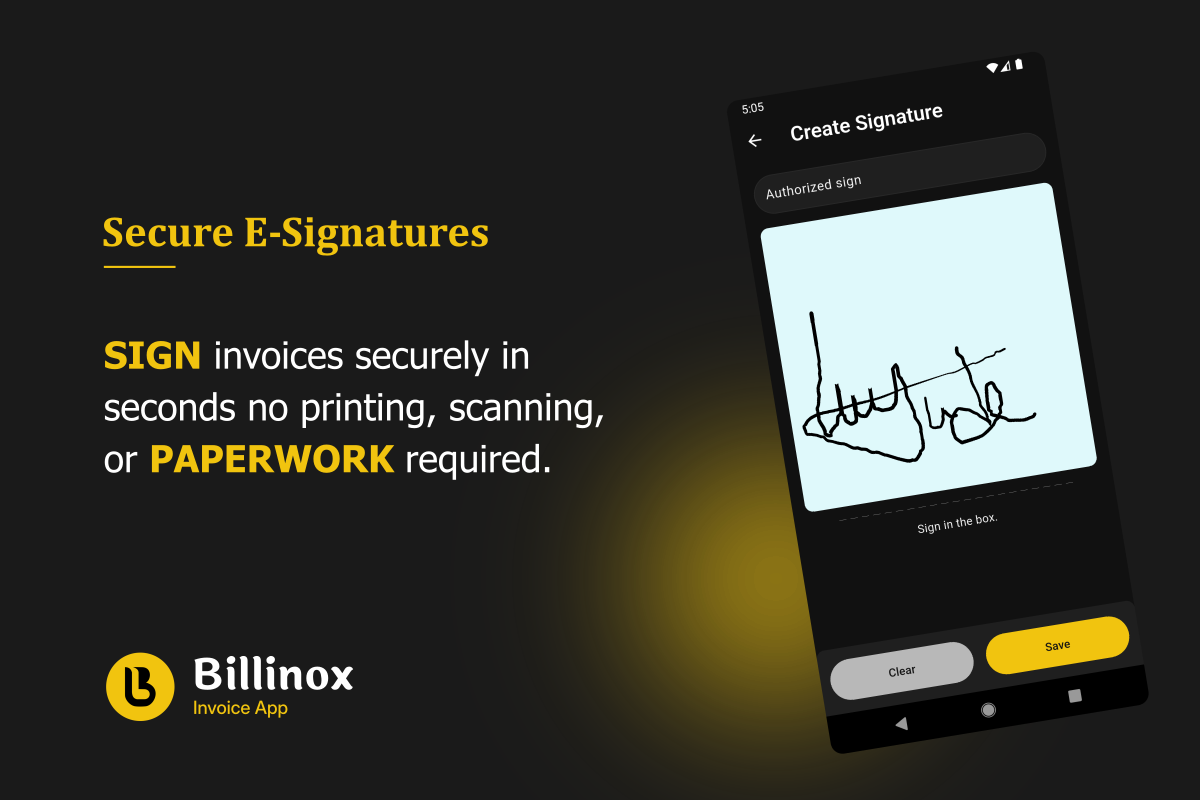
Secure e-signature
-
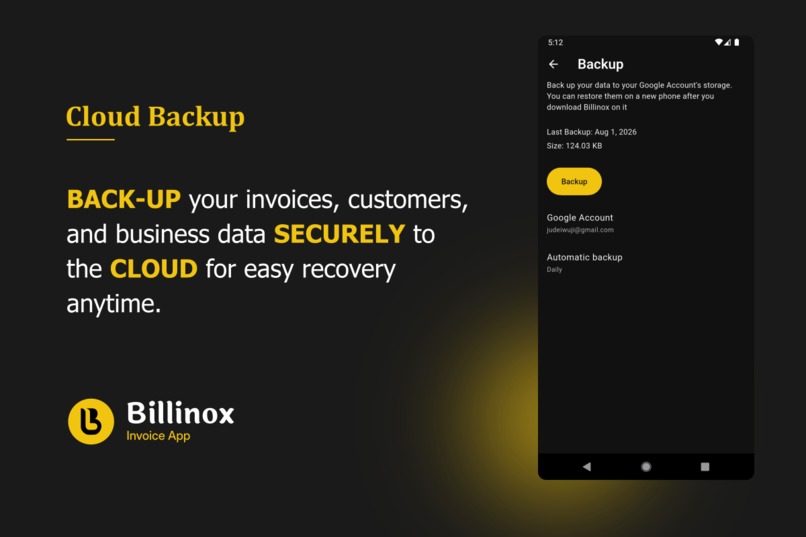
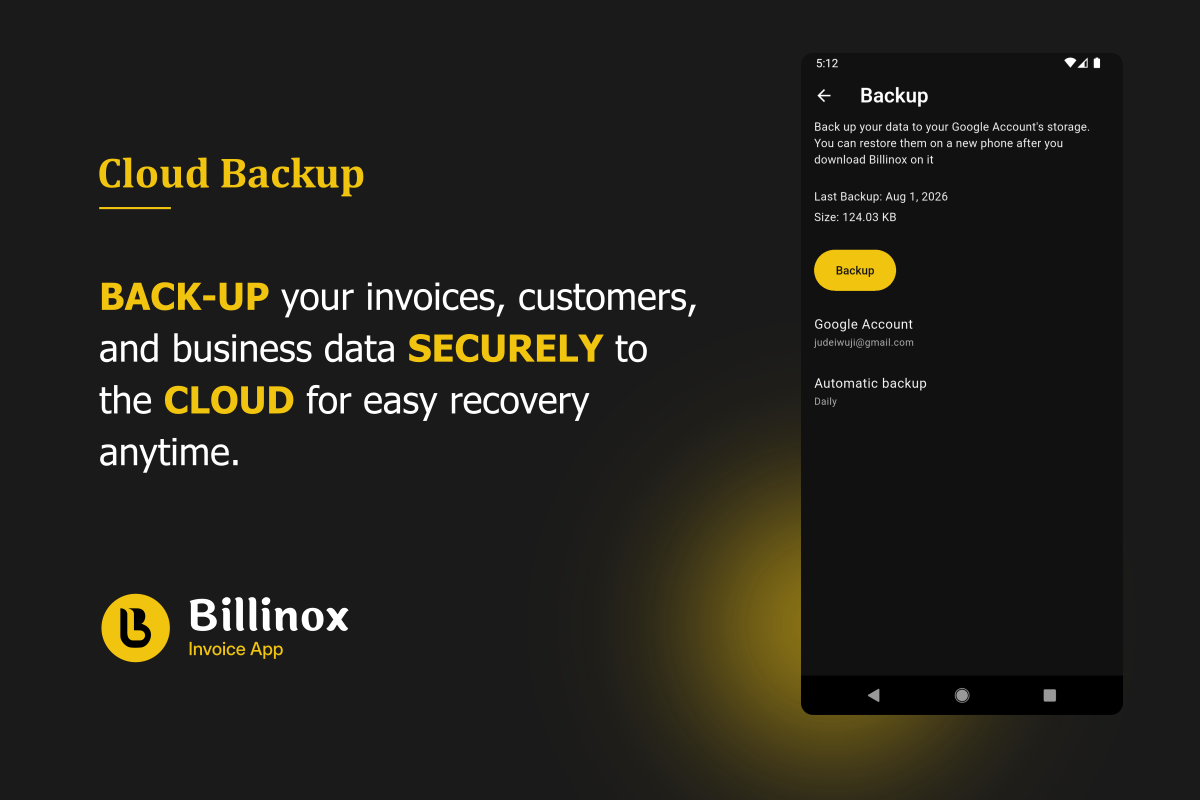
Cloud backup
-
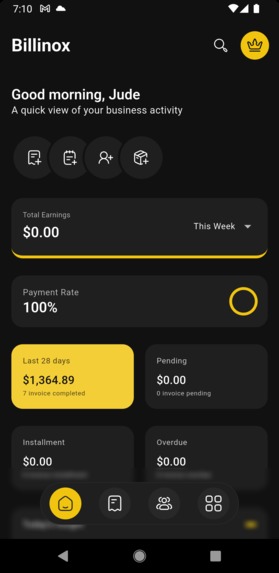
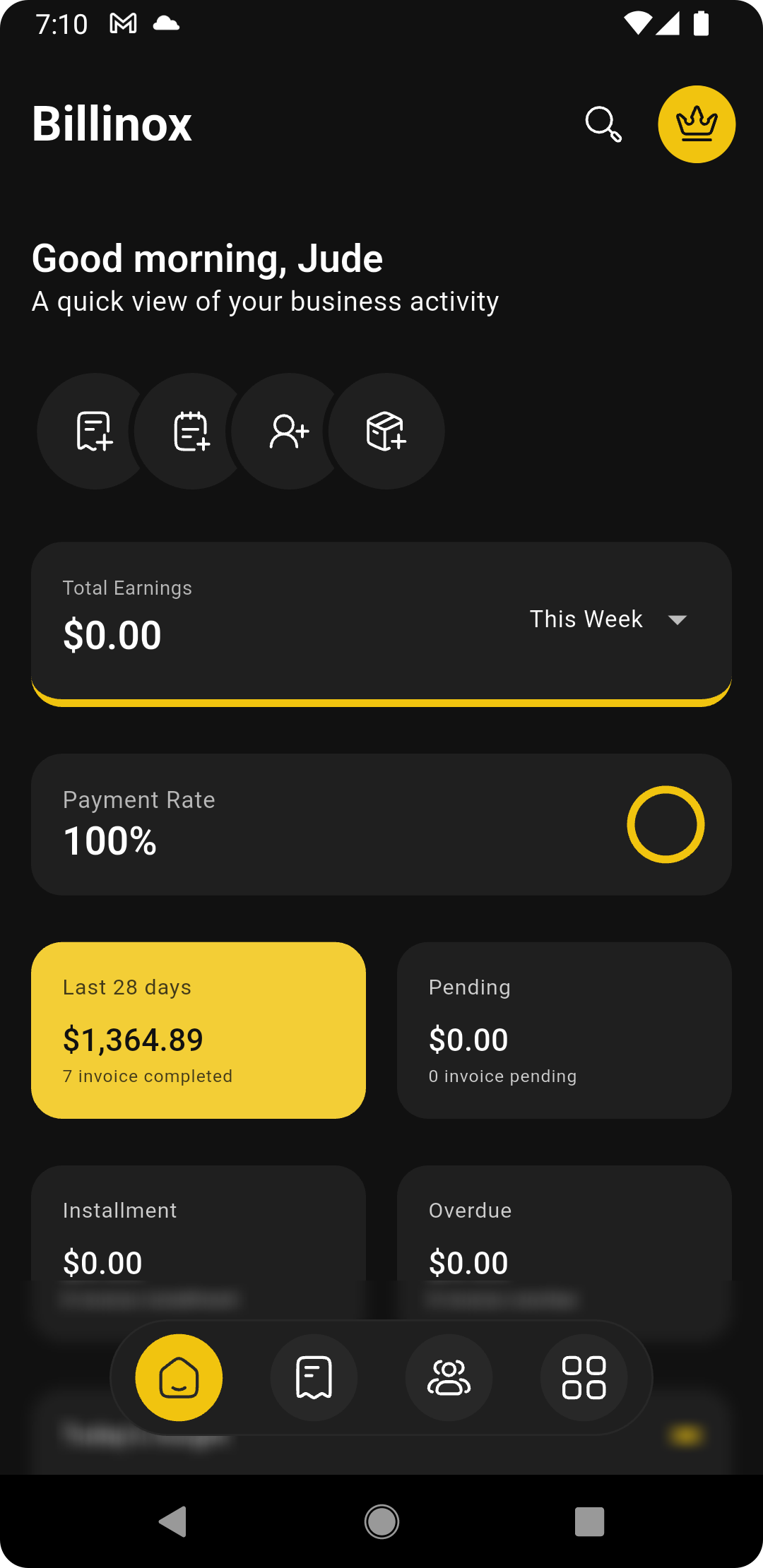
Dashboard
-
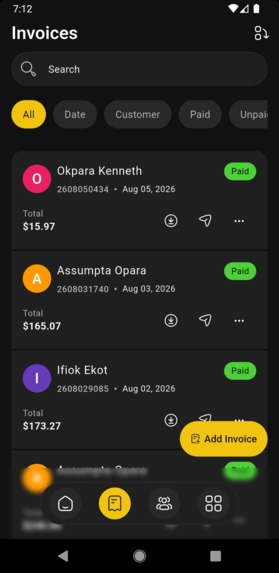
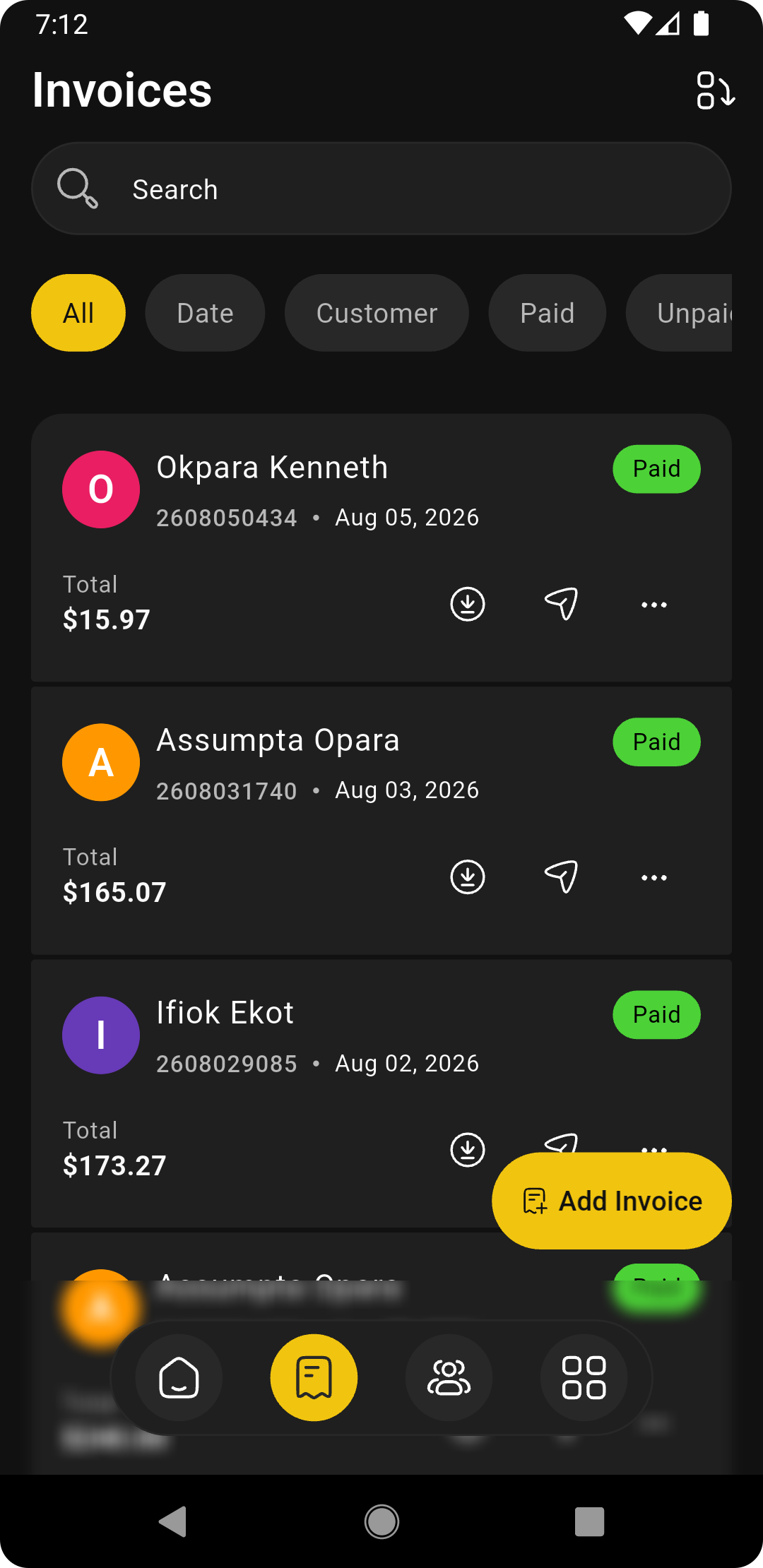
Invoice listing
-
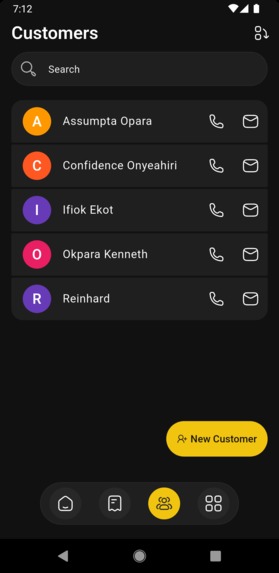
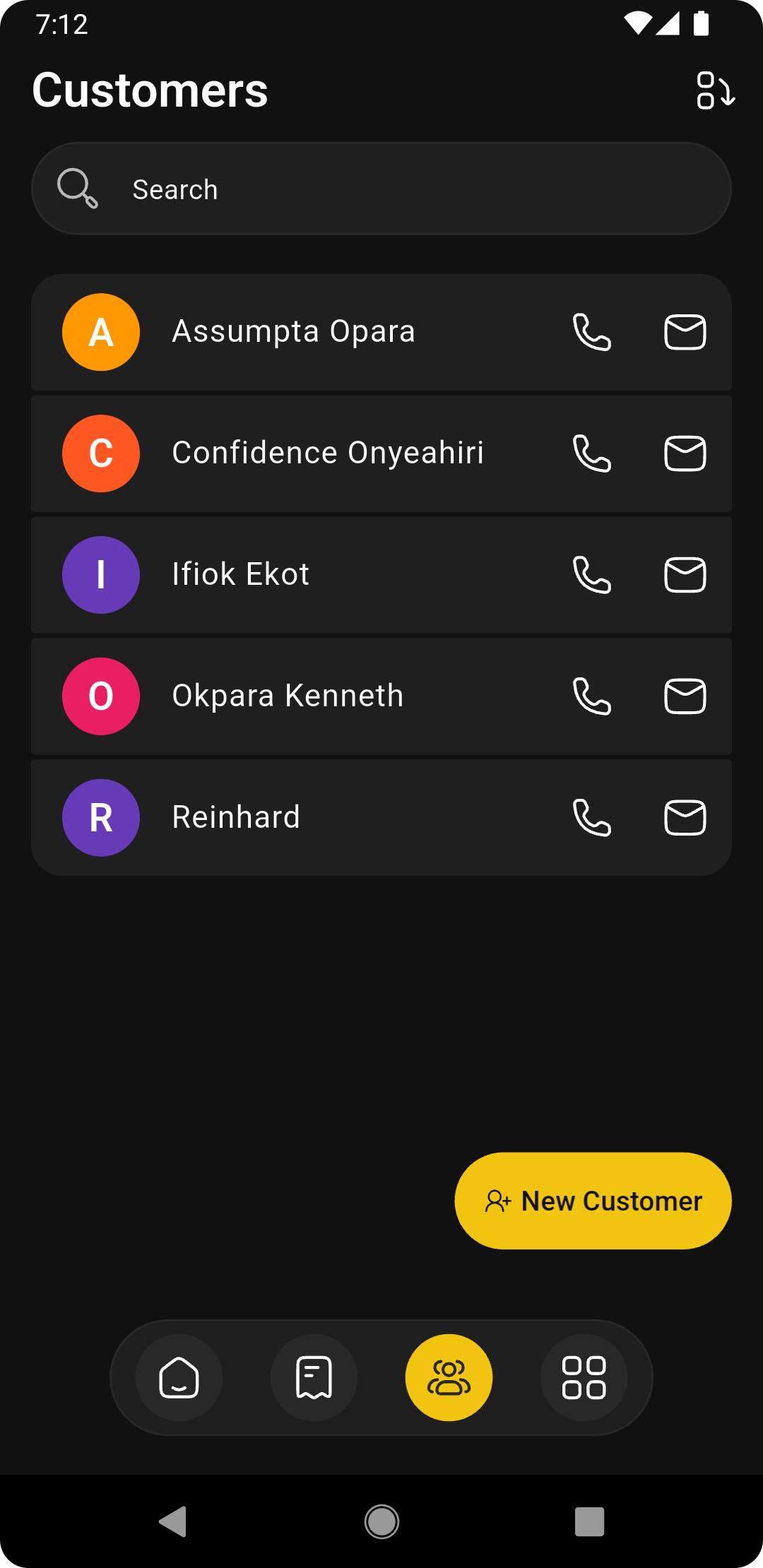
Customer listing
-
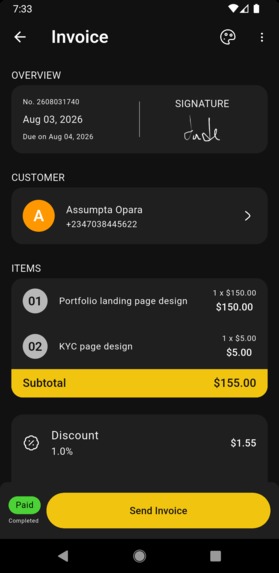
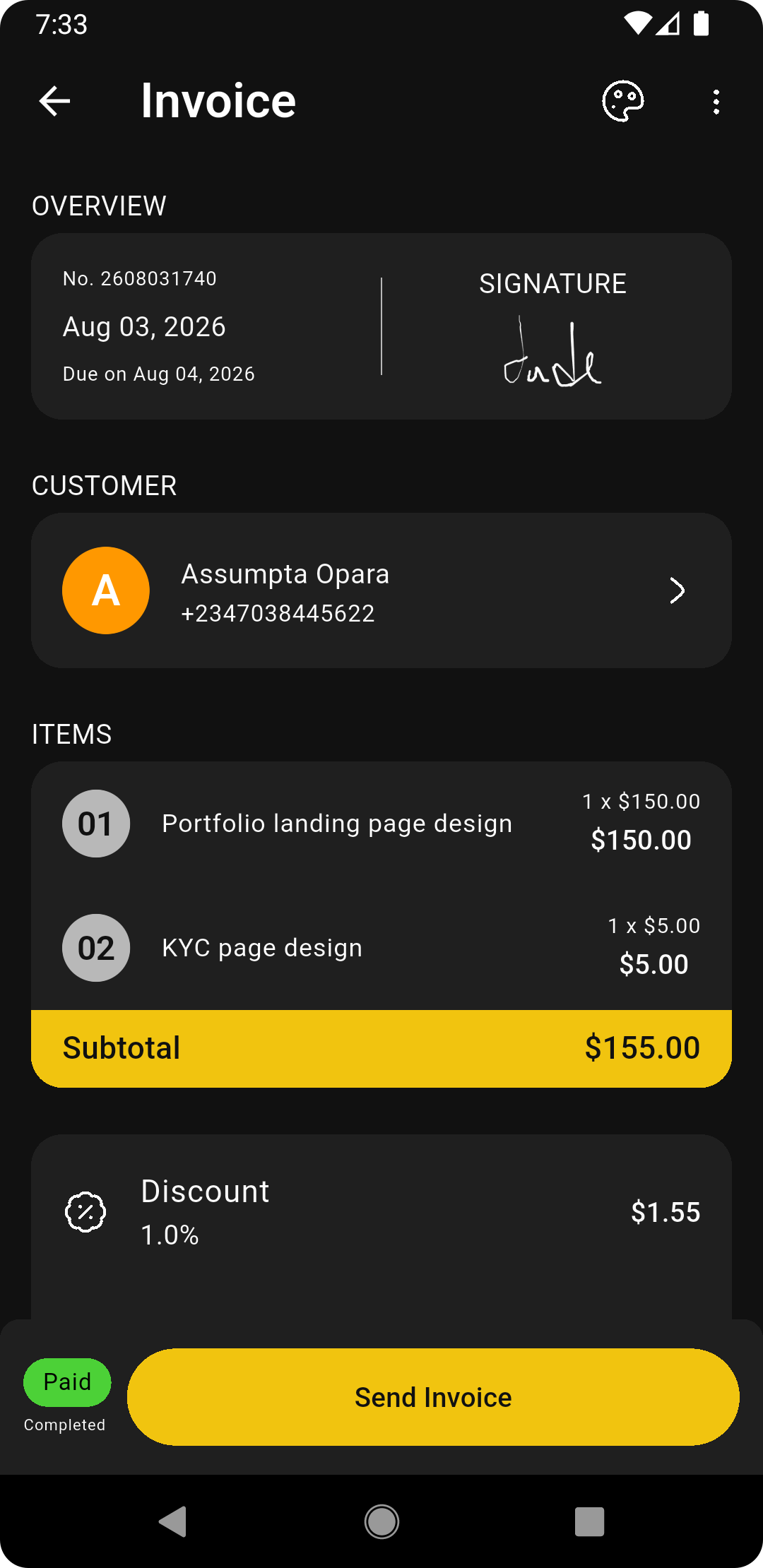
Invoice details
-
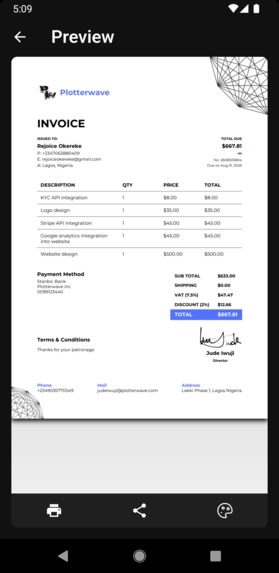
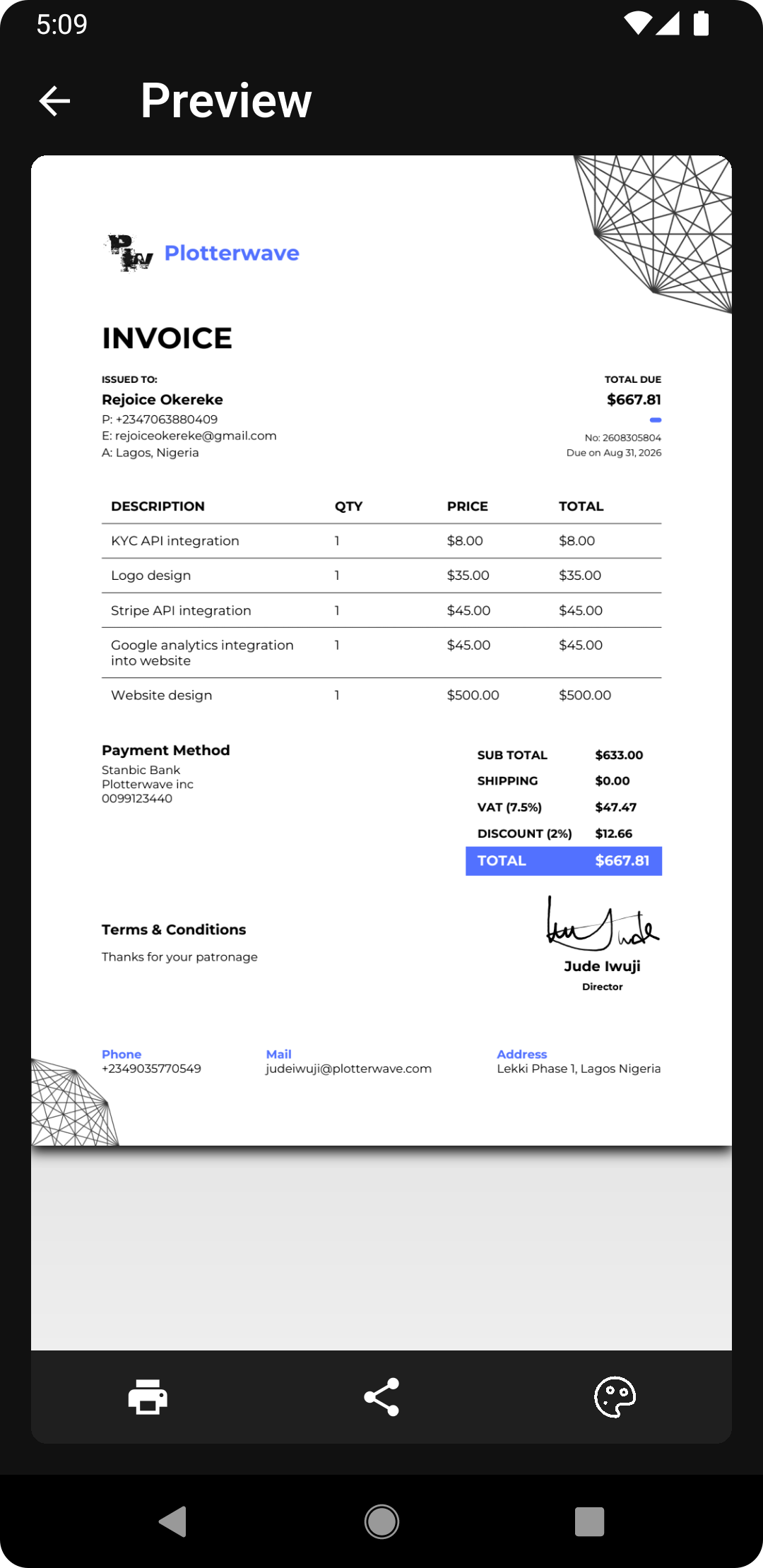
Invoice preview
-
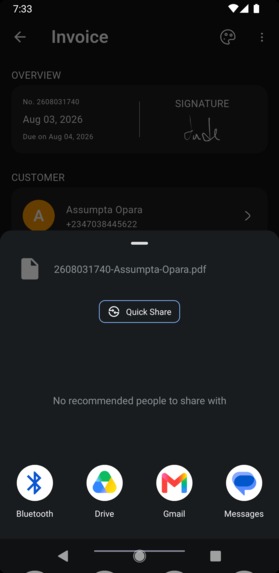
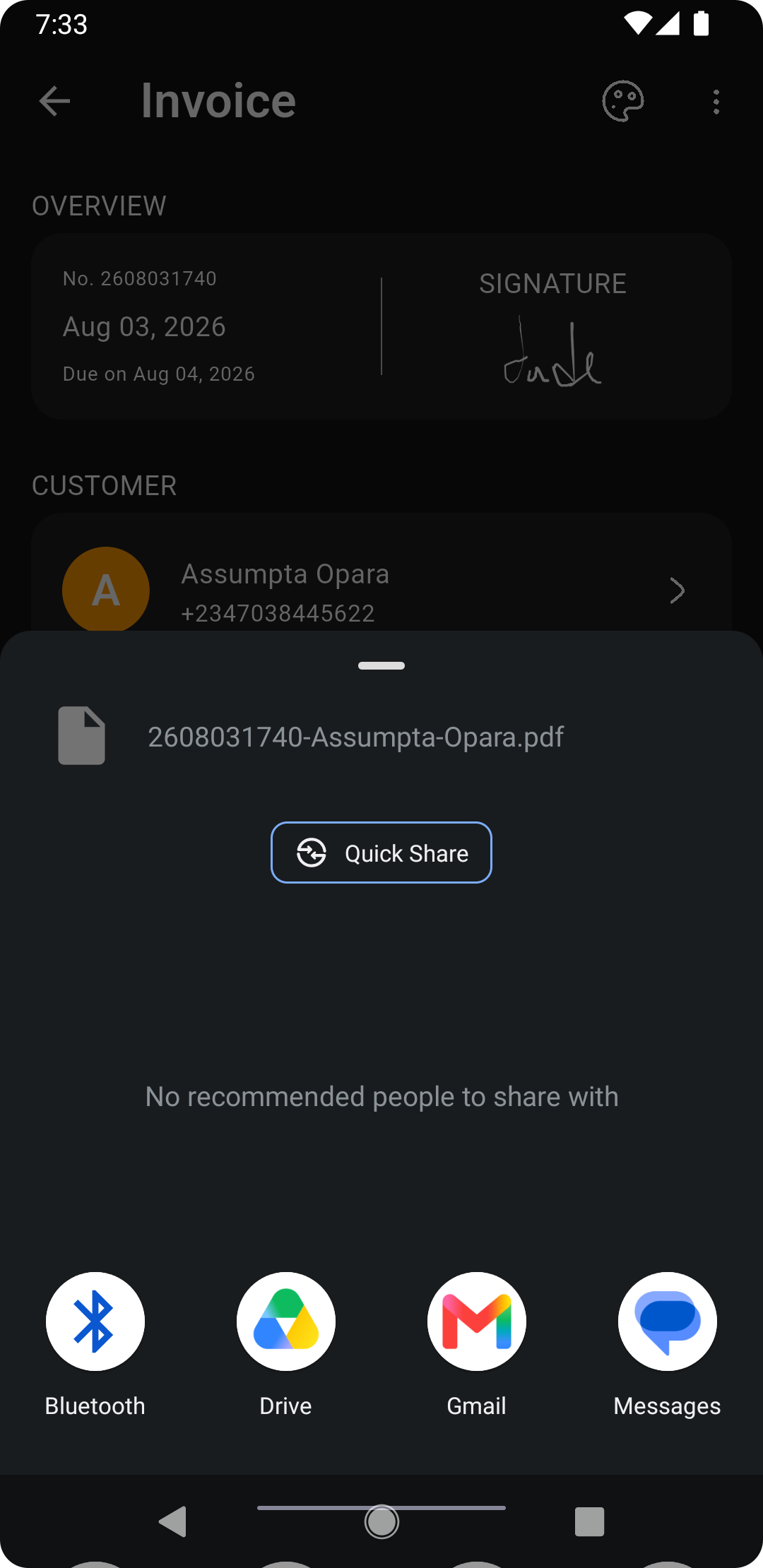
Share invoice via whatsapp, email and other messaging apps
-
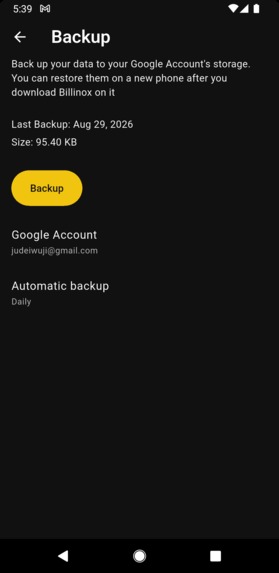
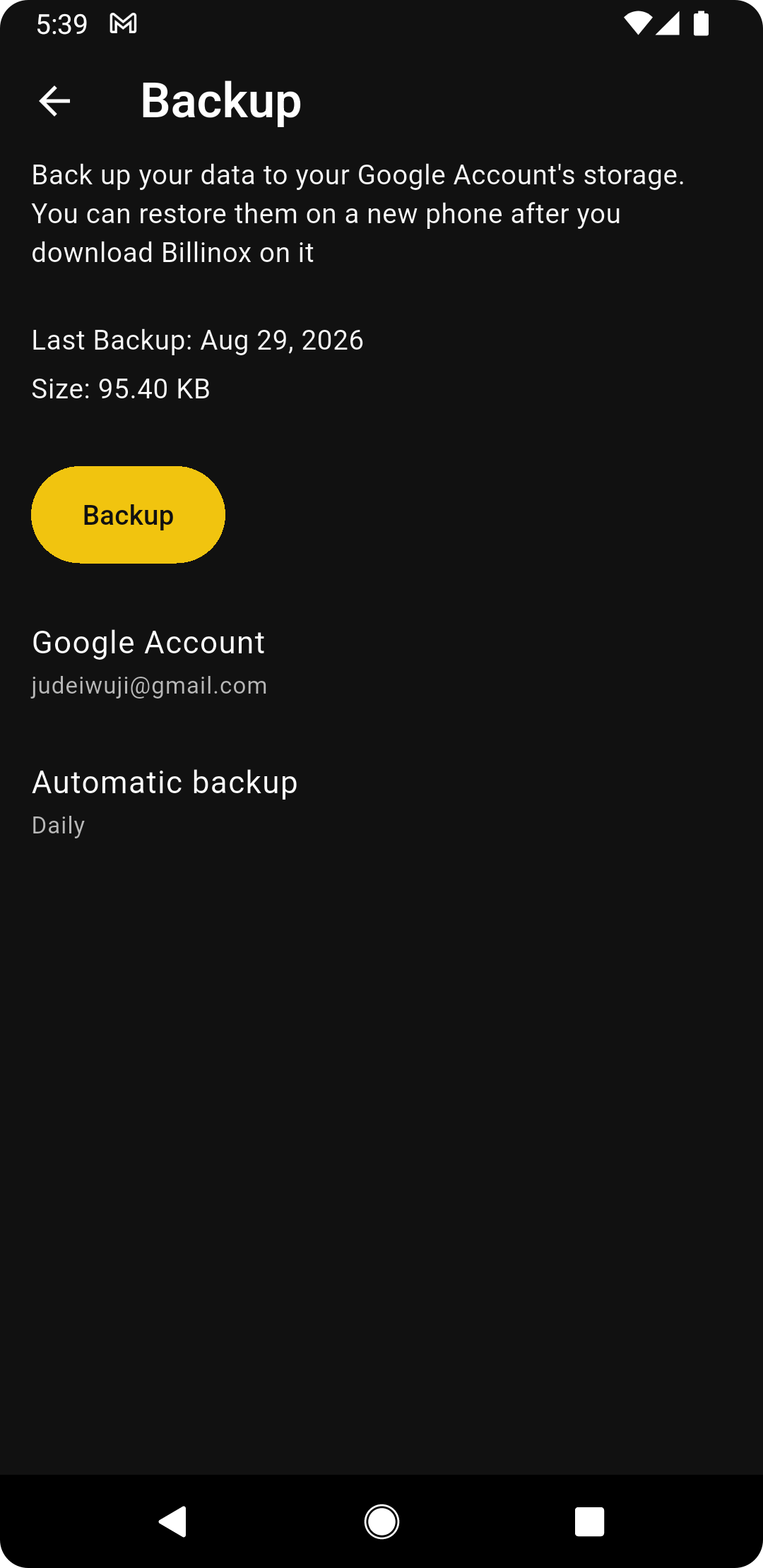
Backup to google drive
-
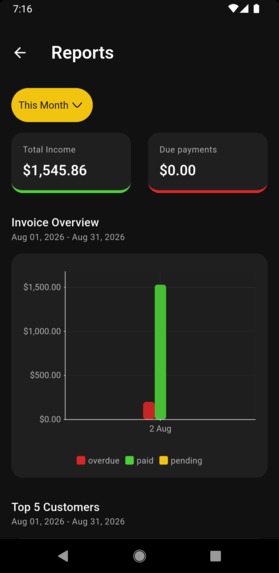
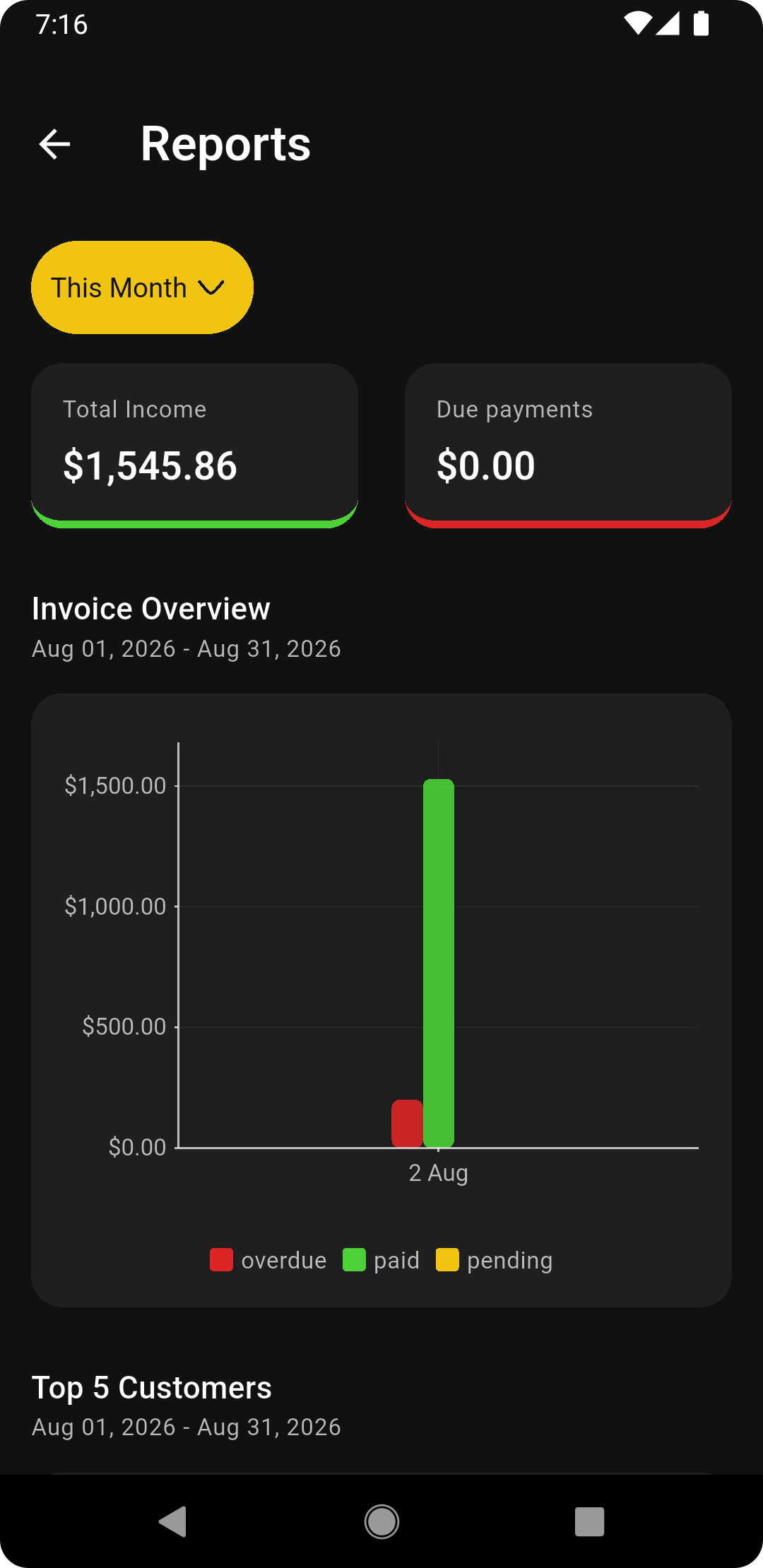
Reports
-

Billinox Logo
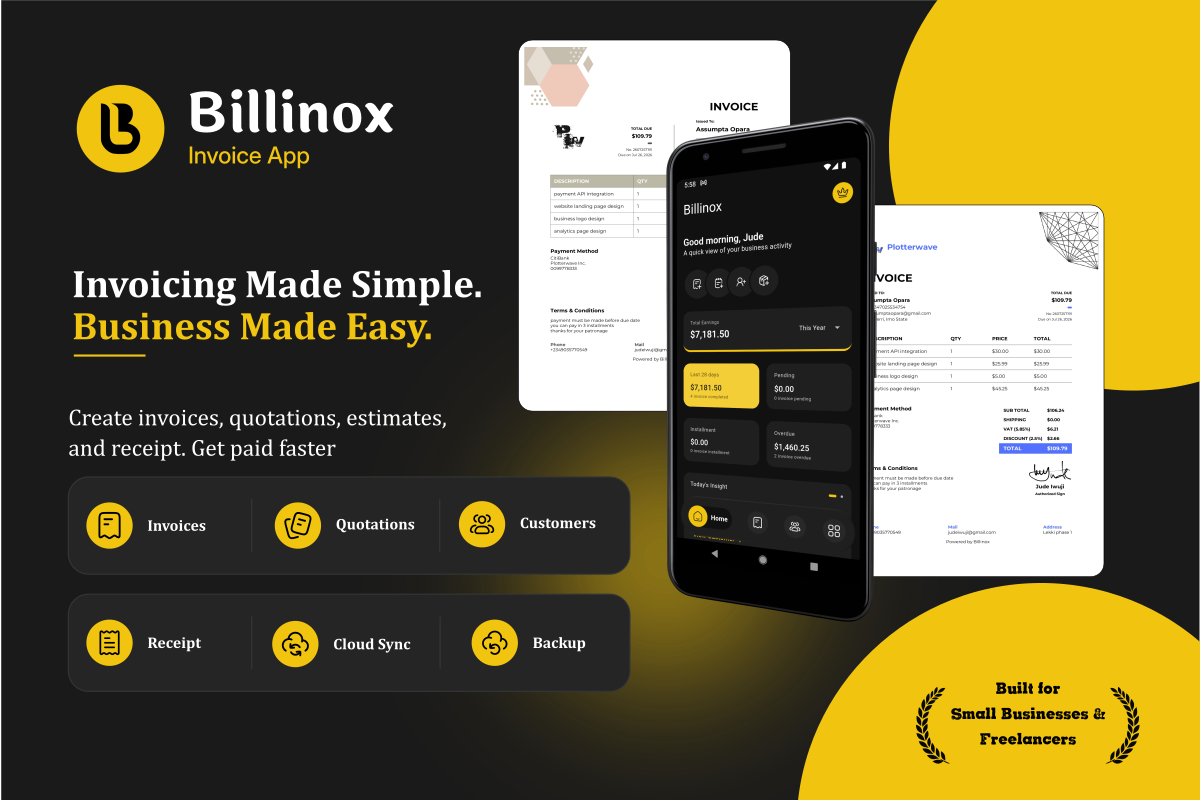

Billinox – Invoice App
Inspiration
Small-business owners, freelancers, and entrepreneurs spend a significant amount of time creating invoices, quotations, estimates, and receipts. Many still rely on handwritten documents, spreadsheets, or complicated invoicing tools that include features they don't need.
I was inspired to build Billinox to solve this problem by creating a simple, accessible, and professional invoicing app that makes everyday business transactions easier.
As a developer, I wanted to build a product that addresses a real-world challenge, particularly for small businesses in Nigeria and other emerging markets where internet connectivity can be unreliable and business owners need practical tools that work without unnecessary complexity.
The idea behind Billinox is simple: help business owners create professional invoices and quotations, manage payments, and keep their invoicing workflow organized, all from their mobile devices.
I also wanted to explore a sustainable monetization model that could support the continued development of the app, which led me to integrate RevenueCat for subscription management.
What it does
Billinox is a simple invoice, quotation, estimate, and receipt maker designed for freelancers, entrepreneurs, traders, and small-business owners.
The app helps users:
- Create professional invoices, quotations, estimates, and receipts.
- Manage customer information.
- Track payments and payment statuses.
- Set up automatic payment reminders.
- Generate and share print-ready PDF documents.
- Customize invoice templates.
- Add electronic signatures to documents.
- Back up business data using Google Drive.
- Work offline and synchronize data when an internet connection is available.
- Manage invoicing workflows across supported devices.
Billinox focuses specifically on invoicing-related tasks rather than trying to become a complete inventory or point-of-sale system.
The goal is to make professional invoicing accessible, simple, and convenient for businesses of different sizes.
How we built it
I built Billinox using Flutter, allowing me to develop a cross-platform mobile application for Android and iOS using a shared codebase.
The application was designed with an offline-first architecture, allowing users to create and manage their invoicing data locally without depending on a constant internet connection.
Technology Stack
- Flutter & Dart: Used to build the cross-platform mobile application.
- Riverpod: Used for state management and dependency management.
- Drift (SQLite): Used for local data persistence, including invoices, customers, document items, and payment records.
- Google Drive API: Used for cloud backup and synchronization capabilities.
- RevenueCat: Used to explore and manage in-app subscriptions and monetization.
I structured the application around local data storage, ensuring that users can continue working even when offline. When an internet connection becomes available, the app can synchronize data through its cloud backup and synchronization workflows.
For the user interface, I focused on creating a clean and straightforward experience that minimizes the steps required to create an invoice or quotation.
I also worked on a flexible document generation system that supports customizable PDF templates, allowing users to generate professional documents that can be printed, downloaded, or shared with customers.
RevenueCat was integrated into the monetization workflow to simplify subscription management and provide a foundation for handling subscription entitlements across mobile platforms.
Challenges we ran into
1. Designing an Offline-First Architecture
One of the biggest technical challenges was designing an application that could function reliably without a constant internet connection while still supporting cloud backup and multi-device synchronization.
Managing locally stored data, tracking changes, and considering synchronization conflicts required careful planning of the data model and synchronization workflows.
I had to think about how to preserve data consistency and reduce the possibility of duplicated or conflicting records when users work across devices.
2. Keeping the App Simple and Focused
It was challenging to decide which features to include while keeping Billinox focused on invoicing.
There are many possible features that could be added to a business application, but adding too much functionality can make the user experience more complicated.
I had to prioritize features that directly support invoice creation, quotation generation, receipt management, and payment tracking.
3. Implementing Subscription Management
Integrating subscription functionality introduced additional considerations around purchase states, entitlements, and subscription lifecycle management.
I needed to think about how to handle active subscriptions, expired subscriptions, and other subscription-related scenarios while maintaining a clear user experience.
Using RevenueCat provided an opportunity to explore how subscription management could be handled without building every part of the infrastructure from scratch.
4. Reaching the Right Audience
Building the application was only part of the challenge. Reaching business owners who need a simple invoicing solution presented another challenge.
I had to consider product positioning, communicating the app's value, and finding ways to reach freelancers, entrepreneurs, traders, and small-business owners.
This highlighted the importance of combining technical development with product marketing and user acquisition.
Accomplishments that we're proud of
1. Building a Cross-Platform Mobile Application
I successfully developed Billinox using Flutter, creating a mobile application designed to work across Android and iOS.
This allowed me to build a shared product experience while maintaining a focus on performance and usability.
2. Creating an Offline-First Invoicing Experience
One of the accomplishments I am most proud of is building an invoicing application around local data storage and offline usability.
The ability to create and manage invoices without requiring a constant internet connection is an important part of the product's design.
3. Maintaining a Clear Product Focus
I am proud that Billinox focuses on invoicing-related workflows instead of expanding into unrelated business management features.
Keeping the product focused has helped me make more intentional decisions about the user experience and feature development.
4. Exploring Real-World Monetization
Integrating RevenueCat into Billinox gave me the opportunity to explore subscription management within a real-world mobile application.
This was an important step in understanding how a practical software product can combine user value with a sustainable monetization model.
5. Turning an Idea Into a Usable Product
Billinox started as an idea to simplify invoicing for small businesses, and I am proud of the progress made in turning that idea into a working application.
The project allowed me to combine frontend development, mobile architecture, data management, product design, and monetization into one product.
What we learned
1. Product Development Goes Beyond Coding
One of the biggest lessons I learned is that building a successful product requires more than implementing technical features.
It is important to understand the user's problem, create a simple solution, communicate its value, and find ways to reach the intended audience.
Working on Billinox helped me think more deeply about the relationship between product development, marketing, and user experience.
2. Offline-First Development Requires Careful Planning
I learned that offline-first applications require deliberate decisions about data storage, synchronization, conflict handling, and reliability.
A local database alone is not enough when users need to access their data across multiple devices. The synchronization strategy and data model are equally important.
3. Simplicity Is a Product Decision
I learned that keeping an application simple often requires more consideration than adding features.
Every feature should have a clear purpose and contribute to solving the user's primary problem.
For Billinox, this meant focusing on invoicing, quotations, estimates, receipts, and payment-related workflows.
4. Monetization Must Be Considered Early
Building Billinox with RevenueCat helped me understand that monetization is an important part of product architecture.
Subscription management involves more than processing payments. It also requires handling entitlements, subscription states, and the overall user experience.
Considering these requirements early helps create a more reliable and maintainable product.
5. User Acquisition Is a Continuous Process
I learned that even a functional product needs a clear strategy for reaching its intended users.
Understanding customer needs, communicating the product's benefits, and gathering feedback are essential parts of improving a product after development.
What's next for Billinox - Invoice App
My goal is to continue improving Billinox and make it a practical invoicing solution for freelancers, entrepreneurs, traders, and small-business owners.
The next steps include:
- Improve user onboarding: Make it easier for new users to understand the app and create their first invoice.
- Enhance the invoicing experience: Reduce friction and make invoice, quotation, estimate, and receipt creation faster.
- Improve synchronization reliability: Continue refining cloud backup and multi-device synchronization.
- Refine the subscription experience: Improve subscription management and the overall monetization workflow.
- Expand user acquisition: Reach more small-business owners and freelancers through targeted marketing and user feedback.
- Improve performance and usability: Continue optimizing the app based on real-world usage and customer feedback.
In the long term, I want Billinox to become a trusted and accessible invoicing tool for businesses that need a simple way to create professional documents and manage payment-related workflows.
Building Billinox has been an ongoing learning experience, and I look forward to continuing to improve the product, learning from users, and exploring new ways to make invoicing easier for small businesses.
Billinox is built around one simple idea: make professional invoicing easier, more accessible, and less complicated.


Log in or sign up for Devpost to join the conversation.