Anyma
Table: 91
An AI agent crew that checks your medical bill against what actually happened at your visit, flags charges that don't add up, and disputes them with you in control.
Inspiration
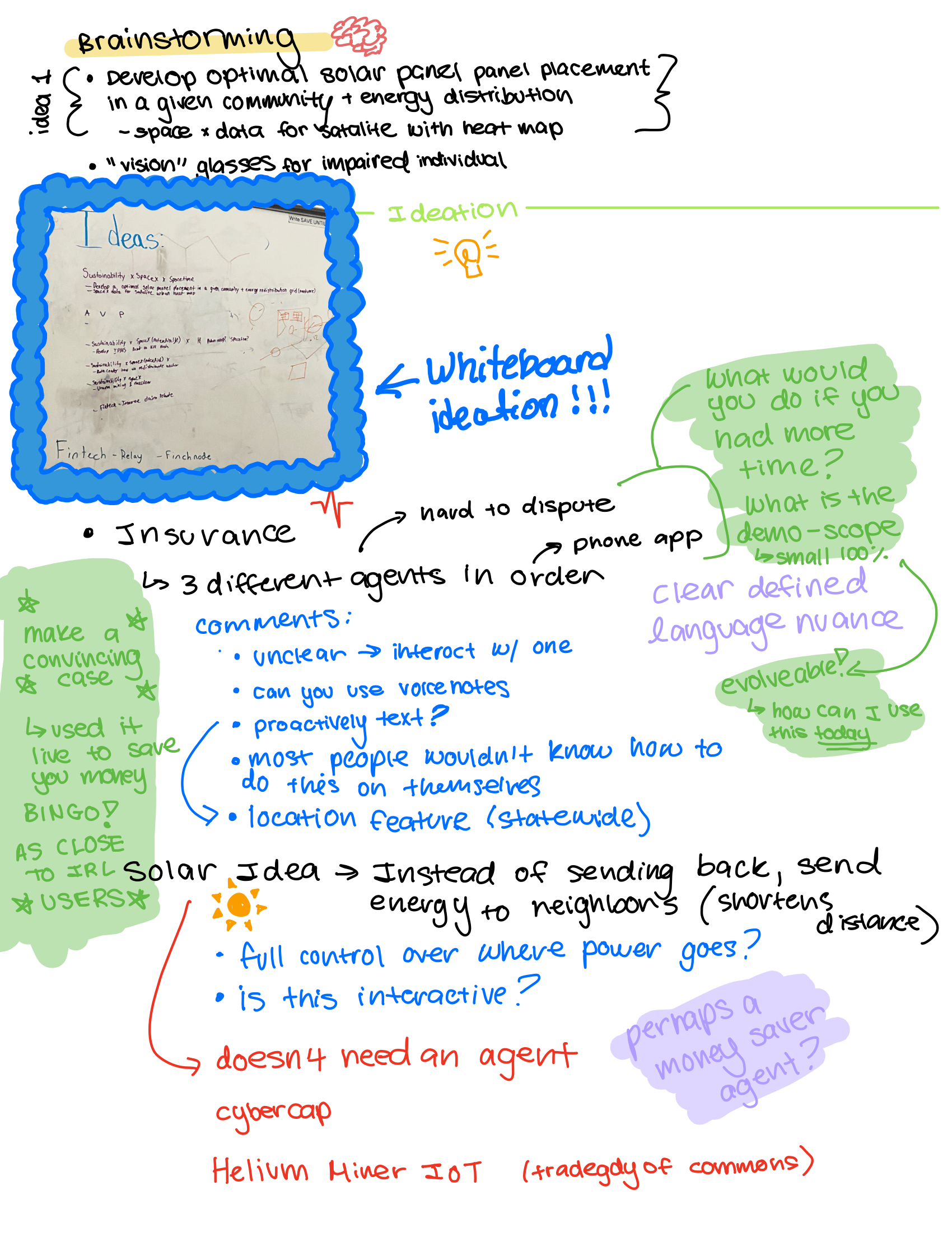
Ancient Greece birthed the foundation of modern medicine, guided by the principle to do no harm. Today, opening a medical bill feels like the exact opposite. Patients are routinely ambushed by cryptic five digit codes, bogus facility fees, and charges for treatments they never received. Fighting these errors means losing hours on hold while insurance companies talk in circles, forcing millions of people to give up and pay money they do not owe.
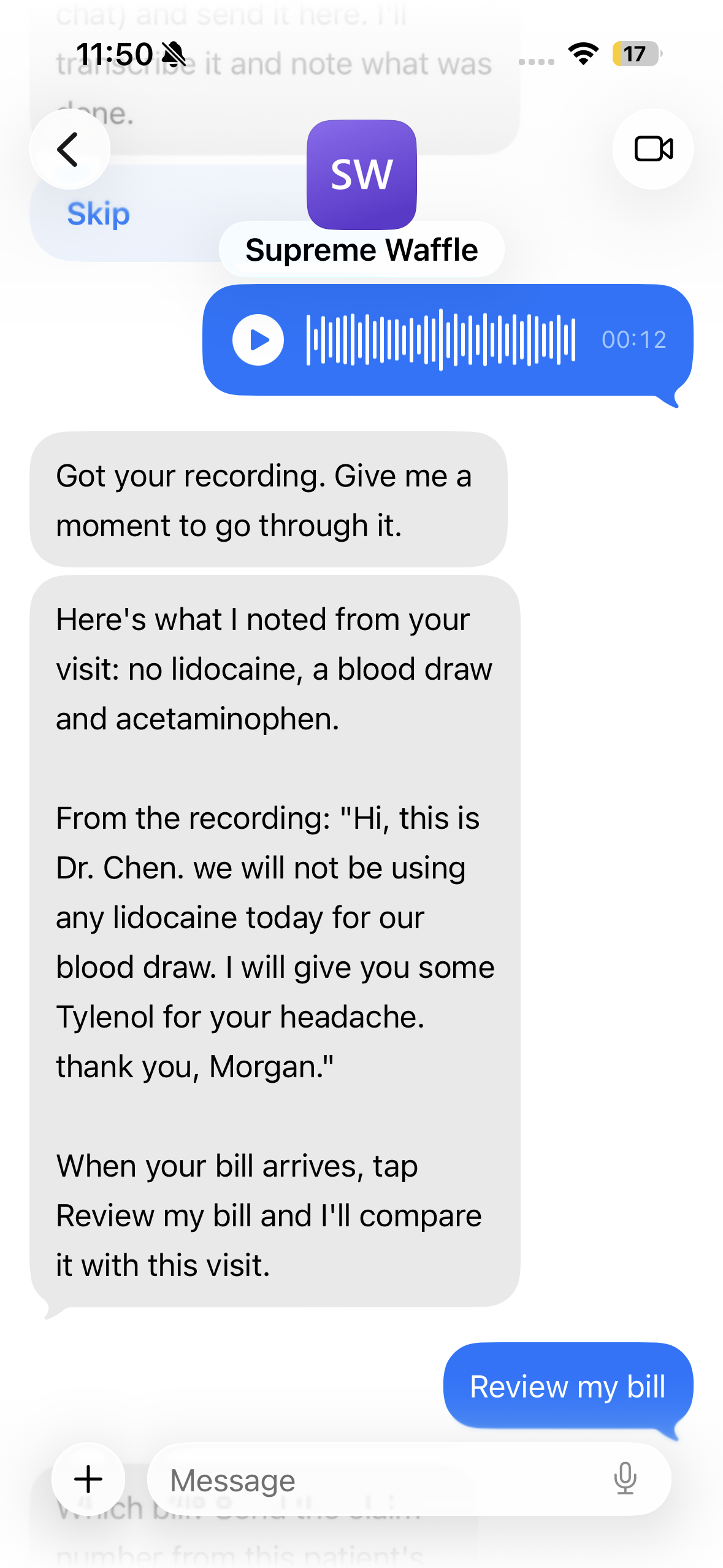
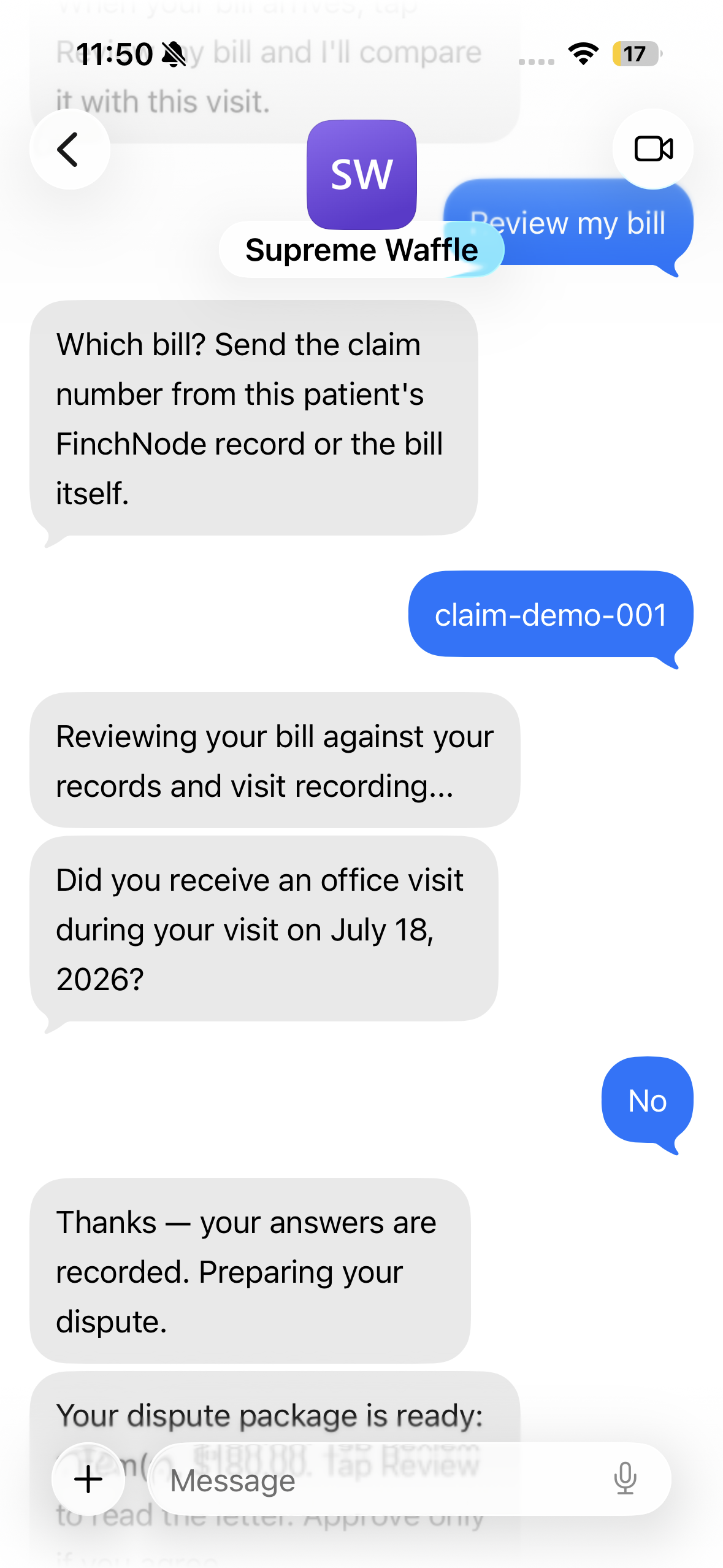
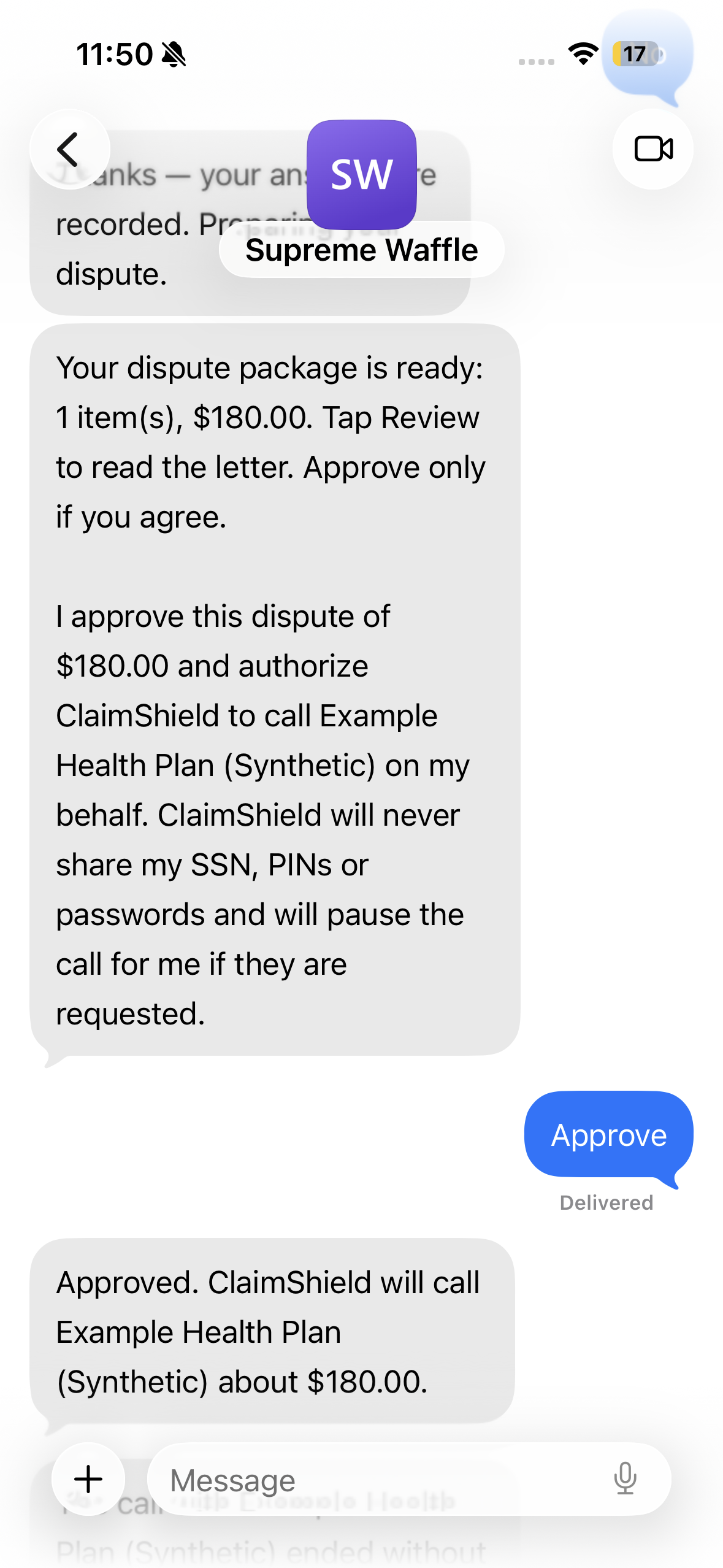
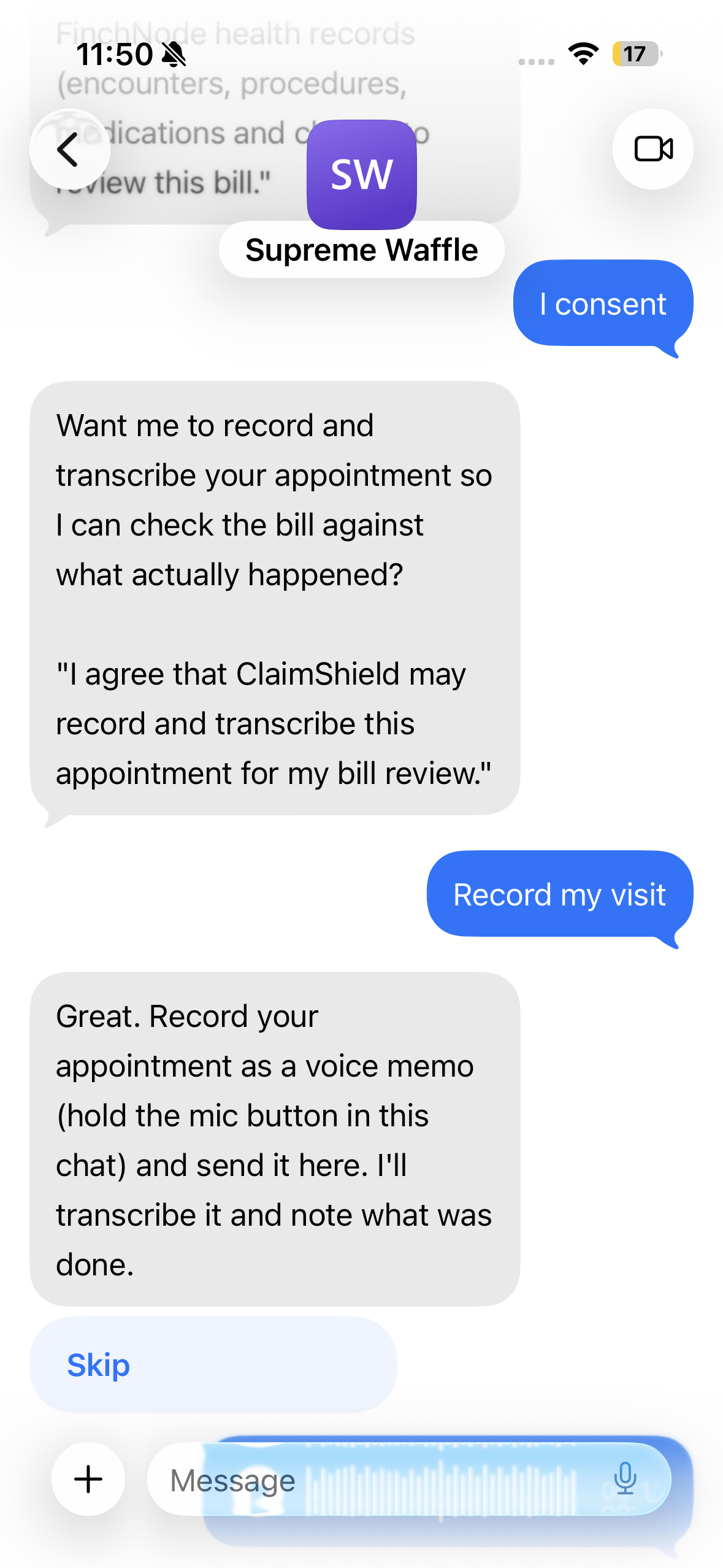
In Greek, the word Amyna (Άμυνα) translates directly to defense or protection. We built Amyna because modern healthcare left the patient completely undefended against predatory billing. Amyna acts as an active advocate: it reads your clinical visit notes, exposes billing discrepancies, and places live phone calls to your insurance company to negotiate the dispute while keeping you in complete control.
What it does
- Amyna links a FastAPI and PostgreSQL engine with decentralized AI infrastructure:
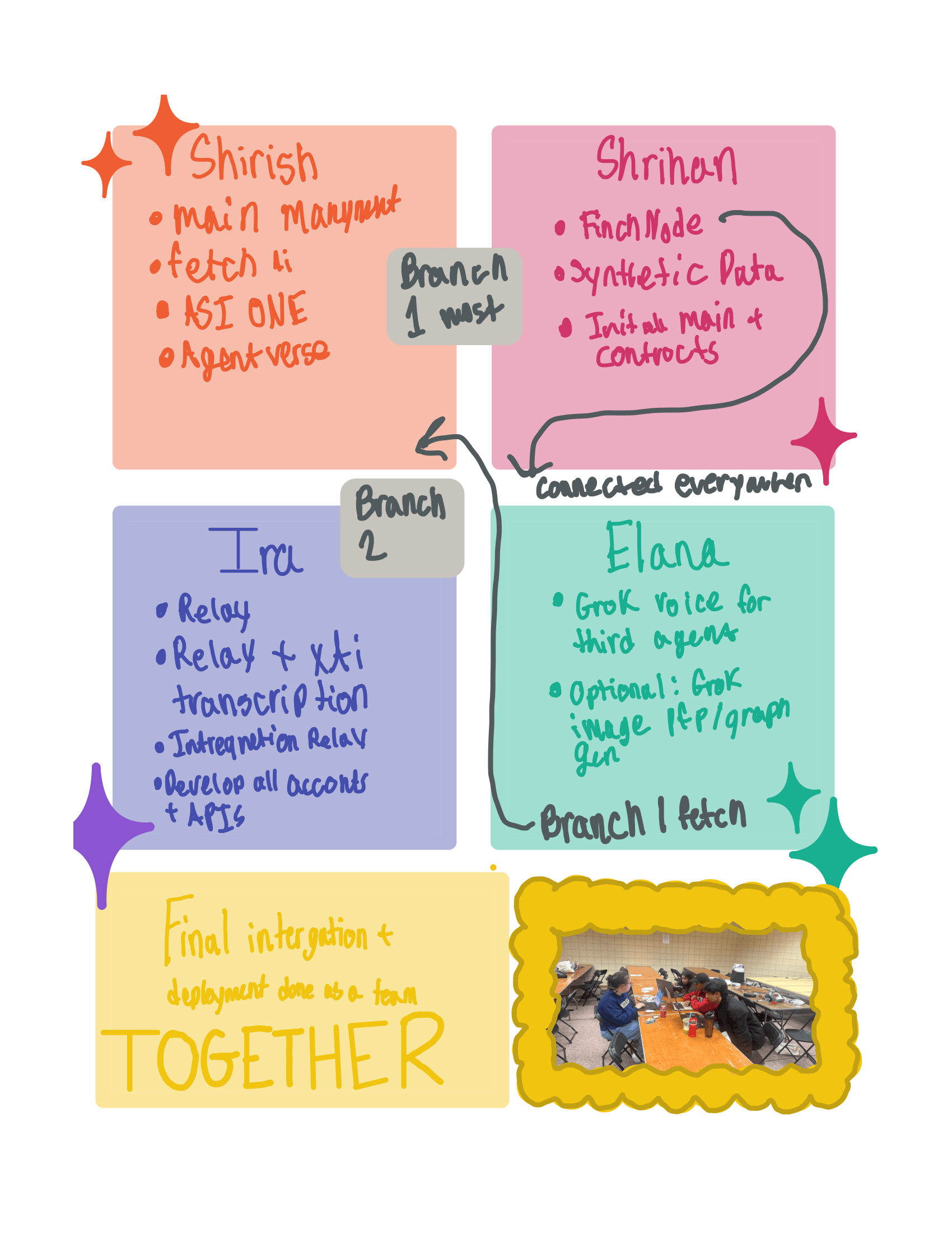
- Fetch and Agentverse: Built specialized uAgents running locally that register through Agentverse over Agent Chat Protocol so users can discover Amyna inside ASI:One.
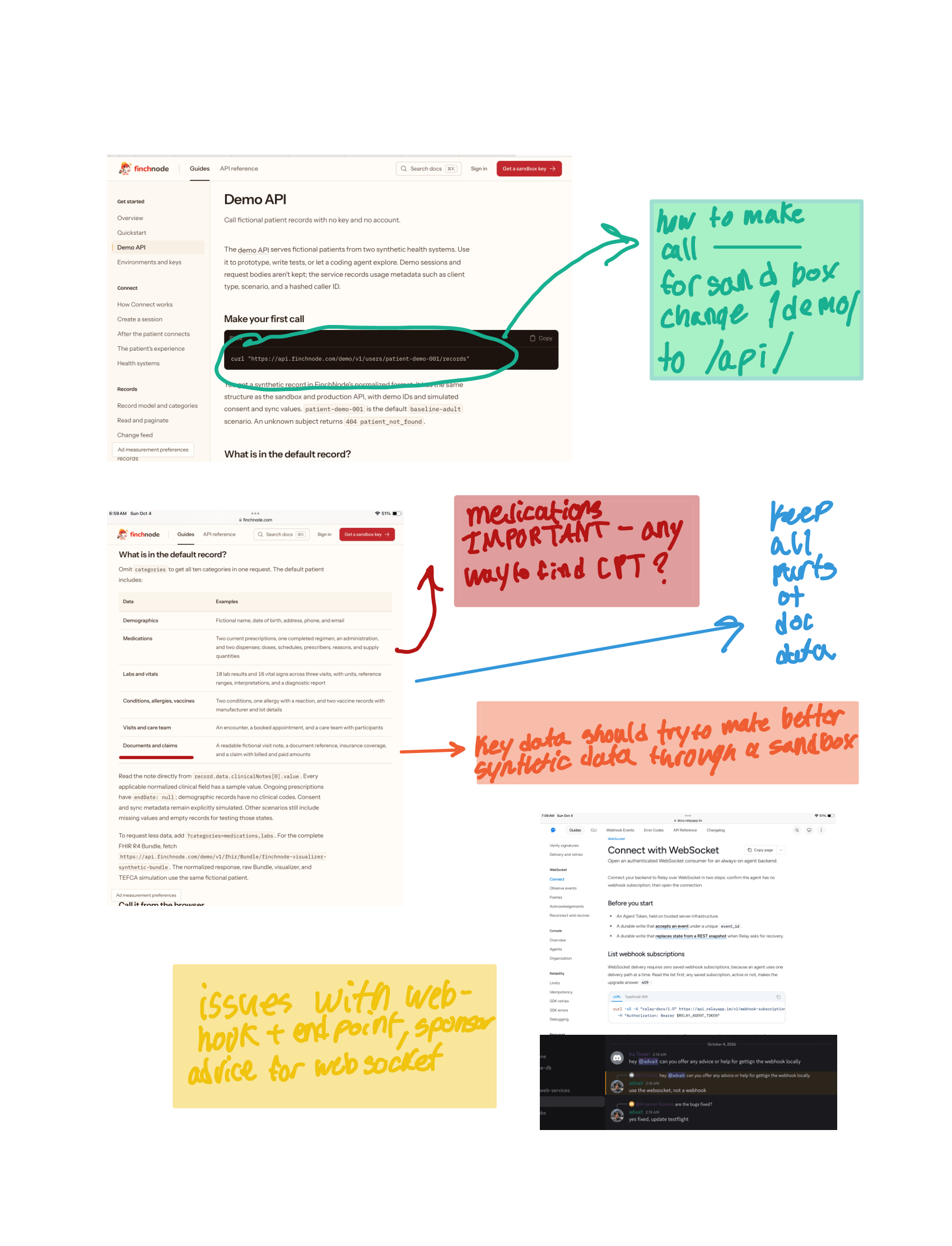
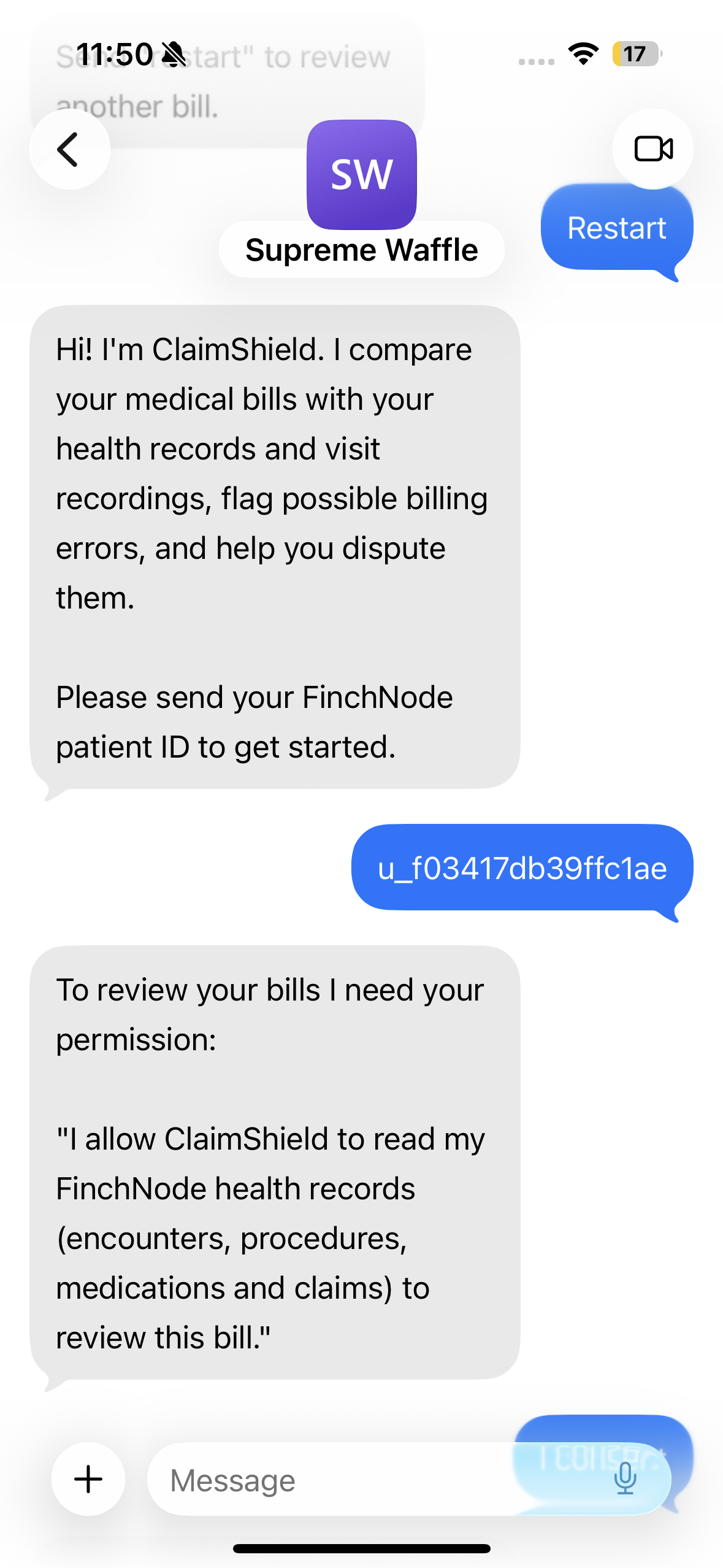
- FinchNode Health APIs: Securely pulls consent gated medical records, encounter notes, and billing claims.
- Relay Messaging: Manages user approvals by delivering structured decision cards directly to patient devices.
- xAI Realtime Voice Pipeline: Connects xAI Grok Voice to Telnyx Elastic SIP and Media Streams via WebSockets (wss://api.x.ai/v1/realtime). During live calls, xAI uses real time tool calling to pull database facts instantly without hallucination.
How we built it
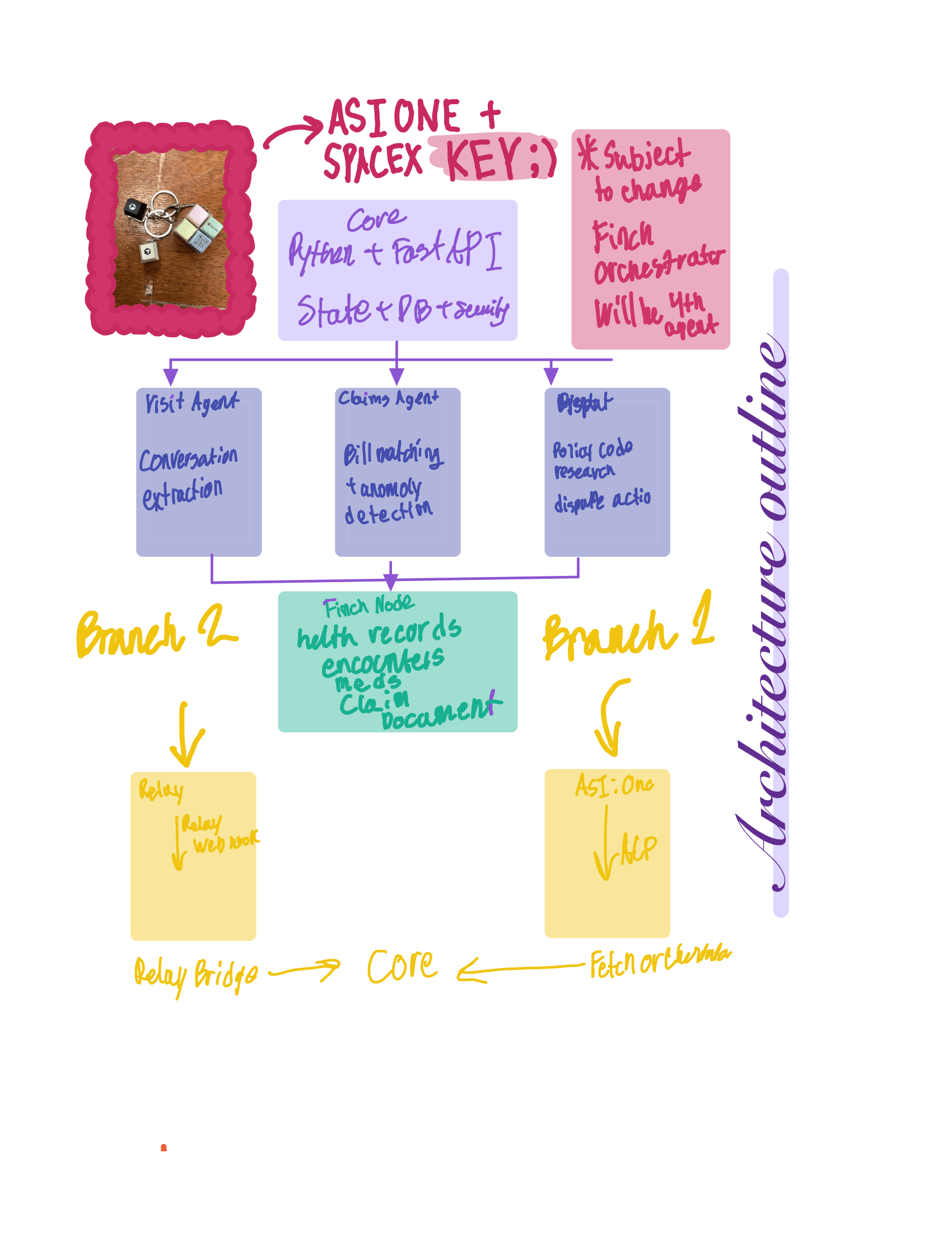
Amyna is one shared case file with a few specialists around it. The patient only talks to a chat or phone app, and those apps never make decisions. A central service called Core holds the case, the permissions, and the rules. Everything else has to ask Core before it reads a record, saves a finding, or places a call.
- Core: A Python FastAPI service with a PostgreSQL database owns every case. Cases move through a fixed list of stages, and a stage change is rejected if the required permission or evidence is missing. Money is stored in cents, and two simultaneous taps can't start two calls.
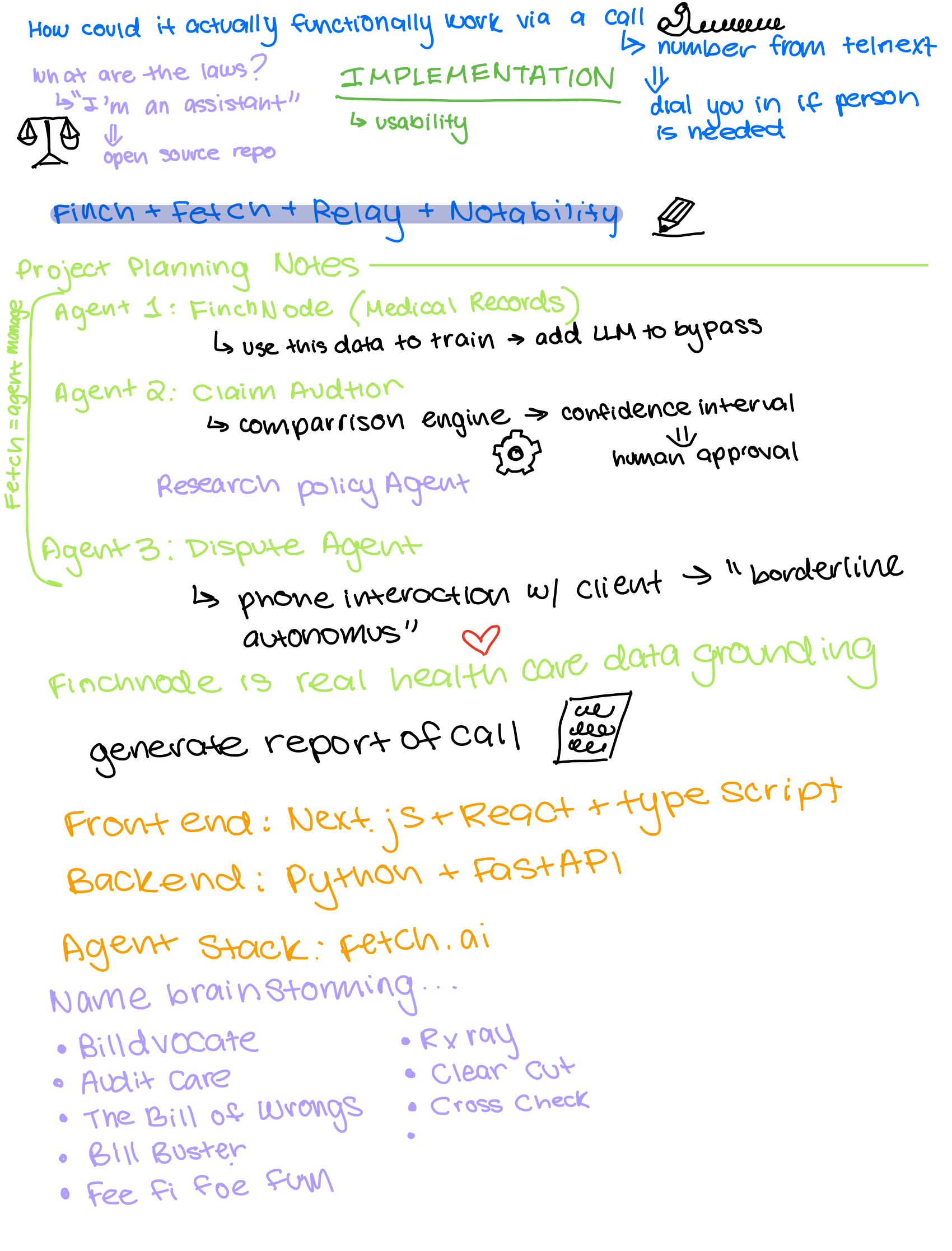
- Fetch.ai agents: One public coordinator, the Amyna Orchestrator, plus three specialists for the visit, the bill, and the dispute. They are registered on Agentverse and reachable through ASI:One. They pass structured, typed messages to each other and ask Core to save results.
- Relay: A separate Node app delivers approval cards and human-handoff alerts to the patient's phone. It calls the same Core tools as the chat agents, so the visit, bill, and dispute logic is written once and the two experiences can't drift apart. FinchNode: Supplies consent-gated procedures, medicines, and encounters.
- xAI Grok Voice + Telnyx: Places the insurer call over a normal phone line. Simulated mode: Every outside service sits behind a switch. The default is a realistic simulated version, so the full demo runs with no accounts or API keys. Turning on a real service takes one flag plus that service's key.
Challenges we ran into
- Data access, privacy, and synthetic vs. real data: Medical records are sensitive, and we didn't want real patient data passing through cloud services during a hackathon. The whole flow runs on synthetic FinchNode records, a synthetic claim, and a synthetic visit transcript, and we label Amyna clearly as a prototype.
- Integration and merging: Five sponsor platforms and four teammates building in parallel meant constant risk of breaking each other's code. We solved it with one shared contract (the shape of every request, reply, and agent message) and a single .env convention. Contract changes went to the main branch first, and everyone else pulled them in.
Accomplishments that we're proud of
- A real multi-agent workflow: an orchestrator and three specialists exchanging typed messages, discoverable and usable from inside an ASI:One conversation.
- Our sponsor technologies working together as one product instead of separate demos.
- A real multi-agent workflow: an orchestrator and three specialists exchanging typed messages, discoverable and usable from inside an ASI:One conversation.
What we learned
- In a high-stakes domain, structured outputs and fixed checks beat one giant prompt, because you can explain exactly why a charge was flagged.
- Writing the logic once and sharing it between the chat agents and the phone app keeps demos consistent.
- Agreeing on interfaces early is what lets four people build at the same time.
What's next for Amyna
- CMS Hospital Price Transparency Data: Ingesting public hospital standard charge files to cross check facility fees against legally mandated price disclosures.
- Written Legal Appeals Engine: Automatically generating formal written appeal letters backed by state insurance codes for providers that do not accept phone disputes.
- Expanded EHR Connections: Transitioning from sandbox environments to full production EHR integrations using standard FHIR protocols.
Built With
- agentverse
- asi-one
- fastapi
- fetch-ai
- finchnode
- grok-realtime
- notability
- postgresql
- python
- relay
- telnyx
- uagents
- websockets
- xai-voice


Log in or sign up for Devpost to join the conversation.