-
-
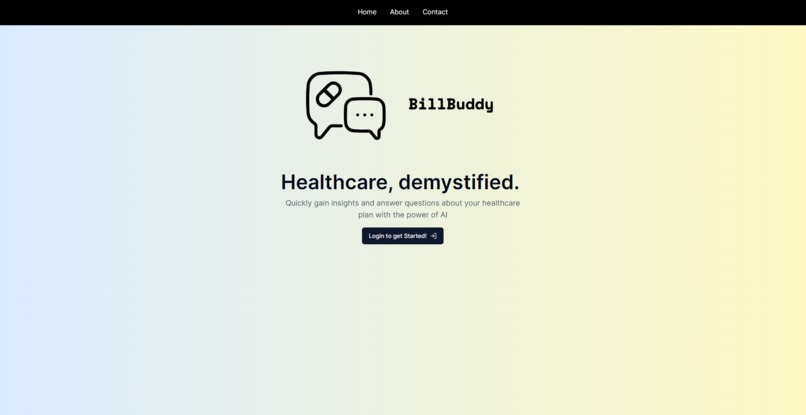
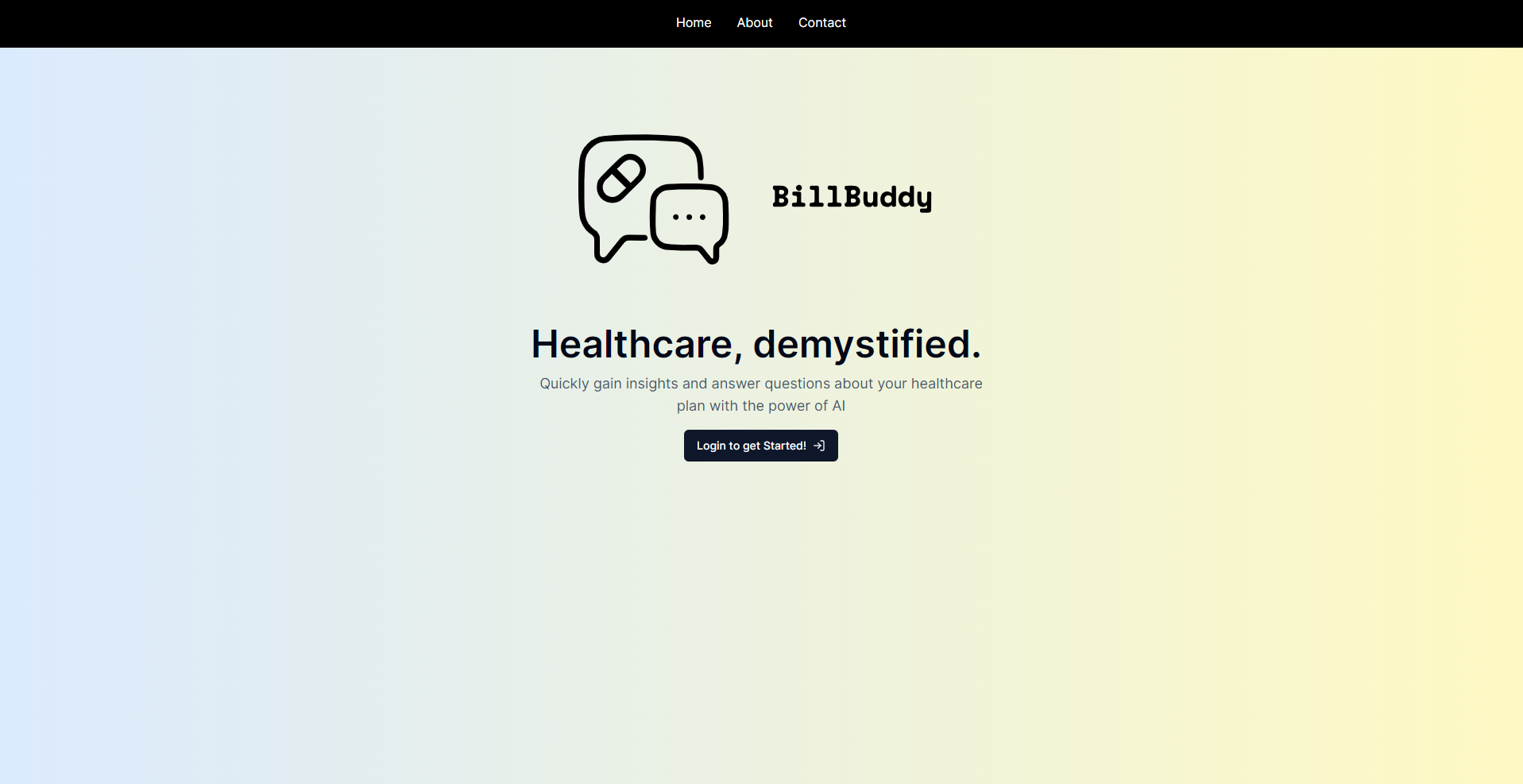
Landing Page/Home Screen
-

Sign In Page
-
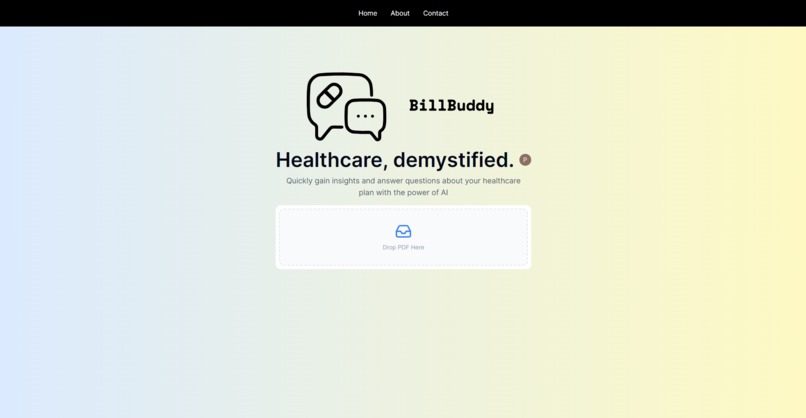
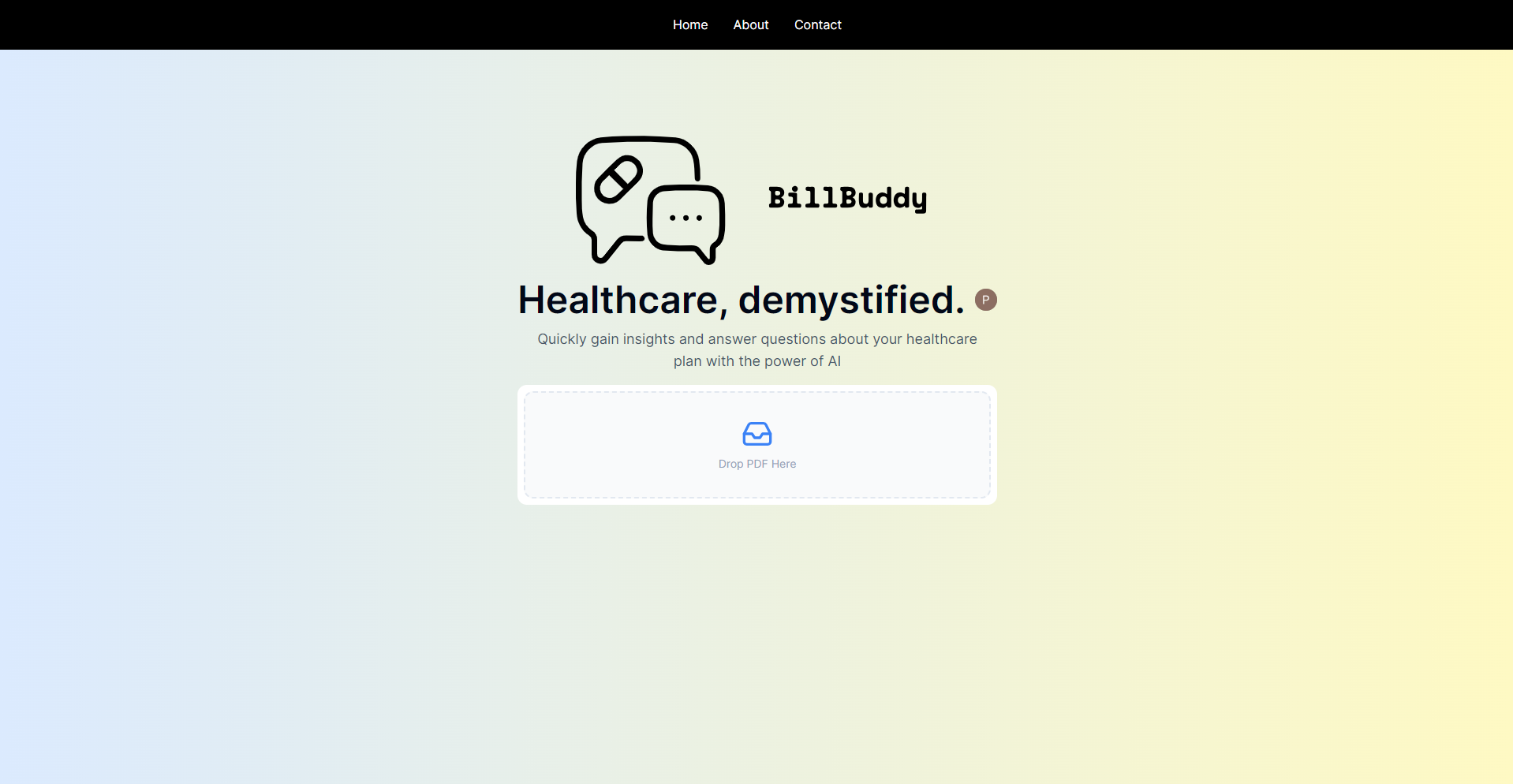
Upload PDF
-
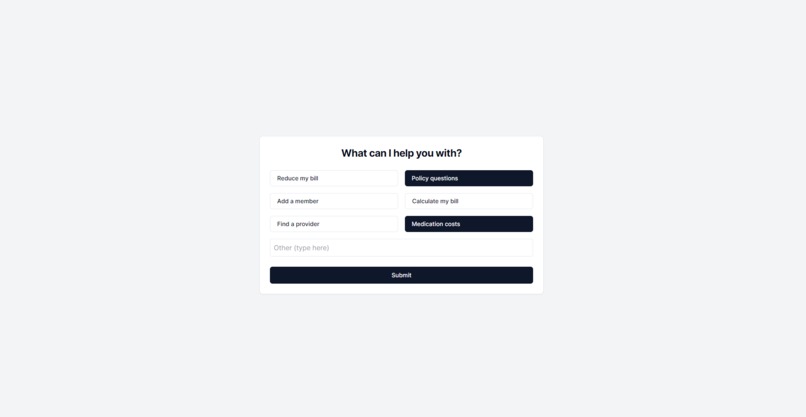
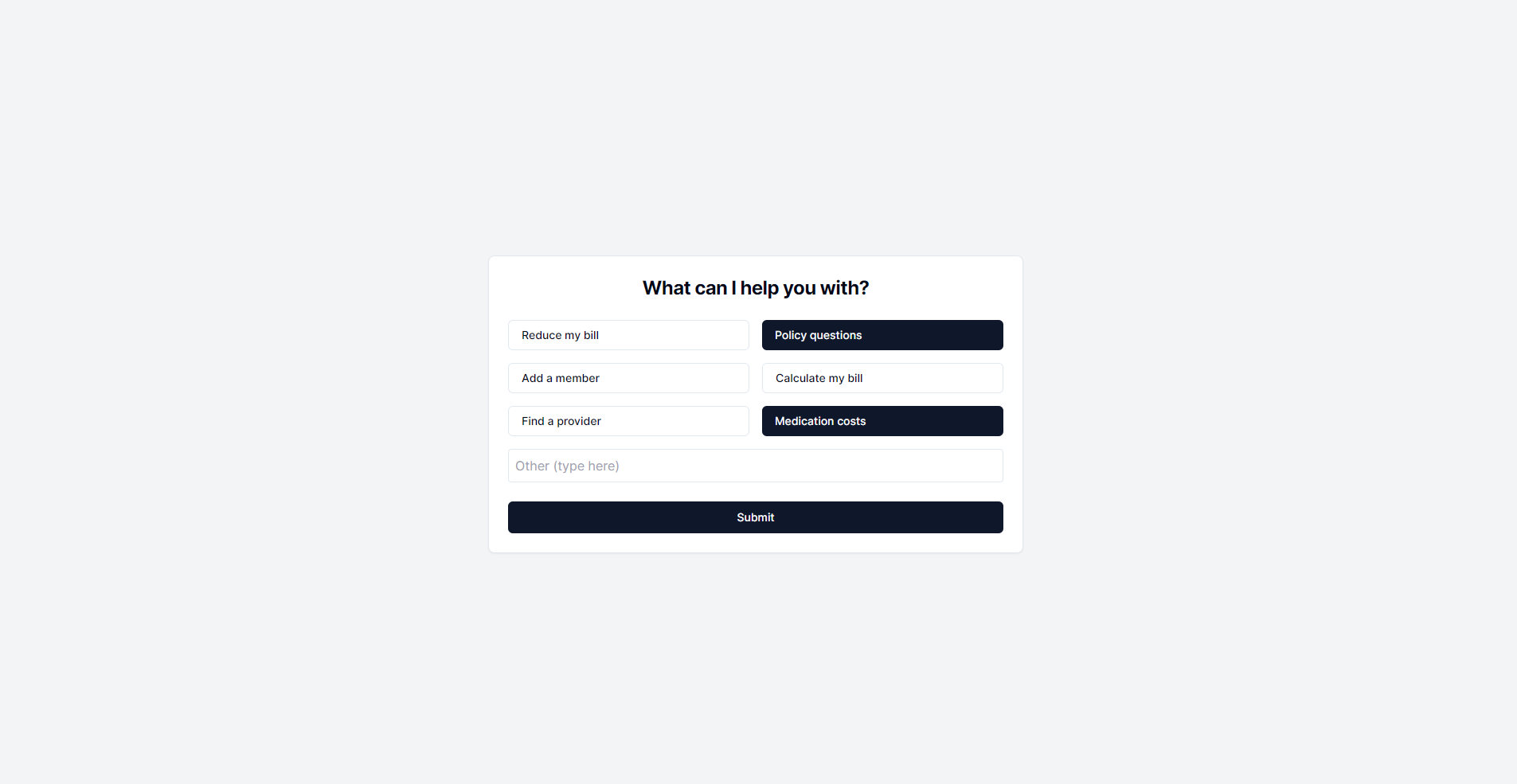
Concern Highlighting
-
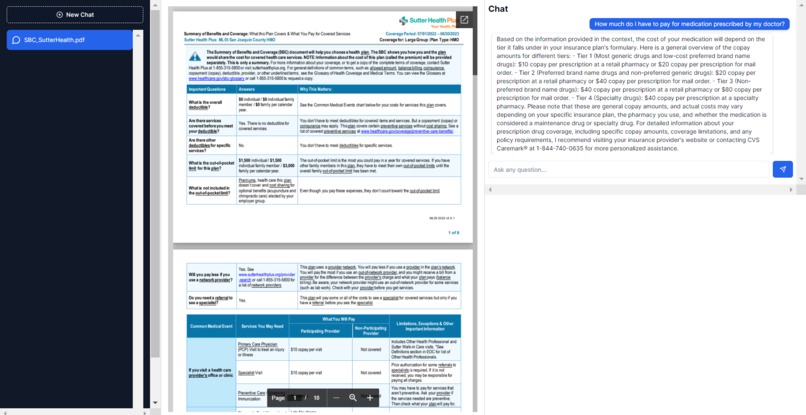
Chat Session
-
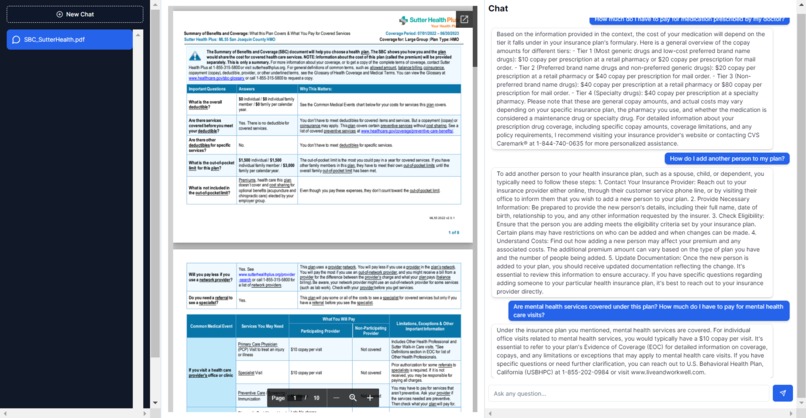
Chat Session

Inspiration
At BillBuddy, our inspiration stems from the frustration and confusion many people experience when trying to understand their health insurance policies. Even the most diligent individuals often struggle with dense, jargon-filled documents and a lack of clear, accessible information. We recognized a critical need for a solution that could transform these complicated texts into understandable insights.
According to the Center of Health Care Strategies, nearly 9 out of 10 adults in the United States struggle with health literacy. Understanding this, we aim to bridge the knowledge gap with advanced AI technology, empowering individuals to make confident health care decisions. Our goal is to eliminate anxiety and uncertainty, providing clarity and peace of mind.
Stories of people feeling overwhelmed by their policies inspired us to create BillBuddy, a reliable 24/7 companion that simplifies health insurance for everyone. We are committed to ensuring no one navigates their health insurance complexities alone. You deserve to make informed, confident decisions about your health care, and BillBuddy is here to demystify the process.
What it does
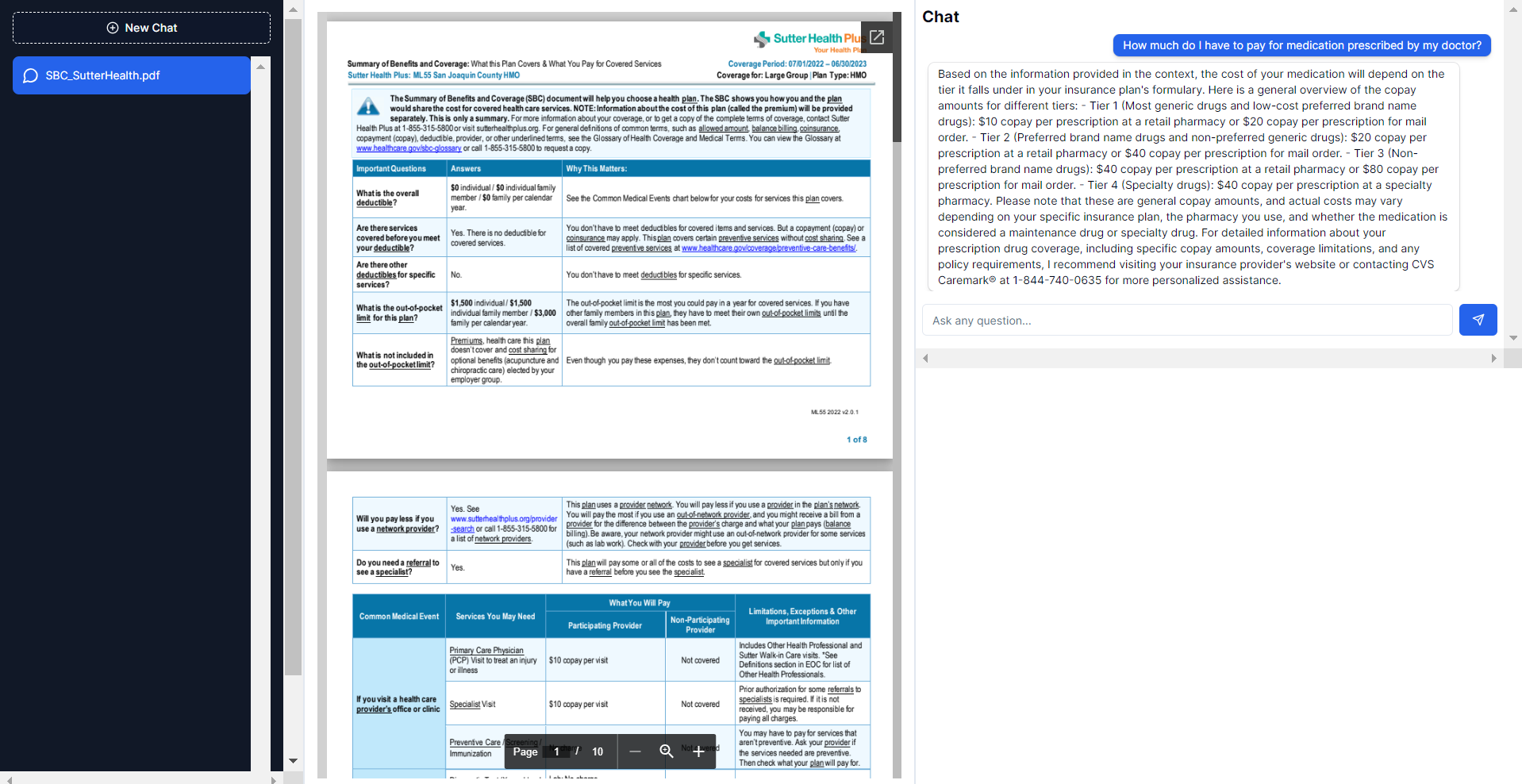
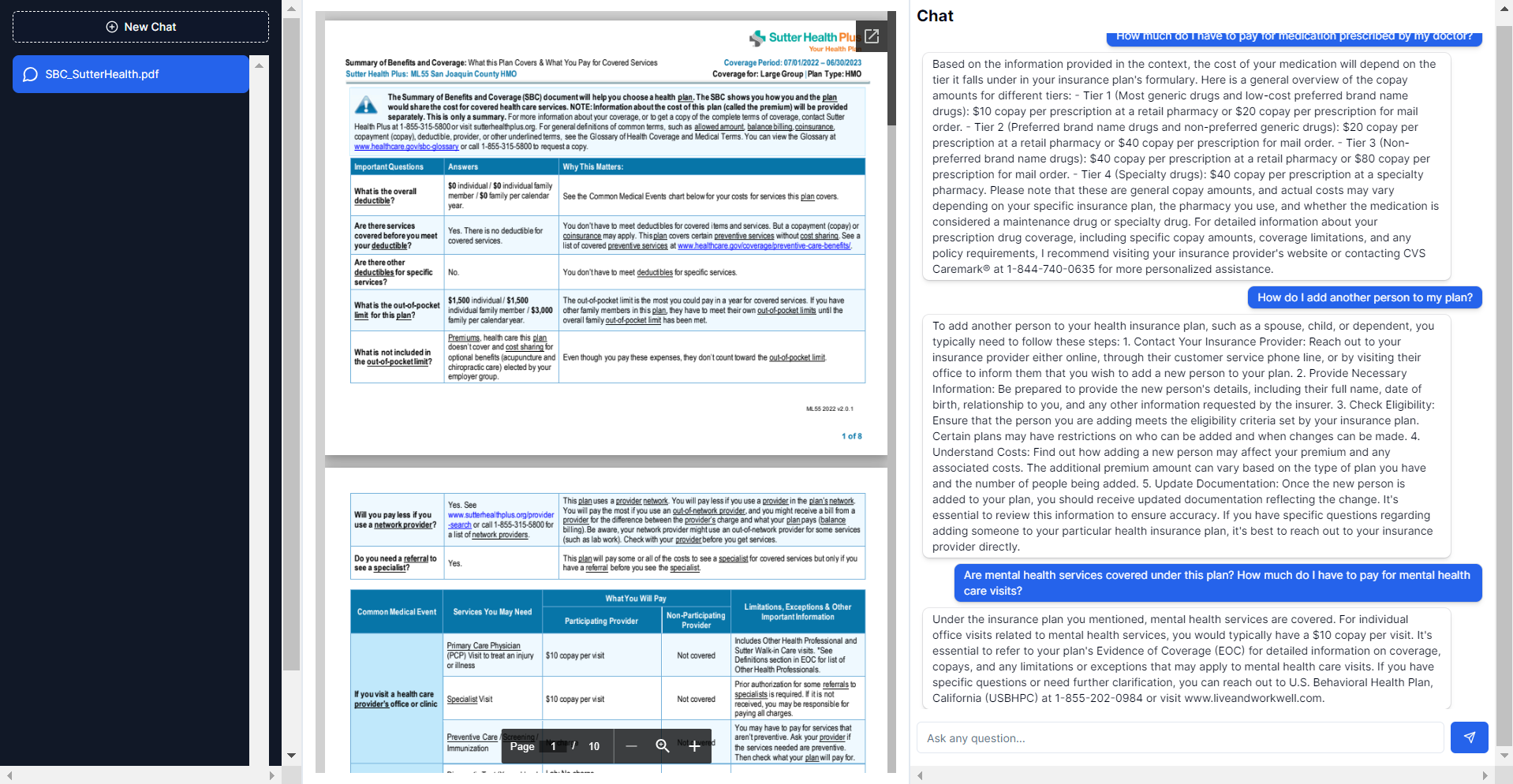
BillBuddy simplifies health insurance by using RAG and Prompt Tuning to analyze your policy documents. You can upload your insurance policy, and BillBuddy will provide clear, concise summaries and answers to any questions you have about your coverage, deductibles, premiums, and more. It makes understanding your health insurance easy and accessible, empowering you to make informed decisions about your health care.
How we built it
Set Up Storage: a. Configured Amazon S3 buckets for storing user-uploaded files. b. Set up access permissions
Configured Databases: a. Set up Pinecone for the vector database, configured embedding settings. b. Set up PostgreSQL for user data, and configured schemas and tables (using drizzle for interaction)
Implemented Authentication: a. Integrate Clerk for user authentication. b. Ensure secure handling of user credentials and sessions.
Develop the Frontend: a. Created the application structure using Next.js. b. Developed interactive components using React.js. c. Styled the application using Tailwind CSS for a responsive and modern design. d. Built RAG Pipelines:
Used Langchain to create pipelines for processing user queries. a. Integrated Pinecone for efficient document search and retrieval. b. Handled Inference and Embeddings:
Implement OpenAI for generating document embeddings. a. Used OpenAI's models for processing and generating responses to user queries. b. Interfaced with PostgreSQL:
Challenges we ran into
- Issues with outdated node packages and pinecone interfaces
- Setting up the RAG pipeline in pinecone and s3, ran into CORS errors with S3
Accomplishments that we're proud of
- Setting up entire end to end RAG pipeline
- Adding additional prompt styling functionality that is user controlled such as implementing a click and drop through
What we learned
We've gained a deep understanding of the widespread confusion and frustration surrounding health insurance. Learning that nearly 90% of adults in the United States struggle with health literacy has underscored the critical need for a tool like BillBuddy. This insight has driven us to focus on user-friendly design and intuitive interfaces, making it easy for users of all backgrounds to navigate their insurance information. Additionally, we've learned end to end data pipelines for RAG and prompt finetuning with GPT.
What's next for BillBuddy
- Implementing function calling with search apis such as You.com
- Updating to use better parsers of PDFs
- Integrating and saving user data such as plan information and fine tuning with medical LLMs to give recommendations on what to book.
Built With
- amazon-web-services
- axios
- clerk
- drizzle-orm
- eslint
- javascript
- langchain
- md5
- neon-database
- next.js
- openai-api
- postcss
- postgresql
- radix-ui
- react
- react-query
- tailwind-css
- typescript
- typescript-types


Log in or sign up for Devpost to join the conversation.