-
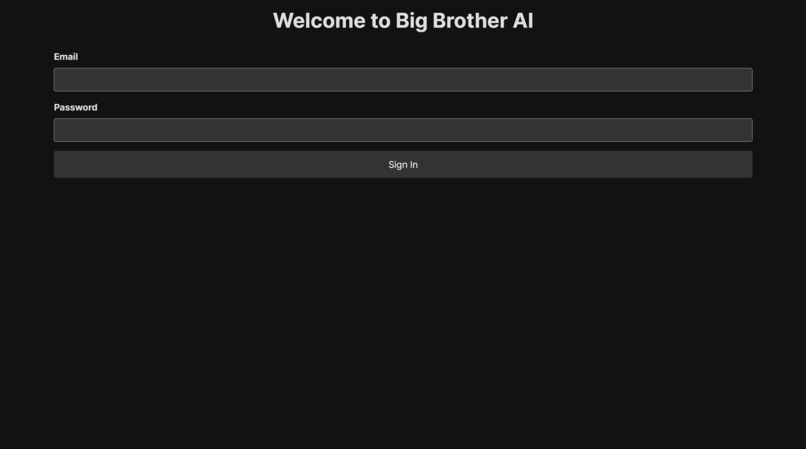
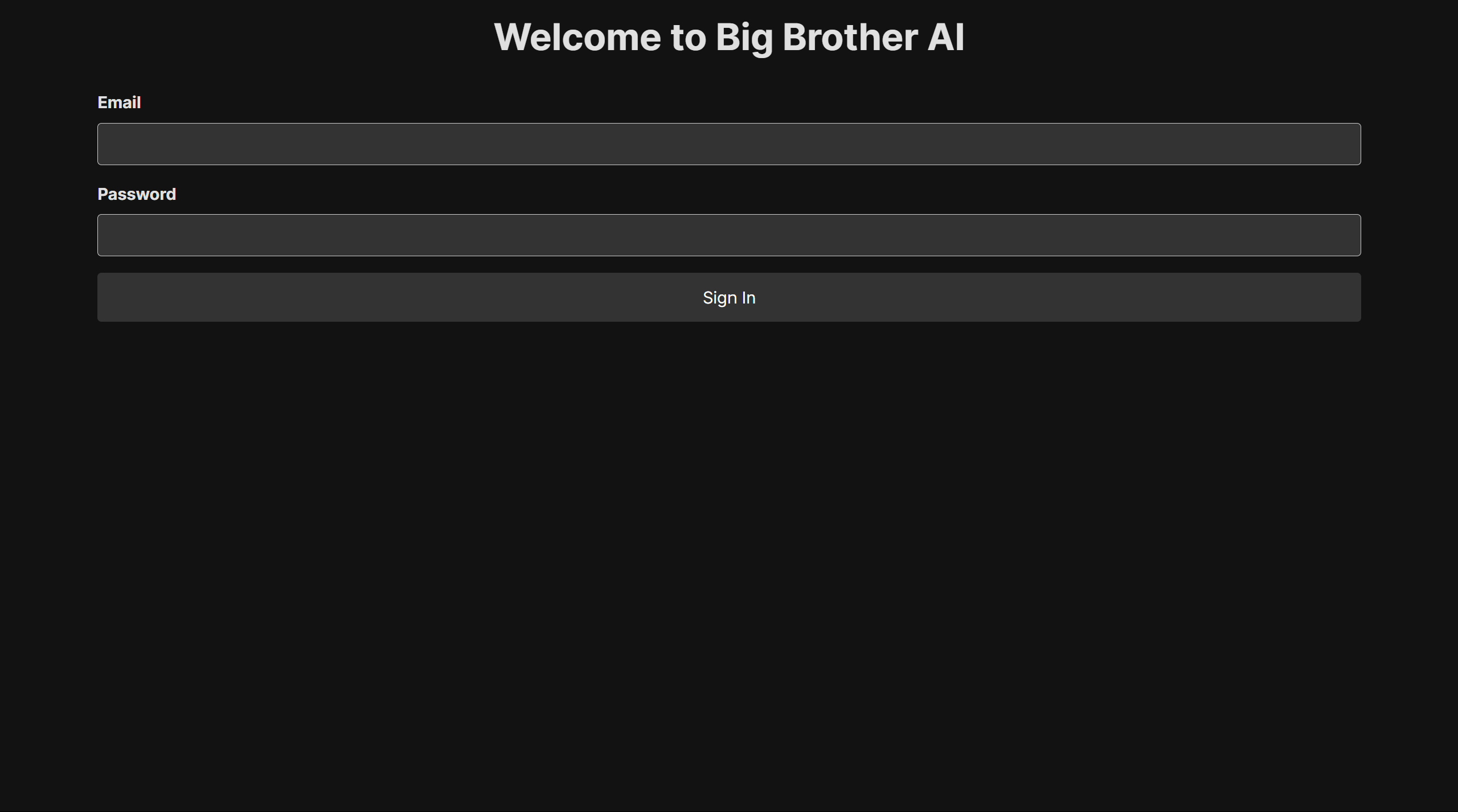
Login screen
-
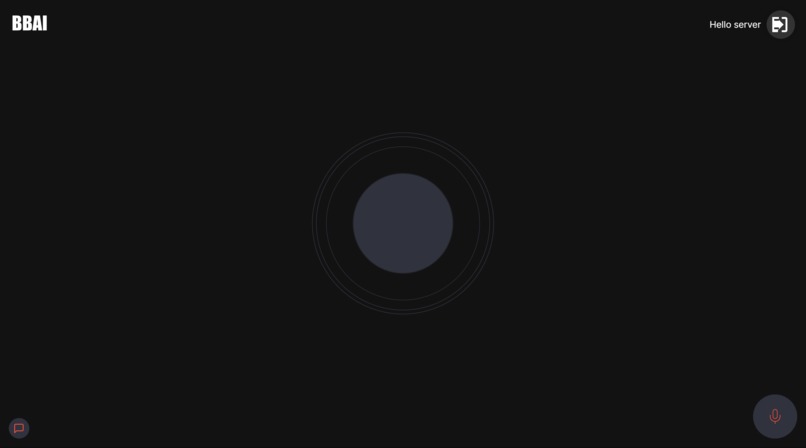
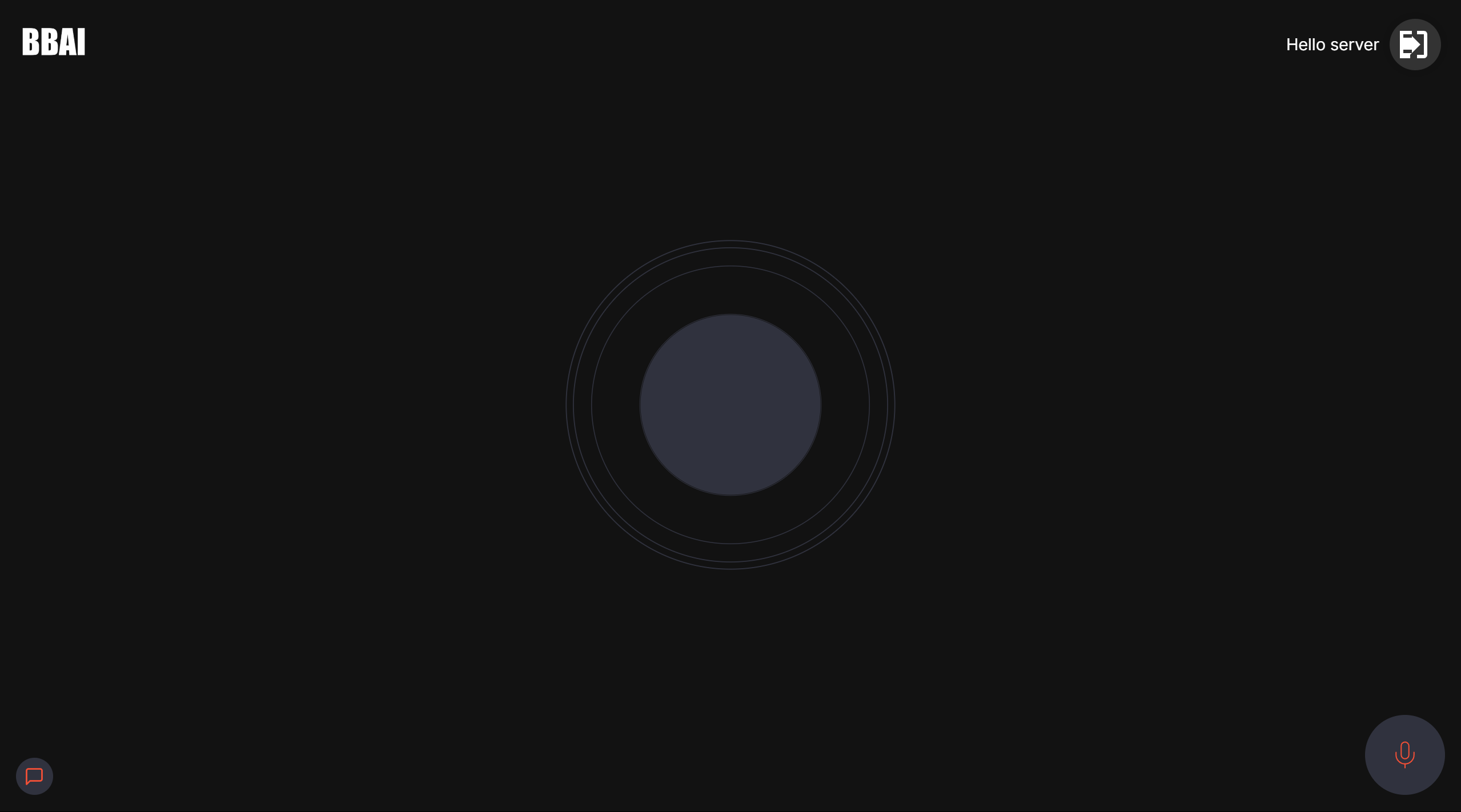
Big Brother AI
Inspiration
For this hackathon, we wanted to use AI to make direct impacts in marginalized communities, particularly in ones where the youth may not have a family member or companion to look up to. We were inspired by the development of seamless voice recognition and interaction and thought this would be a great way to provide the ones in need with a "Big Brother", using AI.
What it does
Big Brother AI is an AI model that is trained to emulate a role model, like a big brother. It receives voice input from the user, processes it through Groq (which utilizes Cartesia AI, a generative voice tool), then returns a voice output (text-to-speech model) containing the content that was generated. Along with emotional support as a "Big Brother", Big Brother AI can teach fundamental life skills and even provide online resources when needed, due to its ability to understand humans in depth.
How we built it
We utilized the Groq speech-to-speech template, which directly accessed Cartesia AI, through the Groq API. Groq provided us with extremely fast AI inference technology (through their JPU Inference Engine), which helped power Cartesia AI, which is cutting-edge generative AI for voice and speech. Next, we created a full-stack framework, with our frontend technologies being CSS, TypeScript, and JavaScript (Next.js, React), and our backend technologies being JavaScript and MongoDB. We used git version control for collaboration. We prompt engineered the AI model so that it would personalize itself for the user's purpose, which is in this case acting as a "Big Brother". Extensive prompt engineering was done , providing a concrete way for the AI model to act, which would enhance and improve the overall quality of generated responses. Additionally, to configure the specific relaxing male voice that speaks the audio output, we double prompt engineered by engineering the prompt in Cartesia AI to provide customized voice embedding. Through this, we extended our mission of providing a personalized and highly suitable “Big Brother”.
Challenges we ran into
We ran into the challenge of coming up with a feasible idea that we were all interested in, delaying the time spent on our finished product. We sometimes made a lot of progress on one prototype, but discarded it due to a collective shift in ideas. Additionally, we ran into the problem of establishing a database through MongoDB. Dealing with several API keys and directories, we had trouble syncing the backend database with our product.
Accomplishments that we're proud of
We are proud of being able to quickly learn about emerging AI technologies. We exposed ourselves to very unfamiliar topics, and many times persevered through hardships and low morale during our learning and working processes. We are proud of our mission and the topic of interest, as we truly feel that it can create a widespread impact on marginalized individuals, countering a generational socioeconomic and educational issues. Additionally, we are excited to share our finished product, Big Brother AI, with colleagues and the judges at the hackathon, allowing us to share our finalized product and hackathon stories.
What we learned
We learned a lot about how AI is emerging in the technology field and a variety of applications. More importantly, we learned how we can utilize AI in our own projects and careers. We are greatly thankful for this opportunity to learn more about the cutting-edge technologies that utilize AI, and learning how to use them has influenced our skills and interests. In addition to gaining familiarity with new AI tools and models, we honed our previous skills in software and code development. We improved our programming abilities, adaptive learning, collaboration and communication, and problem-solving.
What's next for Big Brother AI
Big Brother AI has a bright future ahead of it. It will incorporate more features, such as a more robust database, deployment on an established platform (such as on the cloud with AWS), and more features such as facial recognition and responses, supported integration into other apps like Siri or Google Chrome extensions, and much more. We plan to enhance the AI's emotional intelligence, enabling it to better understand and respond to a wider range of emotions and situations. Additionally, we aim to develop a mobile application to increase accessibility and convenience for users. We will also focus on multilingual support to reach and assist a more diverse audience globally. Collaborations with educational and social organizations will be pursued to expand the impact of Big Brother AI, providing mentorship and support to those in need. Continuous feedback from users will guide iterative improvements, ensuring the AI evolves to meet the needs of its community effectively.
Built With
- cartesia
- css
- flask
- groq
- javascript
- mongodb
- next.js
- typescript

Log in or sign up for Devpost to join the conversation.