-
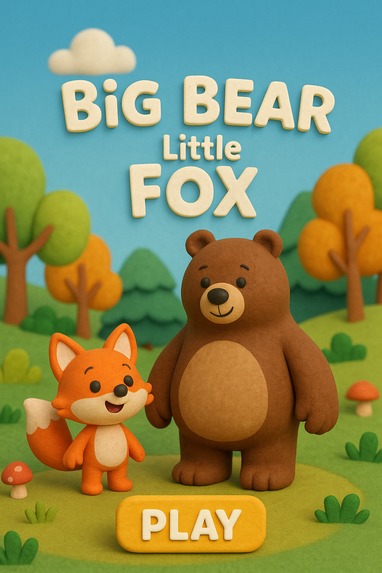
Big bear&Little fox
Inspiration
We wanted to create a warm, playful, and educational children’s game that helps kids aged 3–7 recognize and manage their emotions while developing observation, logical thinking, and language skills through interactive stories and mini-games. With children spending increasing time on screens, there’s a lack of games that truly support emotional growth—so we set out to fill this gap.
What it does
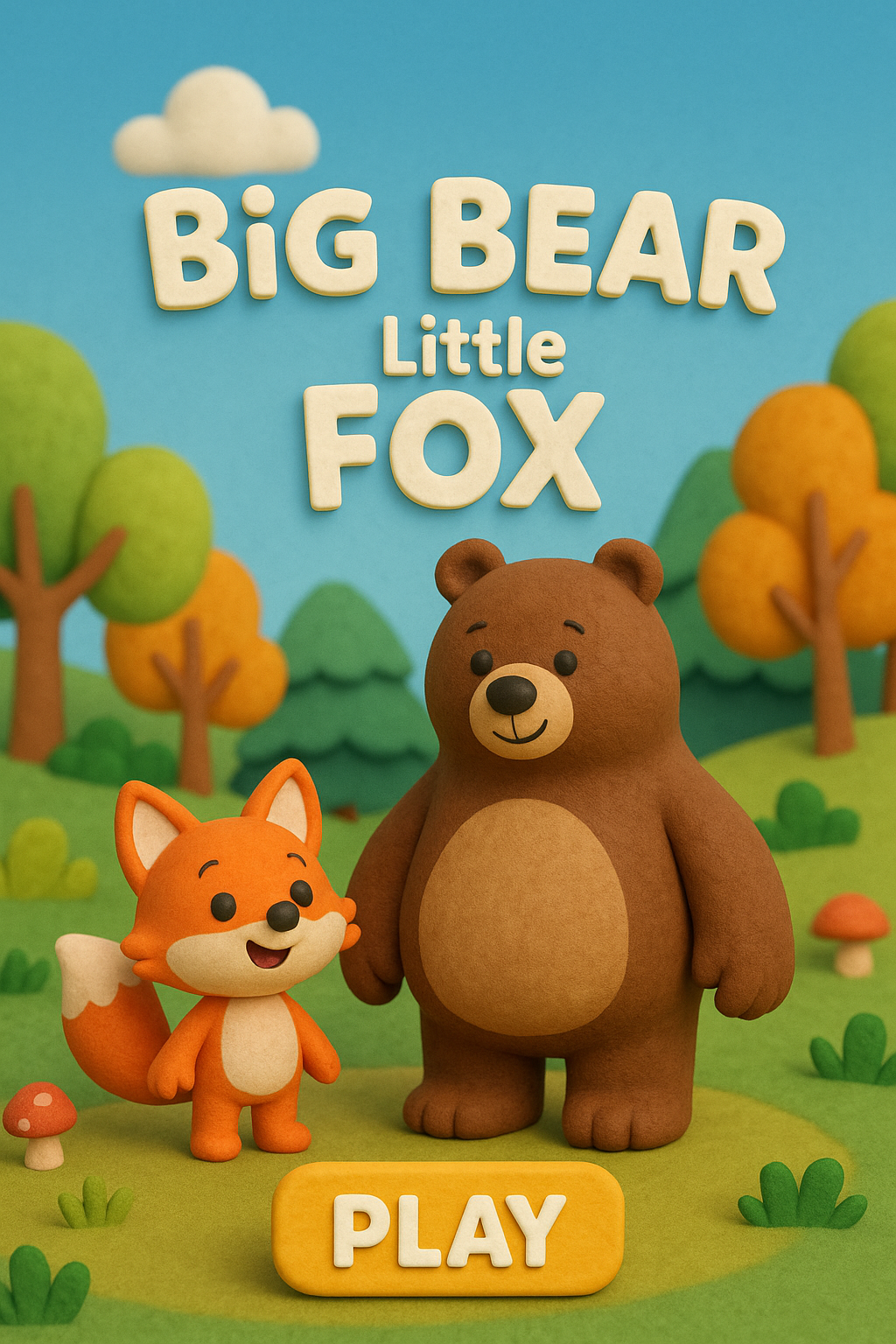
Big Bear and Little Fox is an interactive story-driven game set in a seasonal forest world. Players help Big Bear and Little Fox solve problems, identify and express emotions, and learn about nature and social skills. The game supports both English and Chinese, featuring emotional guidance, nature exploration, light mini-games, and voice interaction to create a nurturing growth experience.
How we built it
We used a modular approach, starting with core character design and the first story chapter script. We built interactive prototypes using tools like Figma. On the tech side, we integrated Vapi for speech recognition and synthesis, Inworld AI to create emotionally rich virtual characters, and LlamaIndex for knowledge-based Q&A. The basic prototype is complete, and we plan to iterate based on user testing.
Challenges we ran into
Balancing emotional support with engaging gameplay required multiple design iterations Integrating multiple platforms (voice, AI dialogue, knowledge bases) posed a learning curve Designing a user-friendly interface suitable for 3–7-year-olds that effectively conveys emotional content Ensuring smooth cultural and linguistic integration for bilingual (English-Chinese) content
Accomplishments that we're proud of
Developed relatable, educational characters and engaging story scripts that resonate with children Achieved natural voice interactions enhancing game immersion Built an extensible technical framework for adding stories and educational content quickly Defined a clear market niche targeting bilingual families and early education sectors
What we learned
Emotional education for kids requires gentle, thoughtful design rather than simple lecturing Smart integration of existing AI tools significantly boosts user experience User feedback is critical to refining story pacing and interaction design Bilingual design is both an opportunity and challenge requiring careful cultural adaptation
What's next for Big bear and Little fox
Conduct small-scale user testing with parents and children to gather feedback Enhance voice interaction and AI character intelligence, expand story branches and mini-games Partner with illustrators and animators to create richer visuals Explore collaborations with educational institutions to bring the product into early education settings Long-term, develop related picture books, animations, and AI emotional companion assistants to grow the brand


Log in or sign up for Devpost to join the conversation.