-
-
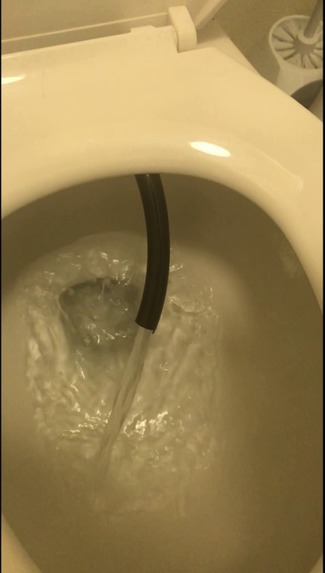
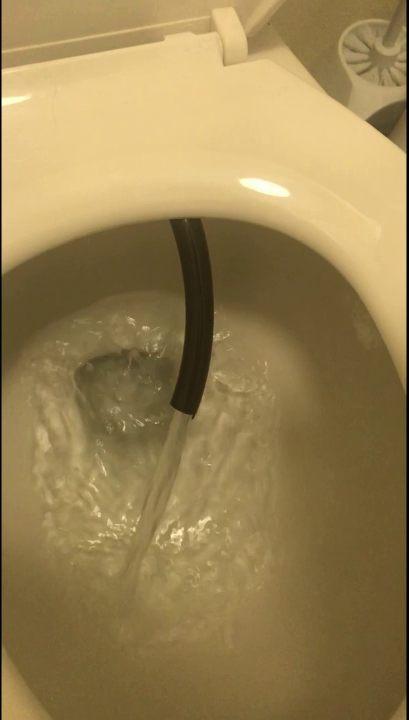
Bidego in action
-
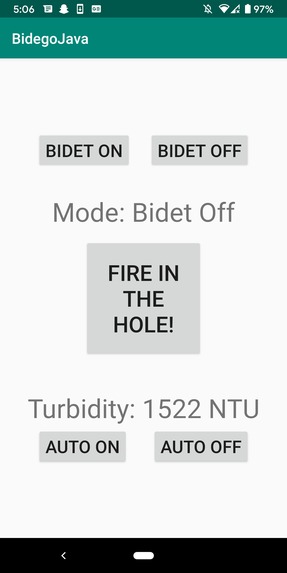
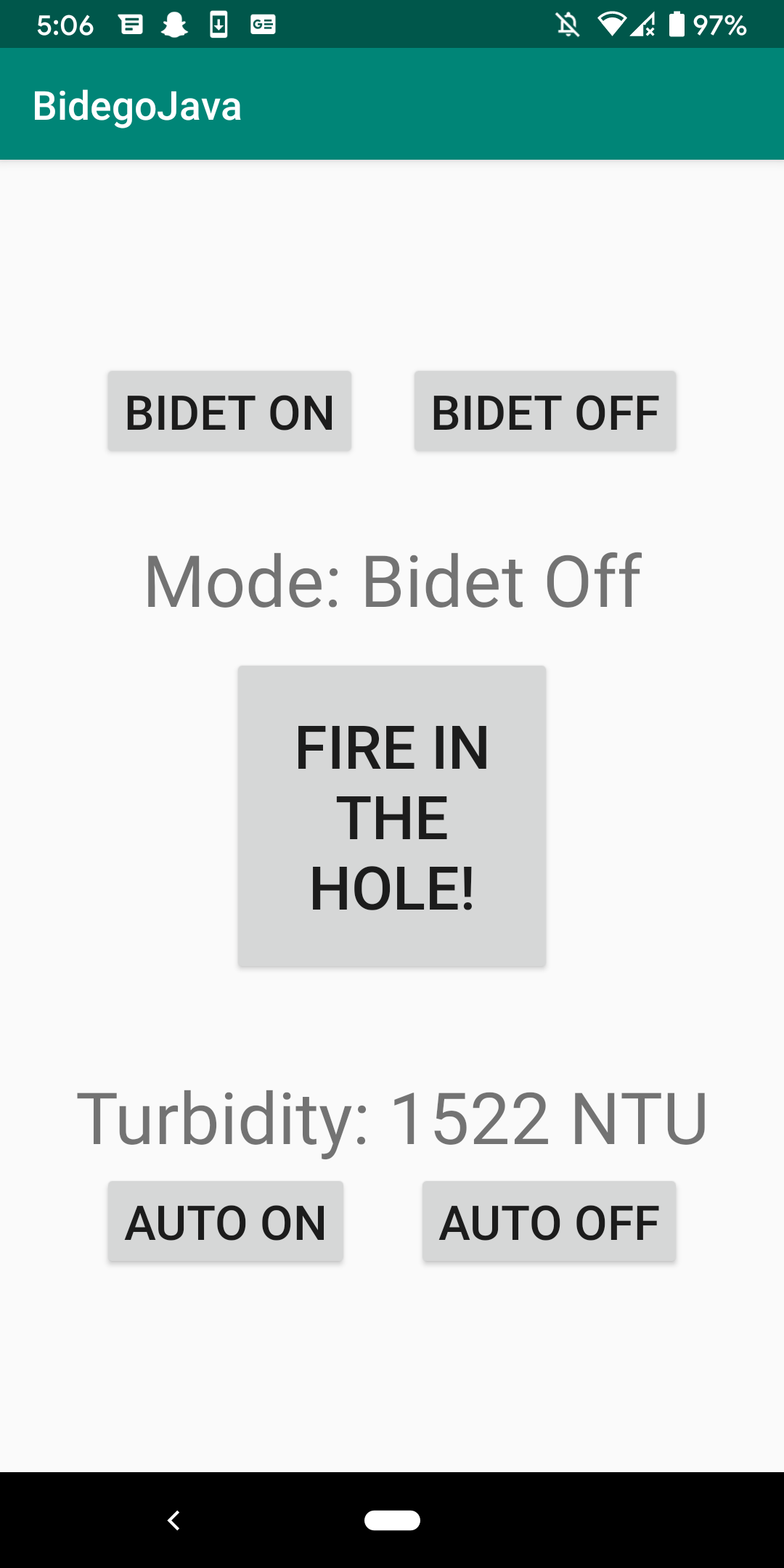
Android Application
-
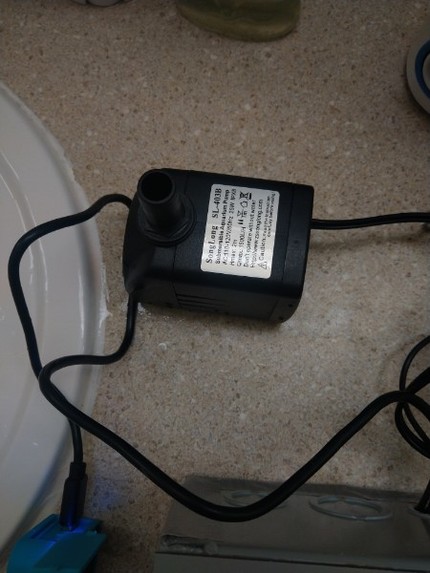
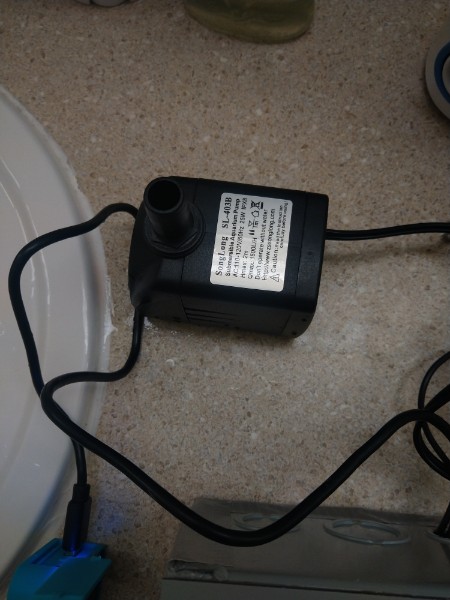
Submersible Water Pump
-
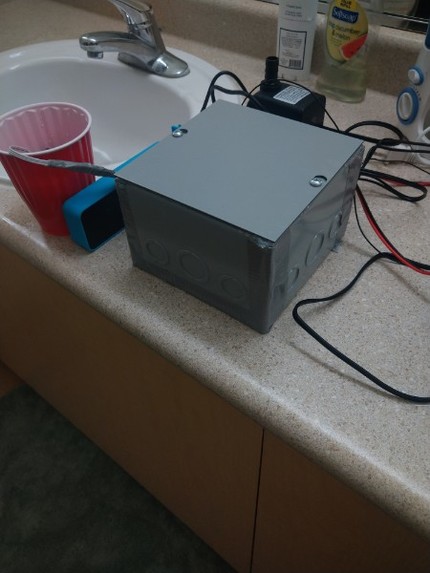
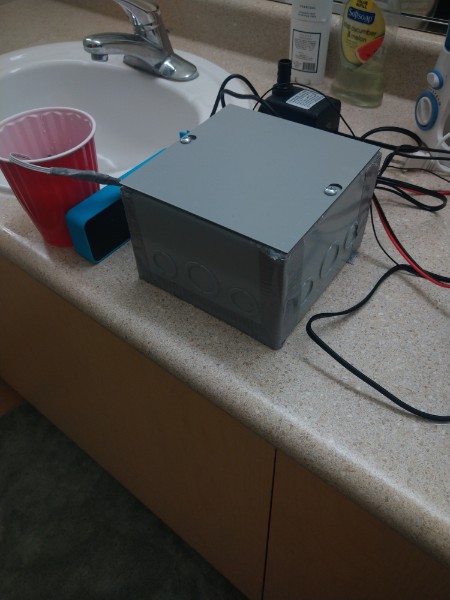
Control Box
Inspiration
Like many great innovations, Bidego was created with the intent of helping those in need, specifically our good friend John. Due to unfortunate environmental and genetic factors, John is unable to wipe himself with toilet paper after doing his business. Since he spends a large part of his free time at our apartment and is also an avid taco enthusiast, we decided we'd pitch in to buy him a bidet. We soon realized, however, that not only are bidets obscenely expensive, but they also have not evolved in the past 20 years. After this realization, we went to the drawing board — and came back with Bidego.
What it does
It does what any other bidet would do (i.e. clean your derrière), but in a much smarter way. Not only does Bidego have the connectivity features of the highest end store-bought bidets, like a smartphone app and Google Home integration, but it also has our custom built automatic flushing system. The foundation of our Automatic Flushing System or AFS (1) is our state of the art turbidity sensor. This sensor reads how dirty the toilet's water is and can automatically trigger the water pump after it detects a change in water purity (i.e. after the user does their business). This groundbreaking auto-flushing feature means that Bidego easily outclasses its competitors. Oh, and did we mention it does so for only 1/10th of the cost?
How we built it
The hardware side of Bidego consists of an ESP32 microcontroller, a submersible aquarium water pump, a relay, a turbidity sensor (water quality sensor), and a remote.
Optional hardware includes a smartphone loaded with the Bidego App and a Google Home.
Our turbidity sensor reads water quality by measuring the water's index of refraction and communicates this information to the ESP32 microcontroller. Based on its mode of operation, the ESP32 will then operate the water pump (which can be located in the toilet reservoir or in an outside water source). In auto-mode, the ESP32 will calculate the change in water quality and will trigger the water pump when sufficient time has passed from the last observed change.
In order for our devices to communicate, we decided to implement an MQTT protocol (a WiFi based publish-subscribe protocol). The ESP32 interfaces with Adafruit's MQTT broker and publishes turbidity information, while the client (Google home, smartphone, or remote) subscribes to the turbidity information and publishes a mode of operation for the bidet. The user can then set the bidet in auto mode to let the bidet automatically determine when the user needs a wash, use manual commands from their smartphone, or use voice commands from their Google Home.
Challenges we ran into
- The Android MQTT client was not very well documented, so we had to extrapolate how to publish and subscribe messages from a litany of tutorials.
- Waterproofing the junction box that held our electronics.
Accomplishments that we're proud of
- Learning how to use the MQTT transmission protocol.
- Undercutting the costs of our competitors. Typical bidets cost anywhere from $250 to $700, while the average consumer should be able to assemble Bidego for only $70.
- Saving trees.
- Having clean posteriors.
What we learned
One of the most useful things we learned from this hackathon is the MQTT protocol, which is quite literally perfect for our application. Brushing up on our Android and embedded development was also rather useful.
What's next for Bidego
Our next planned features for Bidego include:
- Water heating element (no one wants a cold tush ❄️).
- Portability improvements (why not take it with you when you travel? ✈️).
(1) Disclaimer: AFS and Bidego are both not yet patented, so please don't steal our idea.


Log in or sign up for Devpost to join the conversation.