-
-

Main Icon
-

Group Picture
-
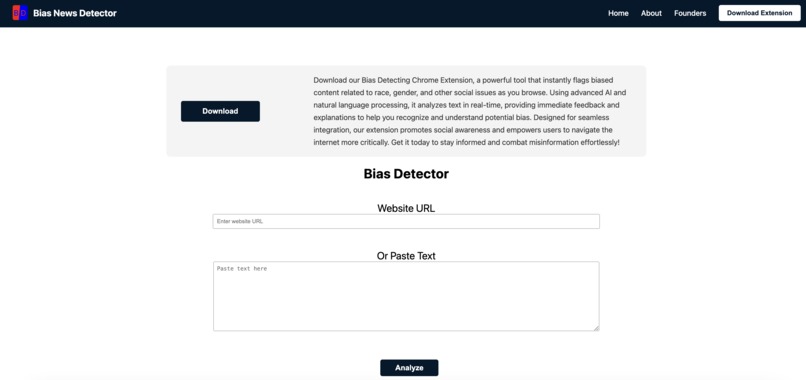
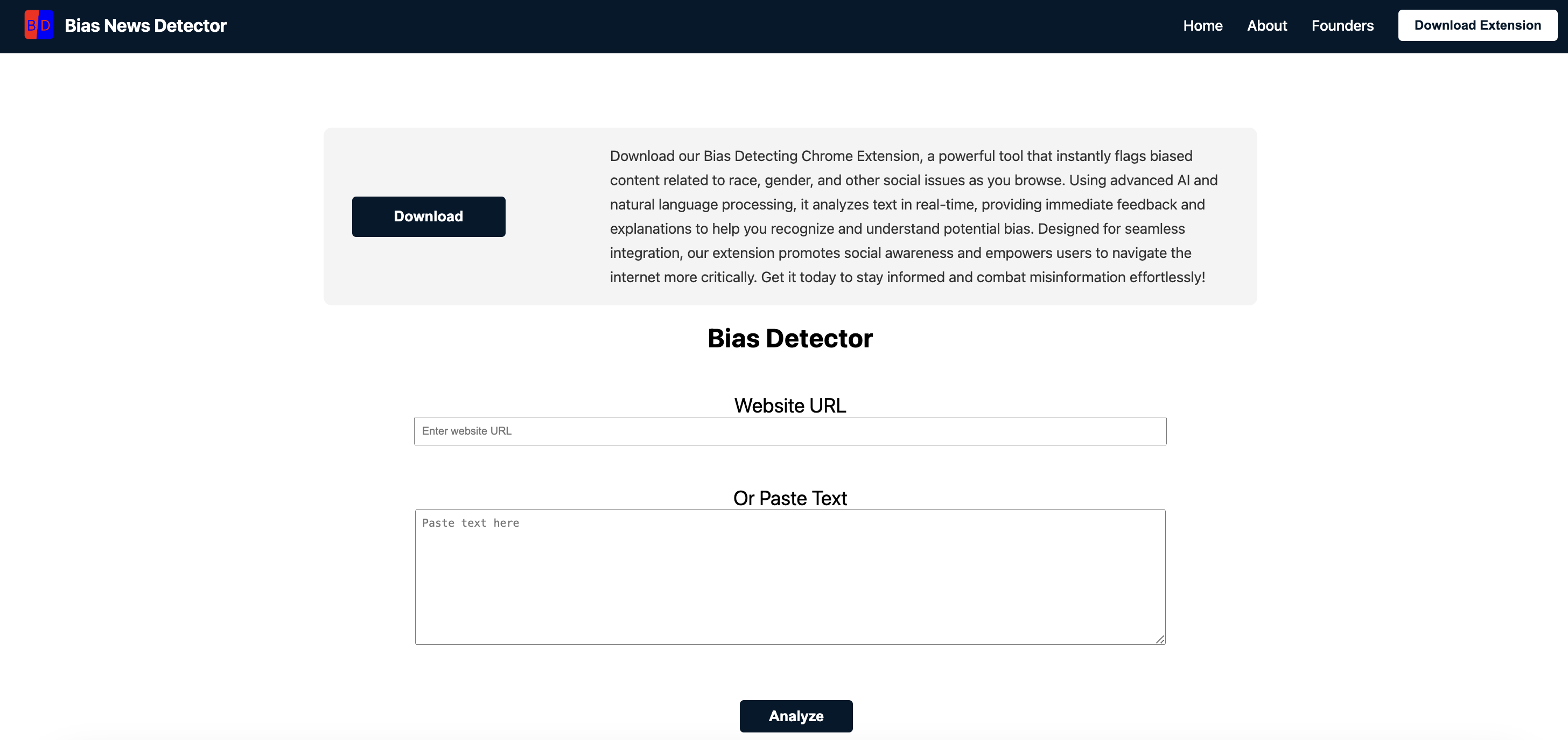
Home Page


#1. Why is credibility important?
Credibility ensures that information is reliable and trustworthy. It is vital, especially in an age where misinformation spreads quickly. Without credibility, people may make decisions based on false or incomplete information, which can lead to harmful consequences.
#2. How do biases affect our understanding of information?
Biases can skew how we interpret information, often leading to unfair conclusions. Biases based on race, gender, or socioeconomic status can perpetuate stereotypes and reinforce discrimination, especially when people are not aware of these biases. This affects both individuals and societies, leading to inequality and misunderstanding.
#3. Why should uneducated or undereducated people be informed about biases?
Educating those who may not have had access to comprehensive education about biases—especially racial biases—is essential for creating a more equitable society. Understanding biases allows people to question misinformation and make informed decisions, breaking cycles of discrimination and injustice.
#4. What steps are being taken to check image bias?
To combat image bias, we are implementing AI-powered image bias checkers. These tools analyze images for stereotypes or biased representations. We use a combination of AI APIs and news articles to authenticate the information, ensuring that the content is credible, accurate, and free from harmful bias.
#5. How does AI help authenticate sources and news articles?
AI helps authenticate sources by cross-referencing news articles with databases of verified and credible information. It checks for consistency and credibility across different platforms, ensuring that the news is from trusted sources. This AI also helps identify potential biases, providing a more accurate and neutral perspective.
Our Chrome extension is still in progress


Log in or sign up for Devpost to join the conversation.