-
-
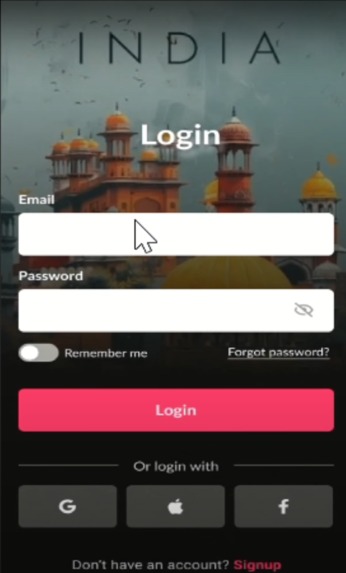
front login page
-
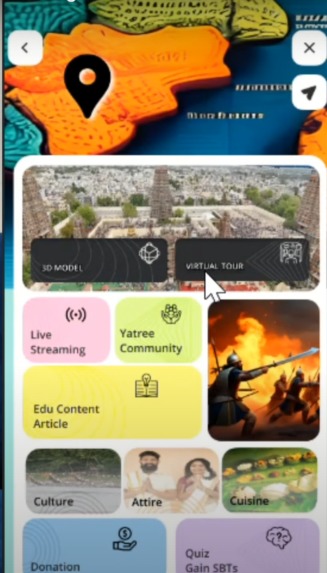
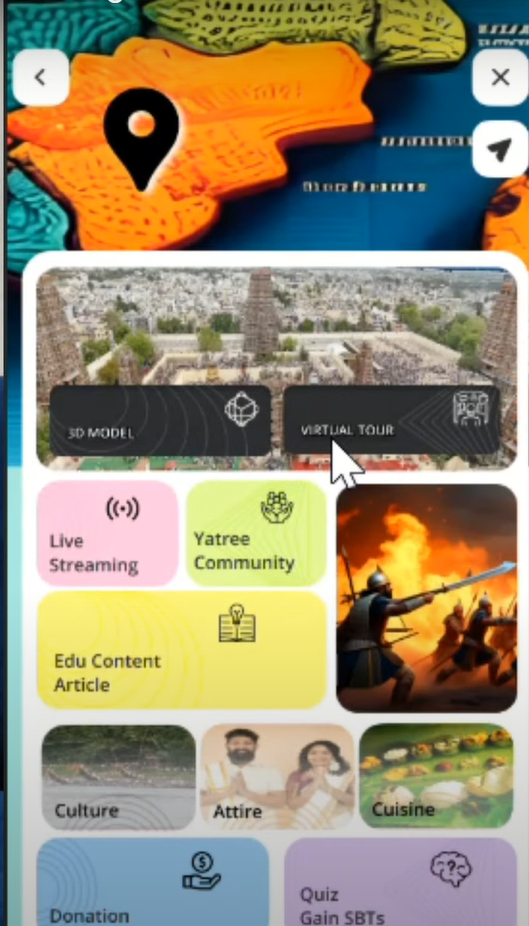
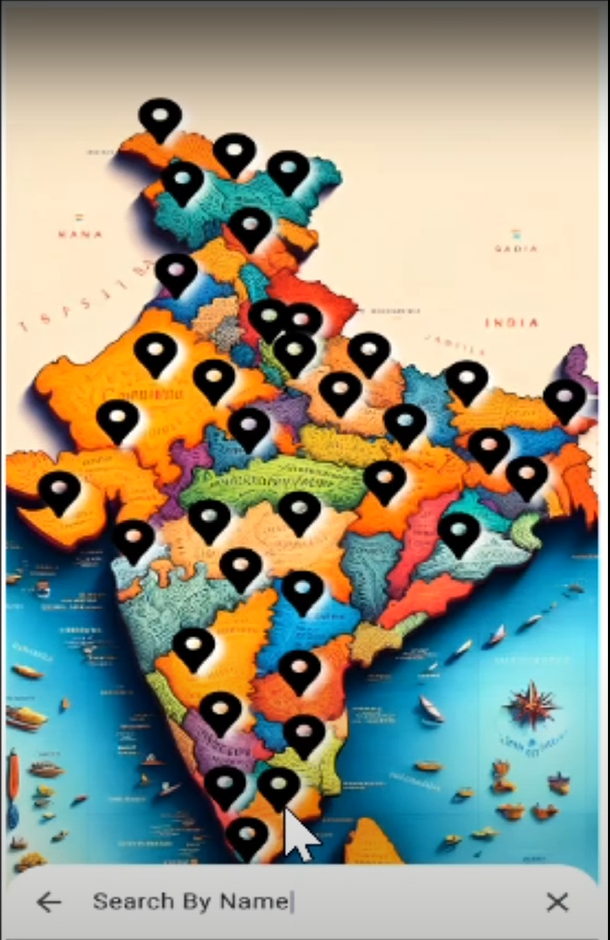
options inside app
-
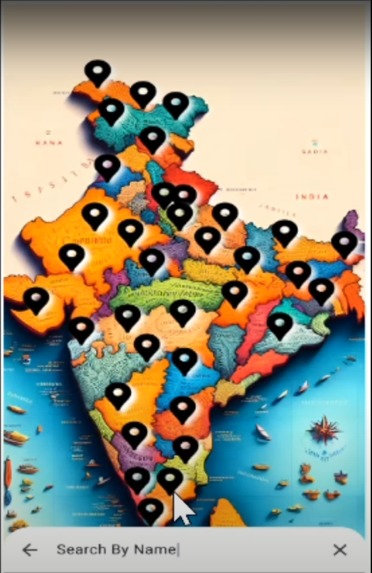
inside app
Inspiration:
As access to India’s cultural monuments declines, people are losing the chance to truly experience its rich history. Meanwhile, traditional artisans, who play a vital role in preserving this heritage, struggle for support and visibility in the digital world. We need a solution that harnesses modern technology to reconnect people with India’s historic landmarks while allowing users to earn and support artisans through donations and NFTs, ensuring that both culture and craftsmanship thrive.
What it does
This solution leverages modern technology to bridge the gap between India’s cultural heritage and the digital world. It allows users to virtually explore historic landmarks, offering immersive experiences that preserve the essence of these sites. At the same time, it supports traditional artisans by showcasing their work and providing a platform for direct donations and the purchase of NFTs (non-fungible tokens). By integrating these two elements, users not only experience India’s rich history but also contribute to the preservation of its craftsmanship, helping artisans thrive and maintain their cultural legacy in the digital era.
How we built it
We primarily used Unity and next.js with TS for the NFT part, for the contract used Solidity.
Challenges we ran into
Frontend Development in Unity: Creating an engaging and user-friendly interface within Unity posed technical hurdles, requiring in-depth knowledge of the platform.
Accurate 3D Modeling: Designing precise 3D models that accurately represent historical sites was challenging, necessitating collaboration with skilled artists and historians.
Data Accuracy: Ensuring the app displayed correct and relevant information about various locations required extensive research and data validation.
Positioning Augmented Reality Models: Properly positioning AR models in real-world environments to provide an immersive experience required advanced calibration and testing techniques.
Coin Integration: Integrating a coin system into Unity and developing a functional smart contract to manage transactions presented complexities in programming and blockchain connectivity.
Ethereum Blockchain Connection: Establishing a reliable connection to the Ethereum blockchain for seamless transactions requires robust coding and testing to ensure security and efficiency.
NFT Marketplace Conversion: Converting digital assets to NFTs and integrating them into the marketplace involved navigating the intricacies of blockchain protocols and ensuring a smooth user experience.
Accomplishments that we're proud of
One of our proudest accomplishments is that this project was selected for India's biggest college-level hackathons, showcasing its potential to make a meaningful impact. Being recognized at such a prestigious event highlights the innovation and effort we put into combining modern technology with cultural preservation. Our solution stood out for its unique approach of using immersive experiences and blockchain technology to support artisans and bring India's heritage into the digital age. This selection validates our hard work, creativity, and commitment to addressing real-world challenges through tech-driven solutions.
What we learned
Throughout this project, we gained a wealth of knowledge and practical experience in various areas. One of the key lessons was learning how to develop frontend applications using Unity, which allowed us to create immersive and interactive experiences that bring India’s cultural heritage to life. We explored Unity’s powerful tools for 3D modeling, rendering, and real-time interaction, which enabled us to design virtual environments that reflect historic landmarks and traditional arts.
In addition to mastering Unity, we learned how to integrate other cutting-edge technologies, such as blockchain, to implement new features like NFT marketplaces. This involved understanding how to mint, manage, and trade NFTs, creating a digital economy where users can collect unique tokens representing artisan crafts and historical artifacts. We also delved into smart contracts, ensuring secure transactions, and explored decentralized platforms to facilitate direct support for artisans through NFTs and donations.
Our experience extended beyond technical skills as we learned to blend creative design with user experience, focusing on making the platform engaging and accessible. We also improved our project management abilities, working collaboratively to solve challenges and integrate the various elements of the platform, from virtual tours to NFT transactions.
This project allowed us to apply our knowledge in practical ways, combining emerging technologies with cultural preservation, while also building a marketplace that supports the livelihoods of traditional artisans.
What's next for BHARAT DARSHAN
Our next step for BHARAT DARSHAN is to launch it on a grand scale by developing a Minimum Viable Product (MVP) in collaboration with the Indian government. This partnership will help us ensure the platform is aligned with national cultural preservation goals and reaches a wide audience. The MVP will include key features like virtual tours of historic landmarks, NFT integration to support artisans, and donation capabilities. By working with government entities, we aim to elevate the project’s impact and create a sustainable platform that promotes India’s rich heritage while empowering traditional craftsmen.


Log in or sign up for Devpost to join the conversation.