-
-
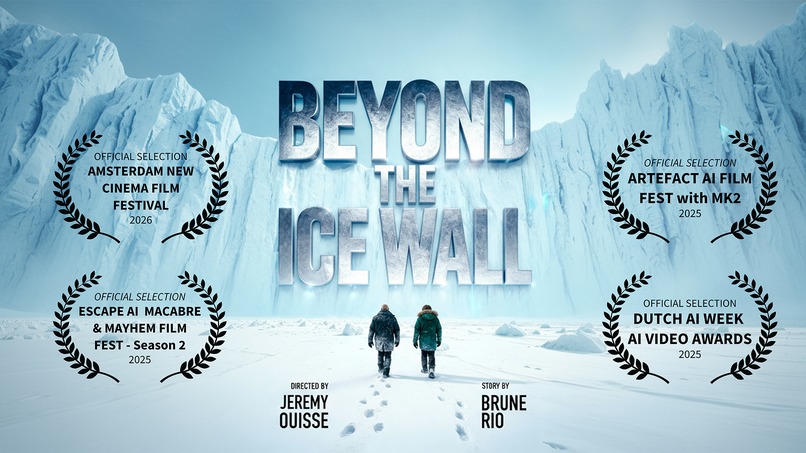
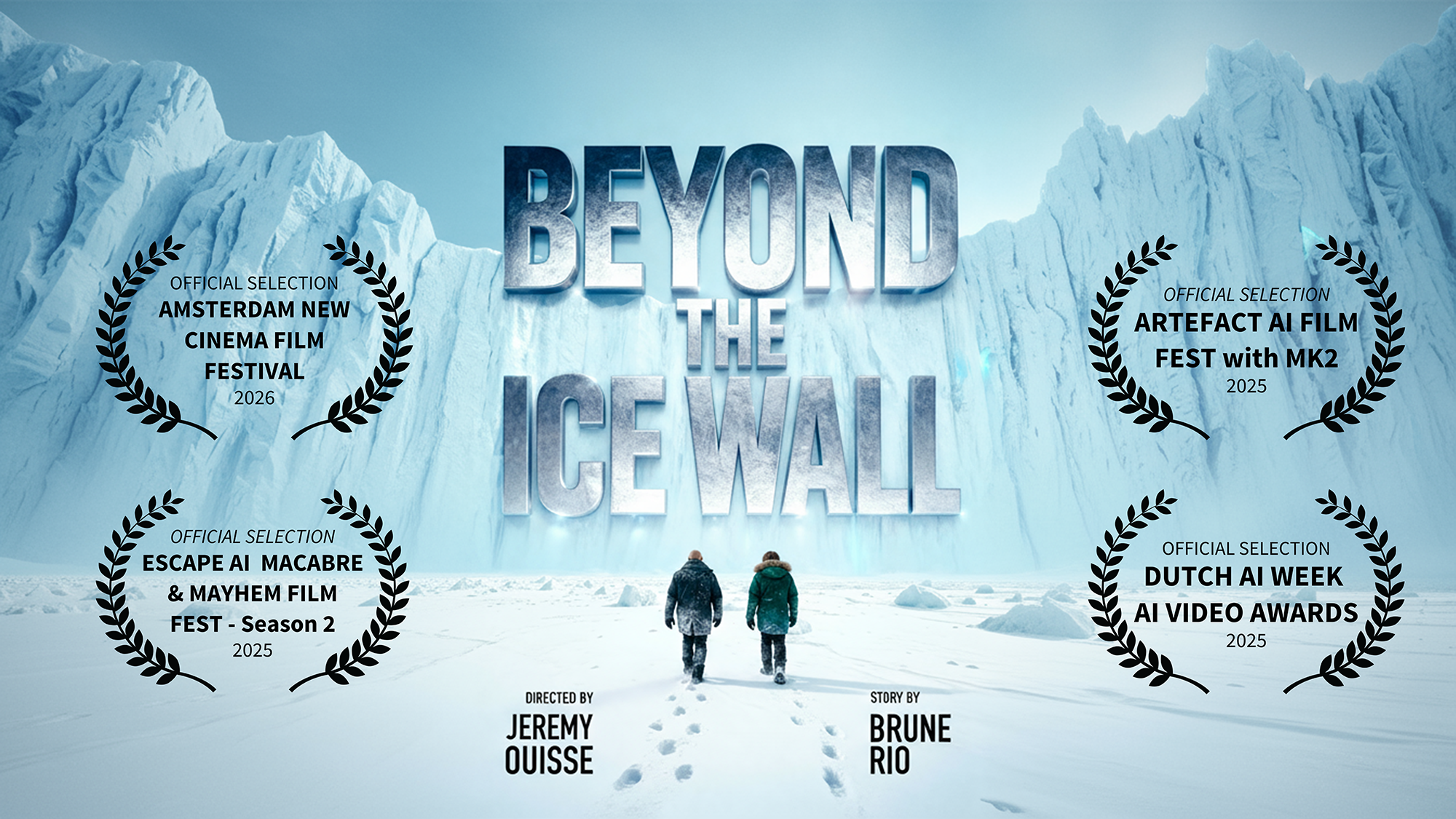
Beyond The Ice Wall 16/9
-
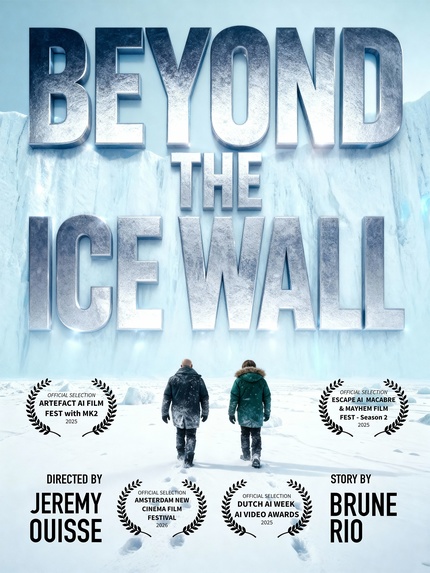
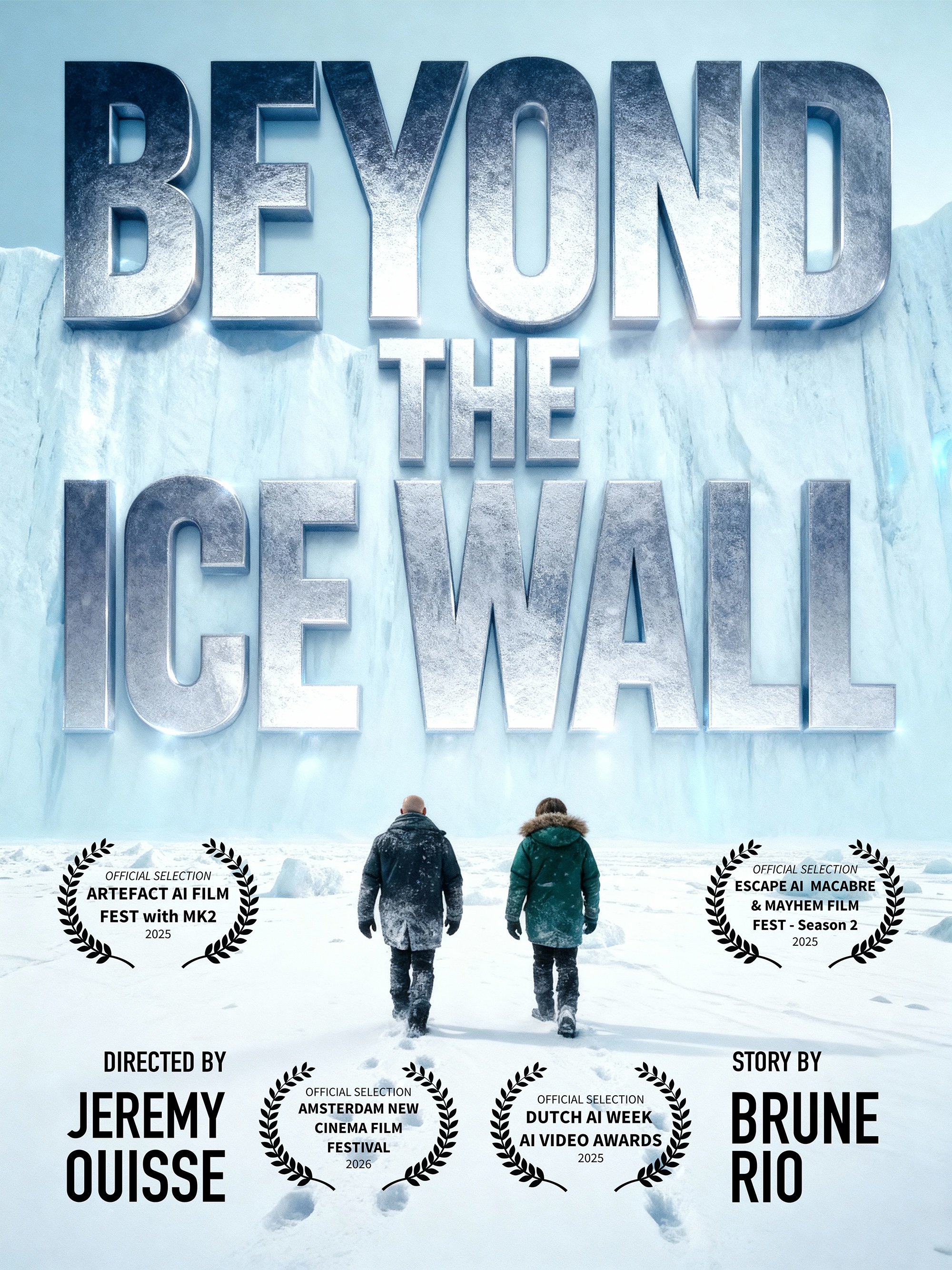
Beyond The Ice Wall affiche
-
-
-
-
Inspiration
“Beyond the Ice Wall” started from a desire to explore how far generative tools could go when shaped by a filmmaker’s instincts rather than used as shortcuts.
The initial story idea was created by Brune Rio, whose concept — two explorers crossing an impossible frontier — became the seed for the film.
After years directing documentaries and television programs, I felt the same creative curiosity I had as a teenager filming with my parents’ camcorder: that mix of experimentation, mistakes, and discovery. Working with AI brought that feeling back — unfamiliar yet strangely nostalgic.
What it does
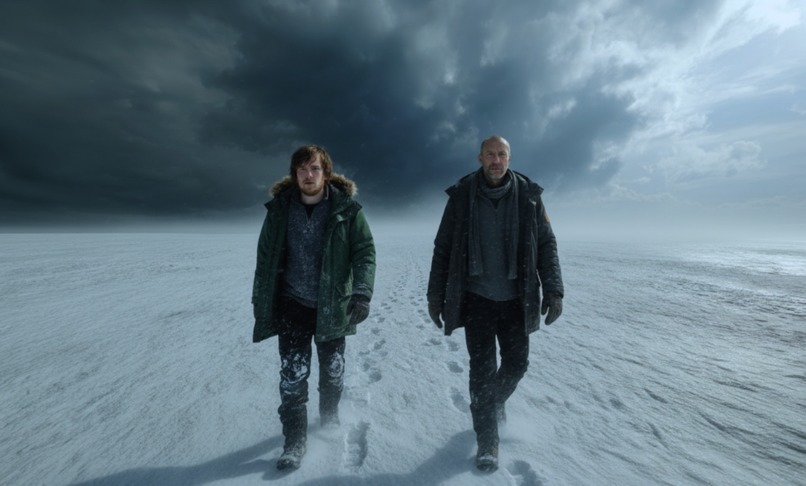
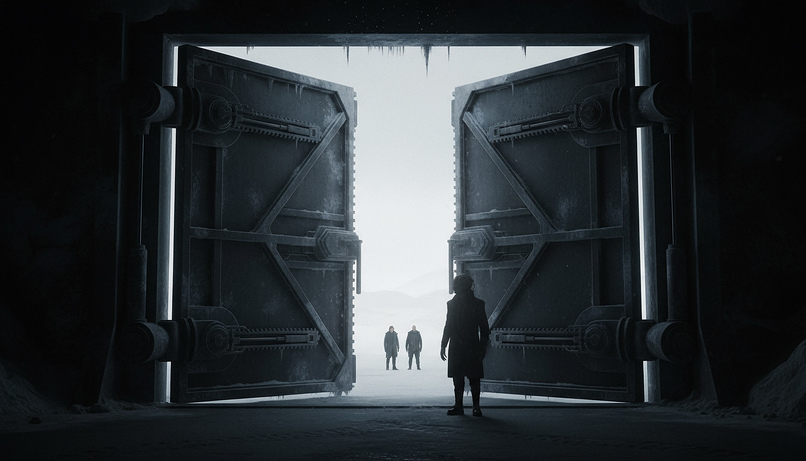
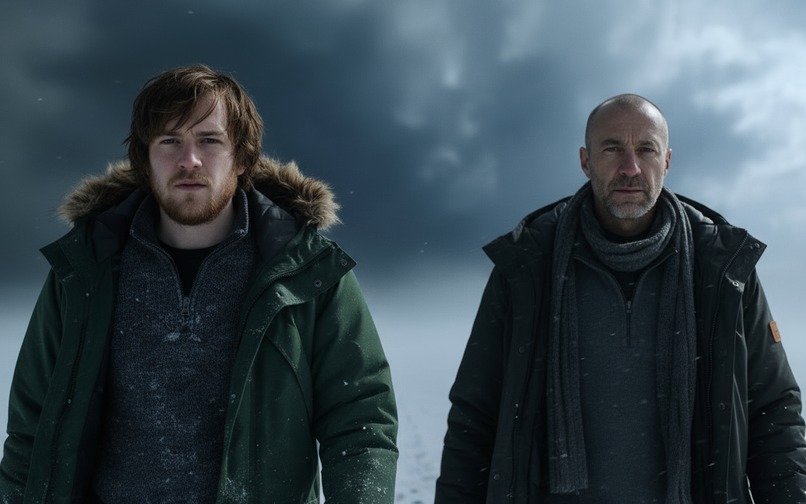
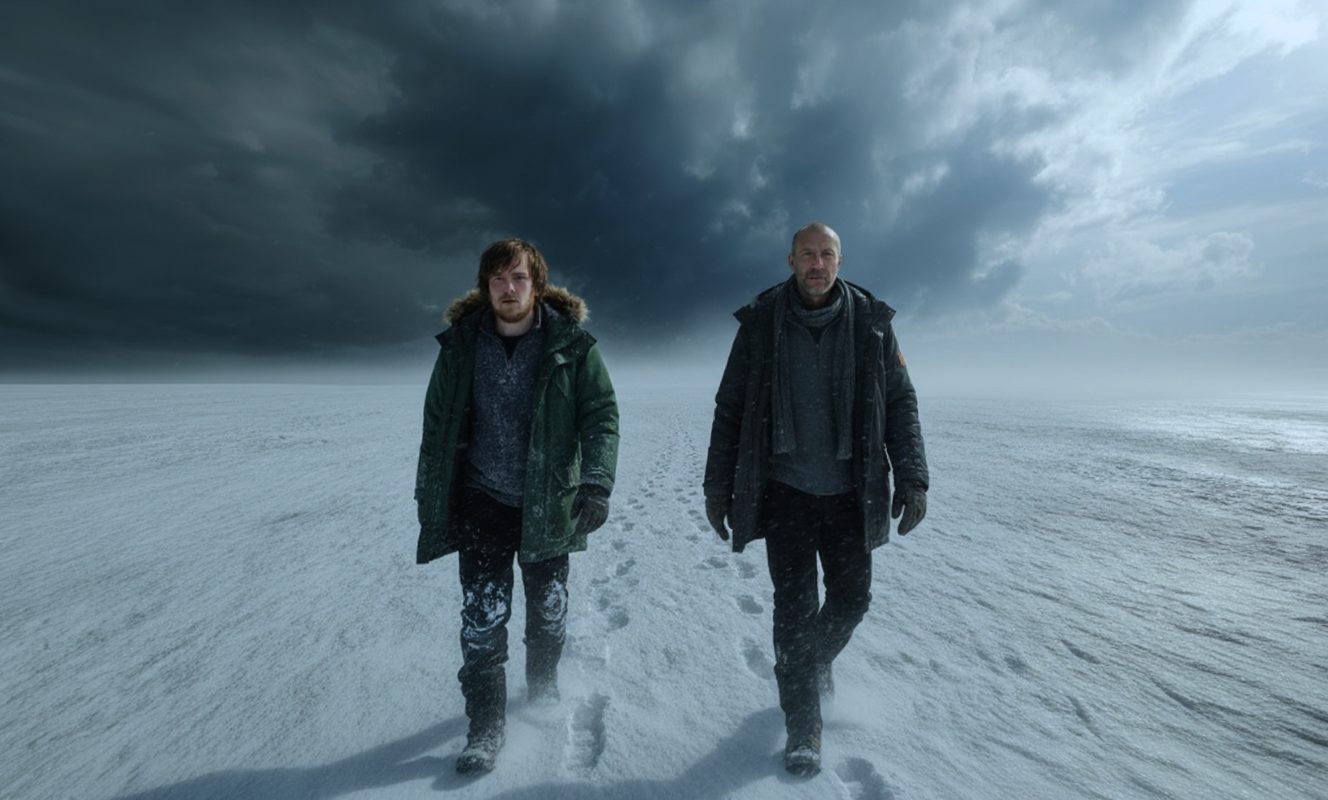
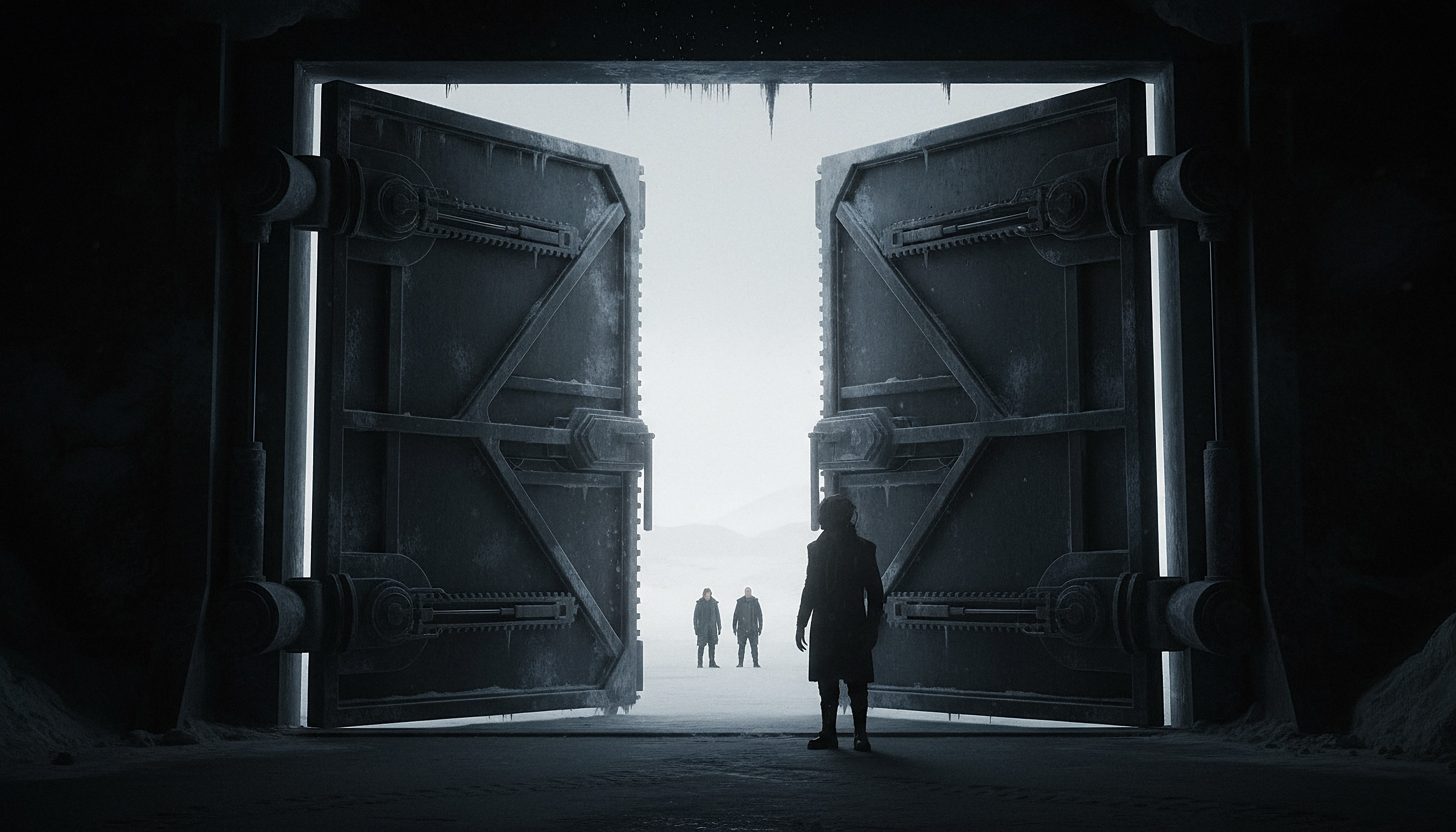
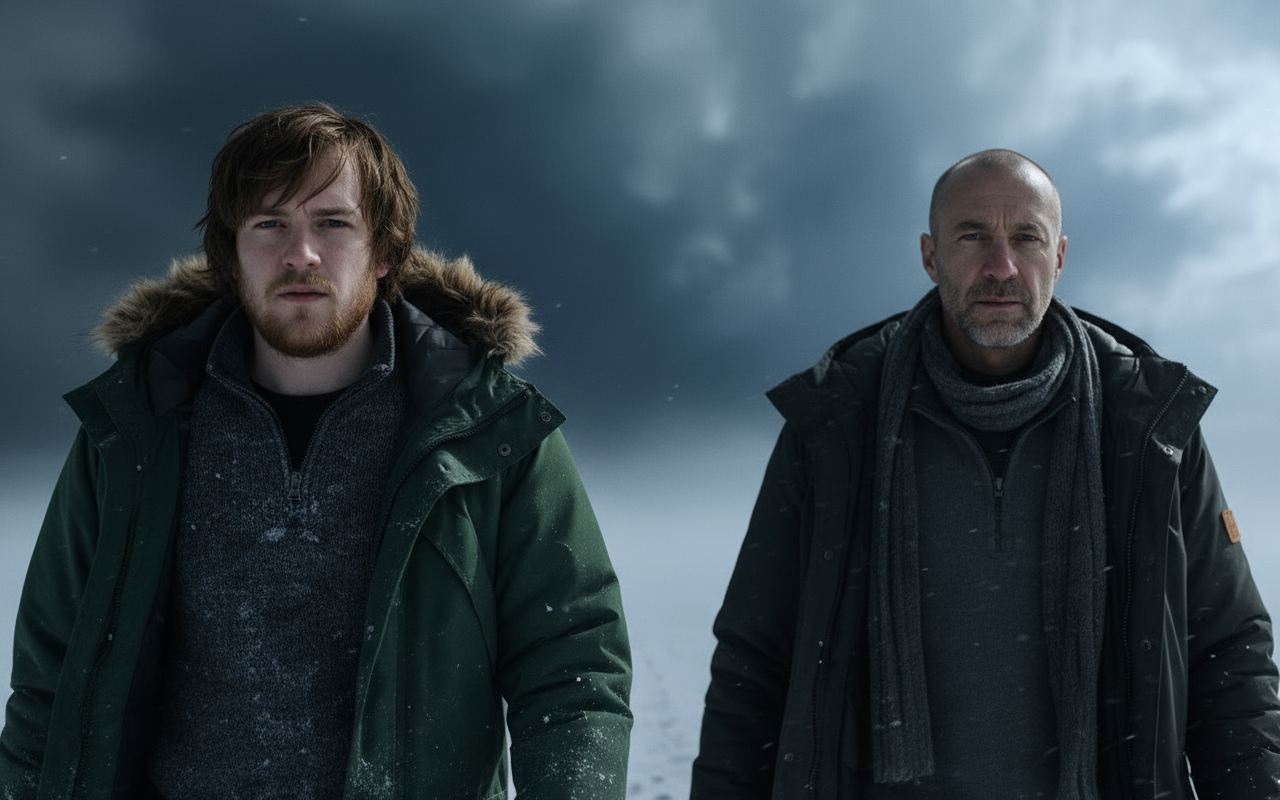
The film follows two explorers who slip through a hidden passage in the massive ice wall that borders our flat Earth. On the other side, they meet a mysterious reptilian guide who reveals unsettling secrets.
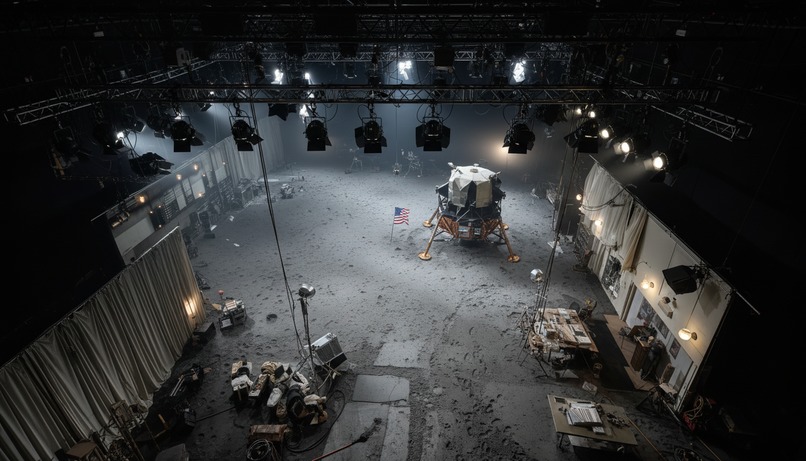
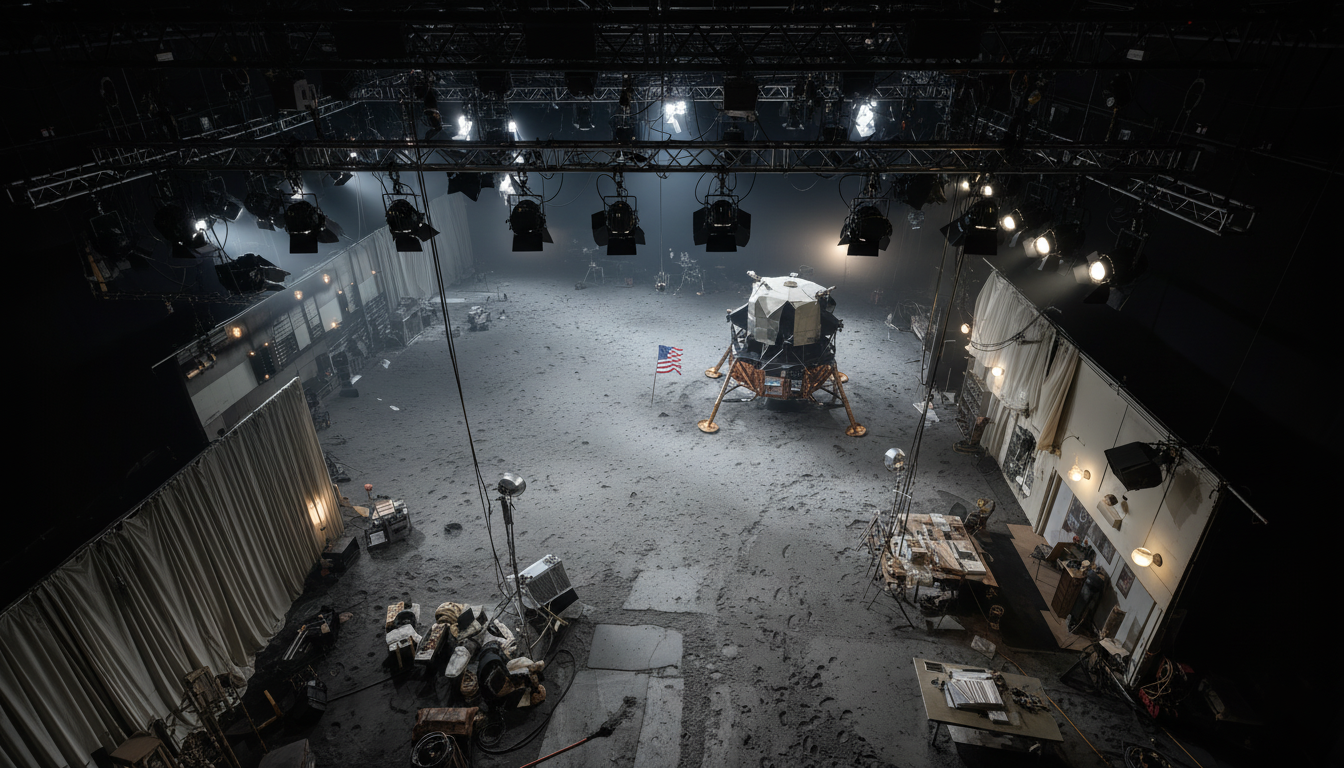
Visually, the film blends realism with a subtle surreal tone, made from a large collection of AI-generated stills and animated sequences.
How we built it
Even though I worked alone, I’ll follow the structure they expect here.
I generated more than 1,000 still images in Midjourney to establish the film’s visual identity.
To keep consistency across shots, I used Nano Banana and Seedream (via Google AI Studio + Photoshop) to correct textures, unify lighting, and align visual details.
For animation:
- I used Kling AI v2.1 to create precise cinematic movements with start and end frames.
- I used Kling 2.5 Turbo when I needed more expressive, fluid motion.
I created and tuned the voices using ElevenLabs, adjusting tone and emotional nuance.
The soundtrack came from Suno, which I then edited manually to fit the pacing and atmosphere.
Whenever I hit creative blocks, I explored Freepik — not to copy assets, but to unlock new ideas by testing alternative models and compositions.
All editing, color grading, and sound design were done manually in DaVinci Resolve, frame by frame, using a traditional post-production workflow.
Challenges we ran into
Working alone meant I had to solve every inconsistency myself.
Maintaining visual consistency across different AI tools was a major challenge.
- The reptilian creature is ~2.3 m tall.
- The two explorers stand between 1.7 m and 1.8 m.
Keeping these proportions accurate across generations was unexpectedly difficult.
Many shots came back with distorted scales, forcing me to rebuild entire frames.
Kling’s animation was also unpredictable: it could produce a beautiful cinematic shot in one attempt and glitch completely in the next.
In the end, embracing imperfections became part of the film’s texture.
Overall, the workflow required around 70 hours of continuous testing, regenerating, correcting, and refining until the film’s rhythm and tone aligned.
Accomplishments that we're proud of
I’m proud of turning Brune Rio’s original story idea into a complete short film with its own atmosphere and visual coherence.
What started as a technical experiment grew into a cinematic piece shaped through direction, iteration, and the willingness to embrace both control and creative accidents.
What we learned
This project taught me something essential:
AI can generate images, but it doesn’t create meaning.
Meaning comes from intention, pacing, emotional timing, and interpretation.
Working with generative tools felt like working with a creative partner — they need guidance, clarity, and direction.
The experience reminded me why filmmaking matters to me: exploring images, shaping emotion through iteration, and maintaining that fragile balance between control and unpredictability.
What's next for BEYOND THE ICE WALL
Next, I want to expand this hybrid workflow into longer formats — with new sequences, new environments, and new characters.
“Beyond the Ice Wall” opened a new creative territory for me, and I want to keep exploring it: combining generative tools with traditional cinematic craft to create stories that remain deeply human.
Built With
- elevenlabs
- freepik
- kling
- midjourney
- nanobanana
- photoshop
- resolve
- seedream
- suno

Log in or sign up for Devpost to join the conversation.