Inspiration
The inspiration for our project came directly from listening to the voices of teenagers navigating a silent mental health and focus crisis. In our research, we uncovered a striking statistic: over 60%of surveyed students reported a persistent, chronic inability to focus on tasks for long periods. Many youth experience early symptoms of conditions like ADHD or OCD but lack the awareness, financial means, or safe avenues to seek a formal diagnosis. Driven by the belief that mental health is a fundamental part of our humanity and not a weakness , we set out to build a bridge to accessible support—creating a smart companion that breaks down the structural and social stigmas surrounding psychiatry
What it does
MindCare is an AI-powered smart companion designed to support teenagers' mental health by focusing on early detection and personalized support.
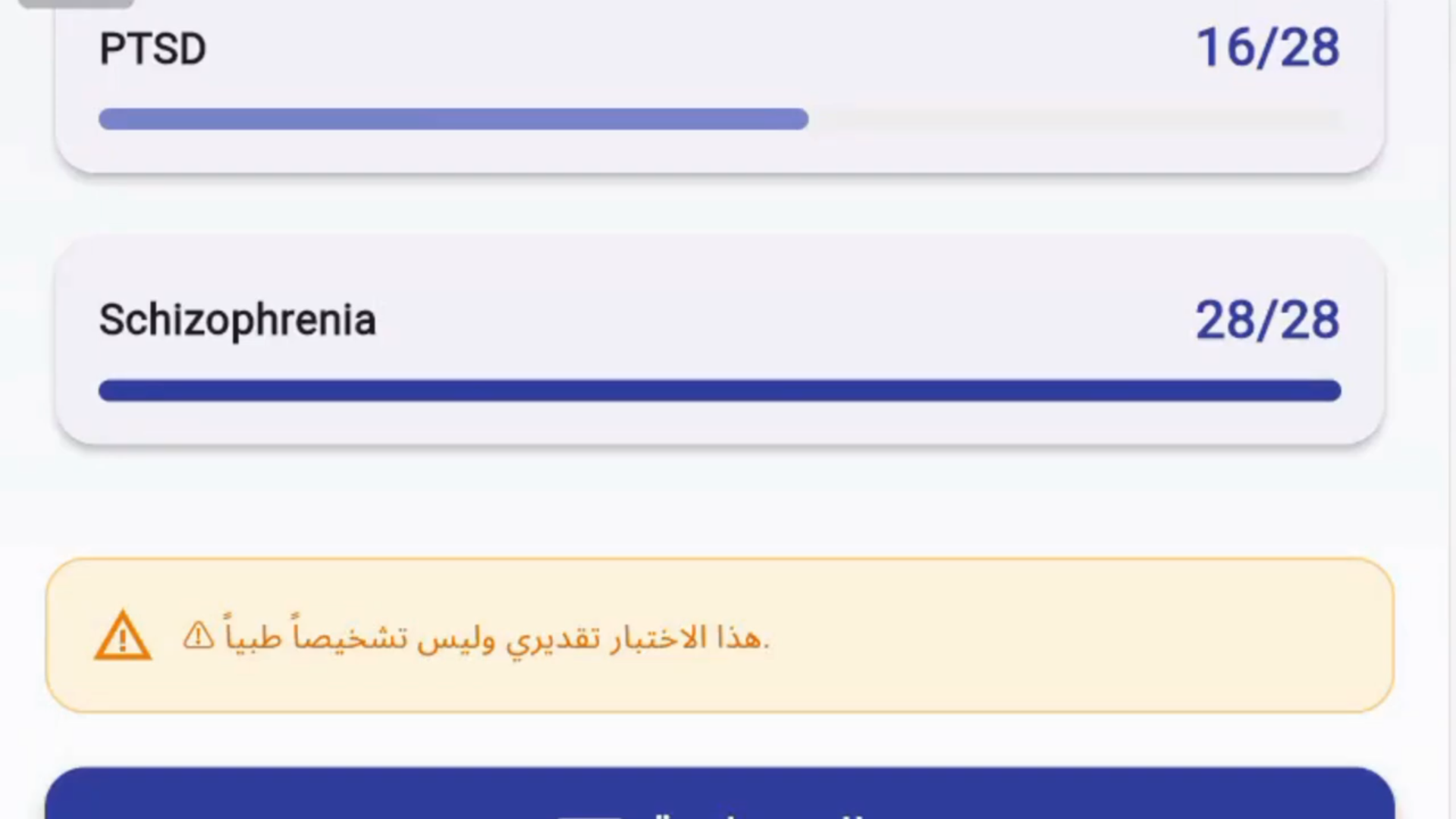
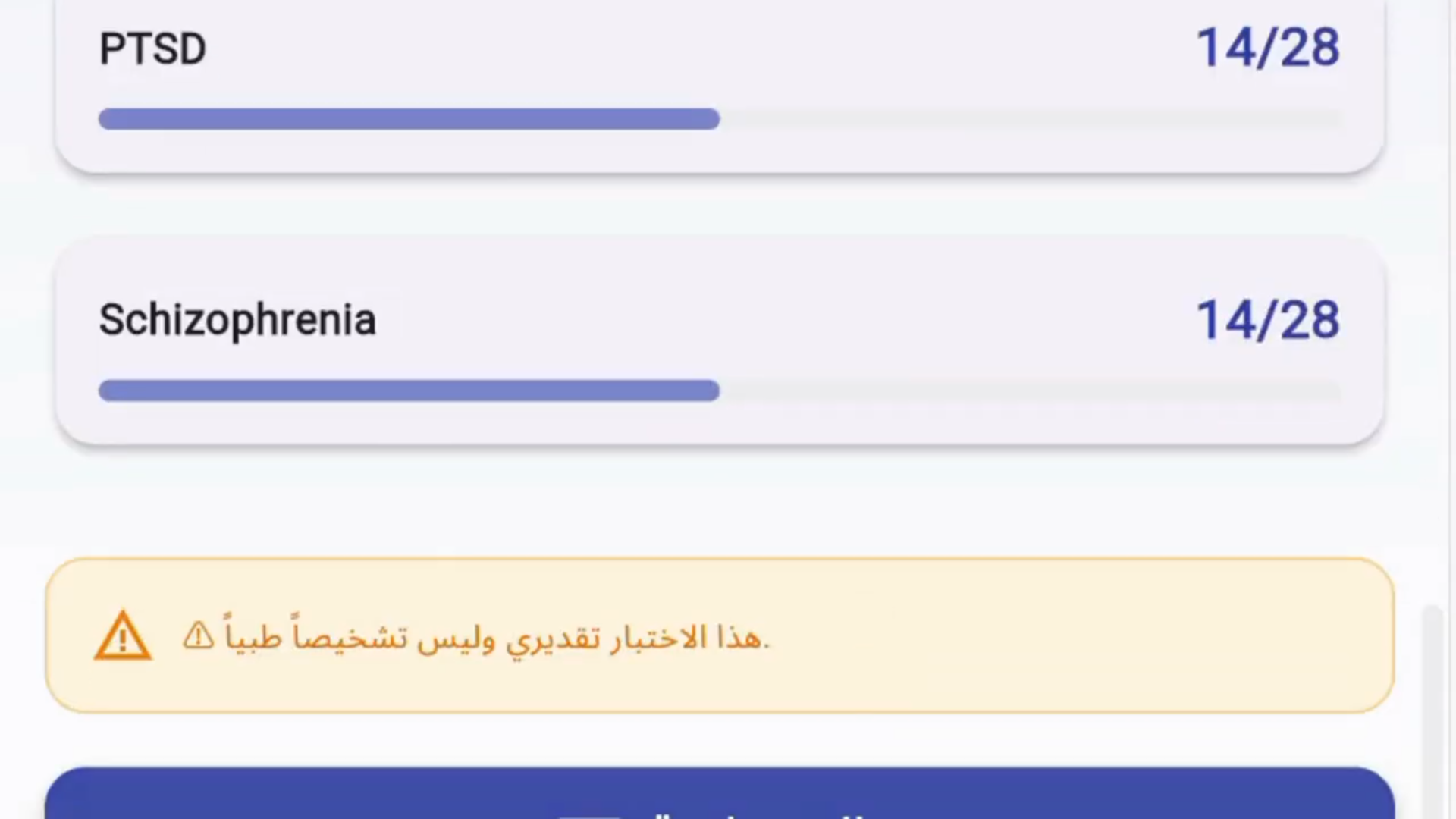
Screening Quiz: It features a 35-question screening quiz covering 5 major disorders—ADHD, OCD, BPD, PTSD, and Schizophrenia—with immediate, simplified analysis.
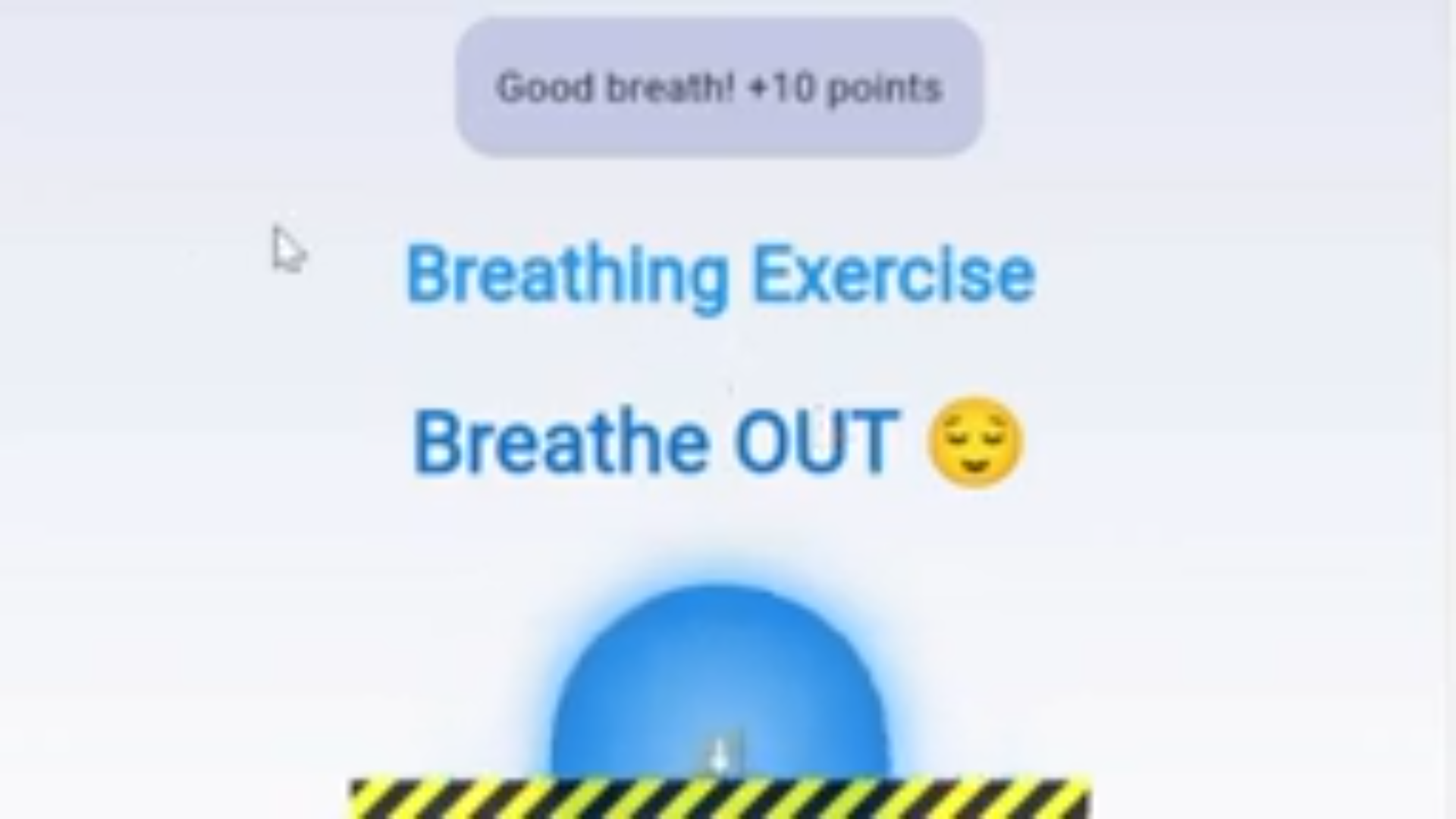
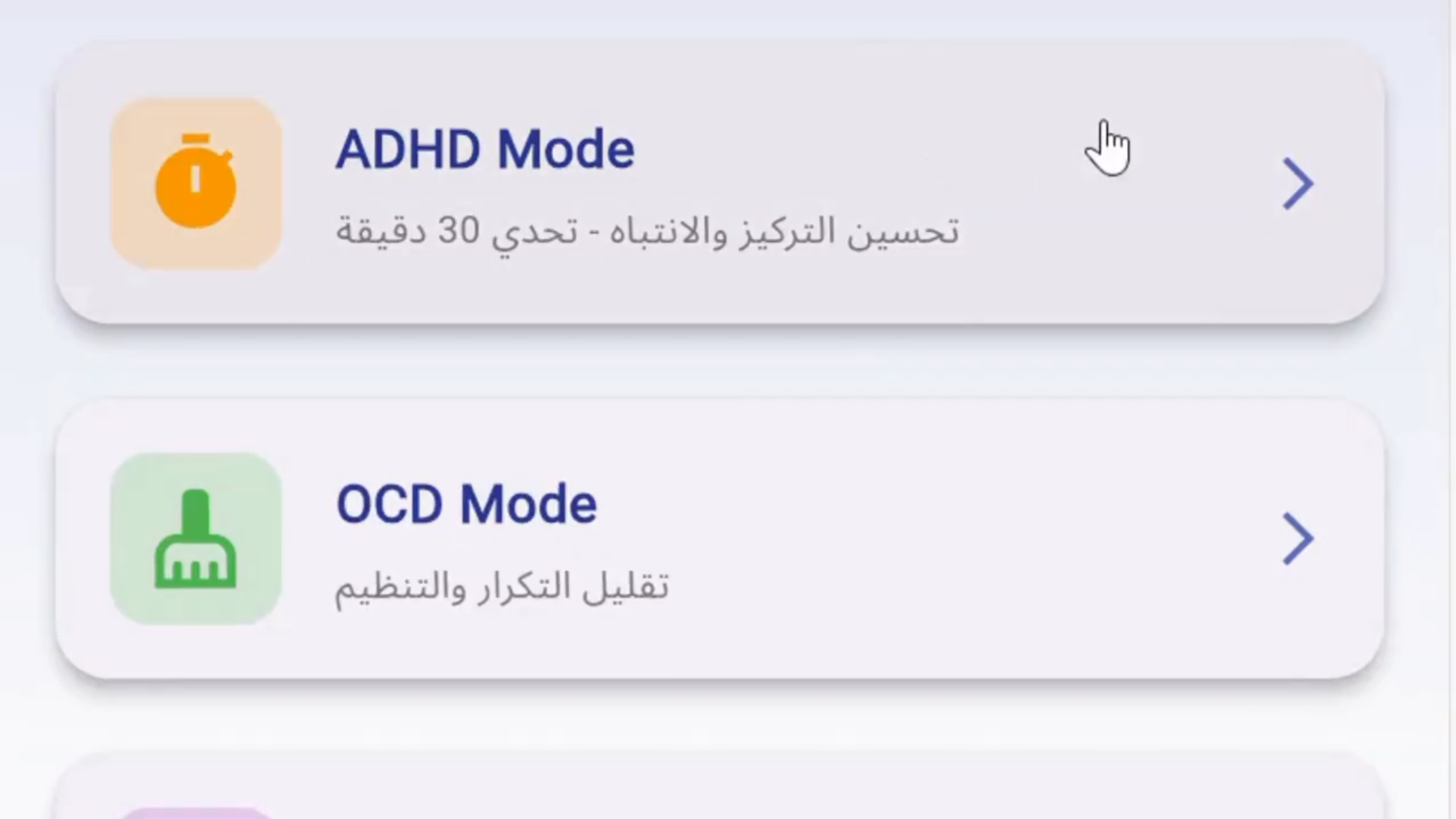
Interactive Game Hub: It includes 5 tailored game modes mapped specifically to help users train and manage focus, organization, mood balance, breathing, and reality checks.
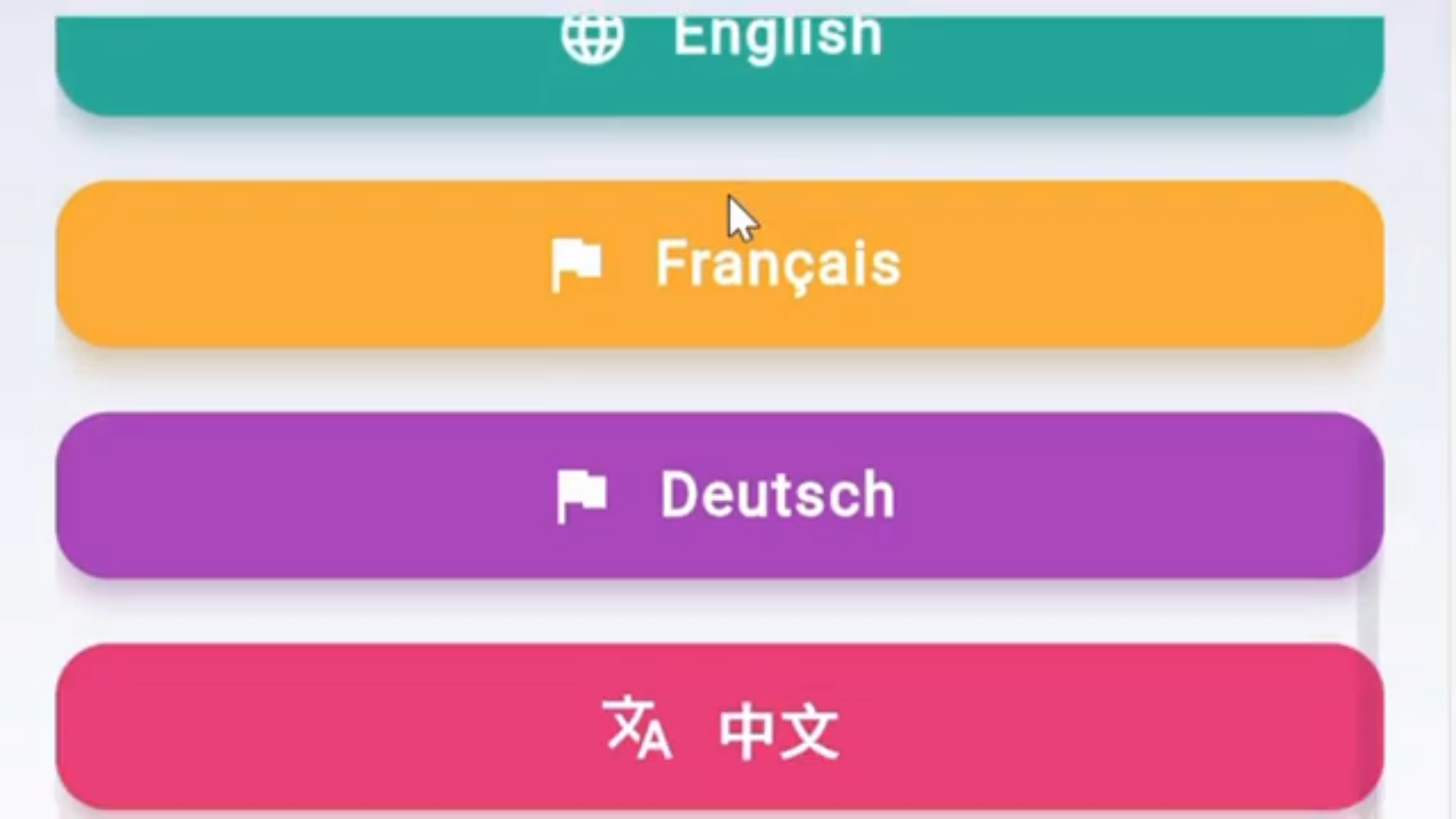
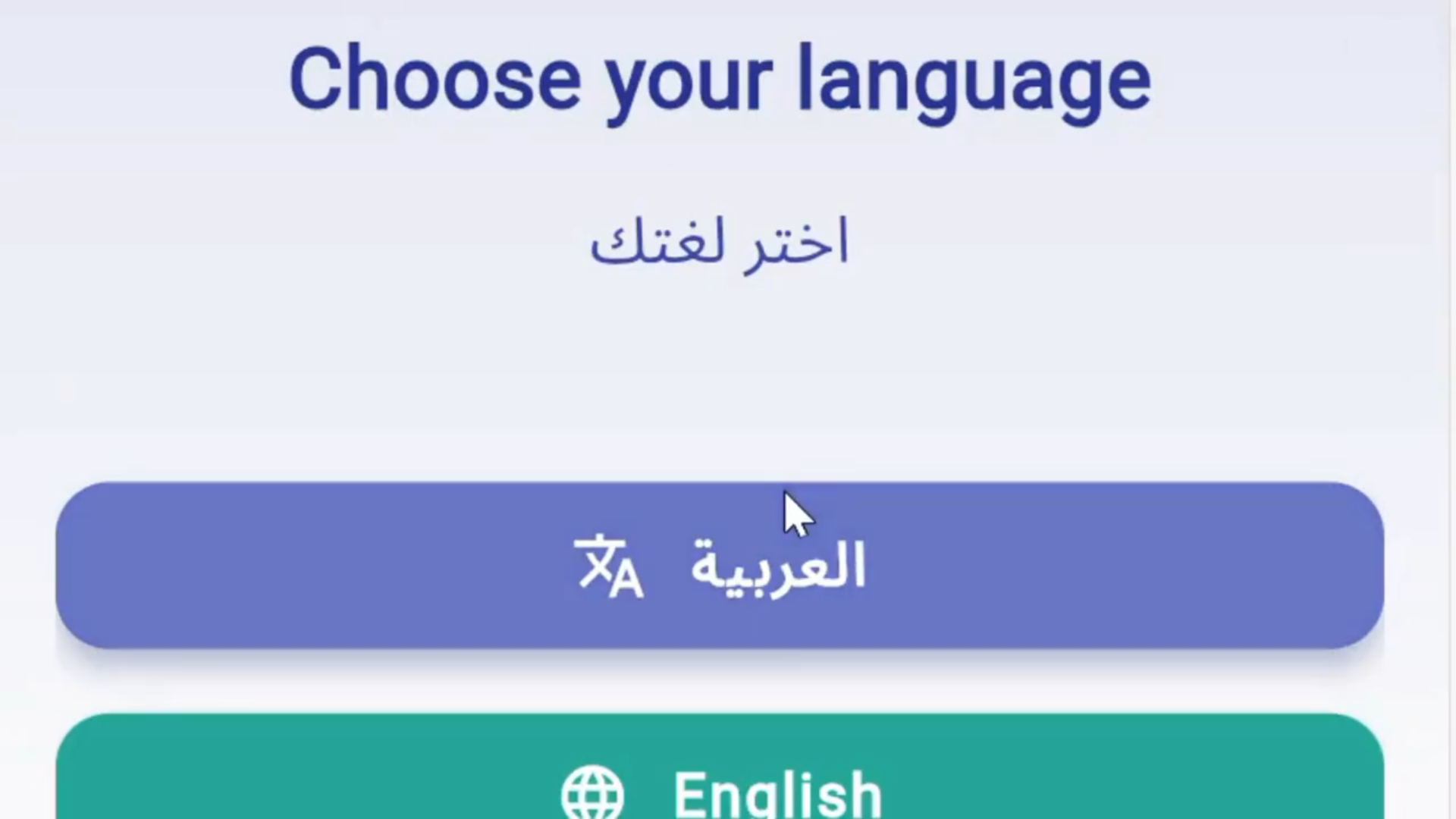
Global Accessibility: It fully supports 5 languages (Arabic, English, French, German, and Chinese).
100% Offline & Free: It operates completely offline after download to guarantee user privacy, remove economic barriers, and require no unnecessary device permissions.
How we built it
We engineered the core application to run as a cross-platform mobile app, developing the environment using the Flutter framework. We focused on creating a self-contained local architecture where the 35-question quiz and automated screening analyses function entirely on-device to respect strict privacy guardrails. To make the experience appealing to tech-savvy youth, we integrated an interactive user interface with custom-designed visual assets featuring a friendly brain mascot engaging in therapeutic activities like meditating, exercising, and reading.
Challenges we ran into
Building an offline-first mental health companion presented several major hurdles:Privacy vs. Functionality: Developing a reliable screening system that processes data completely locally without reliant cloud databases required strict algorithmic optimization. Balancing Tone: We had to carefully design the gamified interface to be engaging for young users without diminishing the serious nature of the psychological conditions, keeping the app as a helpful companion rather than a clinical replacement for professional diagnosis. Multilingual Architecture: Supporting 5 vastly different languages (including right-to-left layout constraints in Arabic) within a unified, offline-ready application required meticulous UI engineering.
Accomplishments that we're proud of
Breaking Barriers: We successfully launched a 100% free tool that runs with zero internet dependency and zero data collection, making safe mental health validation accessible to any economic or social group. Gamifying Care: We managed to blend interactive game mechanics with clinical concepts to build functional exercises that address real-world stress, academic anxiety, and concentration issues. Inclusive Reach: We created a globally ready application from day one by integrating robust multilingual translation assets across five languages.
What we learned
We realized that providing mental health support is no longer a luxury—it is a critical necessity for youth. Through the development process, we mastered local state management in mobile environments and discovered how to translate heavy psychological milestones into digestible, rewarding UI components. Above all, we learned that technology is most powerful when it approaches user problems with deep empathy and an absolute guarantee of privacy.
What's next for Beyond the clouds
The development team aims to continuously improve the app and scale its impact through a multi-phase future roadmap: Phase One (3-6 Months): Adding local result saving to track progress charts over time, exporting PDF reports for treating physicians, expanding the test to 50 questions, and raising the total to 15 interactive games. Phase Two (6-12 Months): Introducing an AI-powered smart chatbot, setting up a daily push notification system, developing an iOS deployment, and adding cloud synchronization. Phase Three (1-2 Years): Incorporating a safe, anonymous virtual community for peer support, adding charts for long-term improvement tracking, adding guided yoga/meditation, and connecting users directly with certified professionals for consultation bookings. Phase Four (2-3 Years): Expanding to 15 additional languages, developing a web version accessible from any browser, and creating official partnerships with universities and mental health institutions.
Built With
- algorithmic
- flutter
- screening


Log in or sign up for Devpost to join the conversation.