🌌 Inspiration
"The universe is vast, chaotic, and unforgiving."
My inspiration for Beyond Galaxies: Shelter came from the intersection of sci-fi world-building, real physics, and strategic survival games. I wanted to create a game where every decision matters—where the gravity of a planet affects your crafting costs, where the atmosphere determines your weapon's effectiveness, and where your team's survival depends on collective intelligence.
From movies like Interstellar and The Martian, I drew the sense of isolation and the need for ingenuity. From physics and chemistry, I borrowed concepts like gravity modifiers, atmospheric composition, and resource synthesis. The core crafting mechanics dynamically scale based on gravitational shifts:
$$ C_{\text{craft}} = C_{\text{base}} \cdot (1 + \Delta \gamma_p) $$
Where \( C_{\text{craft}} \) represents the final adjusted resource cost, \( C_{\text{base}} \) is the item's blueprint requirement, and \( \Delta \gamma_p \) is the planet's gravitational variance relative to Earth baseline (\( 1g \)). The result is a game that feels both epic and intellectually engaging.
🧠 What It Does
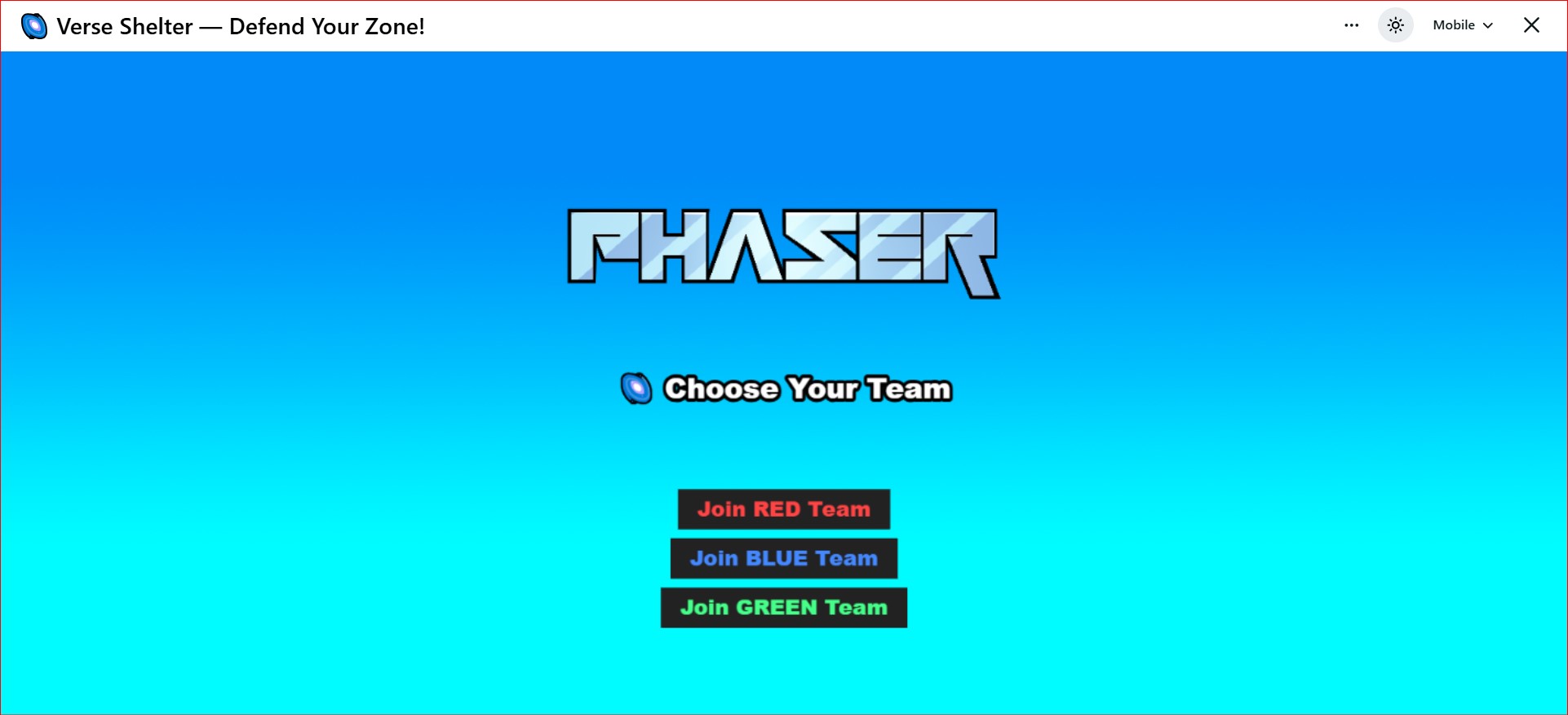
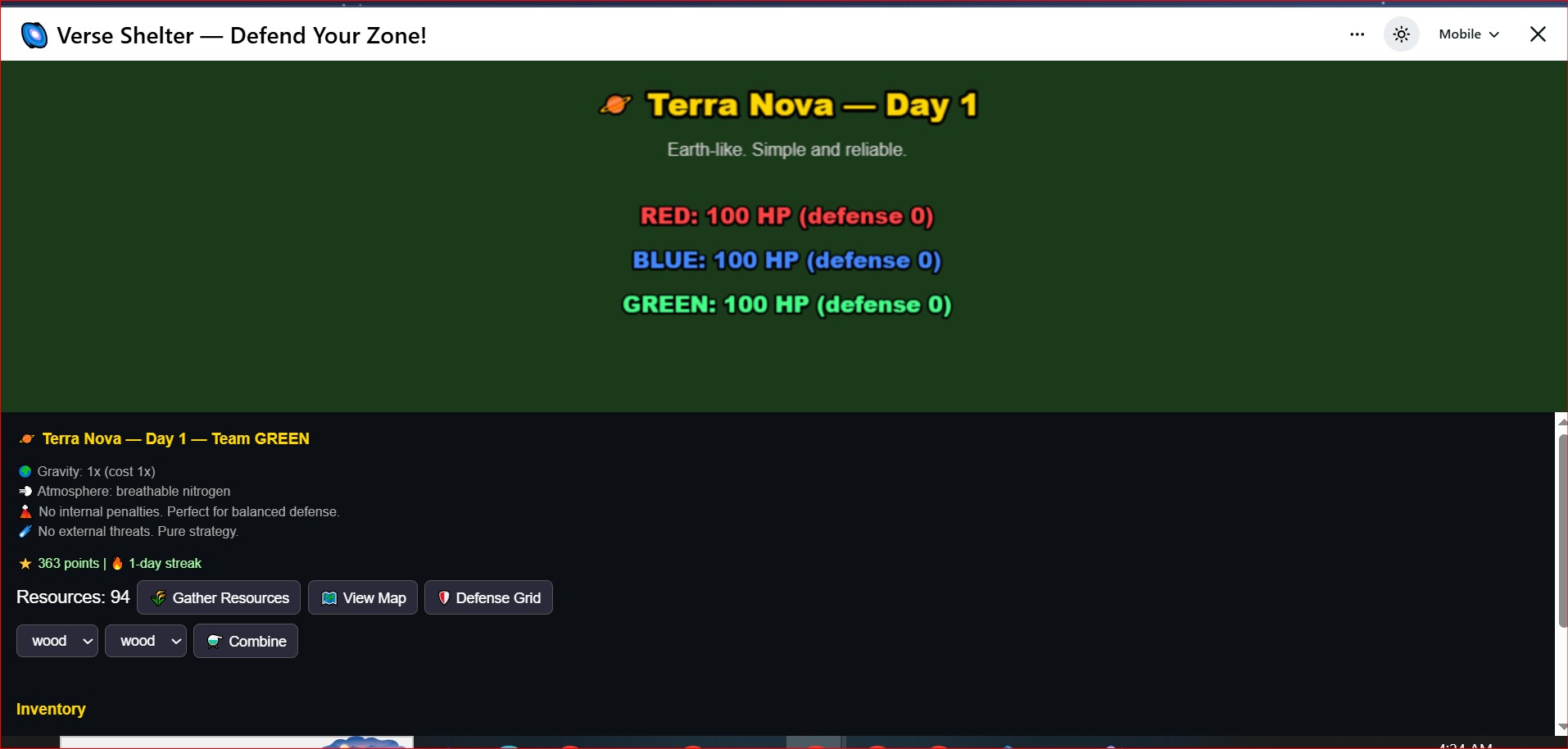
Beyond Galaxies: Shelter is a daily cooperative survival game built on Reddit's Devvit platform. Players join one of three teams (RED, BLUE, or GREEN) to defend their planet from cosmic disasters.
📋 Core Features:
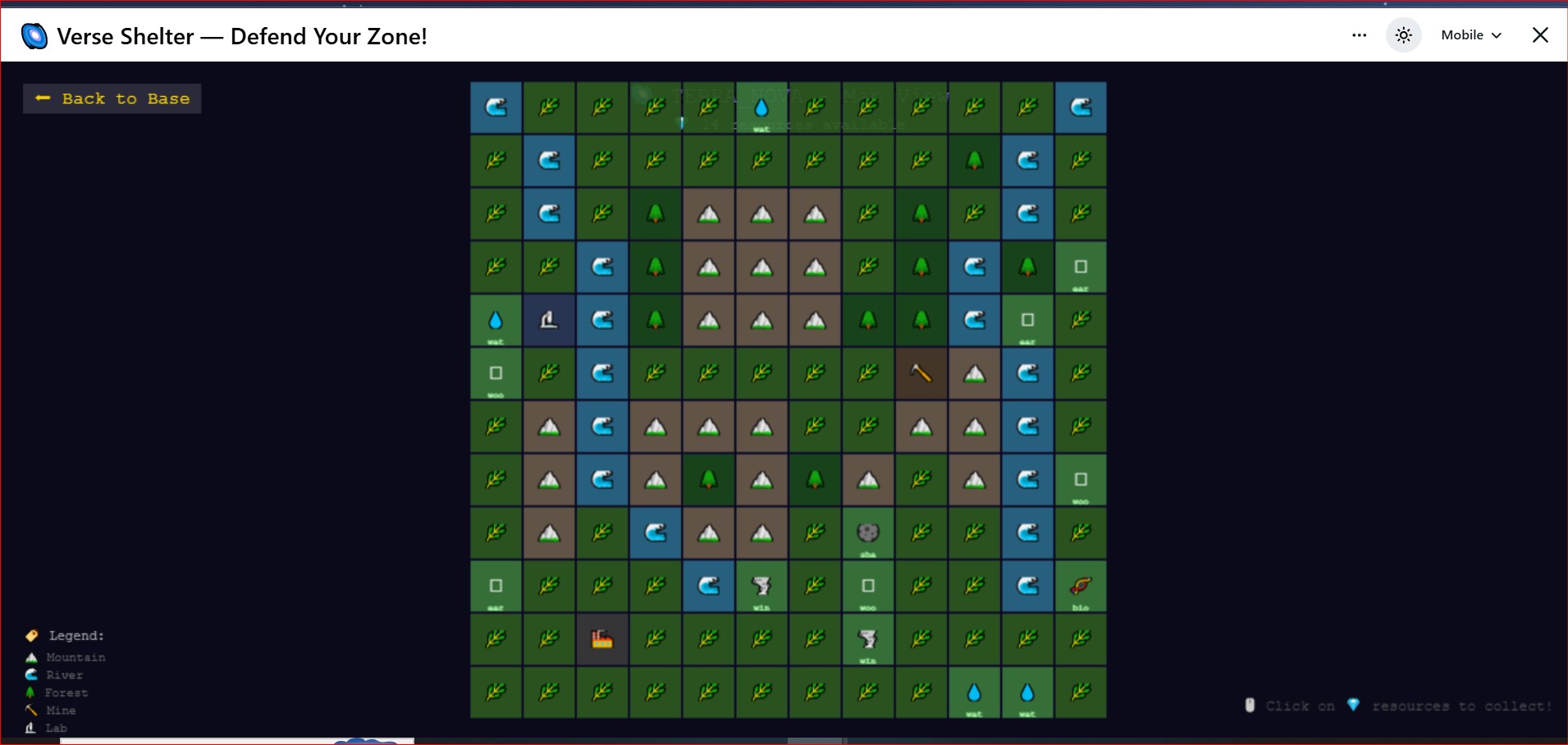
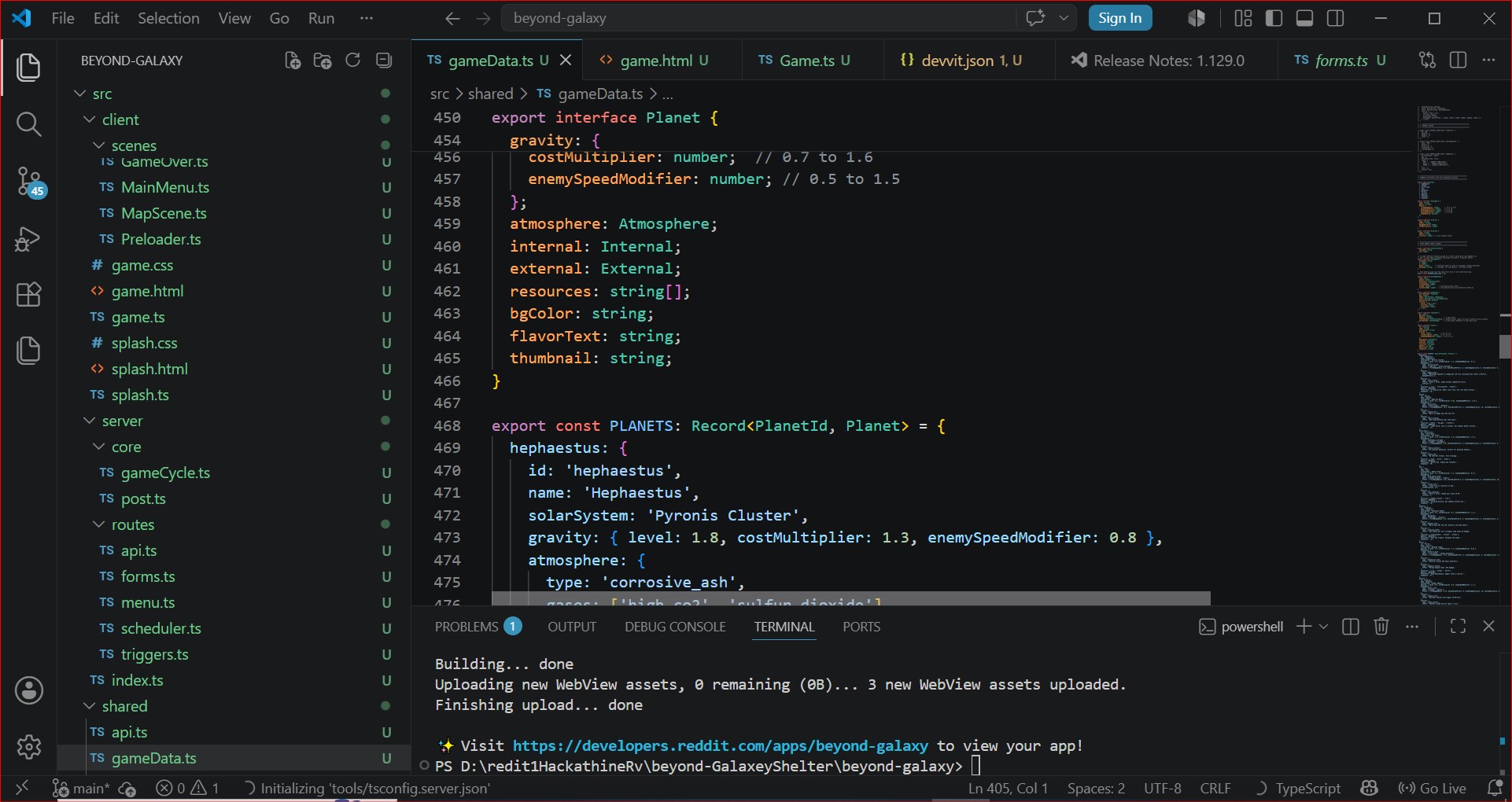
- 🌍 10 Unique Planets — Each with its own gravity, atmosphere, internal geology, and external weather effects that directly impact gameplay.
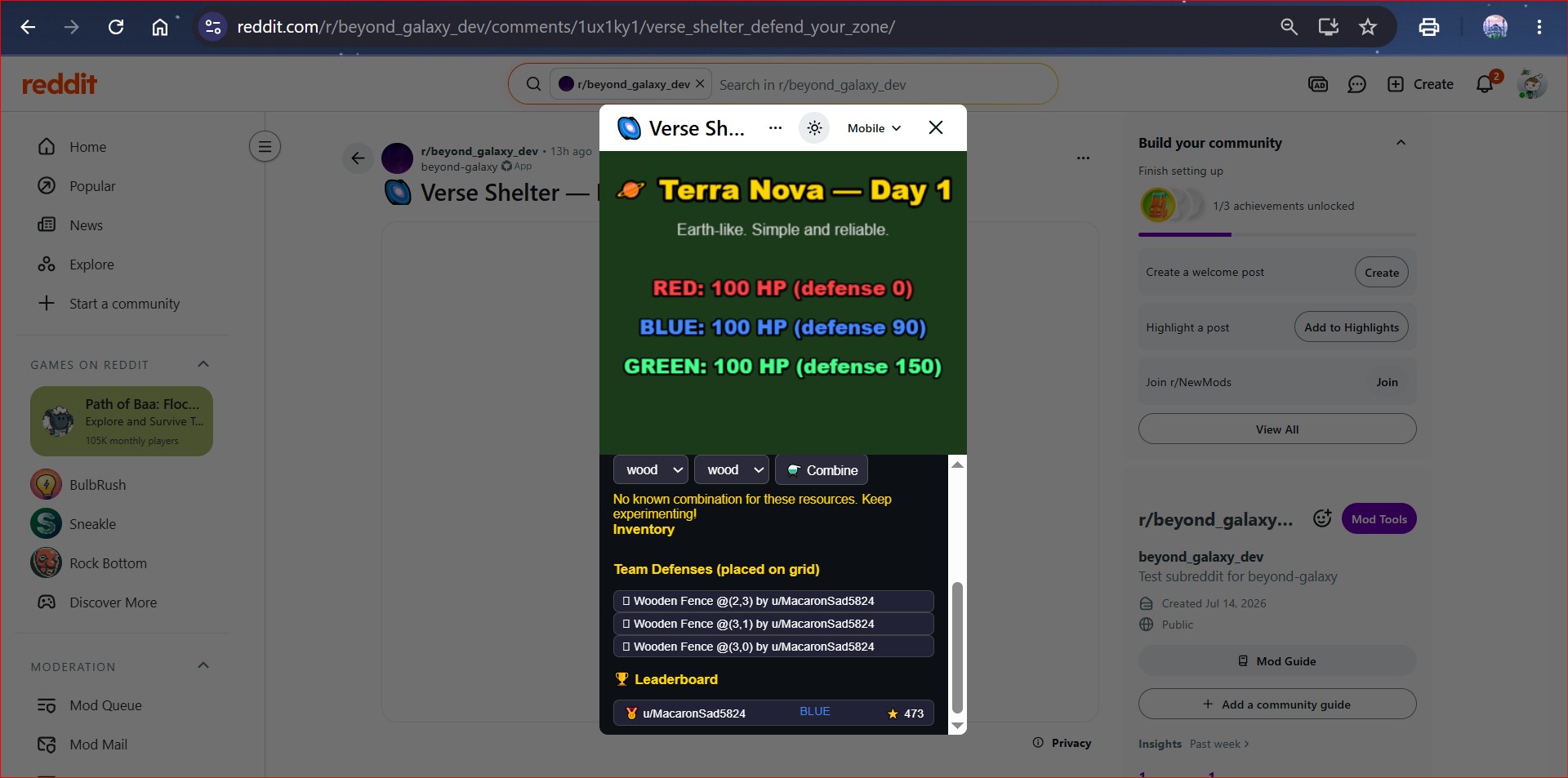
- ⚗️ 30 Crafting Recipes — Combine resources to build walls, weapons, shields, traps, boosters, and hidden special items.
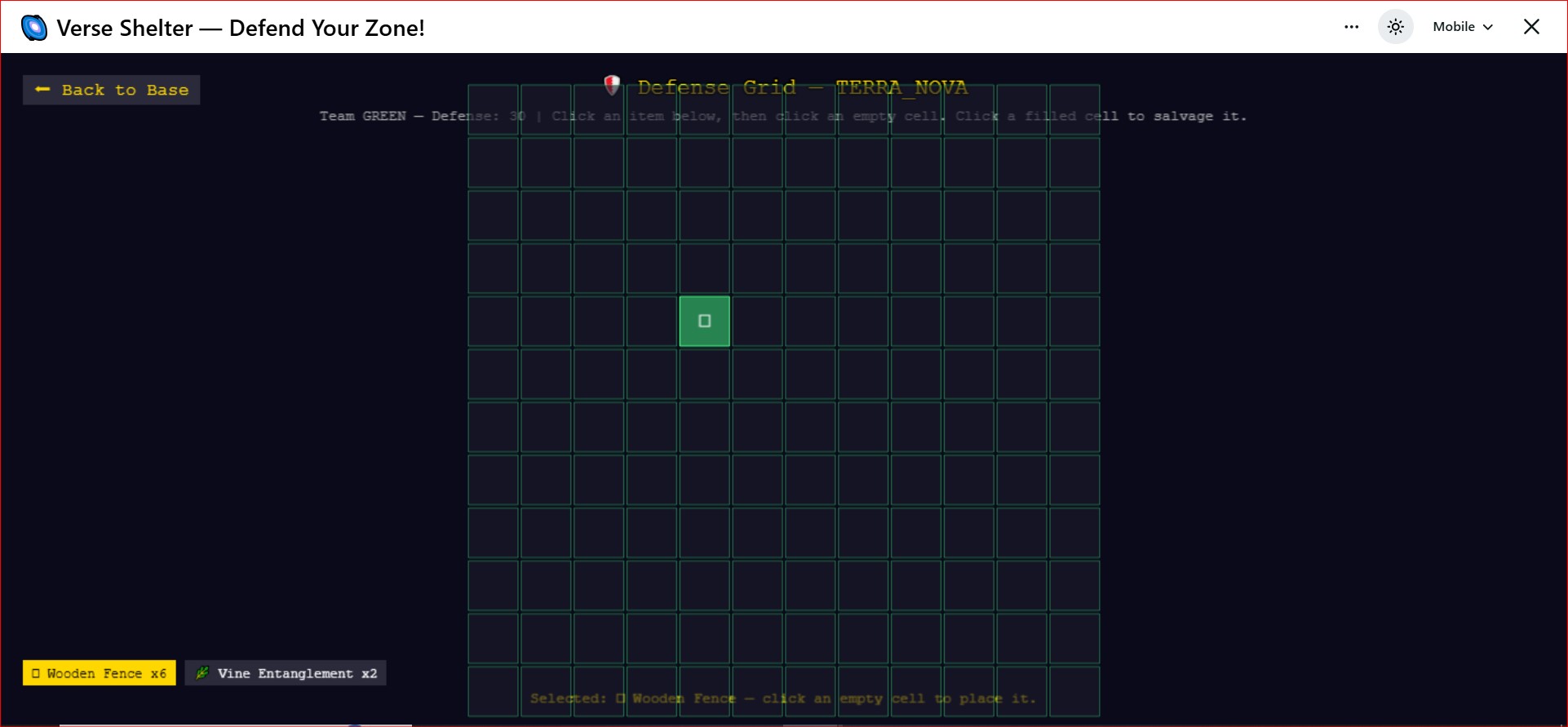
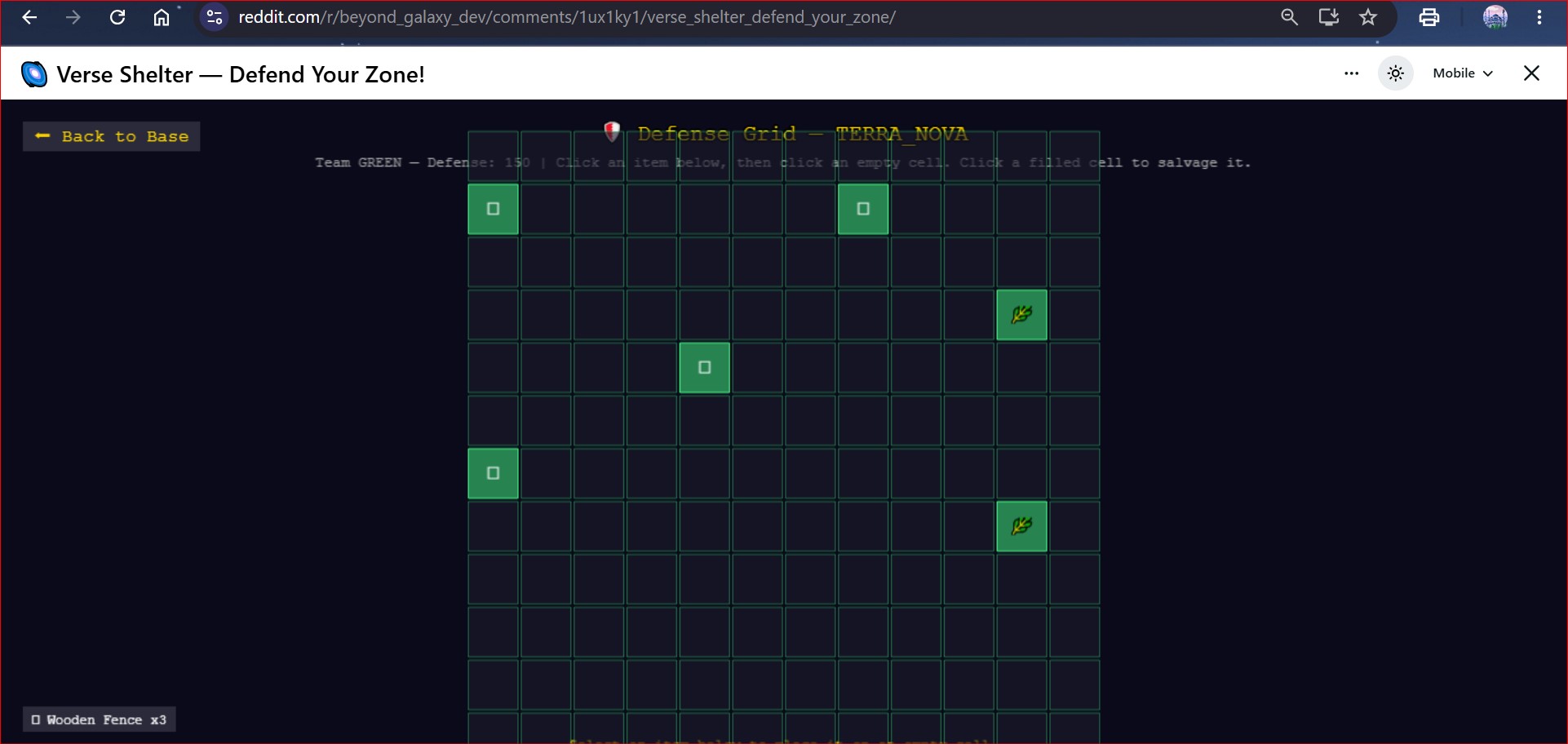
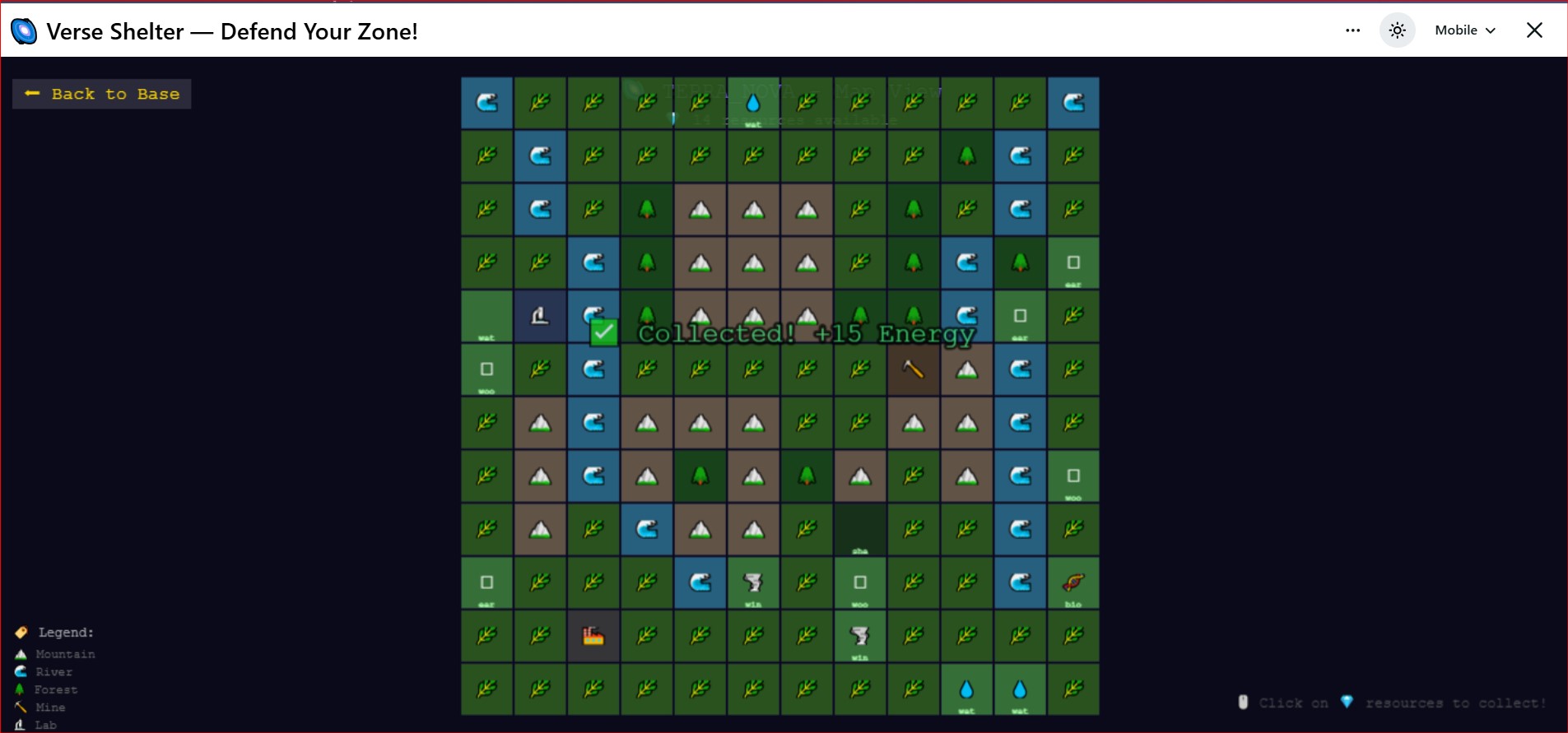
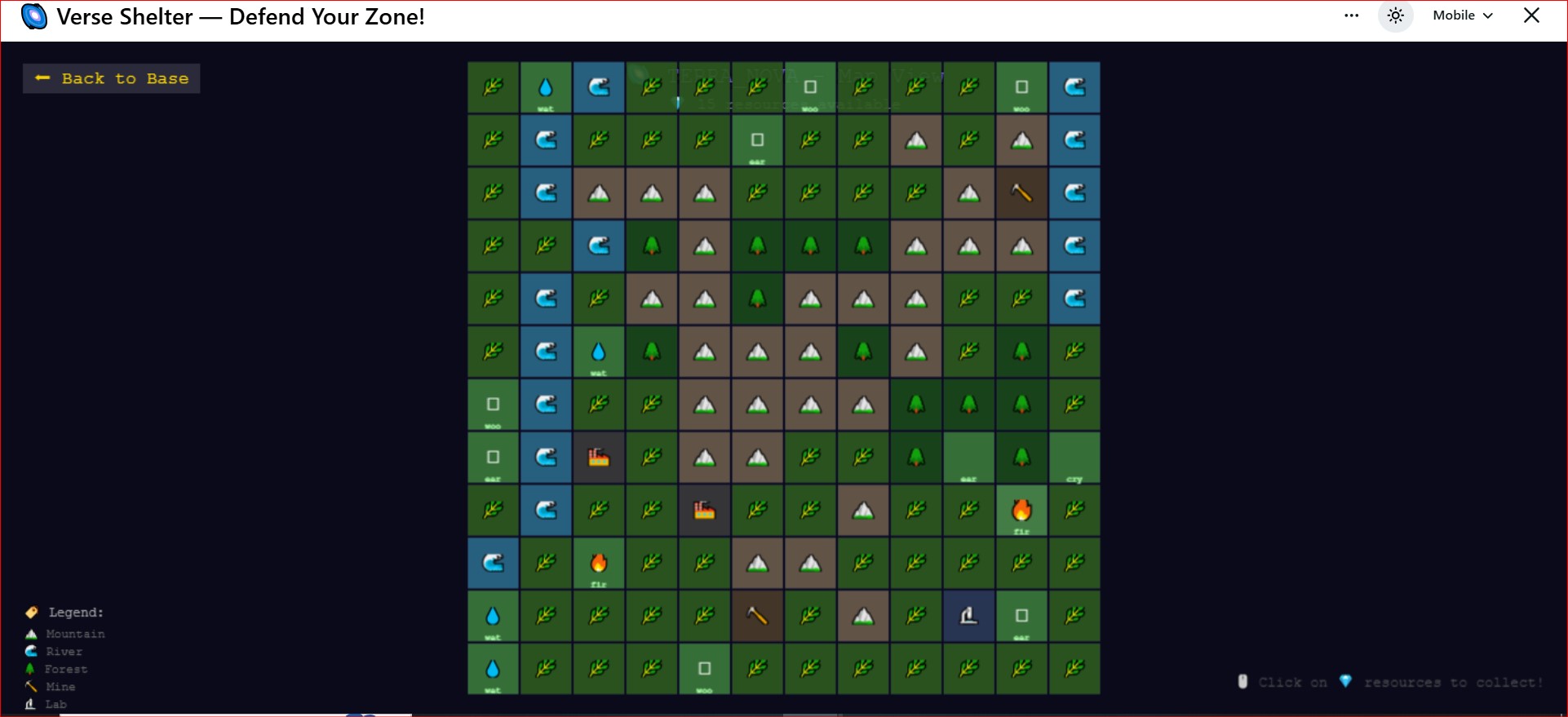
- 🗺️ 12×12 Grid Map — Collect resources from terrain tiles (mountains, rivers, forests, mines, labs, factories) and place defenses strategically.
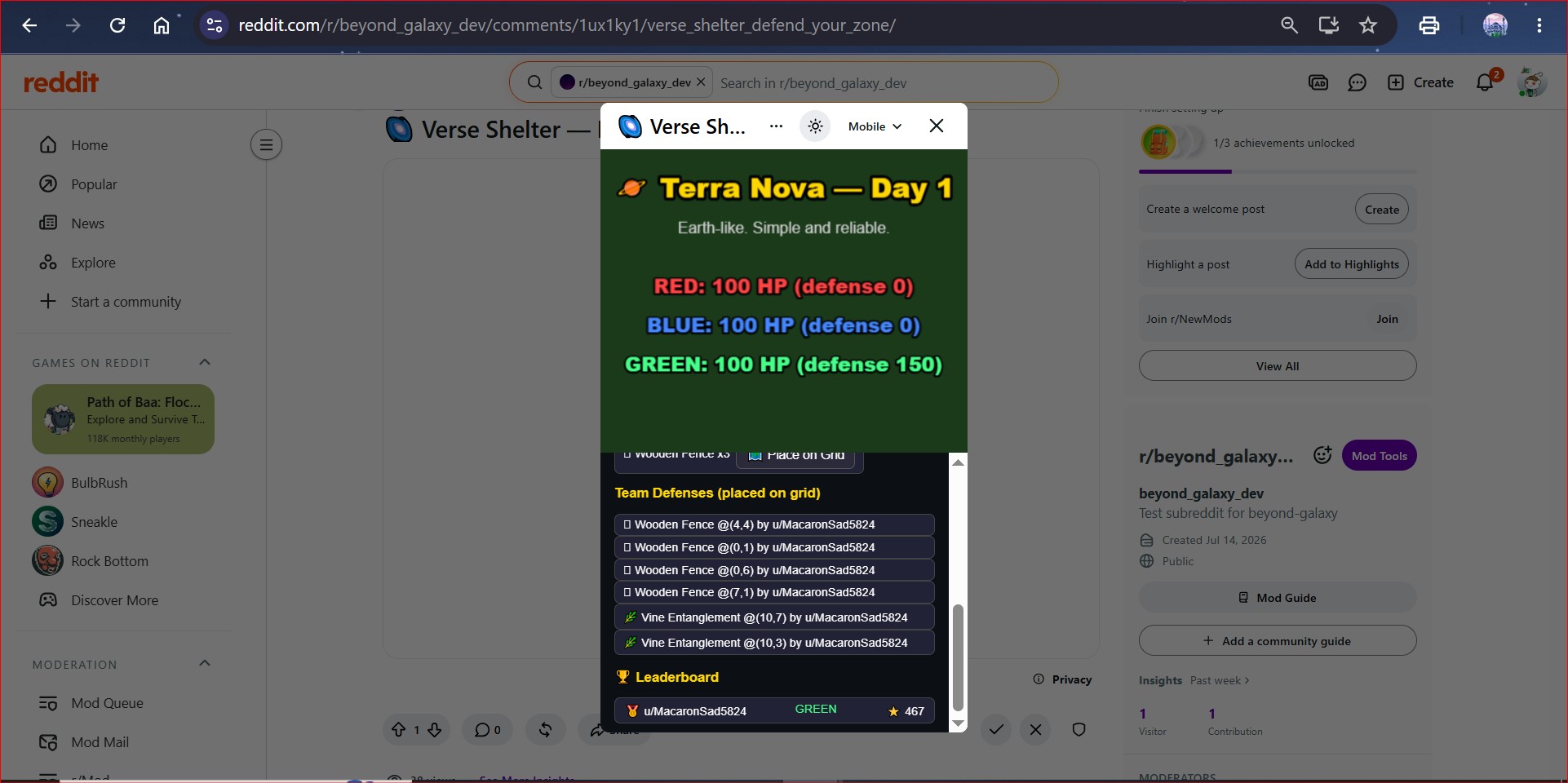
- 🛡️ Daily Attack Cycle — Every 24 hours, a cosmic disaster strikes. Your team's survival is resolved mathematically:
$$ \sum_{i=1}^{n} D_i \ge \Lambda_{\text{disaster}} $$
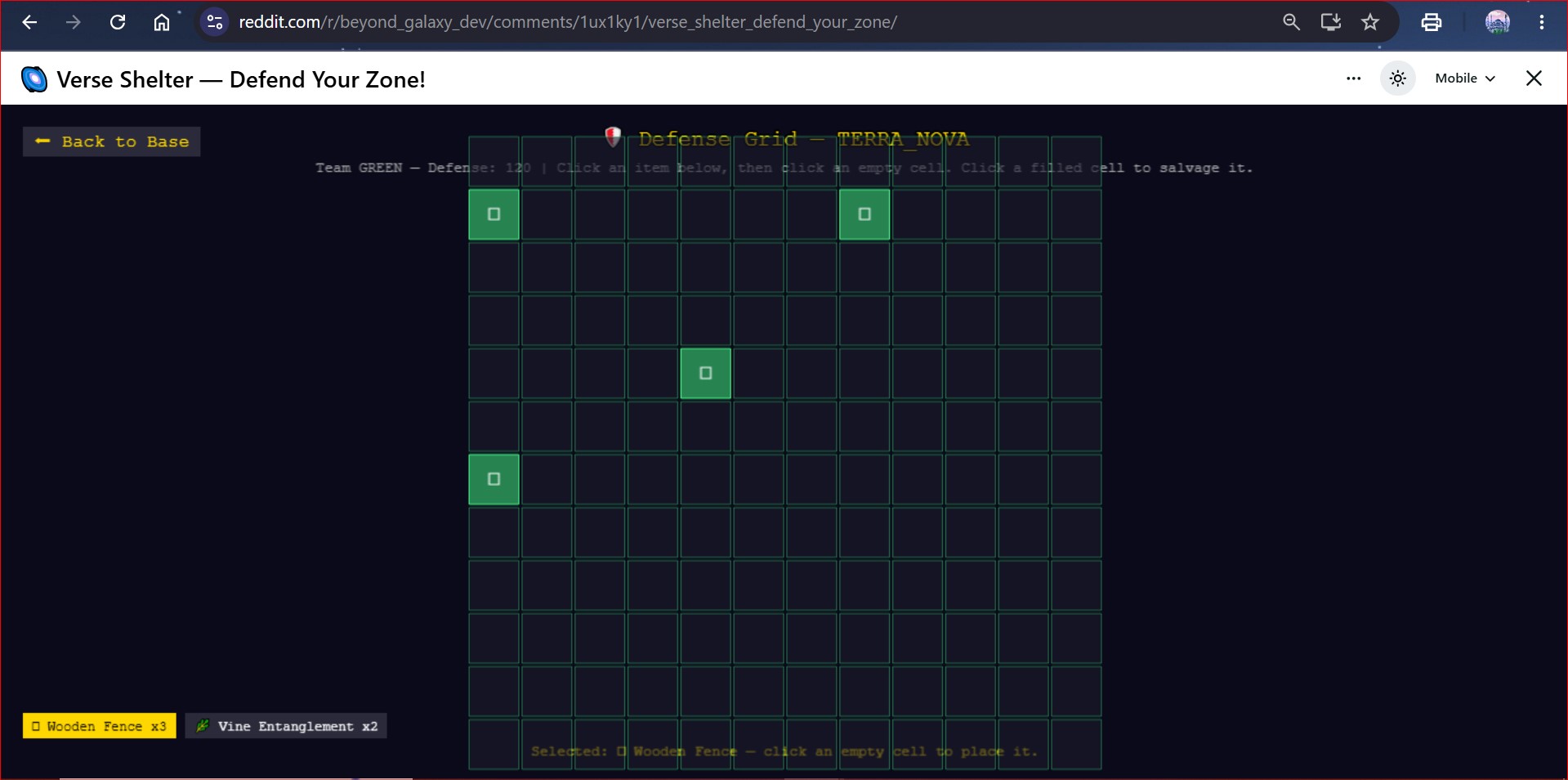
Where \( D_i \) represents the individual defense values of structures deployed on the 12×12 grid, and \( \Lambda_{\text{disaster}} \) is the incoming cosmic hazard threshold. Survive and earn +20 bonus points.
- 🏆 Competitive Leaderboard — Track points, daily streaks, and Corrector Bonuses. Top players earn recognition.
- ♻️ Salvage Mechanic — Recover 50% of resources from old defenses to adapt your strategy. Refunds scale dynamically:
$$ R_{\text{recovered}} = \lfloor 0.50 \cdot C_{\text{craft}} \rfloor $$
- ⭐ Corrector Bonus — Replace a weak defense with a stronger one in the same category to earn +20 bonus points:
$$ S_{\text{player}} \leftarrow S_{\text{player}} + 20 $$
🛠️ How I Built It
💻 Tech Stack:
- Devvit Web — Reddit's developer platform for building interactive posts.
- Phaser 3 — For the 12×12 isometric map, particle effects, and attack animations.
- React — For the overlay UI (team status, inventory, crafting menu).
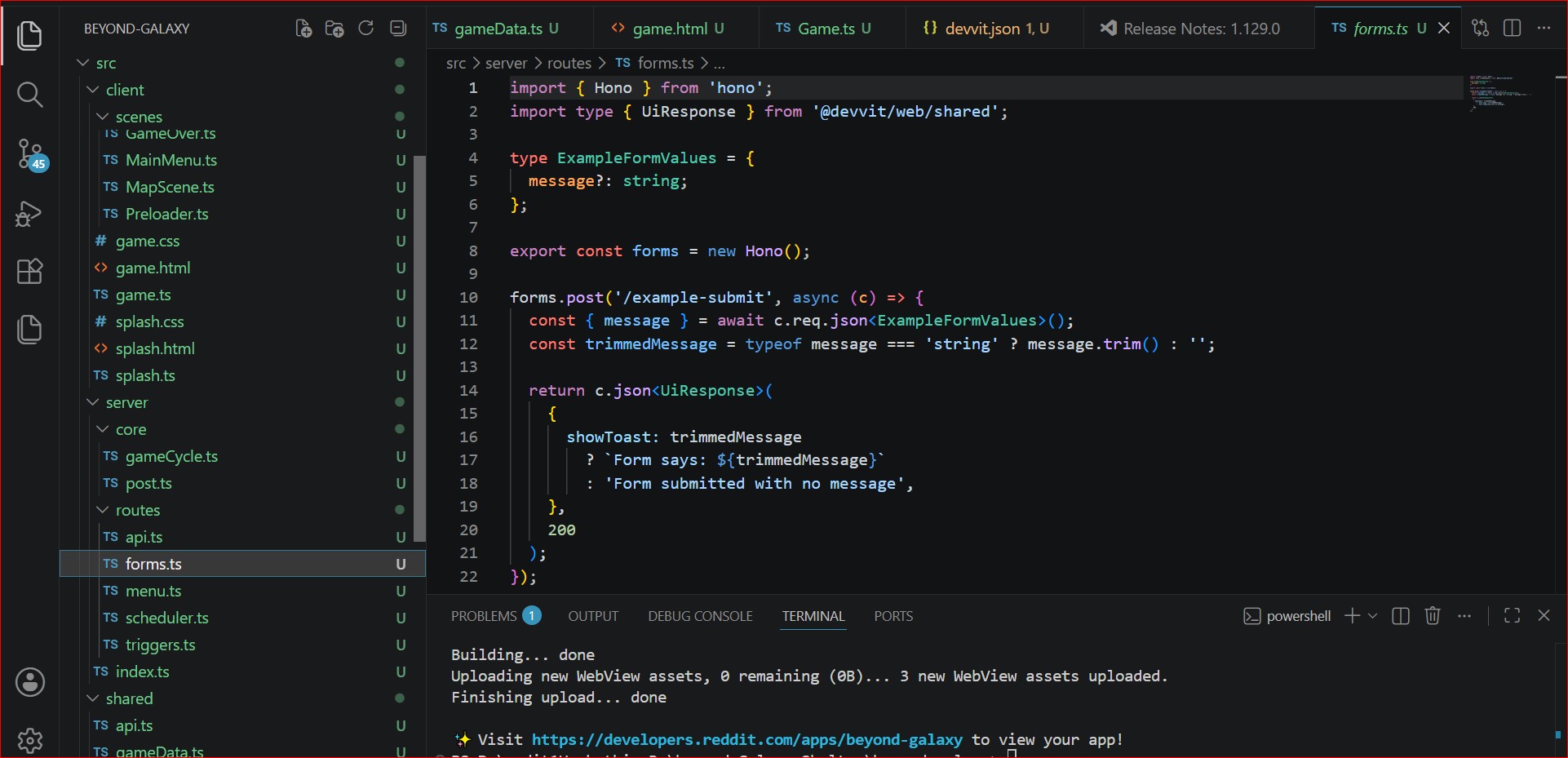
- Hono — Lightweight backend framework for API routes.
- Redis — In-memory database for state management (teams, HP, defense, inventory, points).
- TypeScript — For type safety and maintainable code.
🎯 Key Challenges:
- Grid-Based Defense Placement — Implementing a drag-and-drop system on a 12×12 grid where each cell can hold exactly one item required careful coordinate mapping and validation.
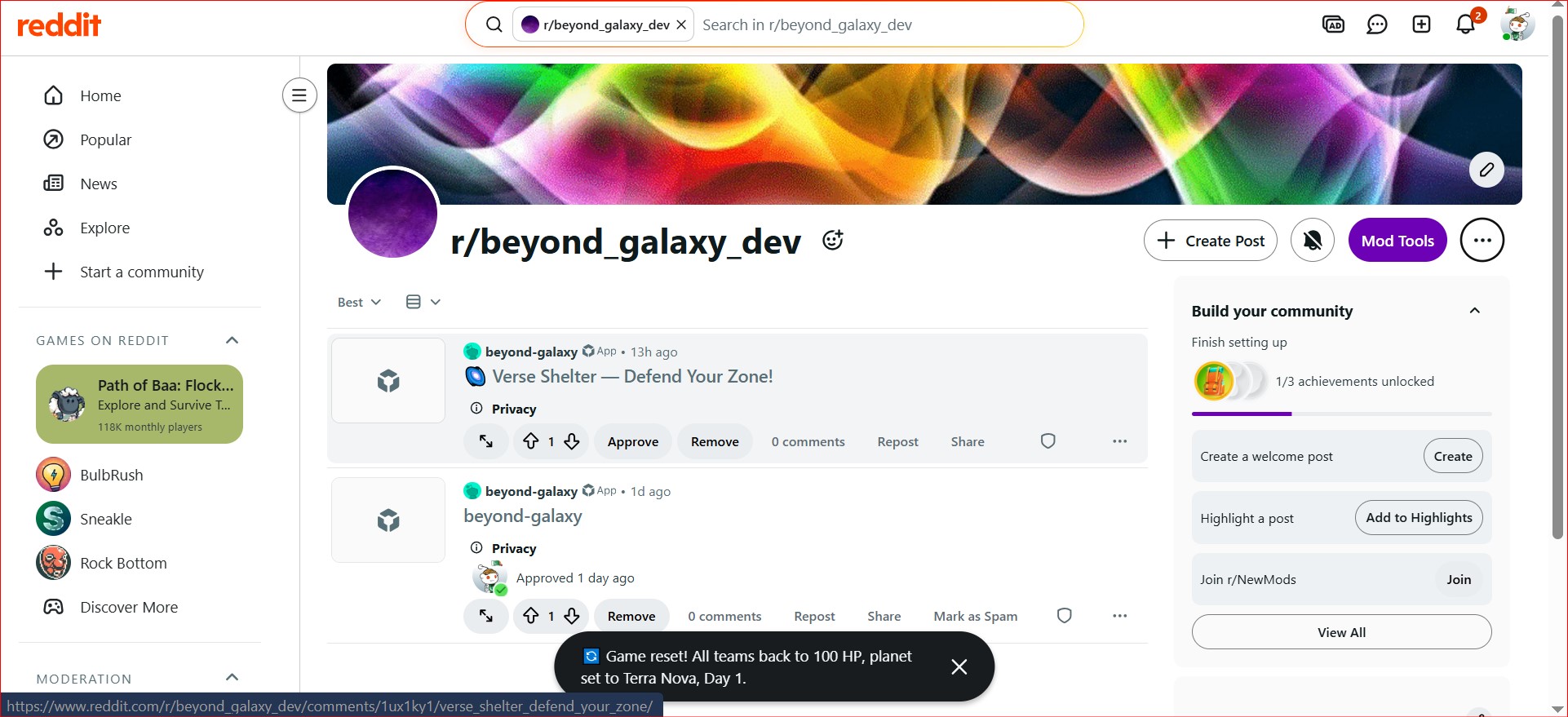
- 24-Hour Attack Cycle — Building a scheduler that automatically resolves attacks, resets team stats, and rotates planets every 24 hours without manual intervention.
- Corrector Bonus Logic — Tracking category maxima per team to detect when a player places a stronger item in the same category as an existing one.
- Salvage Mechanic — Ensuring resource refunds are calculated accurately based on gravity-adjusted crafting costs.
🚧 Challenges Faced
- ⚠️ Authentication & Deployment — The Devvit CLI had authentication issues early on, requiring multiple login attempts and a shift to Web Console installation.
- ⚠️ State Management — Keeping Redis keys consistent across API routes and Phaser scenes was challenging but essential for real-time updates.
- ⚠️ Manual vs. Auto Team Assignment — Balancing user choice with fallback logic to ensure no team is empty.
- ⚠️ Attack Animation — Syncing the Phaser scene with Redis state updates required polling and event-driven architecture.
- ⚠️ Deadline Pressure — Building a complete game from scratch in a few weeks, with all features working and polished, was the biggest challenge of all.
🏆 Accomplishments I'm Proud Of
- ✅ Fully Functional — A fully functional daily survival game deployed on Reddit.
- ✅ Dynamic Gameplay — 10 unique planets with dynamic gameplay modifiers.
- ✅ Discovery Elements — 30 recipes with hidden combinations for discovery.
- ✅ Interactive UI — Grid-based defense placement with real-time feedback.
- ✅ Automated Systems — Automatic 24-hour attack cycle with team survival mechanics.
- ✅ Deep Mechanics — Corrector Bonus, Salvage, and Daily Streak systems.
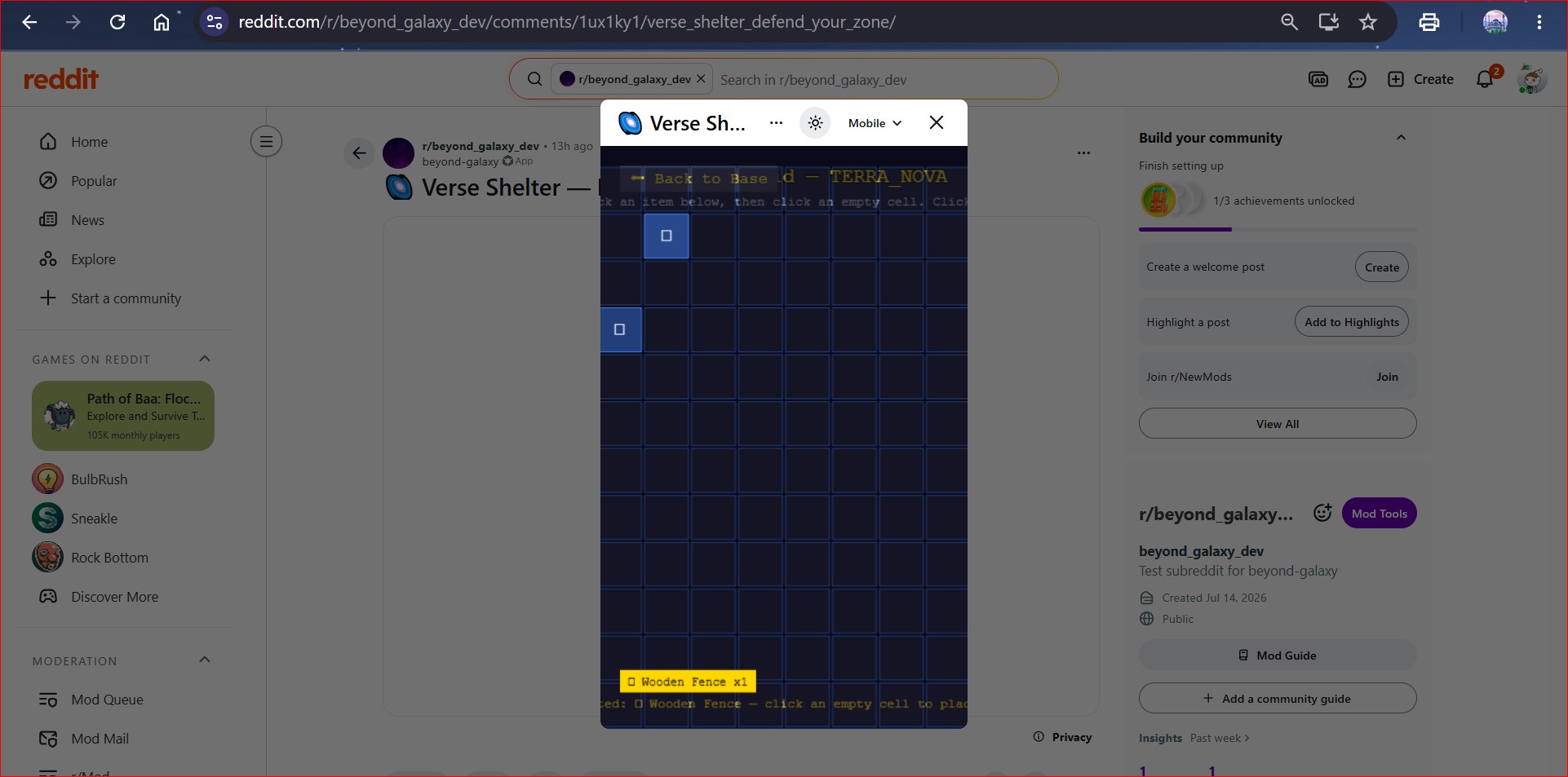
- ✅ Platform Compatibility — A polished UI that works on both desktop and mobile.
📚 What I Learned
- Devvit Development — Building for Reddit's platform is both challenging and rewarding. The community is supportive, and the documentation is improving.
- Phaser 3 — Creating an isometric grid with clickable tiles, particle effects, and animations was a deep dive into game development.
- Redis State Management — Designing a state schema that works across server and client was a valuable lesson in distributed systems.
- User Experience — Small details like toast notifications, visual feedback, and leaderboards make a huge difference in player engagement.
- Team Collaboration — Even as a solo developer, I learned to iterate fast, test frequently, and prioritize features.
🔮 What's Next
- 🚀 More Planets — Expand to 20+ planets with even more exotic properties.
- 🚀 PvP Mode — Allow teams to directly compete for resources.
- 🚀 Mobile App — Port the game to a standalone mobile experience.
- 🚀 Seasonal Events — Special challenges with unique rewards.
🙏 Special Thanks
The Reddit Devvit team for creating a platform that makes game development accessible.
The Phaser community for their excellent documentation and examples.
The hackathon organizers for this incredible opportunity.

Log in or sign up for Devpost to join the conversation.