-
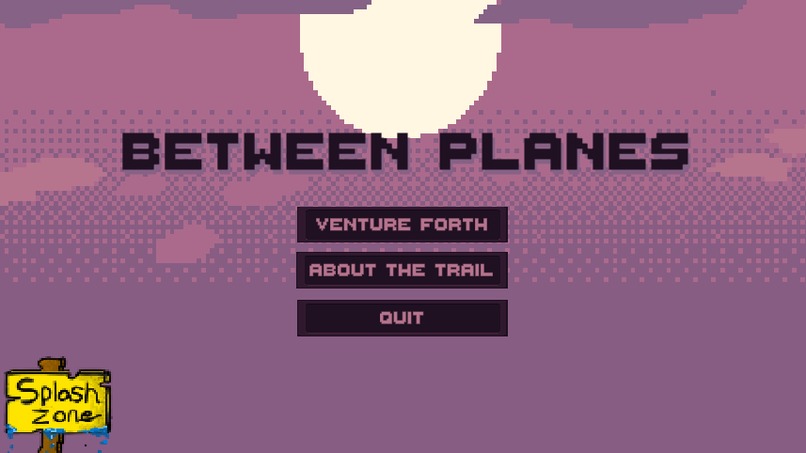
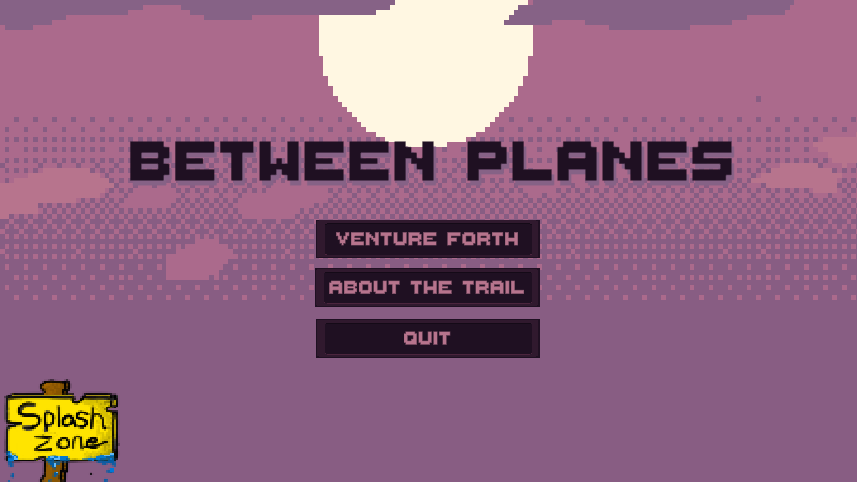
The main menu
-
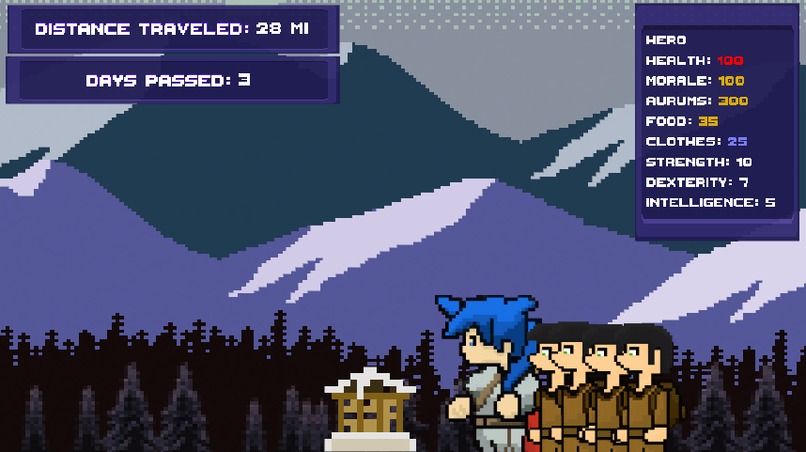
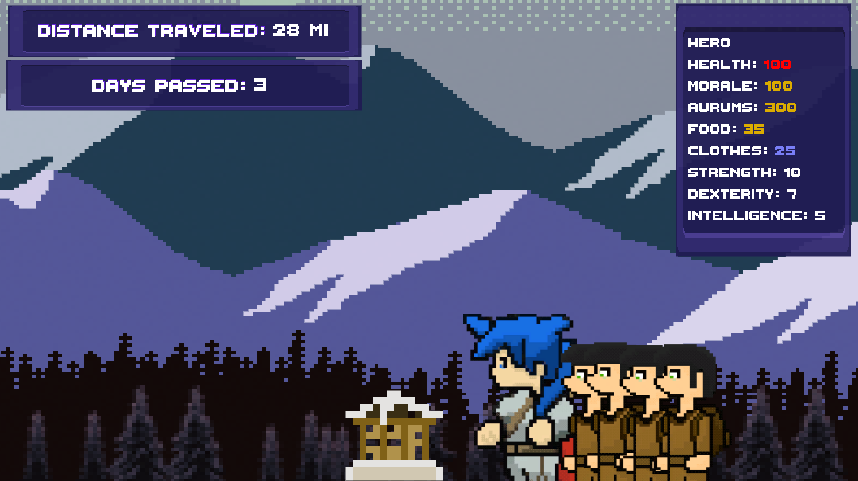
The overworld and player about to collide with an encounter object and trigger an encounter
-
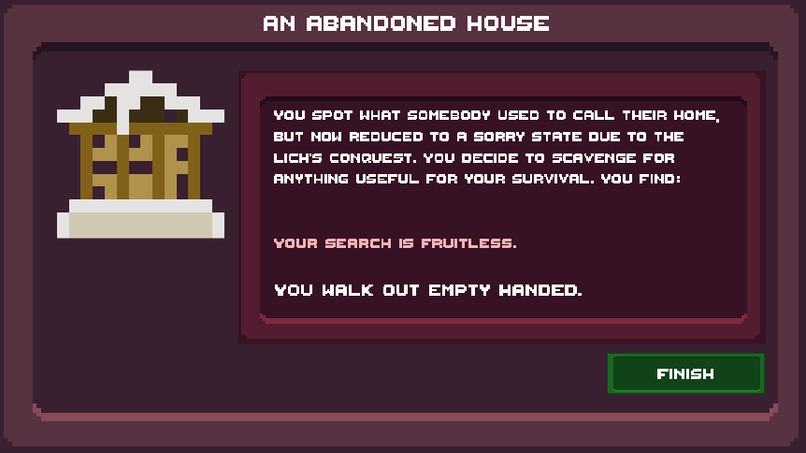
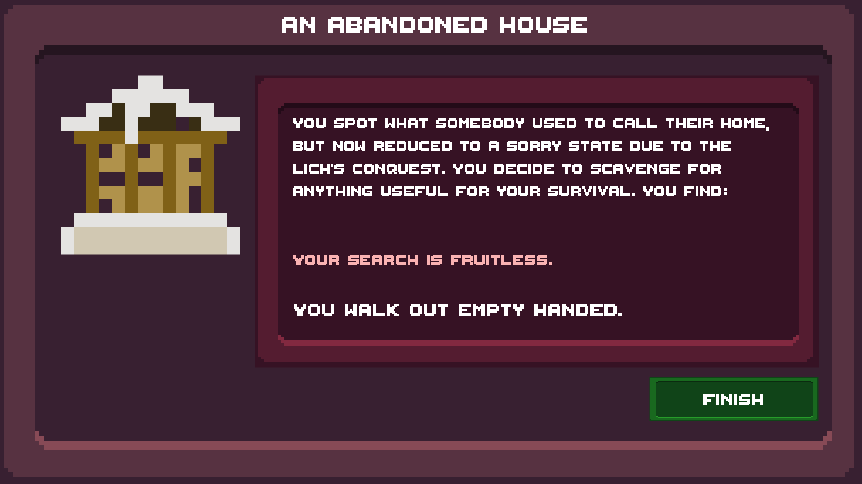
Example of an encounter Scene + Scene results for the player
-
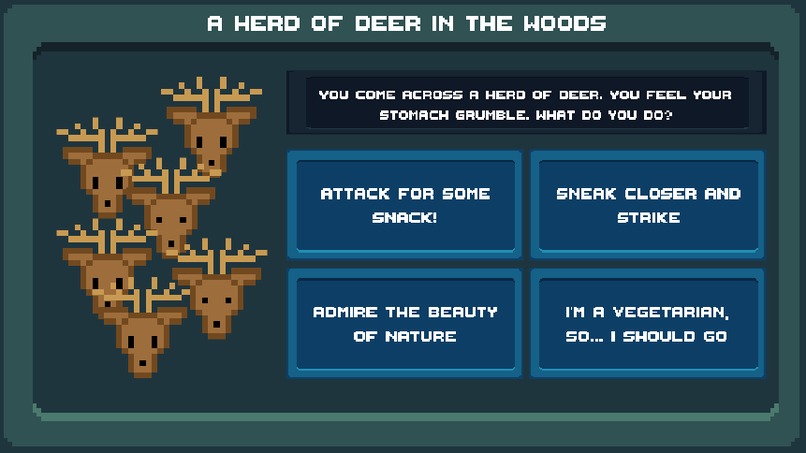
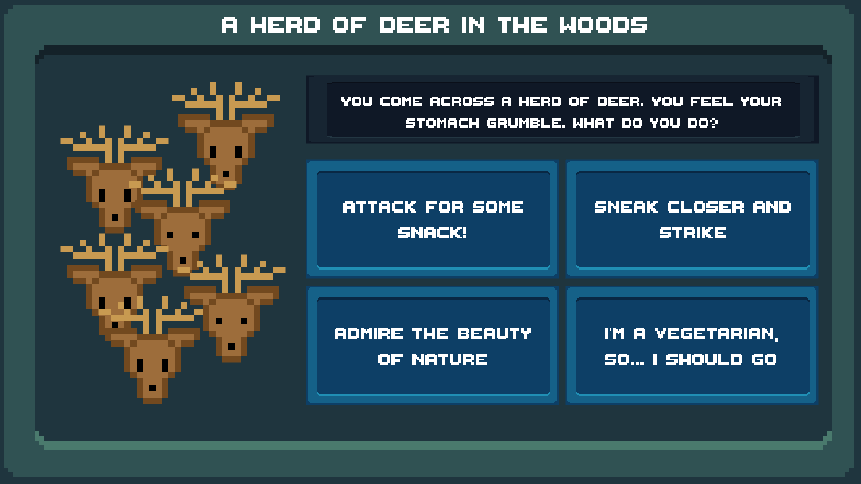
Another example of an encounter Scene
itch.io Site Link
https://kojo-jojo.itch.io/between-planes
Inspiration
Our game was developed for the class Informatics 125 at UC Irvine during with Winter quarter '22. The quarter-wide projected required a team of five, named Team SplashZone, including myself to build a game prototype and a game design document. We decided upon an Oregon Trail collides D&D type game, and the fruits of our labor, albeit a little rough around the edges, is described here, focusing mainly about my contributions for portfolio purposes.
What it does
As mentioned before, the game resembles the Oregon Trail, but instead of a caravan of settlers, there is a Hero character that leads a small group of refugees escaping from the pursuing forces of an evil Lich through the different regions of our envisioned fantasy world. We had high ambitions, but time and scope-constrained crunched them down by the end of the quarter. What our game includes is a main menu, character creation, class options for the player, basic shopping, basic item consumption and inventory management, an overworld of just one elemental plane of our fantasy world—Nevermelt, encounters on the overworld, encounter Scenes, encounter dice-rolls and results for the player character, landmark scenes, and game over screens. To win, the player must keep their health and morale from reaching zero before their reach their desired destination at the end of Nevermelt with their escorted refugees.
How I helped build it
The Unity 2D Engine was used to develop the entirety of this game. I was one of the only two programmers on the project out of five, so I was a co-programming lead. I used Unity and C# scripting to develop specifically the main menu, main menu buttons, overworld, overworld movement, overworld encounter collisions and triggers with the player character, health and morale mechanics that could lead to a game over, all of the encounter Scenes (like encountering a herd of deer in the woods), PlayerPrefs editing with my co-lead to retain player data across scenes, encounter dice-rolls, unique results for each class, landmark Scenes, game over menus and basic background music implementation. I also initially picked out the assets from the Unity Asset Store to use for styling the game's user interface and pixelated aesthetic. Shoutout to the other team members for creating the custom art and a lot of the flavor text and writing for this game!
Challenges & Reflection
This project was definitely the largest game I have worked on and the most challenging. I had some prior experience with Unity beforehand, but this project proved to be incredibly challenging. It was my first time taking a significant co-lead as a programmer with Unity, and I learned a lot about topics like the singleton design pattern, PlayerPrefs, collisions and triggers, scenes, and C# scripting, with heavy help from tutorials of course.
I am proud of what I accomplished as a programmer, but I believe a lot of the code, though working, needs to be refactored to be more clean and production-level, rather than cluttered and amateurish. Though, a lot of the roughness was really due to time constraints and the time sunk into dead end solutions that many amateur game developers like myself can run into. I want to improve the UI layout as well, especially to be more responsive to different screen sizes, and maybe implement some UX testing to guide my decisions as well. Still, I fully intend to continue to improve as a designer, programmer and game developer, as setbacks and hurdles are all simply part of those growing pains.
Accomplishments that I'm proud of
I am glad to have contributed so much to this project, especially getting the game overworld done and encounter scenes triggered as soon as the player collides with an encounter object on the overworld. I am proud of how many encounter Scenes I created and wrote dialogue for—writing, with some snark I'll admit, how each encounter can go down depending on dice-rolls was incredible fun.
What's next for Between Planes
All of the team members have moved on from this project, leaving me to maintain it as desired. Future revisits to this project could include a lot of code refactoring and revision of design patterns. A more unified art style can also be implemented, and most importantly, more of the features we had initially set out to complete, like data for each escorted villager, more encounter Scenes, more overworld regions, more responsive UI, a more robust trading system, sickness (like the classic dysentery) mechanics, a wagon, and other features that were in the original Oregon Trail, but with a fantasy twist of course.


Log in or sign up for Devpost to join the conversation.