-
-
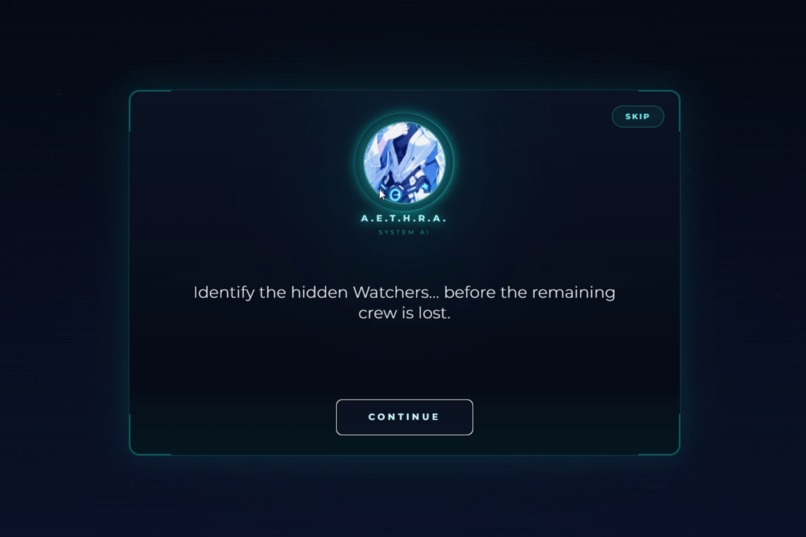
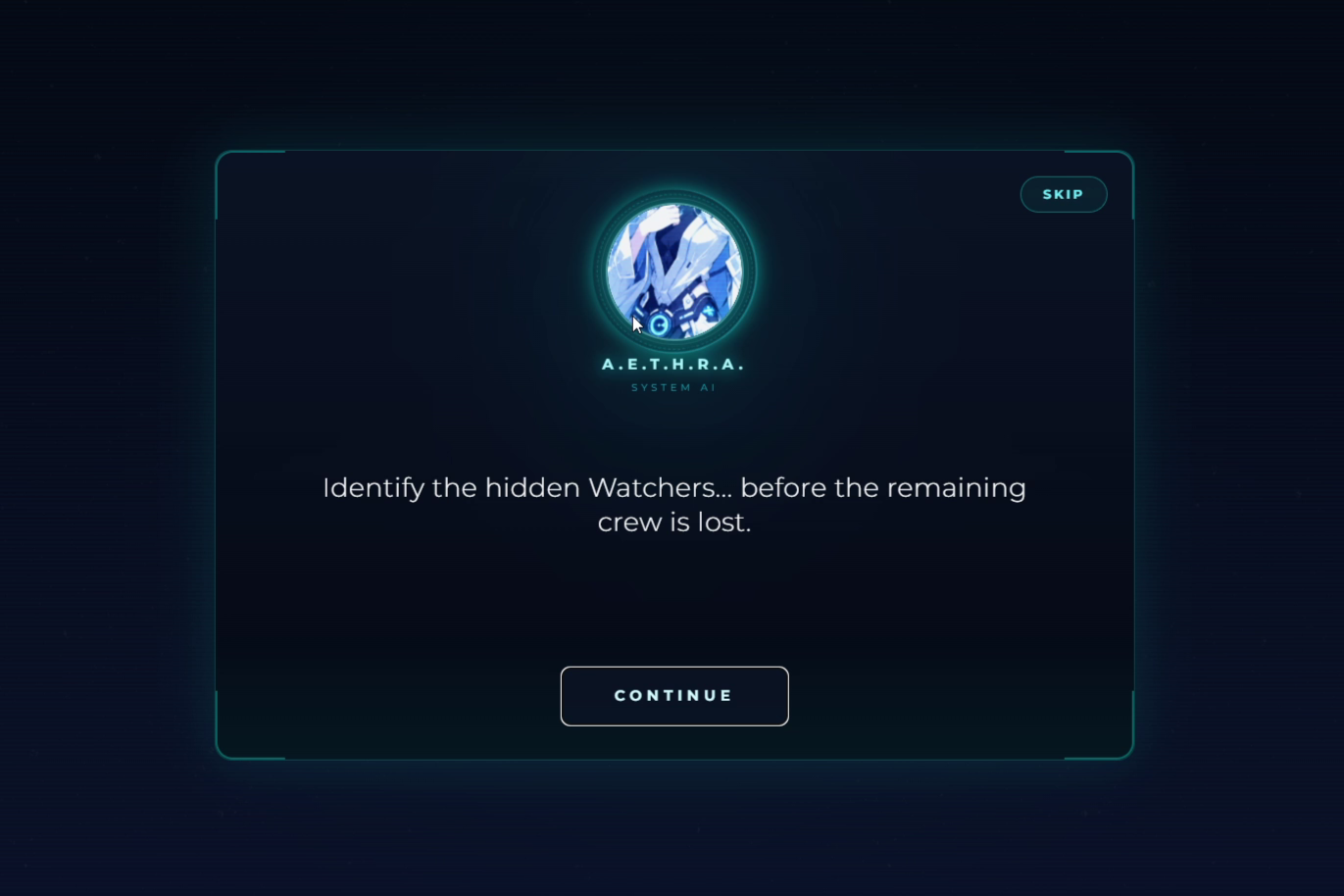
Opening scene
-
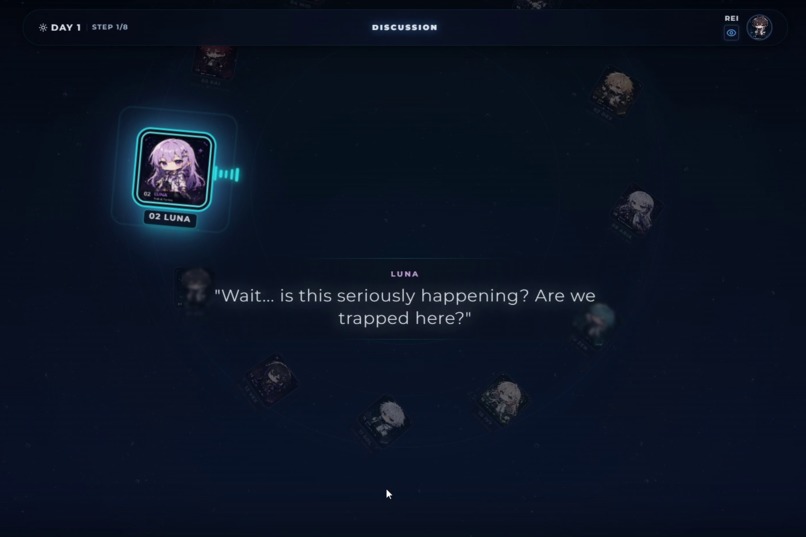
All Players scene
-
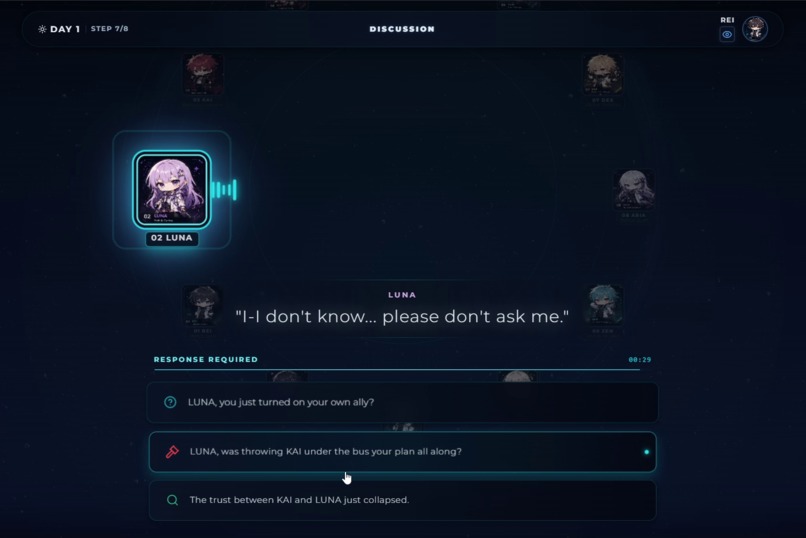
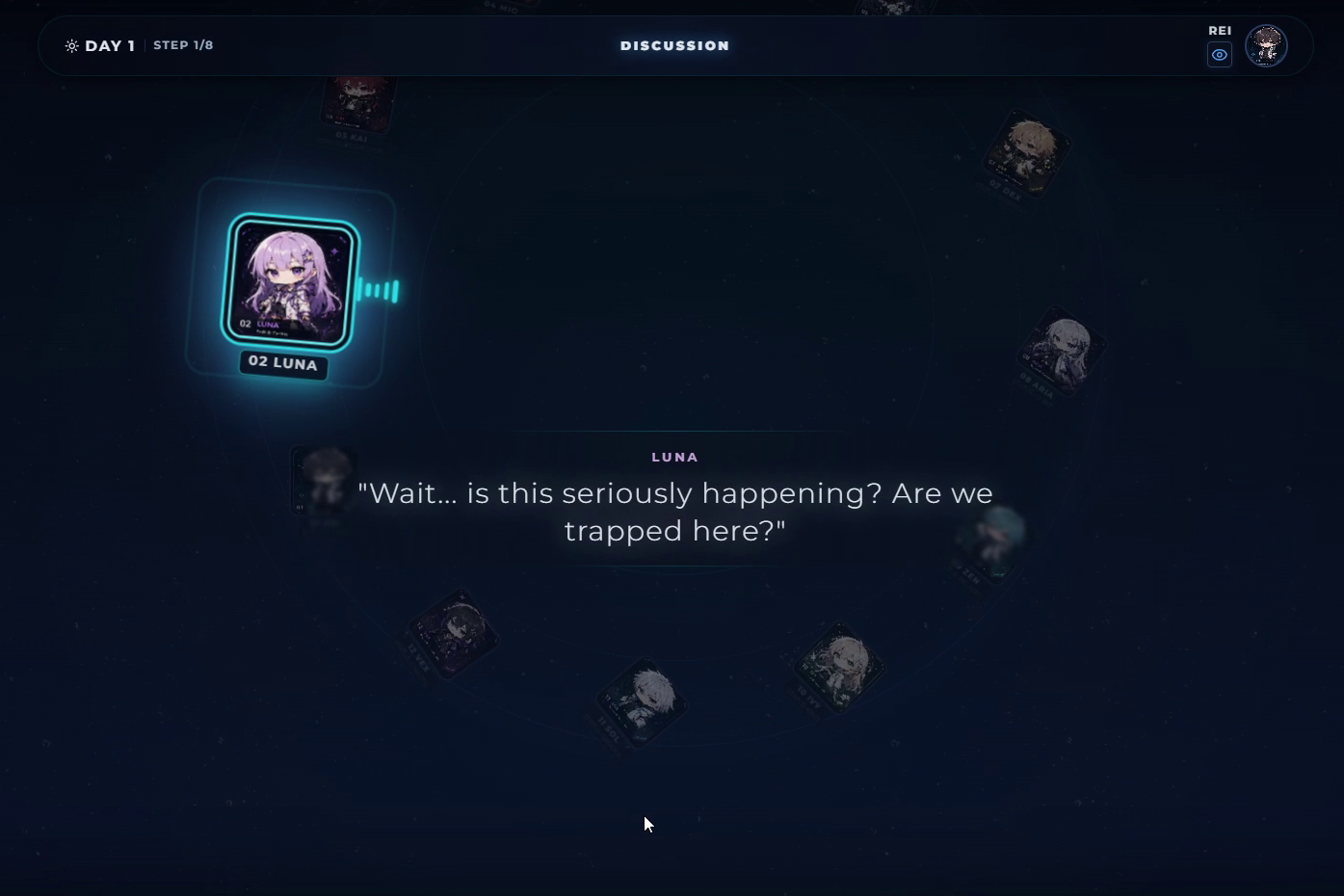
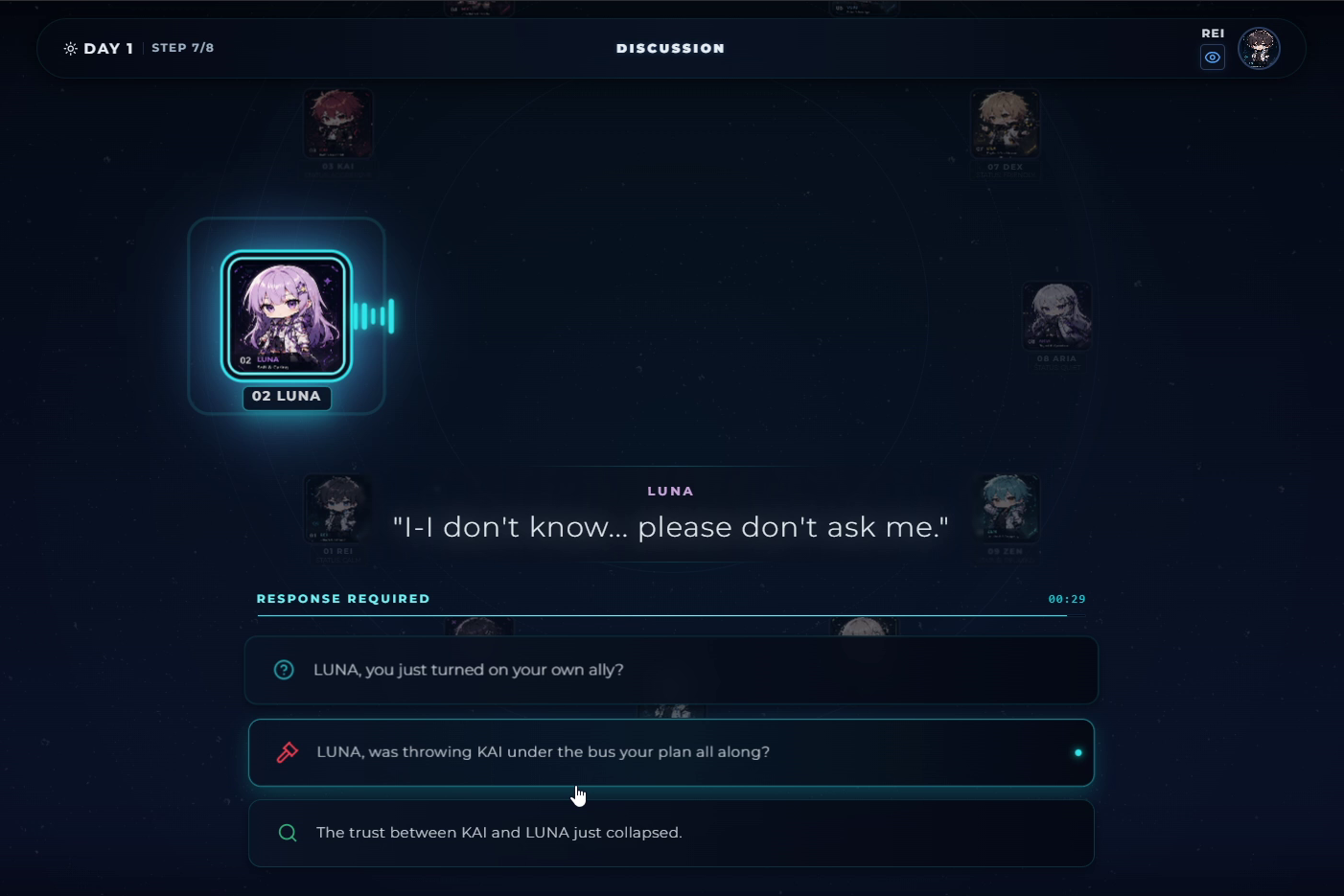
Discussion scene
-

Voting scene
-
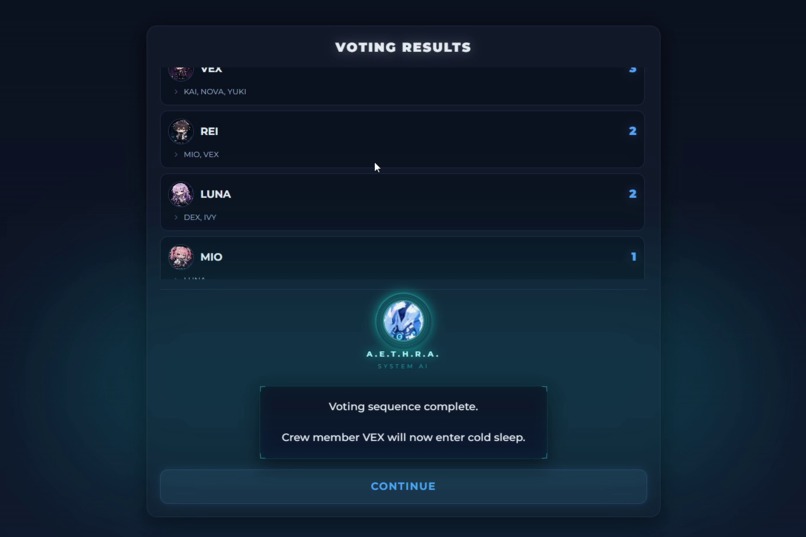
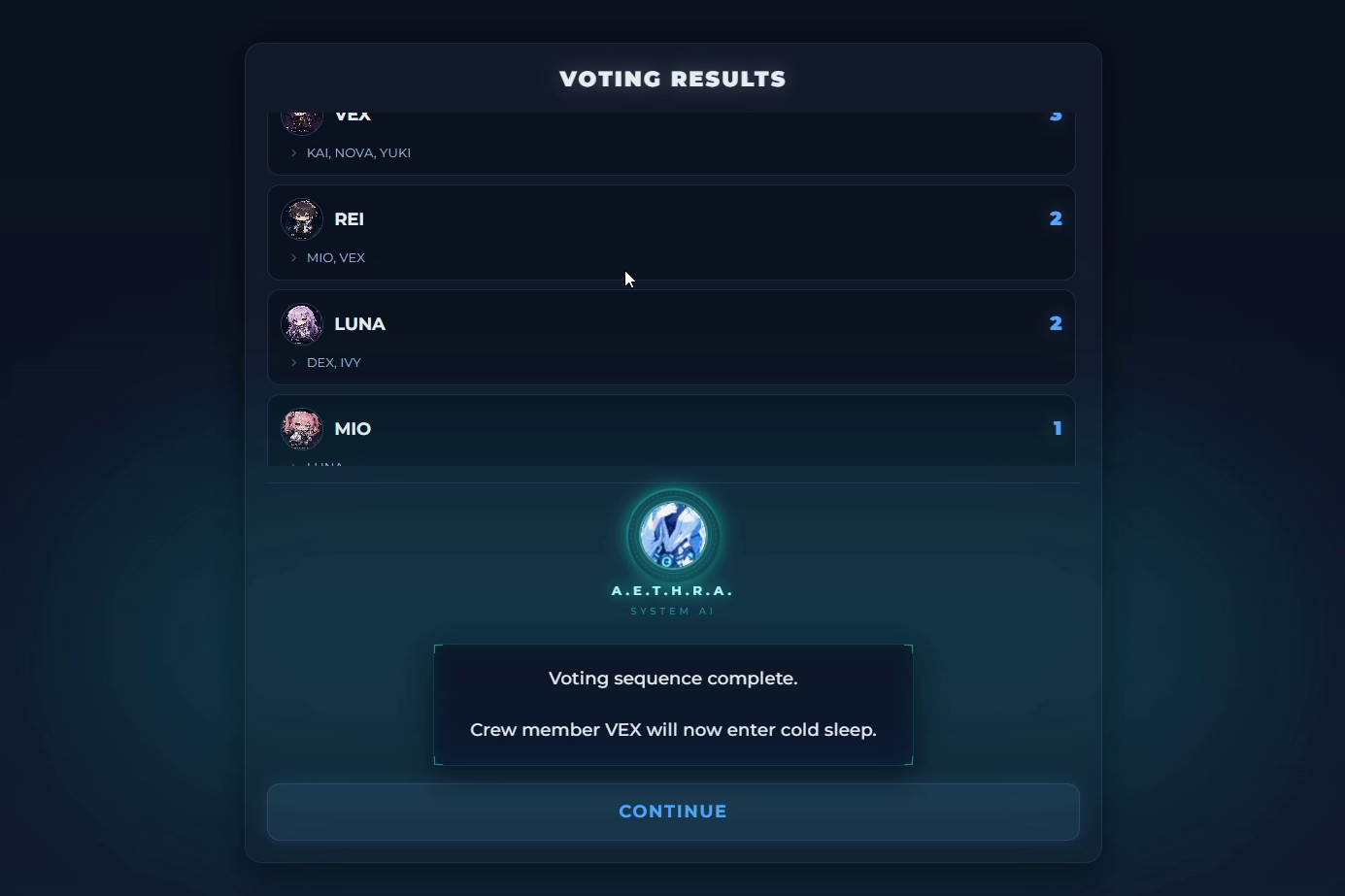
Voting result scene
-
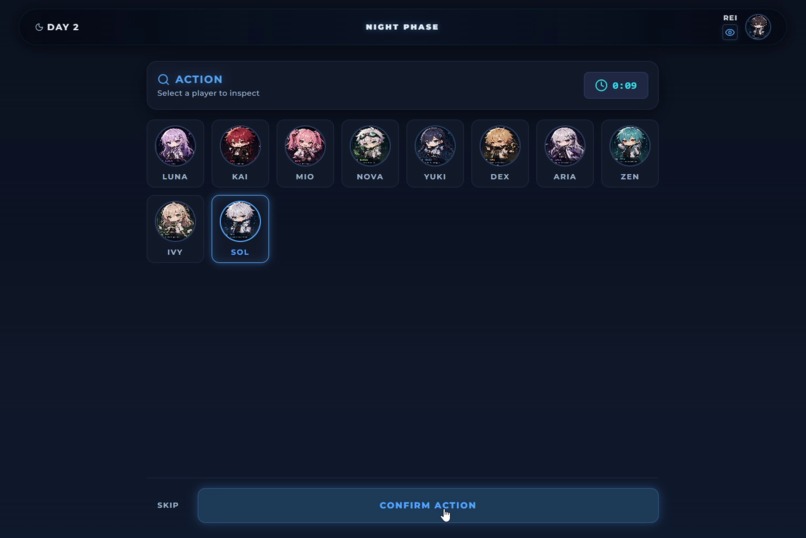
Inspect scene


Betrayal Protocol
Inspiration
Betrayal Protocol was inspired by the psychological tension and social deduction mechanics of games like Gnosia. I loved how every conversation could completely change the outcome of the game, and I wanted to recreate that feeling in a cinematic sci-fi setting that works on both PC and mobile devices.
Originally, the goal was to create a multiplayer cross-platform social deduction game, but due to time and technical limitations during the hackathon, I shifted the project toward making simple bots instead, I focused on building emotionally reactive characters with different personalities, trust systems, memory tracking, and evolving suspicion mechanics.
What it does
Betrayal Protocol is a story-driven sci-fi social deduction game where twelve crew members become trapped aboard a mysterious spaceship after the ship AI, A.E.T.H.R.A., announces that hidden “Watchers” are secretly manipulating the crew.
Players must:
- survive tense discussions,
- manage trust and suspicion,
- respond to accusations,
- influence the crew socially,
- and uncover the hidden Watchers before it is too late.
The game features:
- dynamic discussions,
- branching dialogue,
- multiple endings,
- emotional reactions,
- adaptive response choices,
- cinematic holographic UI,
- and responsive gameplay across desktop and mobile devices.
How we built it
We built the project using modern web technologies focused on responsiveness and cinematic UI design.
The entire interface was carefully designed around:
- futuristic holographic aesthetics,
- animated discussion systems,
- dynamic player rings,
- responsive layouts,
- and social interactions.
A major focus was creating believable discussion flow between characters. Each character was given:
- unique personalities,
- emotional behaviour,
- trust levels,
- suspicion tracking,
- memory systems,
- and relationship logic.
We also designed a custom discussion engine where:
- conversations evolve dynamically,
- characters react emotionally,
- alliances form naturally,
- and player decisions directly influence the social atmosphere onboard the ship.
Challenges we ran into
The biggest challenge was creating believable conversations.
Early versions felt random because characters:
- reacted out of sequence,
- accused the wrong people,
- forgot previous events,
- or generated illogical responses.
We spent a huge amount of time redesigning:
- conversation memory,
- emotional escalation,
- accusation tracking,
- trust systems,
- pronoun targeting,
- and response generation.
Another major challenge was responsiveness. The game contains a highly animated cinematic interface, so adapting it cleanly across different screen sizes while preserving the futuristic visual style required extensive redesigns.
Accomplishments that we're proud of
We are most proud of:
- creating a cinematic anime-inspired social deduction experience,
- building advanced AI-driven character interactions,
- designing a fully responsive futuristic interface,
- and making the discussions feel emotionally dynamic instead of scripted.
The custom spaceship A.E.T.H.R.A. also became one of the project’s strongest visual and narrative elements, helping give the game its unique atmosphere.
What we learned
During development we learned:
- how difficult believable social AI systems are,
- how important conversational context and emotional continuity can be,
- and how much UI/UX affects immersion in story-heavy games.
We also learned how to structure:
- dynamic dialogue systems,
- branching interaction flows,
- and responsive cinematic interfaces for multiple platforms.
What's next for Betrayal Protocol
After the hackathon, we want to expand Betrayal Protocol into a much larger experience.
Future plans include:
- real multiplayer support,
- voice acting,
- procedural story events,
- more advanced AI personalities,
- relationship systems,
- additional ship locations,
- save systems,
- and expanded endings.
Built With
- autoprefixer
- d3.js
- framer-motion
- gsap
- lucide-react
- matter.js
- phaser-3
- pixijs
- postcss
- react-19
- react-spring
- react-three-drei
- react-three-fiber
- react-three-postprocessing
- responsive
- supabase
- tailwind-css
- three.js
- tone.js
- typescript
- vite
- web
- zustand

Log in or sign up for Devpost to join the conversation.