Betless: Quit Betting
Inspiration
I was deeply moved by the alarming reality that gambling addiction has become one of today's silent epidemics, particularly affecting our youngest generation. The proportion of young people experiencing problem gambling has doubled from 0.7% to 1.5% in just one year, while up to 750,000 adolescents and young adults aged 14 to 21 struggle with gambling addiction. What breaks my heart most is that 79% of young adults began gambling before turning 21, often starting with innocent exposure in childhood that spirals into something much darker. The explosion of mobile betting apps has made gambling as accessible as social media, yet we're failing to protect the people who need it most.
The statistics tell only part of the story - behind each number is a person, a family, a future at risk. Only 5.4% of individuals with problem gambling seek help, leaving millions suffering in silence. I created this app because I believe technology that creates problems can also create solutions. If betting apps can hook people in seconds, then recovery apps can offer hope just as quickly. Every person deserves a chance to break free, to rebuild, and to discover that their worth isn't measured by wins or losses, but by their courage to seek help and start again.
What it does
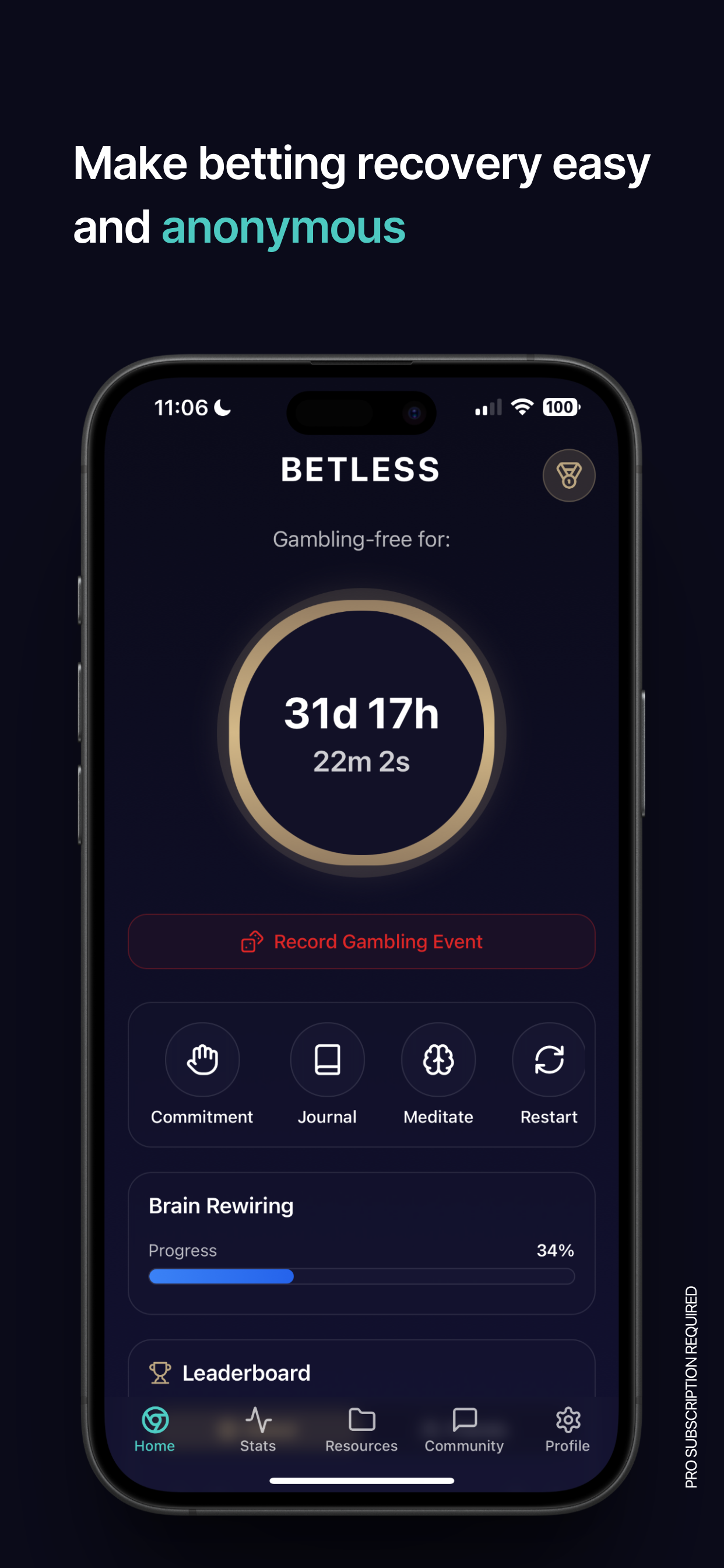
Betless is an anonymous recovery app I designed specifically to help people break free from betting and gambling habits for good. Whether someone is struggling with sports betting, casino games, or any form of gambling, Betless provides the structure, tools, and community support they need to regain control of their life and finances.
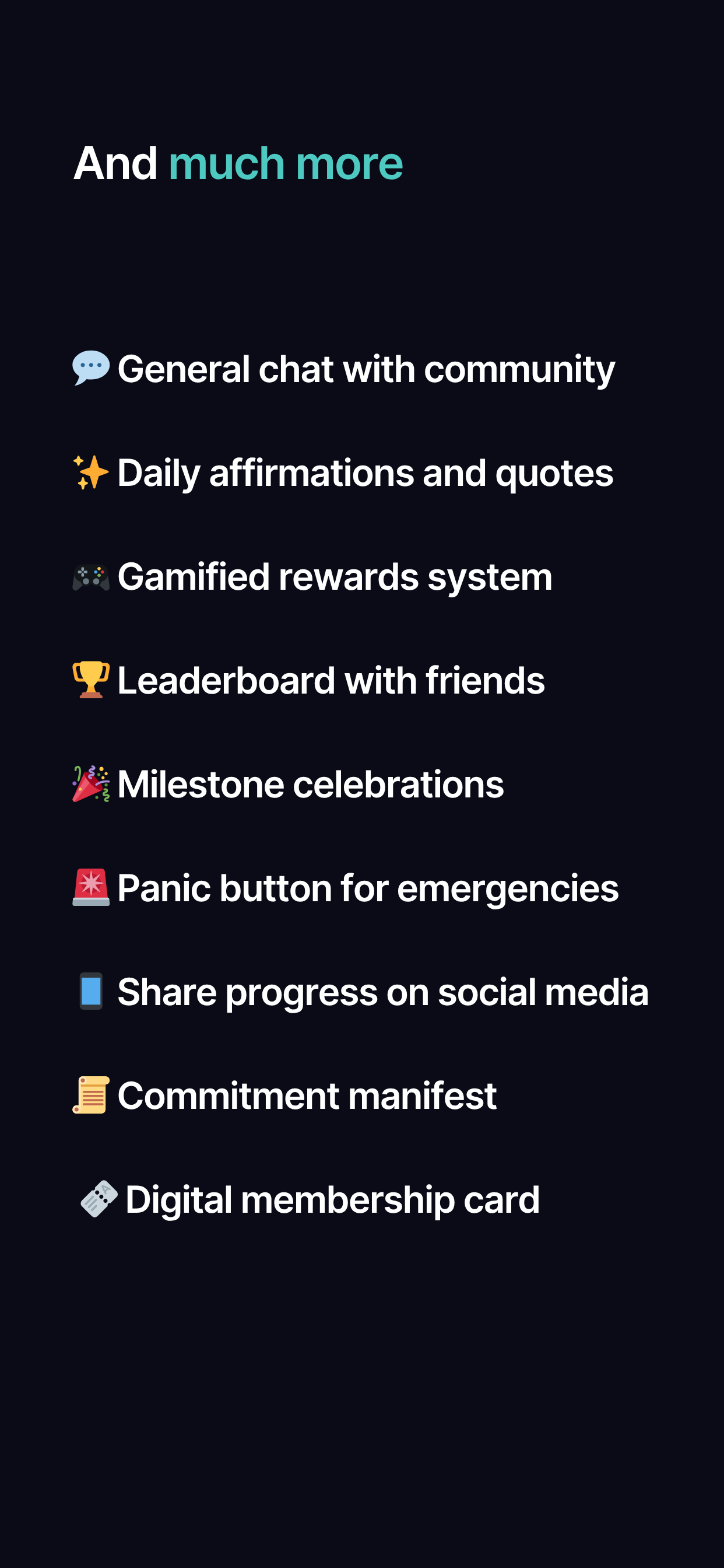
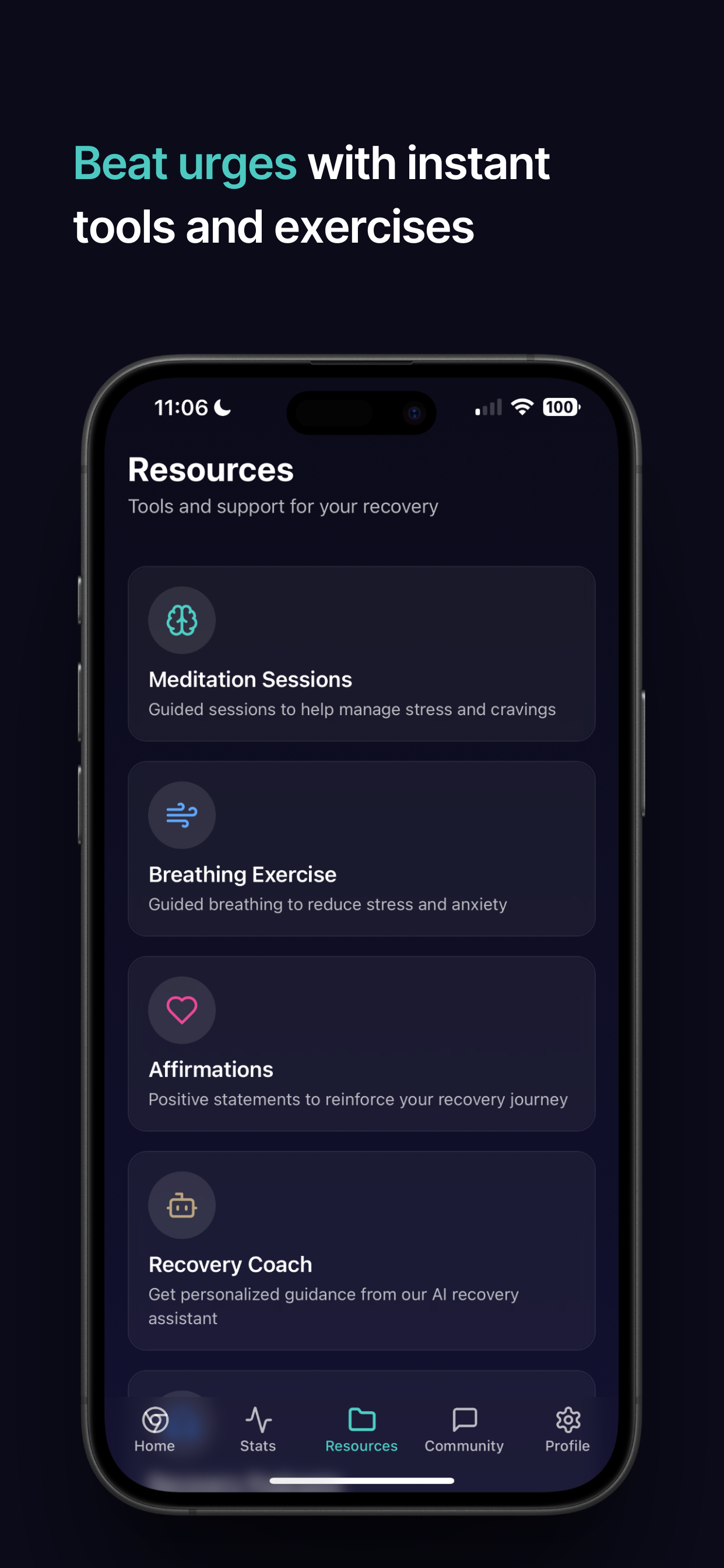
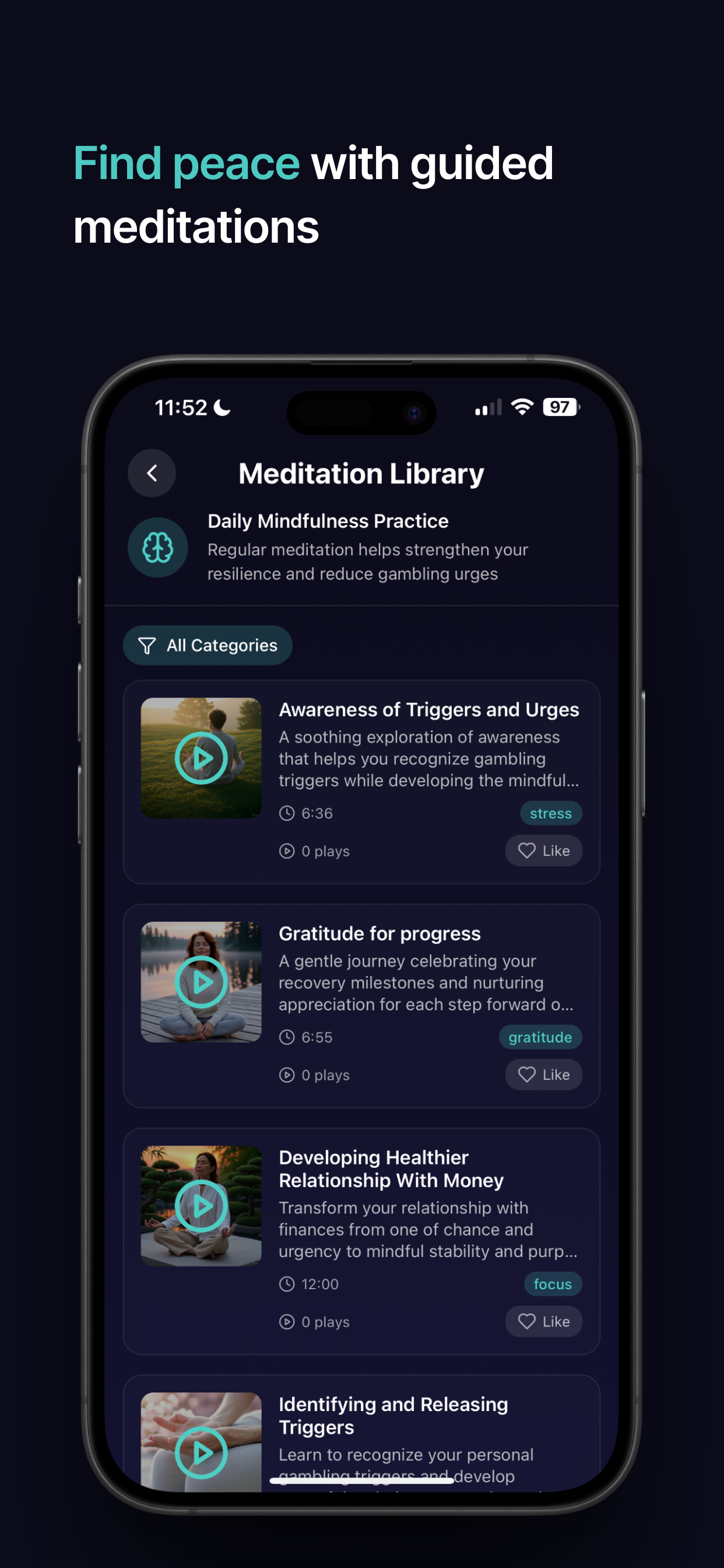
My comprehensive approach combines proven recovery methods with modern technology to address every aspect of quitting betting. The app features real-time freedom tracking where users can watch their recovery unfold second by second, seeing their bet-free streak and money saved grow in real-time. When cravings hit, there's an instant urge management toolkit with breathing exercises, meditation sessions, and coping strategies designed specifically for gambling urges - their panic button is always one tap away.
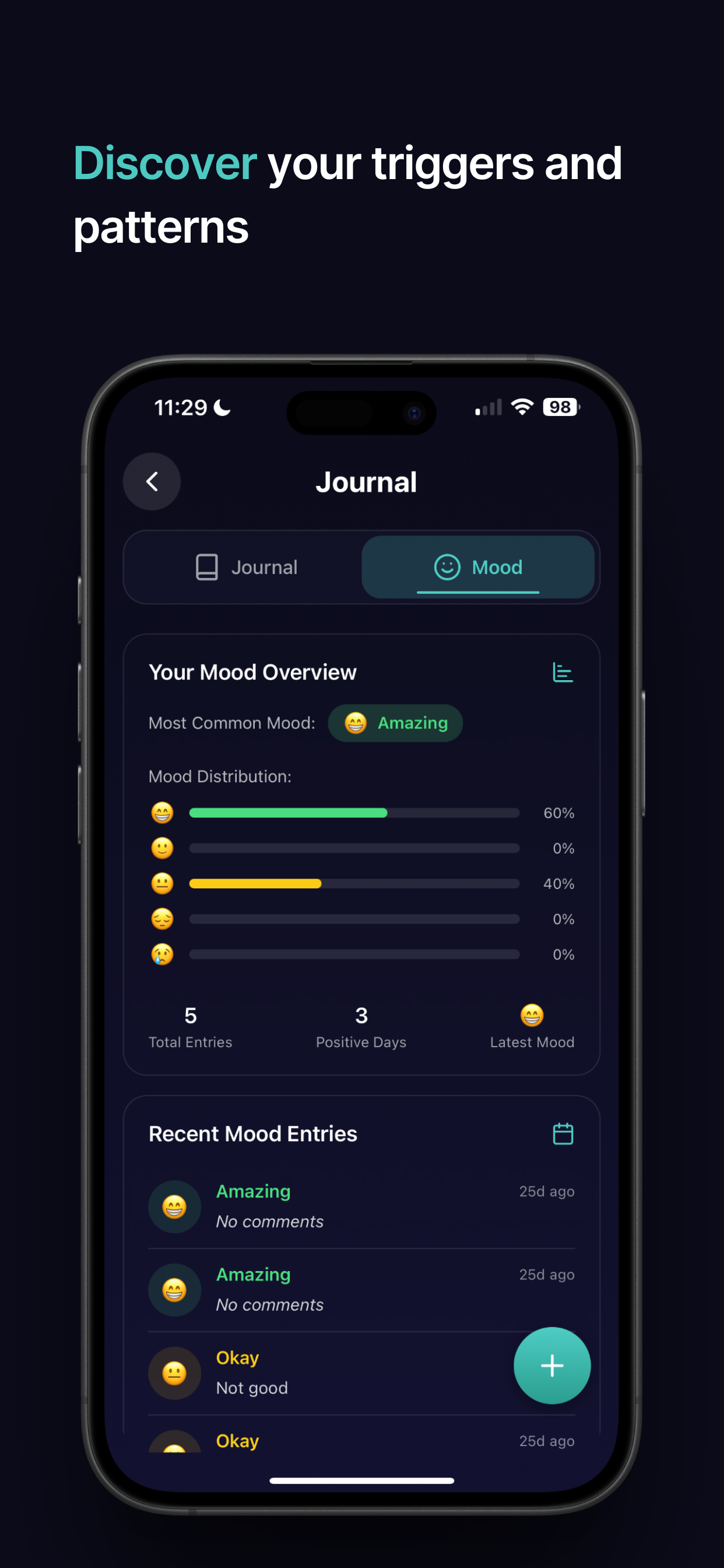
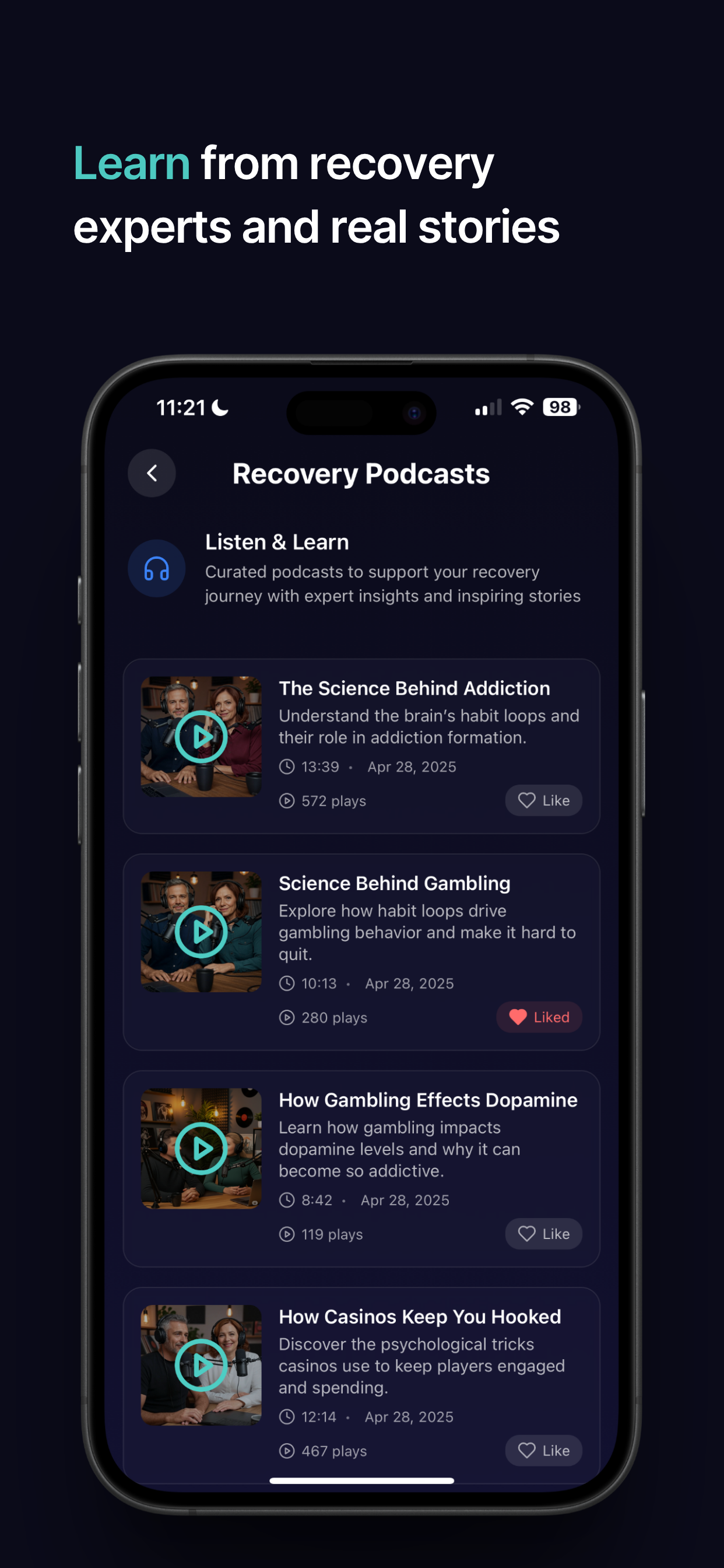
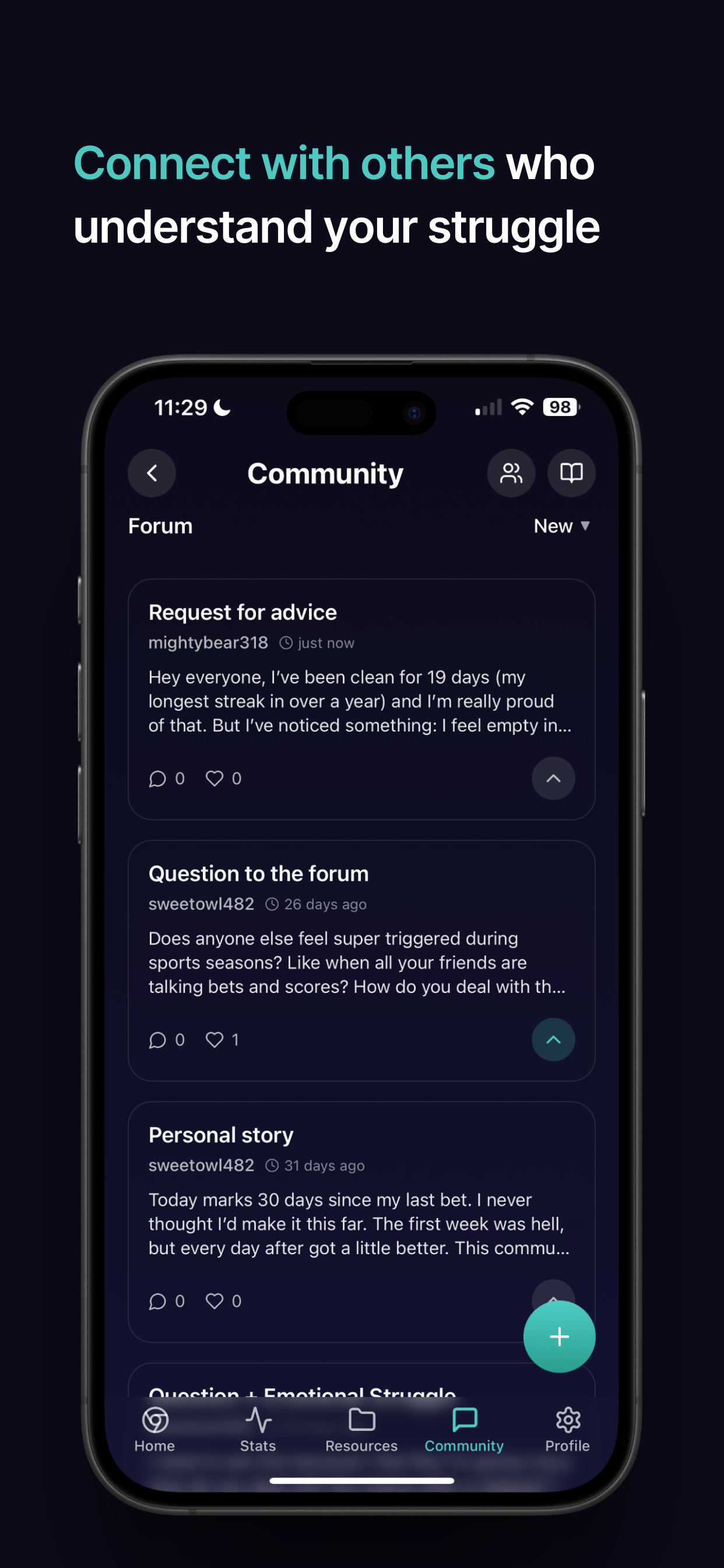
The app also includes an anonymous supportive community where people can connect with others who truly understand their struggle, comprehensive self-discovery tools through mood journaling to identify personal triggers, guided meditation and mindfulness sessions, expert recovery podcasts, and a gamified recovery experience with rewards and milestone celebrations. Complete anonymity is guaranteed through secure usernames, ensuring everyone's recovery journey remains completely private while still accessing full community support.
How we built it
My journey with Betless started in December when I built a first version using FlutterFlow. The product was honestly terrible - clunky, slow, and nothing like what I envisioned. I was frustrated but not defeated. That's when I decided to try something completely different. I turned to Bolt, an AI-powered development platform, and the results were incredible. The AI helped me rapidly prototype and iterate on features that would have taken me months to code manually. Within weeks, I had a sleek, intuitive app that actually felt like something people would want to use daily for their recovery journey.
Challenges we ran into
The biggest challenge I faced wasn't technical - it was human. Getting people to acknowledge they have a gambling problem is incredibly difficult. Addiction comes with shame, denial, and fear. Many potential users would download the app but never complete the onboarding process because admitting they need help felt too overwhelming.
The second major challenge was billing issues. Since we're dealing with people who struggle with financial control due to their addiction, processing payments became a nightmare. Credit cards would be declined, subscriptions would fail, and users would contact support in panic thinking we were another betting app trying to charge them. I had to completely rethink our monetization strategy to be more sensitive to our users' financial situations.
Accomplishments that we're proud of
I'm most proud of creating a safe space where people feel comfortable being vulnerable. Seeing messages in our community where someone shares they've been clean for 30 days, or when a user tells me the panic button feature saved them from a major relapse - those moments make every sleepless night worth it.
I'm also proud of maintaining complete anonymity while still fostering genuine connections. Building trust with people who've been hurt by predatory gambling apps wasn't easy, but we've created something different. Users regularly tell me they feel understood here in a way they don't anywhere else.
What we learned
I learned that building for addiction recovery isn't just about features and functionality - it's about understanding trauma, shame, and the complex psychology of addiction. Every design decision has to consider whether it might trigger someone or make them feel judged.
I also learned that sometimes the most powerful technology is the simplest. Our panic button is literally just a big red button that opens breathing exercises, but users tell me it's saved them thousands of dollars and countless hours of regret. Sometimes what people need isn't complex algorithms - they need something that makes them feel less alone in their darkest moments.
What's next for Betless: Quit Betting
I'm working on partnerships with addiction counselors and therapists to offer professional support within the app. Too many people can't afford therapy, but they deserve professional guidance in their recovery journey.
I'm also developing a family support feature where loved ones can offer encouragement without invading privacy. Addiction affects entire families, not just the individual, and I want to help heal those relationships too.
Finally, I'm planning to expand beyond just gambling addiction. The framework we've built could help people overcome other destructive habits. My dream is to create a whole ecosystem of recovery apps that make getting help as easy as falling into bad habits used to be.
Built With
- bolt
- expo.io

Log in or sign up for Devpost to join the conversation.