-
-
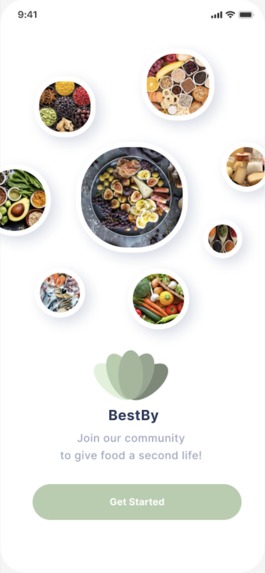
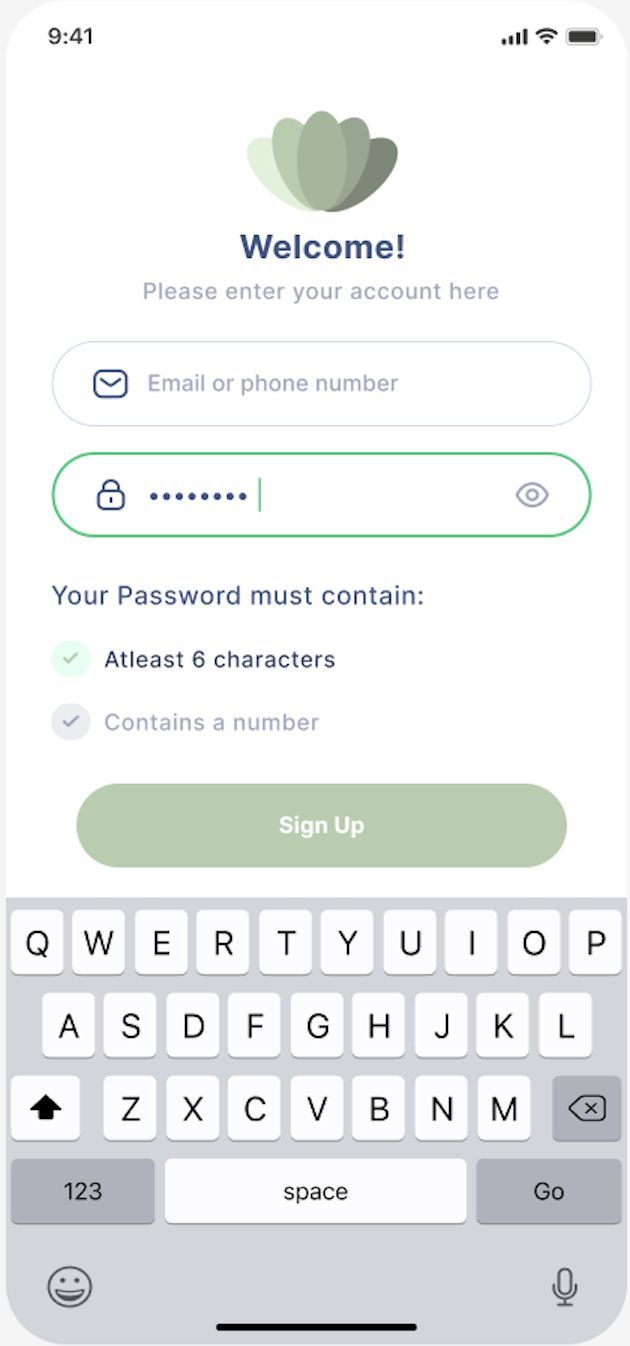
Onboarding
-
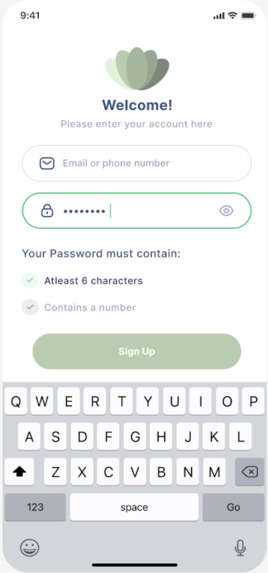
Signing up
-
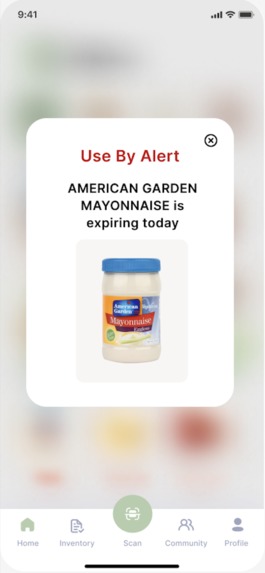
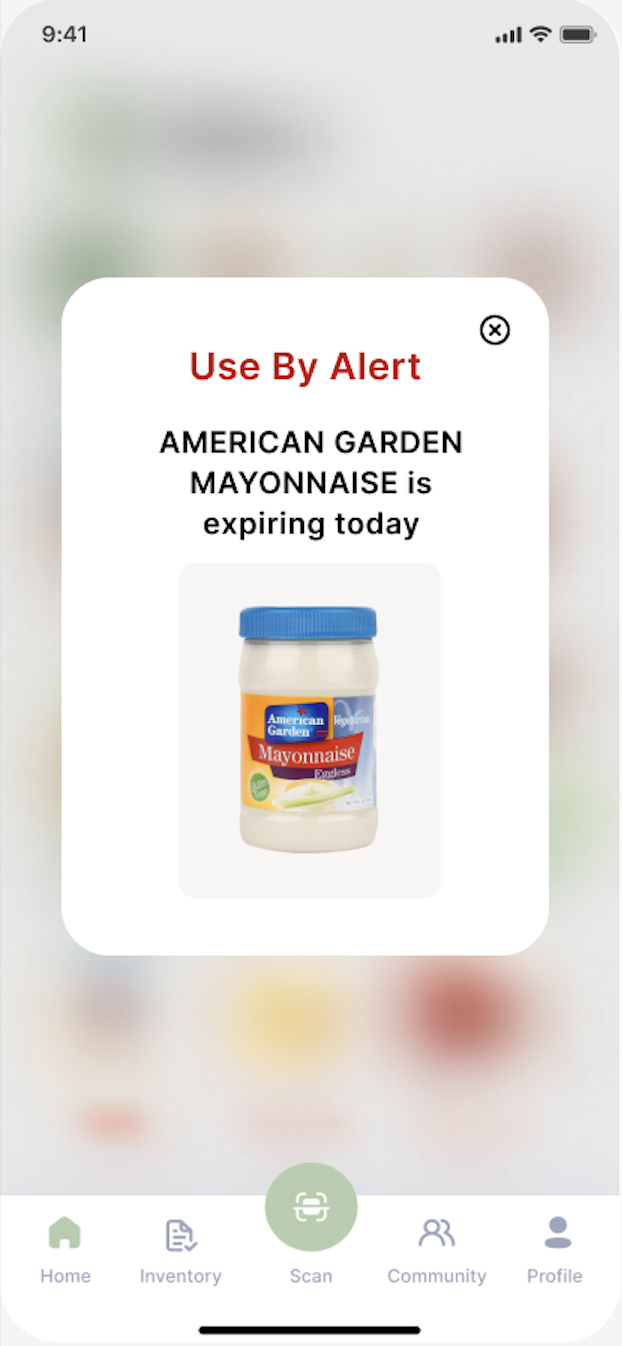
Alert
-
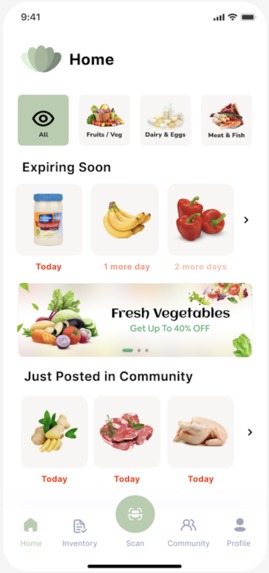
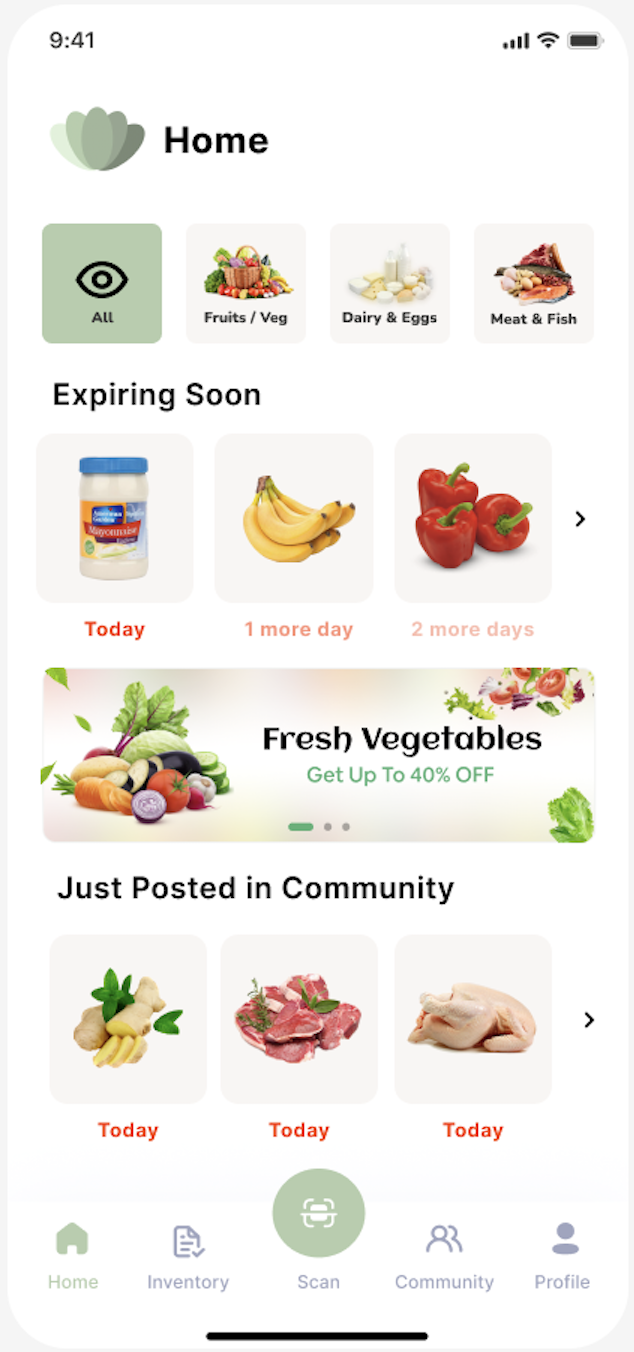
Home Page
-
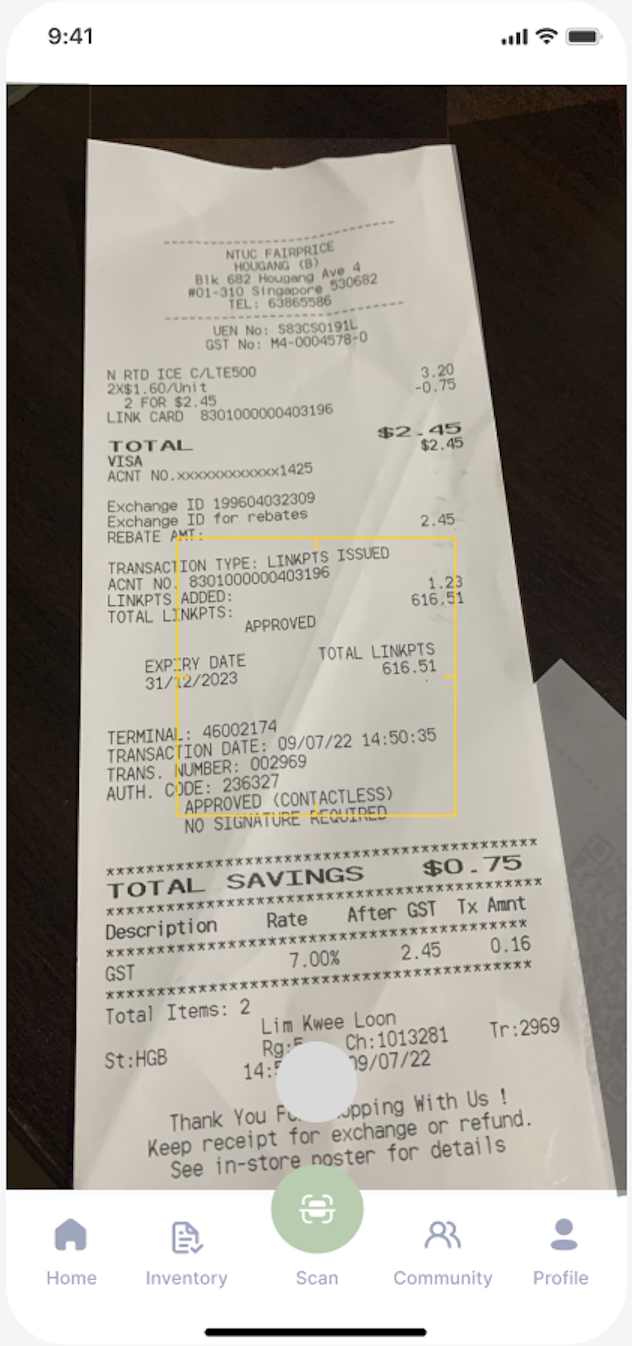
Optical Character Recognition
-
Community Forum
-
Free Food Offering
Inspiration
A half-finished forgotten milk carton in one of our group member’s refrigerator one morning which was accompanied with a rancid odour reflects one of the common issues households face when it comes to food management.
Discarding food due to the lack of keeping track of the amount of food bought and their expiry dates is a bigger problem than it seems - it accounts for more than half of Singapore households’ ‘avoidable’ food waste and about S$342 million of food wasted by households every year. Many people are unaware of the proper ways to store specific food items to prolong its freshness and even tend to forget about their purchases, resulting in high volumes of food going to waste at the back of refrigerators and pantries. As such, we decided to create an application that would tackle this issue to reduce the amount of unnecessary food wasted by households.
What it does
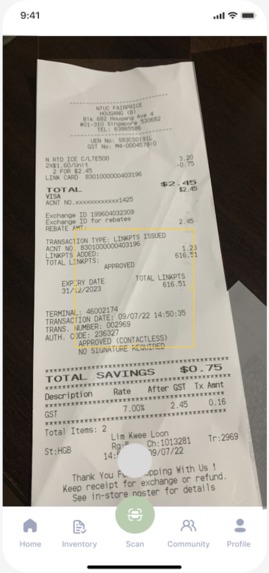
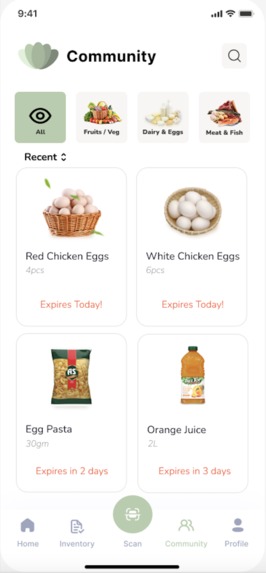
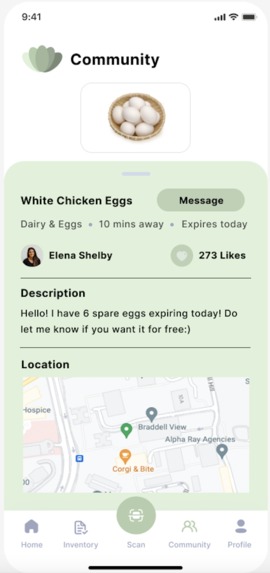
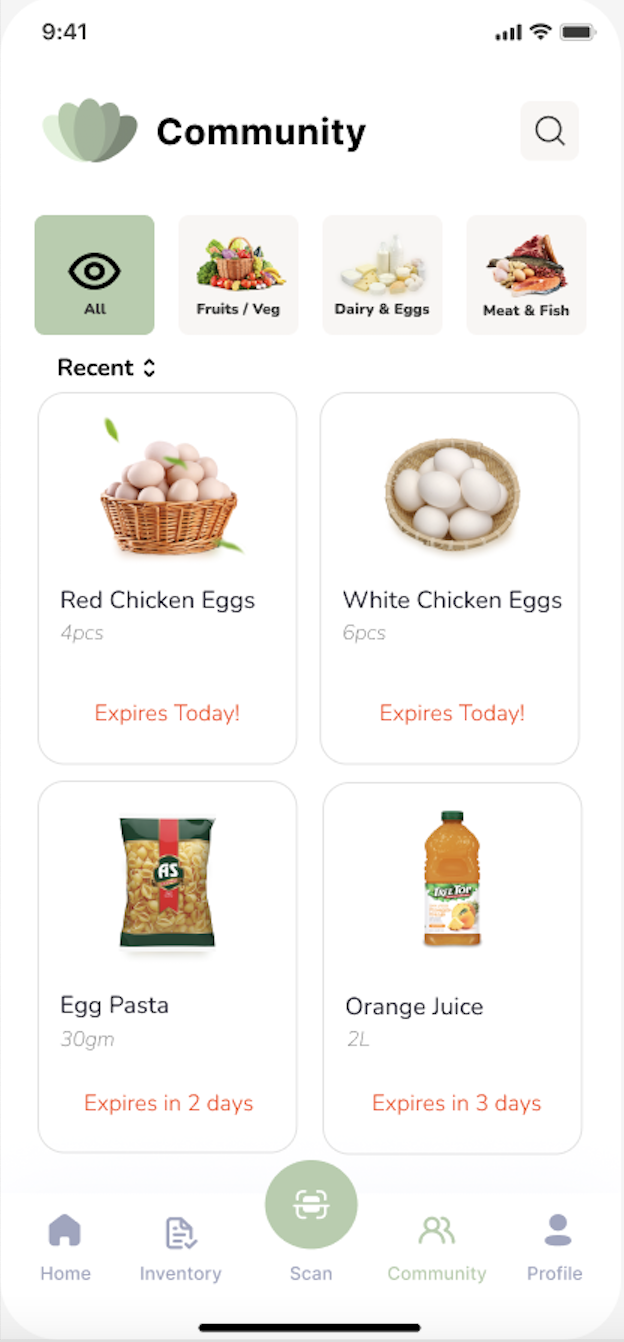
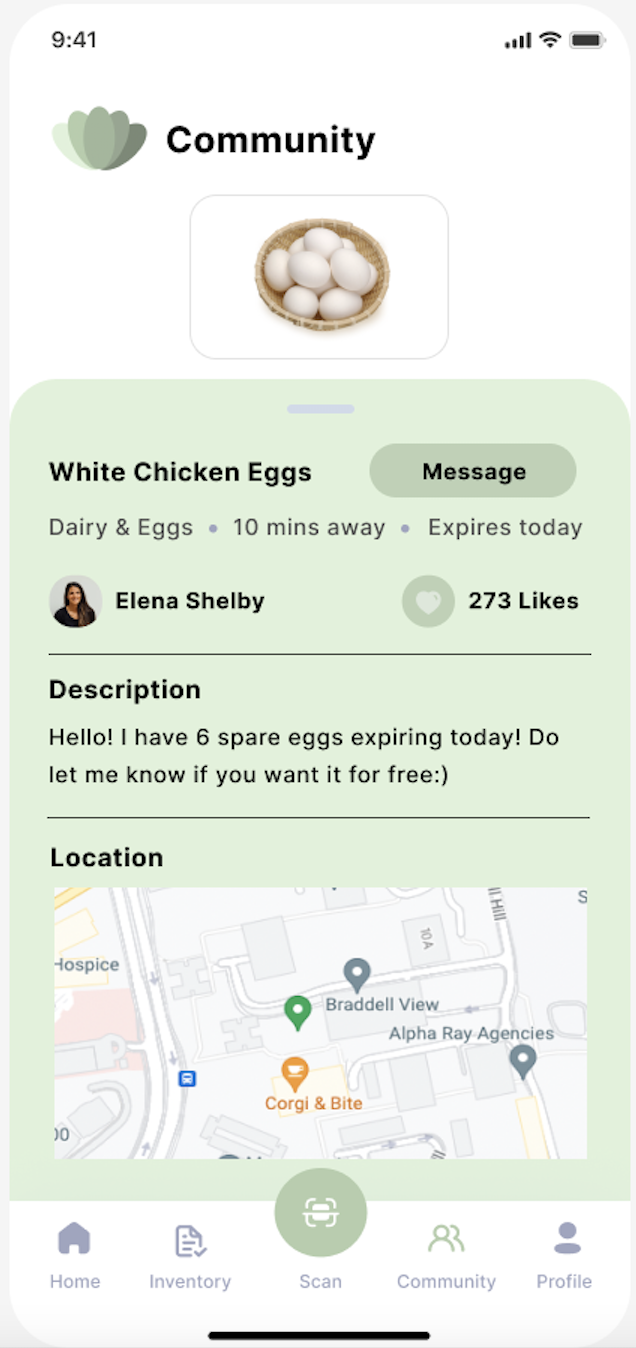
The Initial stages of the BestBy application utilises a BestBy Telegram bot, which scans receipts to obtain the list of food items purchased through Optical Character Recognition (OCR). This information along with their respective “Best By” dates will be incorporated into our application through our Regular Expression Algorithm to sort out and send reminders to users when their food items are on the verge of expiring, so as to keep the user actively informed in order to minimise food wastage. In addition, BestBy provides a community feature for users to give away excess food that are reaching their expiration dates.
Keeping our long term go-to-market plan in mind, BestBy will initially be based on a telegram bot to gather and strengthen our initial user base, upon which, users will be able to onboard into the BestBy app which brings into play a wider range of product offerings including recommendations to educate users on the ideal food storage methods for specific food items to prolong their freshness, and recipes that make use of leftover food that they have. Therefore, this reduces the amount of unnecessary food waste produced by households and individuals, all while being a simple and easy-to-use platform for all.
How we built it
Once the problem statement was released, we brainstormed countless ideas before settling for one that we felt was able to help us step out of our comfort zone. We split into two teams - one focused on the frontend development and the other focused on the backend implementation.
The frontend team designed an interactive wireframe using Figma to visualise how the user journey would look to succinctly illustrate the ease of use of our application - BestBy. As for the backend team, we made use of the available Telegram APIs to code an Optical Character Recognition (OCR) bot that was customised to reading receipts through the use of regular expressions (REGEX).
Challenges we ran into
We tried to host the bot on Heroku, however, none of us had prior experience using it. We faced issues during the installation process and had to troubleshoot every now and then before no error messages popped out. Even after deploying the bot, we had issues connecting to it.
While implementing the code for the bot, we also had to carry out a lot of trial and error and a huge amount of debugging work before we were able to come up with a functioning bot. It was also difficult to get the bot to identify each row of food items bought on the receipt, which ultimately took up a bulk out time. All in all, it was still a valuable experience for us and we appreciate the host of learning opportunities to apply our skills.
In the future, we anticipate that there will be more complex receipts instead of generic ones with only a few items. Hence, we will have to edit our code to be able to handle receipts of various types. Furthermore, we will also need to implement more concrete data management strategies, especially if we are going to be handling huge volumes of data.
Accomplishments that we're proud of
An achievement we were proud of is the little wins throughout the sleepless night we had. Our endeavour began with numerous rounds of consolidation and trying to establish a concrete solution. There were many hurdles throughout the duration of the hackathon, from being able to decide on the most effective process flow to ensuring the operational functionality and viability of our product. But as we overcame each hurdle together, the rest proved to be easier to overcome. It allowed us to be able to take a step back and get a solid picture and idea of our products' scalability, go-to-market and expansion plans in the long term, as of course, there is only so much we can effectively achieve in 24 hours.
During the initial phase of the hackathon, we were certain that validation was critical for us to understand and assess the stickiness and demand of our product. We conducted interviews with 12 individuals consisting of family and friends to get an external perspective of our approach towards this problem. Majority of them shared similar sentiments to us in our pursuit to tackle this issue and this proved to be our greatest source of motivation. Being able to work towards something from scratch that potential users look forward to is a rigorous yet refreshing endeavour that we together as a team gladly took upon.
What we learned
An astonishing $342 million worth of food is disposed of by households annually yet little has been done to resolve this critical issue. Throughout the duration of this competition, we also picked up a myriad of essential skills such as natural language processing and the creation of telegram bots during the catered workshops which we used for this project. In addition, we also picked up Optical Character Recognition (OCR) to help facilitate the analysis of text through images via our telegram bot. With our simplified prototype as well as our upcoming application, we hope to bring more limelight to this pressing issue and encourage Singaporeans to cultivate a habit of reducing food wastage.
What's next for BestBy by Team OCTAC
In the near future, we plan to come up with a business model to help fund various initiatives to reduce food wastage. Additionally, we plan to integrate our application with external partners such as NTUC or Sheng Shiong to raise awareness and provide an alternative solution to curb food wastage. Lastly, we plan to expand into the fintech industry and possibly help users to plan and save on their meals wisely while adopting a healthy lifestyle.
Built With
- figma
- heroku
- natural-language-processing
- optical-character-recognition
- python
- telegram


Log in or sign up for Devpost to join the conversation.