-
-
4
-
7
-
5
-
1
-
2
-
8
-
3
-
6
-
9
Besh: Proactive AI Voice Triage for Post-AMI Care
Elevator Pitch: 20% of post-heart attack patients are readmitted within 30 days. Besh is a proactive AI voice agent that calls patients, conducts a 60-second clinical triage, and sends structured SOAP notes to doctors. Zero apps required.
Inspiration
The digital health market is flooded with passive tracking apps. But we realized a hard truth: expecting a 70-year-old post-heart attack patient with low digital literacy to download an iOS app, navigate menus, and log their symptoms daily is a clinical fantasy. The care gap between hospital discharge and the 30-day follow-up is where patients slip through the cracks and hospital readmission penalties skyrocket. We wanted to kill the "blank text box" and meet patients exactly where they are—on a simple phone call.
What it does
Besh is a proactive, automated voice triage system that bridges the gap between patient reality and clinical oversight.
- Proactive Check-ins: Instead of waiting for data, Besh initiates a daily phone call to the patient.
- Dynamic Interrogation: Using Azure OpenAI, the agent doesn't ask generic questions. It reviews yesterday's data and asks highly targeted questions (e.g., "Yesterday your ankles were swollen, is the swelling worse today?").
- Deterministic Risk Scoring: We decoupled medical decision-making from the LLM. The AI only extracts data; our hardcoded, deterministic rule engine flags the patient as Red, Yellow, or Green based on clinical guidelines.
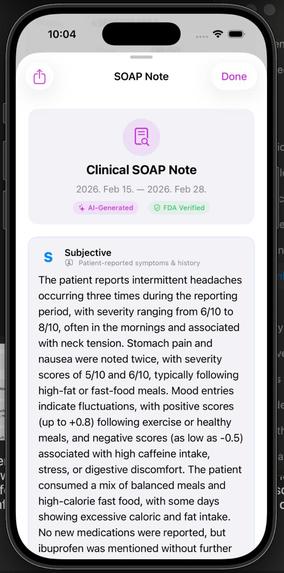
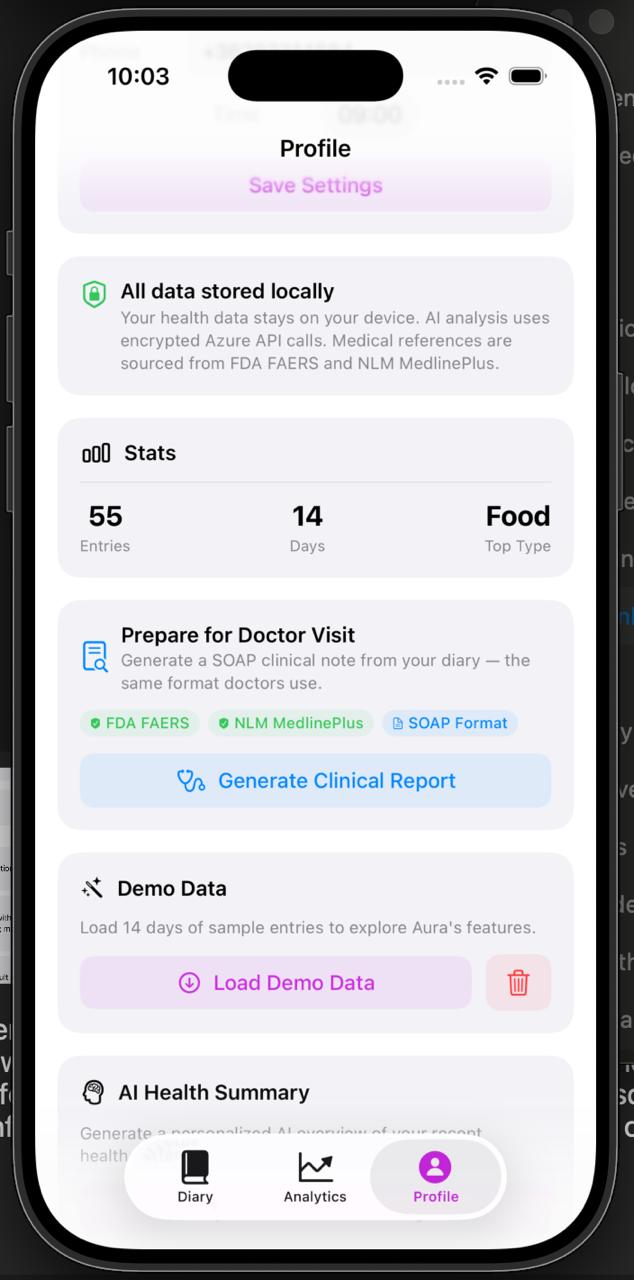
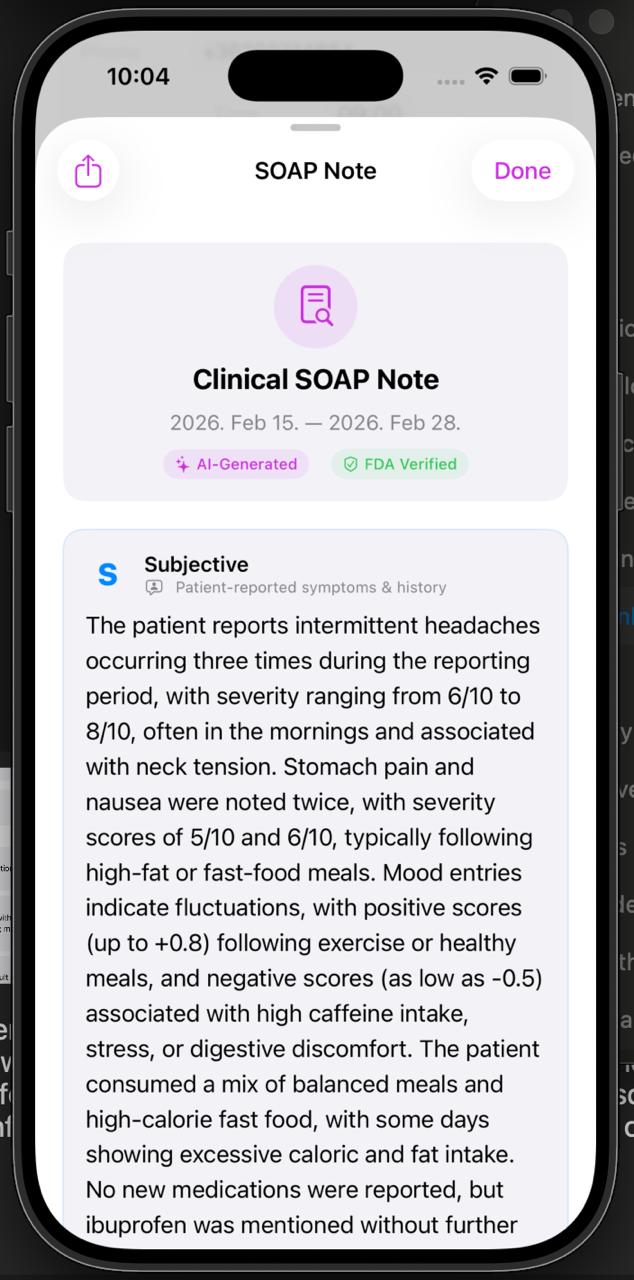
- Clinician Dashboard: Doctors receive a prioritized list of patients and a structured, AI-generated SOAP note, cutting out the noise and highlighting immediate risks.
How we built it
We built Besh with a focus on speed, compliance, and clinical safety:
- Telephony Layer: We integrated Twilio voice webhooks to handle the actual phone calls.
- AI & Parsing (The Azure Stack): We utilized Azure Speech-to-Text to transcribe the patient's voice in real-time. The transcript is fed into Azure OpenAI (GPT-4o) via strict System Prompts to output a clean JSON object containing extracted symptoms, severity, and medication adherence.
- Backend: A Node.js/Express server orchestrates the API calls and runs the deterministic risk engine.
- Frontend: A clean, Vanilla JS / HTML dashboard tailored for a care coordinator's workflow, visualizing the JSON into a readable SOAP format.
Challenges we ran into
- Voice Latency: Chaining Twilio, Azure Speech, and Azure OpenAI initially created a 5-second delay before the AI responded, which confused users. We optimized our prompts, switched to smaller token generation limits, and utilized streaming to get latency under 2 seconds.
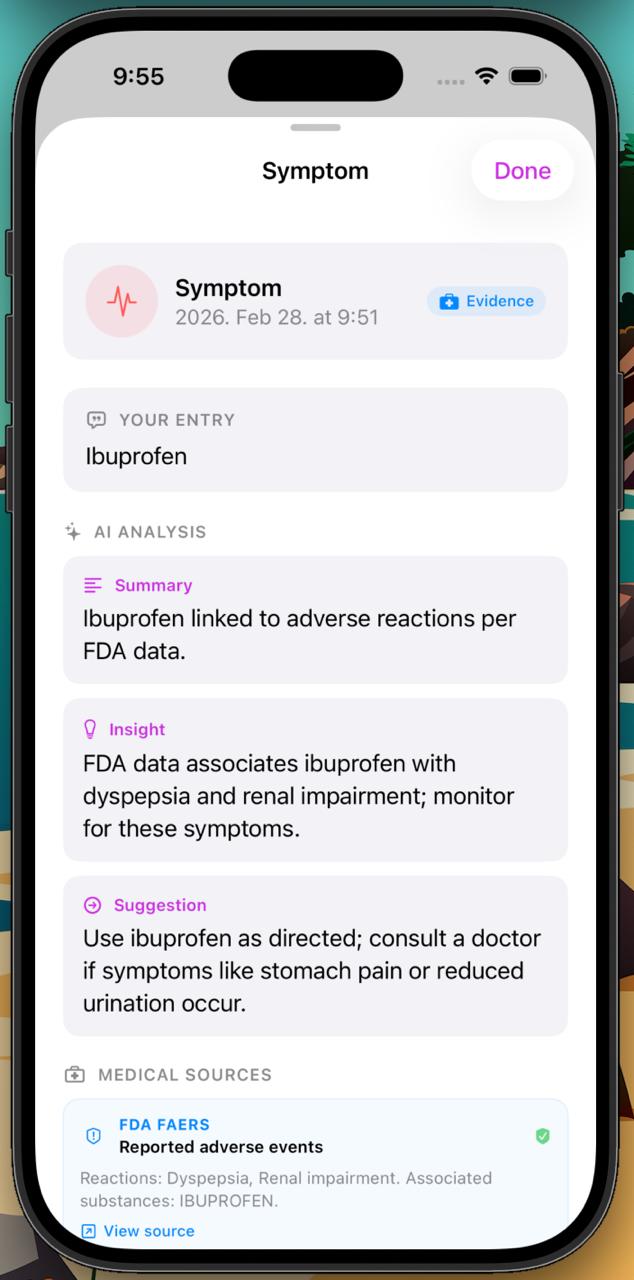
- AI Hallucinations: Early iterations of the LLM tried to give patients medical advice. We had to ruthlessly engineer our system prompts to restrict the model strictly to data extraction and prevent any diagnostic output.
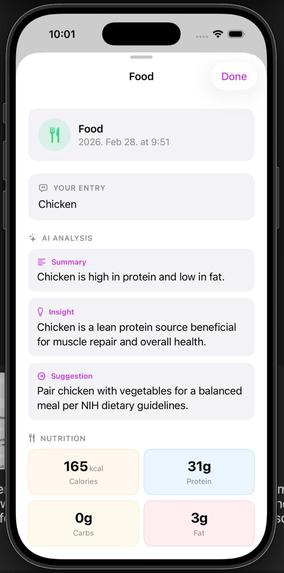
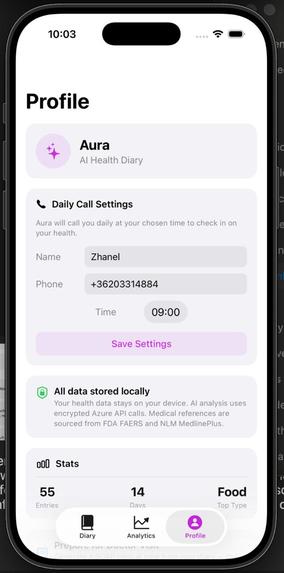
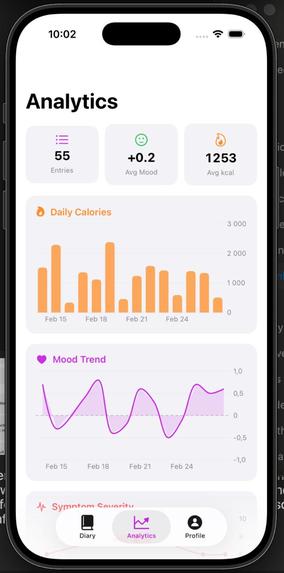
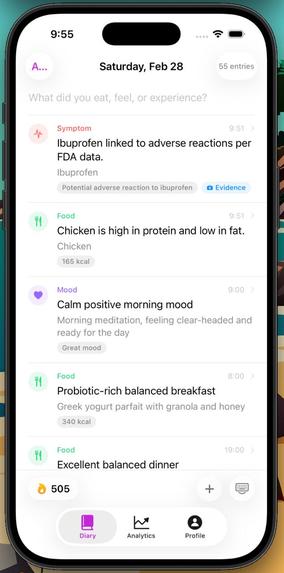
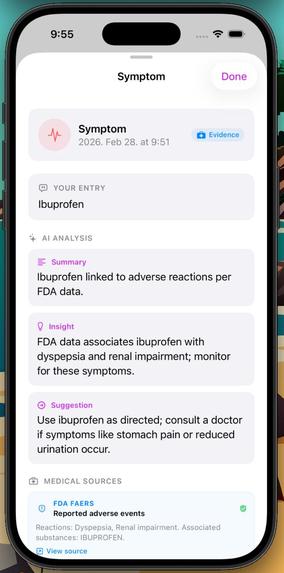
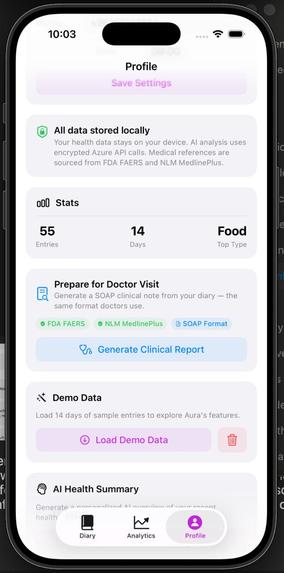
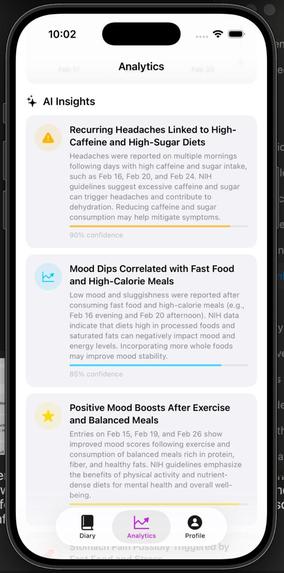
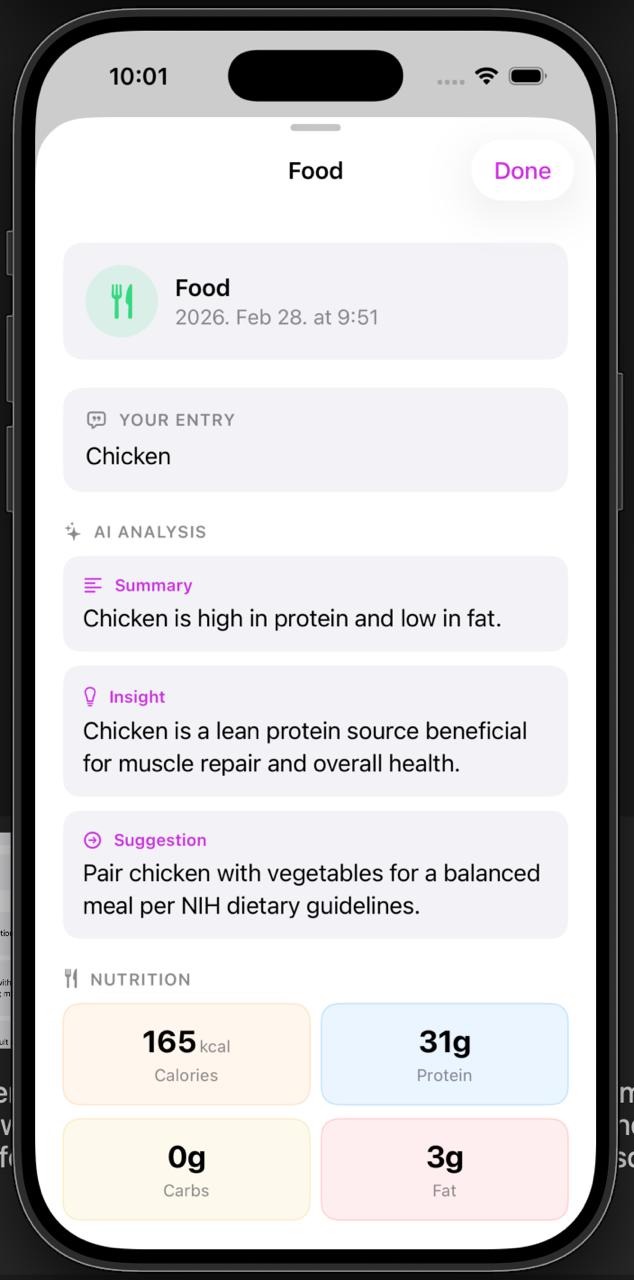
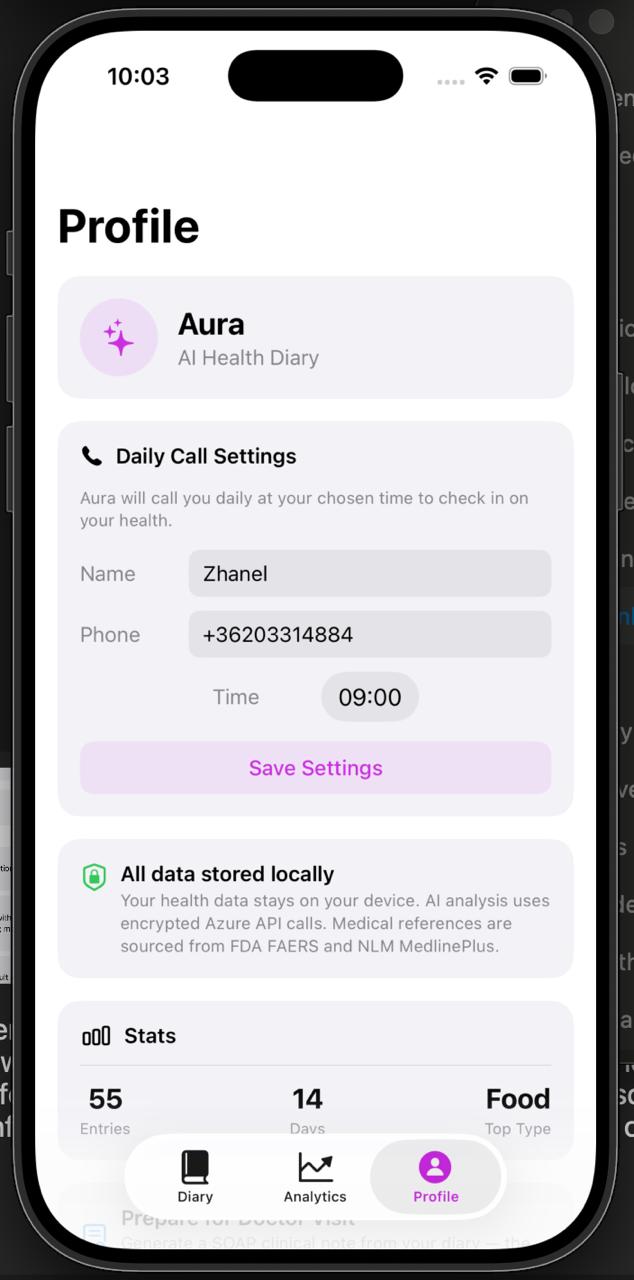
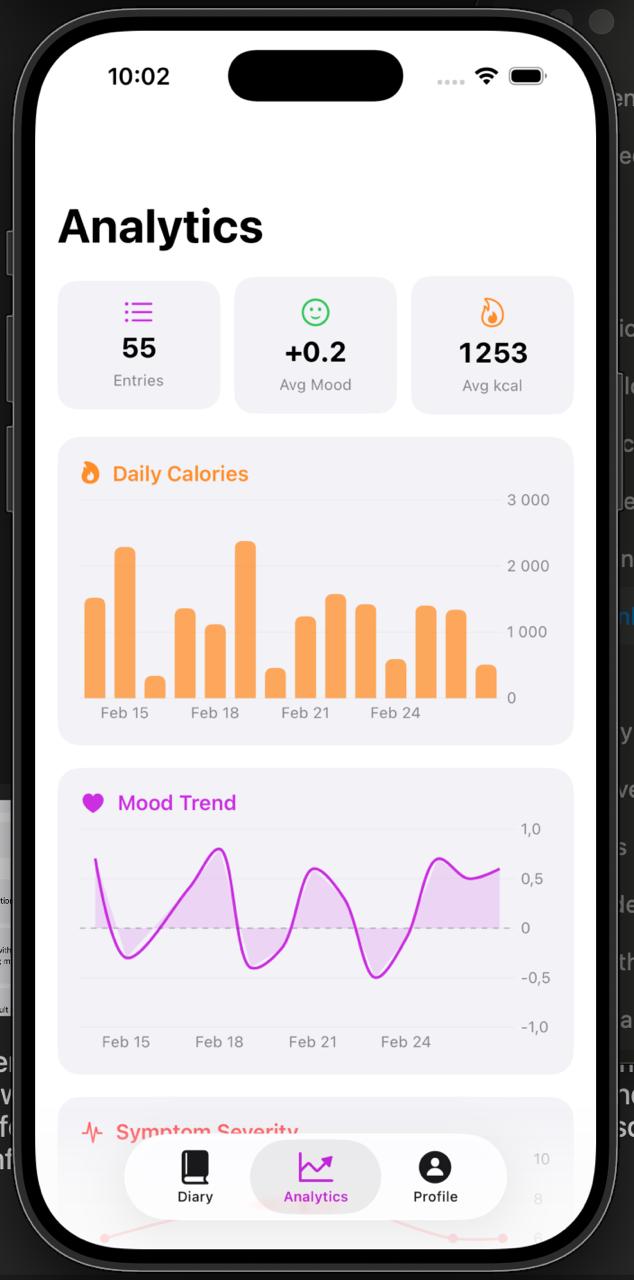
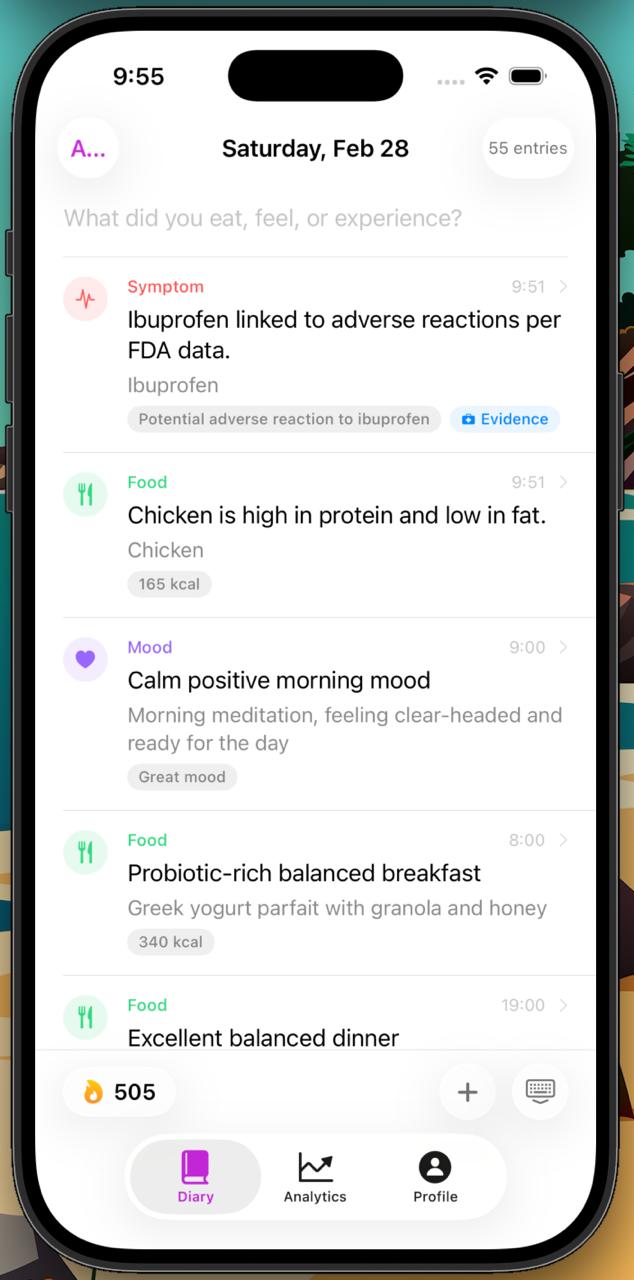
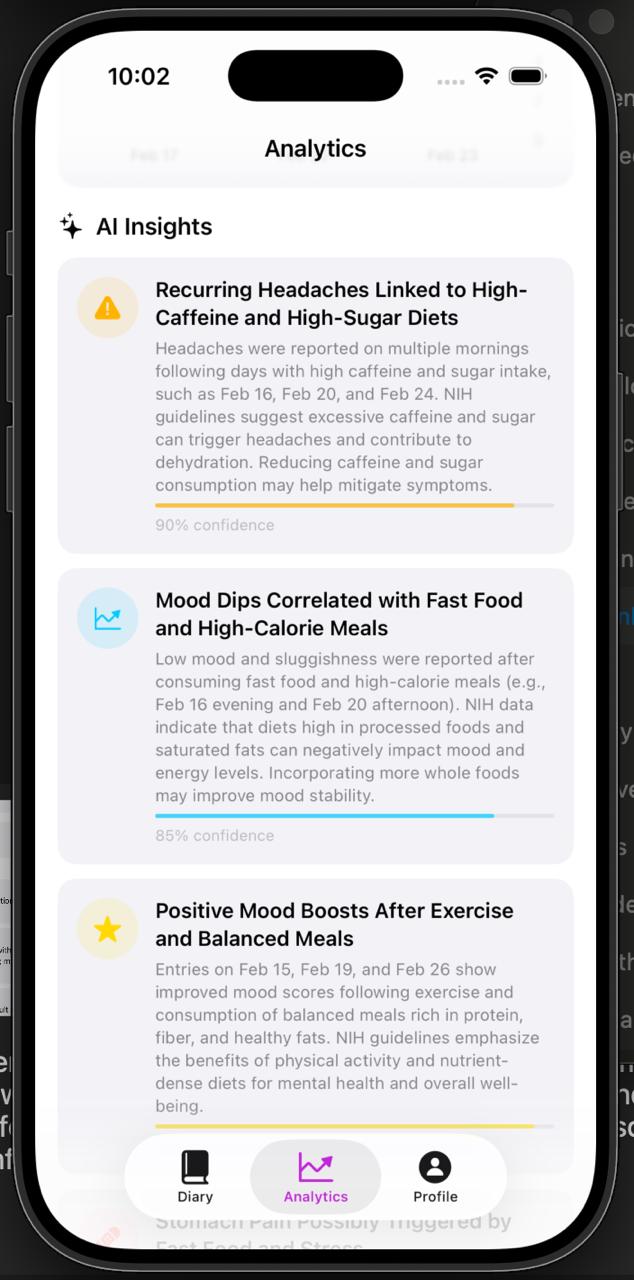
- The Pivot: We originally built a complex iOS diary app. Halfway through, we realized it completely alienated our target demographic (elderly cardiac patients). We made the difficult decision to scrap the front-end app entirely and pivot to a 100% voice-telephony model.
Accomplishments that we're proud of
- Zero-Friction UX: We completely eliminated the need for patients to learn a new UI, remember passwords, or type on small screens.
- SaMD Compliance Awareness: By separating the LLM data extraction from the deterministic risk-scoring logic, we built an architecture that respects Software as a Medical Device (SaMD) regulatory boundaries.
- Bulletproof Demo Mode: We engineered a fail-safe bypass in our backend that allows us to run clinical data simulations without hitting live API rate limits during our pitch.
What we learned
We learned that in healthcare technology, AI must be strictly bounded. LLMs are incredible at parsing unstructured human anxiety into structured JSON data, but they are dangerous if allowed to assess risk. We learned that the best user interface for a sick patient is no interface at all.
What's next for Besh
- EHR/FHIR Integration: Integrating our structured JSON outputs directly into Epic and Cerner via HL7/FHIR standards so doctors don't have to log into a separate dashboard.
- Acoustic Biomarkers: Expanding our Azure voice analysis to detect breathlessness or coughing as objective data points for Heart Failure and COPD patients.
- Multilingual Support: Deploying Azure's translation services to conduct daily check-ins for non-English speaking patients, a massive pain point in urban hospital readmissions.


Log in or sign up for Devpost to join the conversation.