-
-
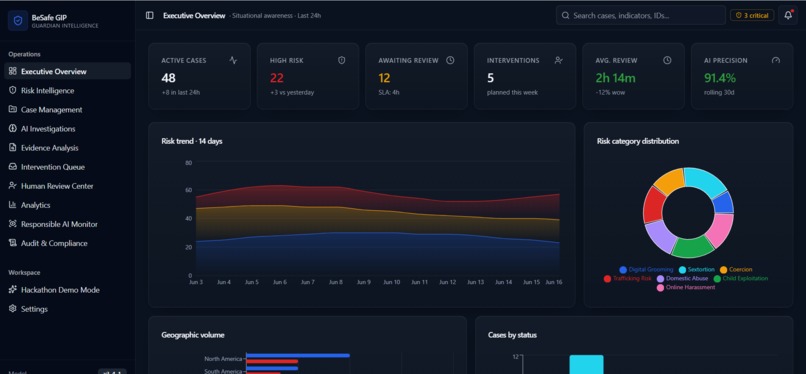
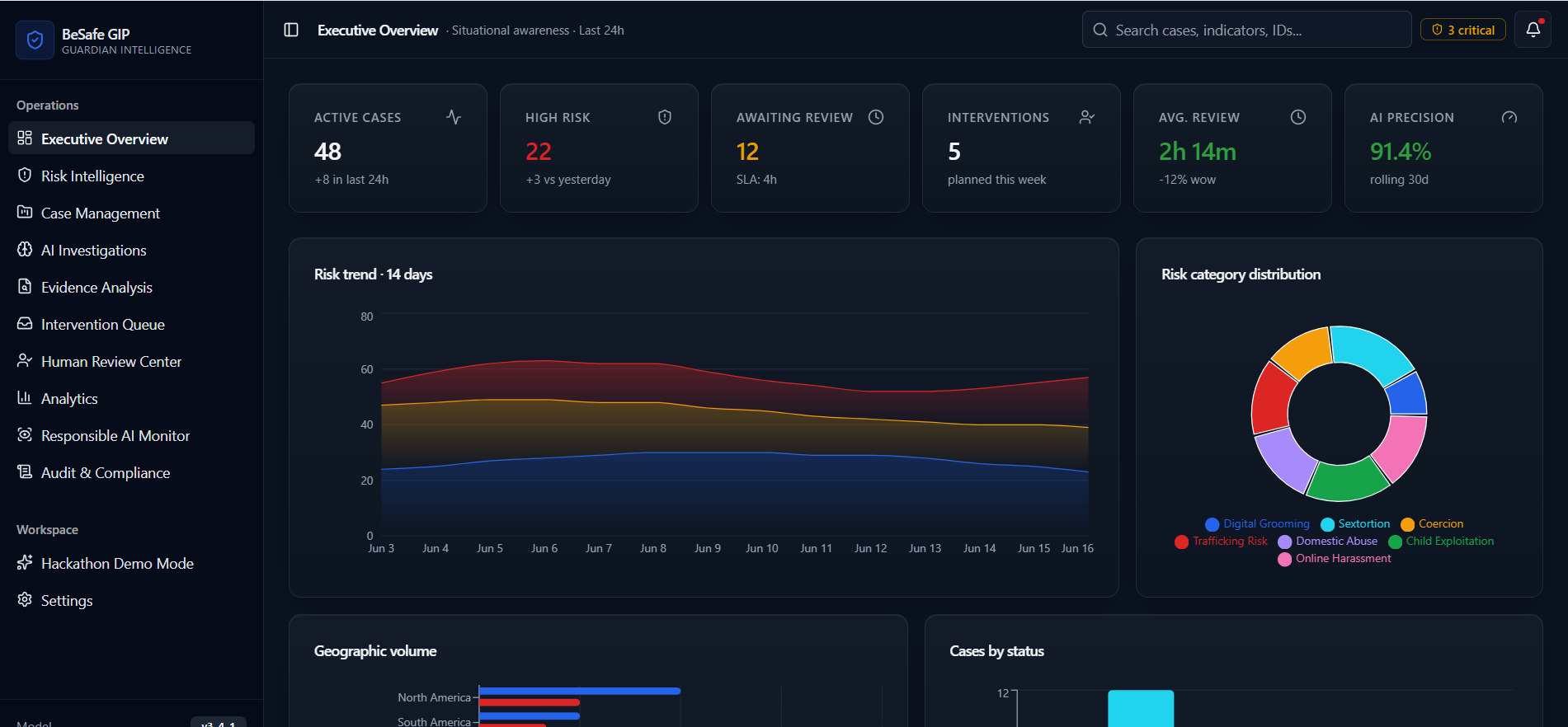
The Security Organization Executive overview panel of Incoming physical and digital threats
-
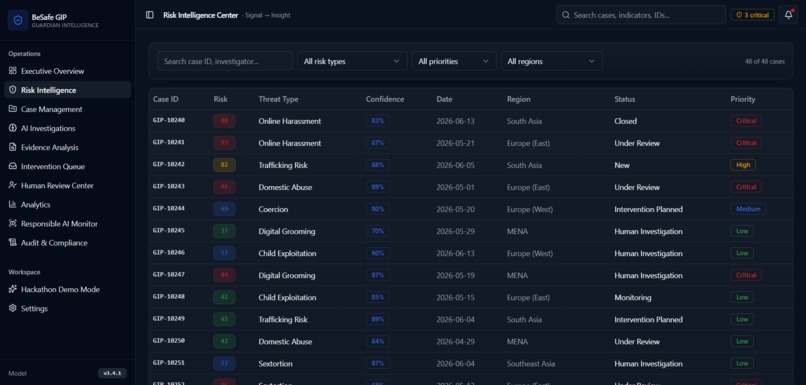
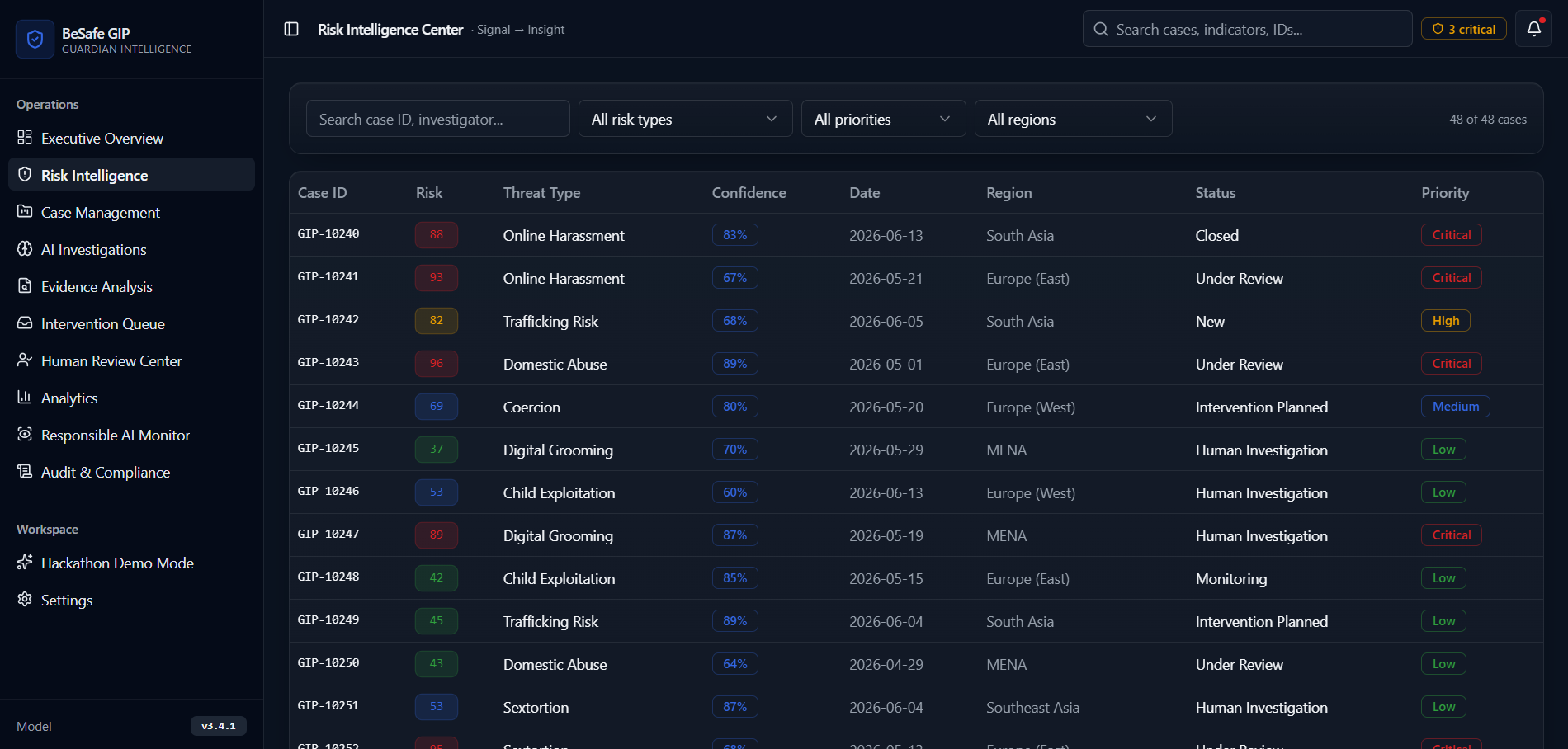
The Security Organization Risk Intelligence panel
-
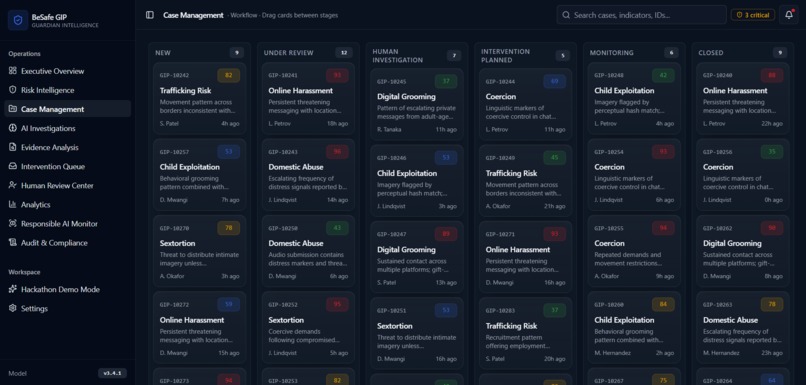
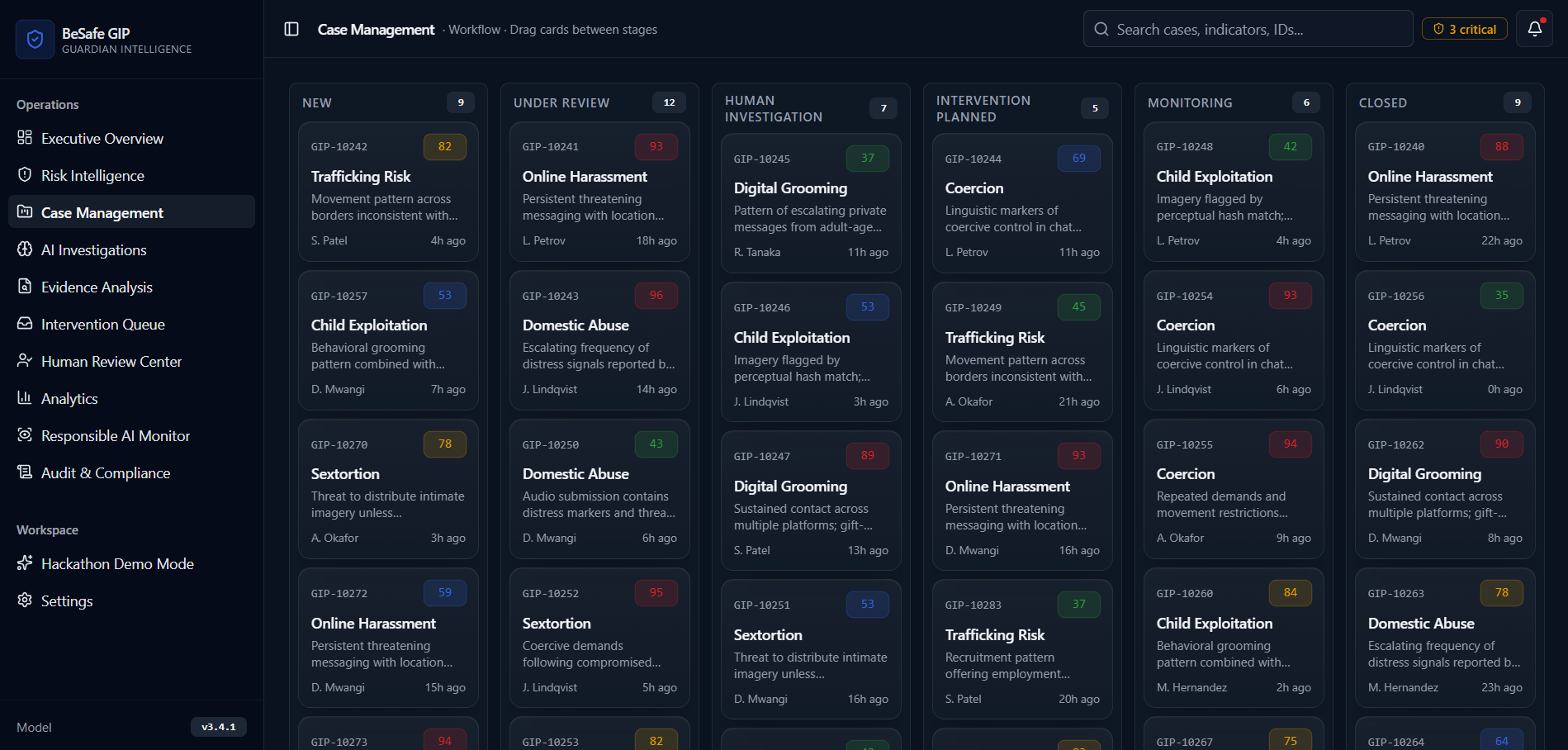
The Security Organization Case Management Panel
-
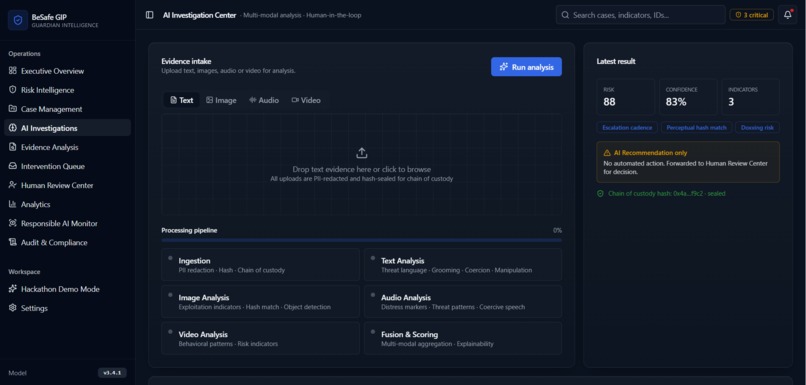
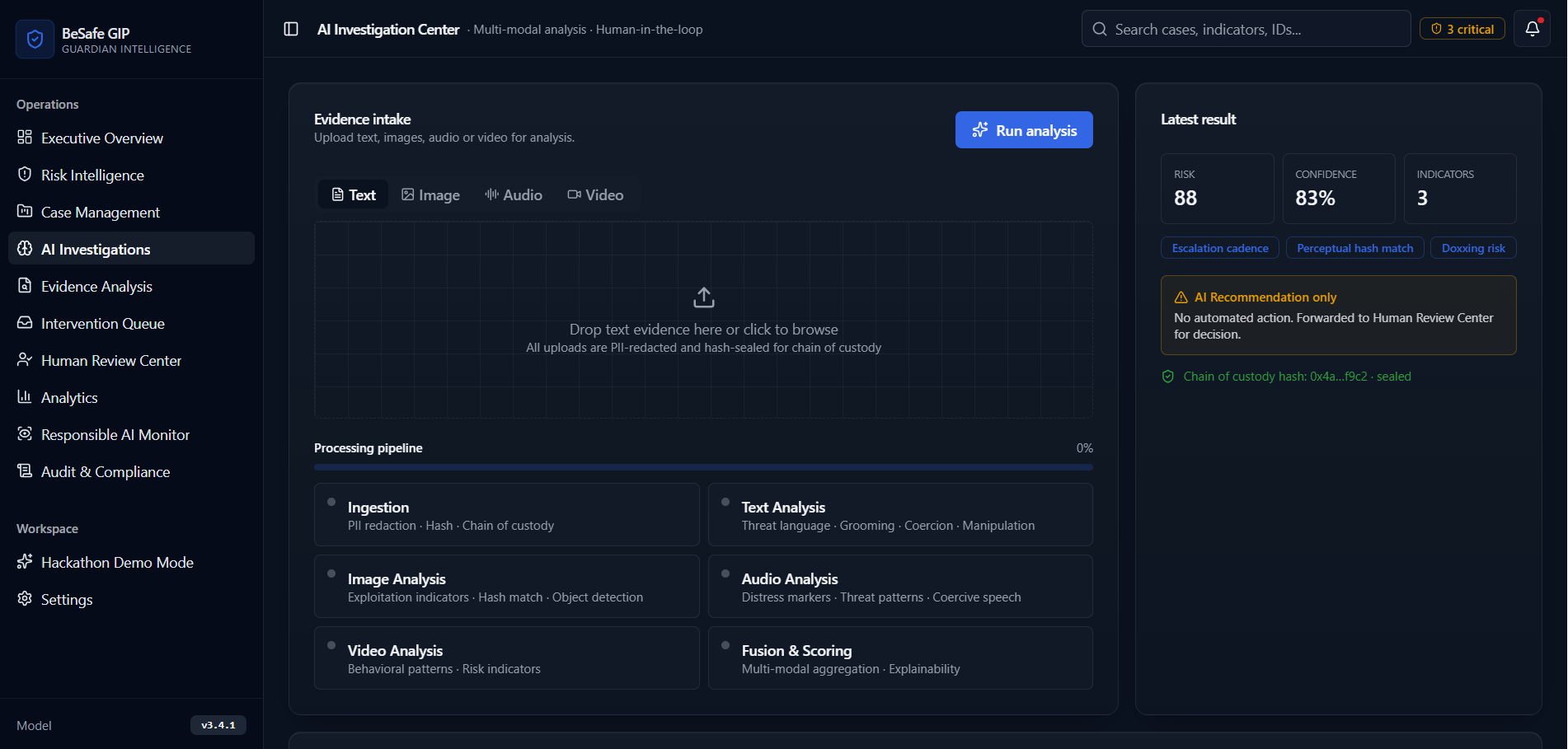
The Security Organization AI investigations Panel
-
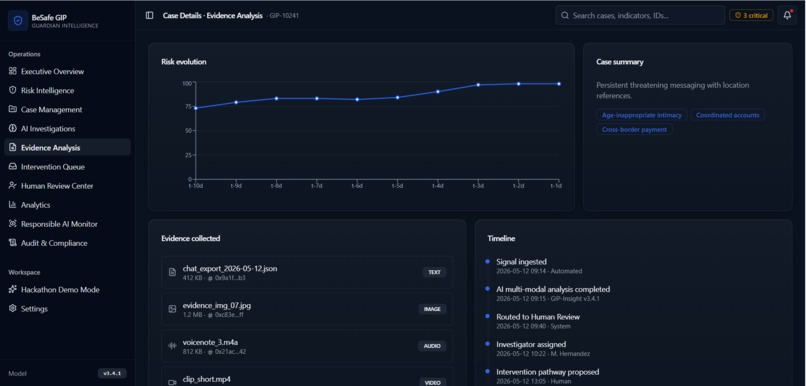
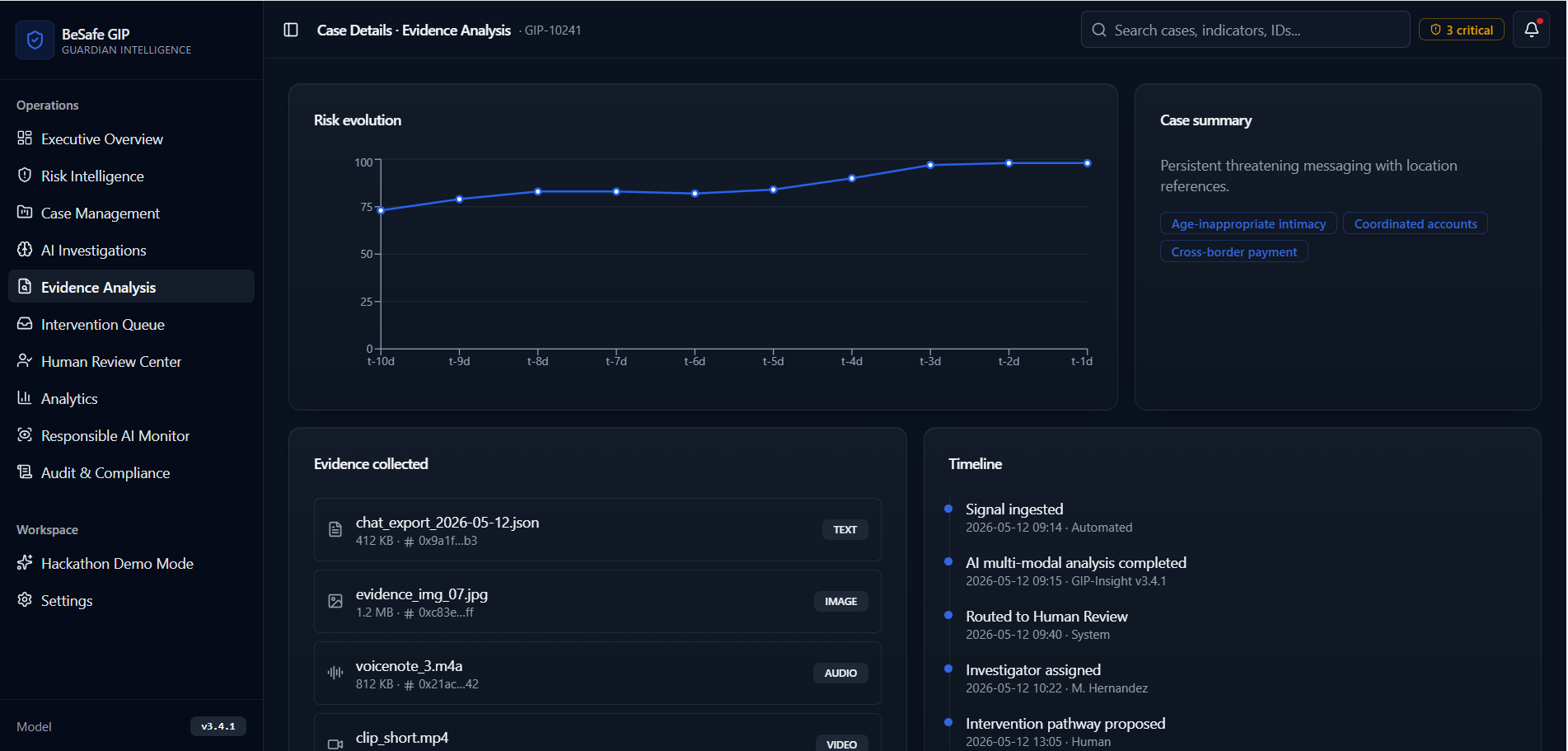
The Security Organization Evidence Analysis Panel
-
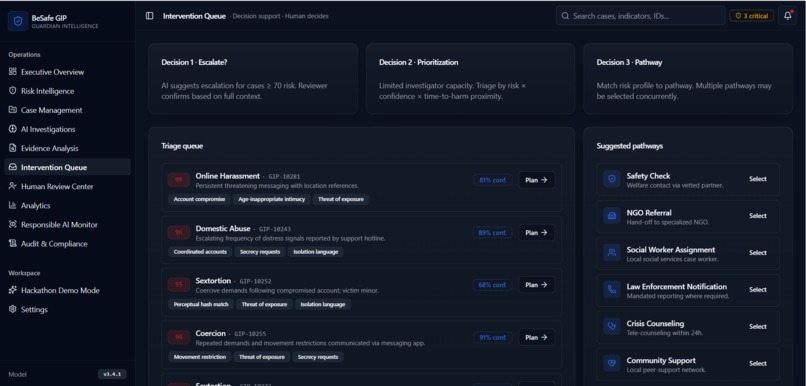
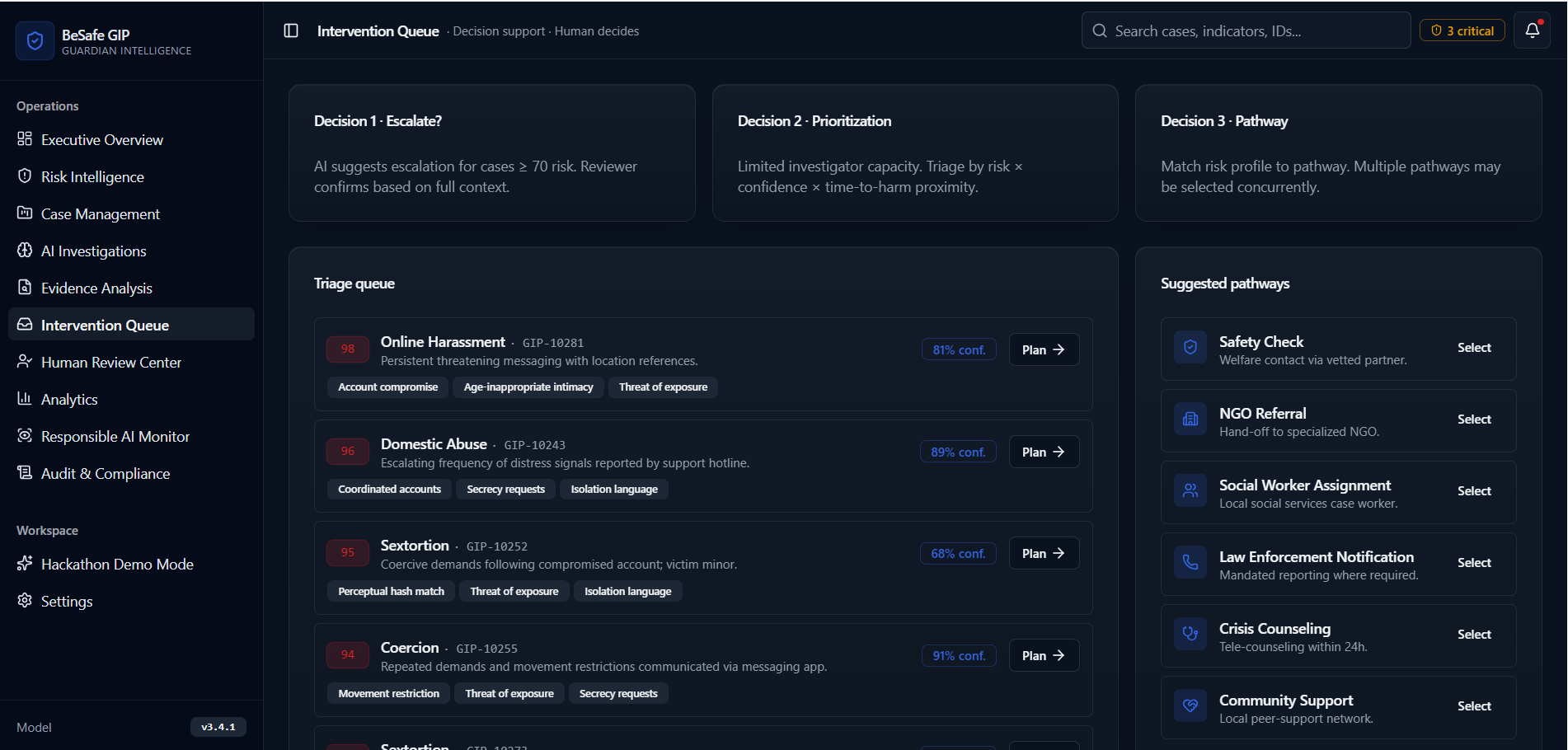
The Security Organization Intervention Queue Panel
-
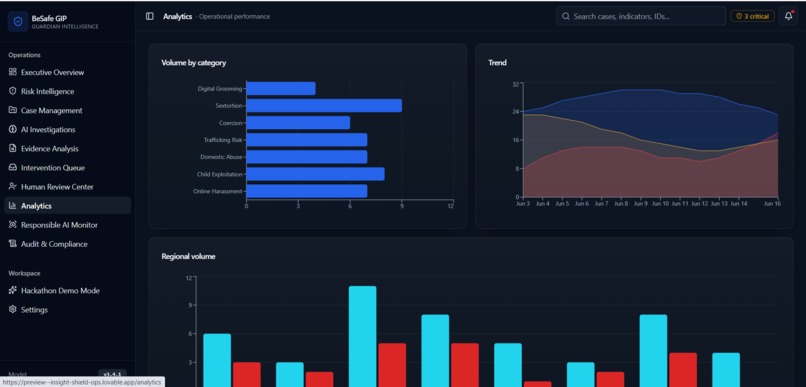
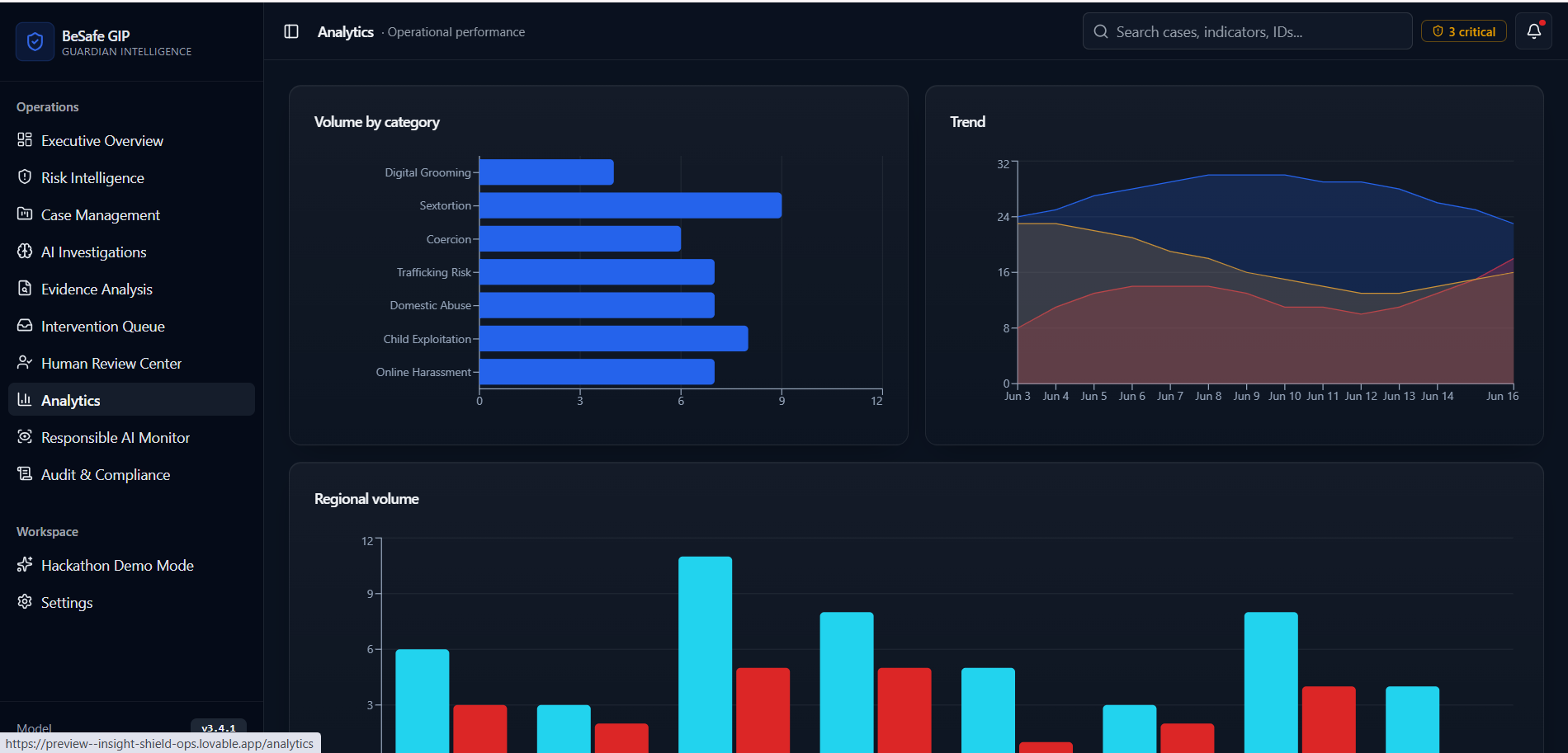
The Security Organization Analytics Panel
-
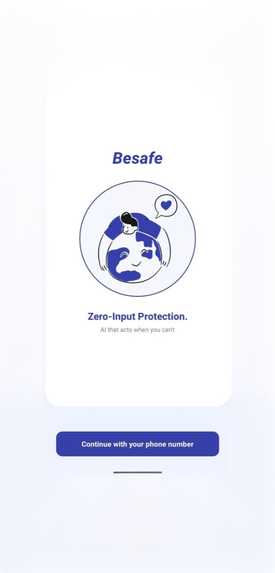
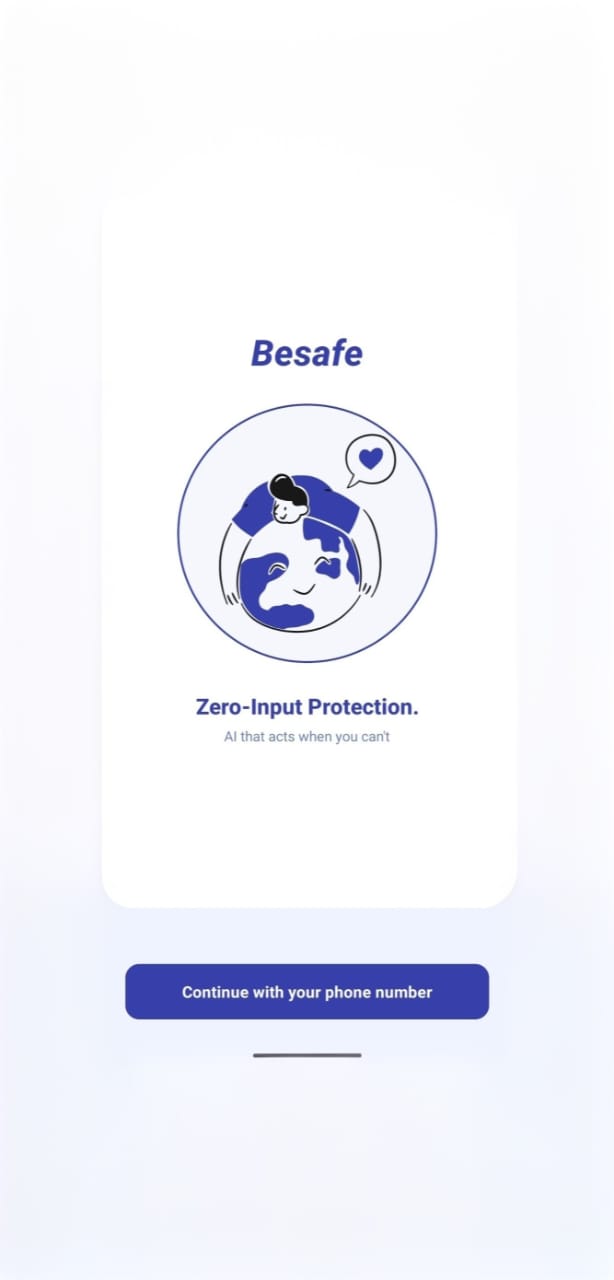
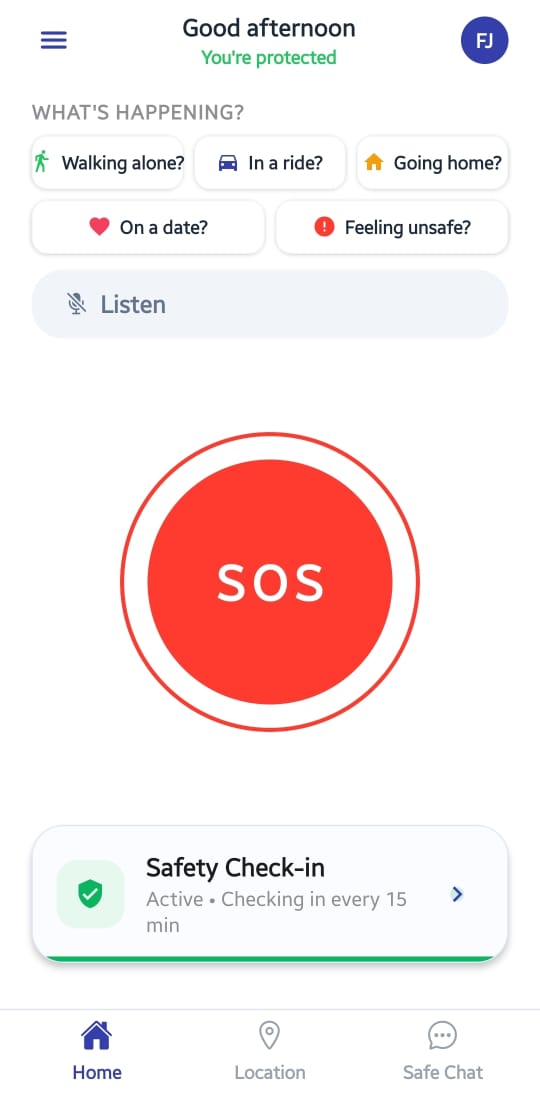
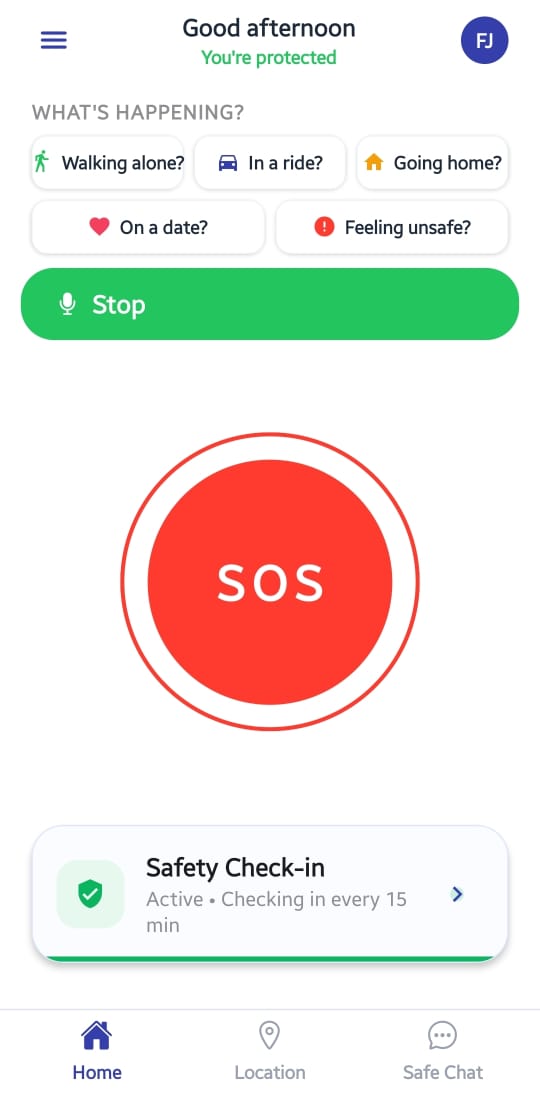
The Mobile App home page
-
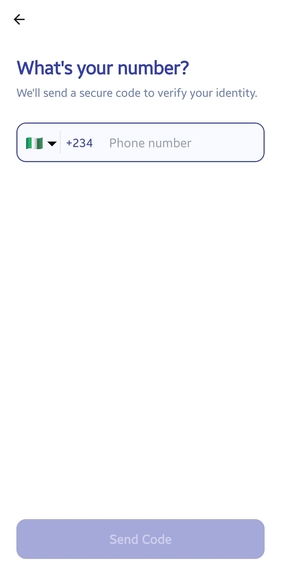
The onboarding stage1
-

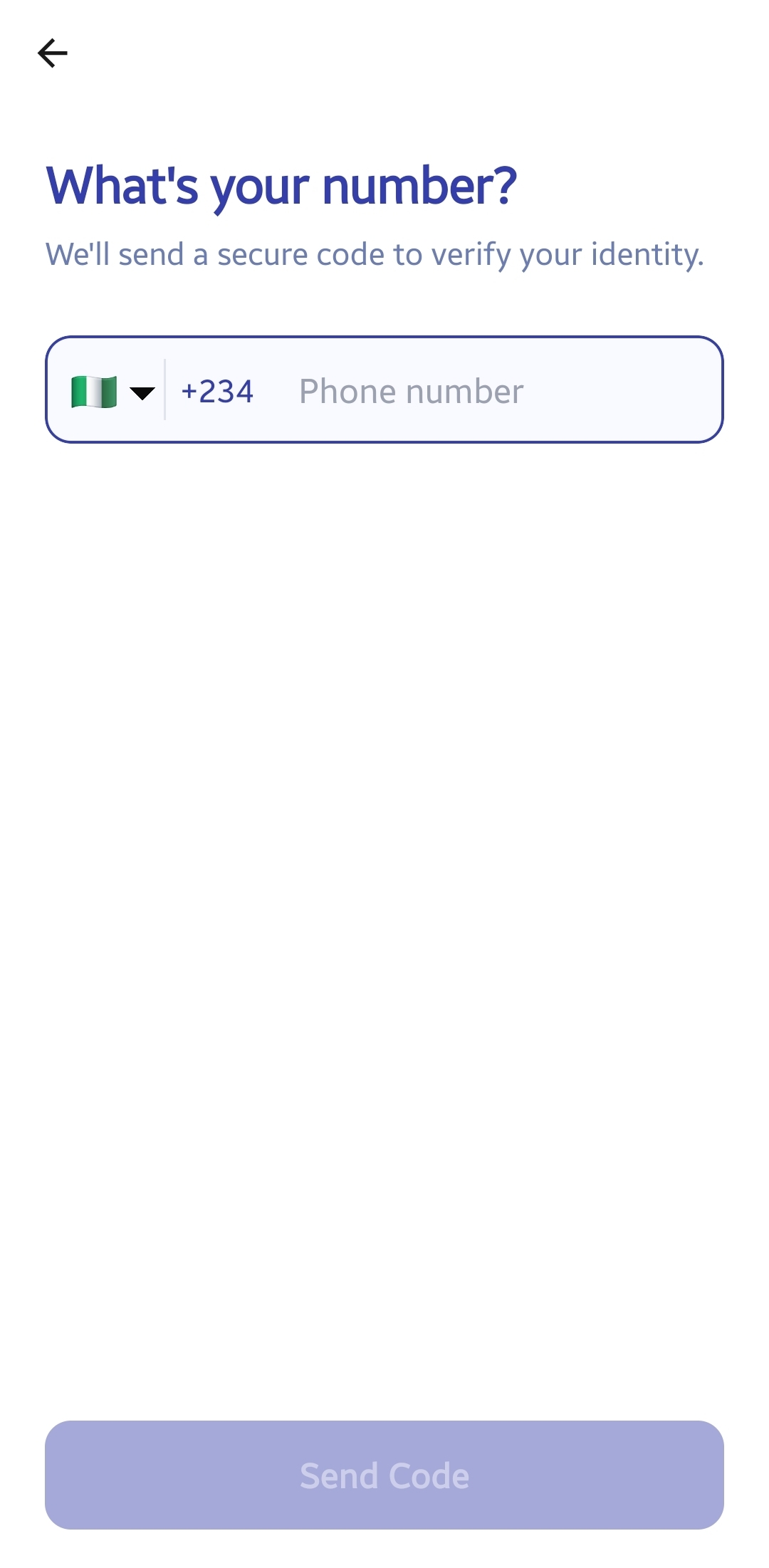
The onboarding stage2
-
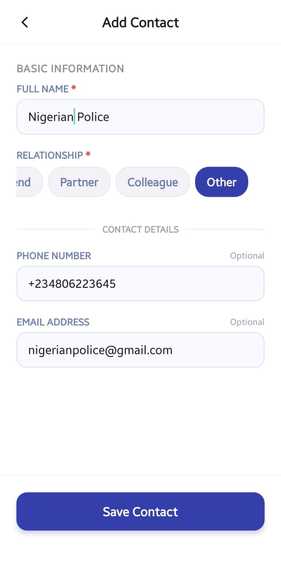
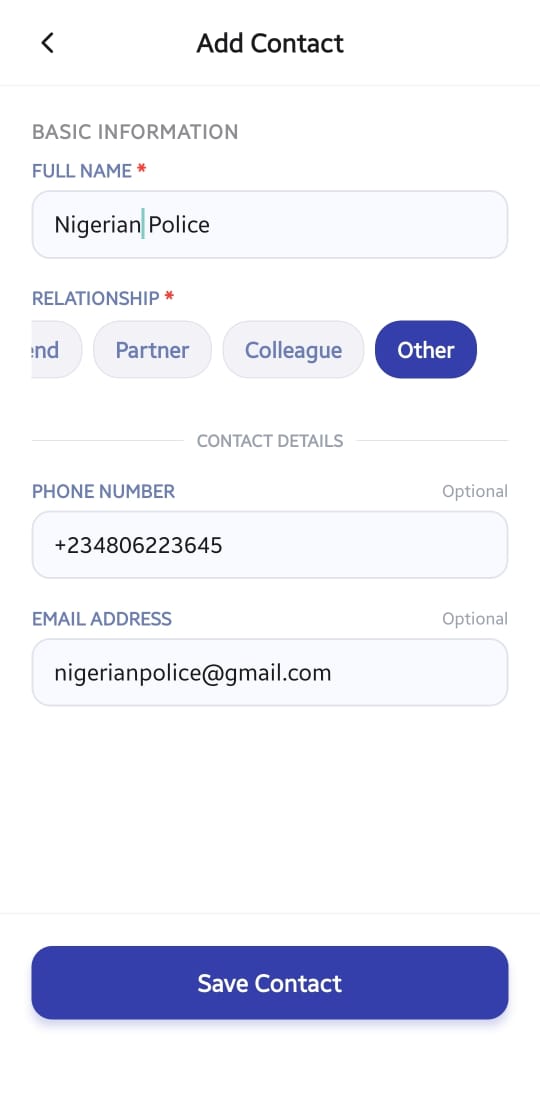
Adding Emergency Contact page
-
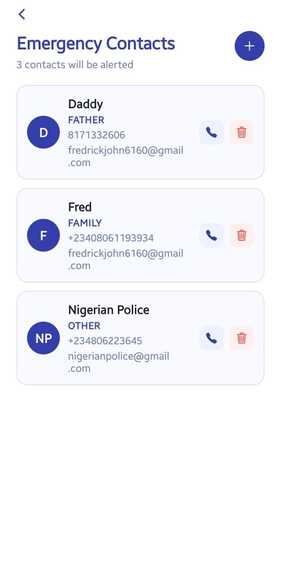
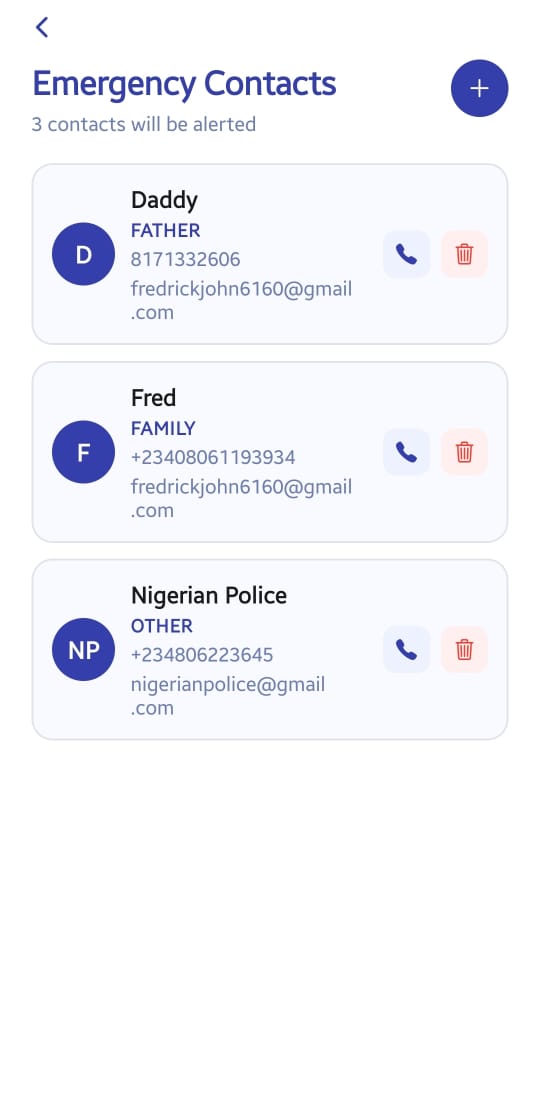
The list of Emergency contacts
-
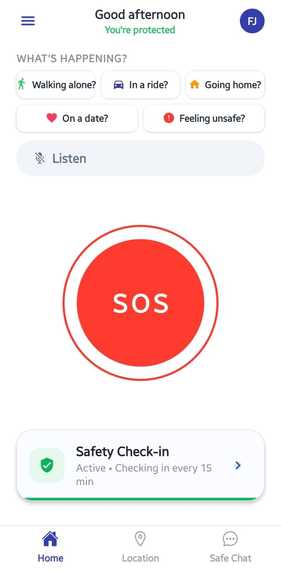
The mobile app landing Interface
-
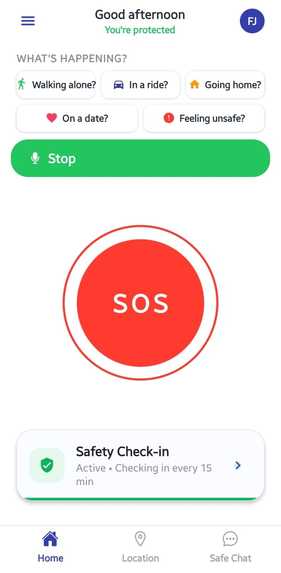
Listening for threat feature and trigger system using the BI-LSTM model
-
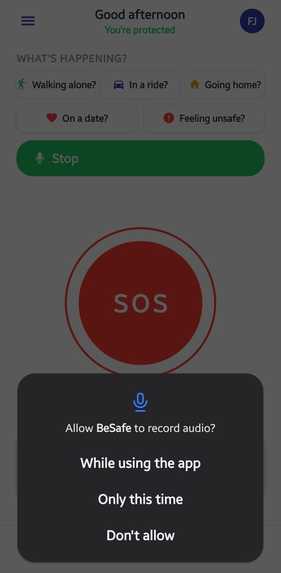
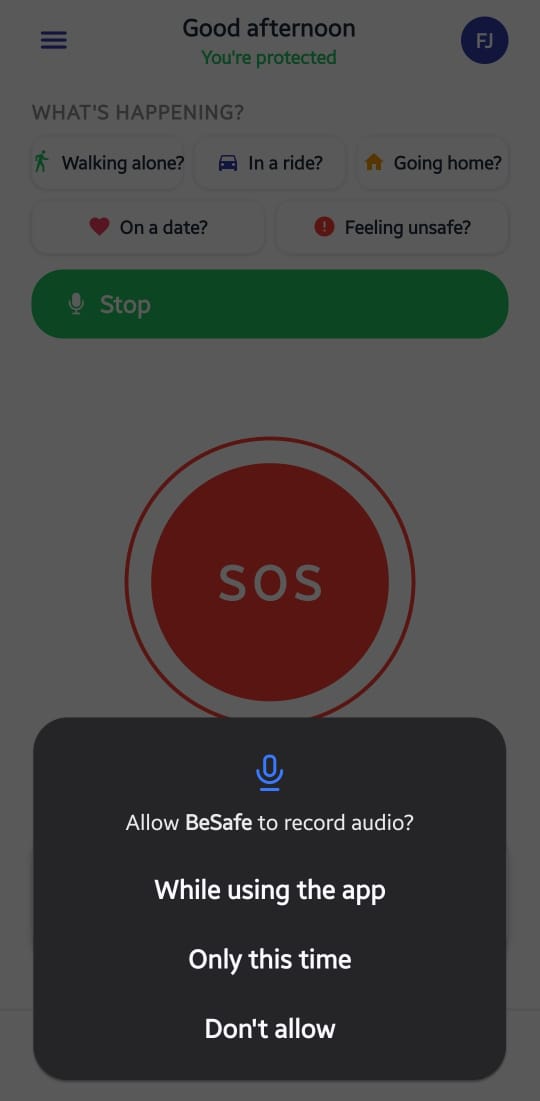
Giving audio access
-
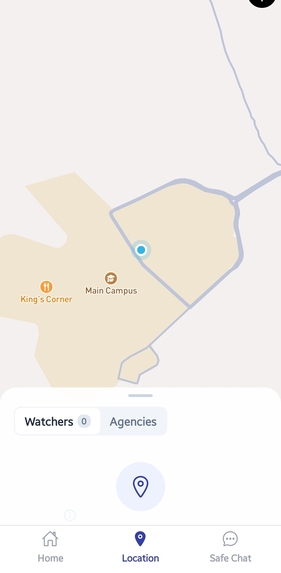
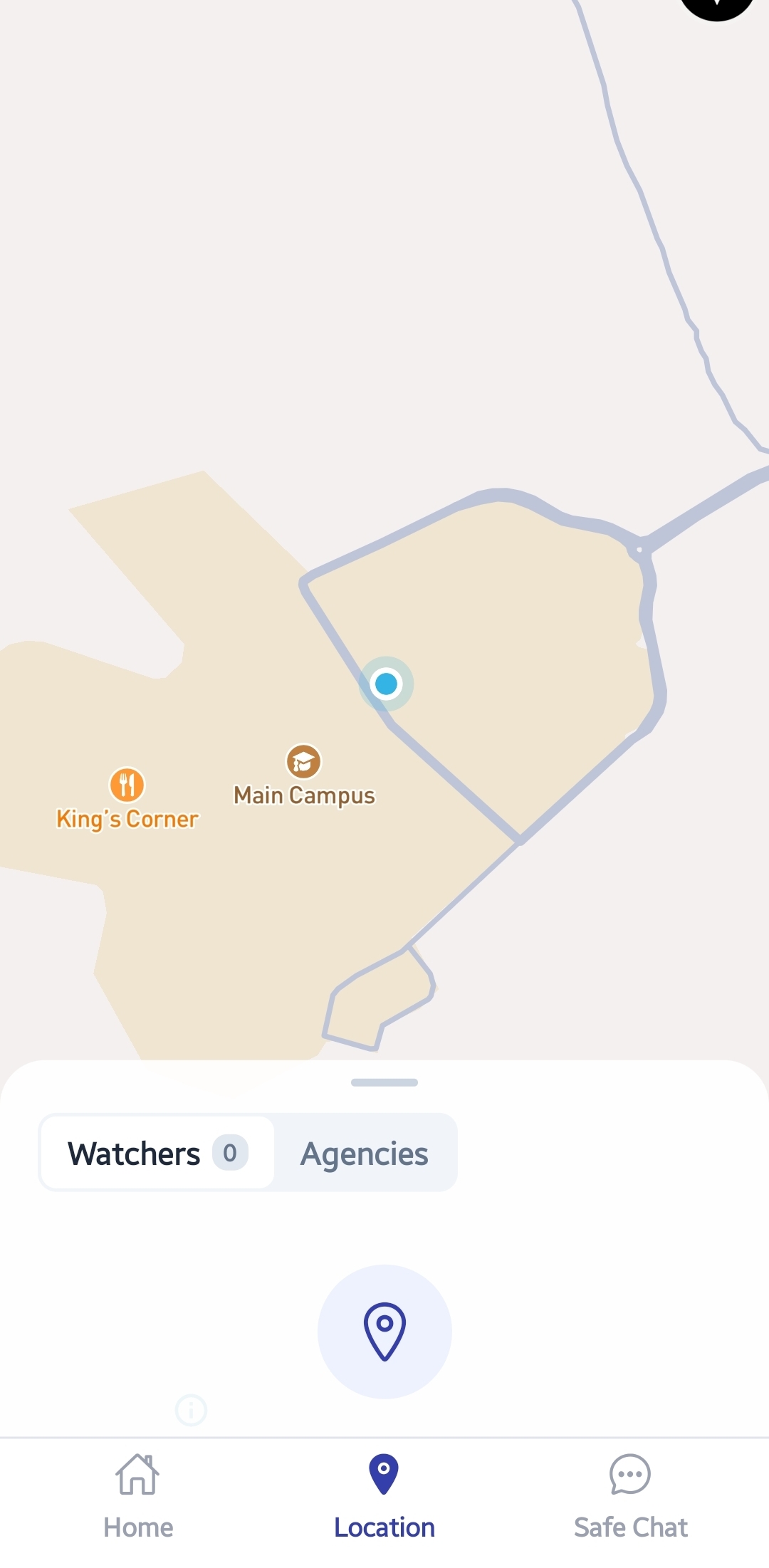
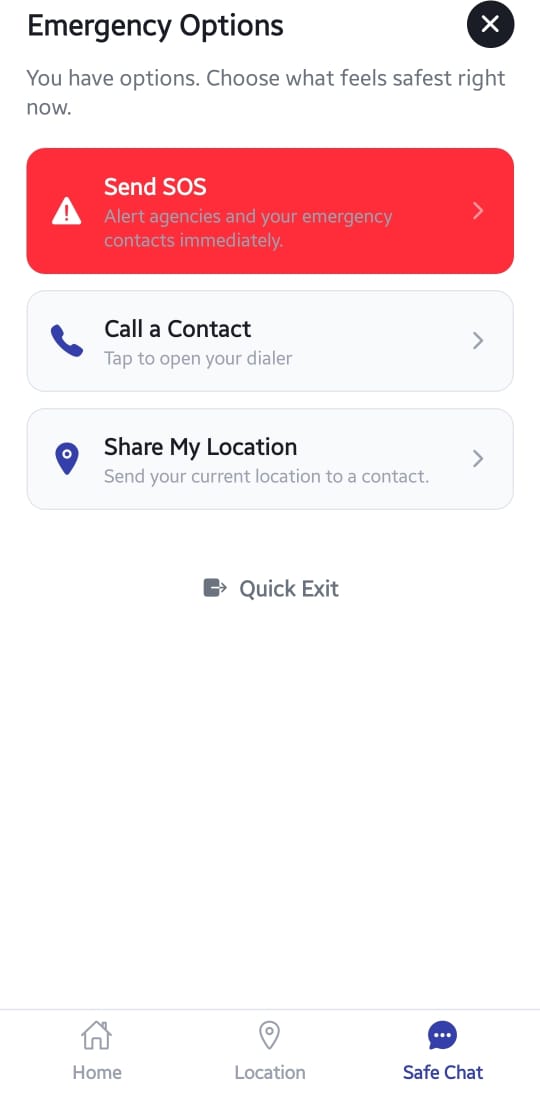
Location/map feature of the user and the nearby security agency
-
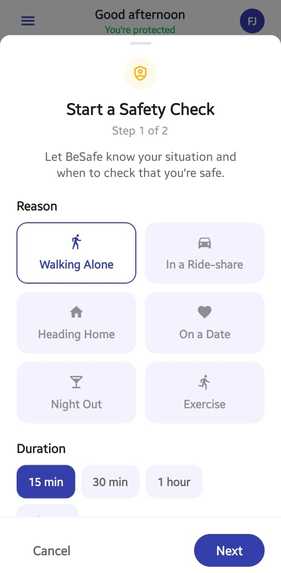
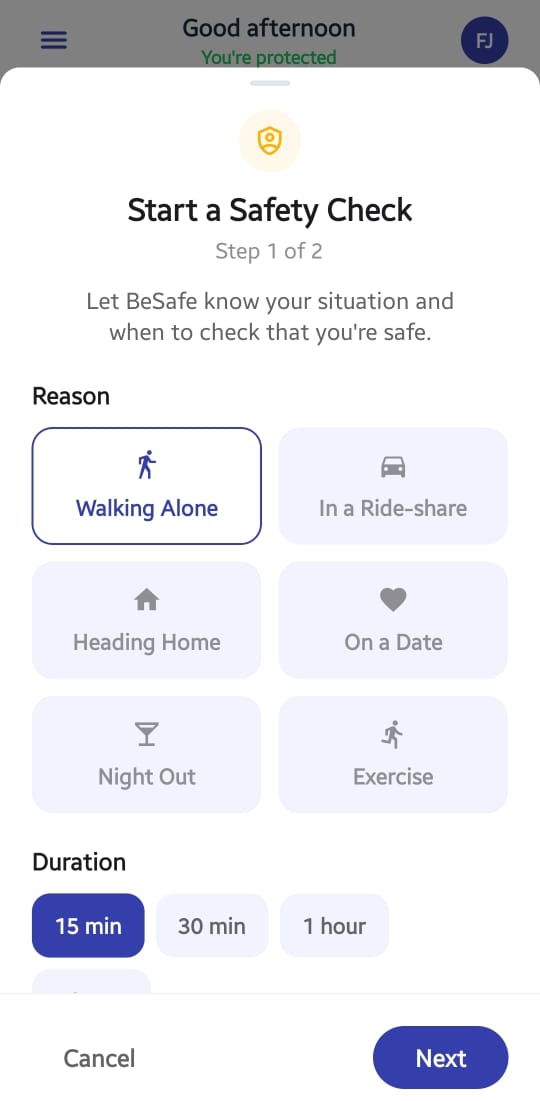
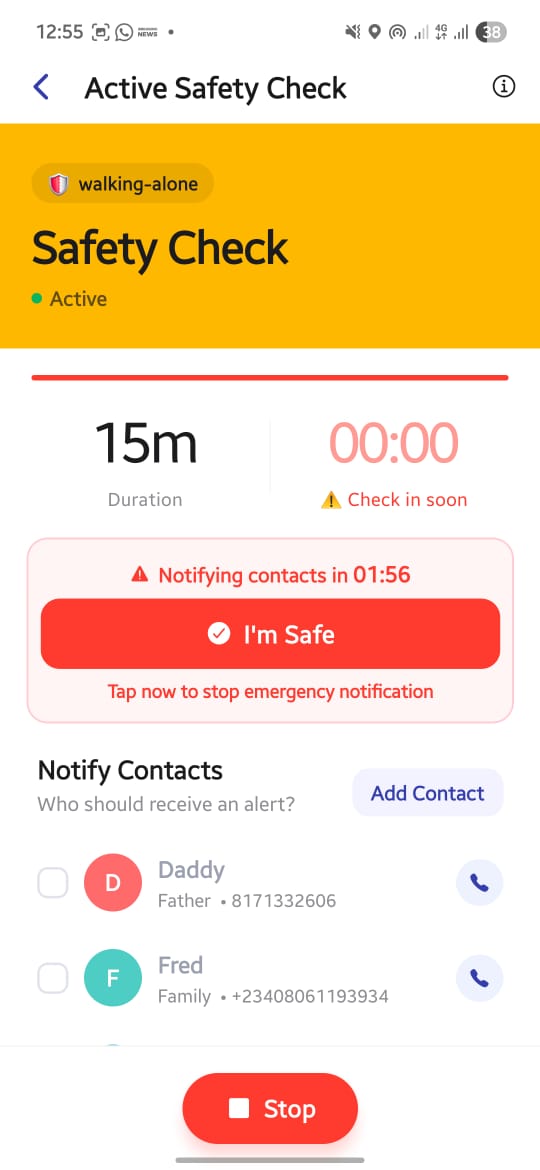
Setting the regular safety check scenario
-
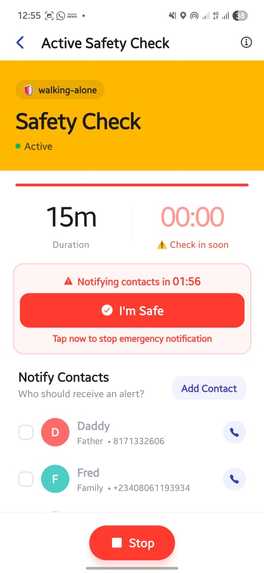
Regular checking in feature
-
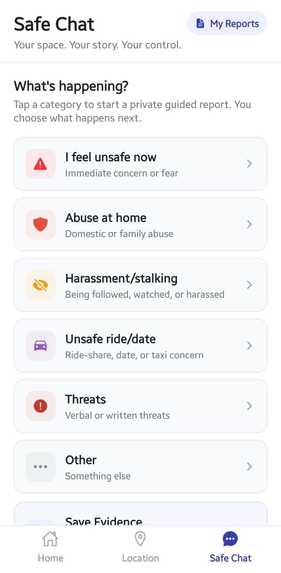
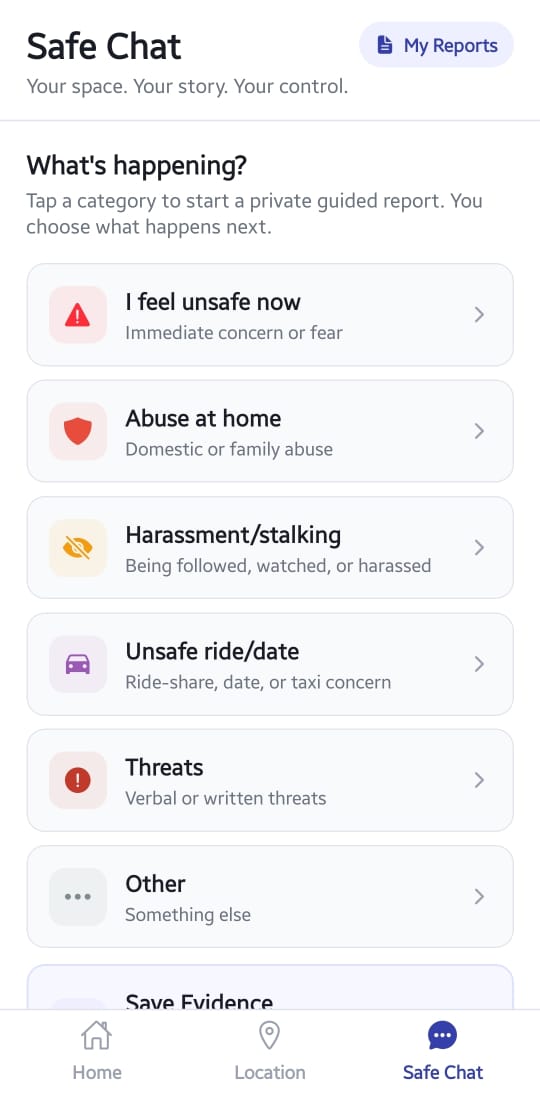
The Safe Chat Feature for uploading digital evidence of harassment, sextortion, extortion or coercion
-
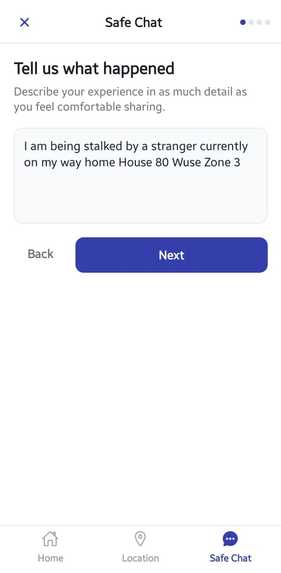
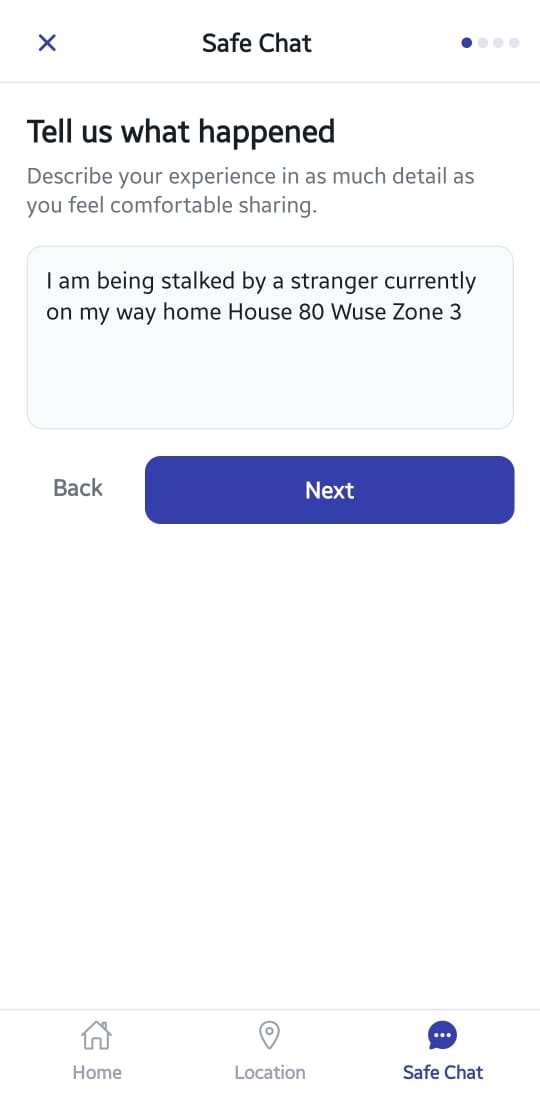
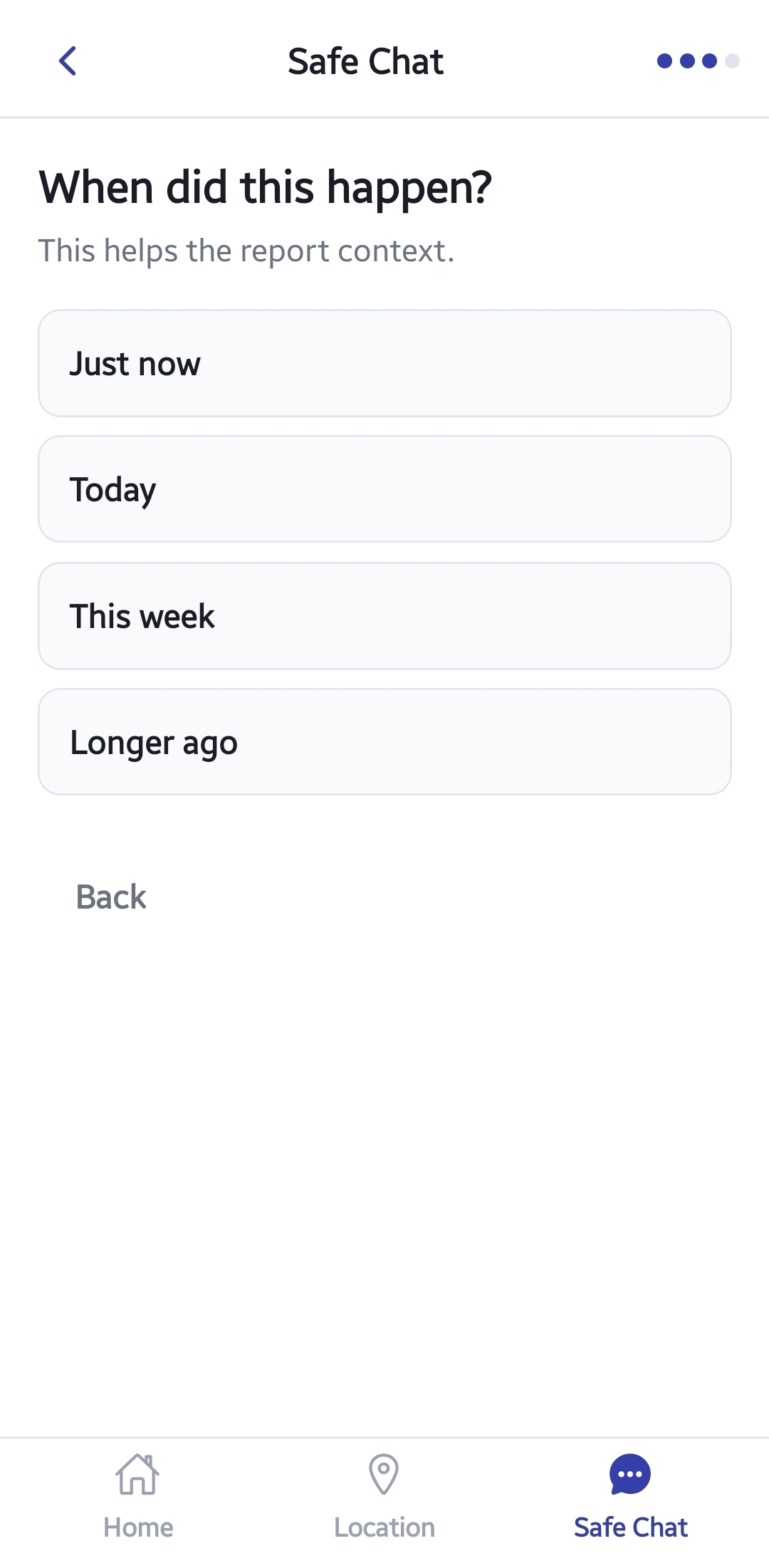
Making a report of Digital violence, sextortion or coercion
-
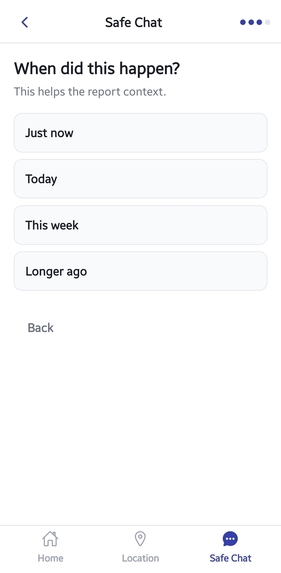
Completing submission process of submitting evidence of digital harm
-
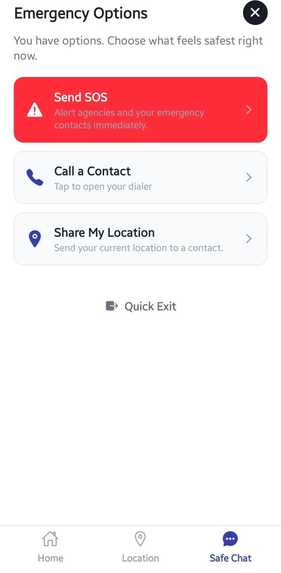
Decision point page of the user to either submit or keep evidence
-
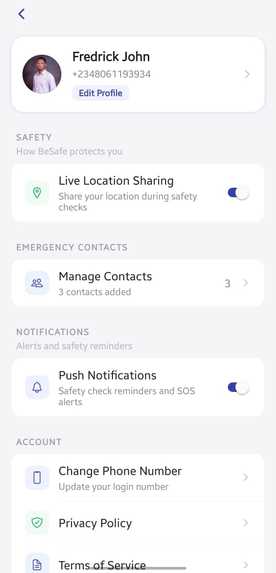
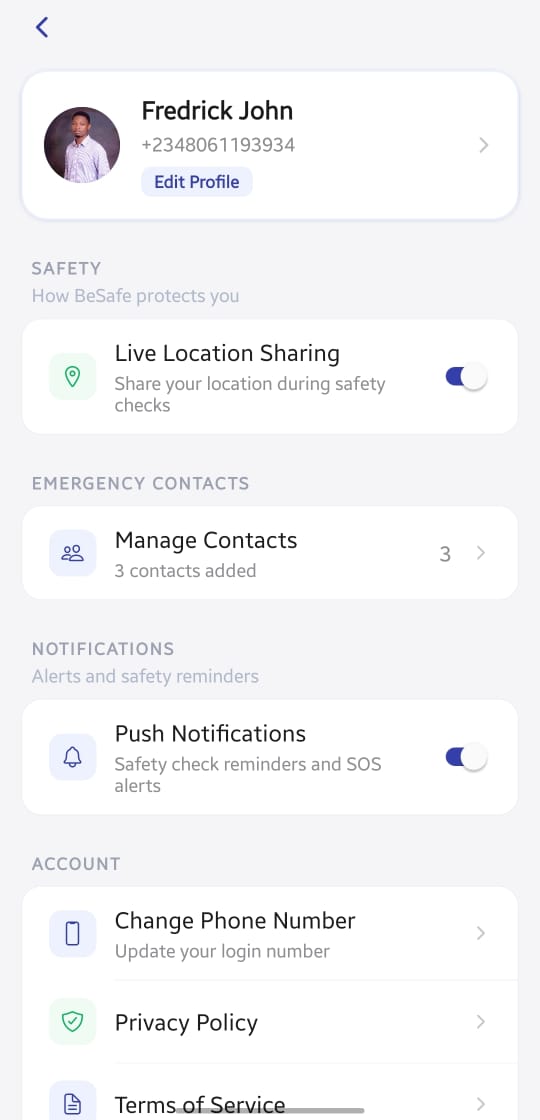
The settings page
-
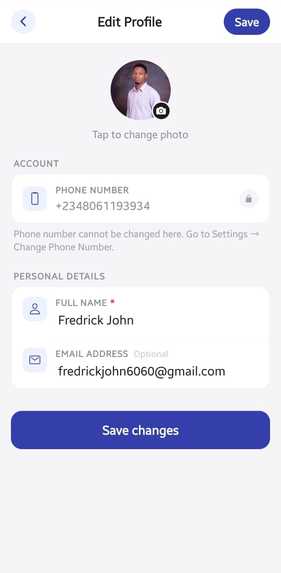
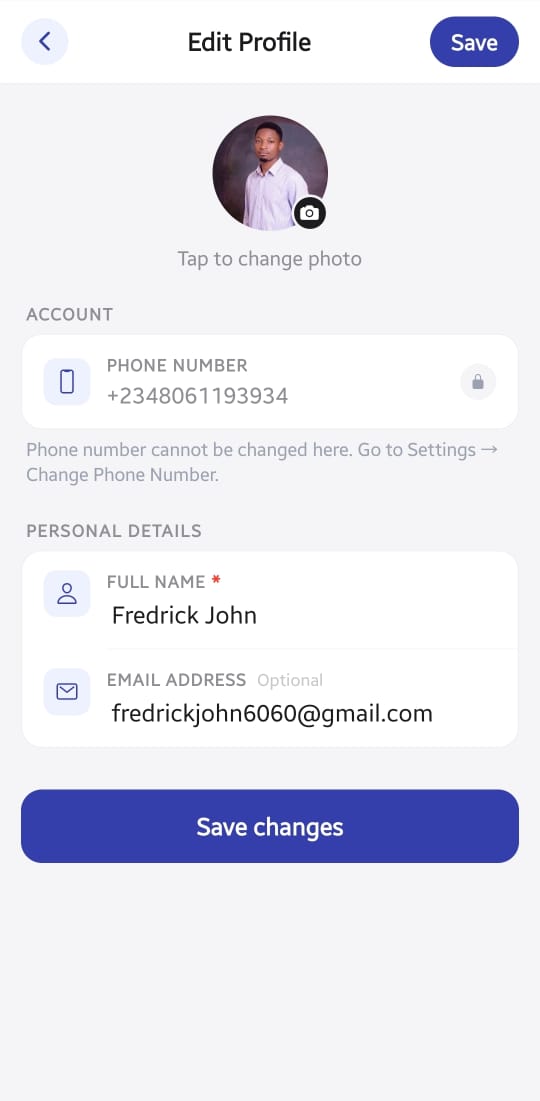
The profile page of the user
-
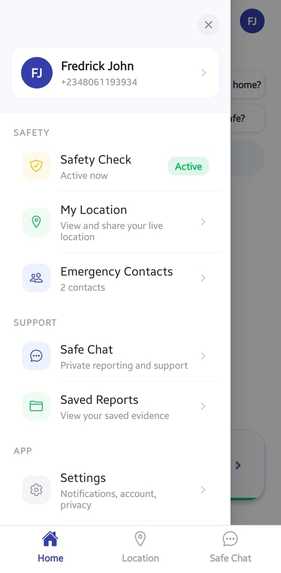
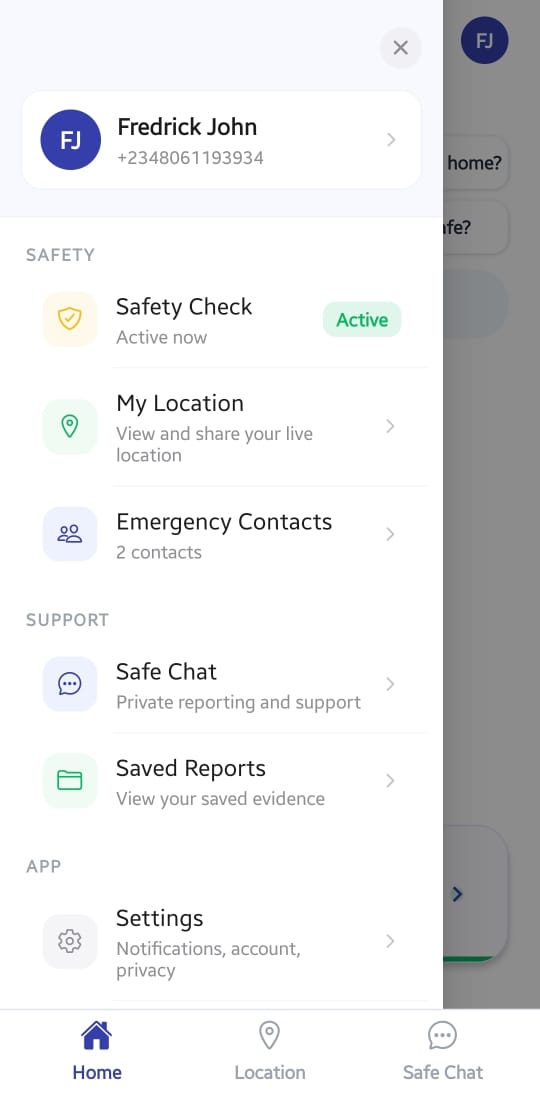
The app features list

Besafe: Building Technology That Responds When People Cannot
Inspiration
The inspiration for Besafe did not come from a classroom assignment or a hackathon. It came from a painful personal experience that has stayed with me for years.
I grew up in a dysfunctional home where my parents frequently had serious fights. One particular incident changed the way I viewed safety forever. I had just returned home from boarding school and found our house locked. A neighbor handed me the key and asked me to follow him. I did not know where we were going until we arrived at a hospital.
There, I saw doctors attending to my mother. Her head was bandaged, and she was bleeding. I later learned that a violent fight had occurred and that my father had struck her severely. As a young boy, I felt helpless. I kept wondering whether there was a way someone could have known what was happening earlier and intervened before things became that bad.
As I grew older, I became increasingly aware that my mother's experience was not unique. Stories of violence against women, children, and vulnerable people continued to appear around me. Incidents such as the Chibok girls' abduction, reports from the Sudan conflict, cases of kidnapping across Nigeria, online exploitation, sextortion, and tragedies involving children reinforced a question that never left my mind:
What if technology could recognize danger and ask for help when victims cannot?
That question eventually became Besafe.
What it does
Most emergency and safety applications depend on a person being able to reach their phone, unlock it, open an application, and manually trigger an alert.
However, real emergencies rarely happen under ideal conditions.
Victims may be frightened, injured, restrained, unconscious, manipulated, digitally exploited, or simply unable to access their devices. In many cases, help is not delayed because people do not want assistance it is delayed because they cannot ask for it.
We also observed a growing digital dimension to exploitation and abuse. Grooming, coercion, sextortion, blackmail, and online manipulation increasingly happen through text messages, audio recordings, videos, and images shared across digital platforms. Unfortunately, many victims especially women, teenagers, and vulnerable individuals often lack the tools or support systems needed to identify risks early or report them effectively.
We built a system capable of reducing this response gap both in the physical and digital world.
Besafe is an AI-powered proactive safety and digital threat detection platform designed to protect women, children, families, and vulnerable individuals during both physical and online emergencies. The system uses Natural Language Processing and multimodal artificial intelligence to analyze conversations, uploaded text, images, videos, and audio recordings for signs of threats, grooming, coercion, sextortion, violence, and exploitation. Unlike traditional safety applications that rely entirely on manual panic buttons, Besafe can proactively detect danger and trigger emergency workflows when victims are unable to seek help themselves. The platform also includes an organizational dashboard for NGOs, investigators, and intervention agencies, enabling human reviewers to analyze AI-generated risk insights, review evidence responsibly, prioritize intervention cases, and coordinate support actions while maintaining human oversight and privacy-focused decision making.
Building the Team
I started the project as a university student with a vision but no complete team.
Over time, I assembled a group of people who believed in the mission.
Team Members
Fredrick (Team Lead)
- Conceived the project idea
- Coordinated development activities
- Led machine learning research
- Sourced opportunities and partnerships
Tomna (Machine Learning Engineer)
- Lead developer of the AI system
- Responsible for model development and intelligent system components
- Joined after responding to a role-opening message shared on WhatsApp
Solomon (Mobile Developer)
- Developed the mobile application
- Joined because of his proven mobile development skills as a course mate
Habeeb (UI/UX Designer)
- Designed the user experience and interface
- Joined because of his strong design skills and attention to usability
Although we were students from different academic levels, we shared a common belief that technology should be used to protect people.
How We Built Besafe
Development officially began in November 2025.
Our original idea was surprisingly simple: an application with a large button that could listen to the environment and notify trusted contacts whenever a threat was detected.
From the beginning, we knew artificial intelligence would be central to the solution.
Traditional rule-based systems struggle with human language because meaning depends heavily on context. For example:
- "Hunger is killing me" is not a threat.
- "A man is killing me" is a threat.
Both sentences contain similar words but represent completely different situations.
To solve this challenge, we developed Besafe, a Natural Language Processing model designed specifically for contextual threat detection.
The model was trained using a combination of public datasets and carefully generated synthetic examples. In total, we assembled a dataset containing more than 100,000 labeled threat and non-threat statements.
Our model uses a Bidirectional Long Short-Term Memory (Bi-LSTM) architecture to understand language context rather than simply matching keywords. When the threat level of the transcribed text received from the app escalates above the threshold of 50%, the model triggers the emergency system which sends emergency alerts to the saved contacts registered by the user and also to the organization dashboard where analysis of the emergency is done and appropriate action administered.
The dataset was divided according to:
$$ \text{Training Set} = 70% $$
$$ \text{Validation Set} = 20% $$
$$ \text{Test Set} = 10% $$
After training, BeSafeV1 achieved:
$$ \text{Validation Accuracy} = 93% $$
$$ \text{Test Accuracy} = 96% $$
The test results were particularly encouraging because the model had never seen that data during training.
As development progressed, the project evolved far beyond our original concept. We introduced features such as:
- Real-time threat detection
- Emergency SOS activation
- Location sharing
- Safety check-ins
- Emergency contact management
- Agency notification systems
- Context-aware emergency escalation
- Real-time violence incident reporting via chat and text
- AI-powered threat classification
- Multimodal digital evidence analysis
One of the most important additions to the platform was our expansion into digital safety and exploitation detection.
We began developing a multimodal AI pipeline capable of analyzing:
- Uploaded screenshots
- Chat messages
- Voice recordings
- Videos
- Images
- Text evidence
The goal was not just to detect physical danger, but also to identify indicators of:
- Digital grooming
- Sextortion
- Coercion
- Emotional manipulation
- Online exploitation
- Threat escalation patterns
To support organizations working in child protection and intervention, we also began designing an organizational dashboard for NGOs, investigators, intervention agencies, and support organizations.
This dashboard enables human reviewers to:
- Review uploaded evidence
- View AI-generated risk insights
- Monitor case escalation
- Prioritize intervention cases
- Analyze explainable AI outputs
- Coordinate response efforts responsibly
Importantly, the AI does not make final decisions. Human reviewers remain fully responsible for interventions and case actions.
What began as a simple listener became a broader AI-powered safety and intervention ecosystem.
Challenges we ran into
Like most projects, Besafe was built through trial and error.
One of our earliest mistakes was training the first version of the model on only about 20,000 data samples. While the initial accuracy appeared promising, the model produced too many false positives and showed signs of overfitting.
We learned quickly that building a reliable safety system requires far more than achieving a high accuracy score.
- A false alarm is inconvenient.
- A missed threat could be life-threatening.
We also encountered technical challenges involving deployment and mobile integration. Hosting machine learning models on free infrastructure introduced limitations, and some planned features such as activating the application through specific voice triggers while the device remained inactive proved impractical.
Utilizing Render’s free tier to minimize costs causes the container to spin down after 15 minutes of inactivity. This introduces severe "cold start" latency, delaying the transmission of transcribed words to the AI model.
Another major challenge was balancing safety with privacy. Since our system interacts with highly sensitive information including conversations, media files, and distress signals we had to carefully think about how to preserve user dignity, avoid over-surveillance, and ensure human oversight remained part of the system.
We also discovered that building for iOS presented additional complexity, which is why our current focus remains Android.
Outside of technology, funding has been our greatest challenge.
We are students balancing lectures, examinations, assignments, and project development. There were periods when progress slowed because academic responsibilities had to take priority. Yet every week, whether physically or virtually, we continued meeting, discussing ideas, solving problems, and moving forward.
Accomplishments that we're proud of
we are proud that our project is currently in the pilot testing stage.
We are proud that insight from early users was that they appreciated the design and functionality but did not want their location constantly shared. This feedback reinforced the importance of balancing safety with privacy.
It also validated our decision to make safety features user-controlled rather than permanently intrusive.
Users also expressed interest in having safer ways to report online threats, suspicious behavior, exploitative conversations, and coercive interactions digitally.
The positive response to the application's design and overall concept encouraged us to continue improving the platform.
Why This Matters Personally
Whenever I think about the future of Besafe , I often think back to that hospital room.
If a system like Besafe had existed during the incident involving my mother, the threatening conversation might have been detected early. Family members or nearby support organizations could have been alerted with location information and evidence before the situation escalated.
That possibility continues to motivate me.
The people I imagine using Besafe are not statistics.
They are:
- The female student walking back to her hostel at night
- The child traveling alone
- The family traveling within or outside their country
- The woman trapped in an abusive relationship who cannot reach her phone
- The teenager facing online grooming or sextortion
- The vulnerable individual who needs help but cannot ask for it during dangerous situations
Those are the people we are building for.
What we learned
Building Besafe taught us lessons far beyond software development.
We learned that startups are ultimately built by people, not technology.
A committed team can achieve extraordinary things even without funding. Every member of our team contributed because they believed in the mission, not because of financial rewards.
We learned that planning often takes longer than coding. Months were spent researching, validating ideas, designing systems, and understanding user needs before major development began.
We learned that women, children, and vulnerable individuals need safety tools designed around how emergencies actually happen rather than how we assume they happen.
We also learned that AI systems must be designed responsibly especially when dealing with human safety. Technology should assist human decision-making, not replace human judgment entirely.
Most importantly, I learned that leadership involves carrying uncertainty.
Many nights, I found myself asking difficult questions:
- What if nobody uses this?
- What if it never becomes sustainable?
- What if I disappoint my team?
- What if all this work leads nowhere?
These questions never completely disappear.
However, they are outweighed by a stronger belief: if the technology helps even one person during a dangerous situation, then the effort is worth it.
What's next for BESAFE
Today, Besafe is in pilot testing, but our vision extends far beyond a single application. We aim to strengthen our already evolving ecosystem in these aspects.
- Robustness and reliability
- Performance stability
- Data integrity and security
- Error Tolerance
- Exceptional usability (UX)
- Scalability and maintainability
We envision Besafe becoming:
- A national emergency safety network
- A university safety platform
- An African personal safety infrastructure
- An AI-powered emergency response ecosystem
- A responsible AI-assisted intervention platform for NGOs and safety organizations
- A digital exploitation detection and prevention system
Our goal is simple:
To ensure that when someone cannot call for help, technology can help detect danger early, support human intervention, and protect vulnerable lives.
That is the future we are building.


Log in or sign up for Devpost to join the conversation.