

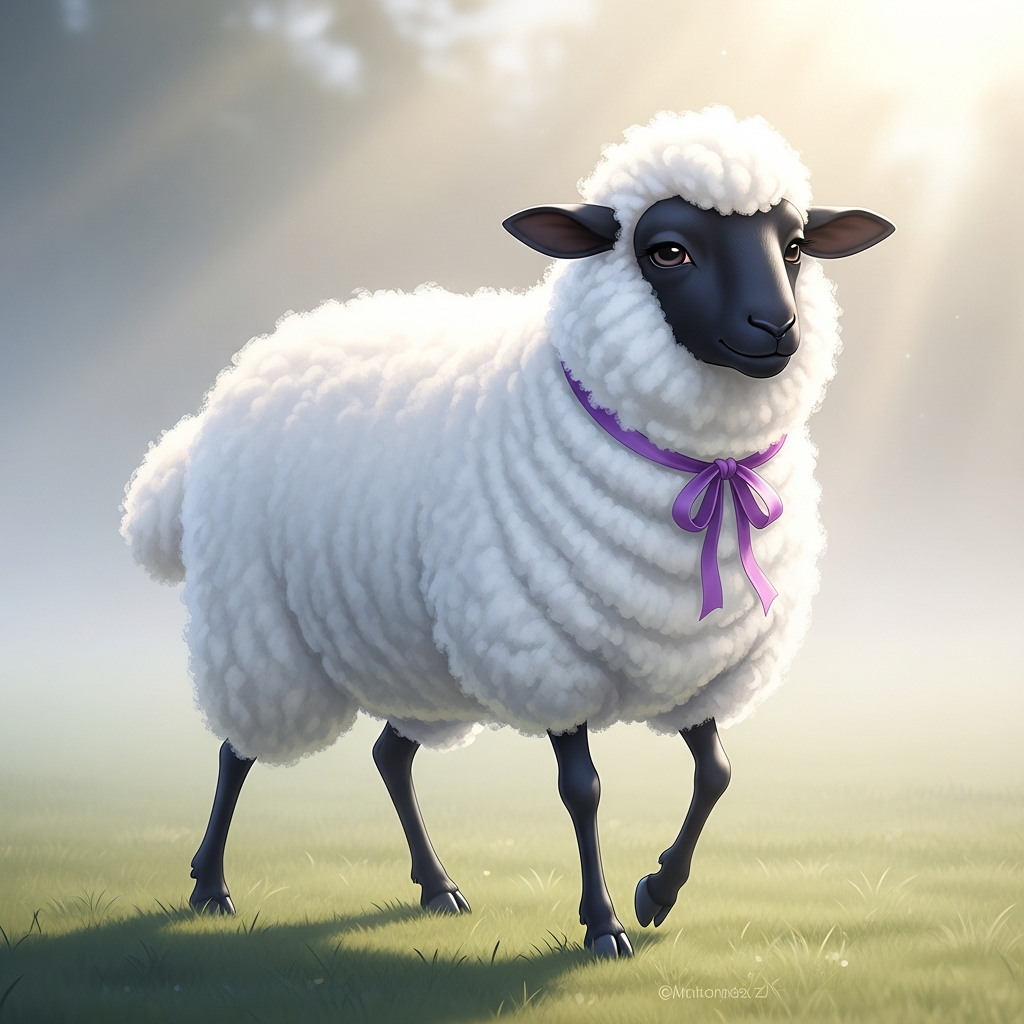
Inspiration
While our main submission ("Fizz and Barnaby Visit Farmer Maple") is a polished product for kids, this project is for the builders. We wanted to document our "Hybrid Workflow"—a specific pipeline that combines the speed of Generative AI with the control of traditional 3D animation software (Blender). We believe this hybrid approach is the future of indie animation, allowing small teams to produce studio-quality work without huge budgets.
What it does
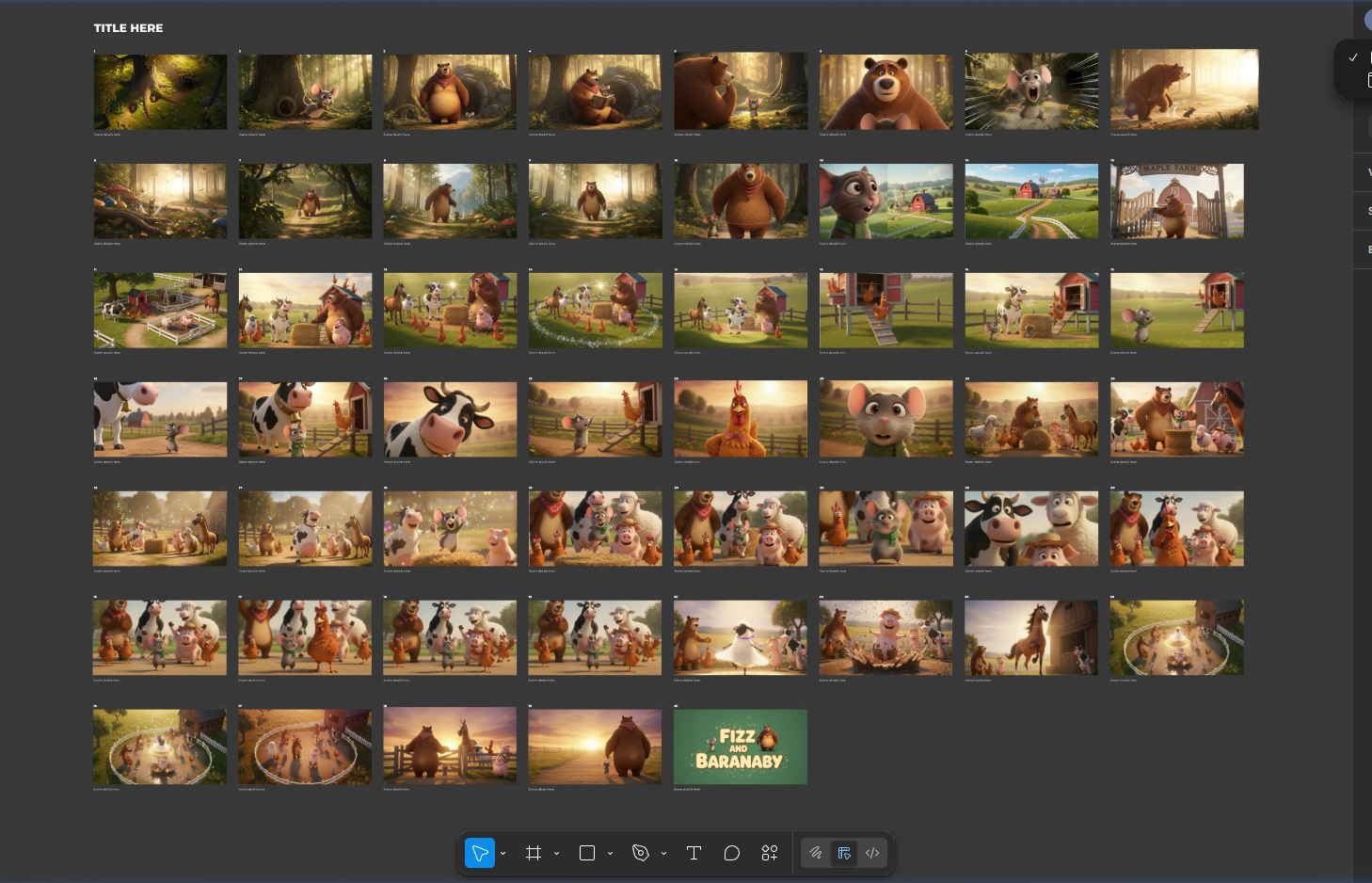
This video walkthrough breaks down the technical stack behind our "Old MacDonald" pilot. We pull back the curtain to show exactly how we used AI tools not just to generate pixels, but to accelerate the entire production chain—from script optimization to texture generation and voice synthesis.
How we built it (The Stack)
Our pipeline relied on three core pillars:
The "Brain" (LLMs & Python):
- We didn't just ask for a script; we used LLMs to analyze "toddler retention metrics" and optimize our dialogue for phonetics and repetition.
- We used custom Python scripts to automate file naming and asset organization, saving hours of manual "grunt work."
The "Body" (Blender & Traditional 3D):
- The Problem: Pure AI video generation often suffers from "character morphing" (where a bear turns into a dog halfway through).
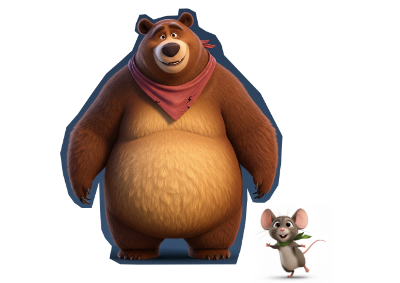
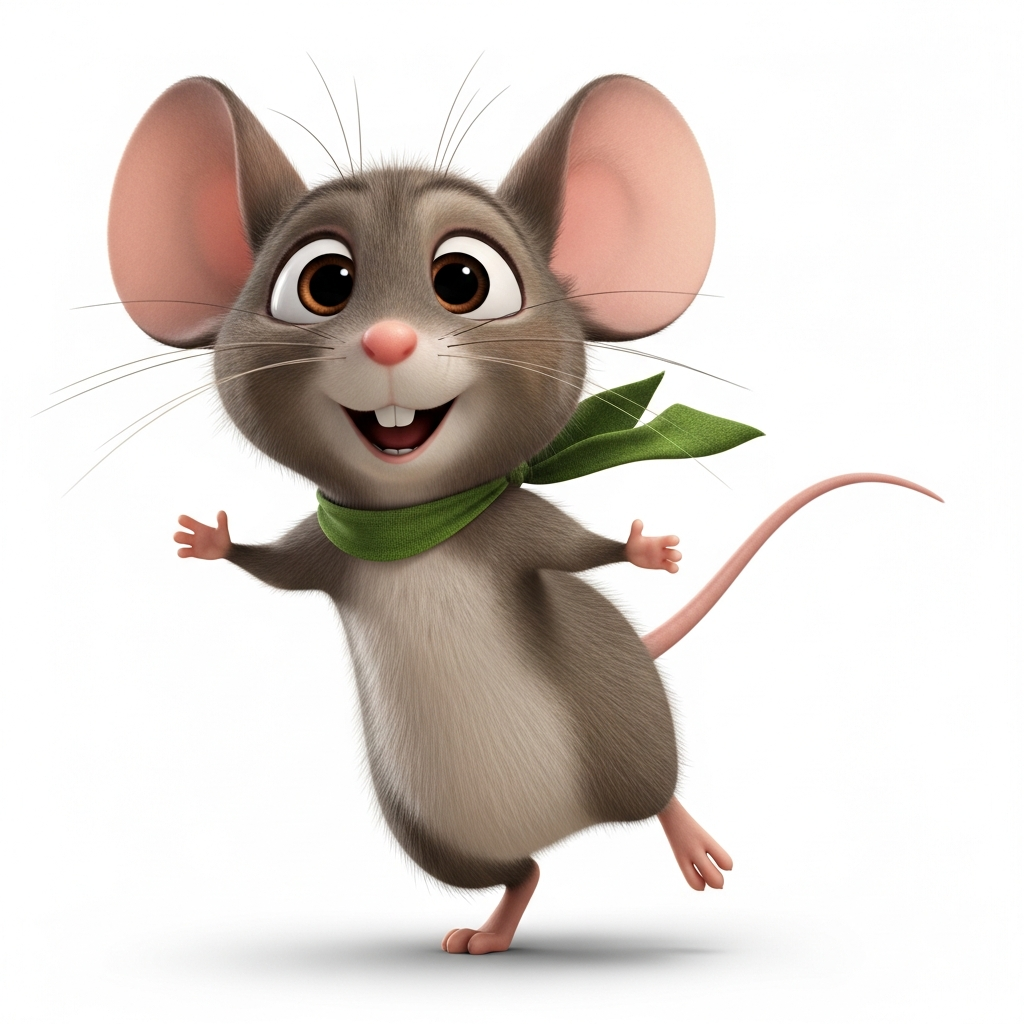
- The Solution: We built rigid 3D meshes in Blender for Fizz and Barnaby. We then used AI image-to-texture tools to "paint" them rapidly. This gave us the consistency of traditional 3D with the speed of AI texturing.
The "Voice" (ElevenLabs):
- We used ElevenLabs to synthesize distinct, emotive voices for the cast. We specifically tuned the stability settings to ensure Farmer Maple sounded warm and maternal, while Fizz sounded soft and goofy.
Challenges we ran into
The "Uncanny Valley" of AI Video: Early in the hackathon, we tried using pure text-to-video for the background environments. The result was too "dream-like" and shifting, which is scary for toddlers. We pivoted to using AI to generate static 360° HDRI maps for backgrounds instead. This kept the world solid and safe while still being instant to create.
Lip Sync Latency: Matching AI-generated audio to 3D character mouths is tough. We experimented with auto-lip-sync tools but ultimately had to refine the timing manually in post-production to ensure the "E-I-E-I-O" hit perfectly on the beat.
Accomplishments that we're proud of
- 0% Hallucinations: By using our "Hybrid Blender" workflow, we eliminated the visual glitching common in AI video.
- Workflow Speed: We produced a 3-minute animated musical in a weekend—a task that traditionally takes a team of animators weeks.
What we learned
The best AI workflow isn't "text-to-final-pixel." It's "Text-to-Asset." Using AI to build the parts (textures, voices, scripts) and then assembling them human-style in a 3D engine yields significantly higher quality than trying to generate the whole video at once.
Built With
- claude
- googleai
- resolve
- vertex

Log in or sign up for Devpost to join the conversation.