-
-
-
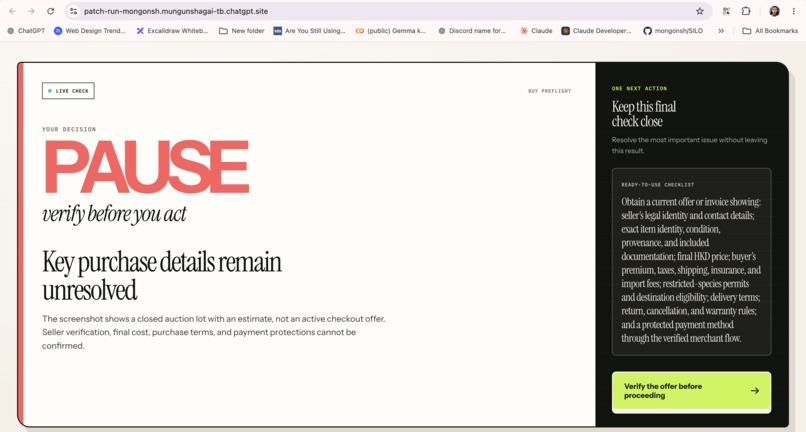
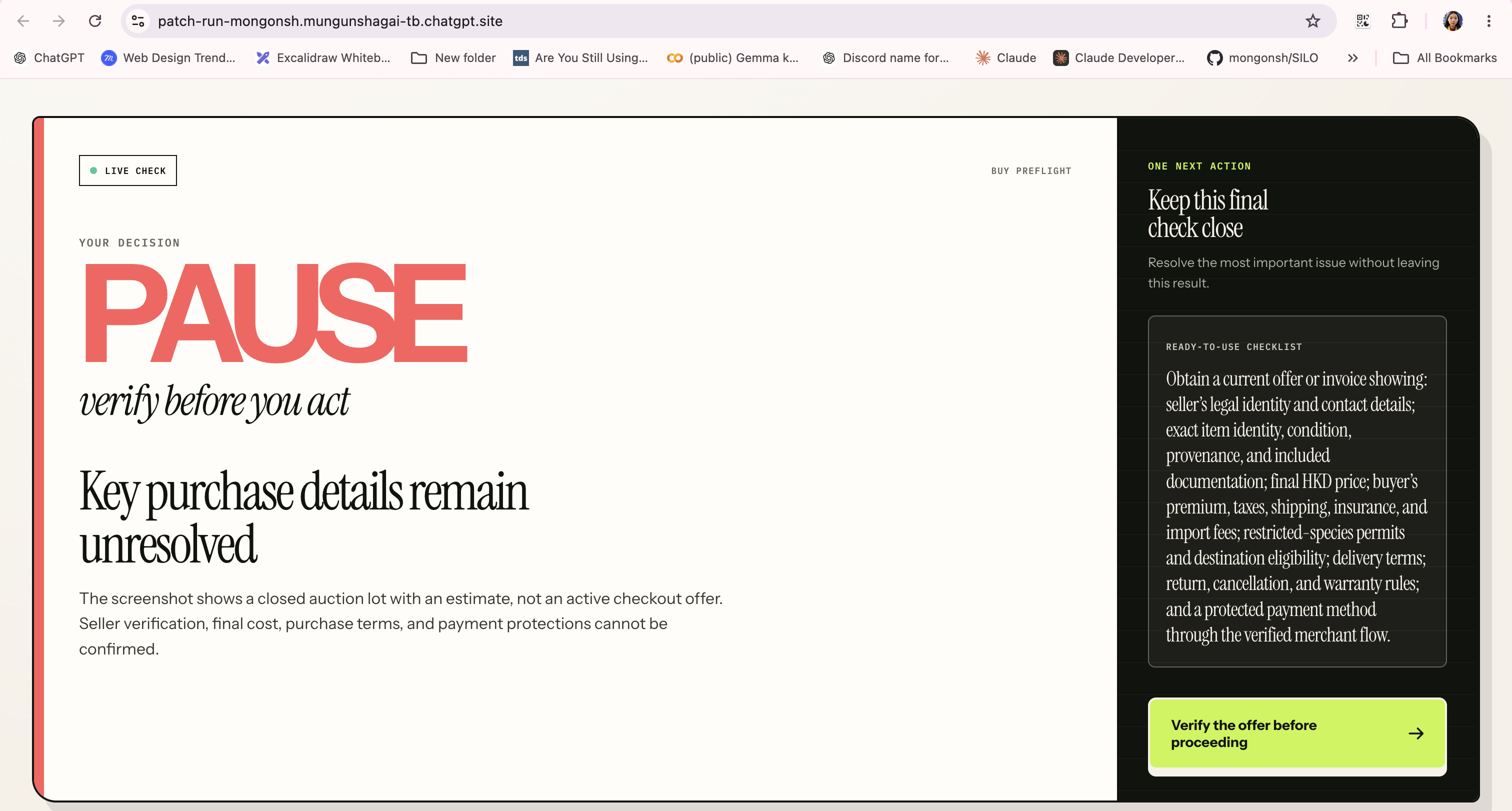
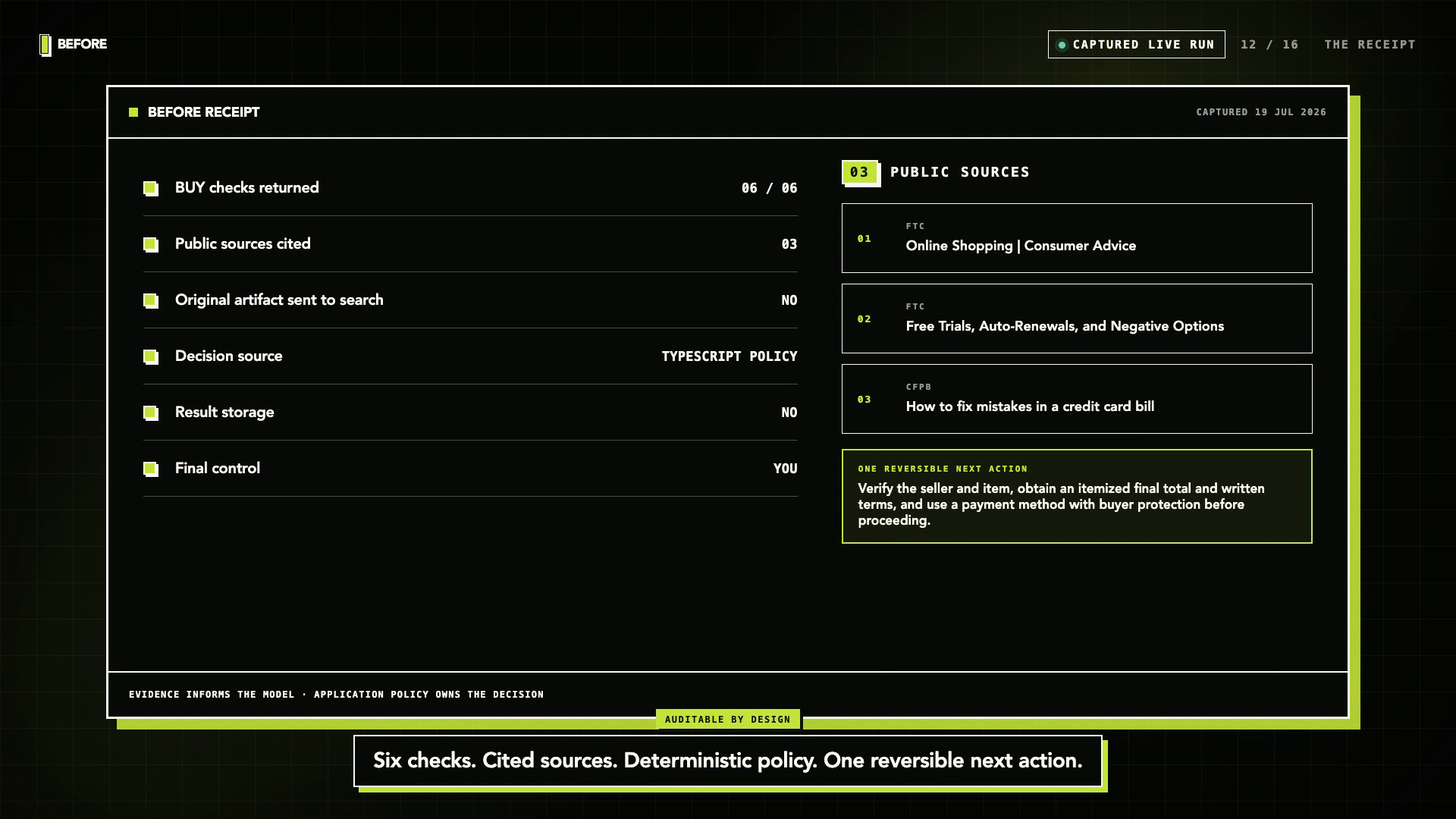
check result
-
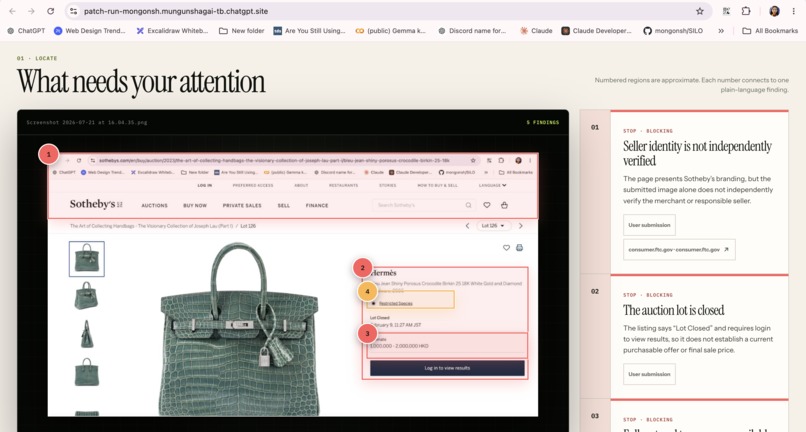
reason why pause
-
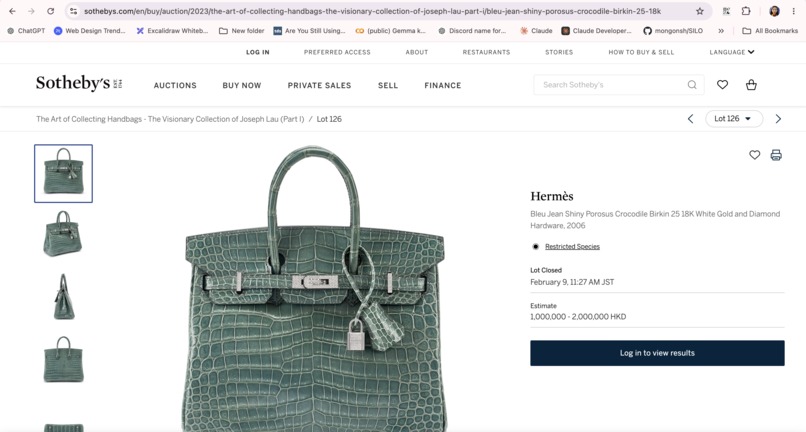
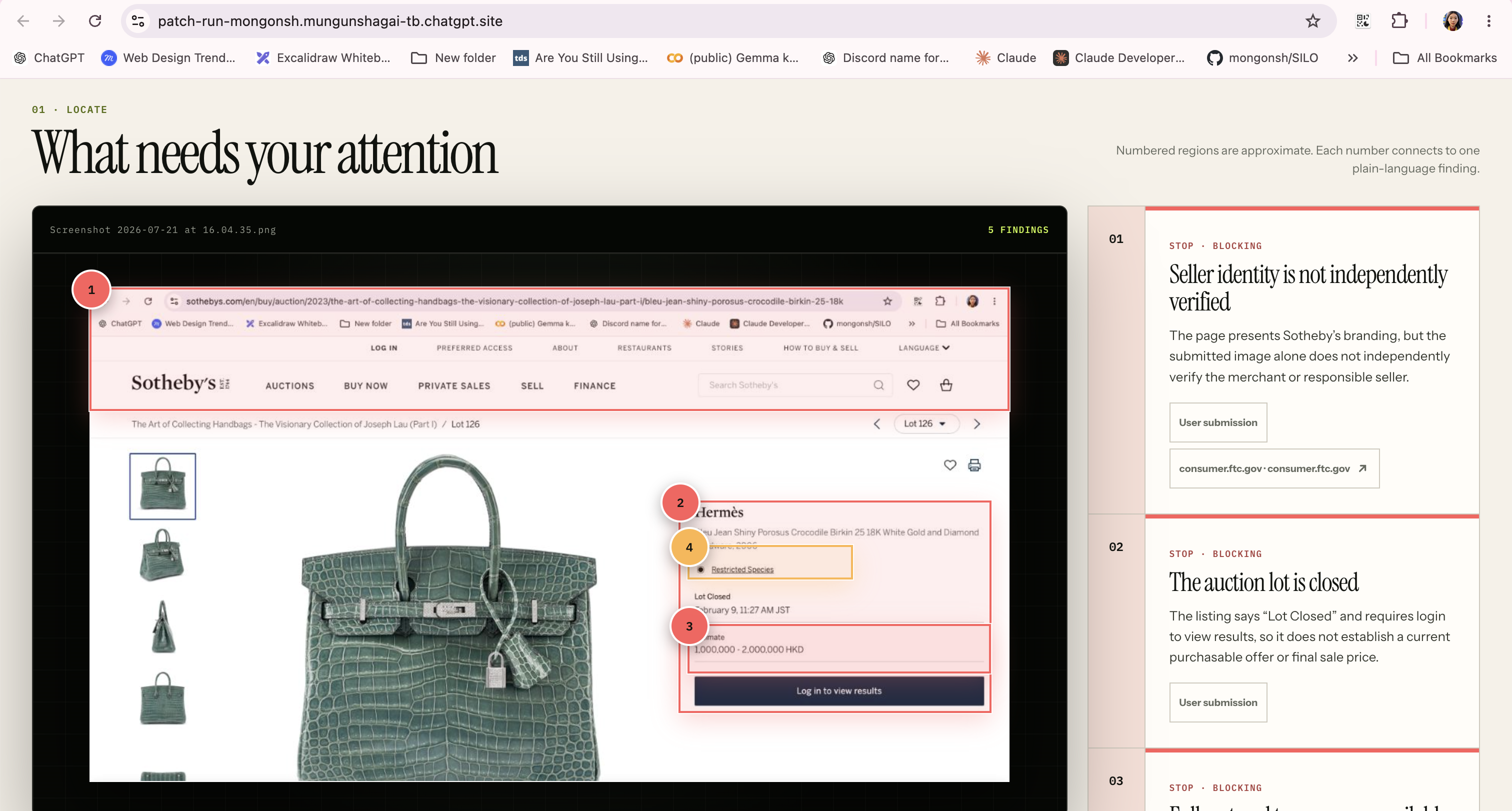
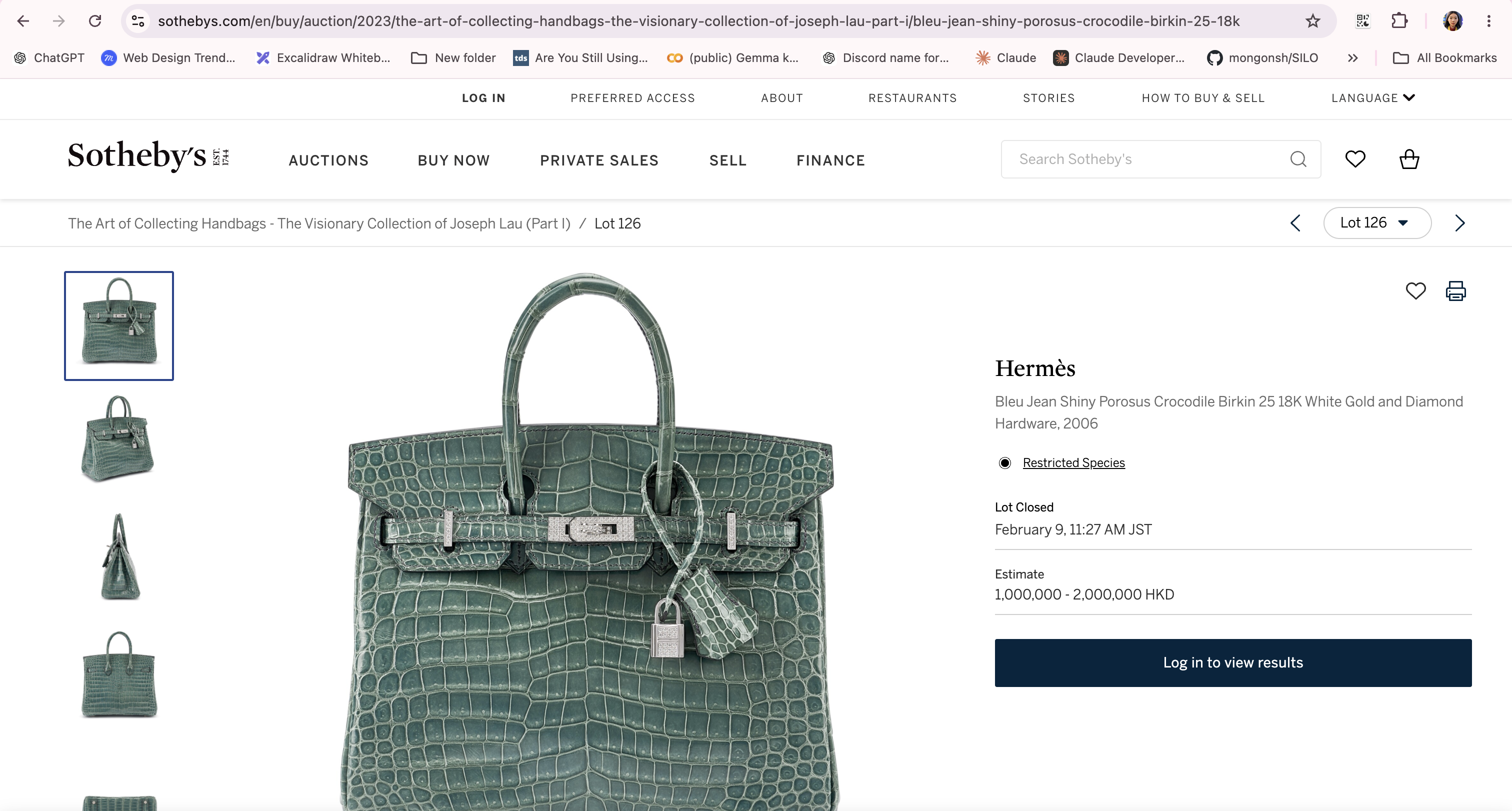
test product site screenshot
-
Inspiration
It started with a simple fear: people trust AI too much in moments that matter.
A recommendation is one thing; a recommendation that leads to money leaving an account, private data being shared, or a click on a suspicious link is another. We’ve all seen how quickly “helpful” can become “high-risk” when urgency and confidence collide.
Before was built to give that power back to the user. Not by blocking everything, but by making every risky action pause, explain itself, and ask, “Do you want to proceed?”
What it does
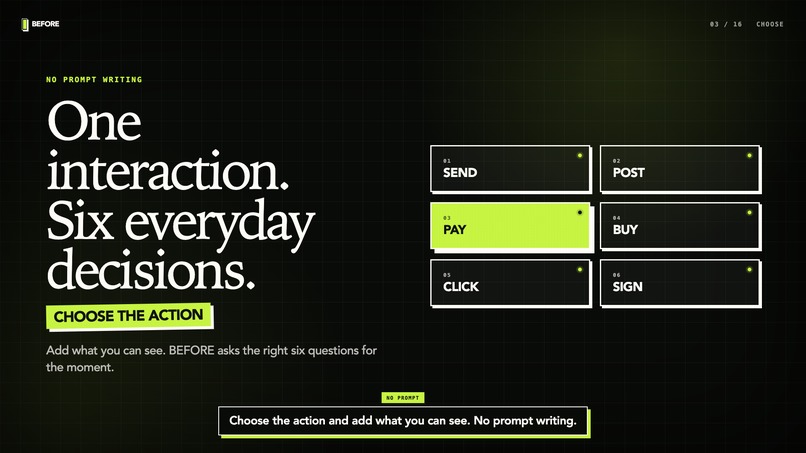
Imagine a normal day with an assistant: it drafts a message, suggests a payment, and gives you a link to click. You’re in a hurry, so you trust it. BEFORE sits beside that flow and asks, “Is this action safe enough to do now?”
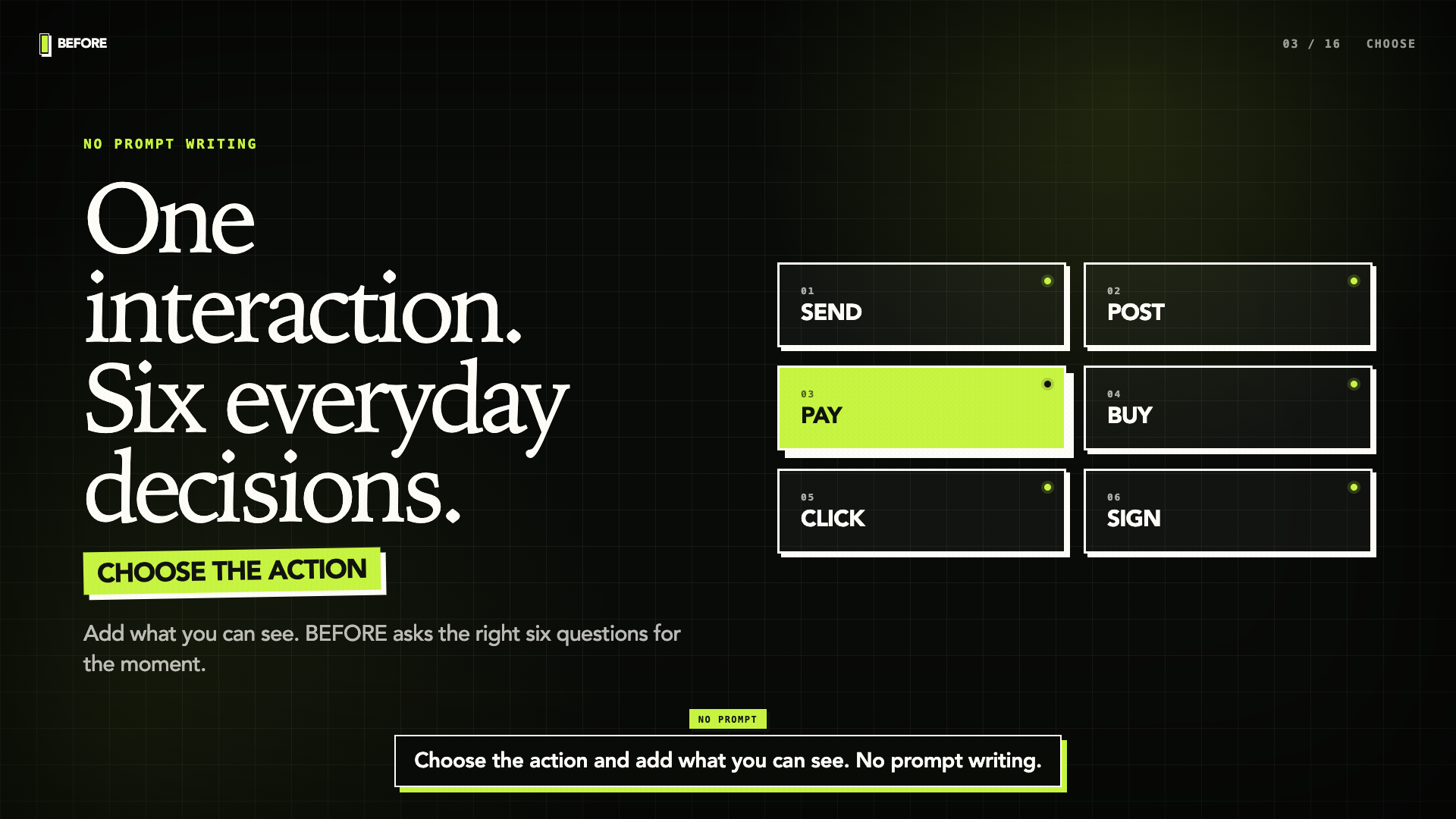
It detects dangerous intent patterns like BUY, PAY, SEND, CLICK, SIGN, and POST, then runs a six-check pipeline and returns a clear verdict: GO / FIX / PAUSE.
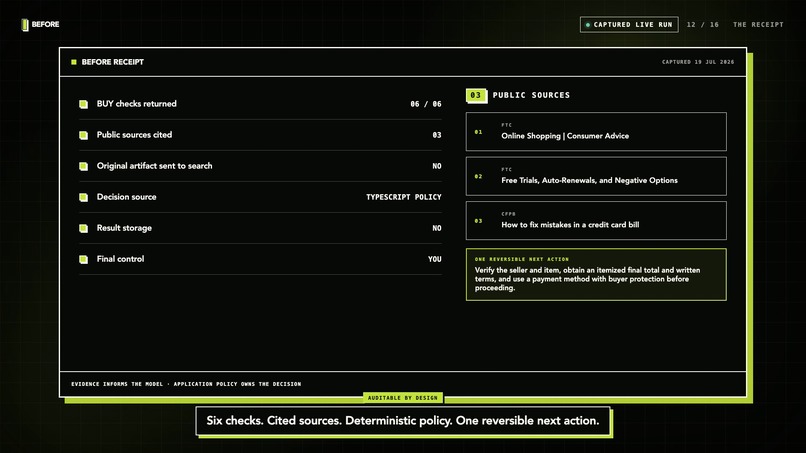
If something is risky, it doesn’t just warn you. It explains what was checked, what was missing, and what safer step to take next.
How we built it
We built BEFORE as a practical safety layer, not a research demo. On the outside, it looks simple and fast. Under the hood, it’s a policy-driven pipeline: model analysis, deterministic validation, domain and source checks, and strict server-side enforcement.
The hardest part was making trust measurable. So we built evaluator tests for clear, concern, unknown, and adversarial cases to make behavior consistent—not just in one demo moment, but across many edge cases.
Challenges we ran into
One major challenge was avoiding “fake confidence.” Large models can sound certain even when evidence is weak or fabricated. So we constrained the system with deterministic gates: only certain facts can drive risky decisions. Another challenge was pacing the UX. Safety checks need to feel informative without feeling annoying. We tuned prompts, timings, and result cards so users feel informed, not interrupted. And in a buildathon setting, performance pressure is real: fast enough to keep engagement, strong enough to remain trustworthy.
Accomplishments that we’re proud of
We built a working flow where the hardest actions are no longer blind clicks. People can see what was checked and why the tool hesitates. That clarity is the real win. We also made the logic auditable: transparent findings, source provenance, and strict policy behavior. The evaluator suite is another proud point. because it gives us confidence that the tool behaves responsibly under good and bad prompts, not only the “perfect demo” case.
What we learned
Safety is not a feature you bolt on; it has to shape the whole product experience. A safer AI system is built from three things together: model capability, strict validation, and humane UX. The best insight from this project is that people don’t want less AI. they want AI they can trust, and trust is built through explanation and control.
What’s next for Before
People should not have to become security experts to use AI safely. In the next version, BEFORE can grow into a broader trust layer for everyday copilots: banking, shopping, scheduling, document signing, and account actions across tools.
We’re planning richer context memory, tighter enterprise integrations, clearer risk scoring, and better learning loops from real user feedback.
Long term, Before’s goal is simple and ambitious: make risky AI actions impossible to execute blindly, and make safe action the easy default.
Built With
- codex
- gpt-5.6sol-ultra
- gstack
- openai
- typescript


Log in or sign up for Devpost to join the conversation.