-
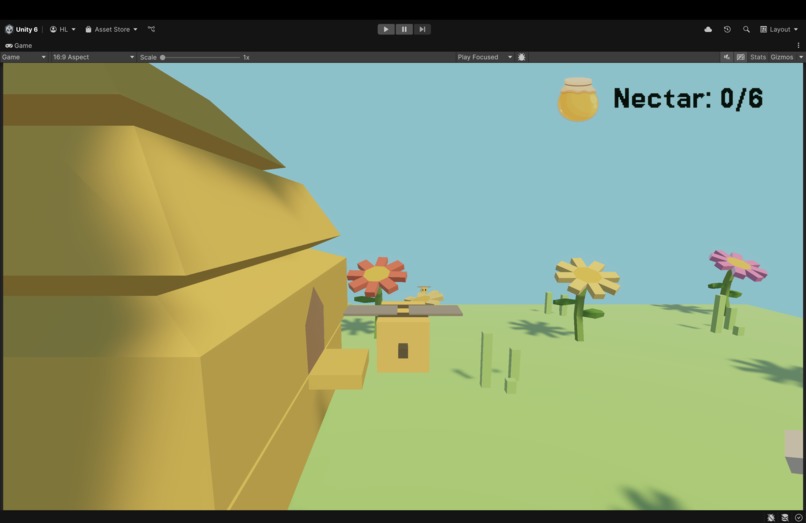
Level 1
-
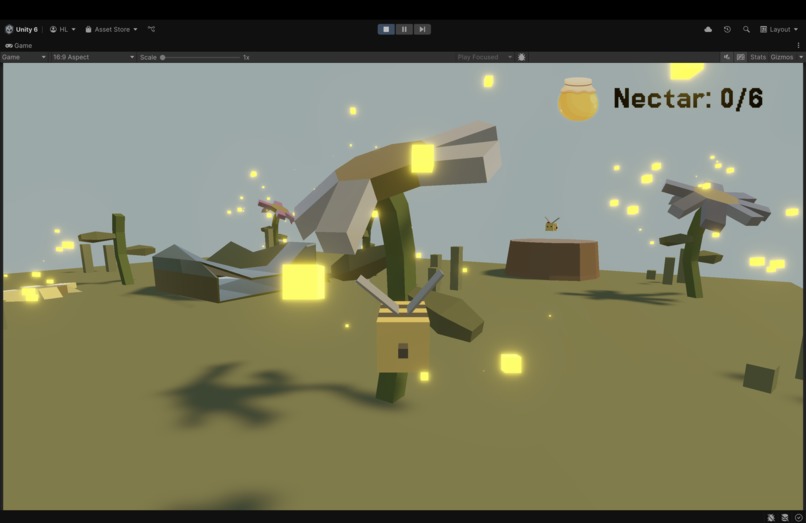
Level 2
-
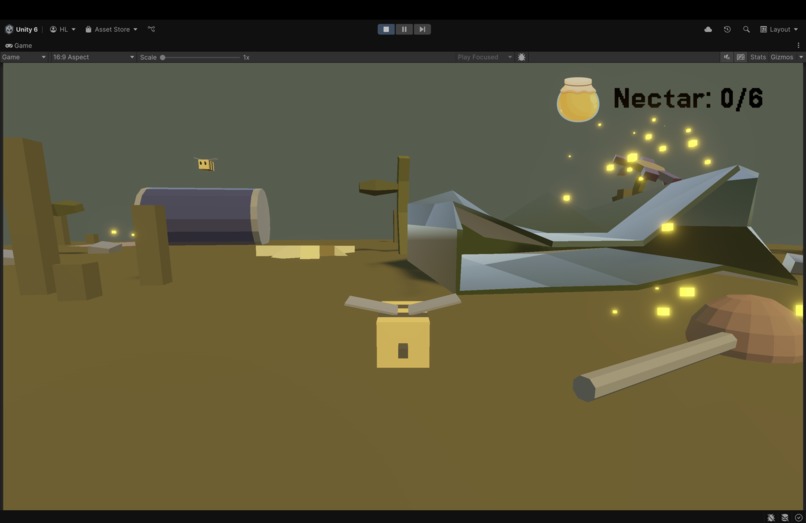
Level 3
Inspiration
Around 75% of global food production depends on pollinators, yet bee species have declined by ~25% since the 1990s (GBIF). This inspired us to raise awareness of bee extinction, a critical but often overlooked issue.
What it does
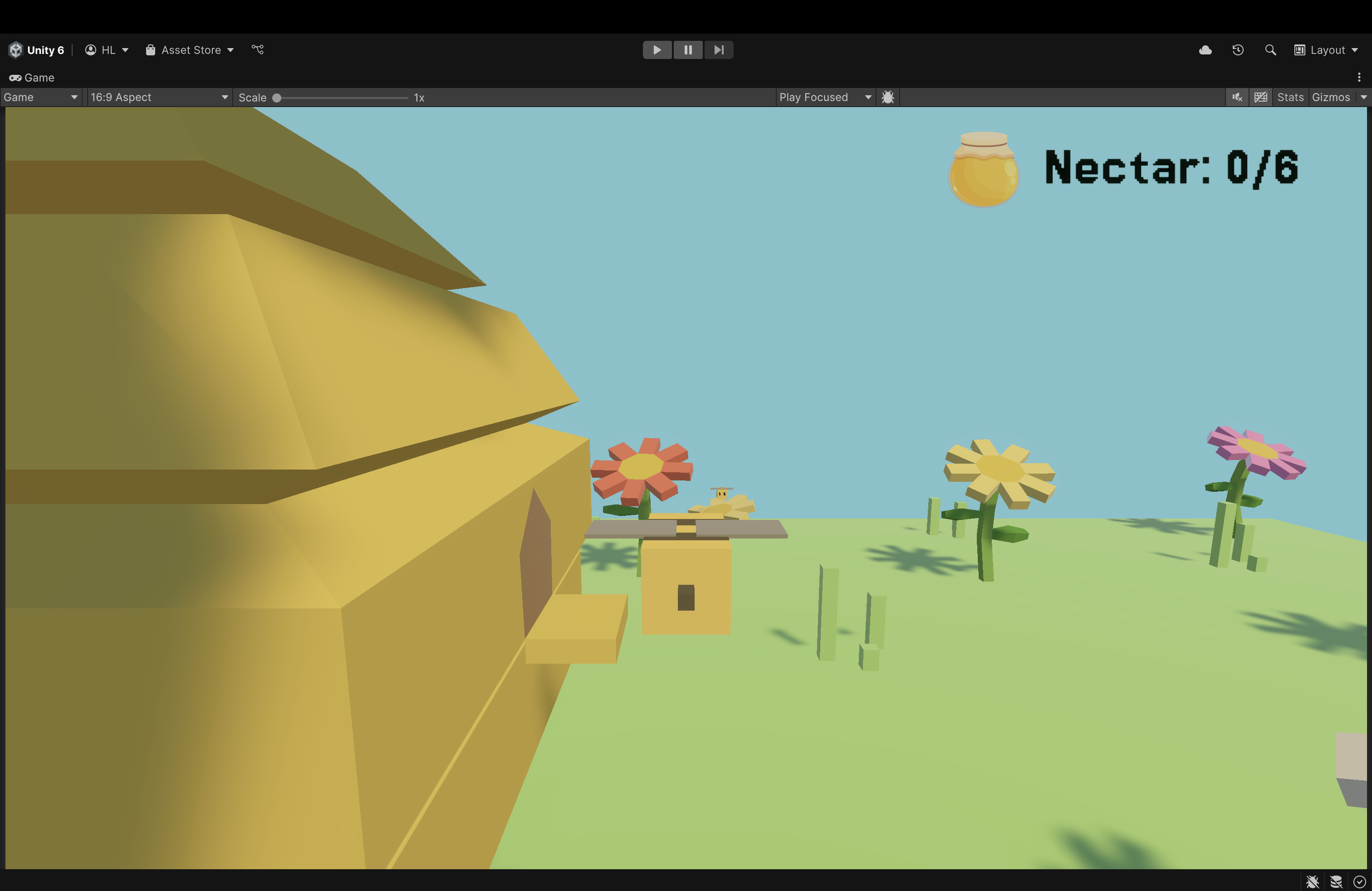
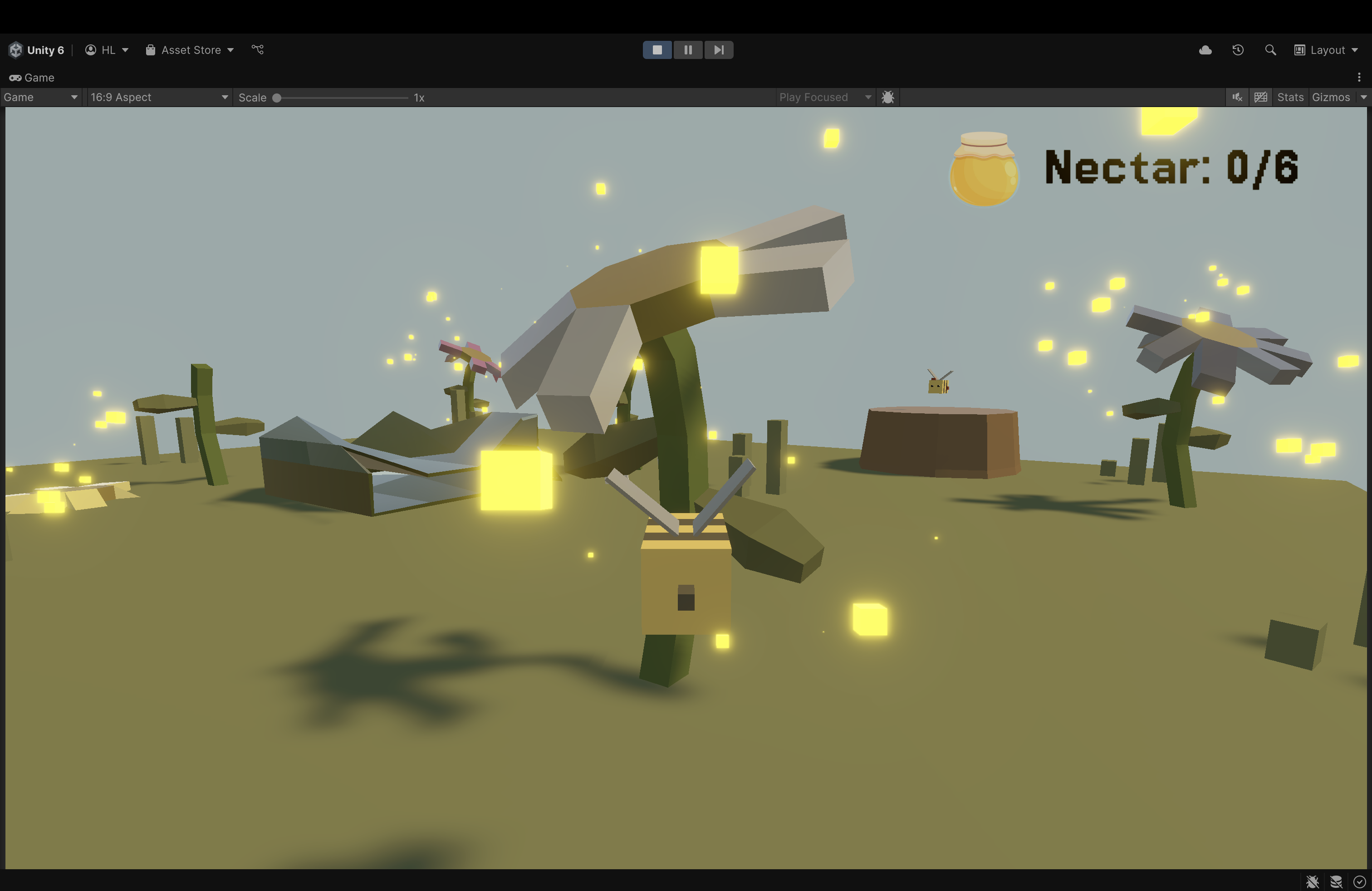
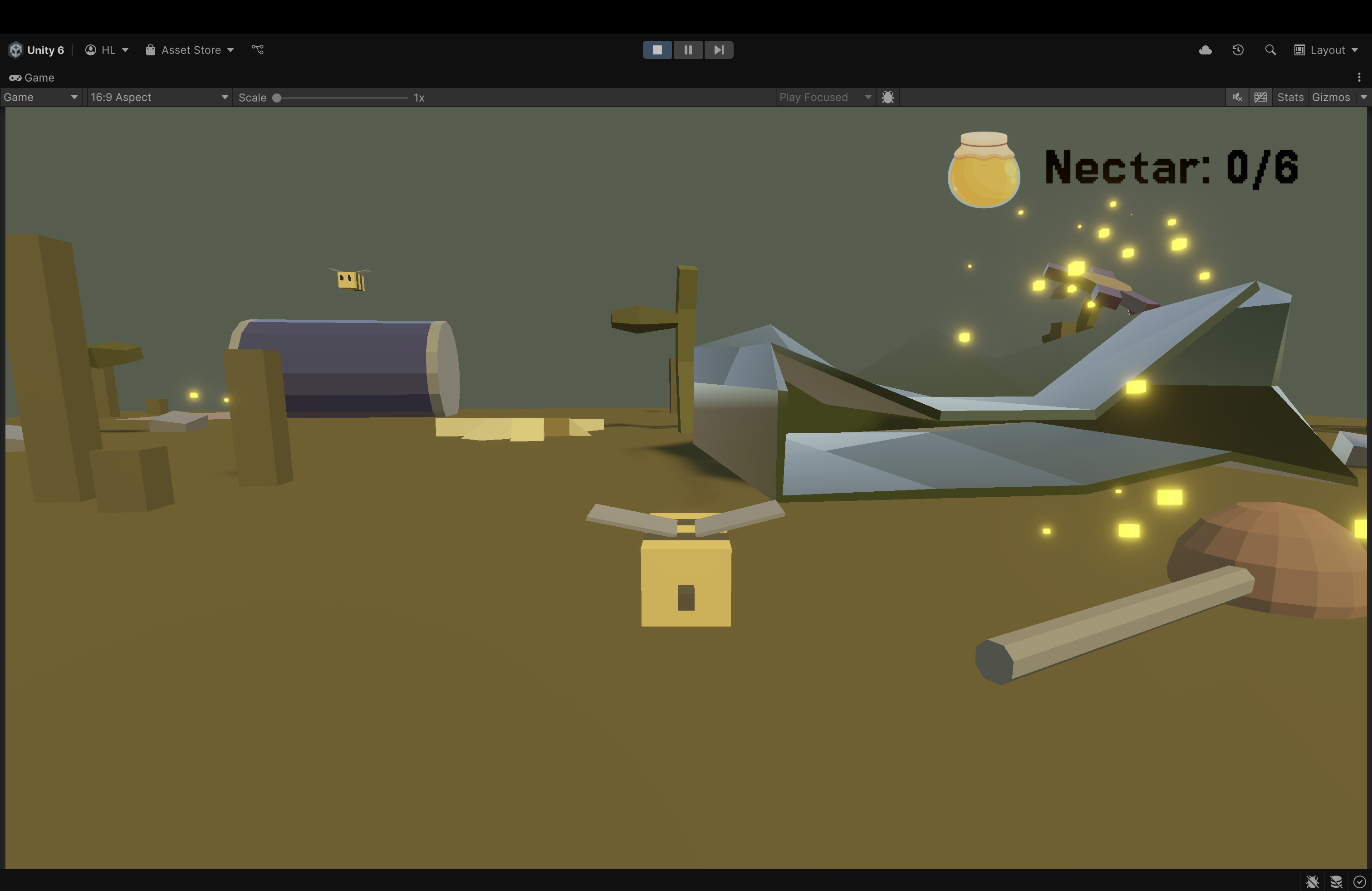
Players take the first-person perspective of a bee, collecting pollen, facing human-induced hazards like pesticides, and returning to the hive. The closed ending, where the bee inevitably dies, challenges conventional winning-based games and highlights anthropocentrism.
How we built it
- Blender: 3D assets (bee, hive, flowers)
- Unity: Game engine for scenes and interactions
- C#: Controls, scoring, and hazard mechanics
Challenges we ran into
One major challenge was achieving flight mechanics that felt natural yet accessible for all age groups. We tried our best to communicate an educational message without relying on text which ensures the game remains universally understandable.
Accomplishments that we're proud of
While mainstream climate awareness often centers on dying forests and the lack of trees, this project focuses on the less discussed but equally vital issue of bee extinction. It is a micro level ecological collapse that reflects the larger, systemic impact of global warming and this encourages players to recognize the interconnectedness of all living systems.
While most educational games follow a hopeful narrative, this project presents an unexpected conclusion that subverts conventional gameplay expectations. By allowing players to experience the world through the eyes of a bee, the game will apply an empathy-driven learning and make the issue more memorable.
The game combines environmental issues, artistic symbolism (the bee’s death), and social critique (anthropocentrism and human responsibility). The interconnectedness turning into entertainment redefines what “coding for good” can mean.
What we learned
Through this project, we deepened both our technical and conceptual understanding. Technically, we gained experience in 3D modeling, Unity programming, and debugging in C#. Conceptually, we learned how to use interactive storytelling as a tool for social impact, and how emotion and empathy can strengthen learning outcomes more effectively than facts alone.
What's next for Be a bee
Expand to show how bee extinction impacts small-scale farmers and social inequality, connecting ecological crises to broader human consequences.

Log in or sign up for Devpost to join the conversation.