-
-
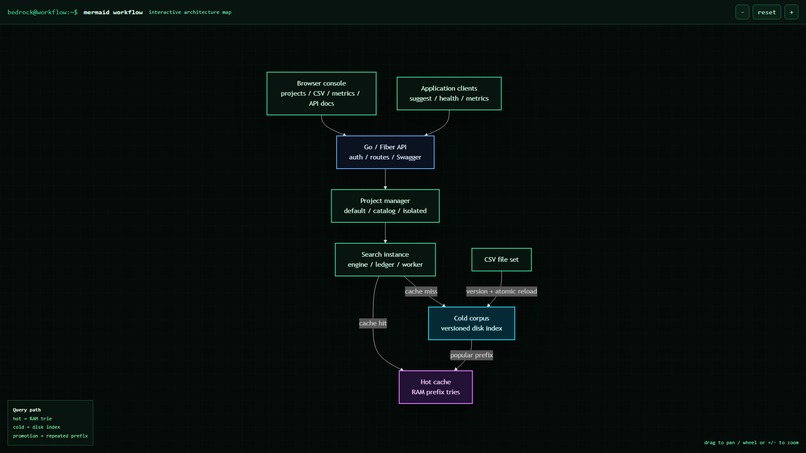
Workflow preview
-
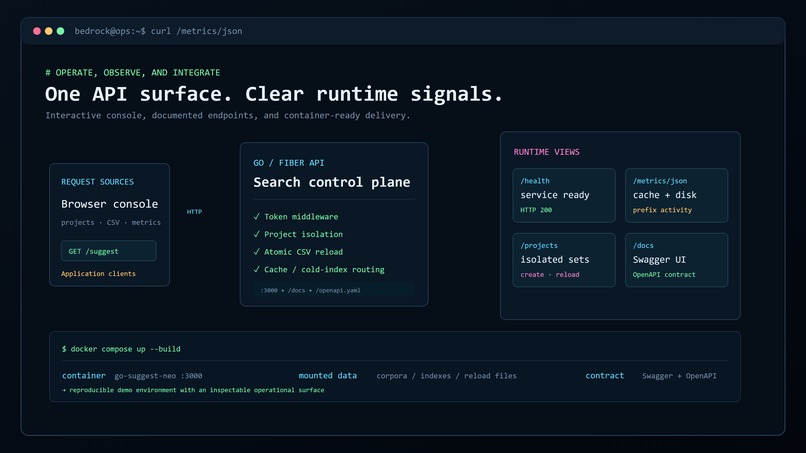
API componets
-
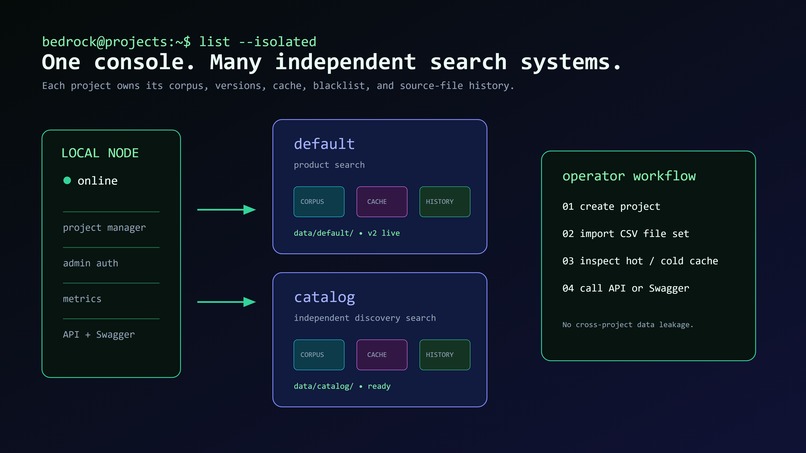
Backend Overview.
-
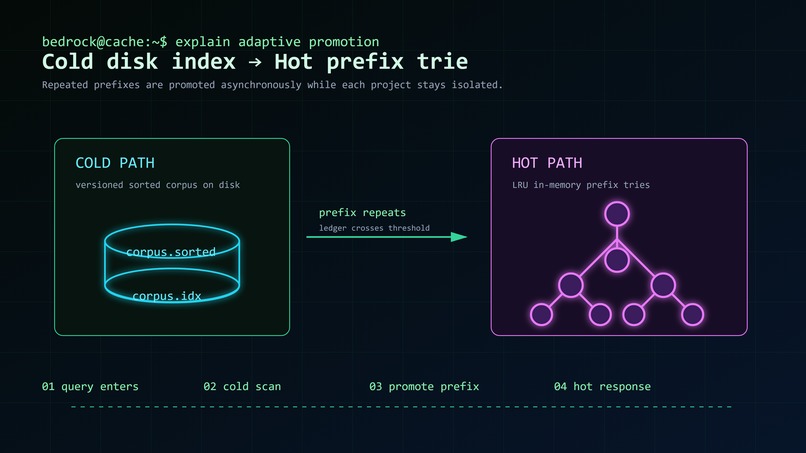
Cold DB cache and Hot B Tree cache
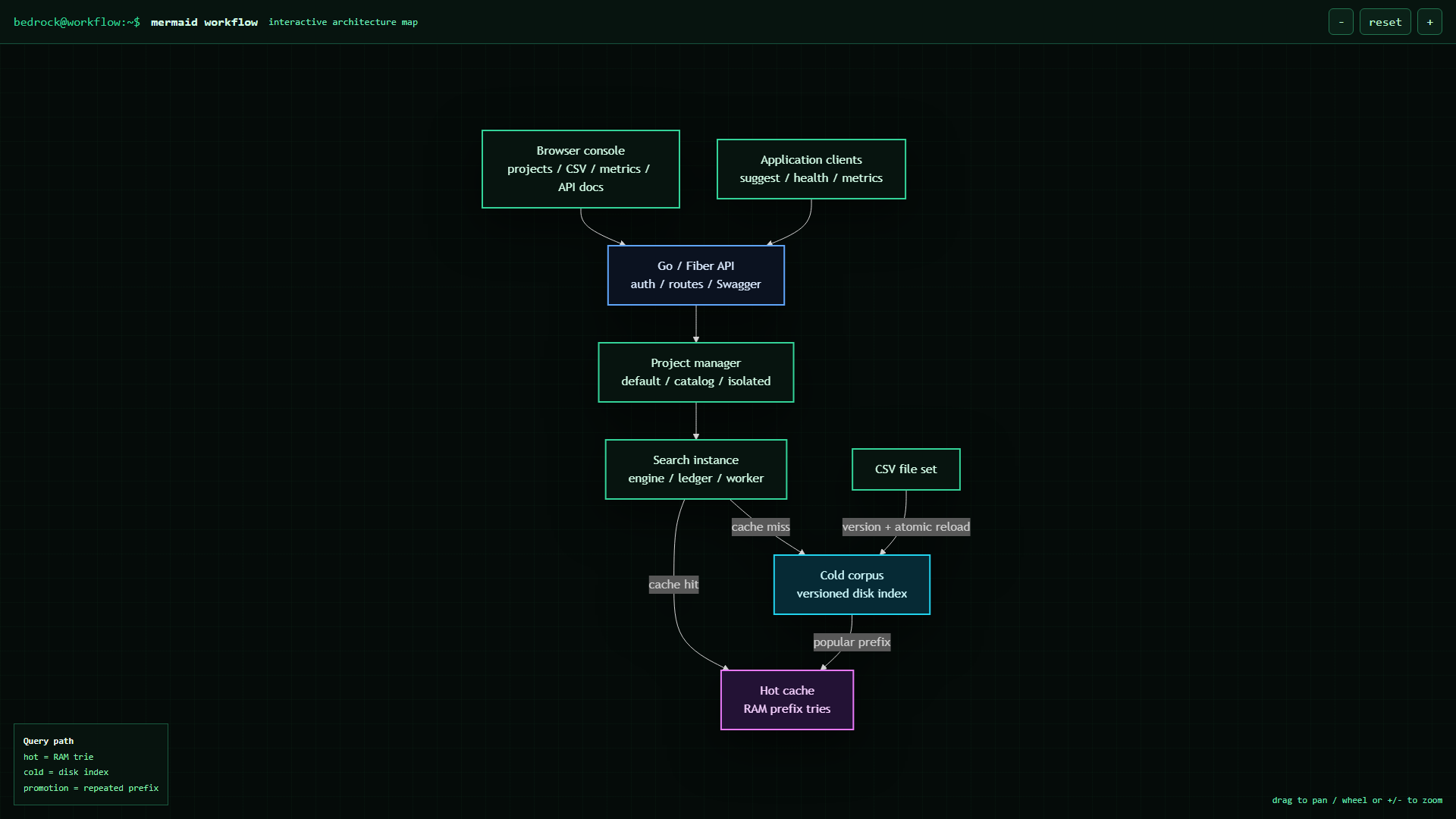
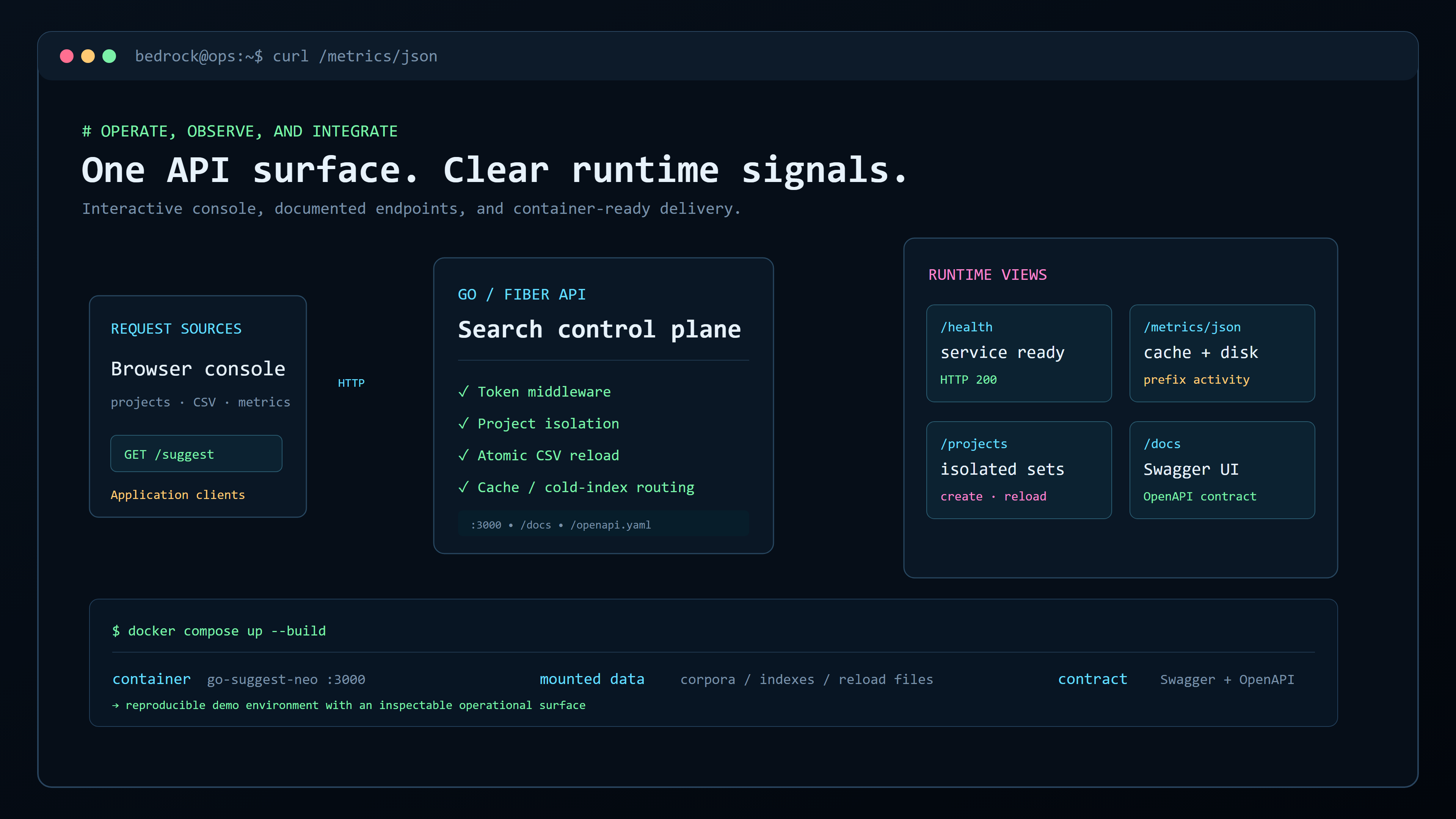
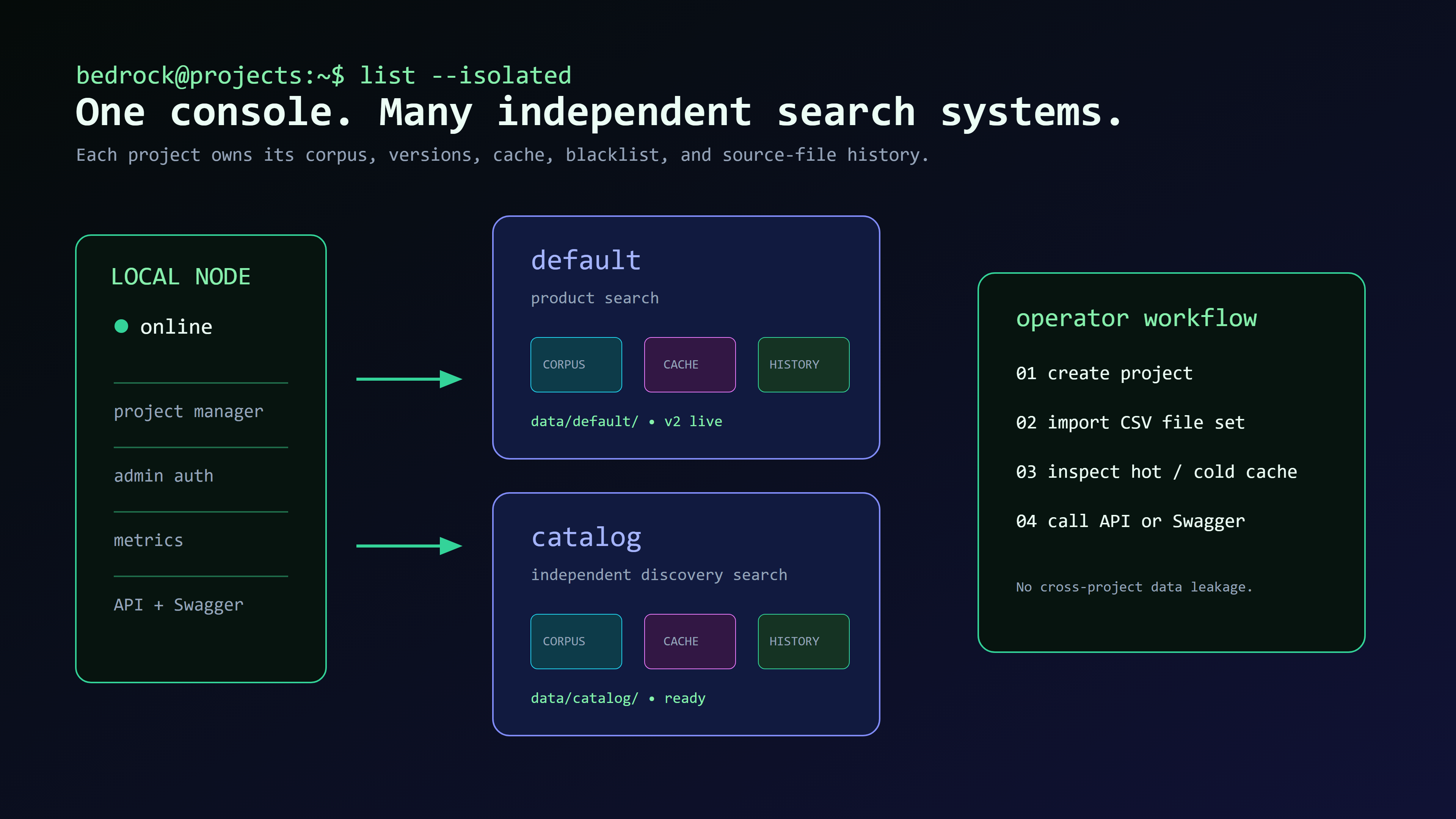
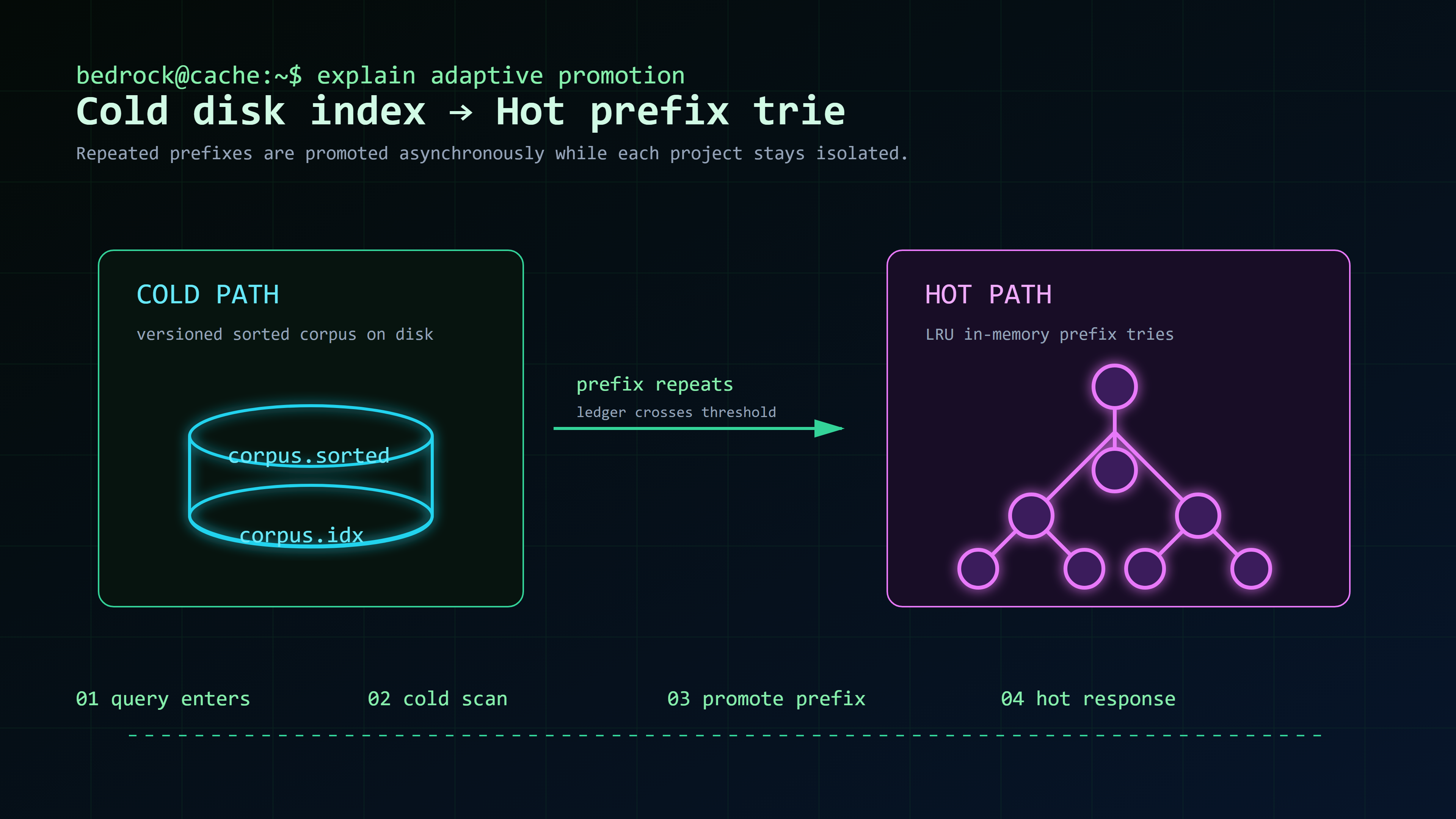
Bedrock Search
Inspiration
Search is one of the most important features of modern software, yet building a fast, scalable, and intelligent autocomplete system is surprisingly complex. Developers often have to combine indexing, prefix matching, caching, ranking, APIs, and infrastructure before users even type their third character.
We wanted to simplify that experience by building Bedrock Search—a production-ready autocomplete engine that can be integrated into virtually any application. Instead of every team reinventing search, developers can simply plug Bedrock Search into their existing products and immediately deliver a better search experience.
OpenAI Build Week inspired us to rethink traditional search infrastructure by combining deterministic search algorithms with GPT-5.6. Rather than replacing proven search techniques, we use AI where it adds real value: improving search quality, understanding user intent, and making integration easier for developers.
What it does
Bedrock Search is a high-performance autocomplete engine designed for developers and organizations that need fast, scalable search.
The platform includes both a developer-friendly API and an administrative dashboard for managing search data.
Core capabilities
- Lightning-fast autocomplete responses
- Prefix search over millions of searchable entries
- Adaptive Trie-based caching
- Optimized disk-backed indexing
- REST API for seamless integration
- CSV import pipeline for bulk data ingestion
- Search analytics and monitoring
- Admin dashboard for dataset management
- Multi-dataset support
- Docker-based deployment
- Optional GPT-5.6-powered suggestion enhancement
Bedrock Search can power search experiences for SaaS platforms, e-commerce stores, documentation portals, enterprise applications, internal knowledge bases, AI assistants, and developer tools.
How we built it
The backend is written entirely in Go, using the Fiber web framework to deliver high throughput and low latency.
The indexing pipeline processes CSV datasets into an optimized searchable corpus. Frequently queried prefixes are stored inside an adaptive Trie cache, dramatically reducing lookup time while keeping memory consumption under control.
The system exposes REST APIs for search, administration, and data ingestion. An administrative interface allows datasets to be uploaded, indexed, managed, and monitored without manual intervention.
Throughout development, Codex accelerated implementation, refactoring, testing, API development, and documentation.
GPT-5.6 is used as an optional intelligence layer that can:
- Improve suggestion readability
- Normalize search phrases
- Expand abbreviations
- Better understand user intent
- Enhance ranking for ambiguous queries
The search engine itself remains deterministic, ensuring predictable performance even when AI features are disabled.
Challenges we ran into
Designing a search engine that is both memory-efficient and extremely fast required several iterations.
Some of our biggest challenges included:
- Balancing memory usage with lookup performance
- Building a scalable adaptive Trie cache
- Supporting large datasets without loading everything into RAM
- Designing an ingestion pipeline capable of processing bulk CSV imports efficiently
- Integrating GPT-5.6 in a way that genuinely improves search quality instead of becoming a superficial AI feature
- Building administrative tooling that makes dataset management simple for developers
Accomplishments that we're proud of
- Built a reusable autocomplete engine from scratch
- Designed a scalable adaptive Trie caching architecture
- Created a high-performance indexing pipeline
- Developed a REST API for easy integration
- Added an administrative dashboard for managing datasets
- Successfully combined deterministic search with GPT-5.6 enhancements
- Containerized the project using Docker for simple deployment
- Used Codex throughout development to improve engineering productivity and code quality
What we learned
One of our biggest takeaways is that AI works best when combined with strong engineering fundamentals rather than replacing them.
Traditional algorithms still provide the speed and determinism required for infrastructure software, while GPT-5.6 enhances user experience by improving language understanding and search quality.
We also experienced how AI-assisted development with Codex can significantly accelerate software engineering—from architecture and implementation to testing, debugging, and documentation.
What's next for Bedrock Search
Our roadmap includes several major enhancements:
- Fuzzy search and typo tolerance
- Semantic vector search
- Hybrid lexical + semantic ranking
- Personalized autocomplete
- Multi-language support
- Real-time incremental indexing
- Advanced search analytics
- Query popularity tracking
- Role-based administration
- SDKs for JavaScript, Python, Go, and Java
- Kubernetes deployment
- Distributed clustering
- Plugin architecture for custom ranking algorithms
- AI-powered query understanding and search recommendations
Our long-term vision is to make Bedrock Search the easiest way for developers to add production-grade autocomplete to any application, combining traditional search engineering with modern AI capabilities in a single, scalable platform.

Log in or sign up for Devpost to join the conversation.