-
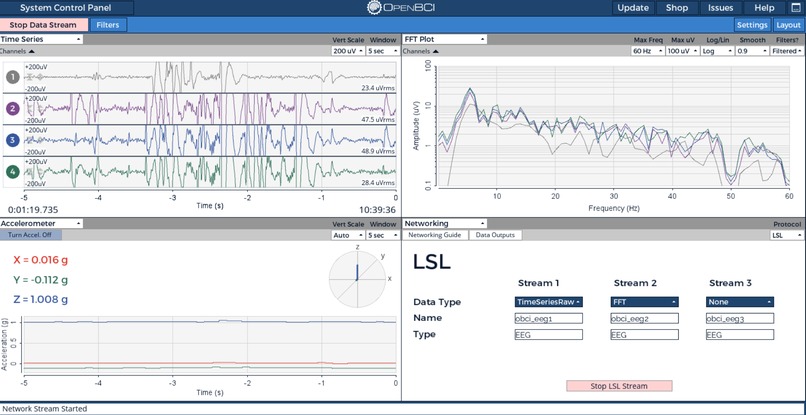
EEG and EMG
-
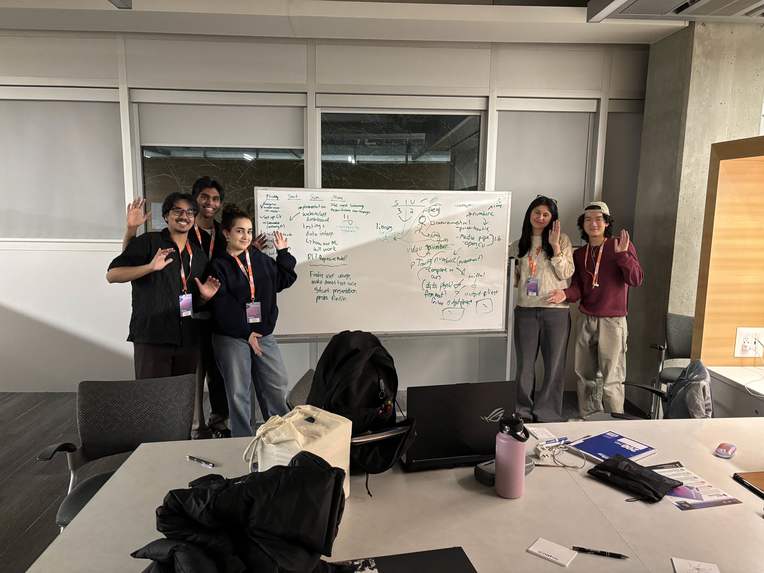
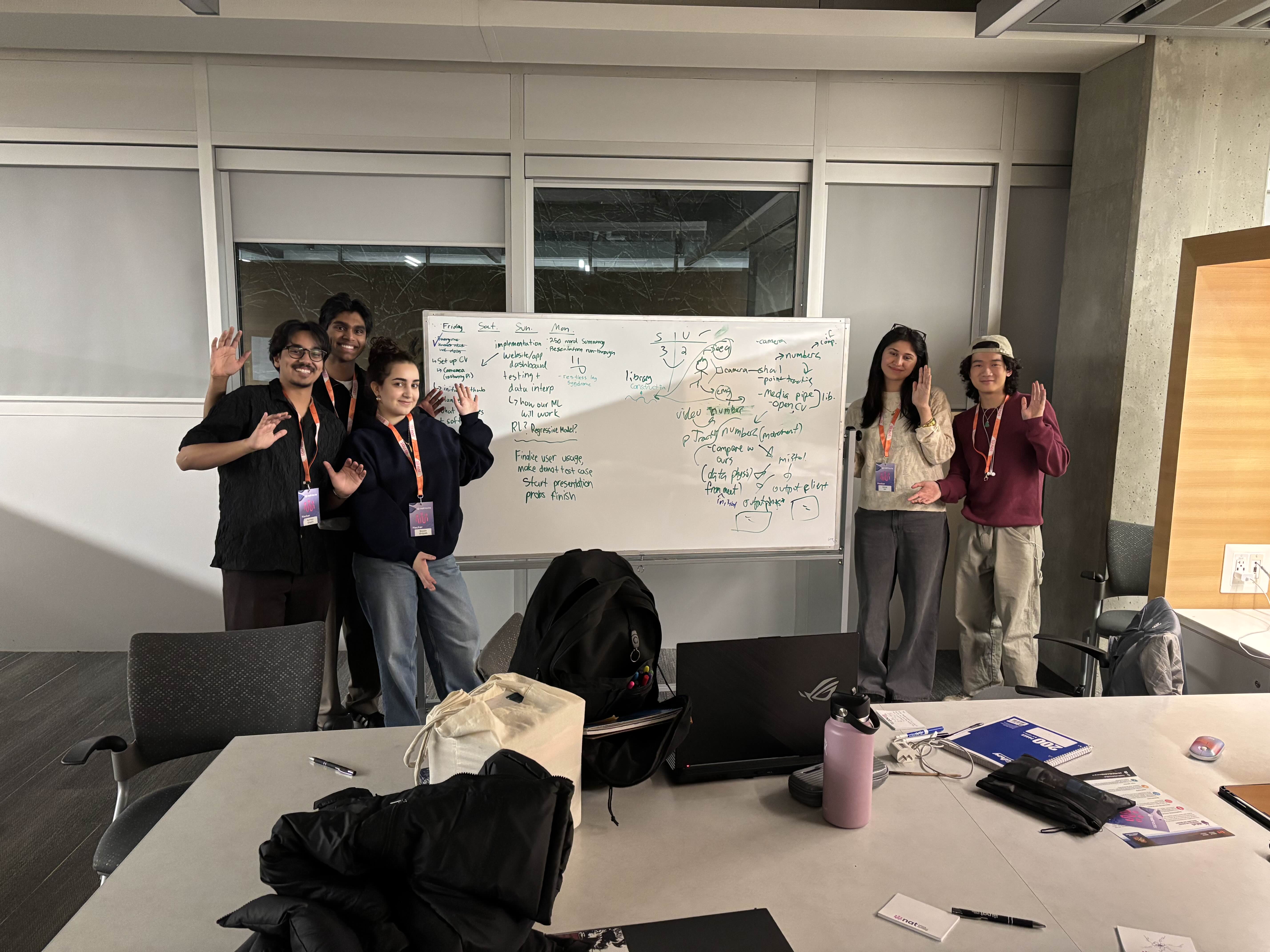
Whiteboarding!
-
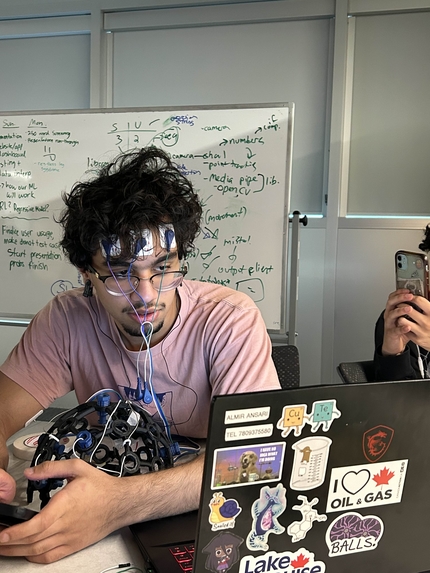
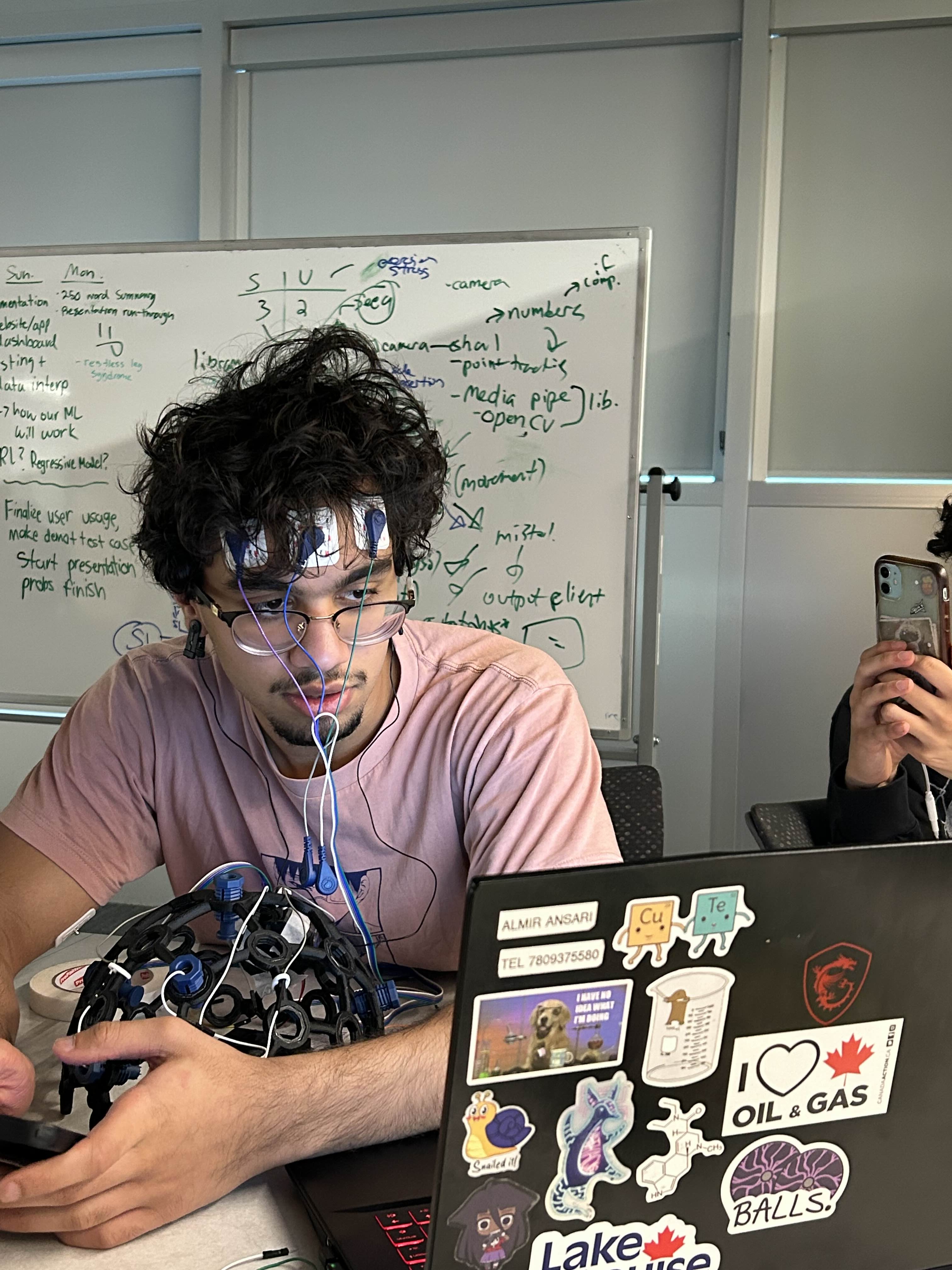
Electrode Data Collection
-
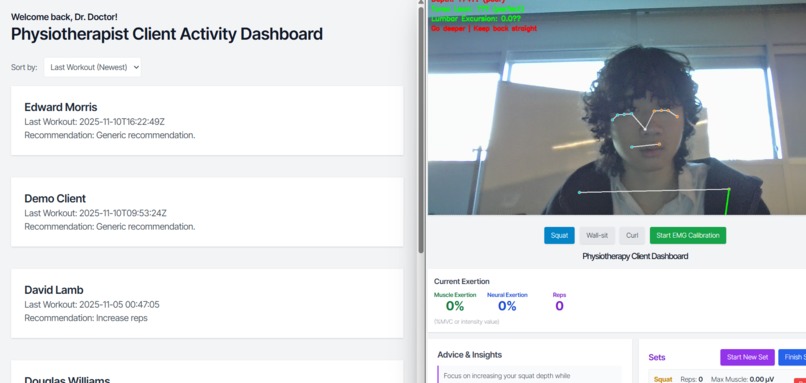
Working Interface


Inspiration
Our best friend Ayman suffered an ACL tear and faced a long, difficult rehabilitation process. Seeing his frustration with limited feedback, inconsistent progress tracking, and lack of engagement inspired us to create BEADDA. We wanted to make recovery more motivating and accurate by combining physiotherapist monitoring with the convenience of at-home use.
What it does
BEADDA is a rehabilitation monitoring tool that helps physiotherapists assess both physical and neurological performance. It uses point tracking algorithms, EMG, and EEG electrodes to capture posture, muscle activation, and focus levels. The data is analyzed and displayed on a web dashboard for clinicians to monitor form, recovery progress, and engagement trends. Patients receive real-time visual feedback to correct movements and stay motivated throughout recovery.
How we built it
Using Python, we connected EEG and EMG electrodes with openBCI GUI through Lab Streaming Layer (LSL) and integrated them with a camera-based motion tracking system to analyze both neural and physical activity during exercises. The synchronized data stream enables real-time feedback, tracking key motion points through pose estimation while correlating them with muscle activation and brainwave patterns linked to focus, fatigue, and motor control. All information is securely transmitted to a cloud database and displayed through an intuitive web dashboard, allowing physiotherapists to monitor trends in form accuracy, engagement, and recovery progress to deliver more personalized and data-driven rehabilitation plans.
Challenges we ran into and what we learned
Building BEADDA came with steep learning curves across hardware, software, and bio signal processing. Working with EEG and EMG signals proved tricky, as precise electrode placement was essential, and even small shifts led to noisy, unreliable data. Calibrating and streaming signals via Lab Streaming Layer (LSL) while syncing with camera tracking demanded constant tuning to reduce delay and interference. We also faced difficulties implementing alpha and beta wave analysis in the EEG pipeline, as our setup lacked the electrode coverage necessary for accurate detection. On the hardware side, our initial plan to use a Raspberry Pi fell short; it couldn’t reliably process simultaneous video, EEG, and EMG streams without lag or crashes. We ultimately transitioned to a desktop setup for stability and speed. The hardest part, though, was fusing all three data sources—brain, muscle, and motion—into a cohesive feedback system. Each operated on different time scales and formats, making real-time alignment and interpretation a major challenge. Through this process, we learned just how intricate biosignal processing and synchronization can be, and gained a deep appreciation for the complexity of multimodal data fusion. We also realized that meaningful machine learning integration requires larger datasets, longer testing periods, and refined filtering pipelines — insights that will guide how we scale BEADDA in the future.
Accomplishments that we're proud of
We successfully built a working prototype that streams EEG, EMG, and motion data into one synchronized interface. Our system provides real-time performance feedback with analytics for physiotherapists. We’re proud of creating a tool that combines technical innovation with genuine potential to improve patient rehabilitation experiences.
What's next for BEADDA by BEADDA.
Next, we plan to implement our plan for a machine learning model to automatically detect improper form, classify exercise quality, and personalize feedback over time. We plan to expand BEADDA to larger and more diverse populations, including elderly patients and children, and will help expansive datasets. We also aim to refine our hardware setup for cleaner signal acquisition, improved comfort, and easier calibration. Ultimately, our goal is to evolve BEADDA into a scalable, clinician-approved tool that enhances rehabilitation accessibility and precision worldwide.

Log in or sign up for Devpost to join the conversation.