-
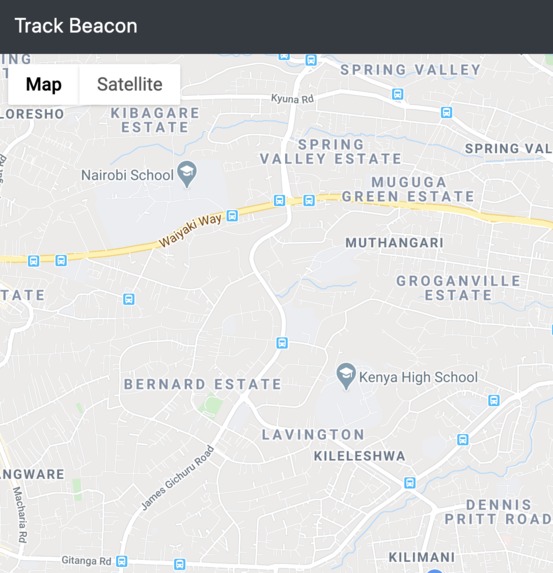
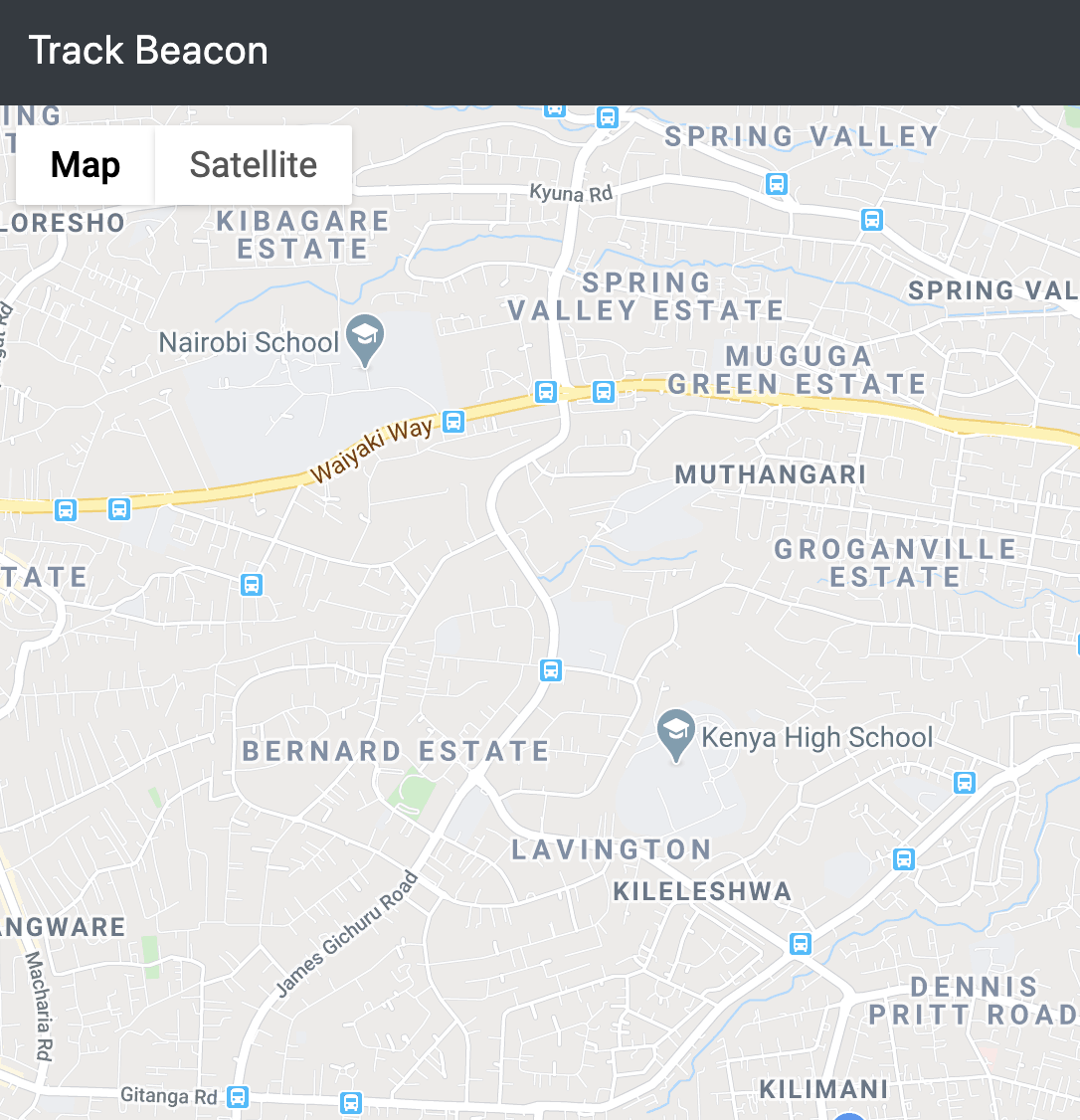
Map view
-
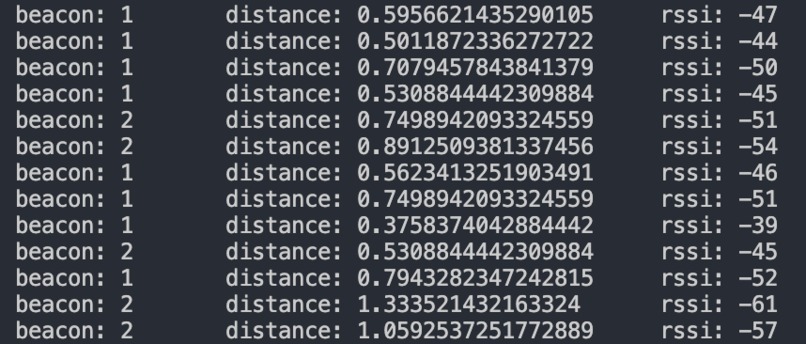
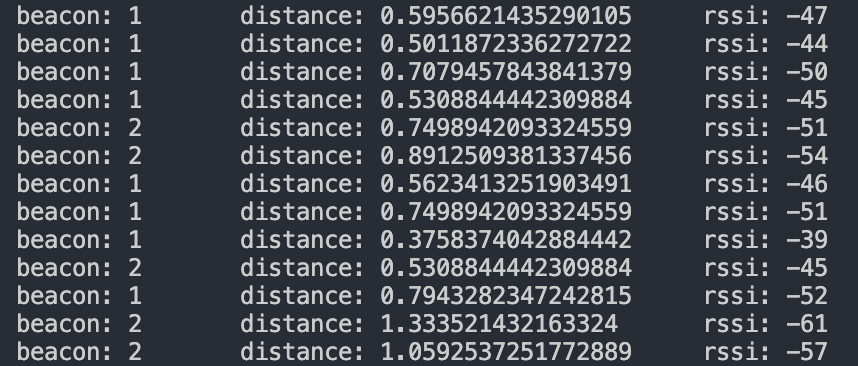
Back-end view of detected signals
Inspiration
Our inspiration was Find My by Apple. It allows you to track your Apple devices and see them on a map giving you relevant information such as last time pinged, distance, etc.
What it does
Picks up signals from beacons using the Eddystone protocol. Using this data, it will display the beacon's possible positions on Google Maps.
How we built it
Node.js for the scanning of beacons, our routing and our API which is hosted on Heroku. We use React.js for the front end with Google Maps as the main component of the web app.
Challenges we ran into
None of us had experience with mobile app development so we had to improvise with our skillset. NodeJs was our choice however we had to rely on old deprecated modules to make things work. It was tough but in the end it was worth it as we learned a lot.
Calculating the distance from the given data was also a challenge but we managed to get it quite accurately.
Accomplishments that I'm proud of
Using hardware was an interesting as I (Olivier) have never done a hackathon project with them. I stick to web apps as it is my comfort zone but this time we have merged two together.
What we learned
Some of us learned front-end web development and even got started with React. I've learned that hardware hacks doesn't need to be some low-level programming nightmare (which to me seemed it was).
What's next for BeaconTracker
The Eddystone technology is deprecated and beacons are everywhere in every day life. I don't think there is a future for BeaconTracker but we have all learned much from this experience and it was definitely worth it.
Built With
- beacon
- ble
- bluetooth
- eddystone
- google-maps
- javascript
- node.js
- react
- react-bootstrap


Log in or sign up for Devpost to join the conversation.