-
-

Our logo for Beacon!
-
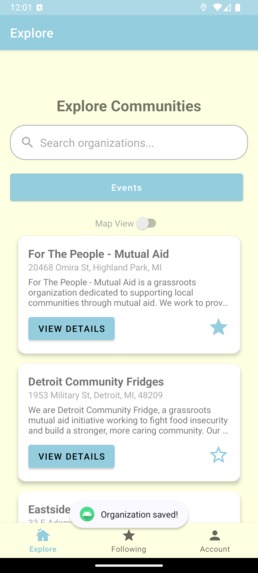
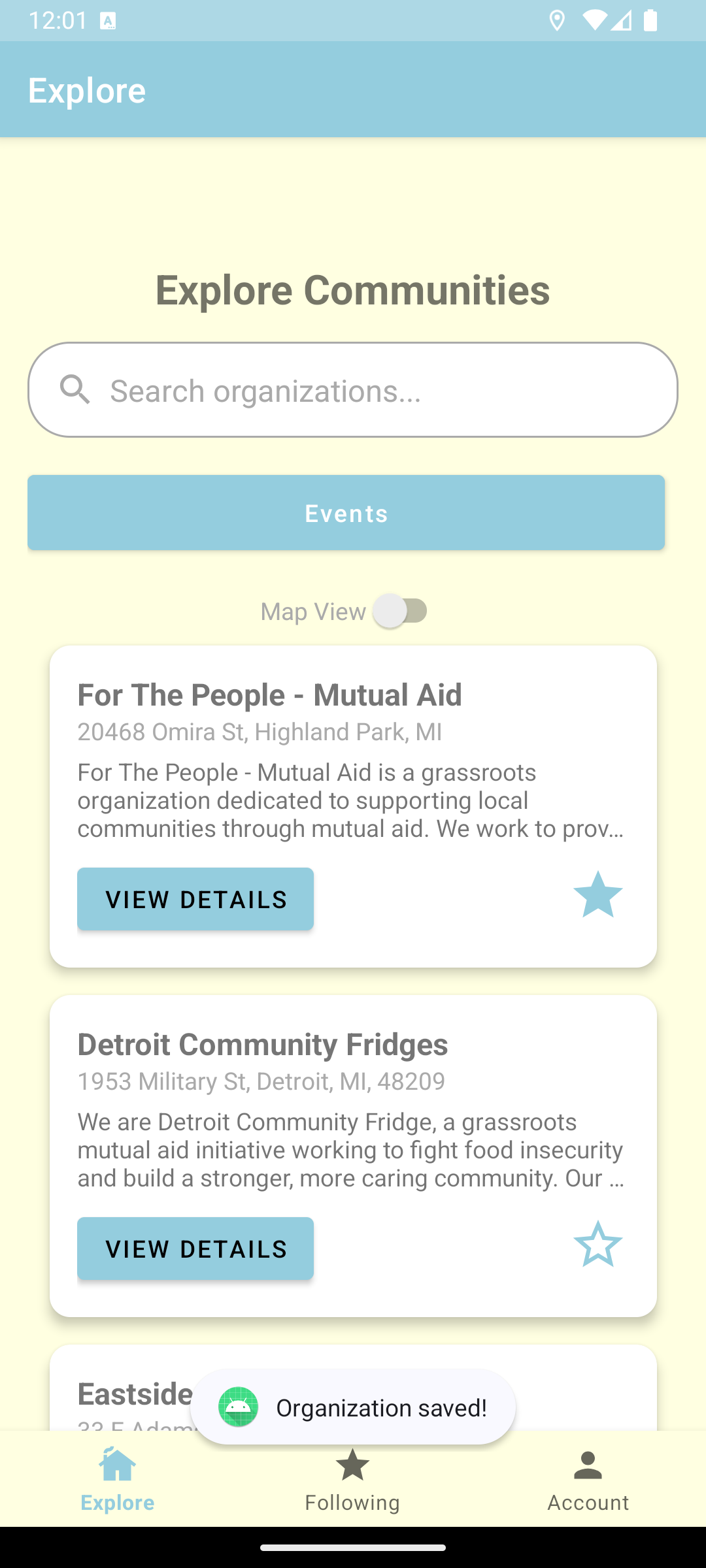
Explore feed where you can discover orgs
-
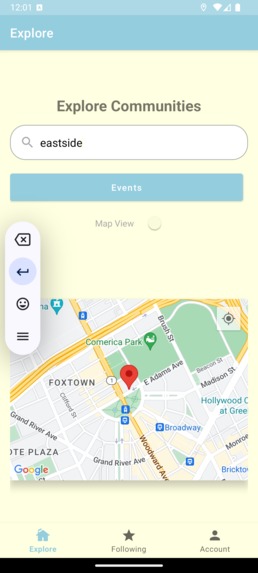
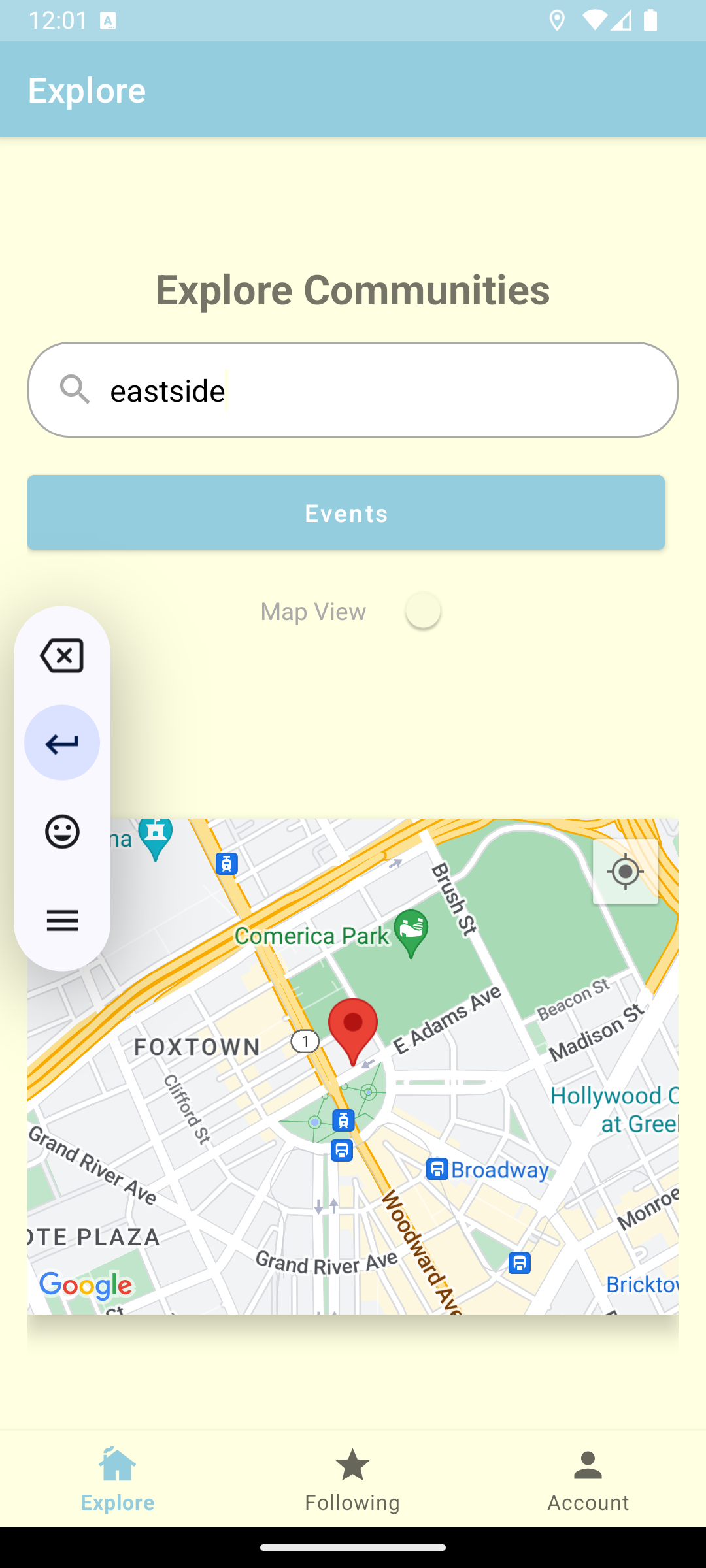
Map view for exploring orgs
-
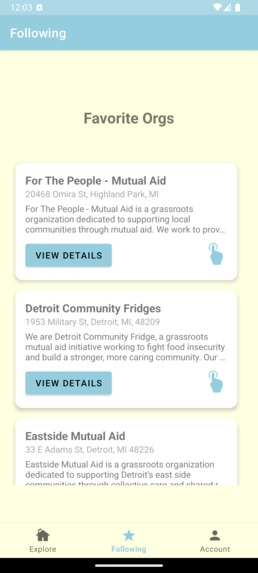
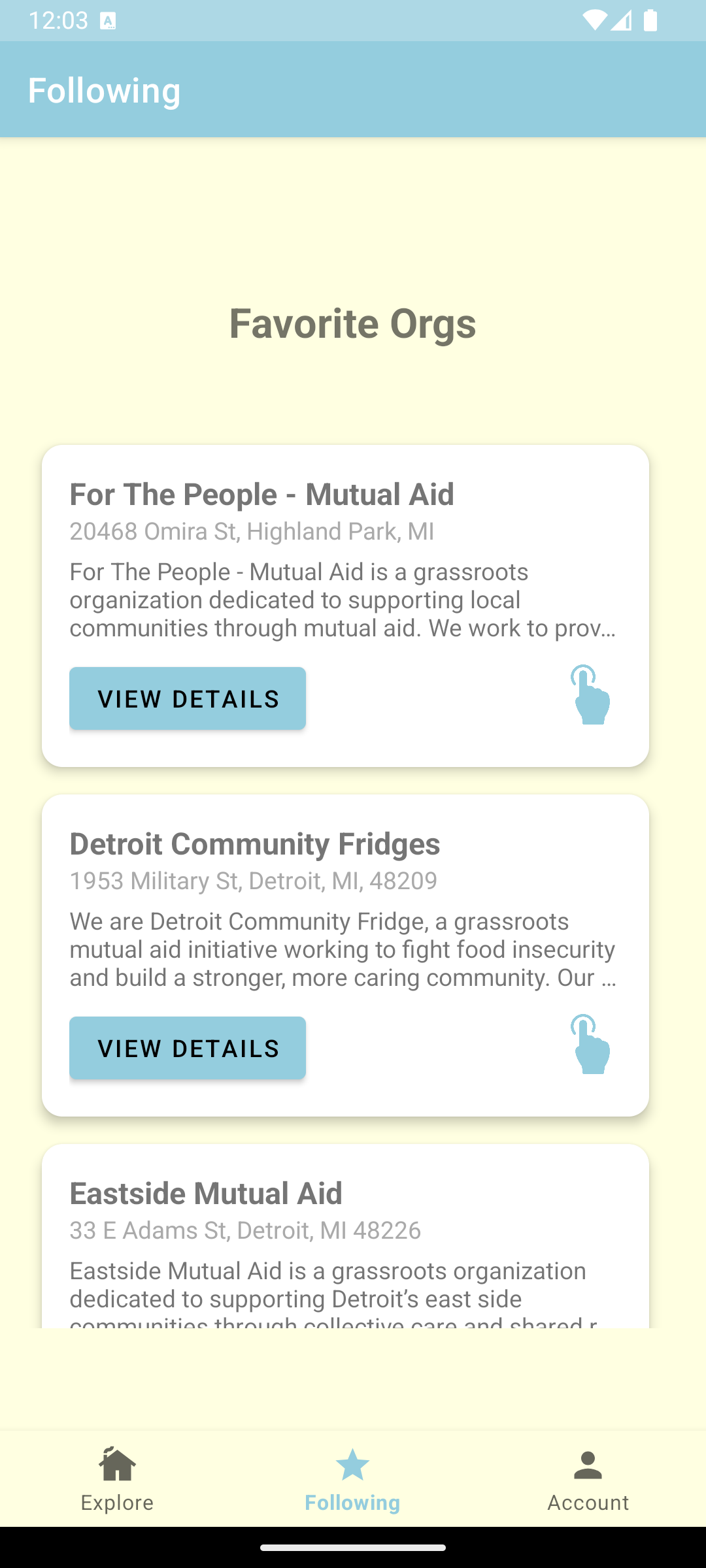
Viewing your favorite orgs in the following screen
-
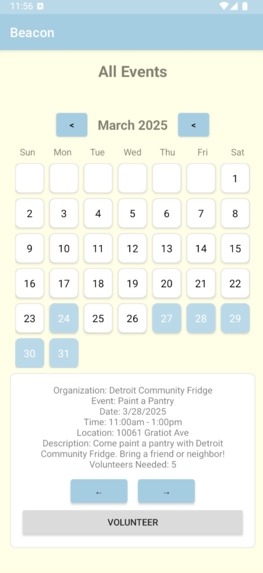
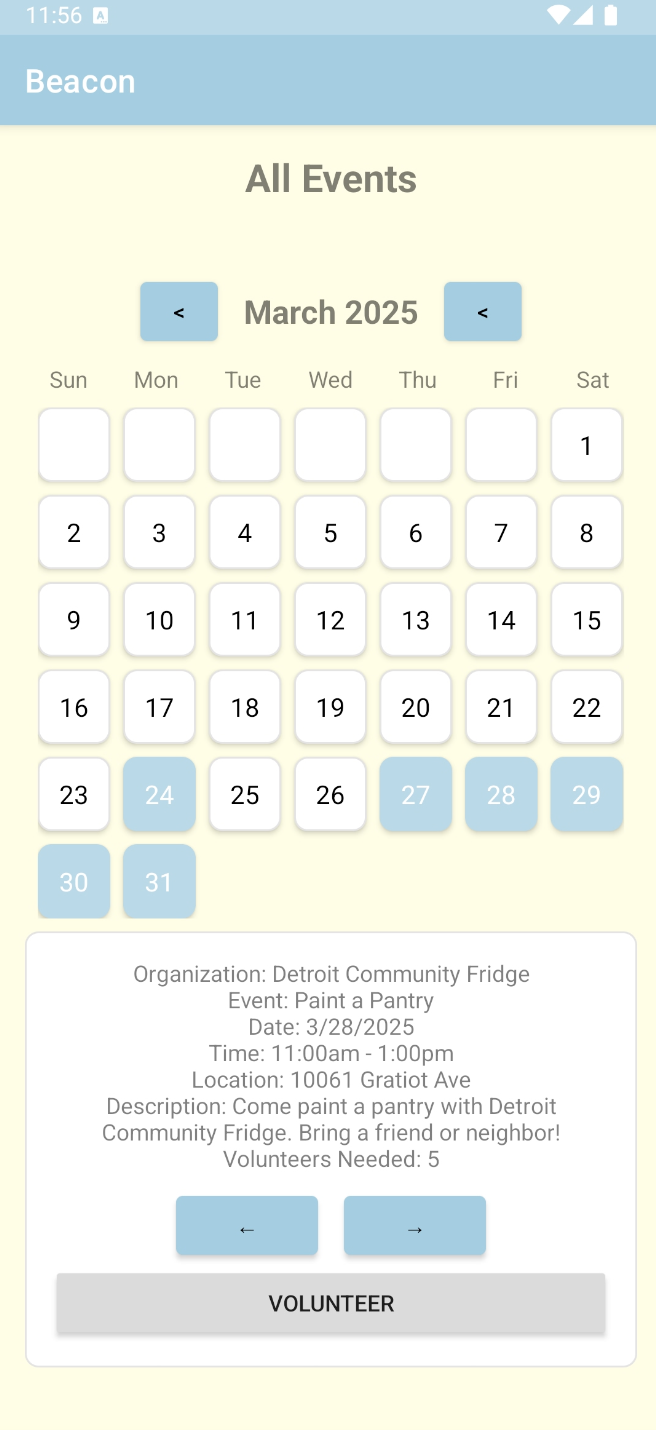
Calendar with your saved/registered events
-
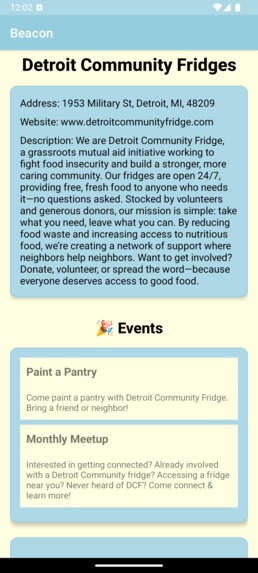
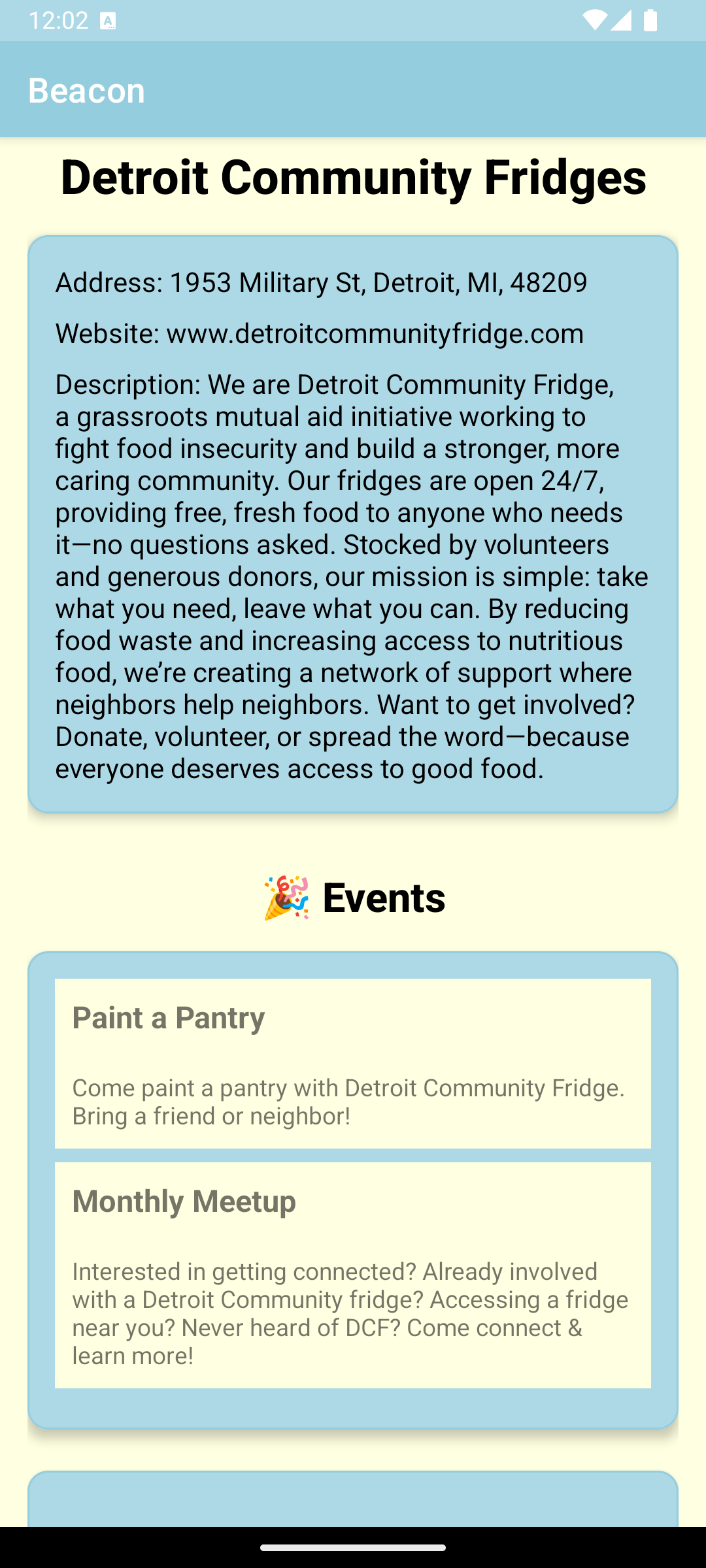
Details of a specific org
-
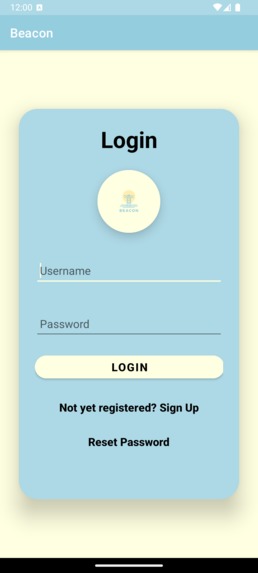
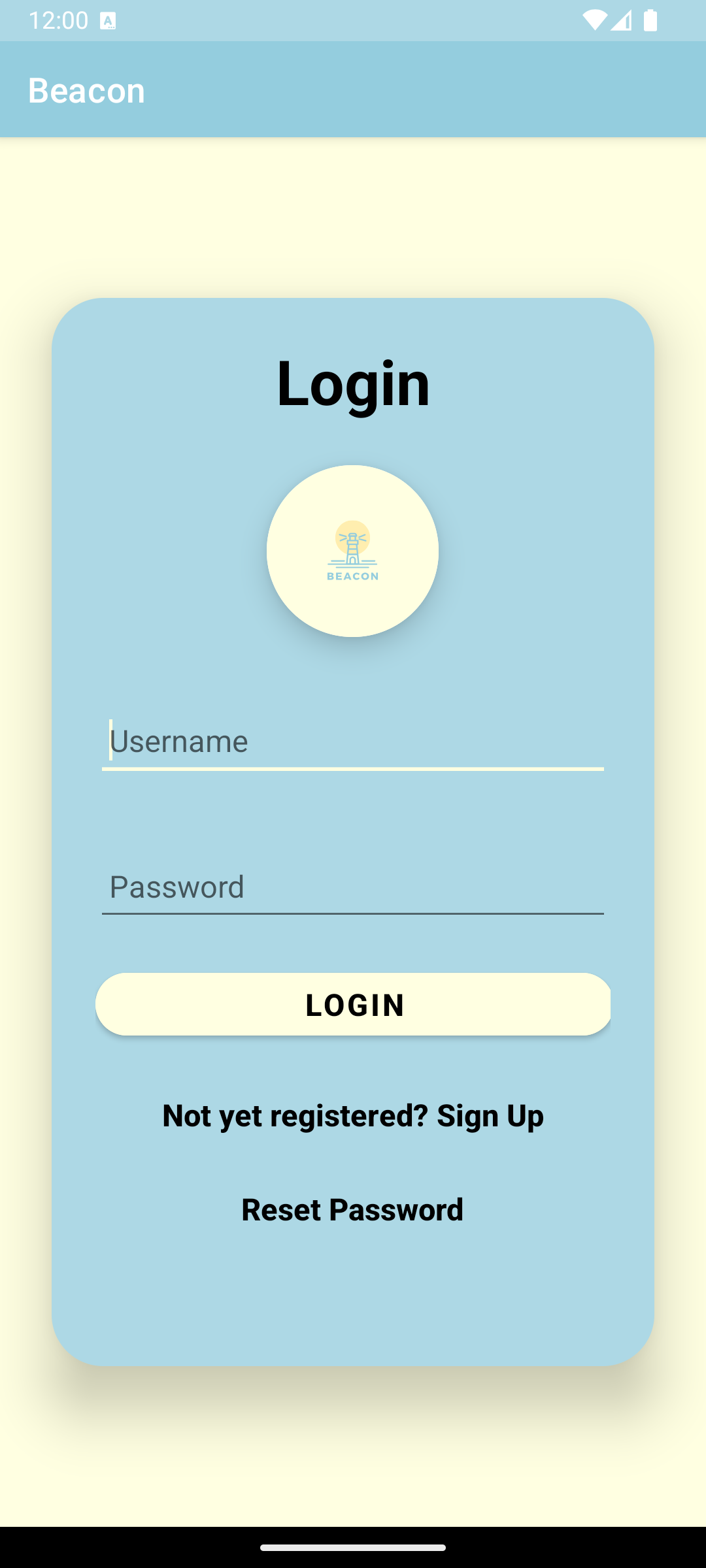
login screen

Inspiration
Beacon was inspired by the need for a centralized platform that connects communities with organizations dedicated to service. Many groups host impactful events, such as food drives, clothing donations, and community fridges, but finding information about them in one place can be challenging. Beacon simplifies this process by creating an accessible hub where users can easily discover and engage with various organizations.
What it does
Users can create and manage their profiles, view a personalized calendar of events they’ve registered for, and receive notifications for important updates. Beacon allows users to follow organizations, explore a directory of available groups, and discover opportunities for donations and volunteering. With features like creating organizations, posting events, and submitting requests, Beacon fosters community engagement by offering a map and list view of organizations and providing easy access to upcoming events. Users can also manage their involvement, from registering for events to following specific organizations, making Beacon a one-stop solution for community support.
How we built it
We built Beacon using Android Studio with Java. For the backend database, we used Firebase Firestore to manage real-time data such as users, events, organizations, and volunteer registrations. We integrated the Google Maps API through the Google Cloud Console to provide an interactive map view of nearby organizations and event locations.
Challenges we ran into
The biggest challenge we faced was combining all our parts. Since we divided our responsibilities based on features, bringing everything together smoothly required a lot of coordination and troubleshooting. We ran into issues with merging code, and making sure each component communicated well with the others. Debugging integration issues took up a big portion of our time, but It taught us a lot about team collaboration.
Accomplishments that we're proud of
We're incredibly proud of how far we came in a short amount of time, 50% of our team were first-time hackathon participants, and yet we managed to build a fully functional and developing Android app. We successfully implemented features like user registrations, event creation, volunteer sign-up, and map integration. This was also our first time working with Firebase Firestore, and we are proud that we were able to learn It quickly and use It to power our app's real-time data. Seeing all the pieces come together into a working product is something we are truly proud of.
What we learned
This project taught us how to efficiently use Firebase Firestore for scalable backend development and how to integrate third-party services like the Google Maps API. We learned how to work with real-time data, handle authentication, and design for both functionality and user experience. Most importantly, we improved our problem-solving, debugging, and teaming skills under tight time constraints. Collaborating on a project like this taught us the importance of clear communication and version control.
What's next for Beacon
Next, we plan to expand Beacon by integrating new feature such as adding push notifications and recurring event support. We also would love to implement social features like photo sharing, user badges, and event highlights.
Built With
- android-studio
- firebase
- github
- google-cloud-console
- google-maps
- java
- xml


Log in or sign up for Devpost to join the conversation.