-
-
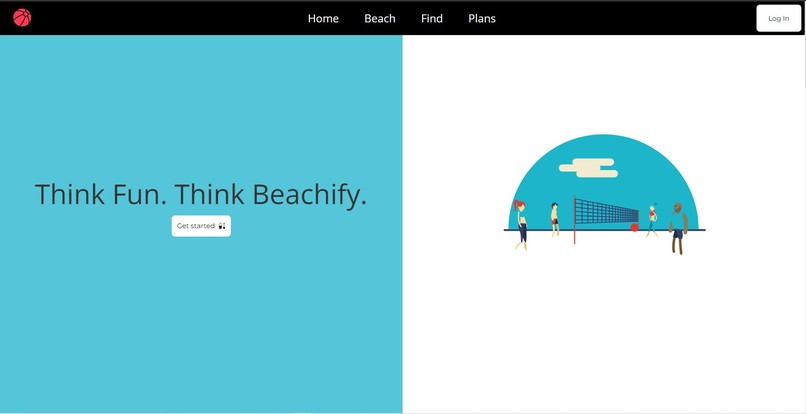
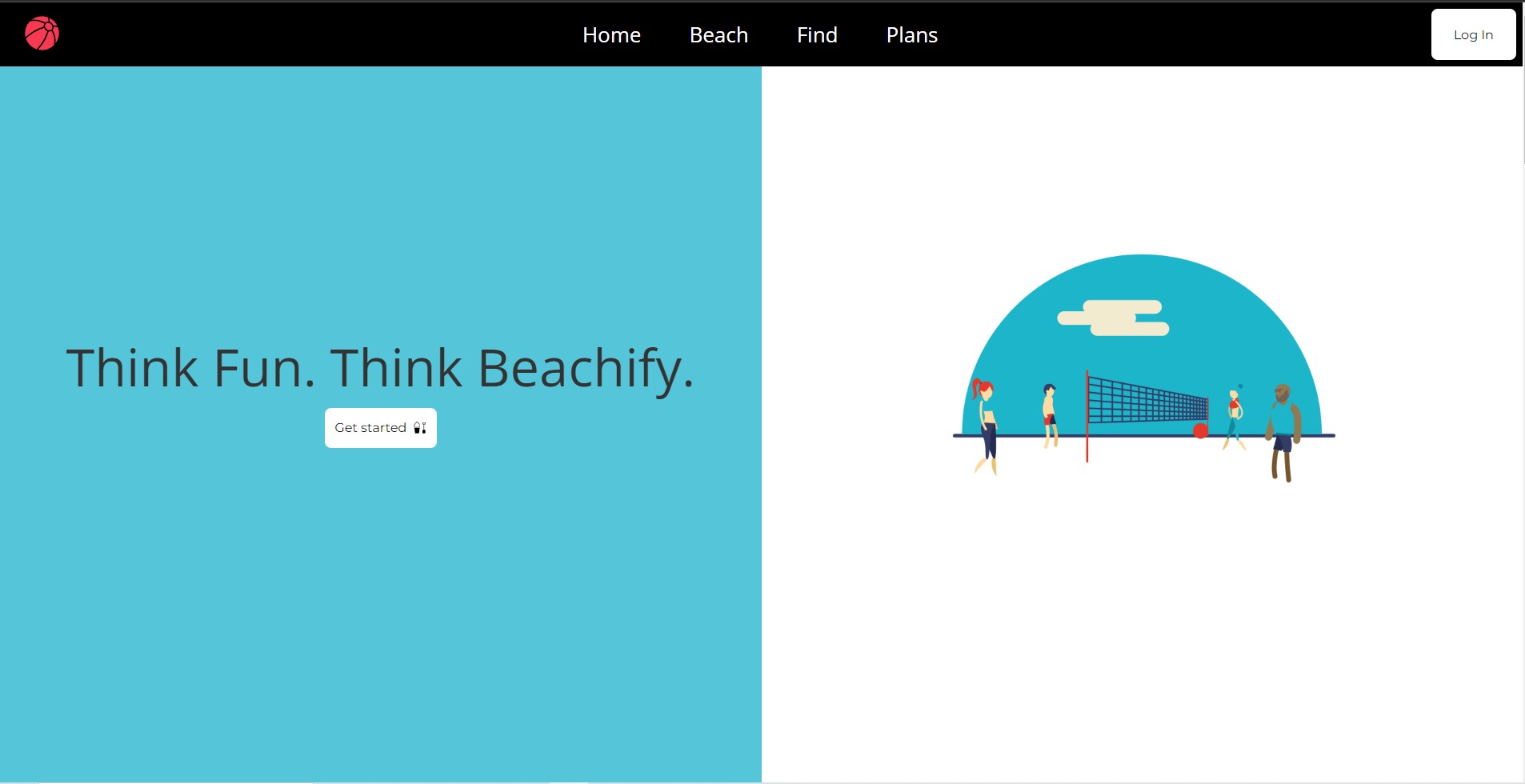
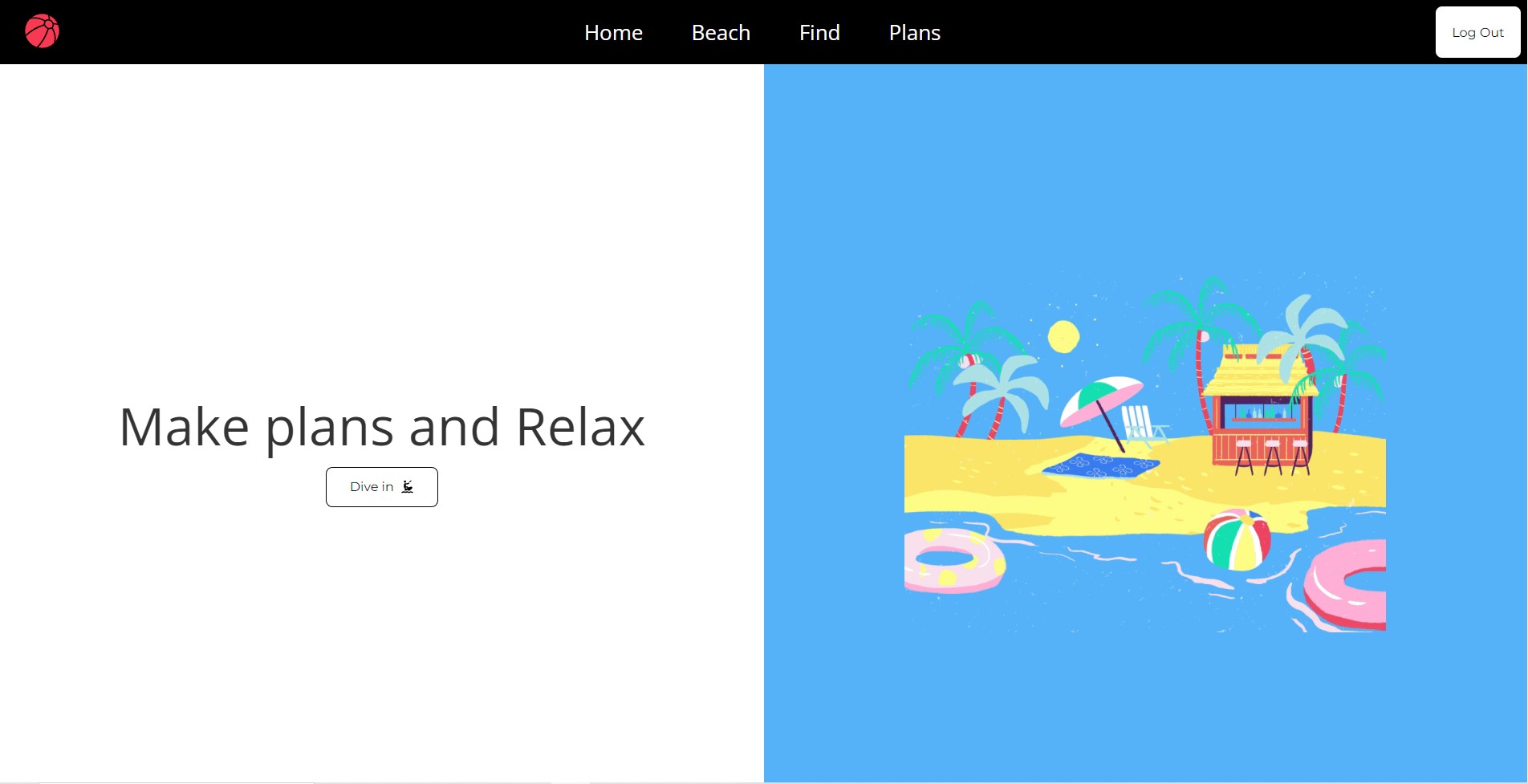
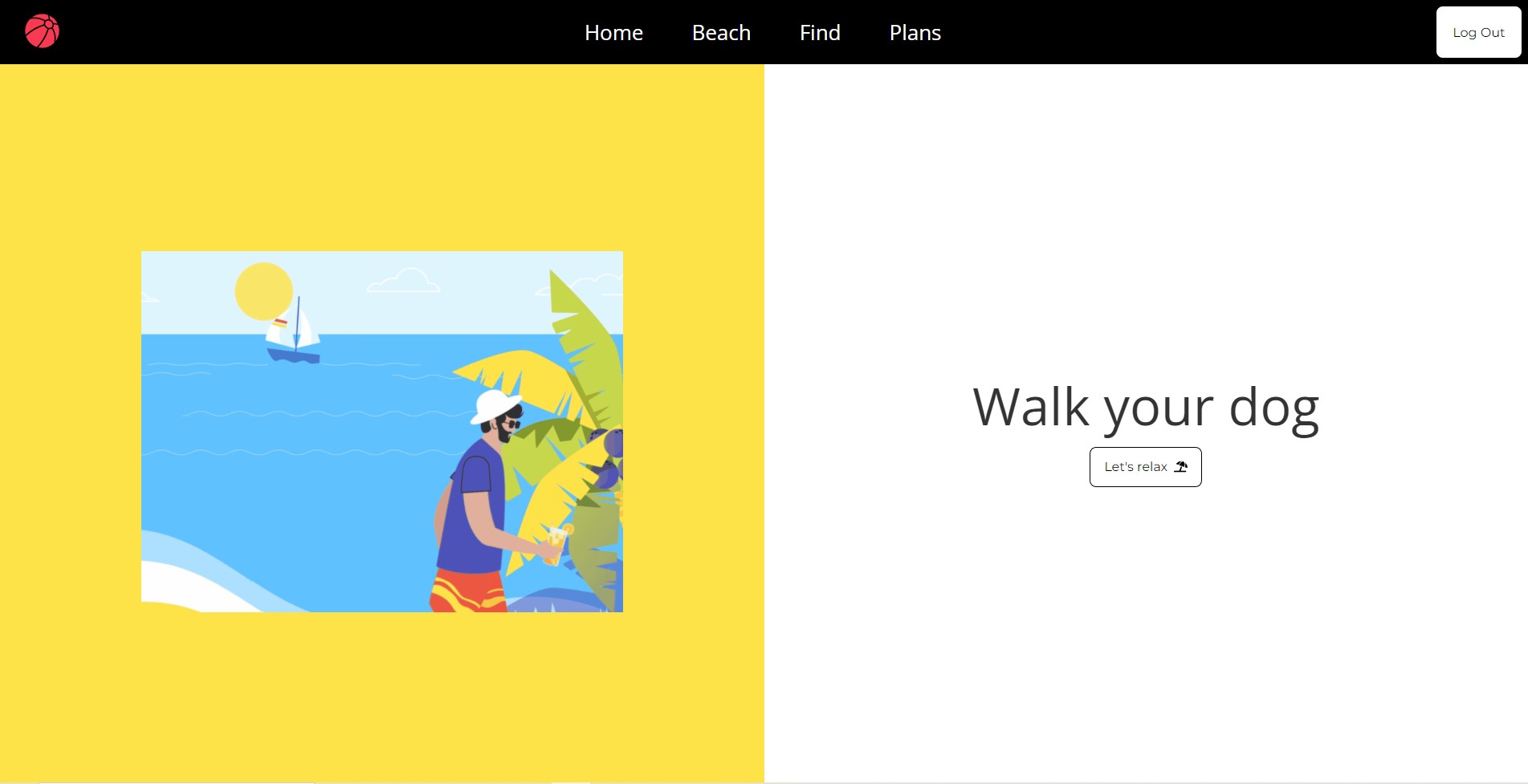
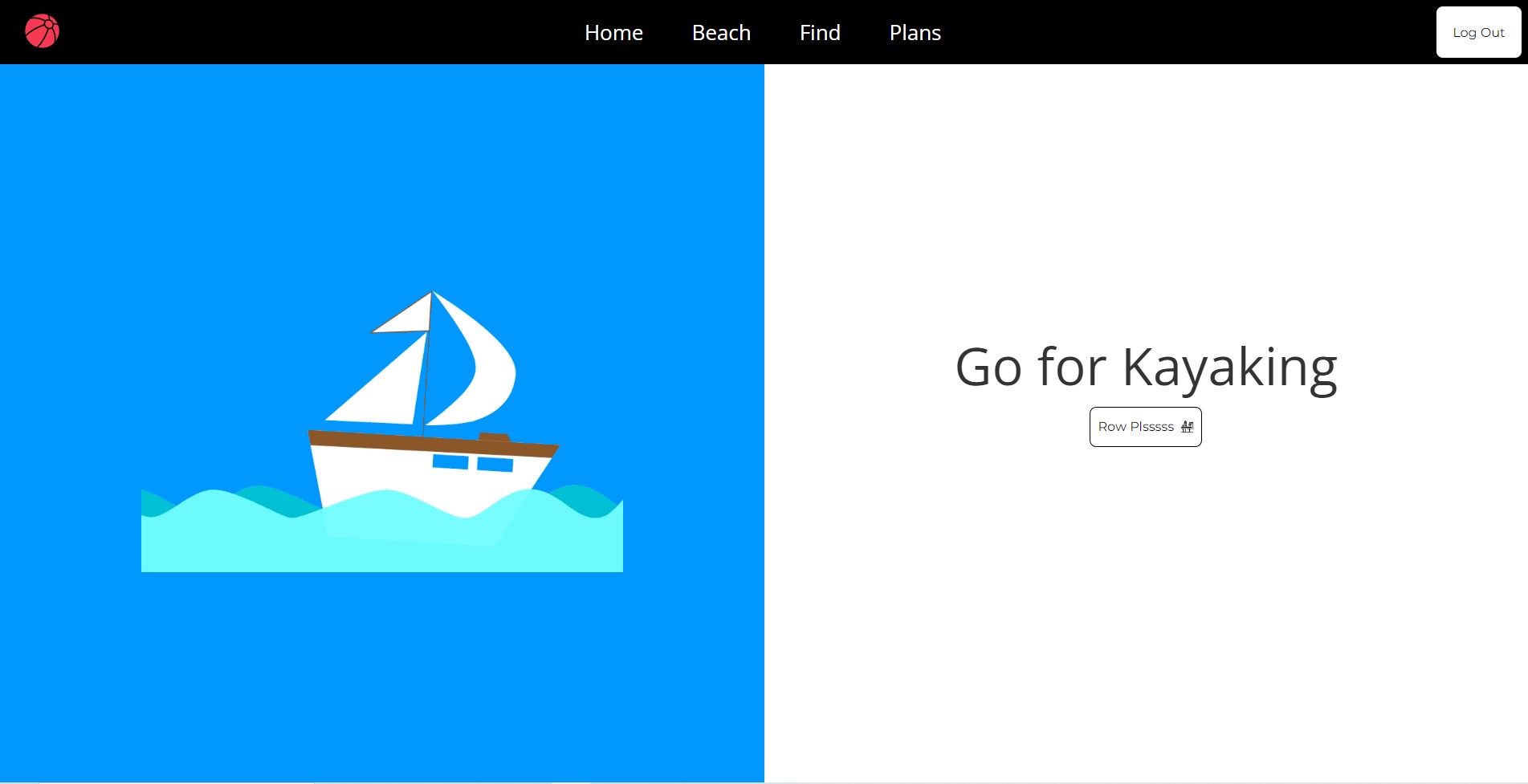
Homepage
-
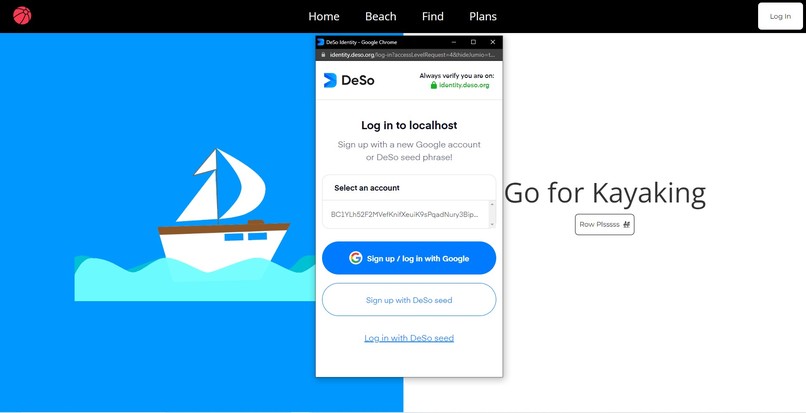
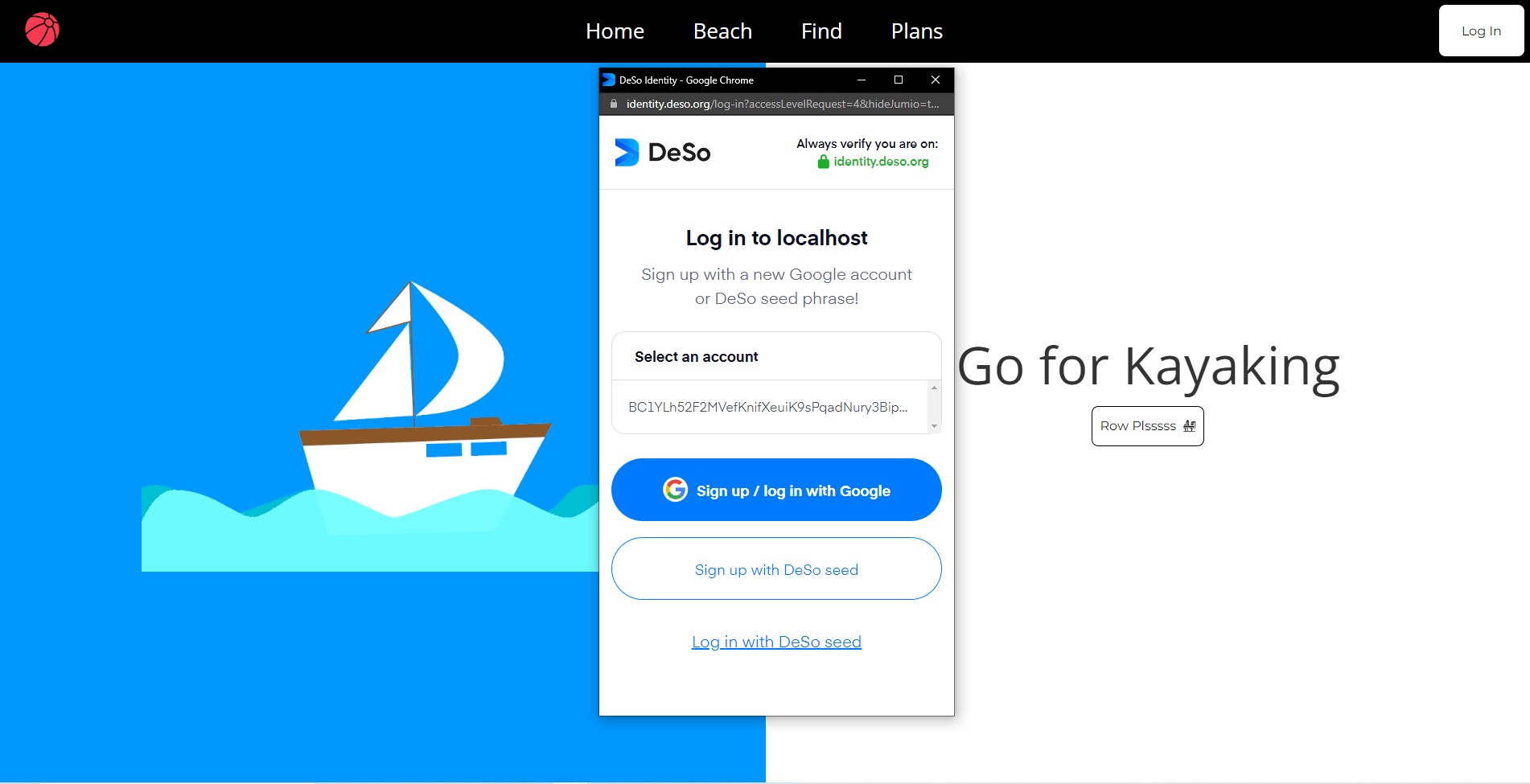
DeSo Authentication
-
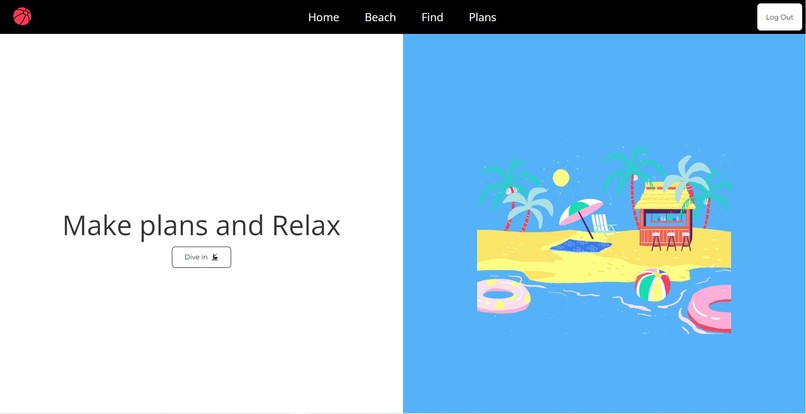
Homepage #1
-
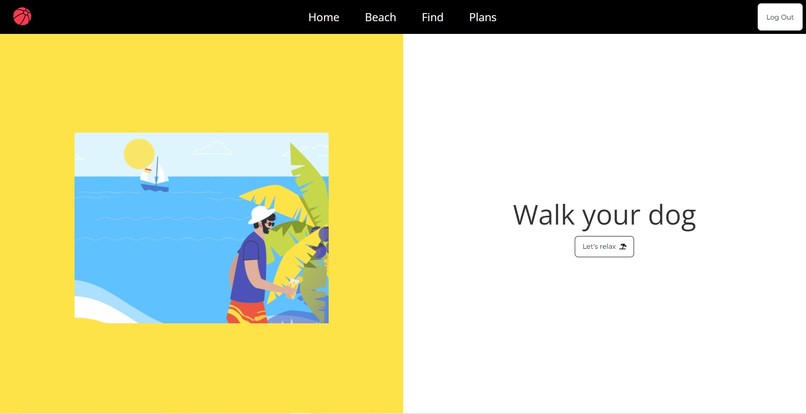
Homepage #2
-
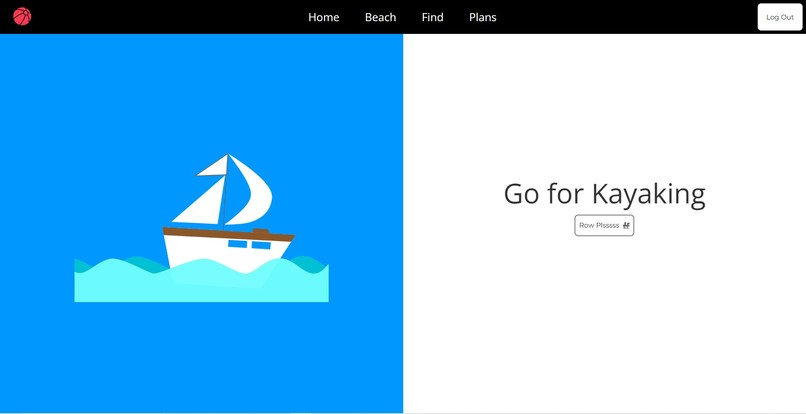
Homepage #3
-
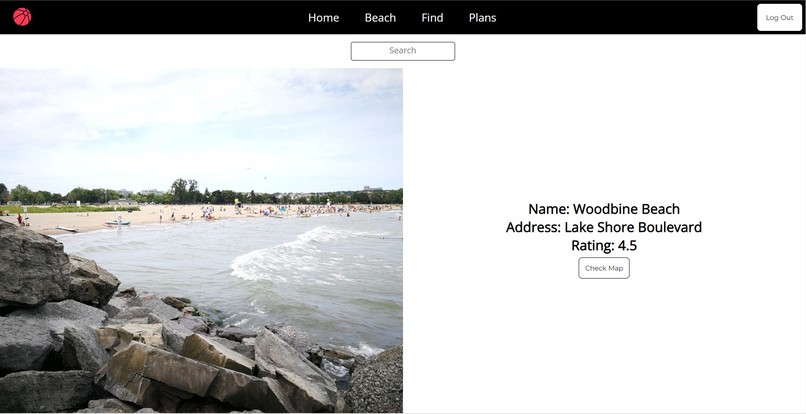
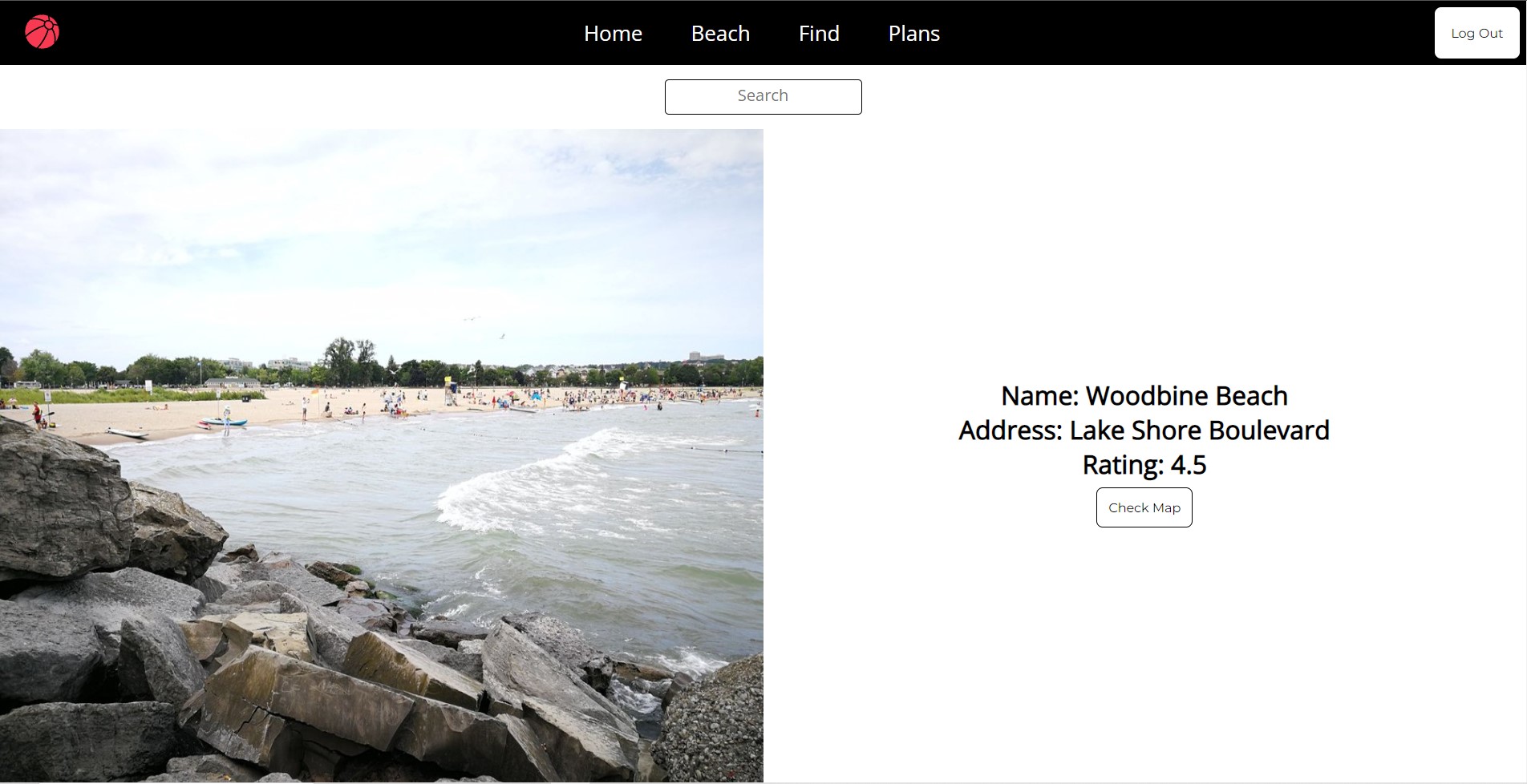
Example Beach
-
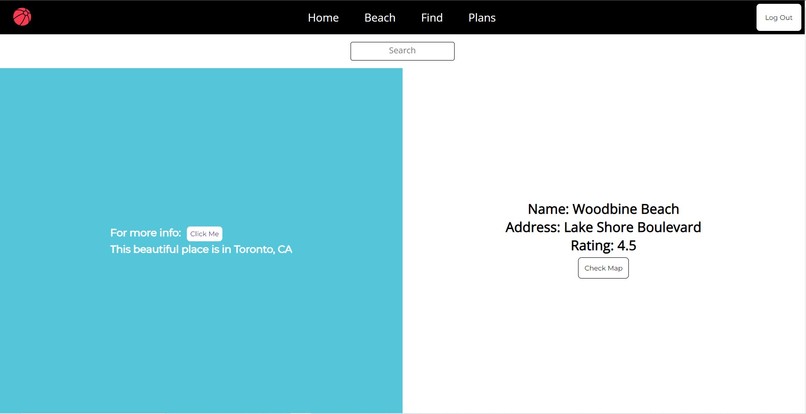
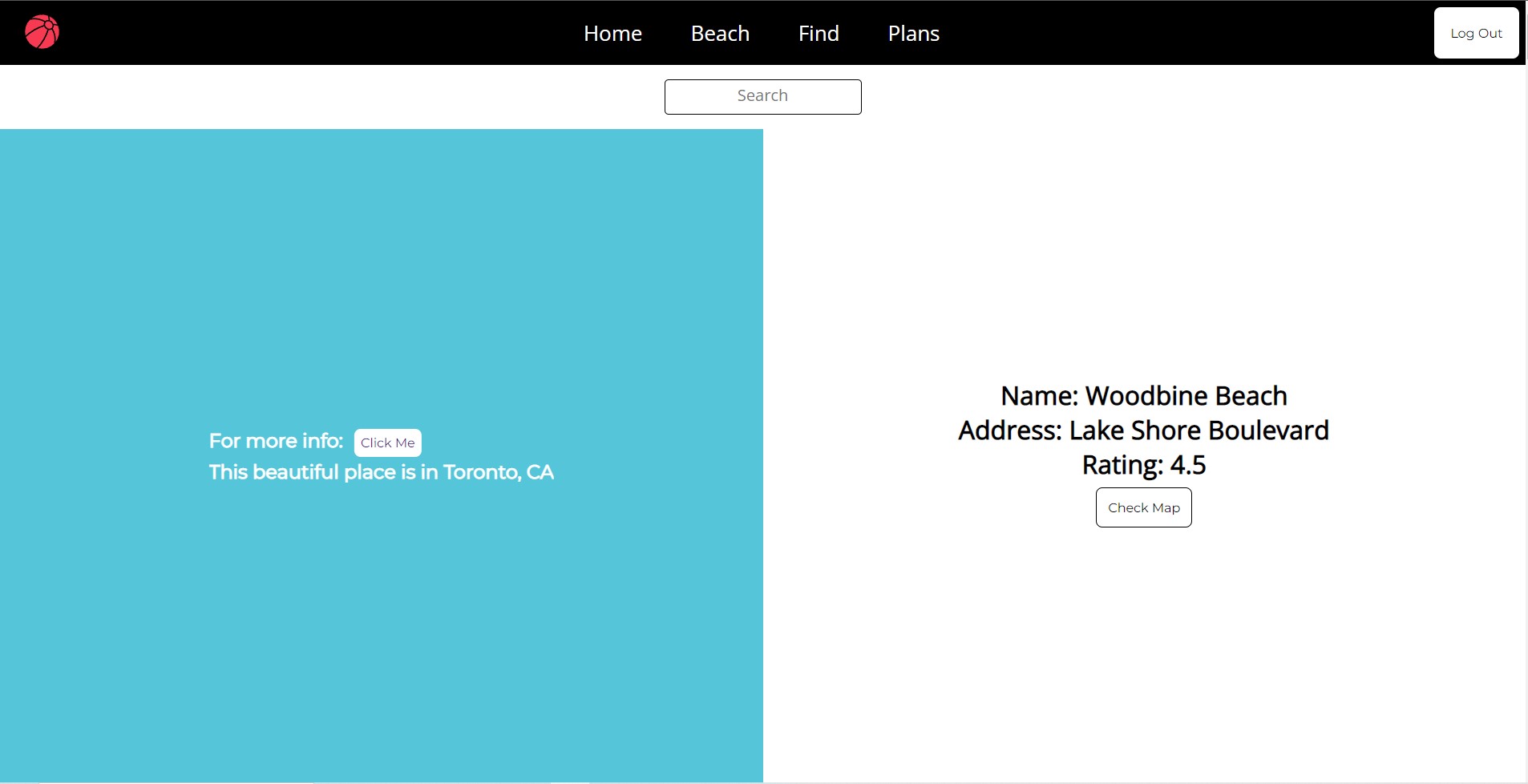
Pop-up Beach
-
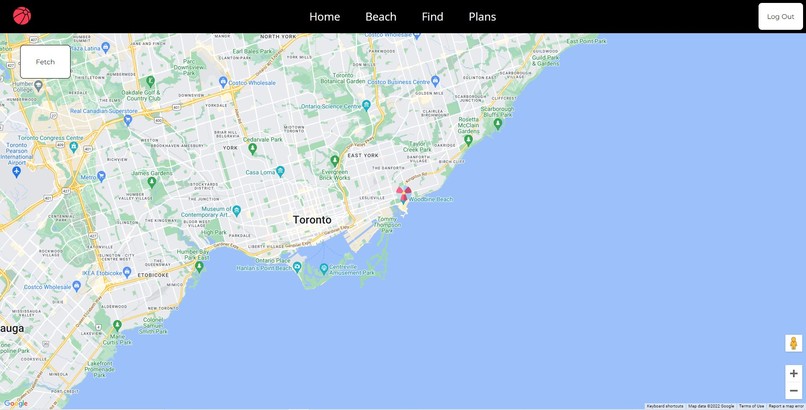
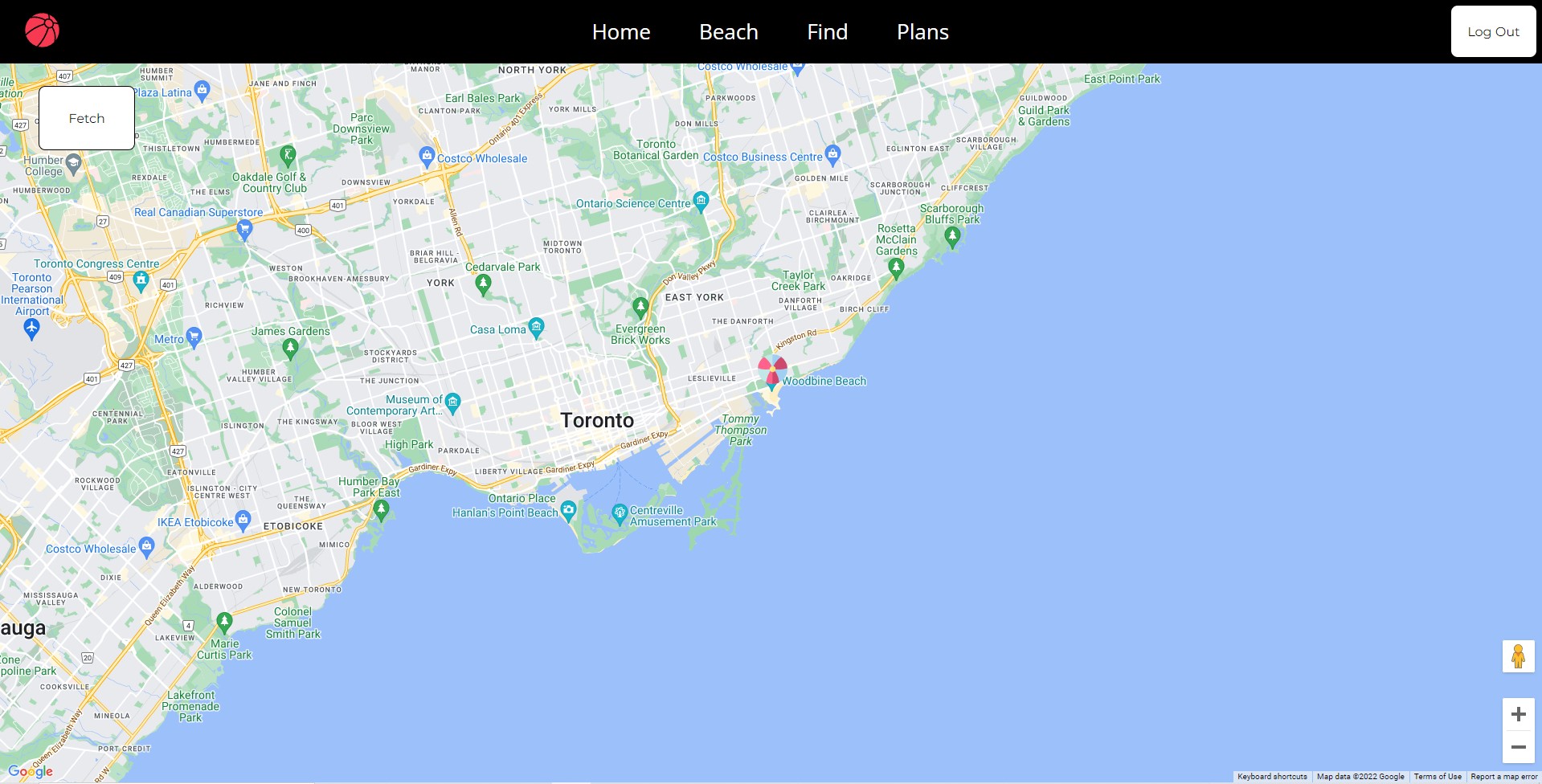
Map
-
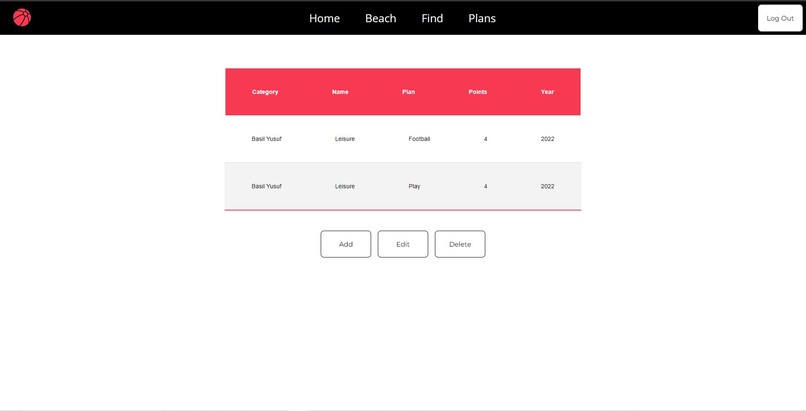
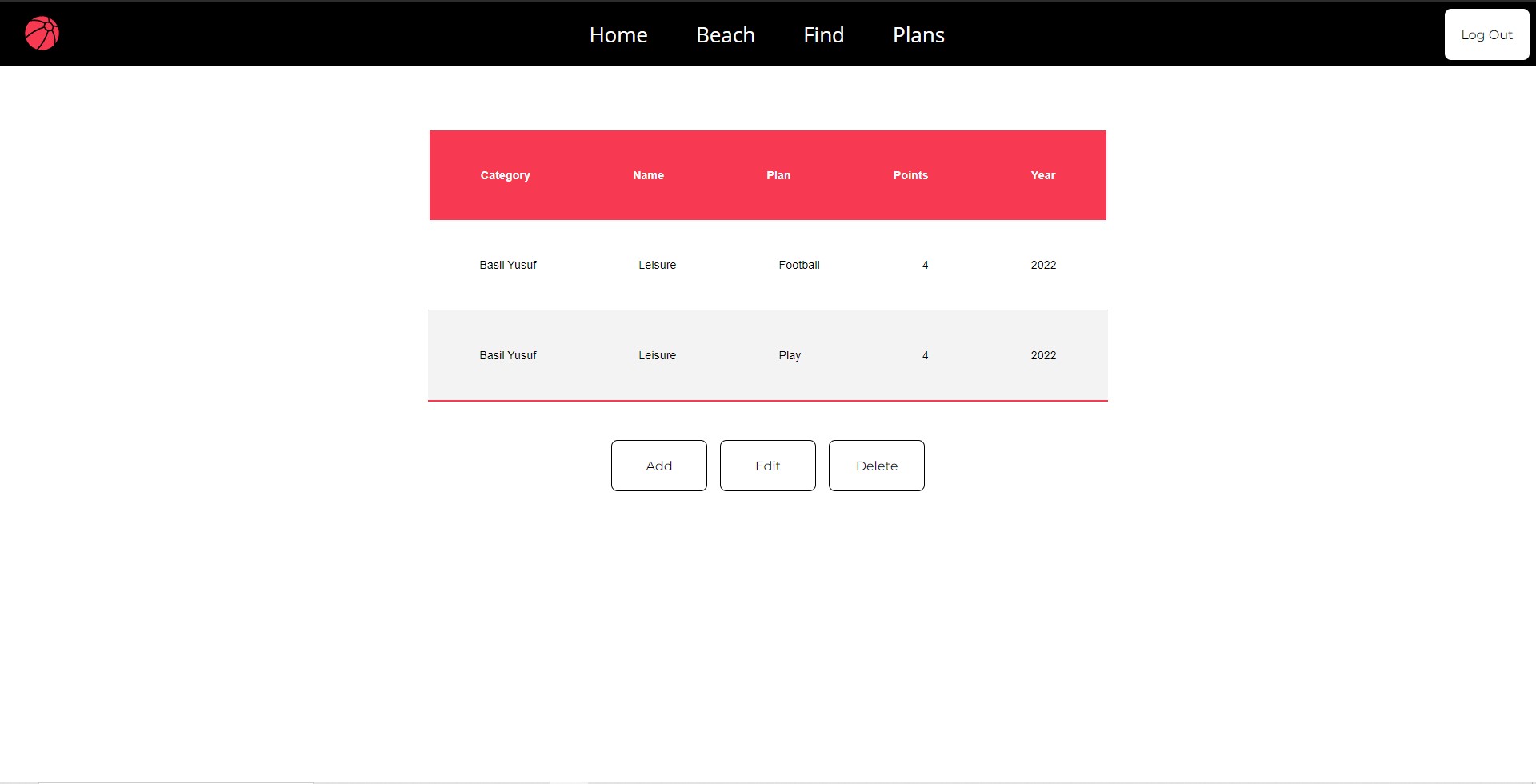
Plan CRUD
💡 Inspiration
It is as follows:
- Our inspiration was to create an all-in-one off the shore/summer hack that everyone can use.
- We also wanted to learn more about the blockchain technology.
- We ended up studying a lot of documentation of the DeSo Identity API and included authentication based on that.
- We also studied about the Hedera Test Network and we wanted to try it.
🏖️ What it does
There are a lot of features in Beachify. It is as follows:
- Authentication and Authorization is done using DeSo Identity API. Aim was to create a decentralized web3 application.
- As the elevator pitch suggests, we wanted people to have an easy time building out their summer/beach plans. We fetch information about beaches in Toronto (close to our home) using Yelp's Fusion API to make it seamless for people to make plans about going to the park.
- We have a filtering search bar that makes it incredibly easy to search for their favorite beach/park and if they click on the button it will give them more information about that place.
- After they have selected a place they want to go to, they can check for location using Google Maps that is directly attached in our application. It becomes really easy for them to make plans as we make the process as easy as possible.
- If this wasn't enough, we made it such that every plan comes with a reward. They can use our table to make plans and get transaction history directly in the Hedera test Network.
🔩 How we built it
1. Authentication Architecture

Authentication is the act of proving an assertion, such as the identity of a computer system user. We achieved this by using the DeSo Identity API. The architecture is described above.
2. System Architecture

Before we dive into the app, I would like to explain what MVC is : MVC is known as an architectural pattern, which embodies three parts Model, View and Controller, or to be more exact it divides the application into three logical parts: the model part, the view and the controller. It was used for desktop graphical user interfaces but nowadays is used in designing mobile apps and web apps.
As the diagram shows,
- Model : MongoDb, Mongoose, JavaScript
- View: React.js, TypeScript
- Controller: Node.js, Express.js, JavaScript
- Development Environment: Nodemon
3. Technology Architecture

- M: MongoDb = MongoDB is an open source NoSQL database management program. NoSQL is used as an alternative to traditional relational databases. NoSQL databases are quite useful for working with large sets of distributed data. MongoDB is a tool that can manage document-oriented information, store or retrieve information.
- E: Express.js = Express is a minimal and flexible Node.js web application framework that provides a robust set of features for web and mobile applications.
- R: React.js (TypeScript) = React JS is a JavaScript library used in web development to build interactive elements on websites.
- N: Node.js = Node.js is an open-source, cross-platform, back-end JavaScript runtime environment that runs on the V8 engine and executes JavaScript code outside a web browser.
😠 Challenges we ran into
- Integrating Hedera test Network required a lot of research. Hedera is a public distributed ledger for building and deploying decentralized applications and microservices. You can use Hedera’s network services– Consensus, Tokens, Smart Contracts, and File Service to to build applications with high throughput, fair ordering, and low-latency consensus finality in seconds without relying on centralized infrastructure.
- Integrating Google Cloud API key also turned out to be a challenge because of npm version control. After a lot of debugging and installing new dependencies, we were finally able to integrate it.
- Integrating Markers for Google Maps was also a challenge.
🎁 Accomplishments that we're proud of
- UI can be a huge differentiator when it comes to winning customers and fending off the competition. We ended up making a clean UI that is very simple to use.
- Blockchain, as the backbone of the Web3, redefines the data structures in the backend of the Web, now that we live in a connected world. It introduces a governance layer that runs on top of the current Internet, that allows for two people who do not know or trust each other to reach and settle agreements over the Web. We ended up integrating Web3 and Blockchain Technology in our app
📚 What we learned
- We pushed ourselves to the test to learn more about back-end technologies.
- We learned the CRUD (Create, Read, Update, Delete) Lifecycle. In computer programming, create, read, update, and delete (CRUD) are the four basic operations of persistent storage. CRUD is also sometimes used to describe user interface conventions that facilitate viewing, searching, and changing information using computer-based forms and reports.
- A NoSQL database provides a mechanism for storage and retrieval of data that is modeled in means other than the tabular relations used in relational databases. We learned building NoSQL Schemas for MongoDb.
- Validation is an automatic computer check to ensure that the data entered is sensible and reasonable. It does not check the accuracy of data. We also learned MongoDb Validation.
↗️ What's next for Beachify
- Making transactions possible using the Hedera Test Network. Exploring more about the Hedera Blockchain Technology and the algorithm they are using.
- Making the UI for transactions that is seamless. As said above, UI can be the primary difference maker and it is really important to create a clean UI.
- We want to make it such that every plan is stored in the Hedera Blockchain.
Built With
- axios
- blockchain
- deso
- express.js
- google-cloud
- google-maps
- google-markers
- hedera
- mern
- mongodb
- mongoose
- mvc
- node.js
- react
- rest-api
- web3


Log in or sign up for Devpost to join the conversation.