Inspiration
Global warming is a constant phenomenon that is increasing in intensity daily and will keep going until people begin to learn how to minimize green house gas emissions. Unfortunately, it will take much time for people to learn the necessary skill sets so it is important to start in small increments. As such we started with a simple process that is common in a very large industry-composting by farmers. Composting is known for its methane byproduct which is a common greenhouse gas and is used mainly by farms all around the world. Choosing the right materials to compost can greatly assist in decreasing methane product and that is the area we decided to tackle.
What it does
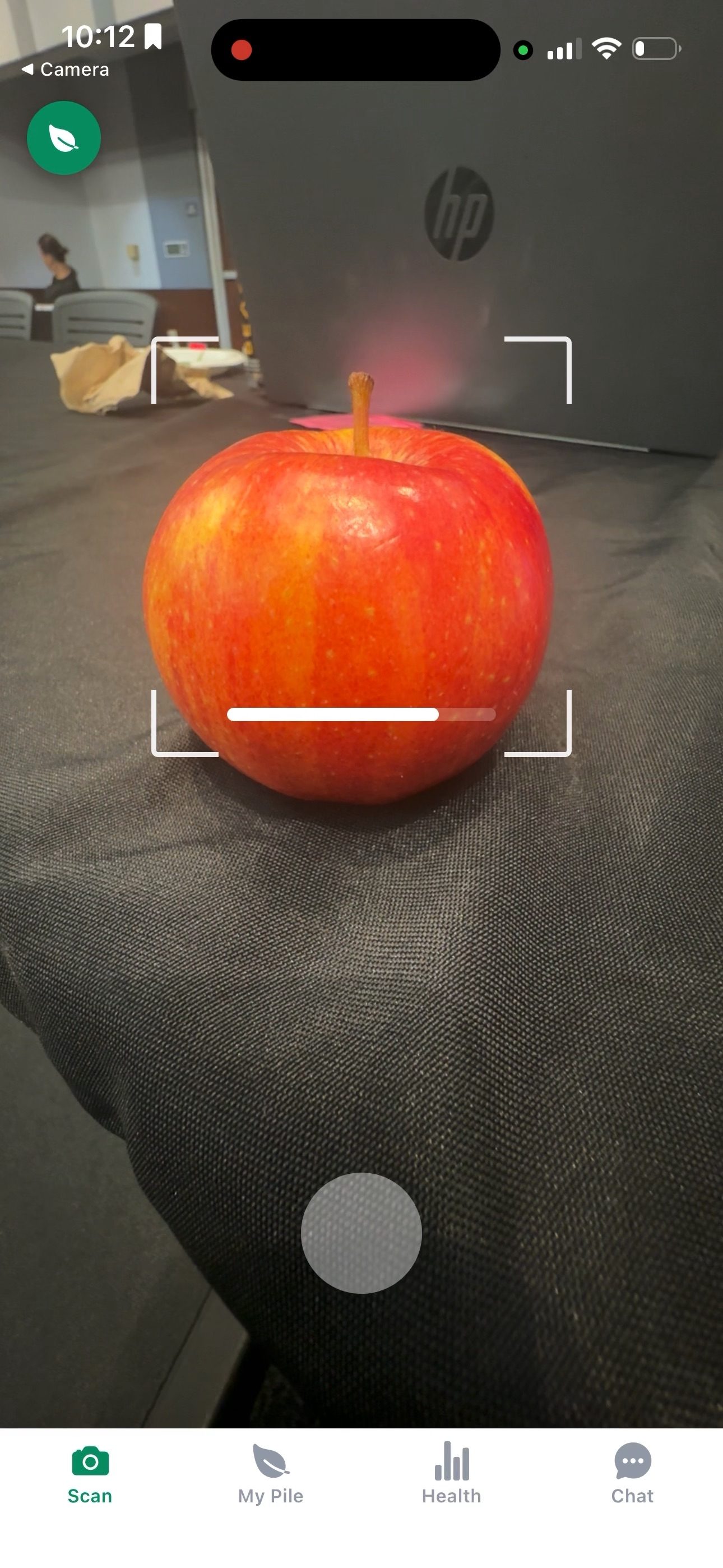
This app takes photos and runs them through Google Gemini to identify and label the image.
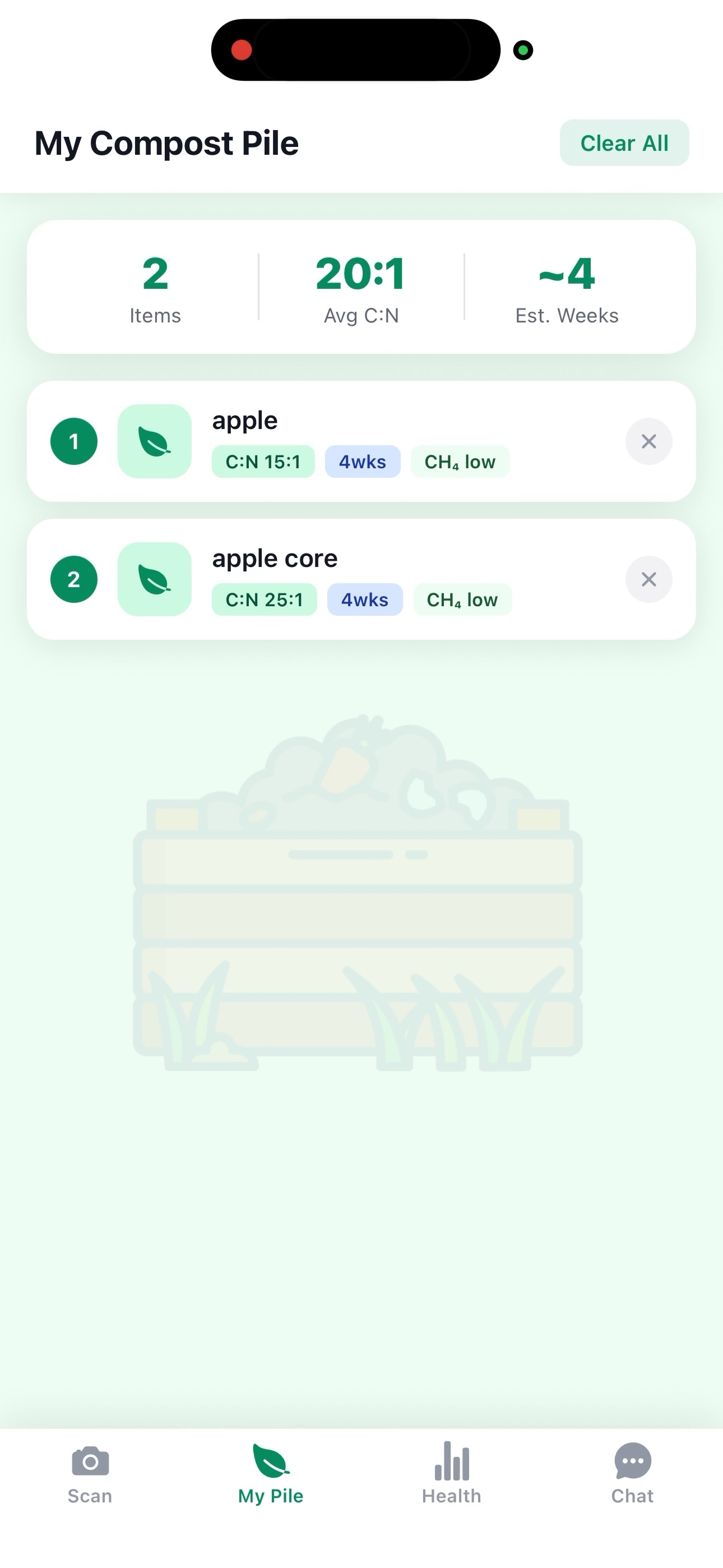
Compostable items are able to be saved in a composted list, revealing certain information on the item. These include:
- Carbon : Nitrogen ratio
- Estimated Moisture
- Decomposition time -Methane output If the item is not compostable, the user will receive a notification stating why it is not.
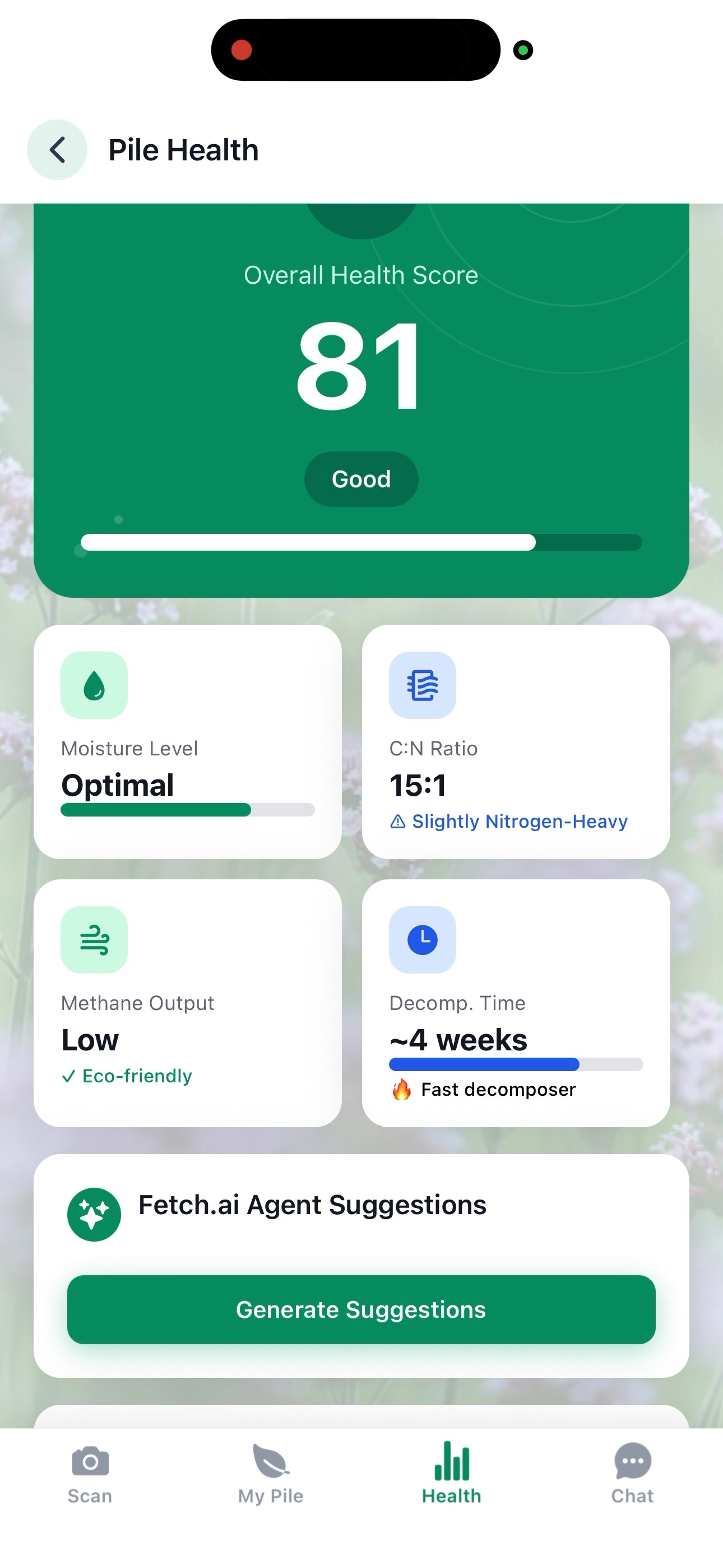
The app also includes a scoring system based on how close your compost is to the ideal ratios and percentages of a perfect compost.
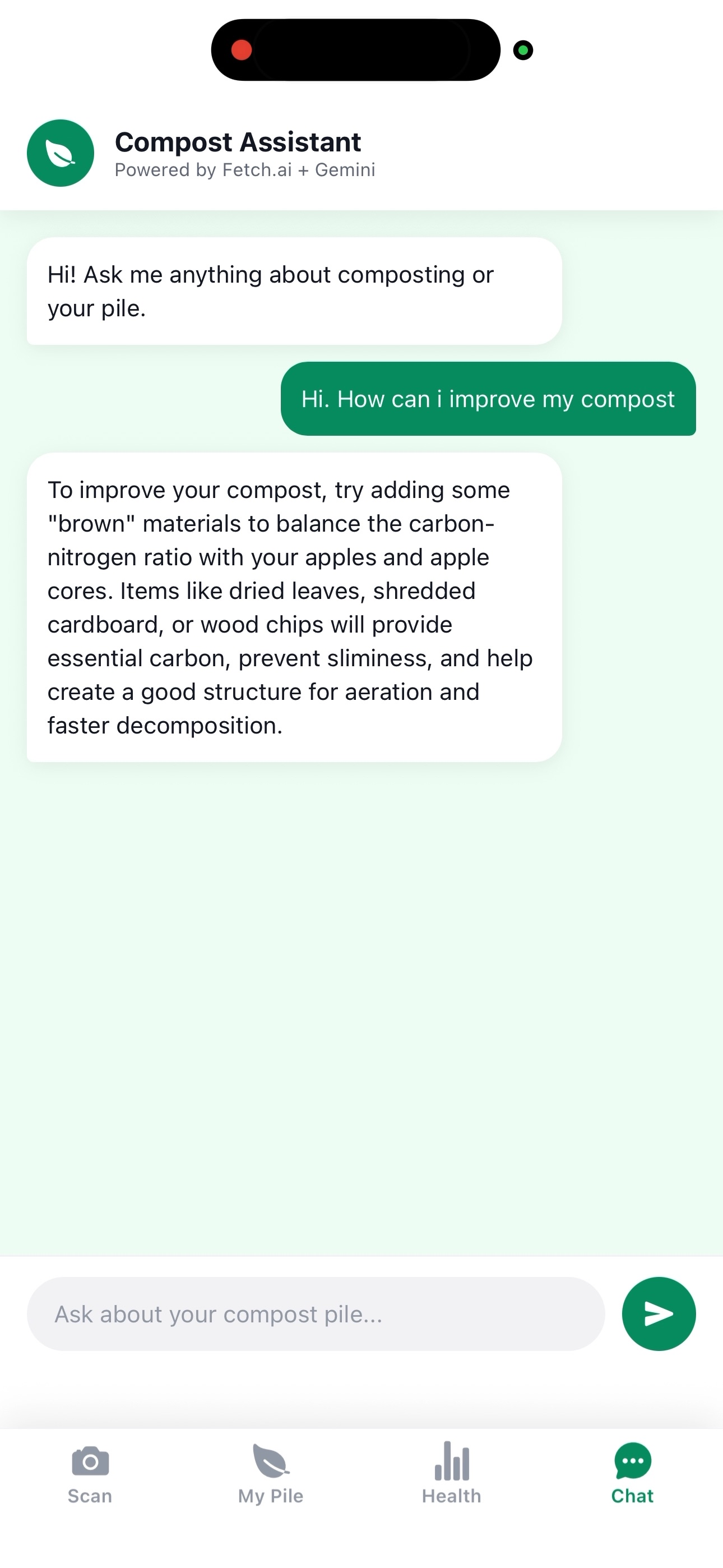
Additional tips are provided and generated by Fetch.ai on tips about your mixture. Any further questions, the user can navigate to a chatbot page to ask more detailed questions on how to better their compost.
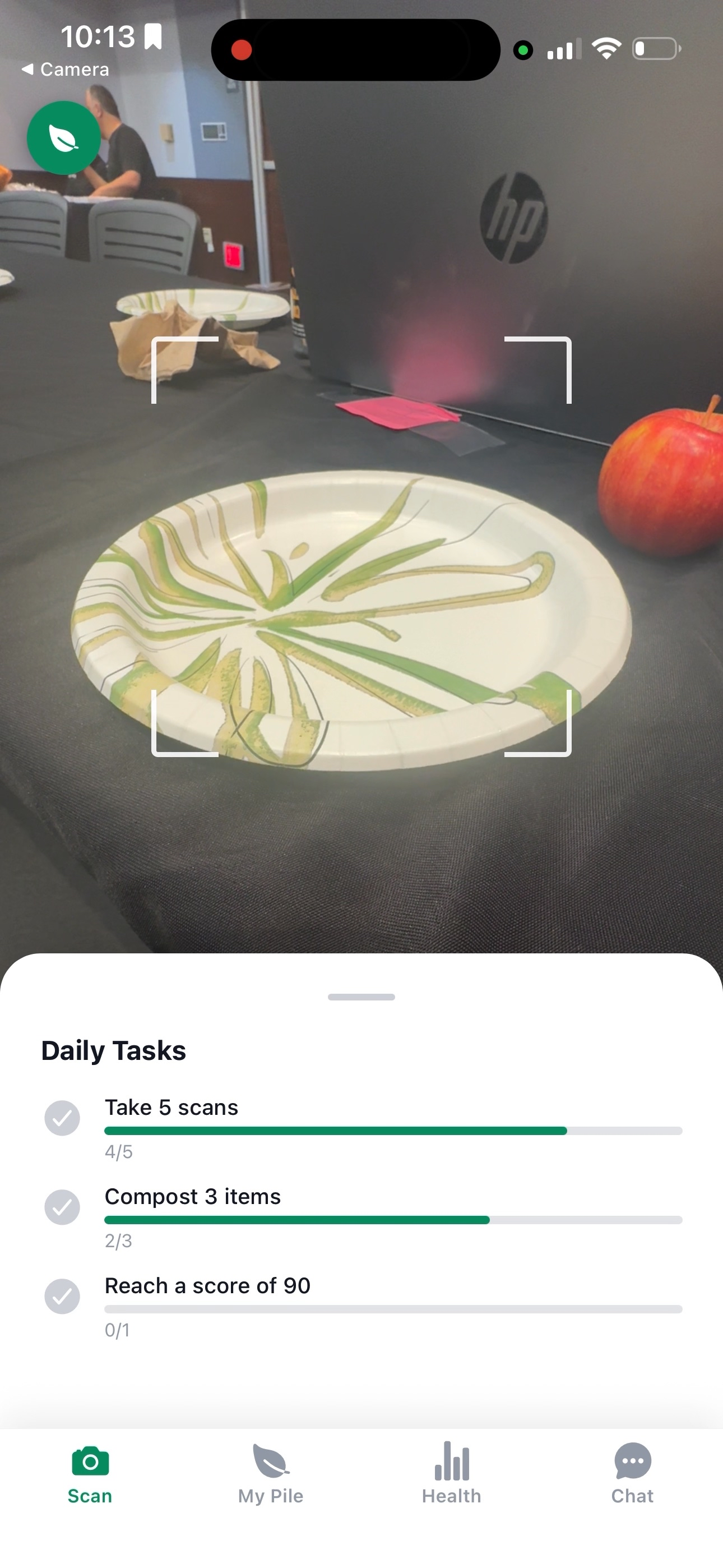
A task bar feature gives the user a small guide on building their compost, from learning how to scan item to reaching a certain compost score.
How we built it
Budsey is a React Native + Expo mobile app built with two AI systems.
Camera & Item Recognition When a user takes an image of an object, we send it to the Google Gemini Vision API (gemini-2.5-flash). Gemini identifies the item and returns the structured data (carbon-to-nitrogen ratio, estimated decomposition time, methane output level) and determines whether it’s compostable. Pile Tracking
Scanned items are saved locally using AsyncStorage. The pile screen displays each item with its composting properties, while the health screen calculates the overall pile score based on those property values. The closer the C:N ratio is to the ideal range (27.5:1), the closer the score is to 100. Fetch.ai Agent
We Built an autonomous agent using Fetch.ai’s uagents framework that runs as an independent service. The agent exposes two endpoints – /analyze for pile health suggestions and /chat for conversational advice on composting. When the app calls the agent, it takes the user’s real pile data, builds a personalized prompt, and calls Gemini to generate dynamic AI responses. The agent runs independently with its own identity on the Fetch.ai network, tunneled via ngrok for mobile access. AI Chat Assistant
The chat tab lets users ask natural language questions about their pile (e.g. "should I add more nitrogen?"). The Fetch.ai agent receives the message alongside the user's current pile data and passes both to Gemini, which generates a personalized answer.
Challenges we ran into
iOS blocks plain HTTP requests, so we had to set up ngrok HTTPS tunneling for the Fetch.ai agent Running two ngrok sessions simultaneously on the free tier causes conflicts so we had to manage tunnel order carefully The Gemini Python libraries were deprecated mid-build, so we switched to calling the Gemini REST API directly inside the agent Getting consistent structured JSON back from Gemini required careful prompt engineering and markdown fence stripping
Accomplishments that we're proud of
In the process of designing this app, some of us learned new skills sets such as frameworks like Node.js, working with an AI agent, and being able to use a model of a a large AI model for our own uses.
Regarding achievements from the app, we managed to properly incorporate Gemini and Fetch.ai into a functioning app that could be used to better society while being able to generate an accurate analysis of any photos.
What we learned
We improved on our skills to collaborate as a team, use Git to improve our app development skills as well as how to use new frameworks and APIs into our code.
What's next for Budsey
Budsey can be improved in many ways. Future updates can include user login systems, as well as better UI components. Budsey can evolve into a more faster system, using faster and more accurate models to detect objects. This can also be incorporated into the farming industry, improving efficiency in farming and agriculture.
Built With
- fetch.ai
- gemini
- javascript
- node.js
- python
- react-native
- tsx


Log in or sign up for Devpost to join the conversation.