-
-
-
future implementation
-
-
-
-
-
-
-
-
-
-
-




Inspiration
In 2020, there were 2.3 million women diagnosed with breast cancer and 685 000 deaths globally. As of the end of 2020, there were 7.8 million women alive who were diagnosed with breast cancer in the past 5 years, making it the world’s most prevalent cancer. Approximately half of the breast cancers develop in women who have no identifiable breast cancer risk factor other than gender (female) and age (over 40 years). Survival of breast cancer for at least 5 years after diagnosis ranges from more than 90% in high-income countries, to 66% in India and 40% in South Africa. Early detection and treatment have proven successful in high-income countries and should be applied in countries with limited resources where some of the standard tools are available.
What it does
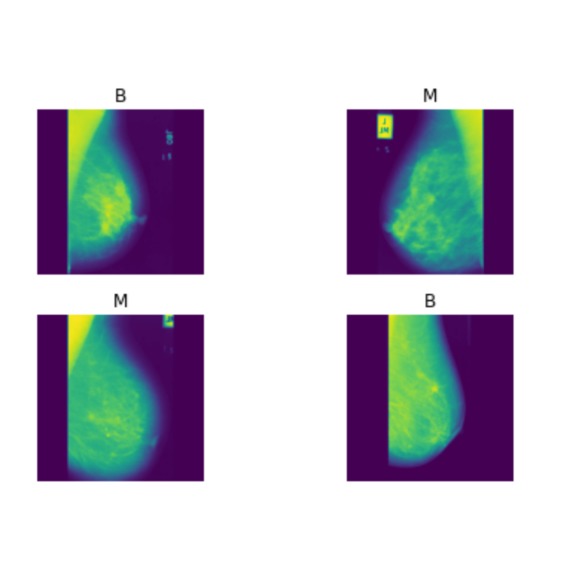
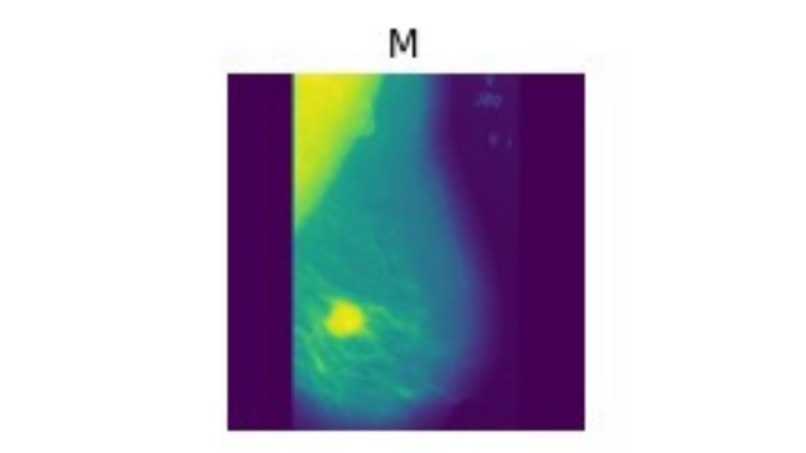
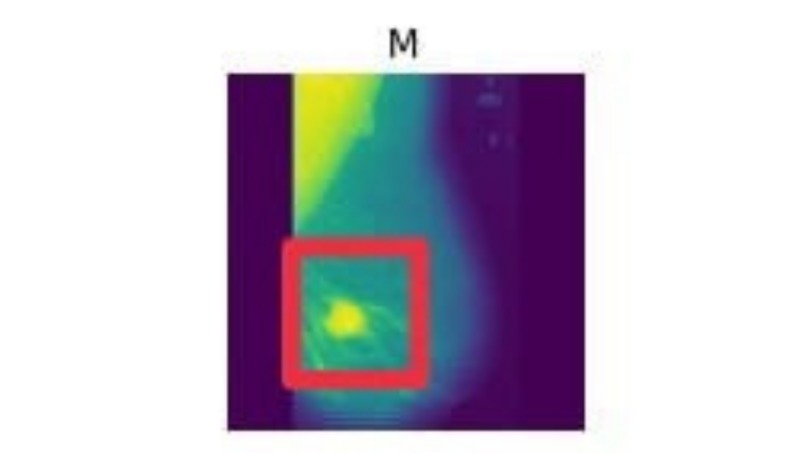
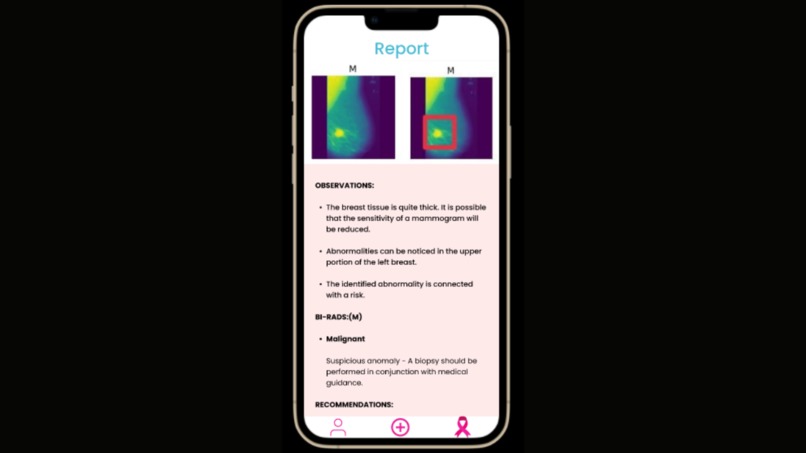
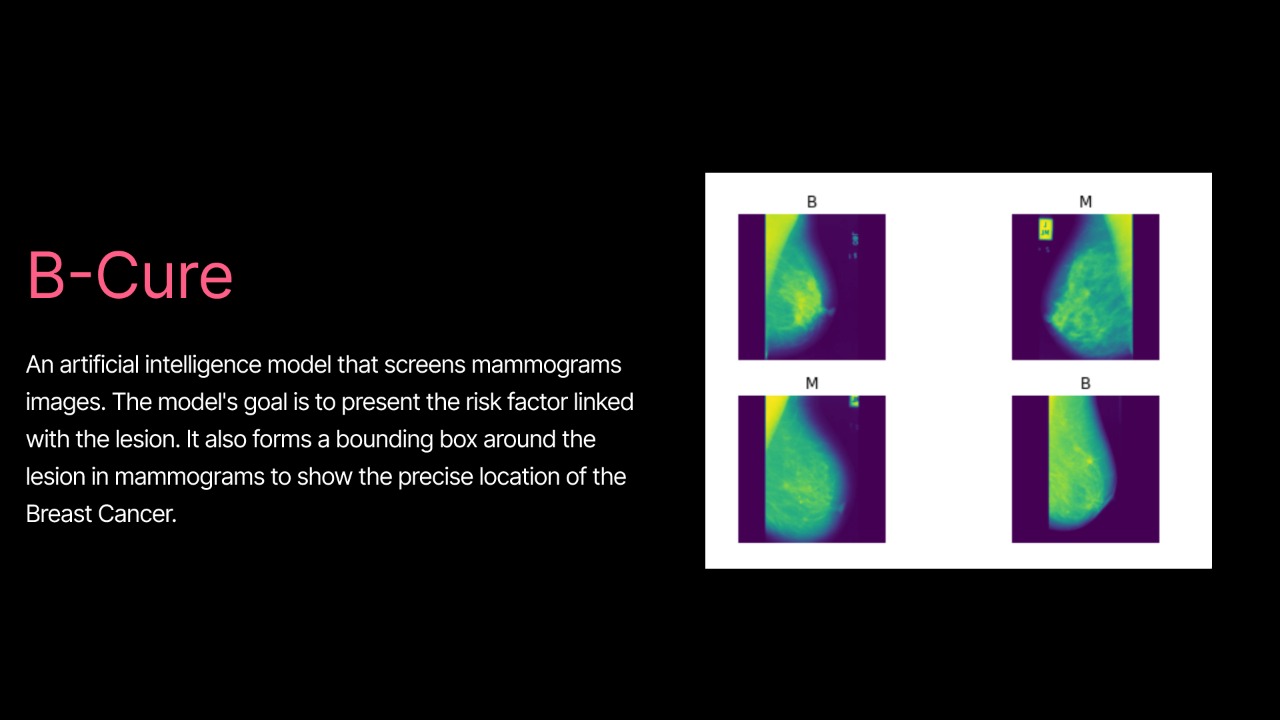
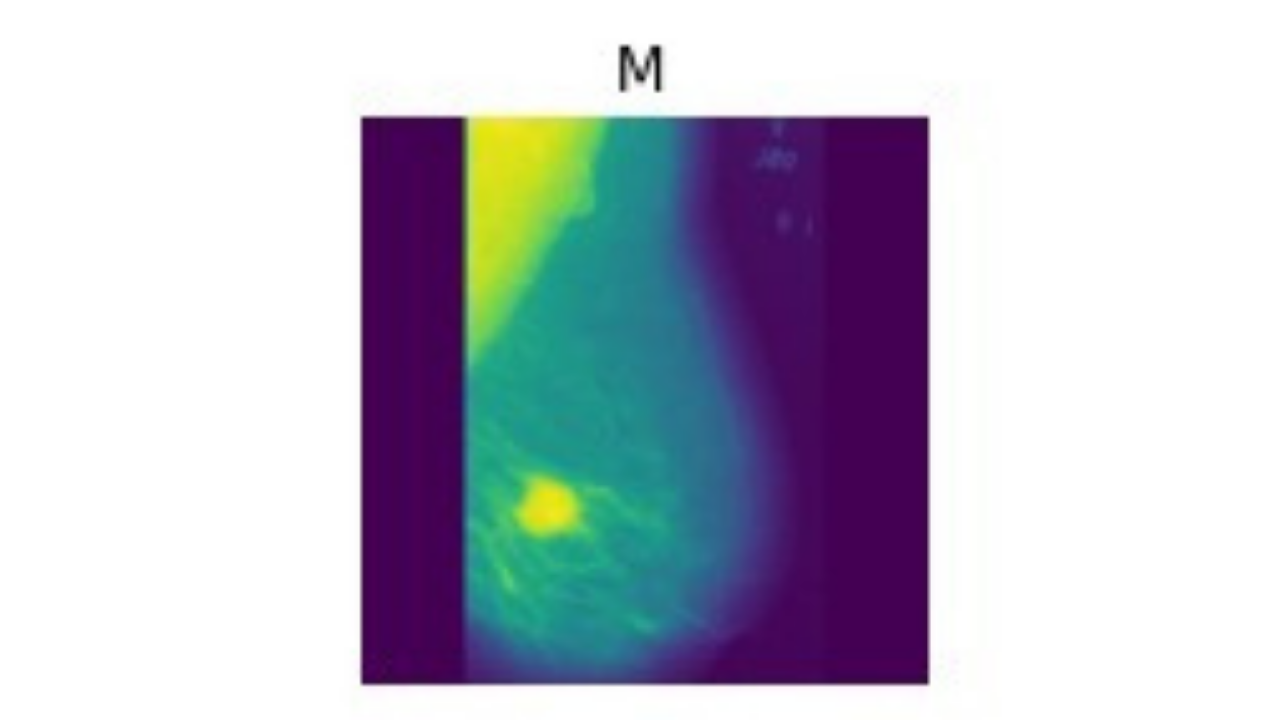
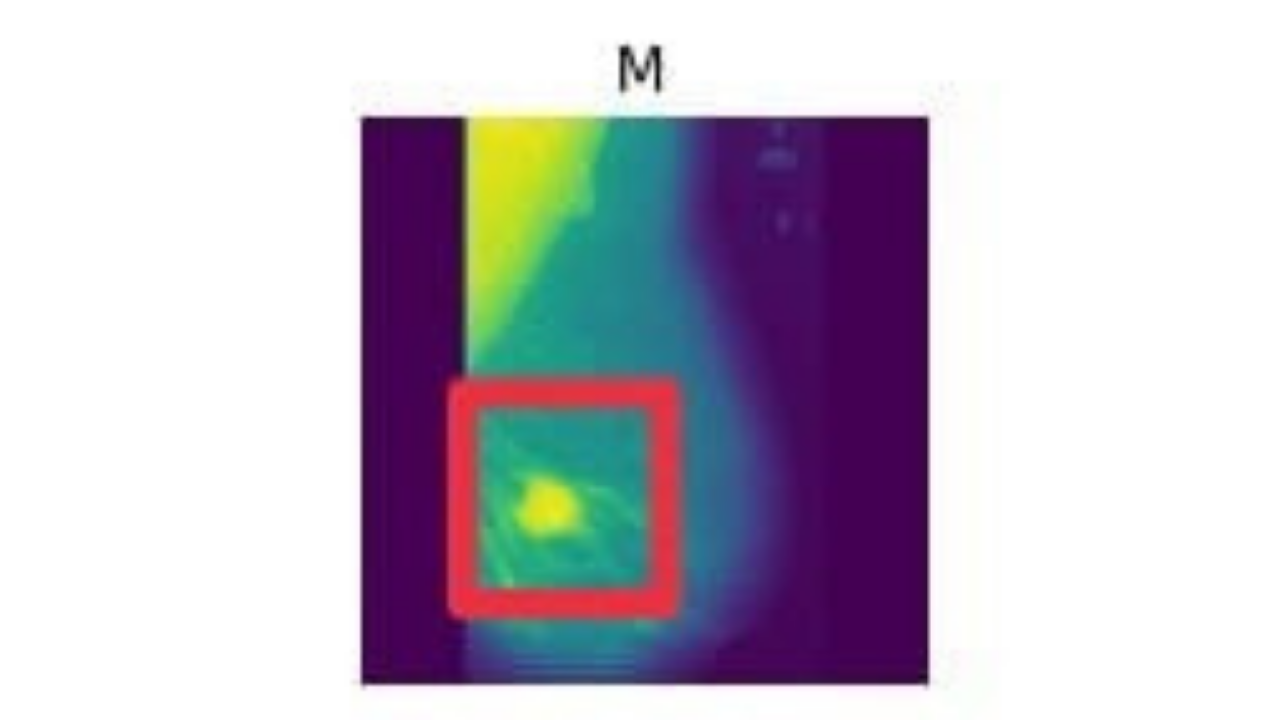
AI-based classification for screening benign, malignant, and normal classes of breast cancer. Application for ease of physicians in the field. Implemented CNN deep neural network for classification purposes.
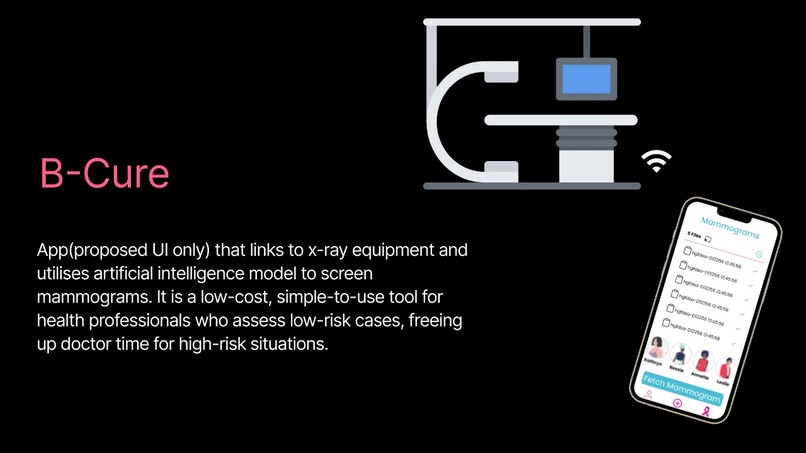
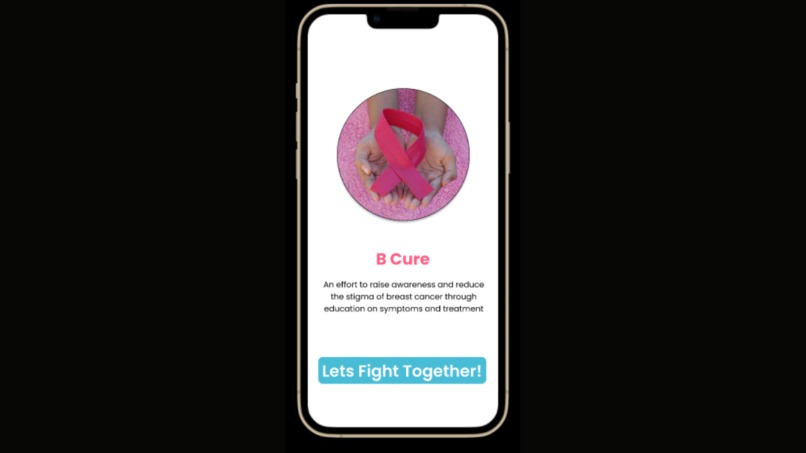
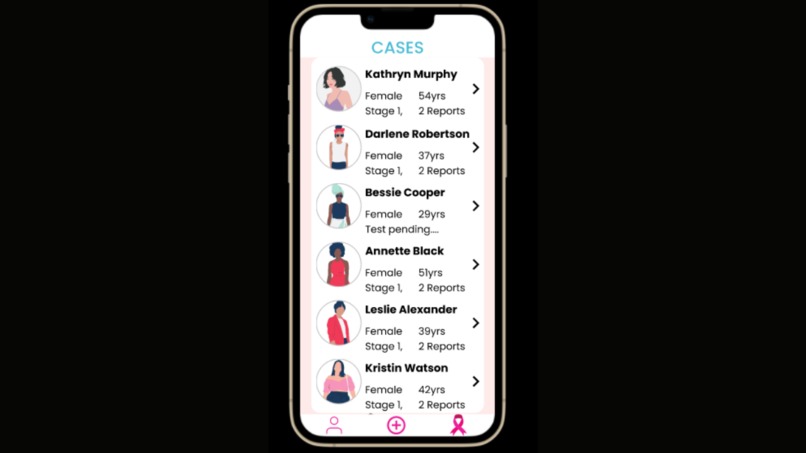
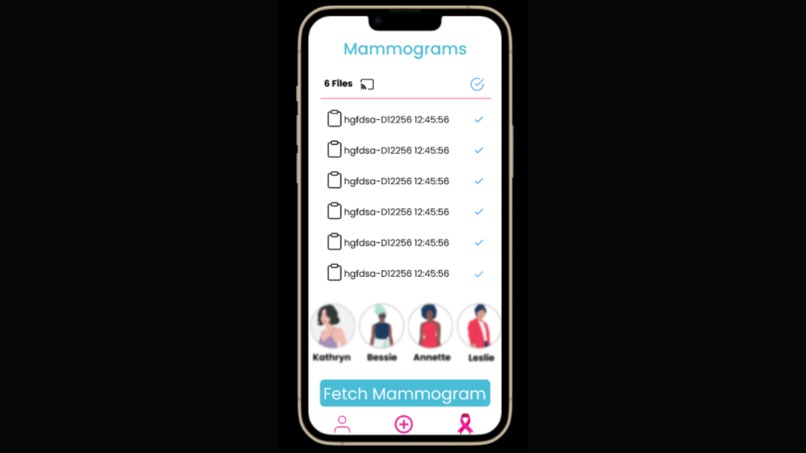
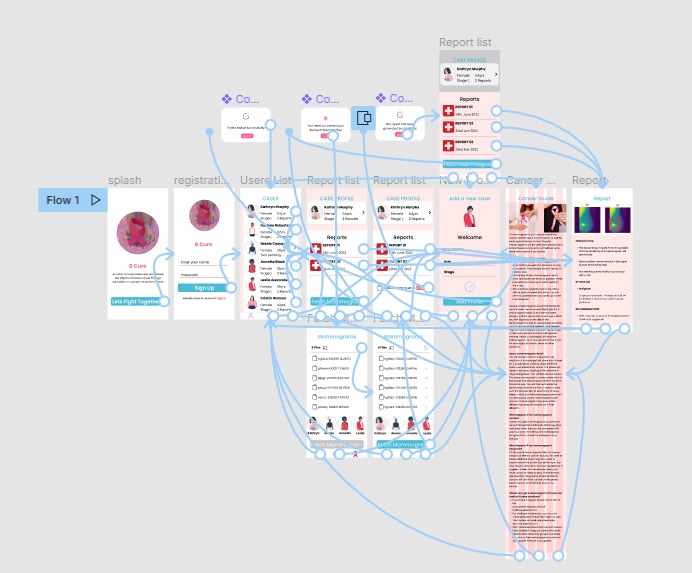
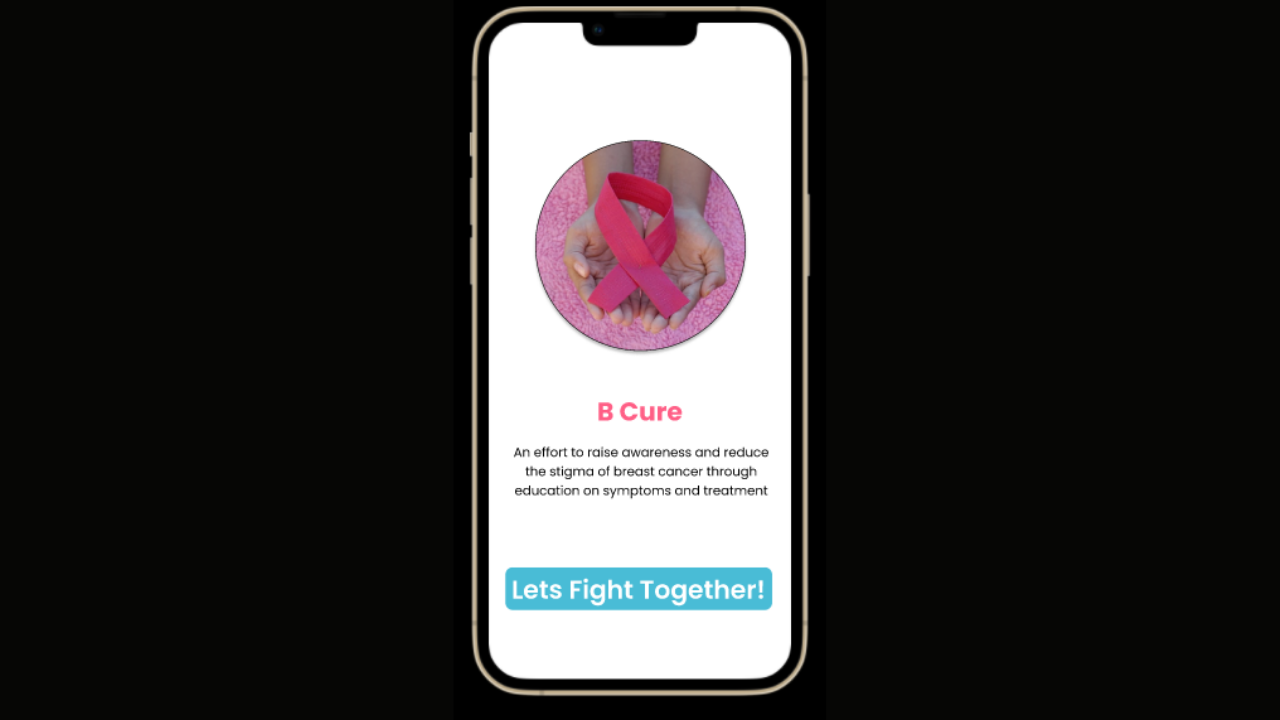
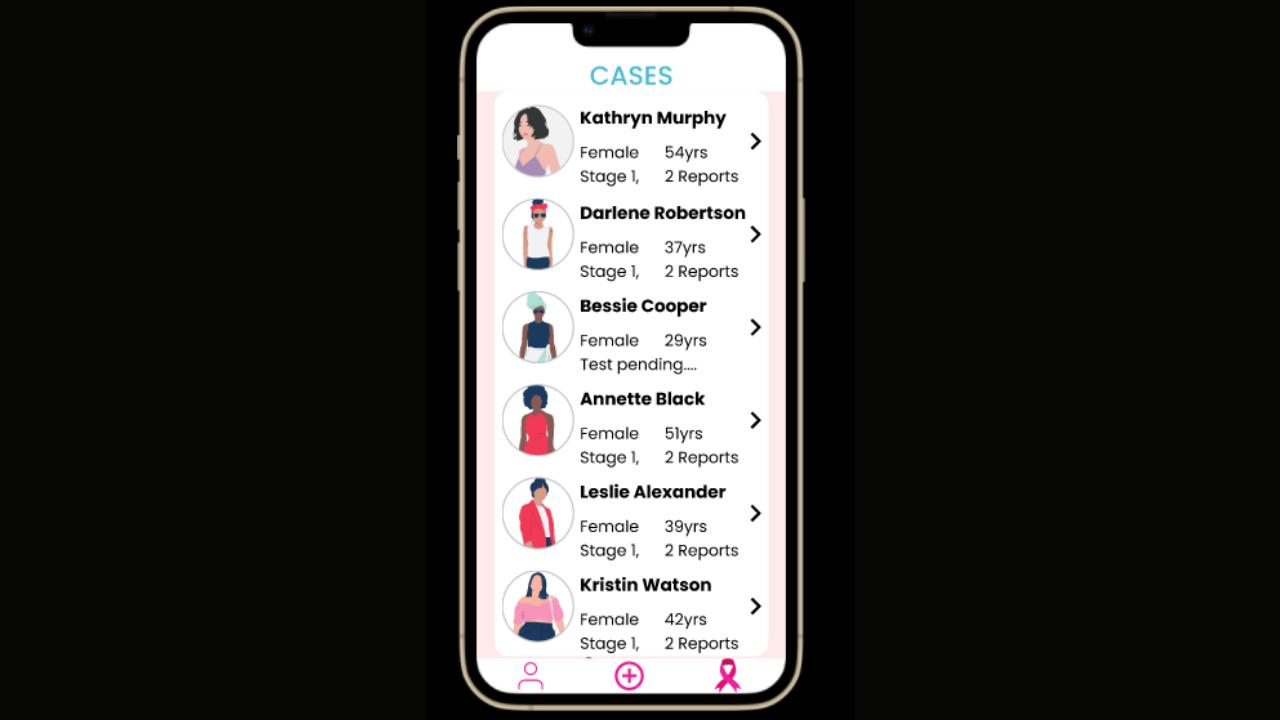
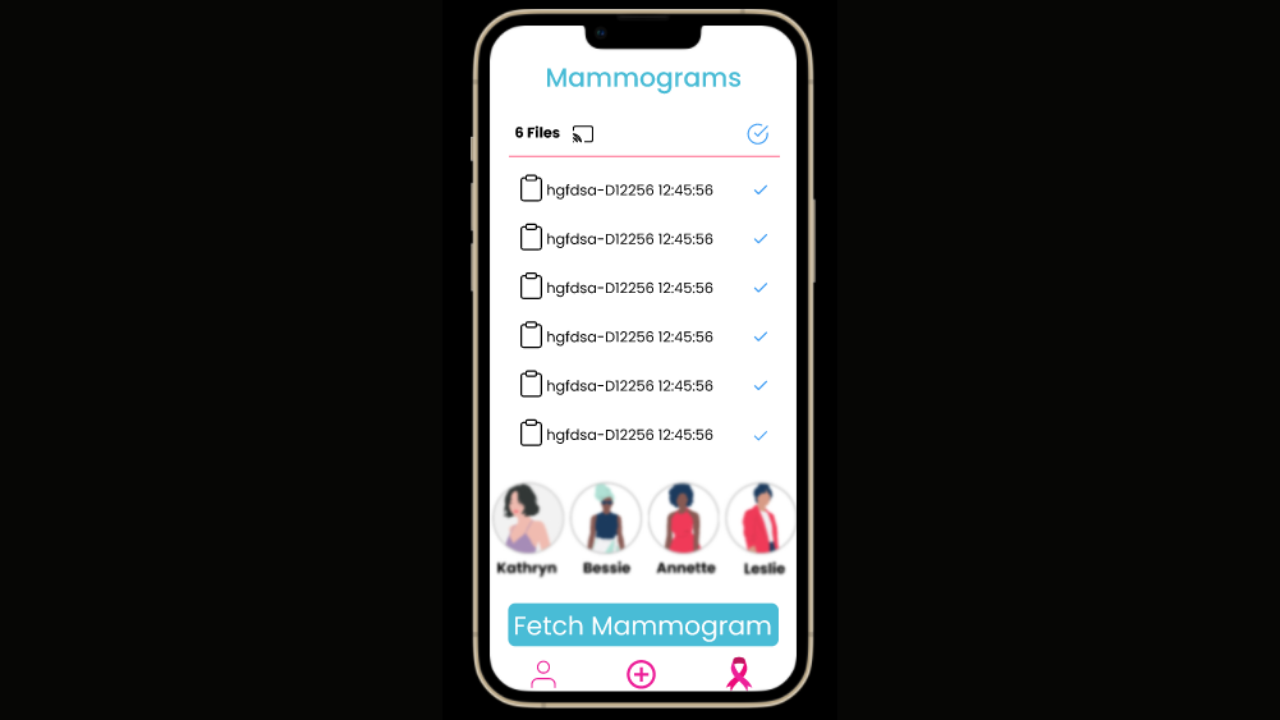
B-cure is a smartphone app that links to x-ray equipment and screens mammograms using artificial intelligence. It is a minimal solution that is simple to use for health workers at healthcare centers.
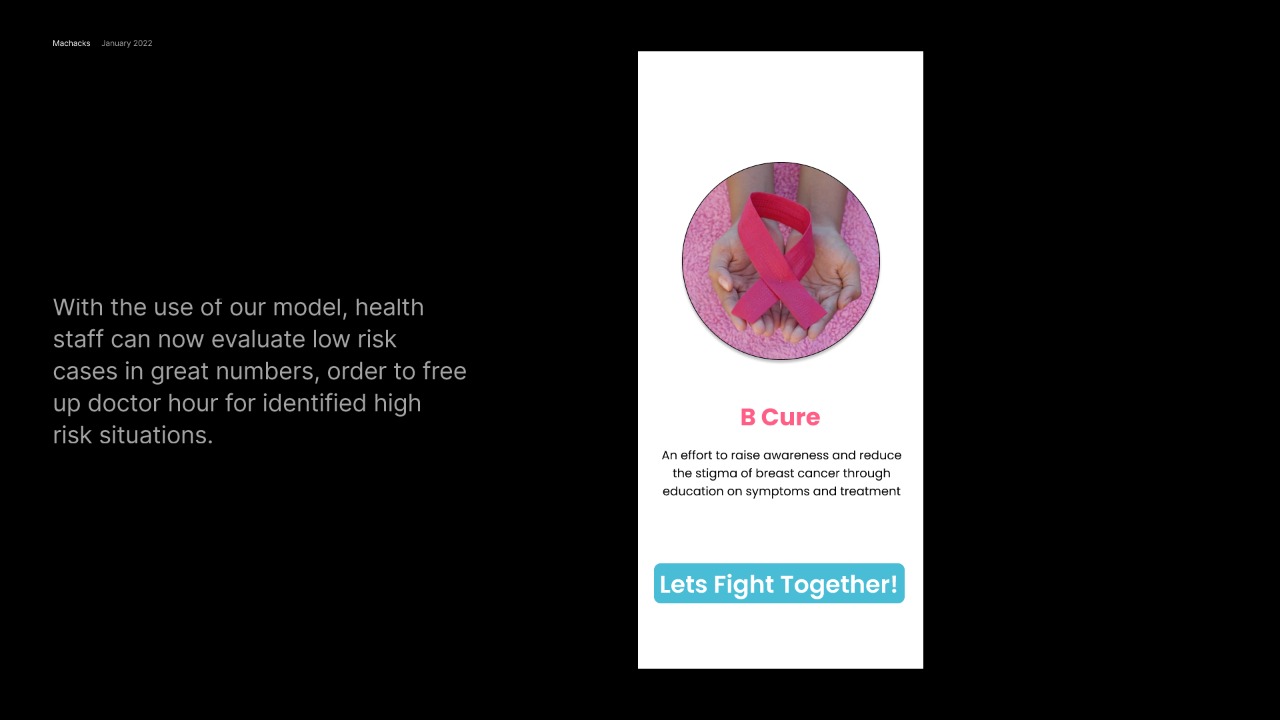
With the help of This system, health care professionals can now screen low-risk cases in great amounts, enabling physician time for identified high-risk individuals.
How we built it
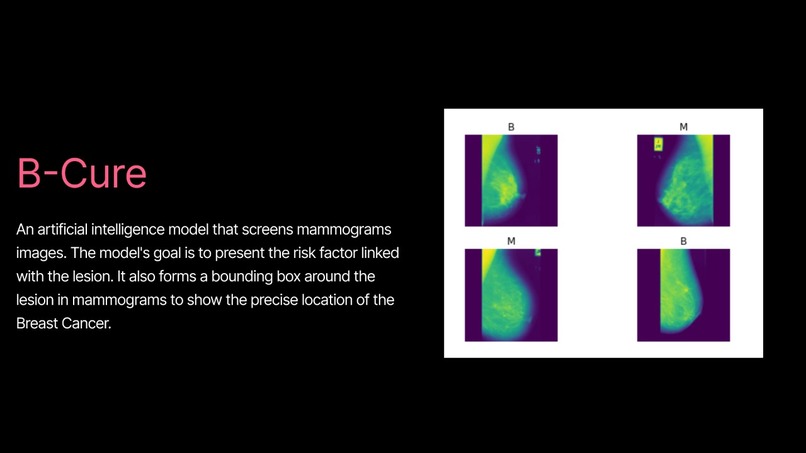
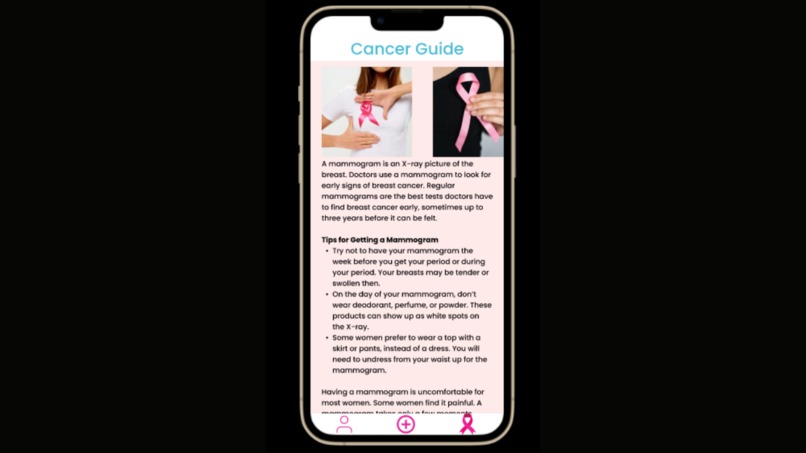
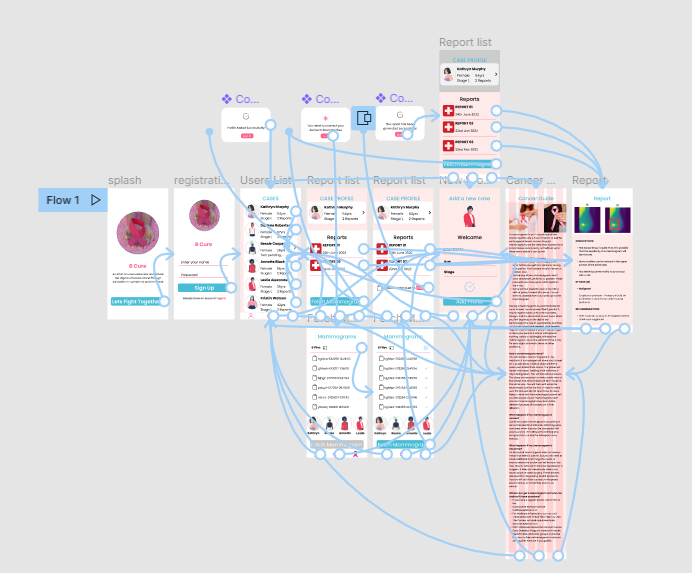
The main focus of this solution is the CNN deep learning model which classifies the benign, malignant, and normal classes of breast cancer by screening the mammograms. We have also created a prototype application in Figma to show how the model could be implemented and help the physicians/healthcare workers in real-life scenarios.
Challenges we ran into
In such a short period of time, we were able to complete the prototype and conduct research on the various forms and severity levels of breast cancer.
Accomplishments that we're proud of
Building the entire prototype and researching the types severities of breast cancer in such a short amount of time was a huge accomplishment.
What we learned
We have researched through huge documentation how breast cancers are being classified, in the process, we came to know about the various stages of cancer how it is being classified based on the mammograms. This was the first time we have used Figma in our project it was quite challenging to work on at first but once we got a hold on it things seemed quite feasible.
What's next for B Cure
The next step for this prototype would be implementing the solution on the cloud so that it could be scaled up and increase the scalability of the system
Built With
- classification
- cnn
- deep-learning
- figma
- python
- ui
- ux

Log in or sign up for Devpost to join the conversation.