-
Logo
-
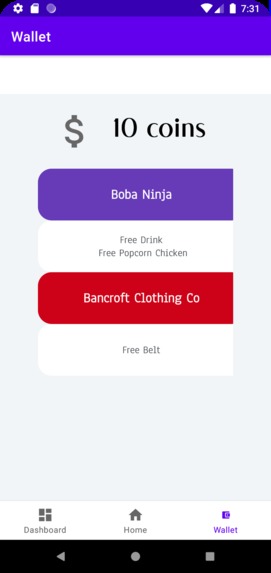
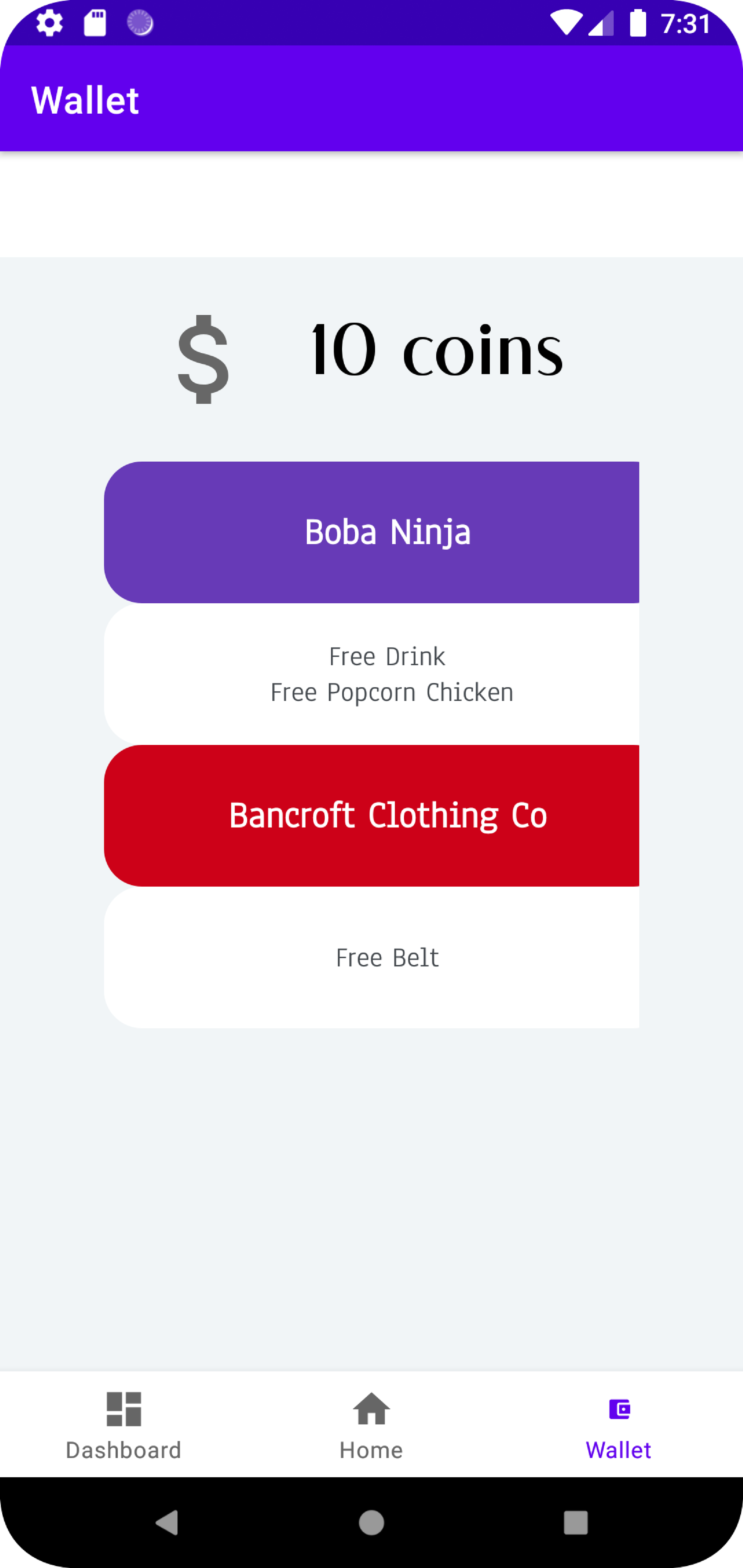
Wallet page that shows your coupons and number of coins
-
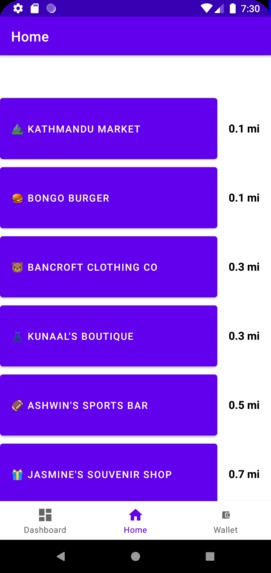
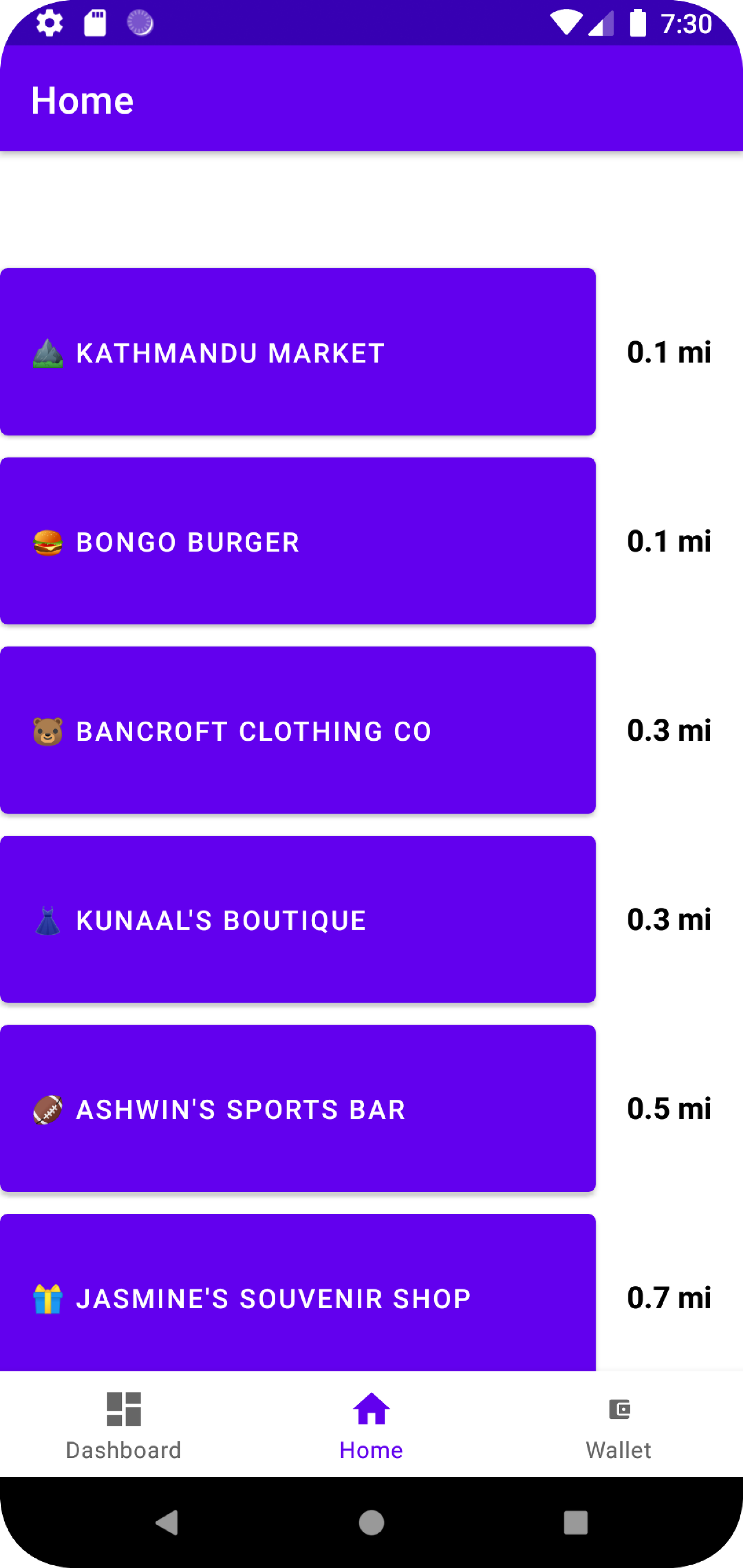
List of nearby businesses participating in app
-
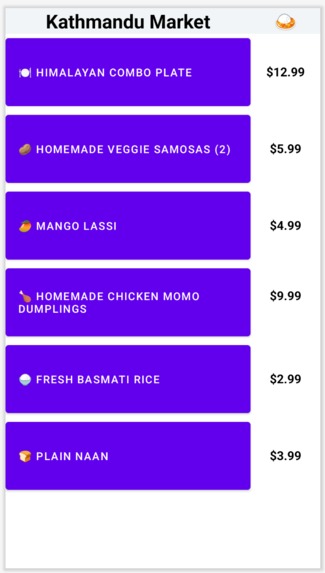
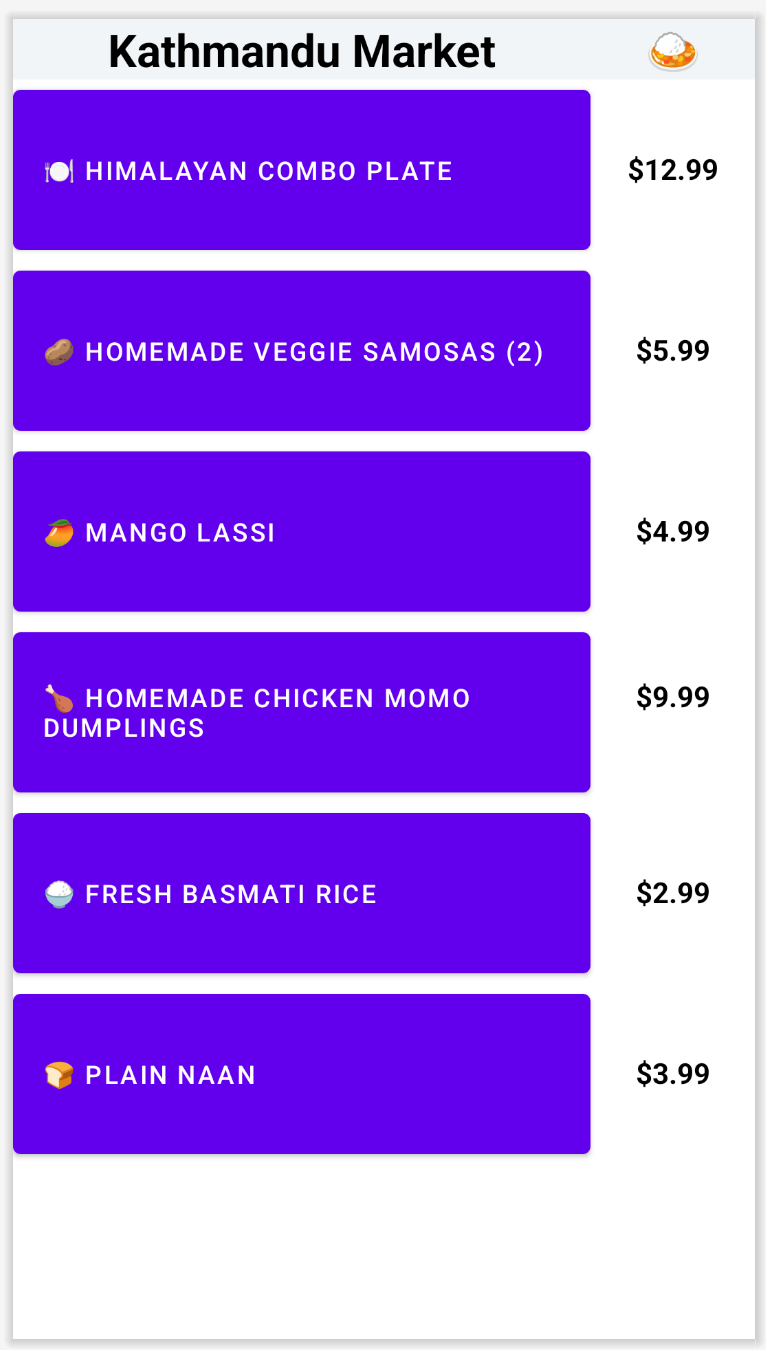
Menu that appears once you click on Kathmandu Market
Inspiration
Customer reward loyalty programs are becoming more and more centralized, with reduced use of paper coupons that were able to be traded among people and the creation of more app-based claiming platforms (think Starbucks, Chipotle, Snackpass). In addition, with the pandemic, customers and the businesses they visit are losing out on experiences and sales, respectfully. Bazaar aims to bridge this gap by empowering customers and businesses.
What it does
- Basics The platform itself is hosted on the Terra blockchain, using reward "tokens" (Bazaars, BAZ) that are minted at 1% of any user purchase from a local business using their Terra wallet. At certain timeframes or purchases at a business, users may also receive a redeemable coupon for that specific business. Users are able to redeem Bazaar tokens for coupons, as well. Using GPS + a shared QR code, the more people purchasing from a company at the same time in a group, the more BAZ will be minted and distributed among the group.
- Walkthrough of Minting:
- User links wallet in app
- User buys item from store with UST
- UST sent through our contract
- Contract mints BAZ to User’s wallet based on how much they spent
- Contract passes UST to restaurant’s wallet
- User-Powered Marketplace Users are able to sell coupons for Bazaar tokens to other users through the Marketplace. This allows for coupons to still be redeemed at business, bringing traffic and preventing loss of sales.
How we built it
Our UI is through Android Studio + Java. The tokens are minted and executed through a smart contract on the Terra blockchain using their Python SDK.
Challenges we ran into
- Figuring out how to use Terra, which SDK to use (python versus javascript), learning how to write and interpret smart contracts/tokens in Rust.
- Combining the python backend with the android studio (by creating a Flask server and using Volley/Retrofit to pass HTTP requests between the two).
Challenges we ran into
- Figuring out how to use Terra, which SDK to use (python versus javascript), learning how to write and interpret smart contracts/tokens in Rust.
- Combining the python backend with the android studio (by creating a Flask server and using Volley/Retrofit to pass HTTP requests between the two).
Accomplishments that we're proud of
We are proud of learning how to develop Android apps without having any prior experience. We are also extremely proud of minting our own token and creating a smart contract on the Terra Blockchain which is a very newer platform with limited documentation.
What we learned
- Learning a new SDK within a couple hours is pretty difficult
- Proper documentation is essential when using a new framework. If the documentation does not detail every step needed it is very hard to reproduce.


Log in or sign up for Devpost to join the conversation.