-
-
-
-
-
https://drive.google.com/file/d/1Y31e6Q5nWmx_Iu89iHLpgrp2TQIyEF2K/view?usp=sharing
Inspiration Baymax was inspired by an insightful article from the Bell Law Firm titled “Triage: A Critical First Step in Emergency Care.” The article emphasized the vital importance of triage in emergency departments and how failure to adhere to established protocols can result in life-altering consequences. We were deeply moved by the urgency of this issue and set out to build a solution that supports nurses and frontline workers in following standardized triage procedures. Our goal was clear: reduce the potential for human error and improve patient outcomes through intelligent, interactive assistance.
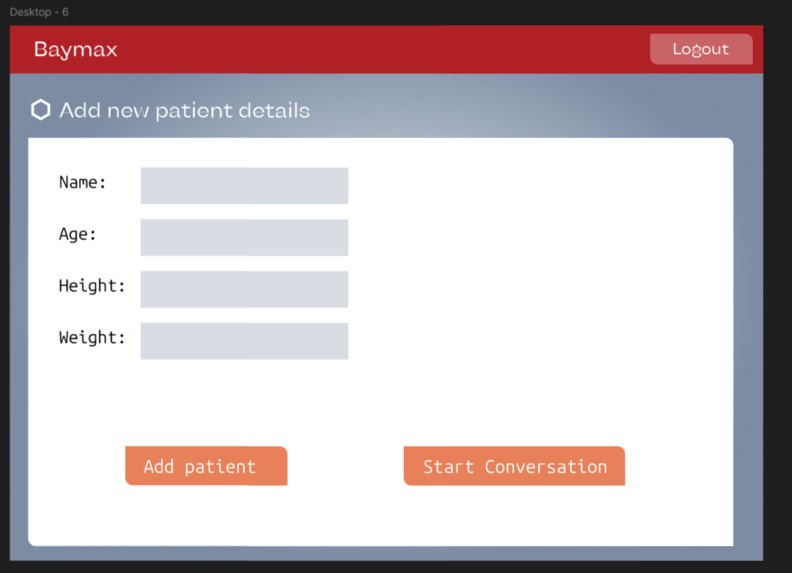
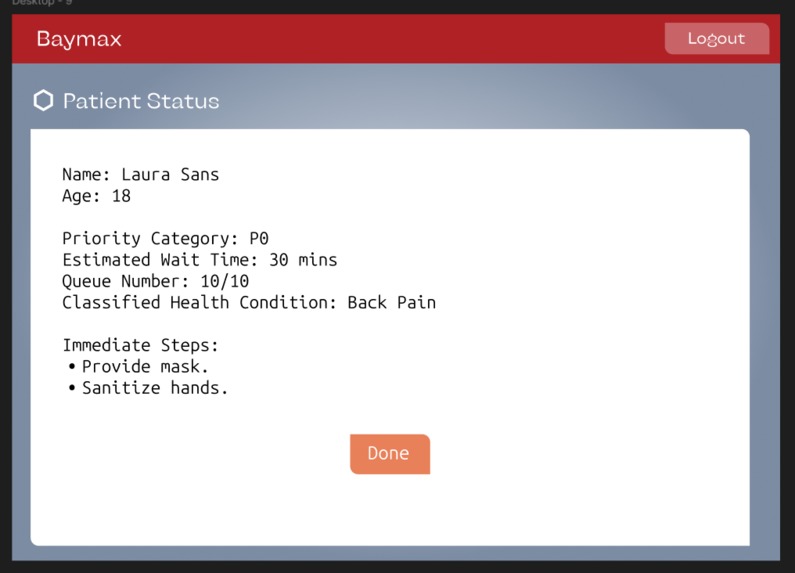
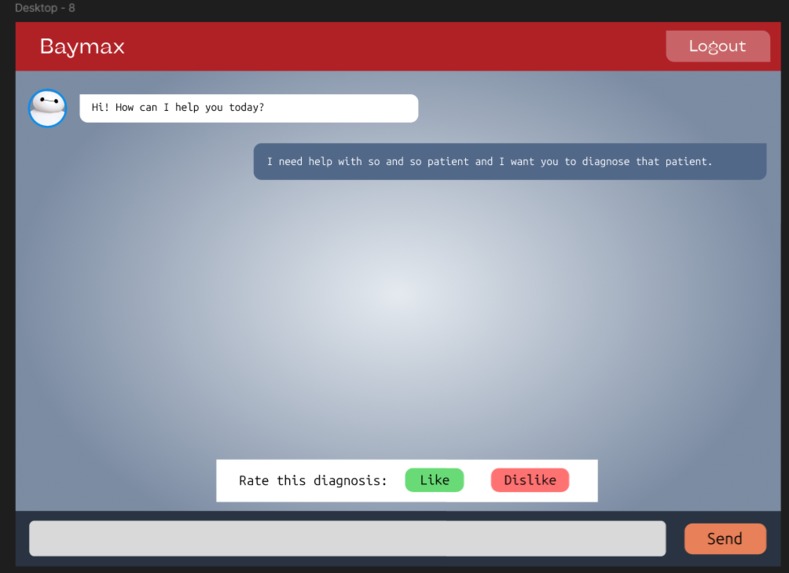
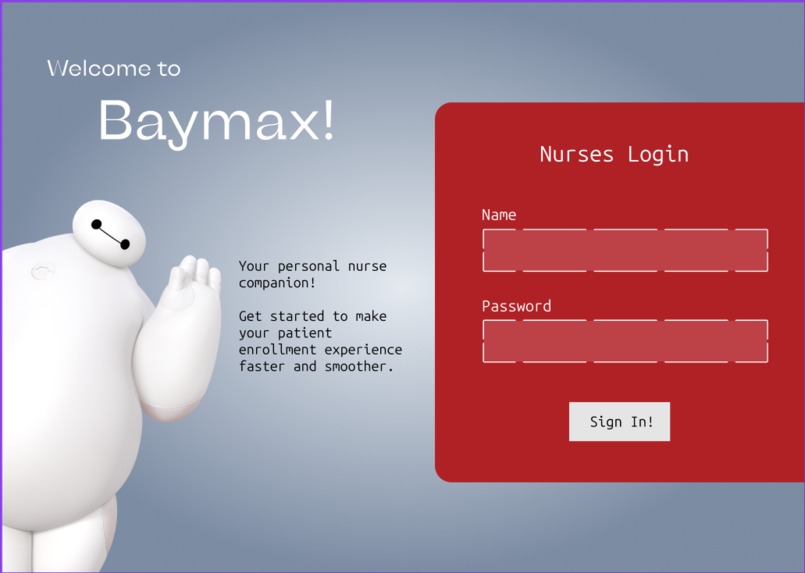
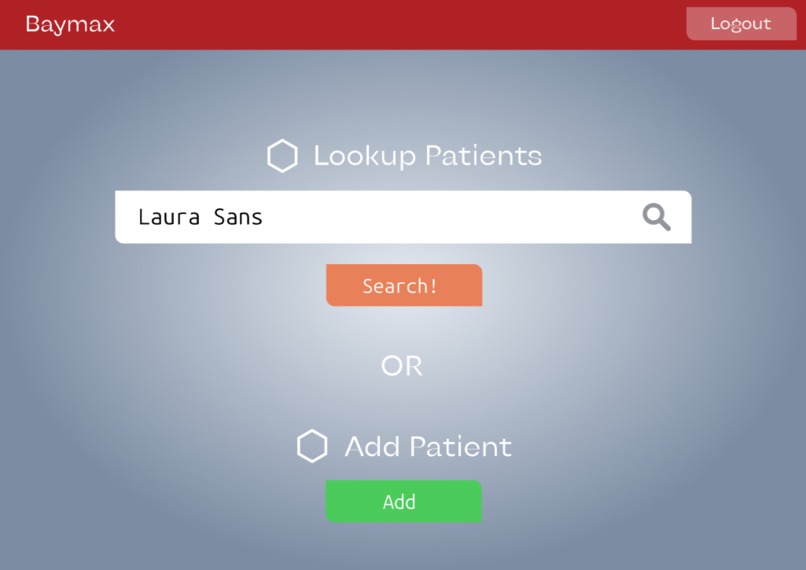
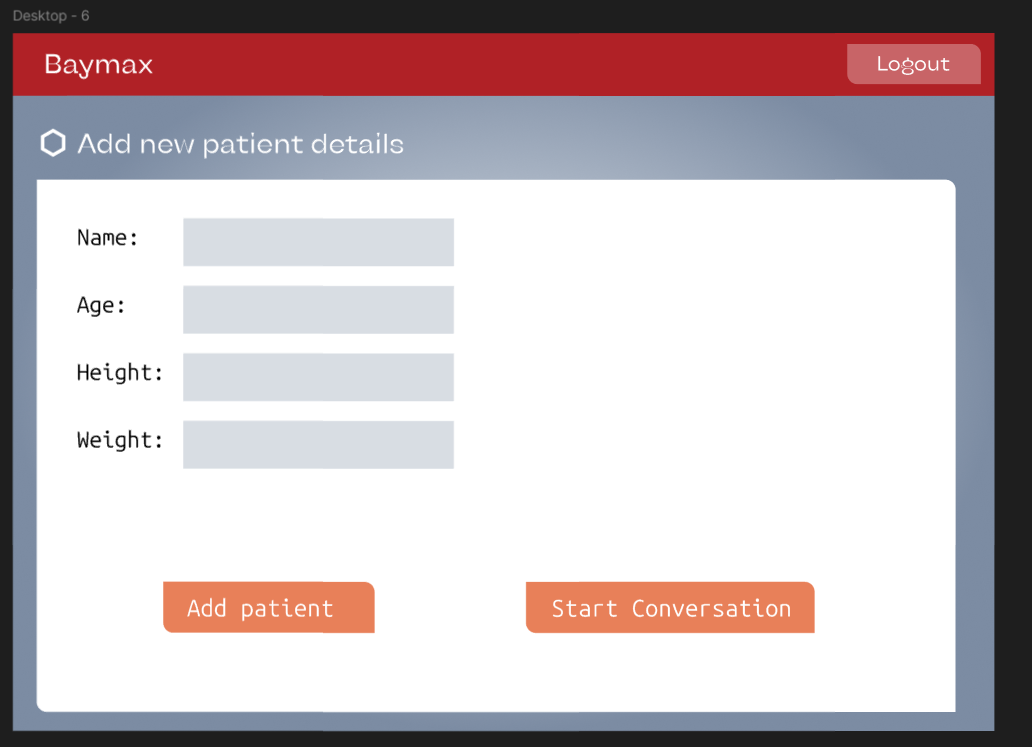
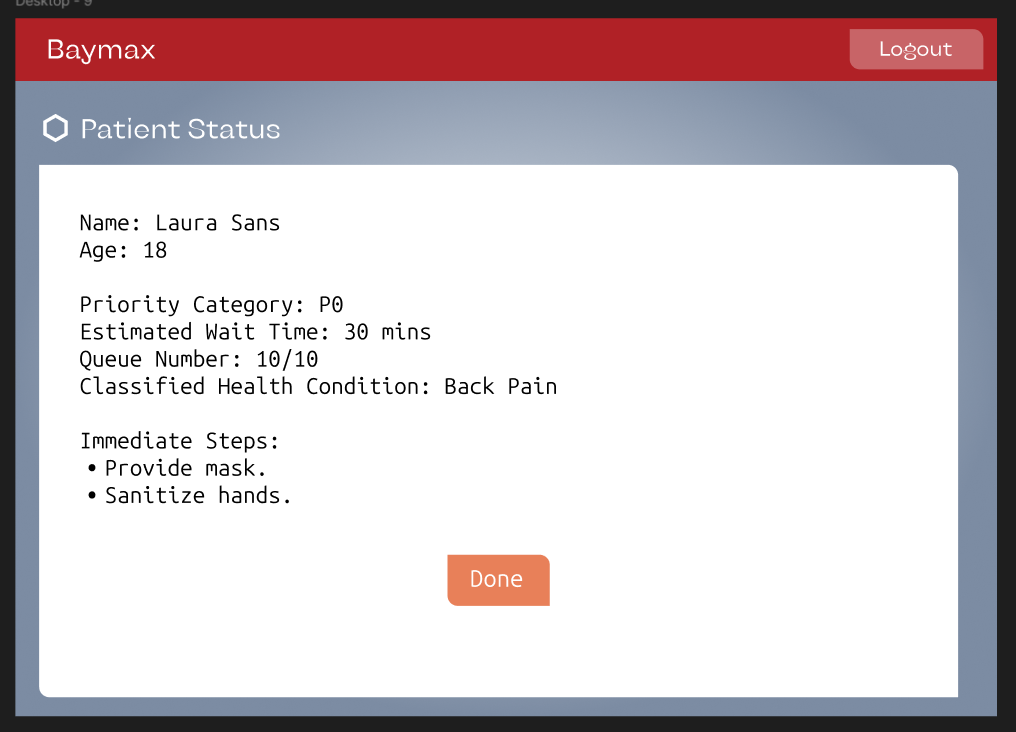
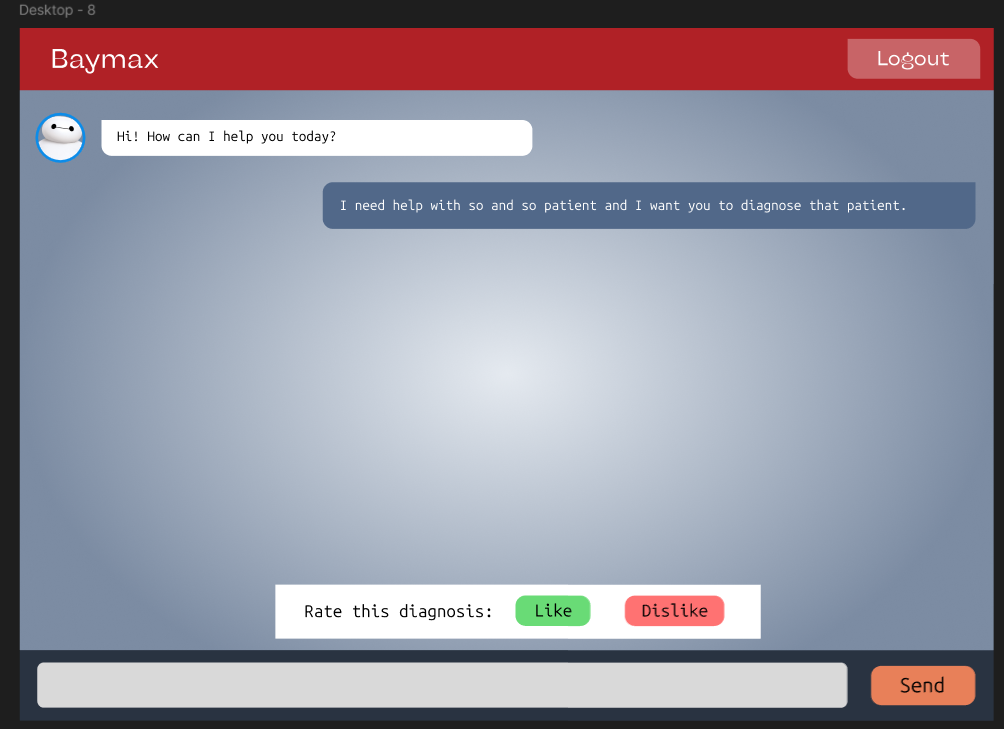
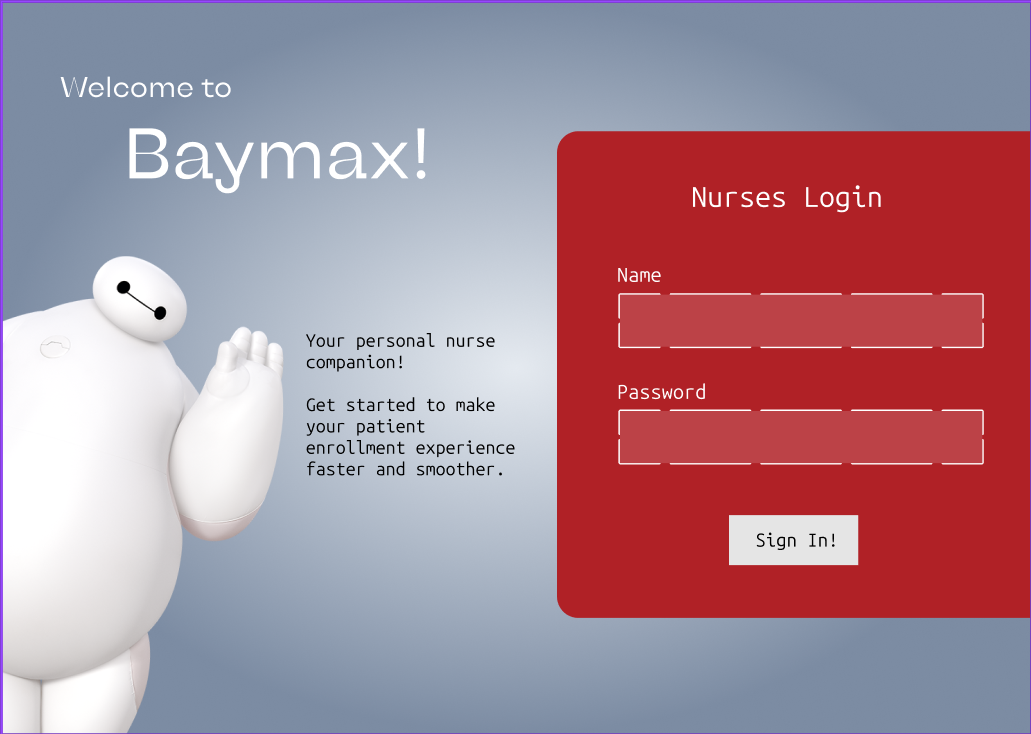
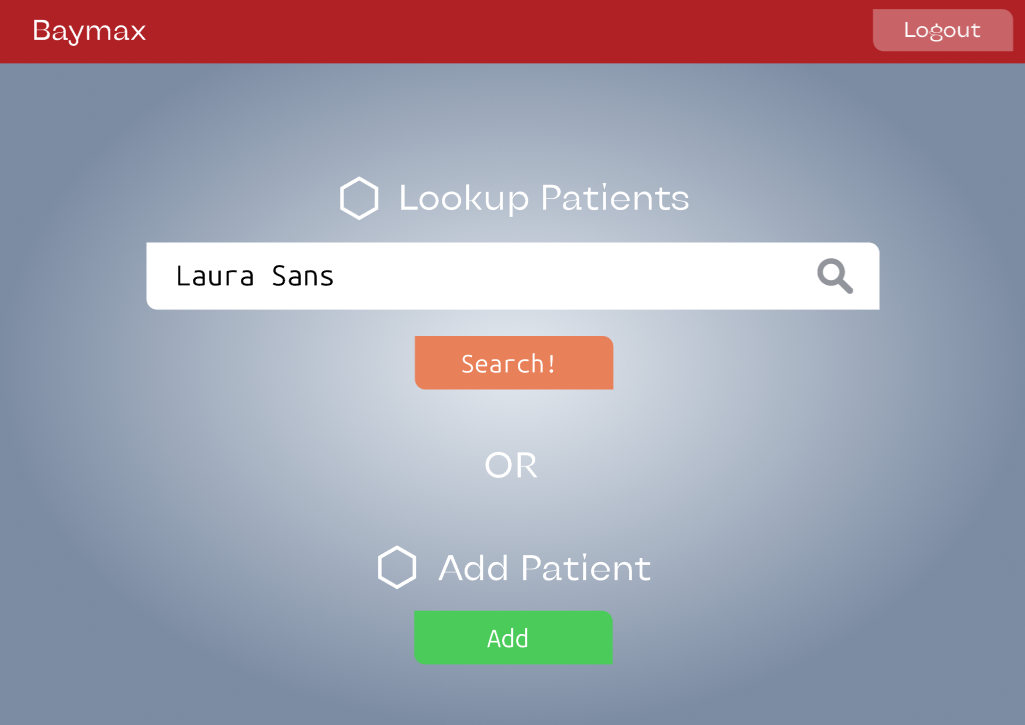
What it does Baymax is a smart, interactive triage assistant designed to assist healthcare professionals during the initial assessment of patients. Here's how it works: Accepts free-text symptom descriptions from nurses or patients. Dynamically generates personalized follow-up questions based on initial symptoms and medical history. Analyzes input in combination with vitals and demographic data to determine the patient’s Emergency Severity Index (ESI) level. Offers preventive care recommendations and highlights protocol-critical steps to ensure no part of the triage process is missed. By acting as both a decision support system and a protocol compliance guide, Baymax helps streamline emergency care while minimizing risk.
How we built it We developed Baymax using: Django for building a robust backend API. LangChain with Gemini API for dynamic language understanding and question generation. MongoDB to store patient data and session histories. Socket.IO (for future real-time updates). Integration of session-based memory to enable context-aware conversations.
Challenges we ran into Ensuring the LLM-generated follow-up questions were medically relevant and formatted clearly for nurses. Handling unstructured text and translating it into structured, actionable data. Balancing interactivity with clinical accuracy and protocol alignment. Managing stateful conversations for multiple patient sessions in parallel.
Accomplishments that we're proud of Successfully converting unstructured symptom descriptions into structured triage assessments in real time.
Creating an interactive, adaptive questioning flow that responds to patient context and nurse inputs.
Implementing a protocol compliance safeguard that flags essential steps and suggests preventive actions.
Receiving validation from clinical resources and testing Baymax in simulated emergency scenarios with encouraging results.
What we learned Throughout this project, we learned how complex and nuanced the triage process is. It’s not just about symptom identification but also understanding context, risk factors, and medical history. We gained hands-on experience working with medical ontologies, clinical guidelines, and how to translate them into a user-focused tool. We also deepened our skills in building conversational AI systems, particularly in high-stakes environments like healthcare.
What's next for Baymax Moving forward, we plan to enhance Baymax with voice input and multilingual support, making it even more accessible. We also want to integrate real-time vitals monitoring from medical devices to make the assessments more dynamic and accurate. Another key area of focus is integrating Baymax with electronic health records (EHRs) and getting feedback from clinicians in real-world emergency departments to continuously improve its accuracy and usability. Ultimately, we envision Baymax becoming a trusted digital partner for nurses and EMTs across hospitals and clinics.


Log in or sign up for Devpost to join the conversation.