-
-
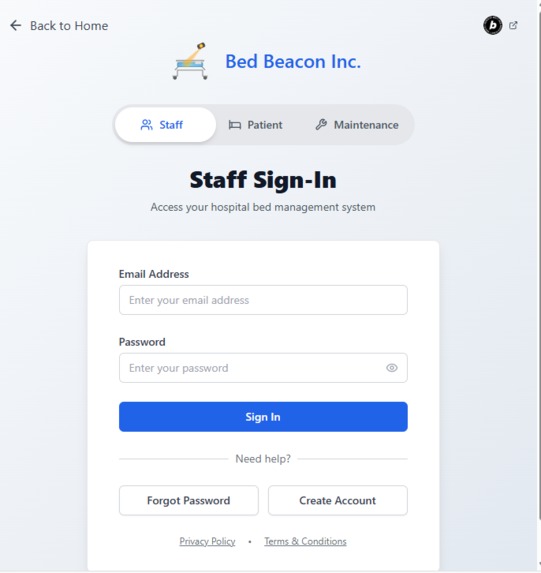
Capable of processing multiple users
-
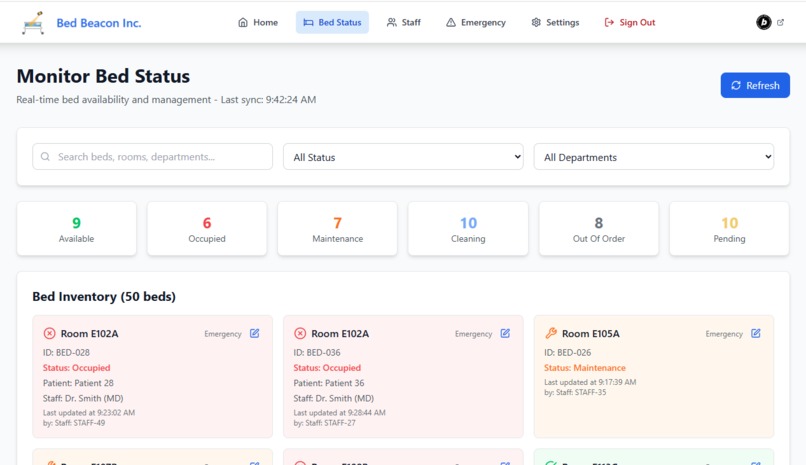
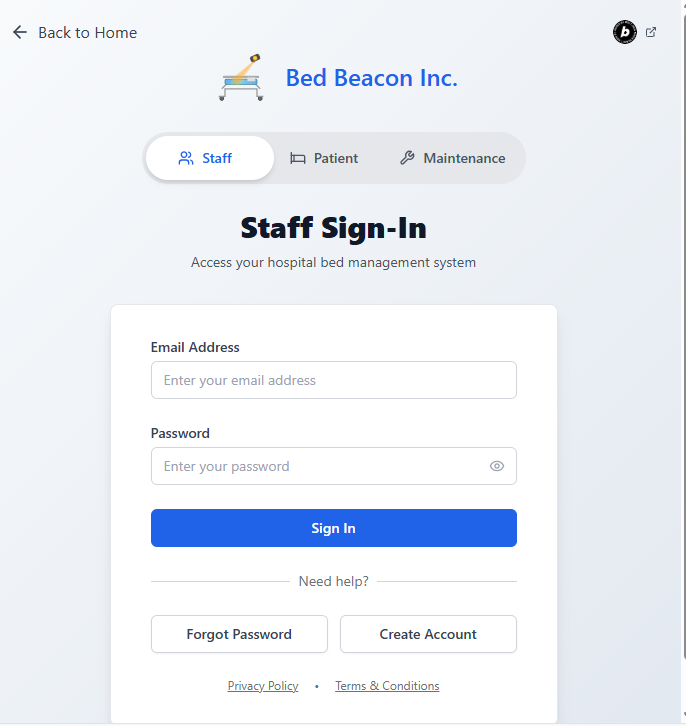
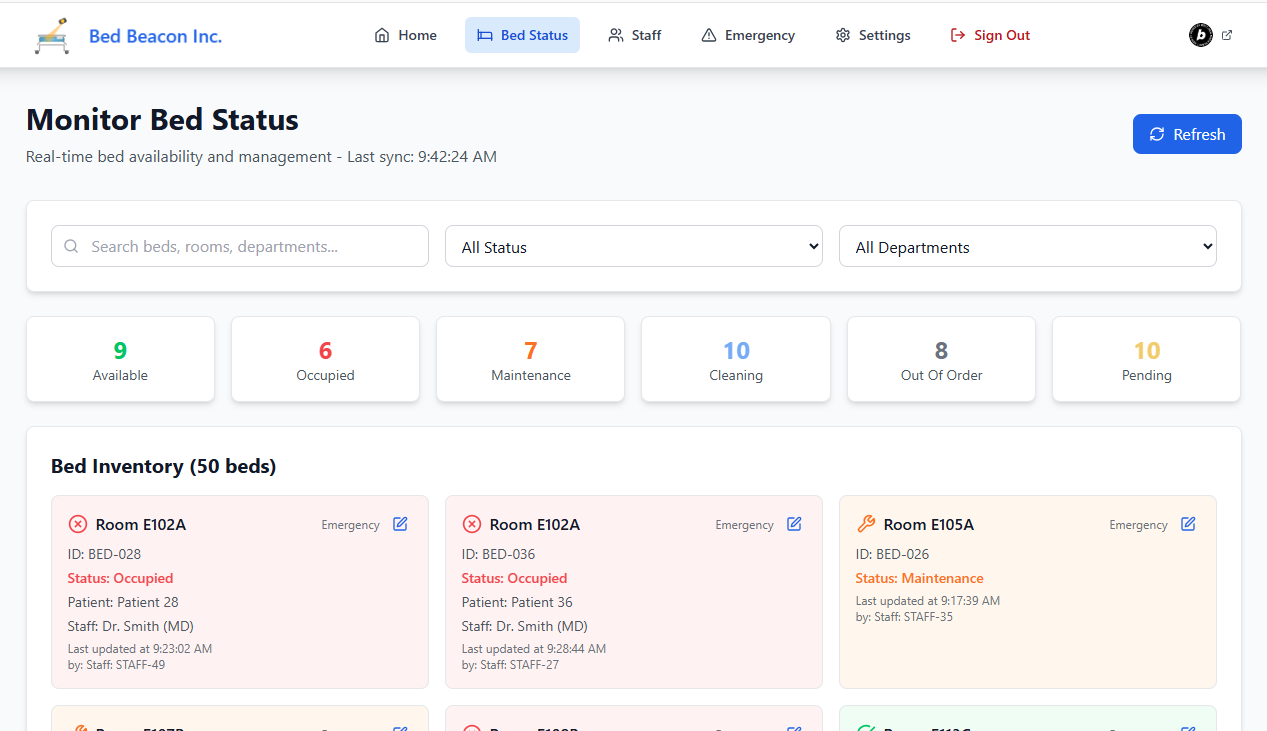
Staff Access
-
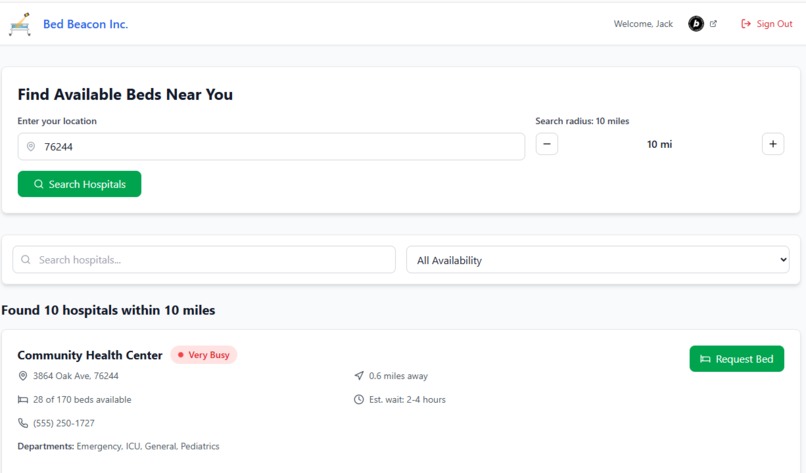
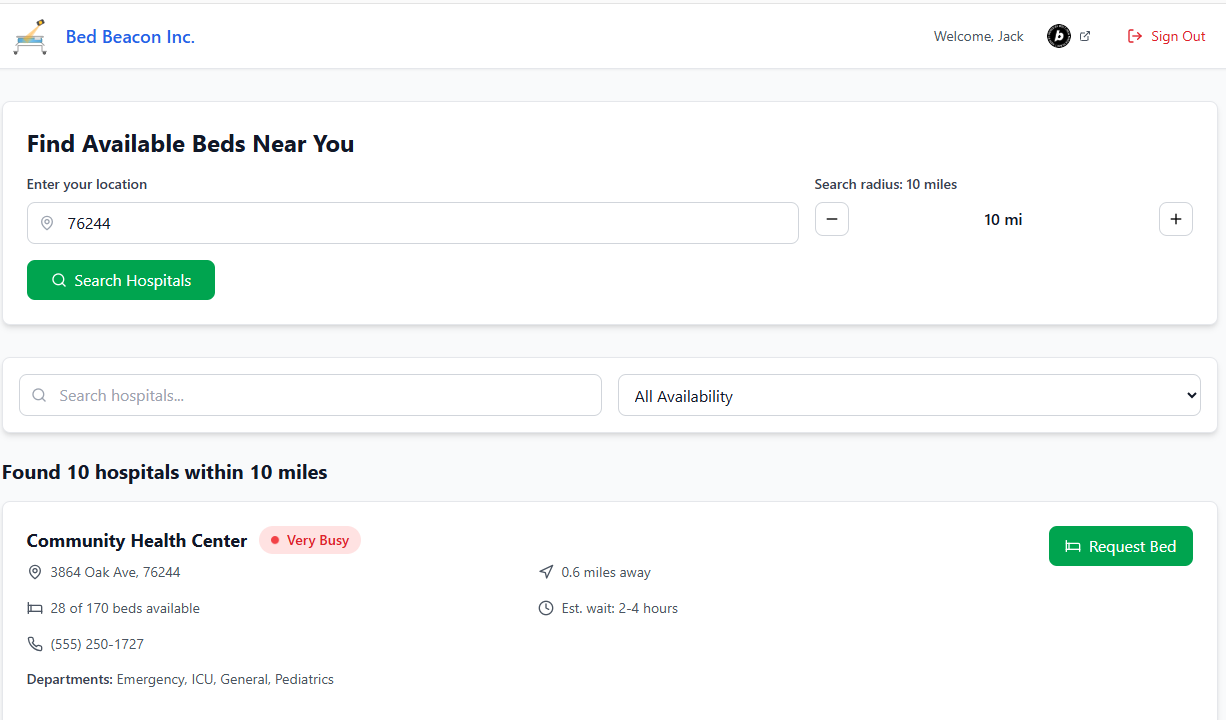
Patient Access
-
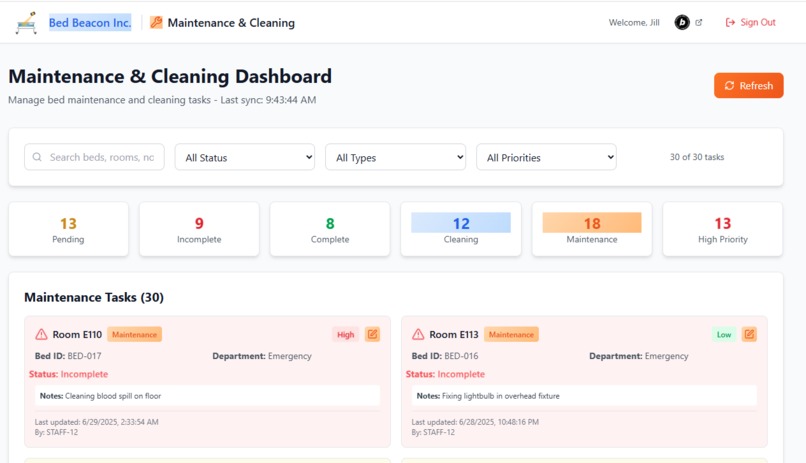
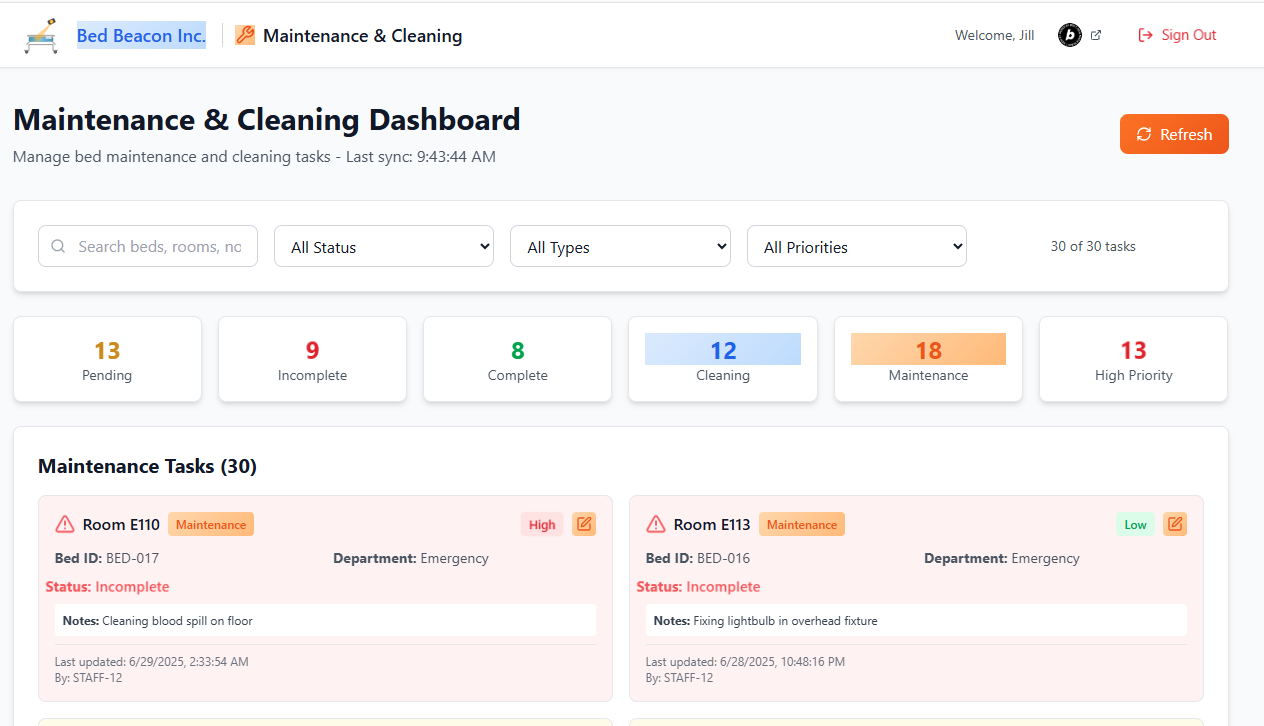
Maintenance and Cleaning
Inspiration
Hospital bed shortages are a silent crisis, straining healthcare systems and leaving patients in limbo. Each year, 2.5 million pressure ulcers cost $11 billion, and over 100 rural hospital closures since 2013 have deepened access disparities (AHRQ, 2023). A Georgia nurse shared a haunting reality: patients waiting three hours or more just to find an available bed. This issue hit home in a deeply personal way. One afternoon this past year, my 80-year-old nana called in a panic, certain my papa was having a stroke. Living in the heart of the city, just 15 minutes from an urgent care and no more than 30 minutes from the nearest hospital, we assumed help would come swiftly. But the reality was far different. For three agonizing hours, we sat in a clinic waiting room. My papa, weak and unresponsive, hadn’t eaten all day (and is a diabetic), and no one had even taken his vitals despite our fears of a stroke. In desperation, I slipped him some crackers and juice. Finally, after a brief 15-minute assessment, the staff decided he needed to be transferred to another hospital. This past year he has experienced multiple episodes this past year, and as we finally navigated through his heart surgery and persistent fatigue, were we plagued with yet another issue. 2 months ago, he underwent a Whipple procedure as they thought he might have tumor, the fear struck out hearts as we feared that the day he went under might be the last day we would see him. But , Bless the Lord as he is cancer free. Throughout the recovery process we faced countless delays and barriers to care. Each hospital visit felt like a battle against a broken system. These experiences ignited a fire in me. Bed Beacon may not be a groundbreaking invention, but it’s a beacon of hope—a tool to save lives by ensuring no one else endures the wait we did. Our mission is to empower hospitals and patients, streamlining bed allocation in emergencies to deliver faster, better care.
What it does
BedBeacon is a platform designed to address hospital bed shortages by streamlining bed allocation and improving emergency care access. It provides real-time visibility into bed availability, staff resources, and emergency alerts, enabling hospitals to efficiently manage resources and reduce delays in patient care. For patients and families, it aims to minimize wait times in critical situations, ensuring faster access to appropriate care facilities. The system targets hospitals and patients navigating emergency scenarios, with a focus on enhancing care delivery and operational efficiency.
How we built it
I developed a paper wireframe and ran through different organizational structures in my head. The bulk of it was developed completely in bolt , outside of using canva to mockup a quick logo. The Bed Beacon prototype was developed as a front-end application using React for a dynamic and responsive user interface, as seen in the GitHub repository. We utilized modern JavaScript and Tailwind CSS for styling to create an intuitive dashboard displaying bed statuses, staff availability, and alerts. Mock data was generated to simulate real-time functionality, mimicking hospital workflows without requiring a live backend. The codebase prioritizes modularity with reusable React components, ensuring scalability for future backend integration.
Challenges we ran into
reating realistic mock data: Simulating dynamic elements like bed statuses, staff availability, and emergency alerts was challenging without a live backend. Crafting data that accurately reflected real-world hospital scenarios required careful design to ensure the demo was convincing and functional. HIPAA compliance: Ensuring compliance with HIPAA regulations, including Business Associate Agreements (BAA) and secure handling of Protected Health Information (PHI), posed significant challenges. These requirements extend beyond front-end code to backend infrastructure, data management, and organizational policies, necessitating extensive planning for future iterations.
Accomplishments that we're proud of
Developed a functional front-end prototype that effectively demonstrates real-time bed management and emergency response capabilities using mock data. Designed an intuitive and visually appealing interface with Tailwind CSS, making it accessible for hospital staff and administrators. Laid a solid foundation for scalability, with modular React components that can integrate with a secure backend in the future. Raised awareness of hospital bed shortages and care delays through a personal narrative, connecting the project to real-world healthcare challenges.
What we learned
Front-end development for healthcare: Building a user-friendly interface for hospital staff requires balancing simplicity with the complexity of real-time data visualization. Healthcare regulations: HIPAA compliance involves not just technical safeguards but also organizational policies, requiring a holistic approach to software development. Mock data design: Creating realistic mock data for dynamic systems taught us how to simulate real-world workflows effectively, bridging the gap between prototype and production. Problem scoping: Addressing bed shortages and emergency care delays requires understanding both technical and systemic healthcare challenges, from resource allocation to patient experience.
What's next for Bed Beacon Inc.
The next steps for BedBeacon involve incorporating a secure backend to handle real-time data processing and ensure HIPAA-compliant storage and transmission of patient information. This includes: Implementing a robust backend infrastructure with secure APIs for real-time bed and staff management. Integrating with hospital systems to pull live data on bed availability and emergency needs. Enhancing security measures to meet HIPAA requirements, including encryption, access controls, and audit logging. Expanding the platform to support additional features, such as predictive analytics for bed demand and integration with electronic health record (EHR) systems. Conducting pilot tests with hospitals to validate the system’s effectiveness in reducing wait times and improving care delivery.
Built With
- lucide
- react
- tailwind
- typescript

Log in or sign up for Devpost to join the conversation.