Inspiration
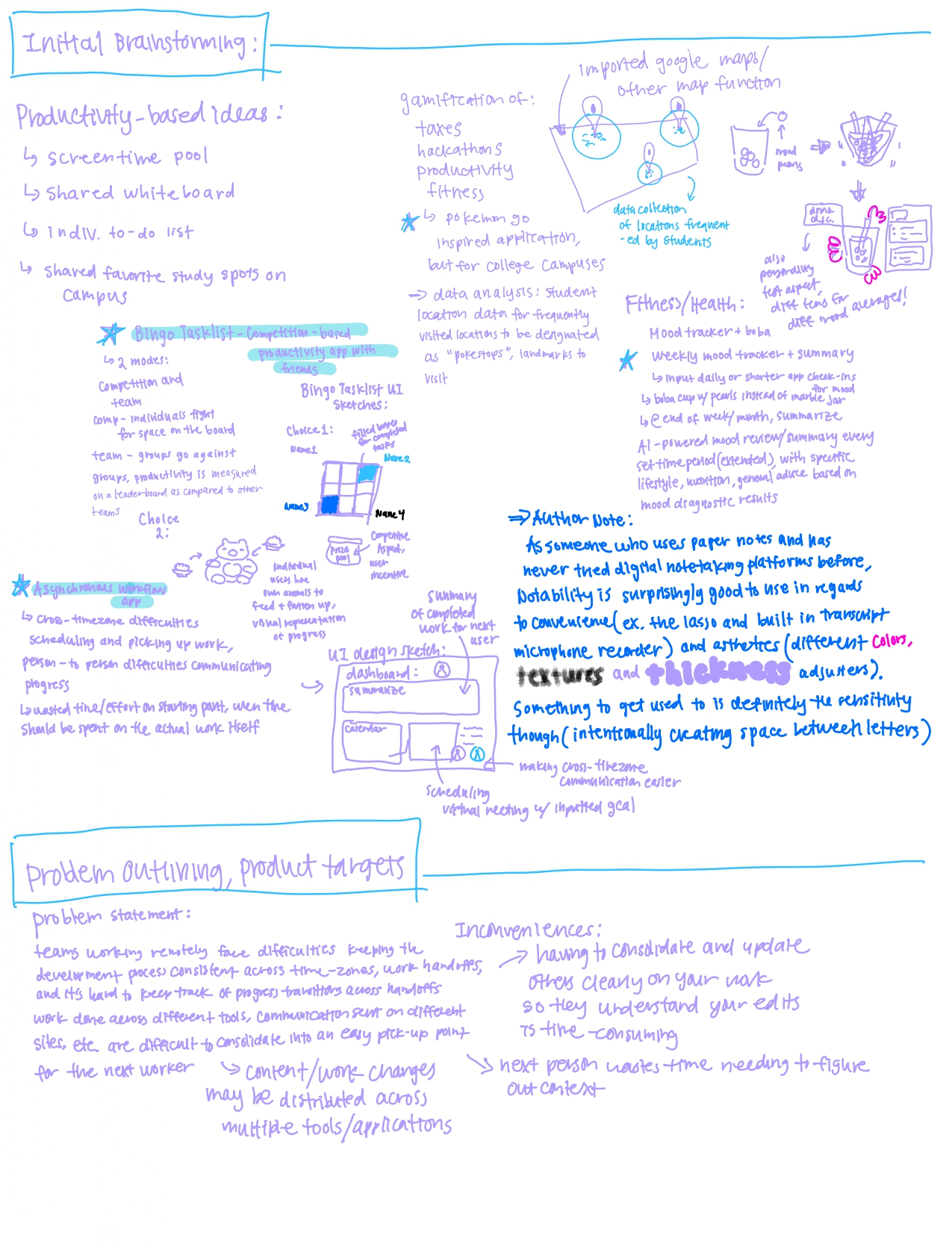
As teams become increasingly global, work doesn't stop when one person's day ends—it gets passed to someone else in another time zone. But the context often doesn't.
A teammate might wake up to dozens of Slack messages, unfinished tasks, and decisions made while they were offline. Before they can actually contribute, they have to reconstruct what happened, what changed, and what they need to do next.
We wanted to build something around a simple idea:
What if the workday could be handed off as cleanly as a baton in a relay race?
That became Baton—a global workday relay designed to keep work moving by passing actionable context from one time zone to the next.
What it does
Baton gives distributed teams a centralized view of what is happening across their global workday.
The "While You Were Away" briefing summarizes the most important changes into four categories:
- Completed work
- Current blockers
- Team decisions
- Actions required
The Handoff Queue turns that context into actionable work, showing the owner, priority, status, blocker, next action, and intended recipient for each handoff.
When a teammate finishes their day, they can Pass the Baton by documenting what they worked on, what's blocked, and what should happen next. Gemini can turn rough notes into a concise, standardized handoff.
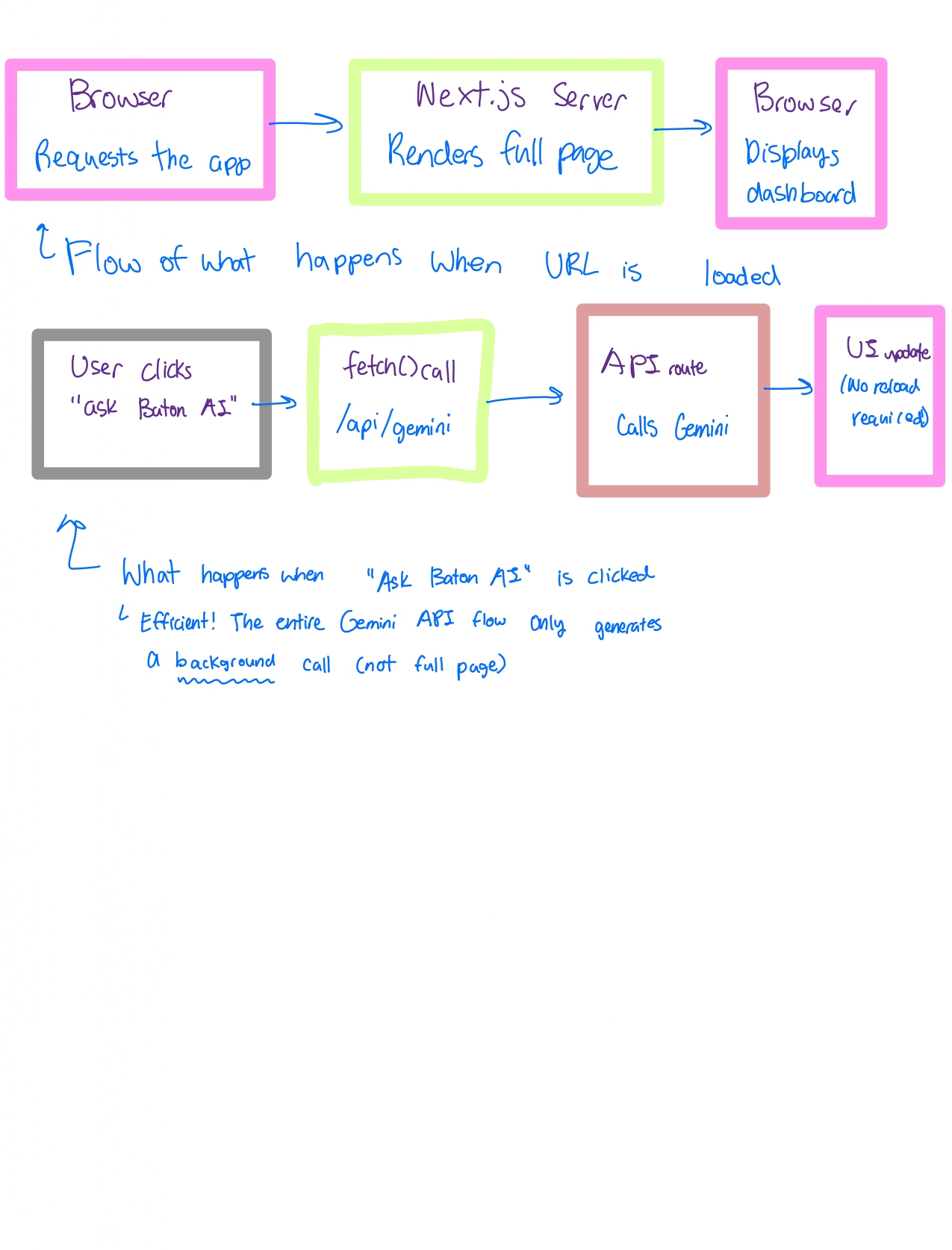
Baton also includes AI-powered message summarization for pasted Slack, Teams, or other conversations, as well as Ask Baton AI, which lets users ask questions about their team's work without manually searching through every update.
Beyond context, Baton incorporates the time dimension of distributed work. Global clocks, team presence, working hours, a meeting-overlap scheduler, and the Relay Timeline help teams understand not only what happened, but when and who was involved.
How we built it
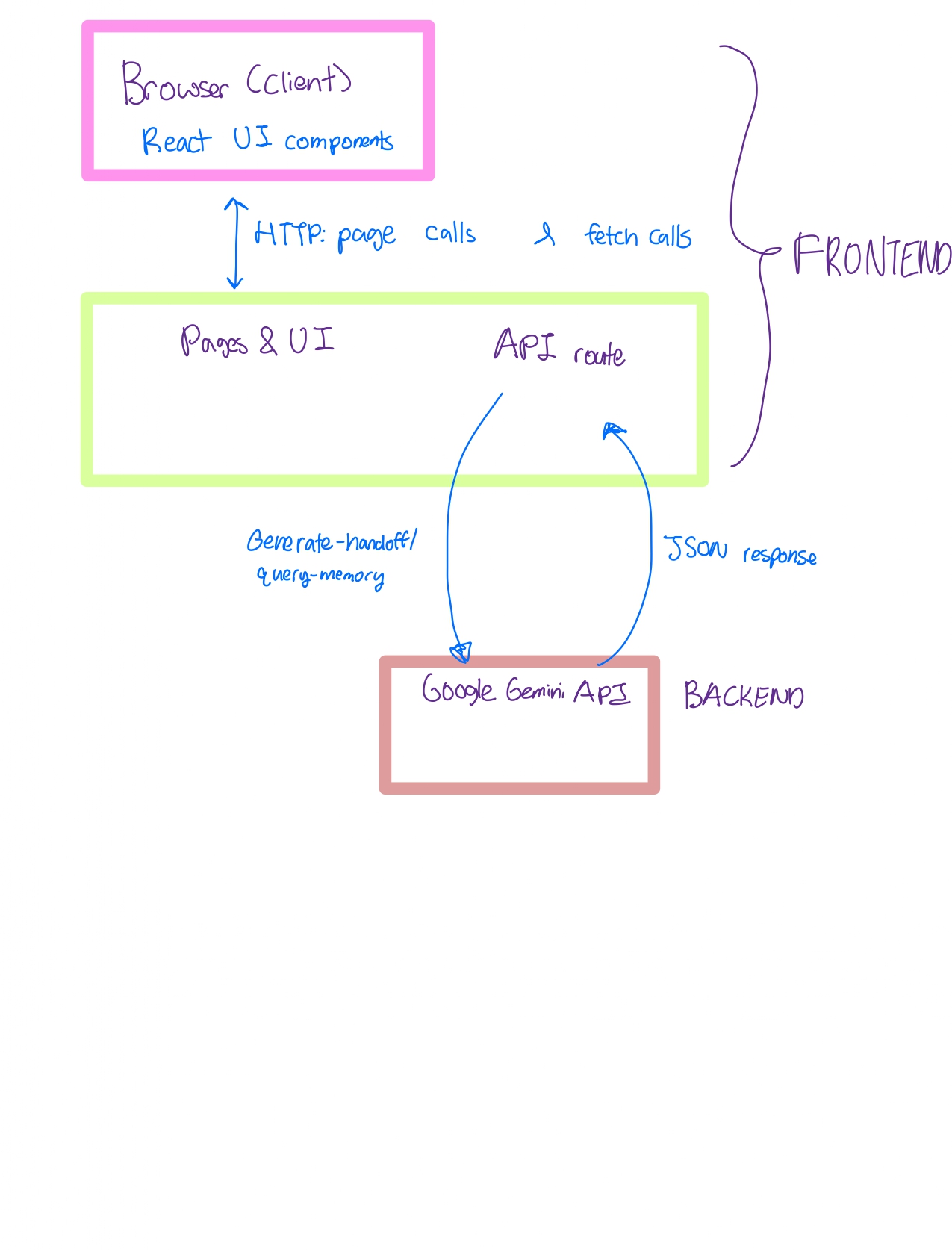
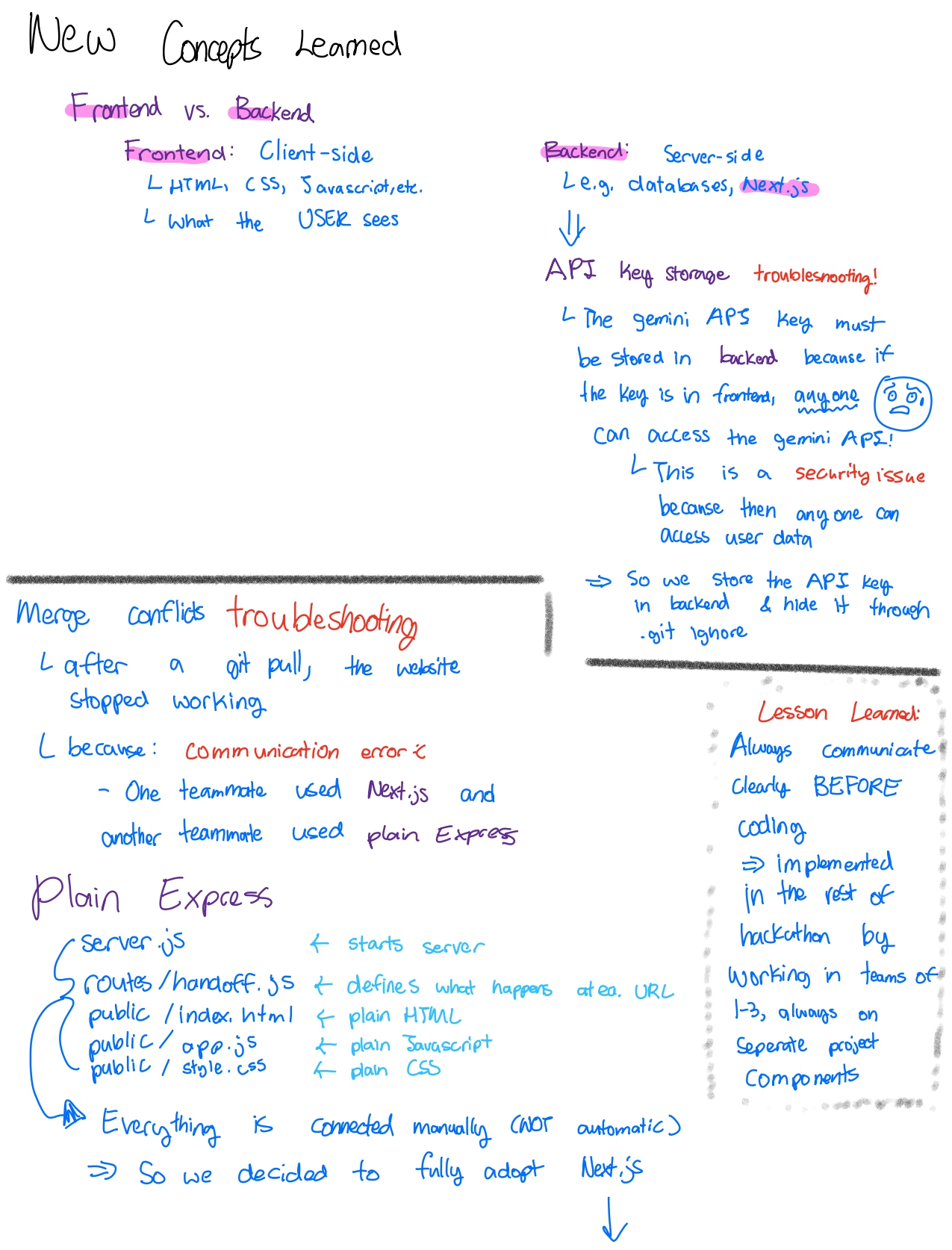
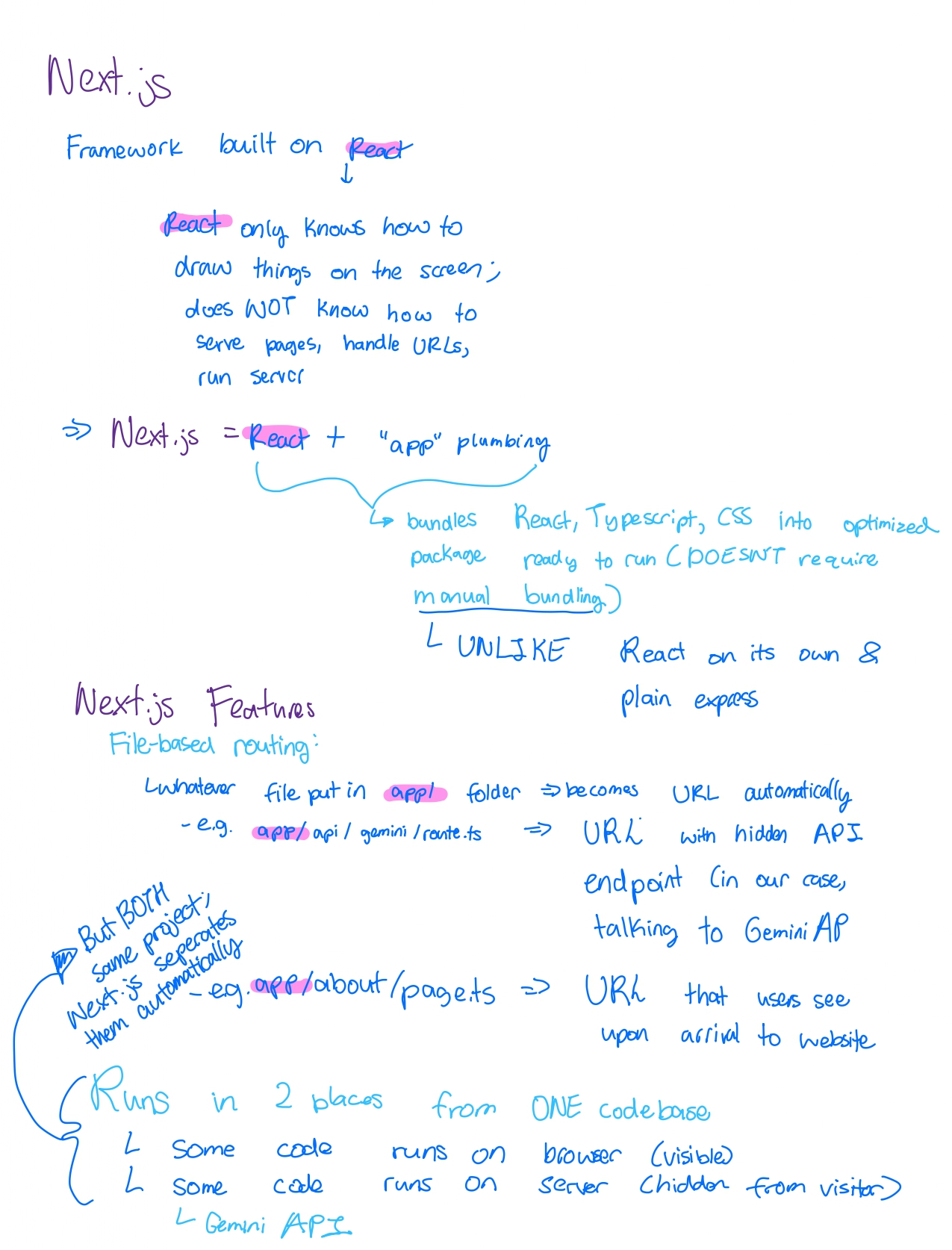
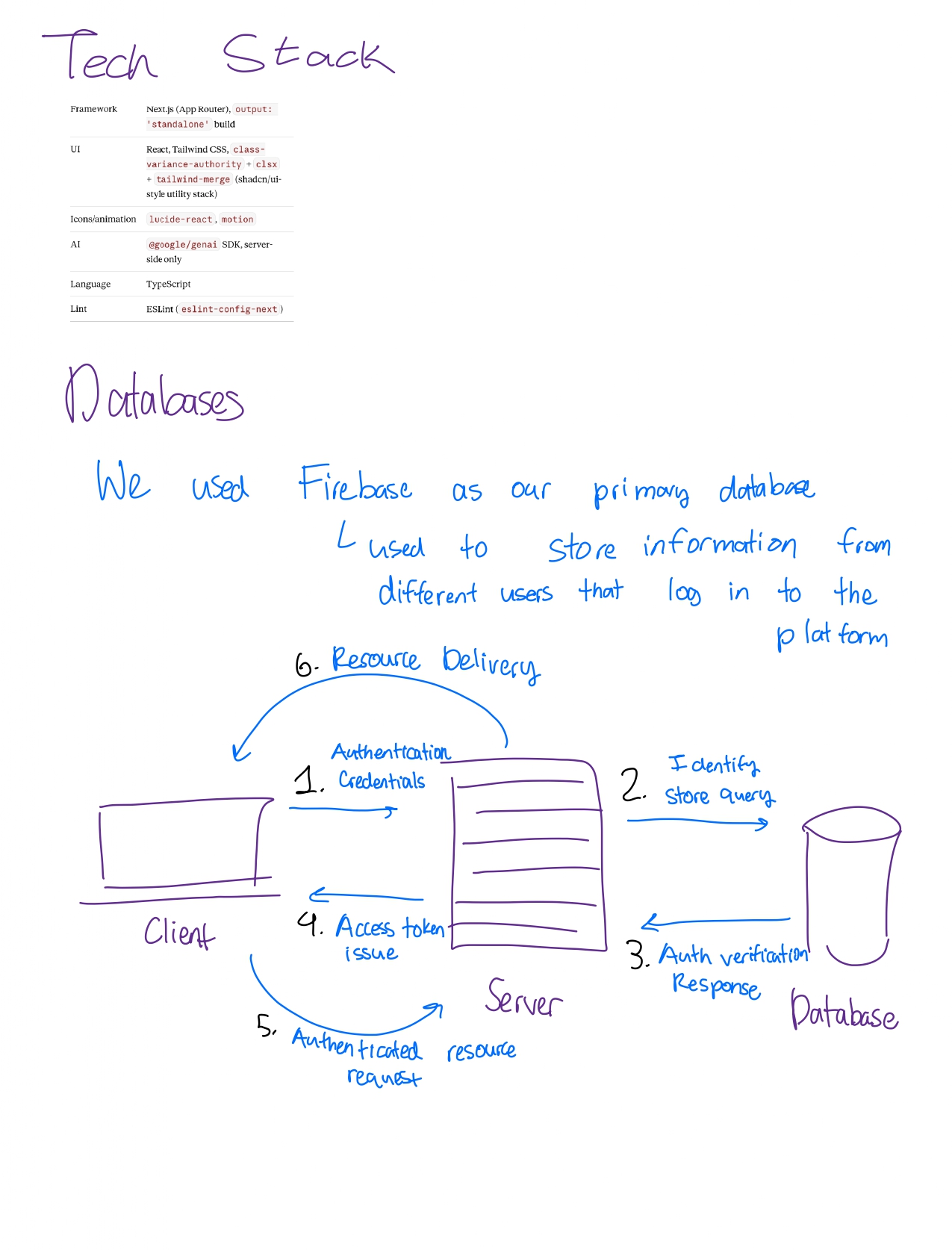
Baton is built as a Next.js web application, with Firebase Authentication handling secure Google sign-in and Gemini providing our AI capabilities.
Our architecture is centered around three main components:
- Next.js powers the interactive application and user experience.
- Firebase handles authentication and provides the foundation for persistent team data.
- Gemini API powers message summarization, handoff formatting, and workspace-based questions.
For AI features, we intentionally designed the system to be user-controlled. Instead of automatically ingesting an entire company's communication history, users explicitly provide the information they want summarized or formatted.
For example, a user can paste a long conversation and Gemini extracts the relevant decisions, blockers, action items, and owners. Similarly, rough handoff notes can be transformed into Baton's structured format before the user reviews and sends them.
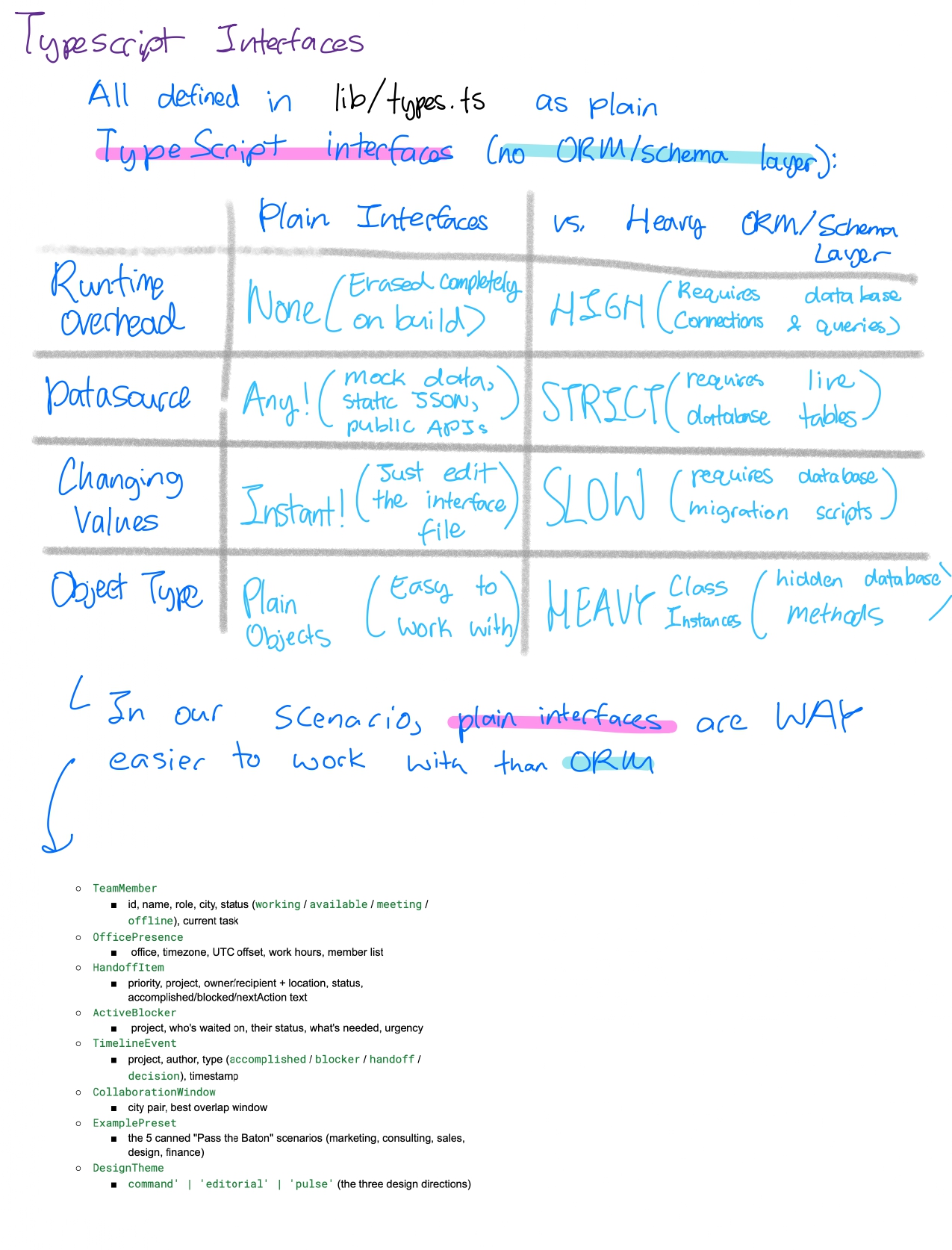
The current demo uses local browser state for much of the workspace interaction, allowing us to demonstrate the complete product experience. A production implementation would move this data into Firebase Firestore for persistent, real-time synchronization and use secure server-side handling for Gemini requests.
Challenges we ran into
One of our biggest challenges was figuring out how to make AI genuinely useful rather than simply adding a chatbot to the application.
We wanted every AI feature to solve a specific problem:
Too many messages → summarize them.
Messy notes → structure them.
Too much project information → ask Baton.
Another challenge was designing for the reality of distributed teams. Time zones aren't just clocks—they affect availability, handoffs, meetings, and ownership. We therefore had to think about how working hours, team presence, task status, and chronological events could work together as one experience.
We also had to balance functionality with simplicity. Baton could easily become another complicated project-management dashboard, so we focused the interface around a few key questions:
What happened? What is blocked? Who needs to act? What happens next?
Accomplishments that we're proud of
We're most proud that Baton isn't just a collection of AI features—it is a complete interaction model for distributed work.
A user can sign in, understand what happened while they were away, review a handoff, ask AI about their team's work, see who is available, find overlapping meeting times, complete their work, and pass the baton to the next teammate.
We're also proud of the way AI is integrated into the workflow. Gemini doesn't replace the team's judgment. Users can review, edit, and control the information before it becomes part of a handoff.
Most importantly, we created a product around a problem that becomes increasingly important as companies operate across more locations and time zones: keeping work moving without forcing people to constantly reconstruct context.
What we learned
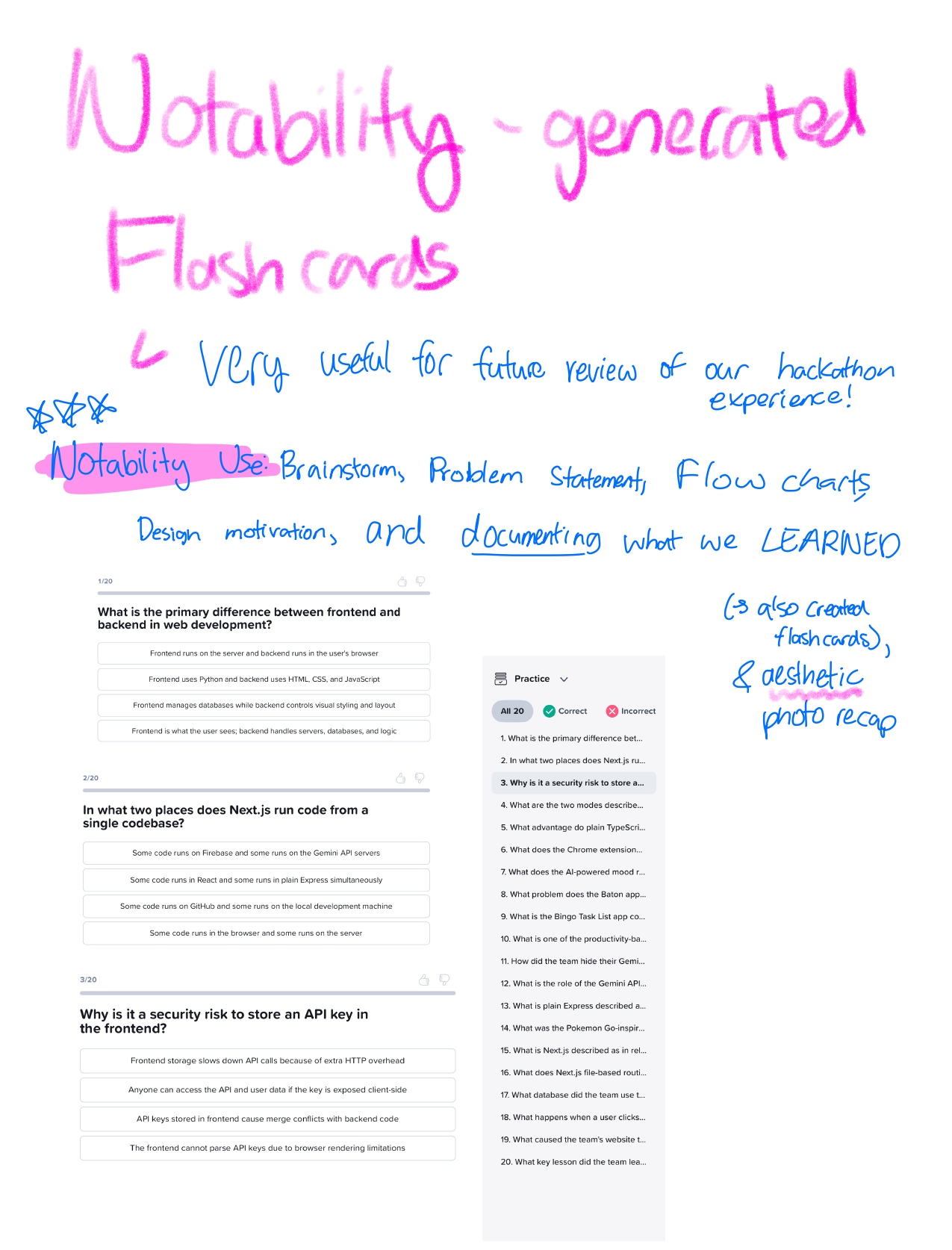
We learned that building a useful AI product isn't necessarily about giving the model more information. It's about giving it the right information at the right moment.
We also learned that good UX can make technically complex systems feel simple. Concepts like authentication, AI APIs, workspace context, time-zone calculations, and state management happen behind the scenes, while the user simply sees a clear handoff and knows what to do next.
Finally, we learned that distributed work has a unique challenge that traditional task-management tools don't fully address: the person receiving a task often needs the story behind it, not just the task itself.
That distinction became the foundation of Baton.
What's next for Baton
Our next step is turning the demo into a fully persistent, collaborative workspace.
We would move workspace data into Firebase Firestore, allowing multiple team members to see handoffs, status changes, meetings, and timeline events in real time.
We also want to integrate directly with tools teams already use, particularly Slack, Microsoft Teams, and Google Calendar. This would allow Baton to automatically identify relevant conversations, summarize updates, and coordinate schedules while still giving users control over what information is shared with the AI.
Longer term, we envision Baton becoming an intelligent coordination layer for global teams—one that understands what happened during each workday, what remains unfinished, who can take it forward, and when they are available to do so.
The goal is simple:
When one person's workday ends, the next person's shouldn't have to start from scratch.
Built With
- firebase
- gemini
- typescript
- vscode


Log in or sign up for Devpost to join the conversation.