-
-
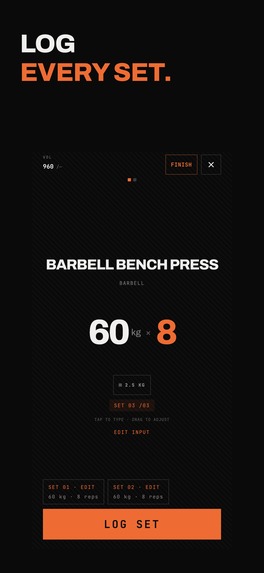
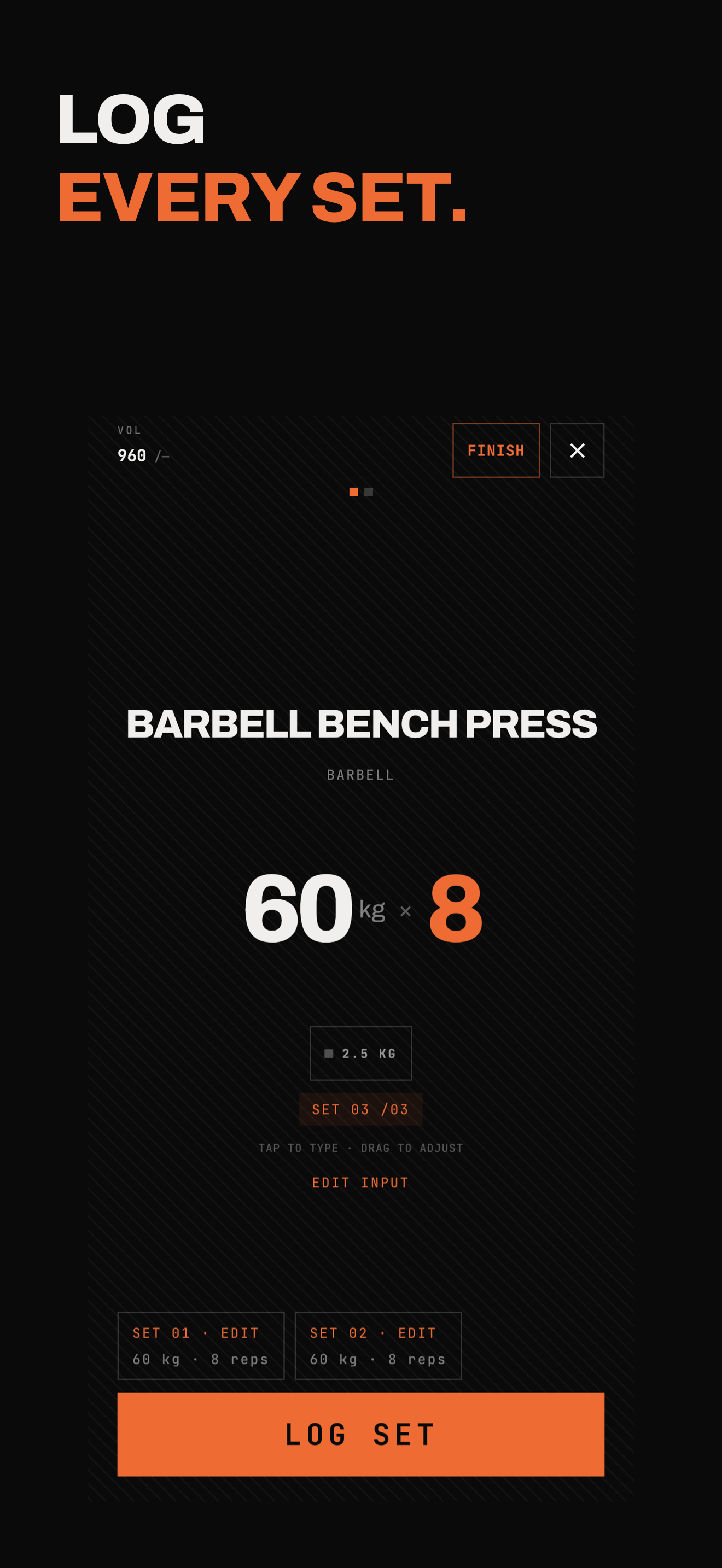
Log every set with weights and reps.
-
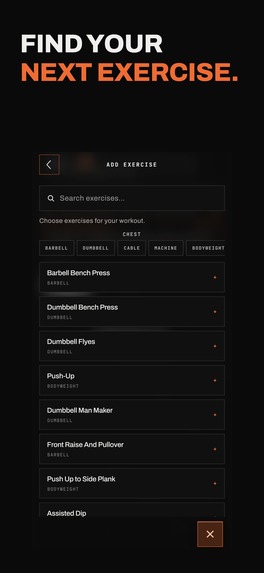
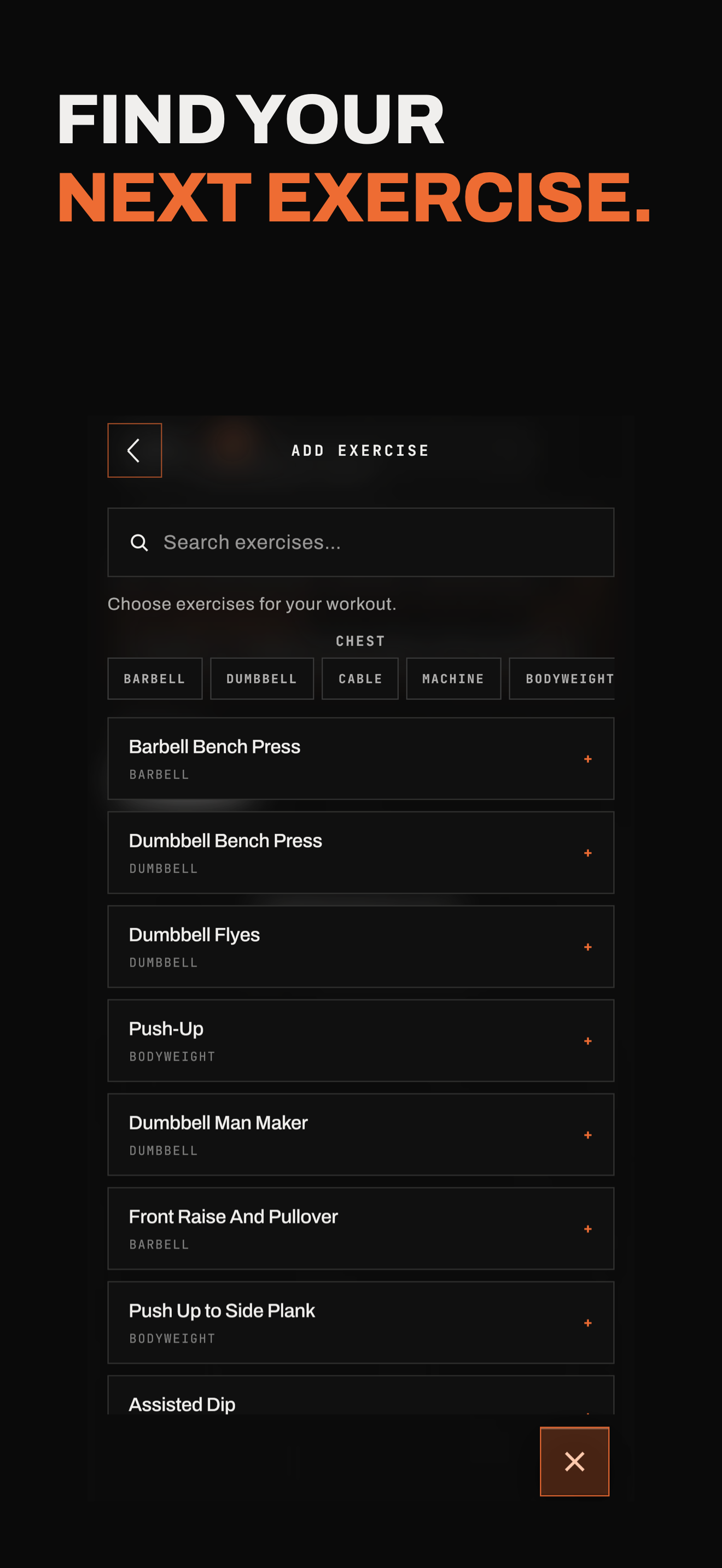
Find your next exercise in the exercise library.
-
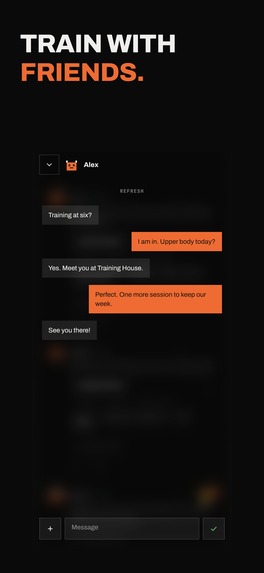
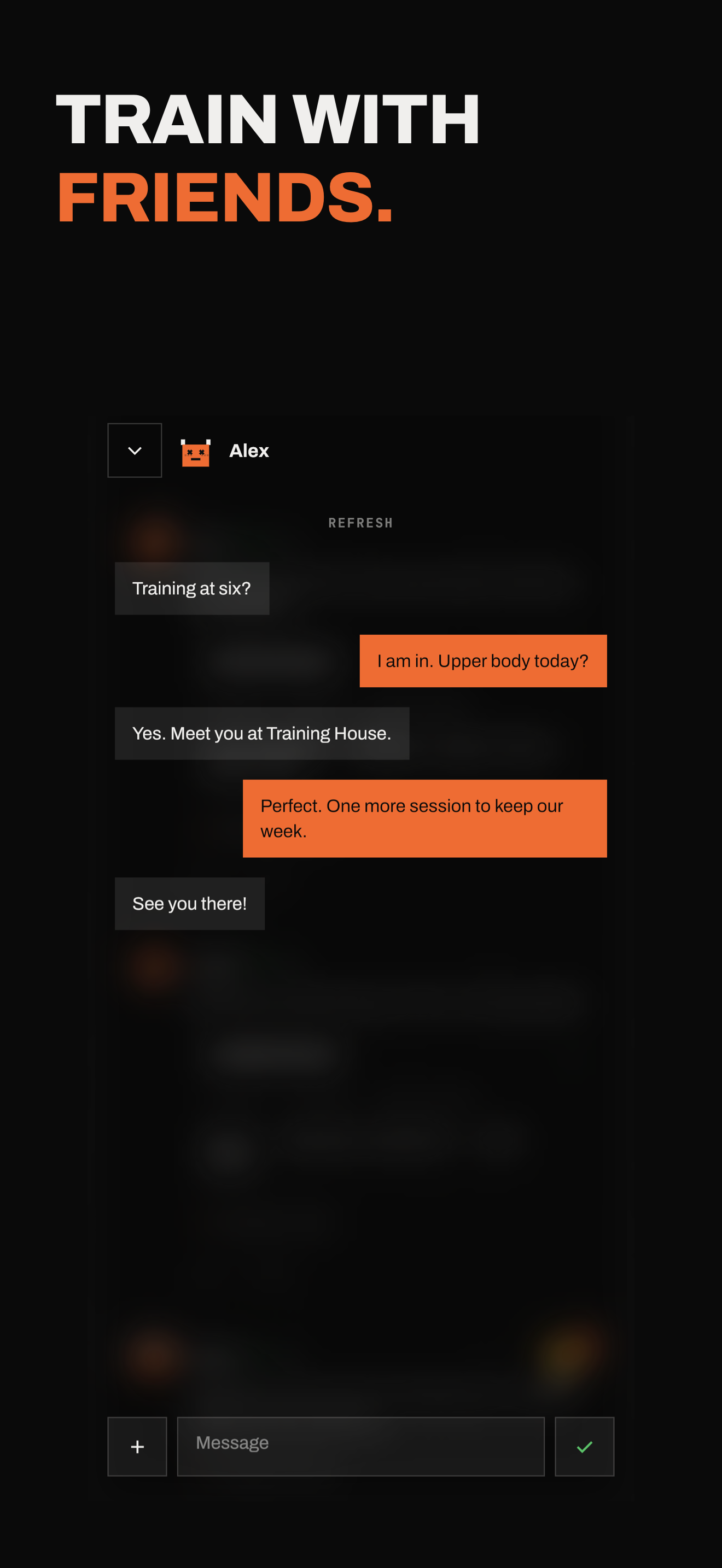
Message friends and arrange your next gym session. Illustrative data.
-
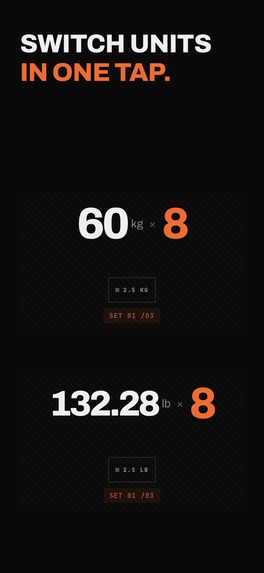
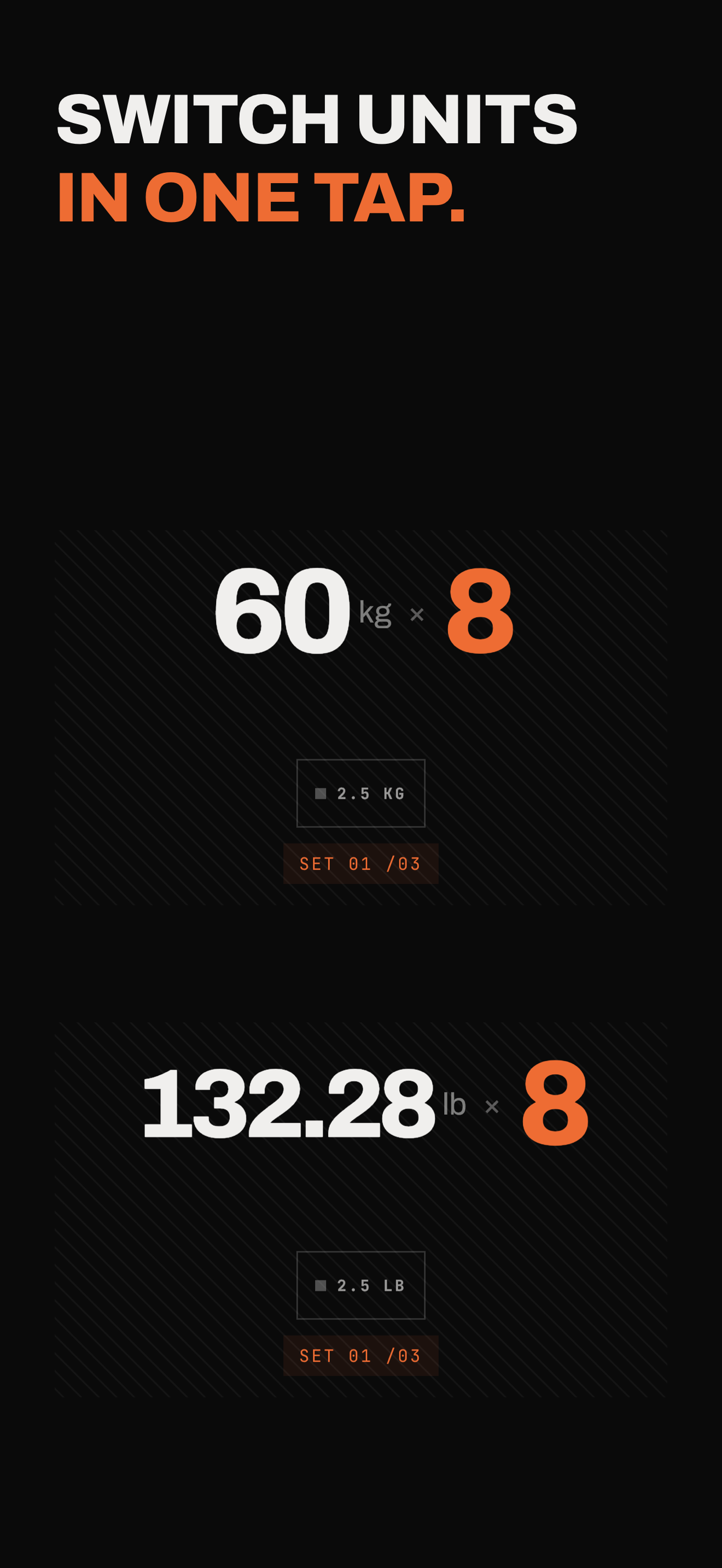
Switch your workout weights between kg and lb in one tap.
-
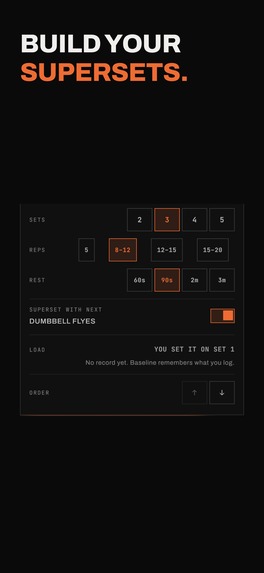
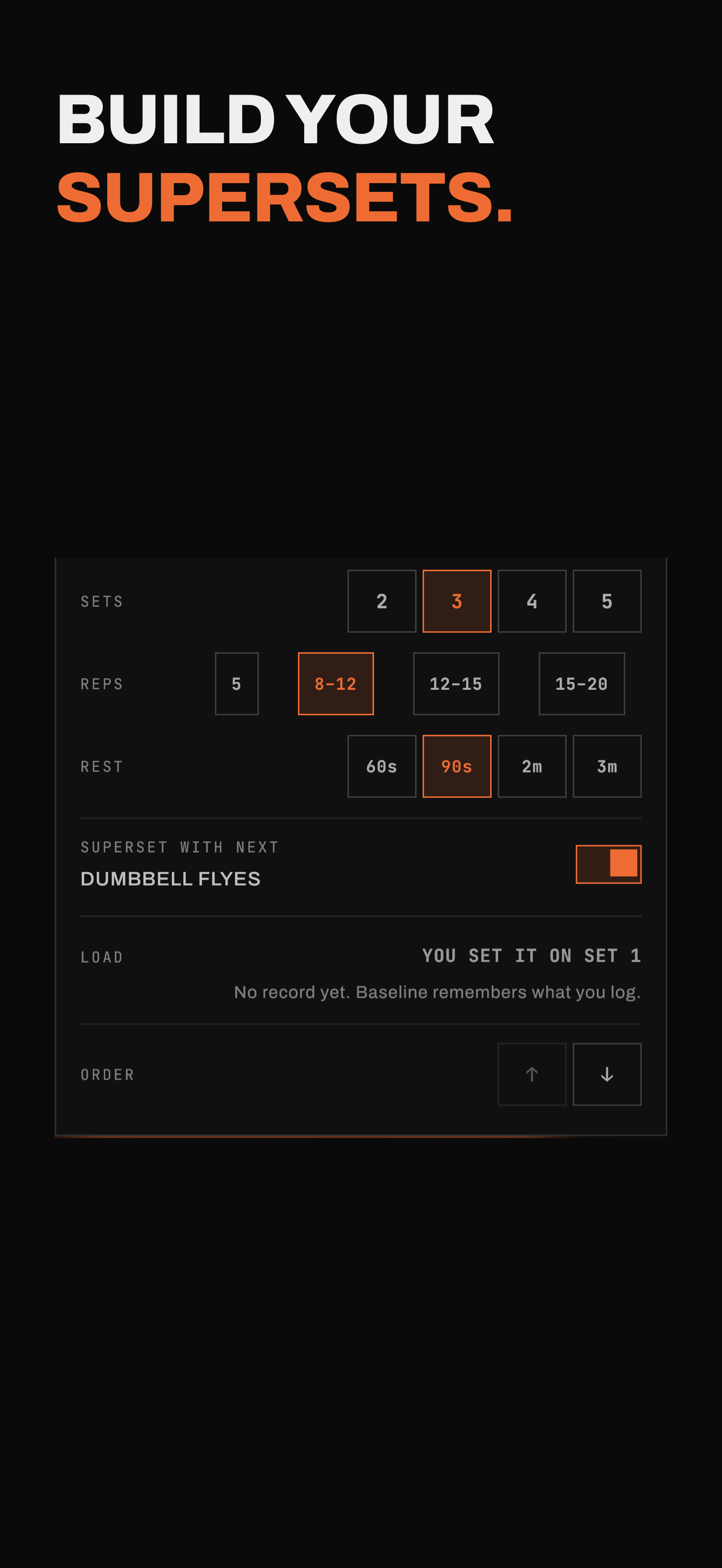
Build supersets by grouping exercises.
-
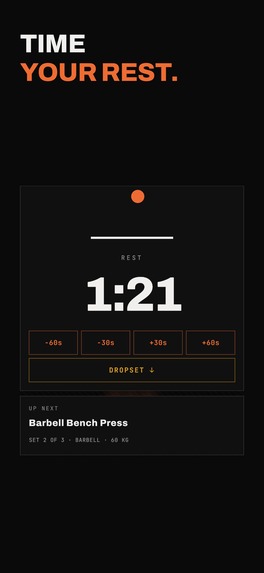
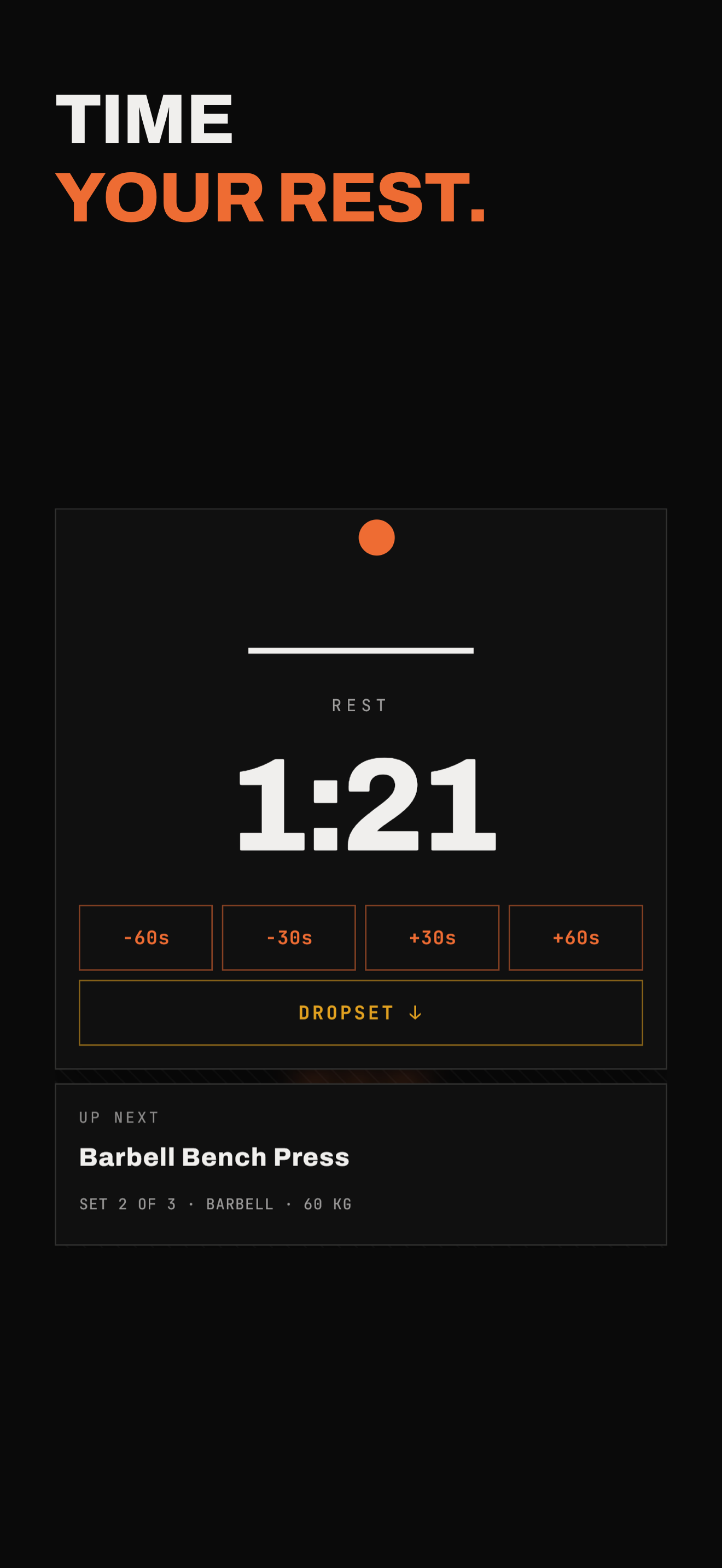
Time your rest between sets.
-
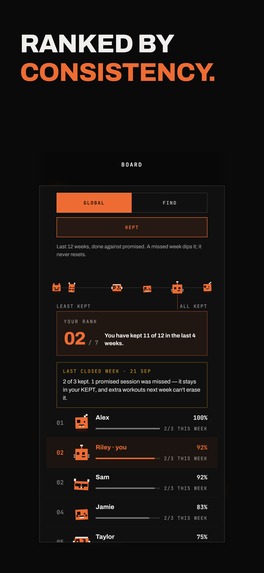
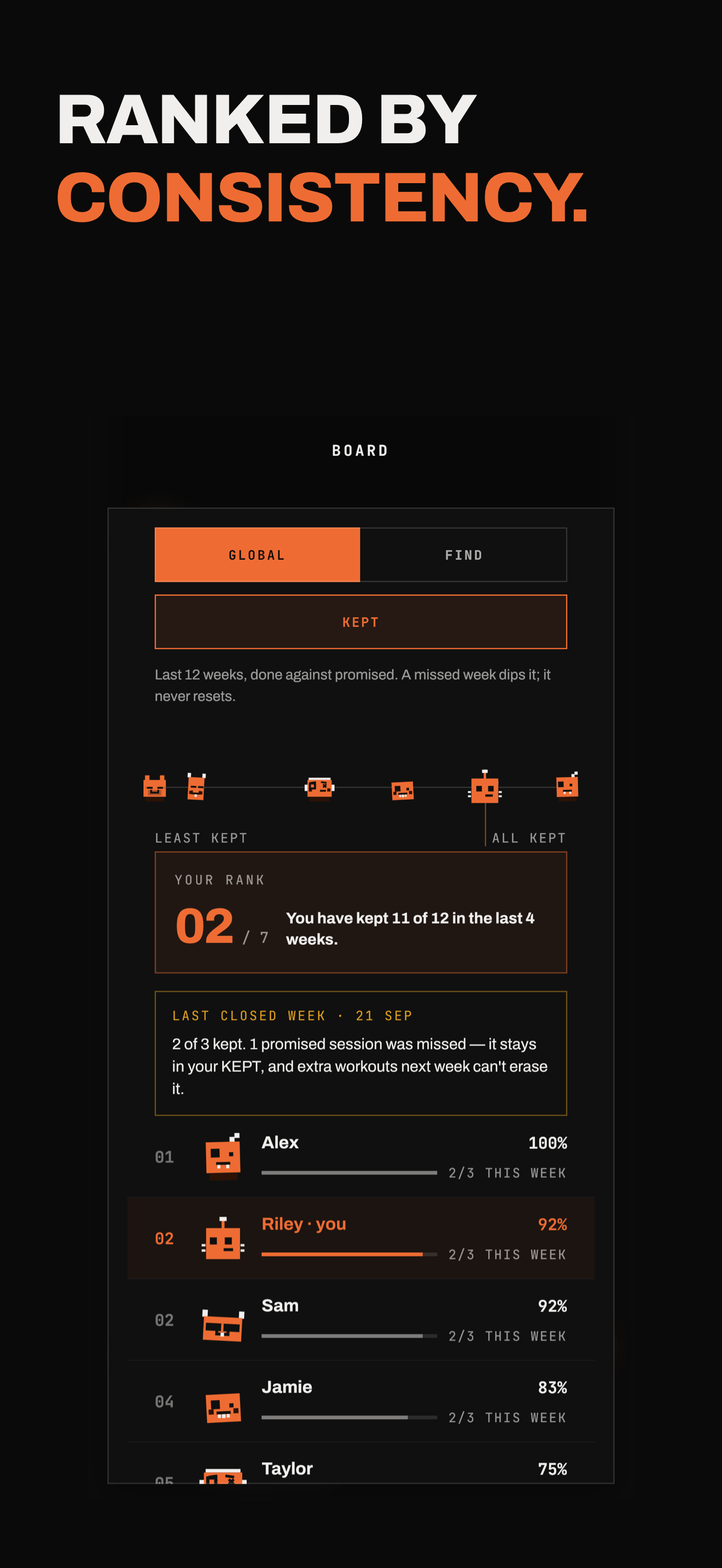
Ranked by consistency on the KEPT Board. Illustrative data.
-
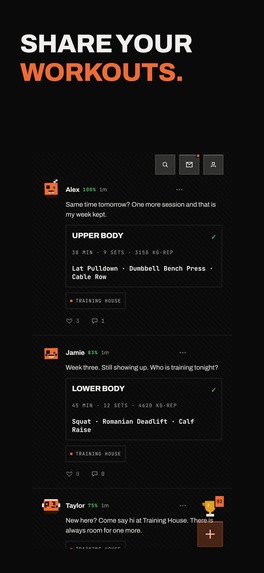
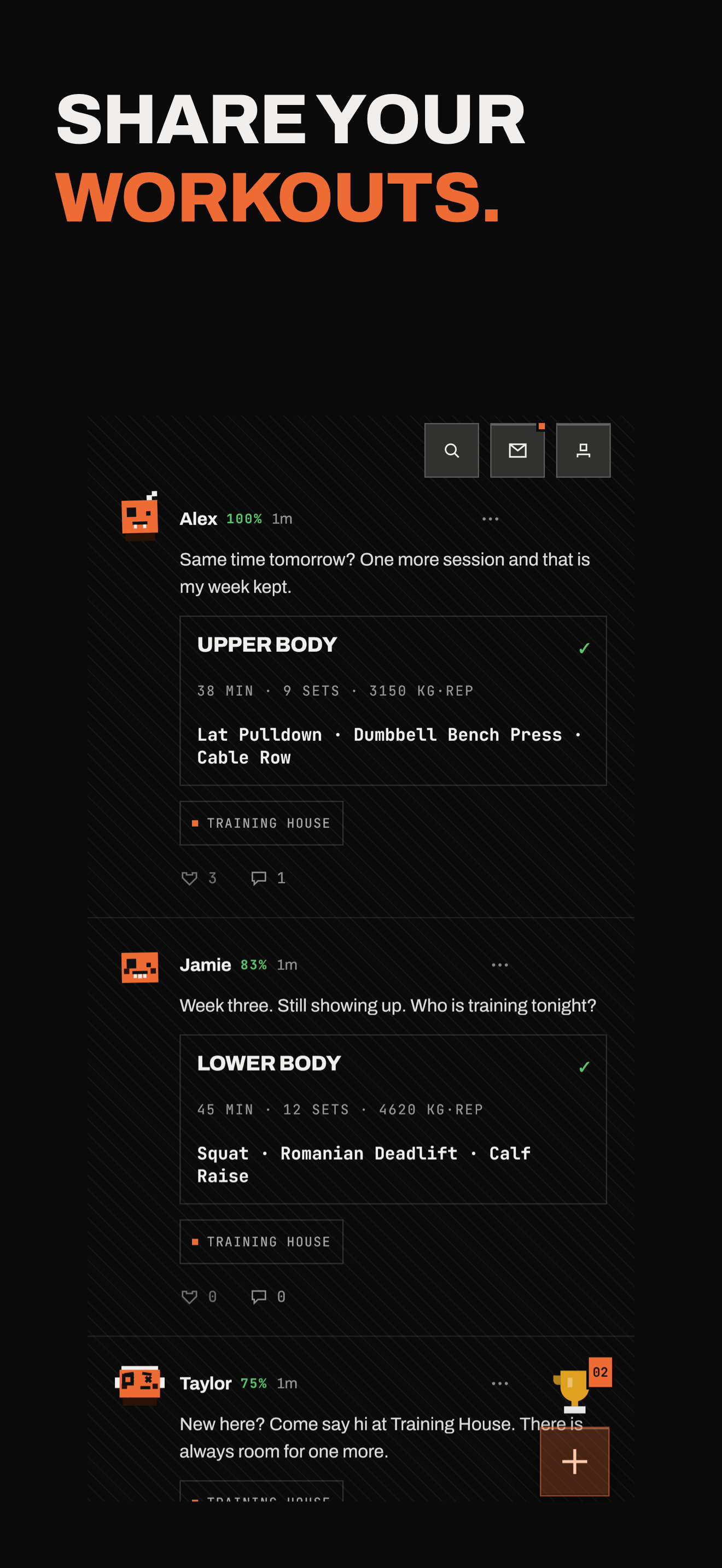
Share workouts with your community. Illustrative data.
-
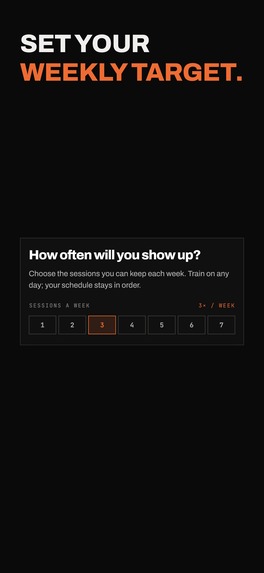
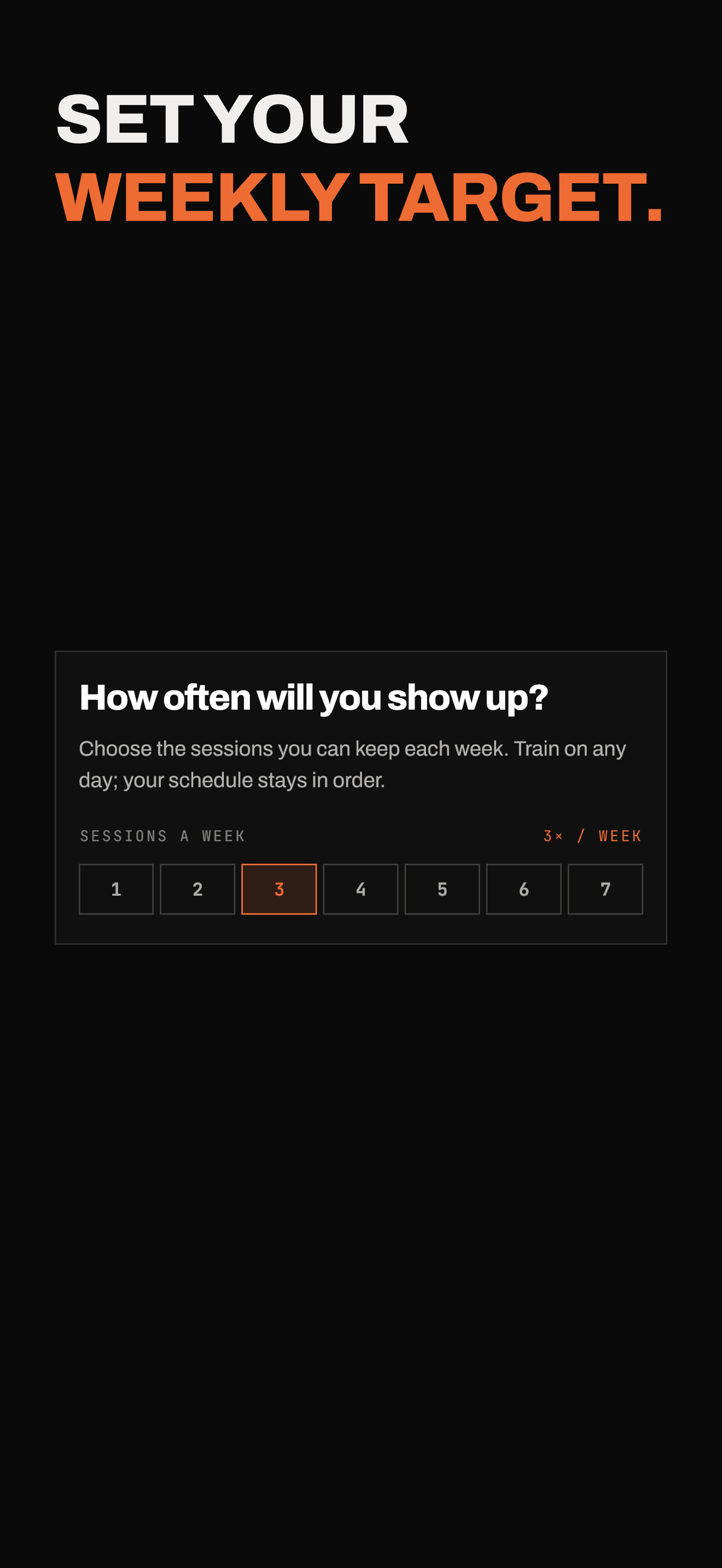
Set your weekly training target.
-
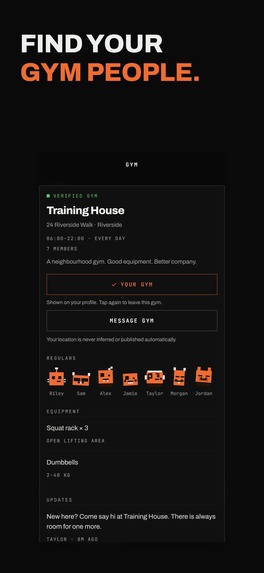
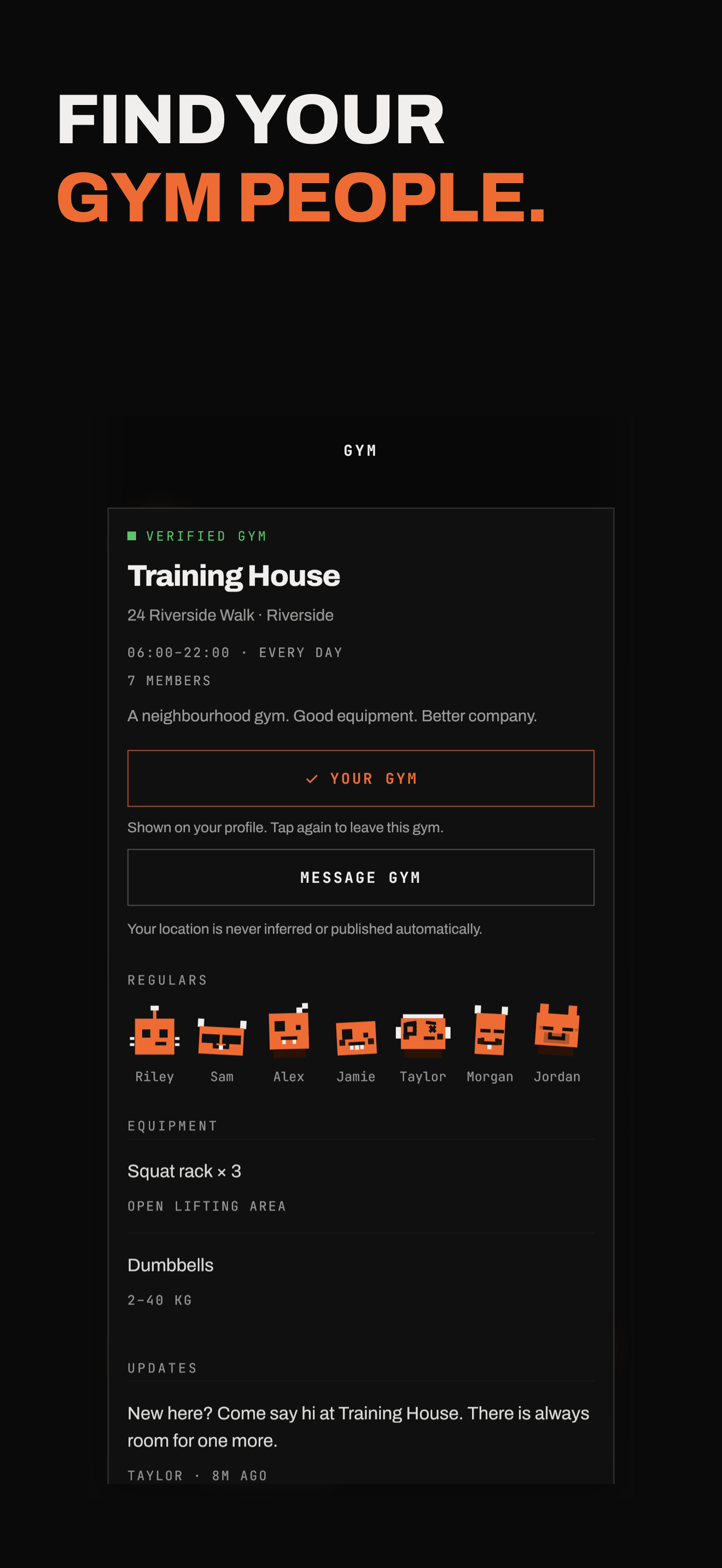
Find your gym people and community updates. Illustrative data.
Inspiration
A fitness app should help someone continue training across ordinary, interrupted weeks. baseline organizes the experience around the next useful action and the record of what came before, so consistency can be maintained without turning every session into data entry.
What it does
baseline helps people keep a training commitment through small, direct actions. Drag to set weight and reps, compare with the previous session, log a set and move through rest into the next one. Training history and weekly commitments give each workout context.
The workout player uses drag controls for weight and repetitions, a previous-session ghost, set logging, rest timing, hold-to-skip and supersets. A session recap records the completed work. TODAY, weekly commitments, KEPT and BOARD connect individual sessions to the broader routine.
A catalog of 1,302 exercises, machine scanning, year history and export support training preparation and review. Social features include posts, pixel avatars, QR connections, gym context and messages. Demonstration listings show the interaction; they do not represent a claim of a large community.
How it is built
The current client uses Kotlin Multiplatform and Compose Multiplatform with shared training logic and UI. Platform adapters support the iPhone host and billing. Training records preserve the values and context of each set, while the shared design system includes Rime frosted sheets and direct-manipulation controls.
Challenges
Fast input has to remain precise when someone is between sets. Weight, reps, prior performance, rest and supersets must stay understandable without a keyboard-heavy flow. Shared rendering also has to preserve the intended feel on the actual target device.
Accomplishments
The main training loop brings entry, comparison, logging and rest into one focused player. The same visual language connects the plus-to-close transition, frosted sheets, session recap and commitment views.
What we learned
Previous performance is most useful when it appears beside the current decision. Reducing entry friction and making the next action visible can support a repeatable training routine without adding more dashboards.
What's next
The next priority is testing the full workout loop with varied equipment and interrupted sessions, then refining input, history and recovery. Community growth and long-term adherence need to be measured after public use.
Business model
The free core supports training and history. Plus adds building and importing plans, with a 14-day trial for eligible users. RevenueCat manages subscription access; no unverified revenue or conversion is claimed.
Built With
- swift
- swiftui

Log in or sign up for Devpost to join the conversation.