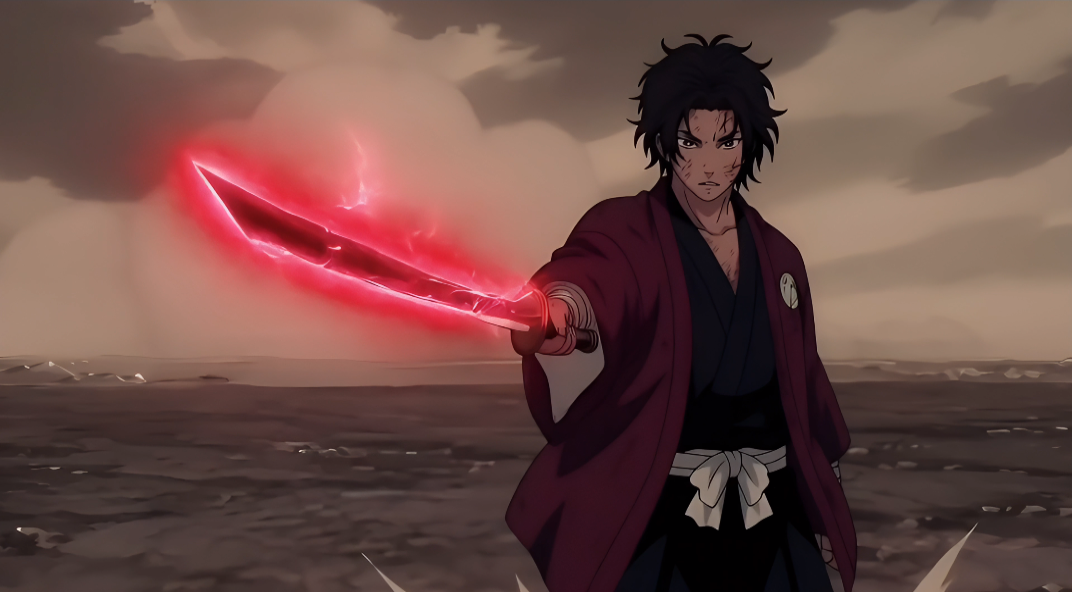
Inspiration
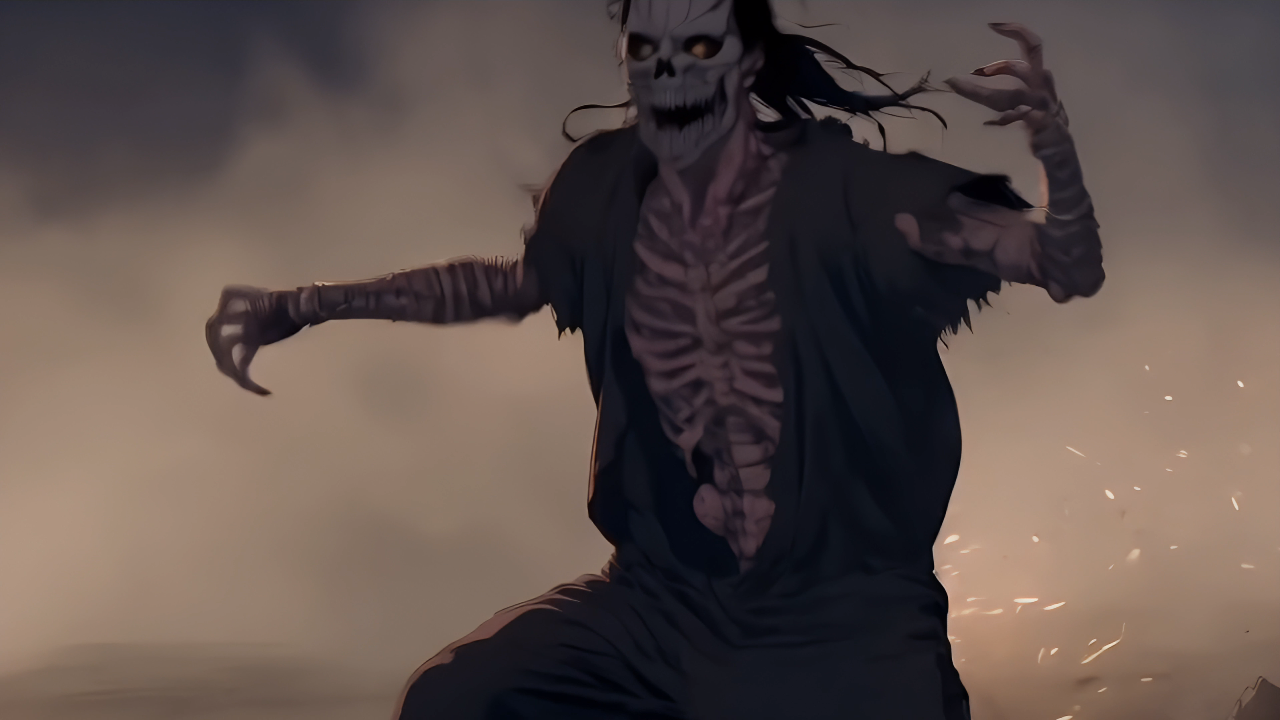
The core inspiration was the "ultimate conflict" between the horrifying enemy, Gashadokuro (Skeletal Spectre), and the voice of the protagonist's beloved deceased brother, which emanates from within the monster. We aimed to visualize this deep internal struggle—the "being torn apart" feeling—by leveraging the instability and visual glitches inherent to AI-generated video. This approach allowed us to present a profound drama that blends the traditional Japanese "horror of resentment" (Onnen) with the human themes of "love and self-reproach."
What it does
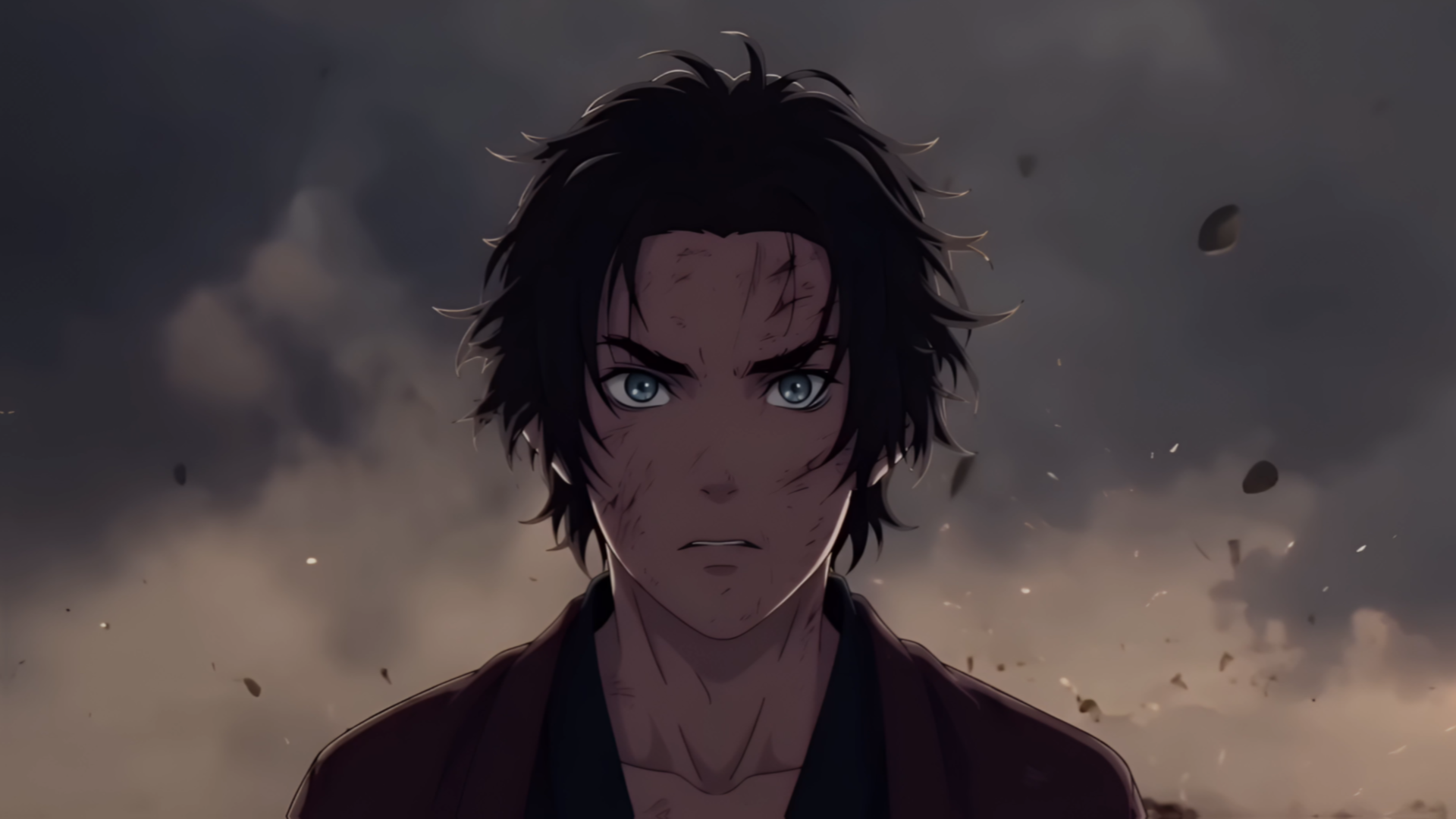
Visualization of Self-Reproach: Scenes depicting the protagonist's continued journey and the finding of his brother's trace are imbued with frame discontinuities and flickering light from the AI output. This visually represents the protagonist's unending regret and perpetual state of wandering.
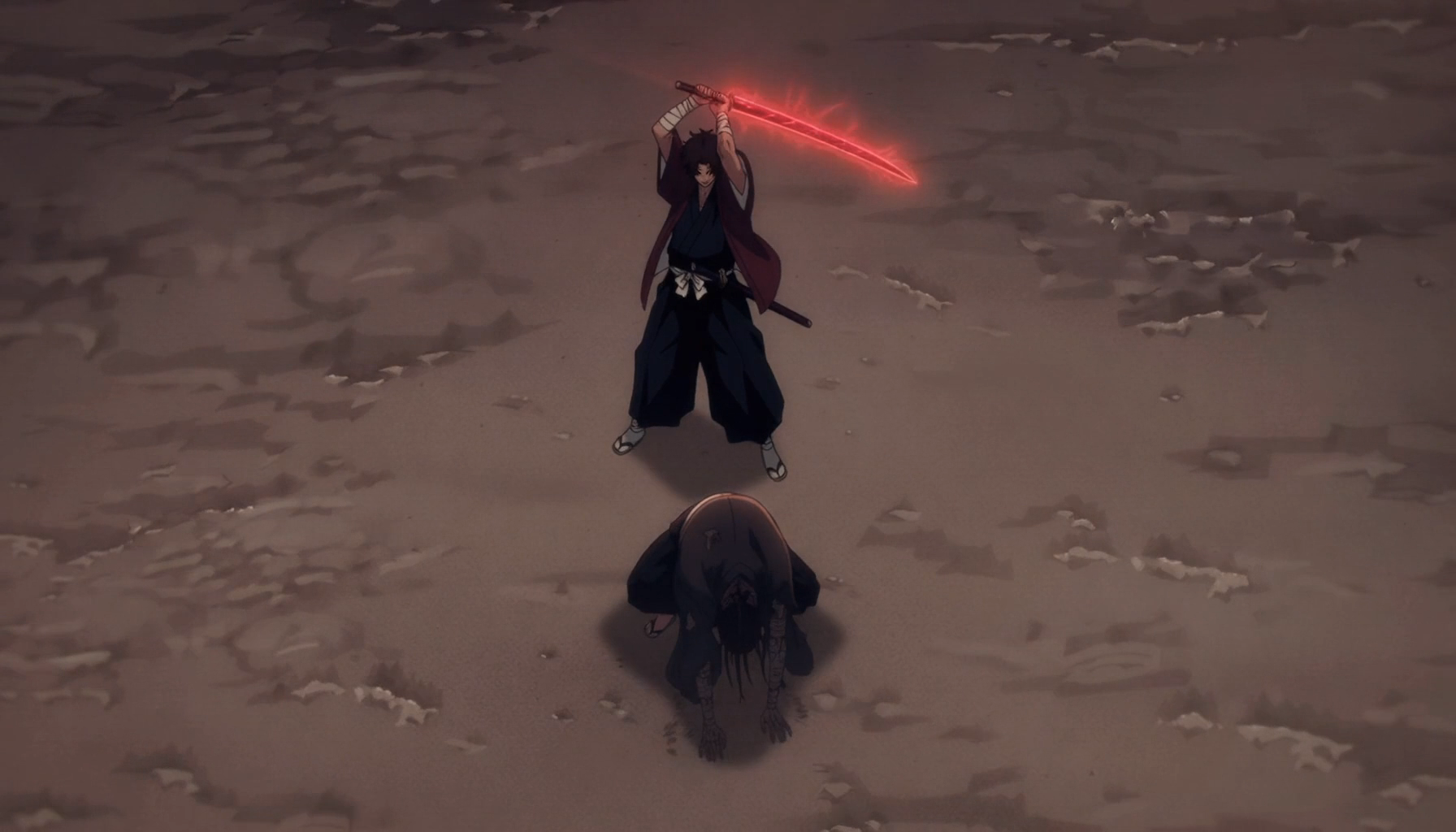
A Cinematic Representation of Ultimate Conflict: In the climax, as the brother's voice cries "Brother (Aniki)" from the Gashadokuro, the entire footage dramatically warps, and the protagonist's sword-holding arm appears as multiple, blurring afterimages (intentionally utilizing AI generation failure). This core technique forces the viewer to experience the protagonist's split-second hesitation and heart-wrenching terror.
Contrast of Courage and Sacrifice: When the Gashadokuro is finally destroyed, facilitated by the brother's action, the footage momentarily stabilizes with a warm color tone, highlighting the nobility of quiet courage and deep love before the final, fierce eradication sequence.
Depicting the Villagers' Antipathy: In the epilogue, the villagers' disdainful glances towards the protagonist are expressed using intentionally rough and low-resolution AI-generated faces. This conveys the raw, chilling feeling of human communal distrust and the impulse to reject anything considered "other."
How we built it
Focused Production of Key Scenes: Emotional peaks, particularly the scenes of "the brother's voice," "the moment of hesitation," and "internal resistance by the brother," required dozens of iterations of prompt engineering and inpainting. We carefully selected and stitched together the moments of most emotionally resonant "failure" or "glitch" generated by the AI.
Representation of "Gyōmei no Katana" (Life-Sacrificing Blade): In the blade's release scene, prompts heavily incorporating elements like "positive energy" and "light of life" were used. This led the AI to generate a solemn and temporary beauty that contrasts with the usual horror depiction.
Synchronization of Audio and Visuals: We meticulously adjusted the timing and quality of the brother's single word, "Aniki." The visual distortion was precisely synchronized with this sound effect in the editing software.
Challenges we ran into
Difficulty in Controlling AI Emotional Expression: Since AI does not inherently understand complex human emotions like "conflict" or "self-reproach," the most significant challenge was consistently translating these feelings into "visual fluctuations" via prompts.
Managing AI "Failure" and "Consistence": It was difficult to maintain the visual consistency of the brother's appearance and voice while simultaneously portraying his "resentful, absorbed state" within the Gashadokuro. We required careful prompt management to prevent the AI from generating unintended characters.
Accomplishments that we're proud of
Cinematic Realization of "Hesitation": We successfully captured the protagonist's "hesitation"—the momentary stop in action due to the conflict between love for his brother and his mission—as a disruptive visual breakdown in the AI frames, delivering a powerful emotional shock to the audience.
Expression of Layered Themes: We were able to present deep themes in a short video, such as "the self-reproach over a loved one's sacrifice" and "the separate terror of social ostracization after defeating the monster," going beyond simple monster-slaying action.
What we learned
Utilizing "Failure" as Direction: We learned that the moment the AI seems to lose control (the "failure" or "glitch") is the most potent tool for expressing themes like "terror," "conflict," and "curse" within this narrative.
The Importance of Blank Space (Ryūhaku): Instead of filling every frame with AI-generated detail, we found that intentionally creating unstable blanks or stillness appeals to the viewer's imagination, thereby deepening the themes of the work.
What's next for Bane of Spirits
Considering a Series Adaptation: Utilizing the experimental visual language established in this work, we plan to develop an anthology horror series detailing the protagonist's journey and the "human fears" encountered in the villages he visits, pushing the boundaries of AI generation.
Integration of AI Sound Design: We will enhance the experience by incorporating unstable, AI-generated soundscapes in addition to the visuals, such as the protagonist's symbolic heartbeat representing self-reproach and the creaking of the Gashadokuro's bones, intensifying the overall "conflict and terror" felt by the audience.
Built With
- hailuai
- hailuo
- klingai
- minimax
- sora2
- sroa2
- suno

Log in or sign up for Devpost to join the conversation.