


Inspiration
This project draws it's inspiration from the elegant and efficient designs found in nature, combining them with modern technology to address the growing demand for sustainable living solutions. The structural concept is rooted in biomimicry, leveraging nature’s genius to balance functionality, aesthetics, and environmental responsibility.
Bamboo’s Versatility and Abundance: The choice of bamboo was inspired by its natural strength, flexibility, and renewability. Known for its rapid growth and sustainability, bamboo is the perfect material for eco-friendly construction. Its structural properties mimic nature’s ability to create lightweight yet robust designs.
Passive Cooling from Termite Mounds: Nature’s cooling systems, such as those in termite mounds, inspired the structure's passive ventilation design. This ensures comfortable indoor conditions without excessive energy consumption.
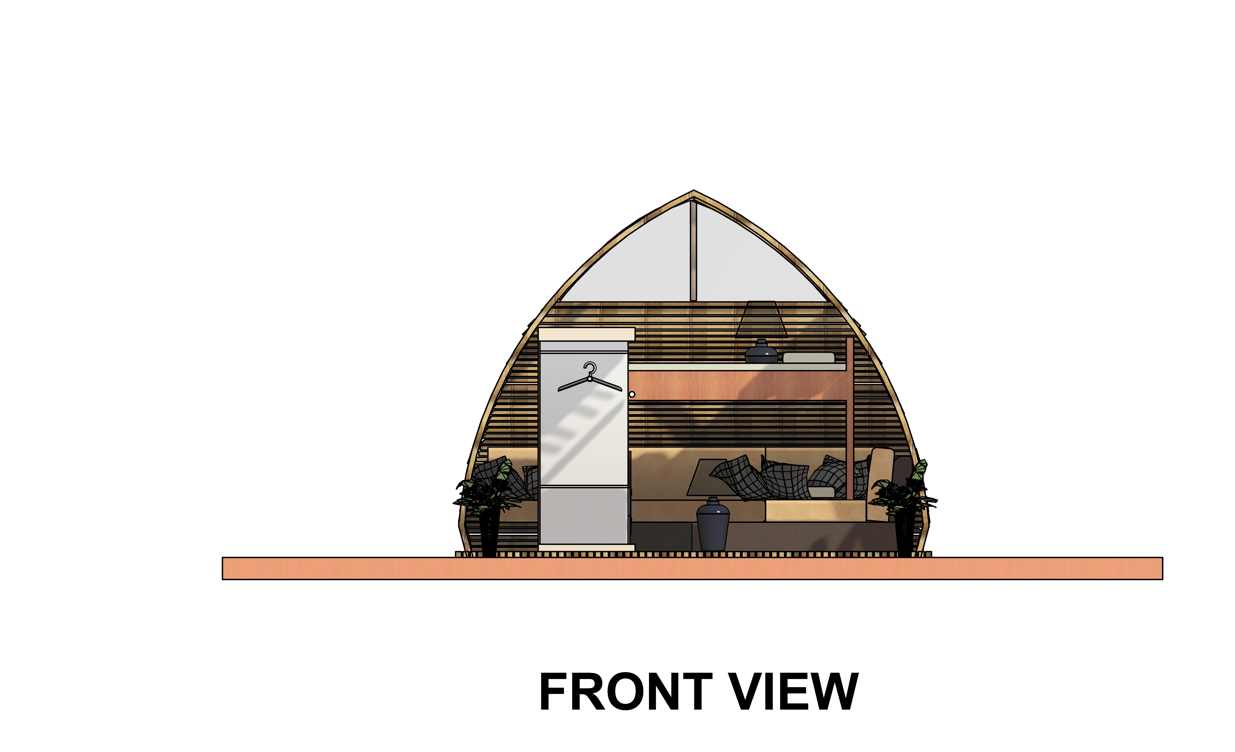
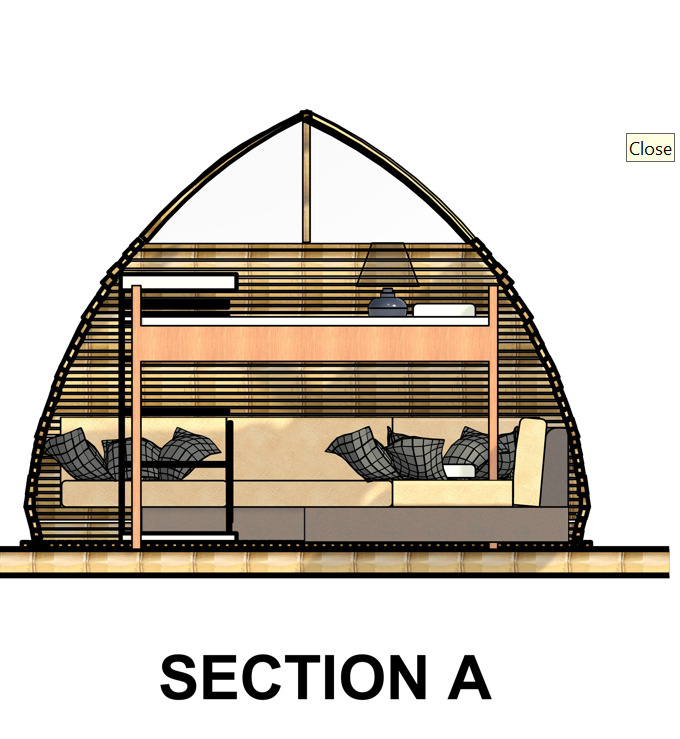
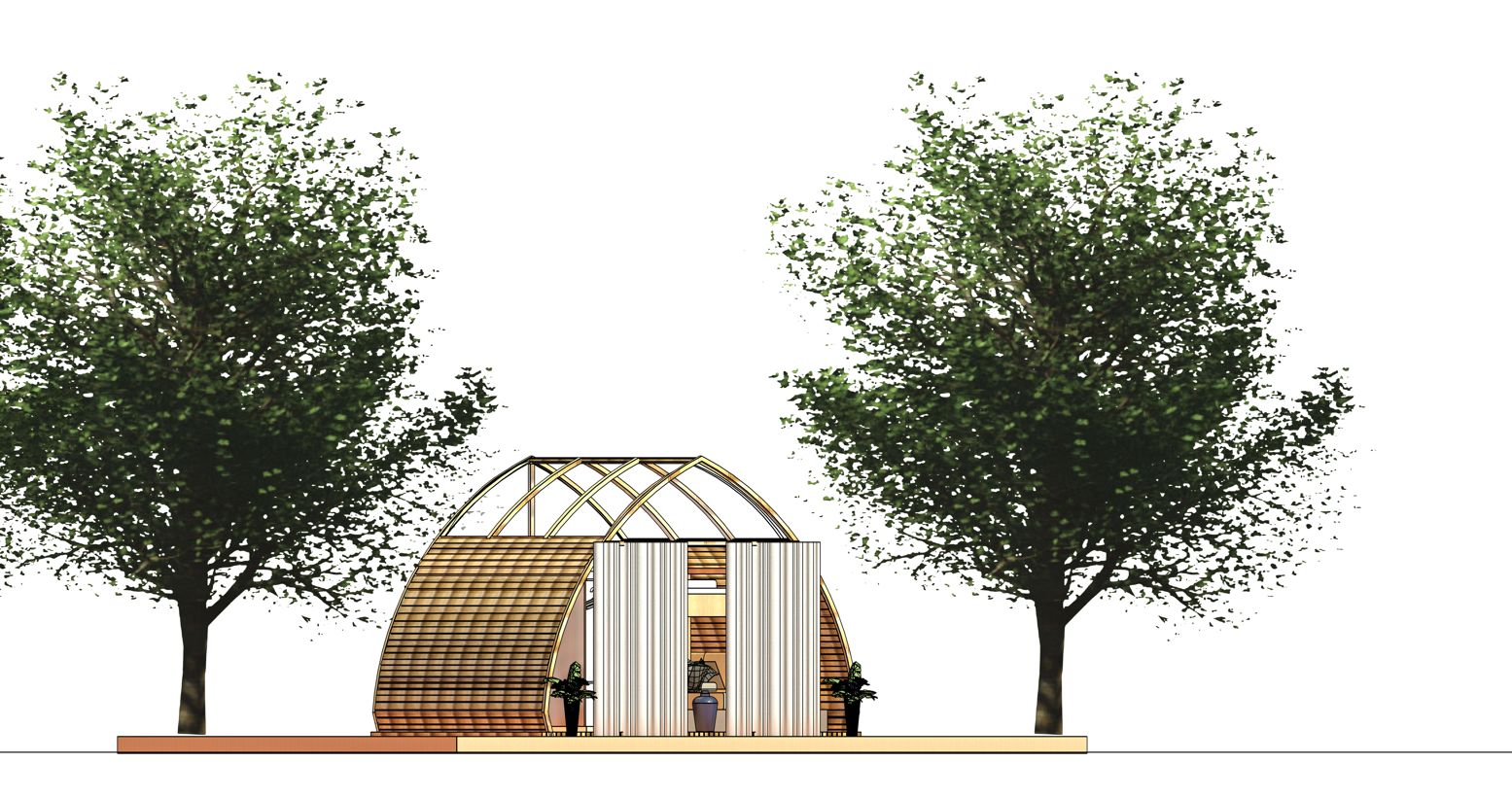
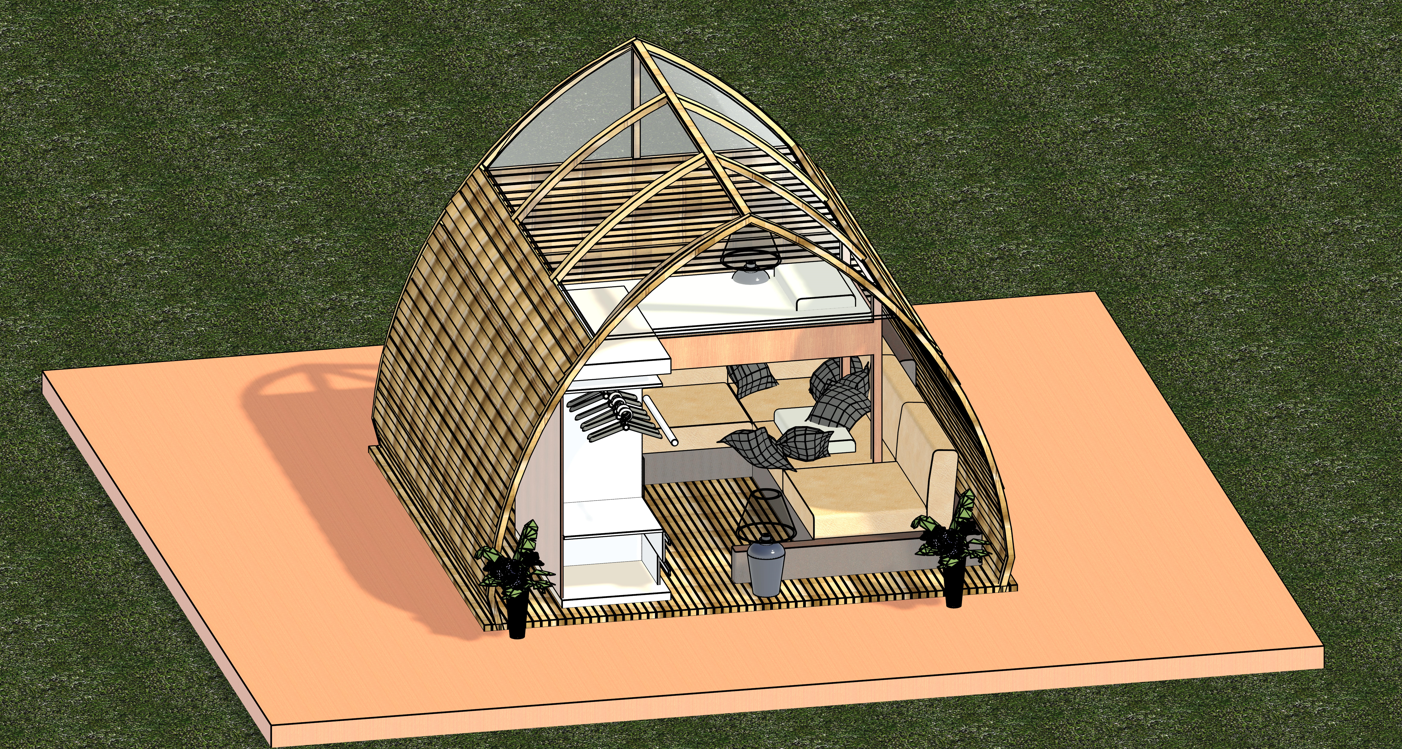
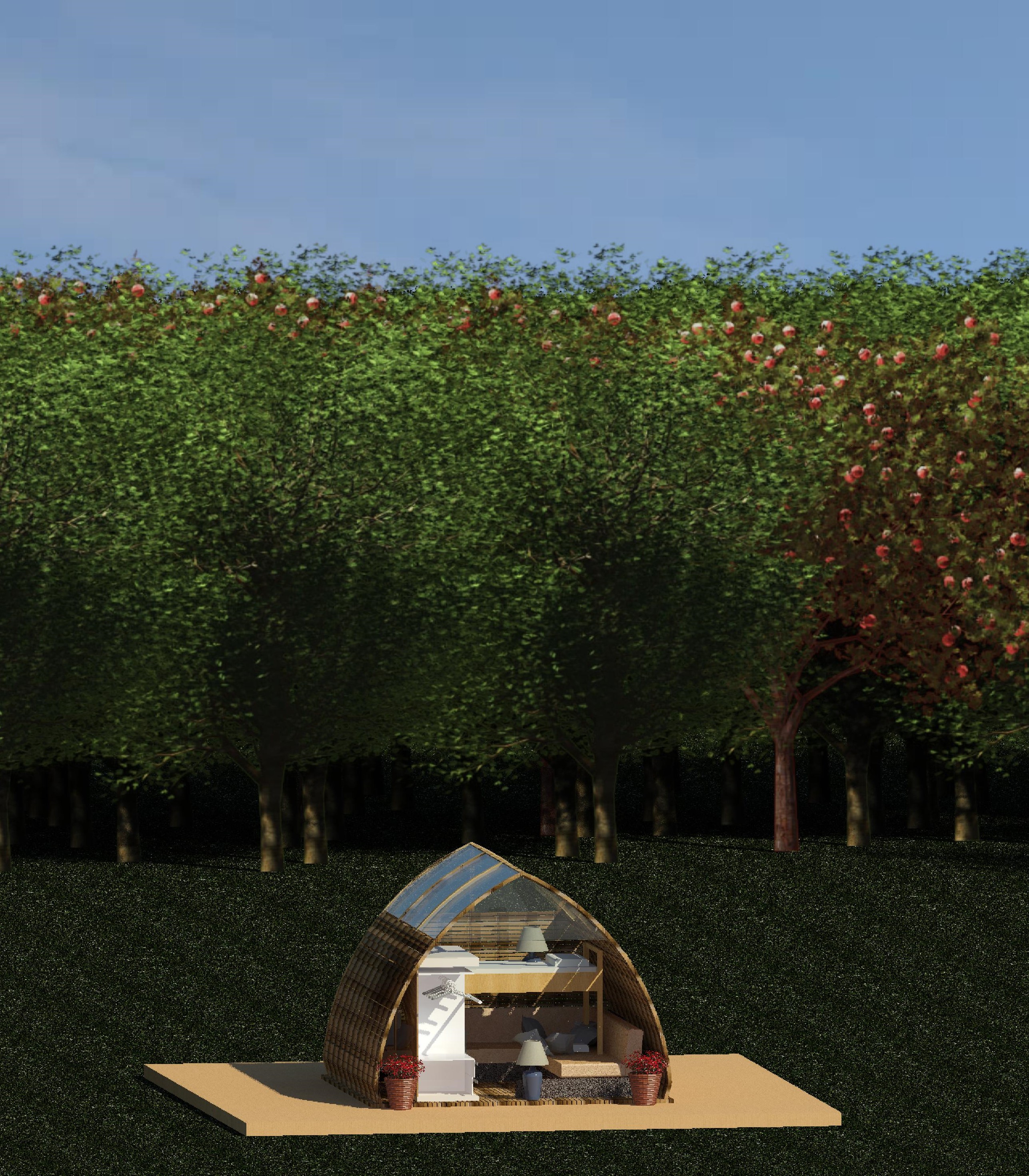
Tree Canopy Shelters: The curved dome-shaped design mimics the protection and shade provided by tree canopies, fostering a sense of harmony with the environment while maximizing natural light and airflow.
Smart Adaptability Inspired by Ecosystems: Just as ecosystems adapt to changing conditions, the integration of IoT technology allows the structure to respond to environmental and user needs through automated lighting and ventilation systems.
This combination of natural inspiration and modern innovation creates a versatile, functional, and environmentally conscious design suited for various applications around the world.
What it does
The bamboo-inspired eco-structure is a sustainable and versatile space that combines natural materials with modern IoT automation to enhance user convenience and functionality.
Resting and Leisure Space: Provides a comfortable, shaded environment for relaxation and leisure, suitable for farms, parks, recreational areas, or private retreats. Designed for individuals, families, or groups, offering a peaceful space to rest, bond, and connect with nature. User-Controlled Lighting and Ventilation:
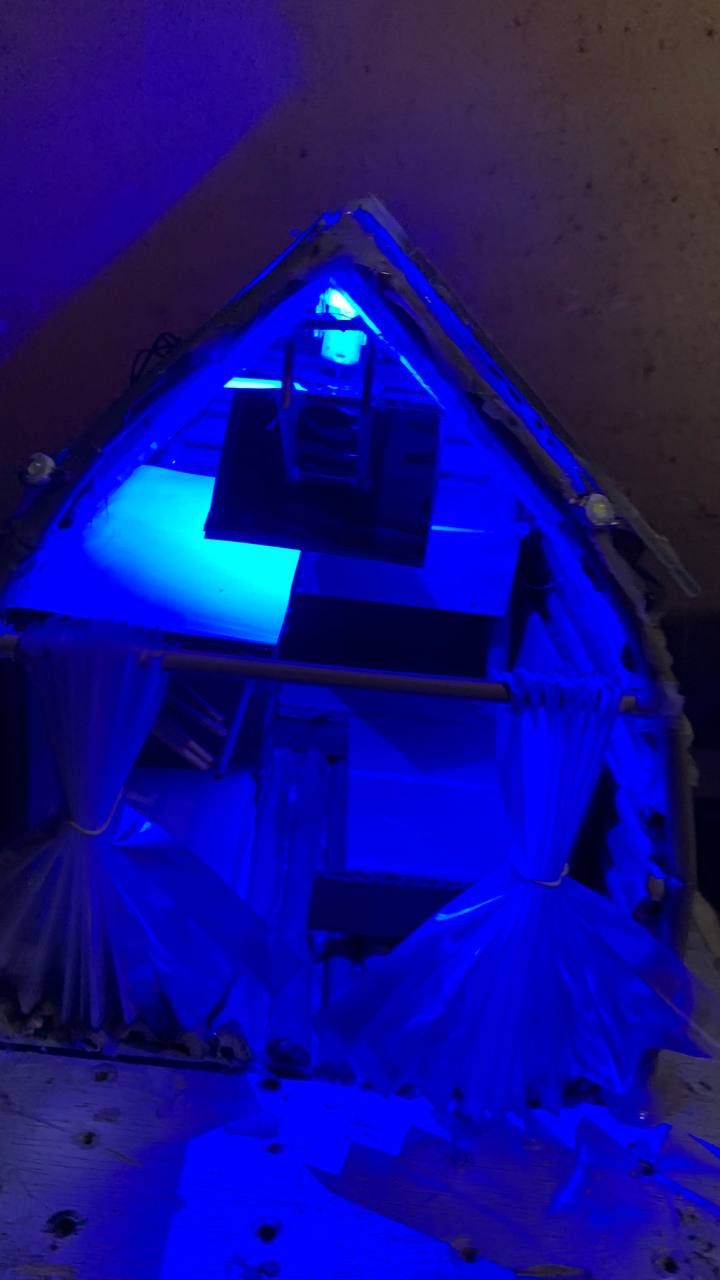
Manual Control via IoT: Lights and fans are controlled directly by users through the Arduino IoT Cloud platform, offering full customization based on personal preferences. Users can operate the system remotely using their smartphone or a connected device, ensuring convenience and adaptability. No Sensors Required: The design focuses on giving users direct control over the environment rather than relying on automated adjustments.
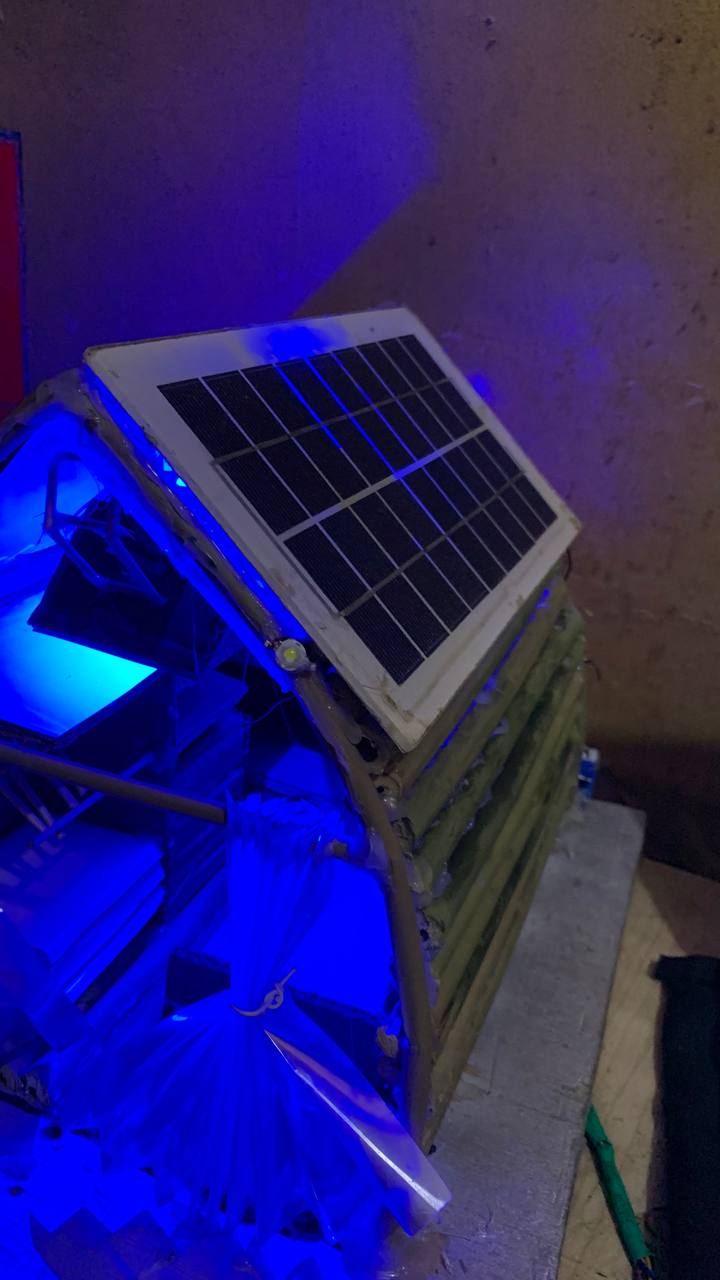
Energy Efficiency: The IoT-powered system runs on solar energy, ensuring that the structure remains off-grid and eco-friendly. Natural ventilation, inspired by termite mounds, complements the fan system, reducing the need for prolonged use of powered cooling.
Eco-Friendly Construction: Made from bamboo, a renewable and biodegradable material, the structure minimizes its environmental footprint while showcasing the versatility of bamboo as a building material.
Versatile Applications: Suitable for use as a shaded resting place on farms, a leisure area in public parks, or an eco-tourism lodge.
The IoT-controlled features make it adaptable for urban and rural settings, enhancing user experience and convenience. By empowering users with remote control of lights and fans, the design combines the simplicity of bamboo with the sophistication of IoT technology, creating a practical, sustainable, and user-friendly solution for modern living.
How I built it
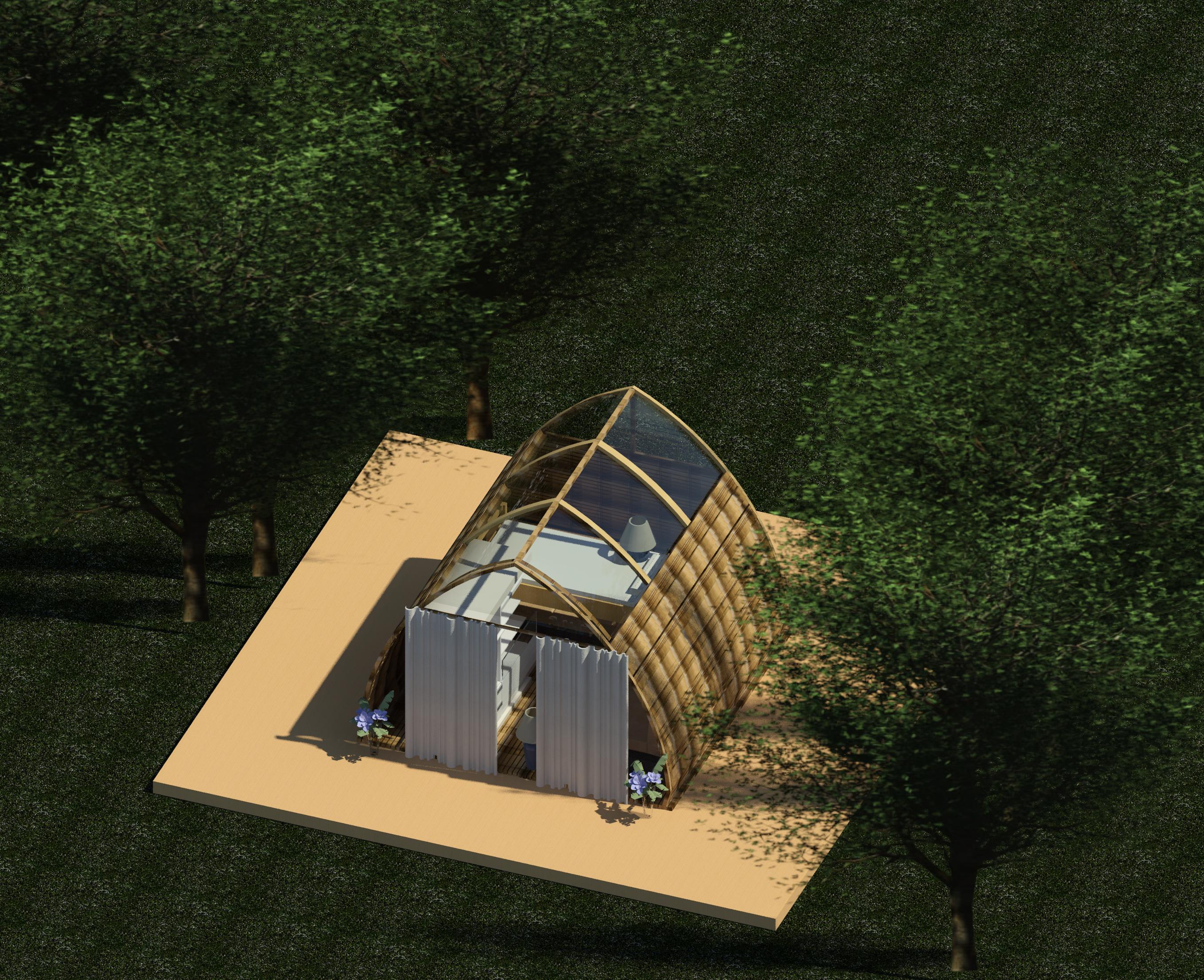
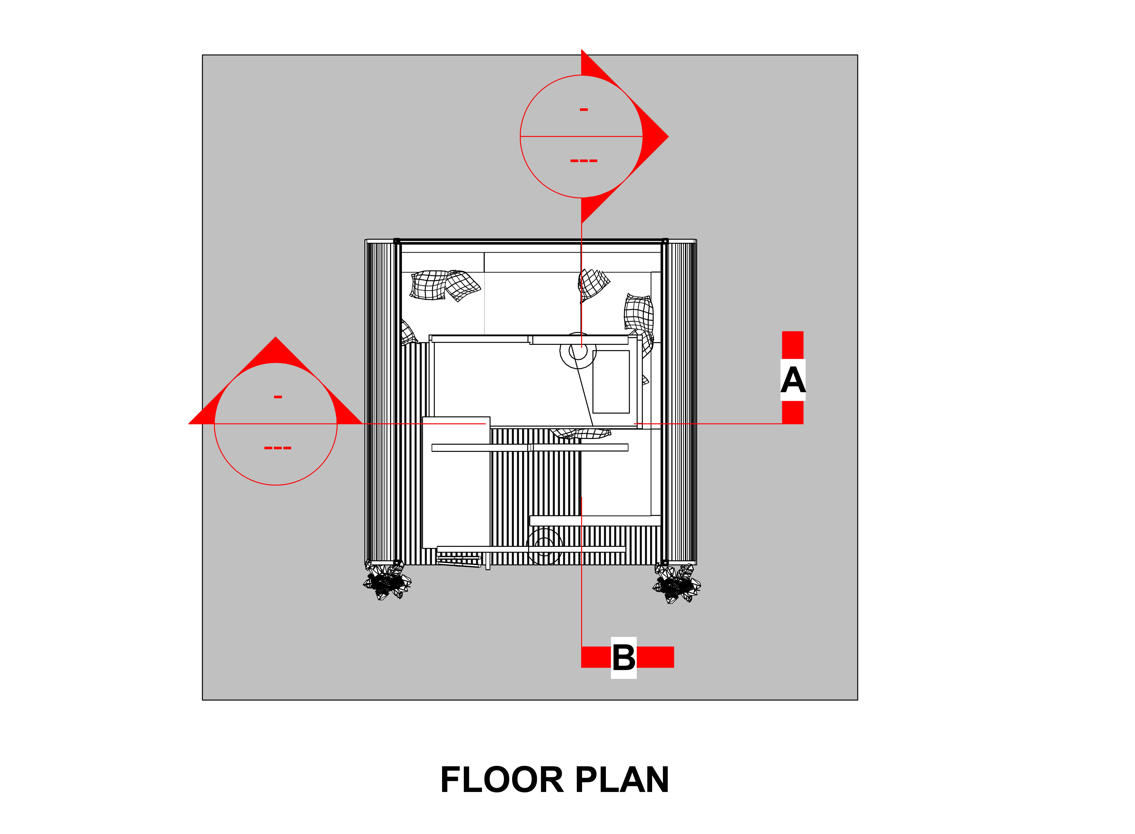
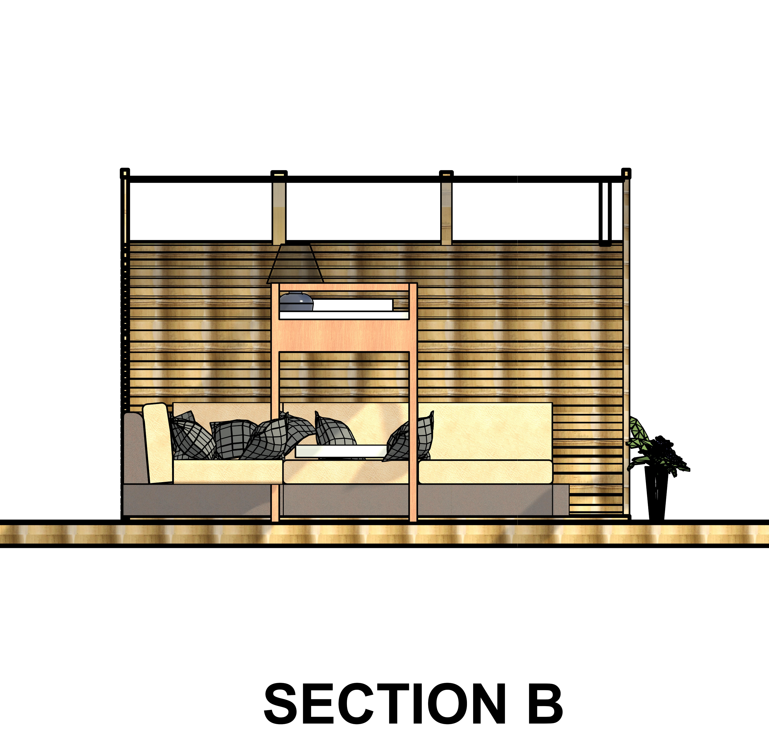
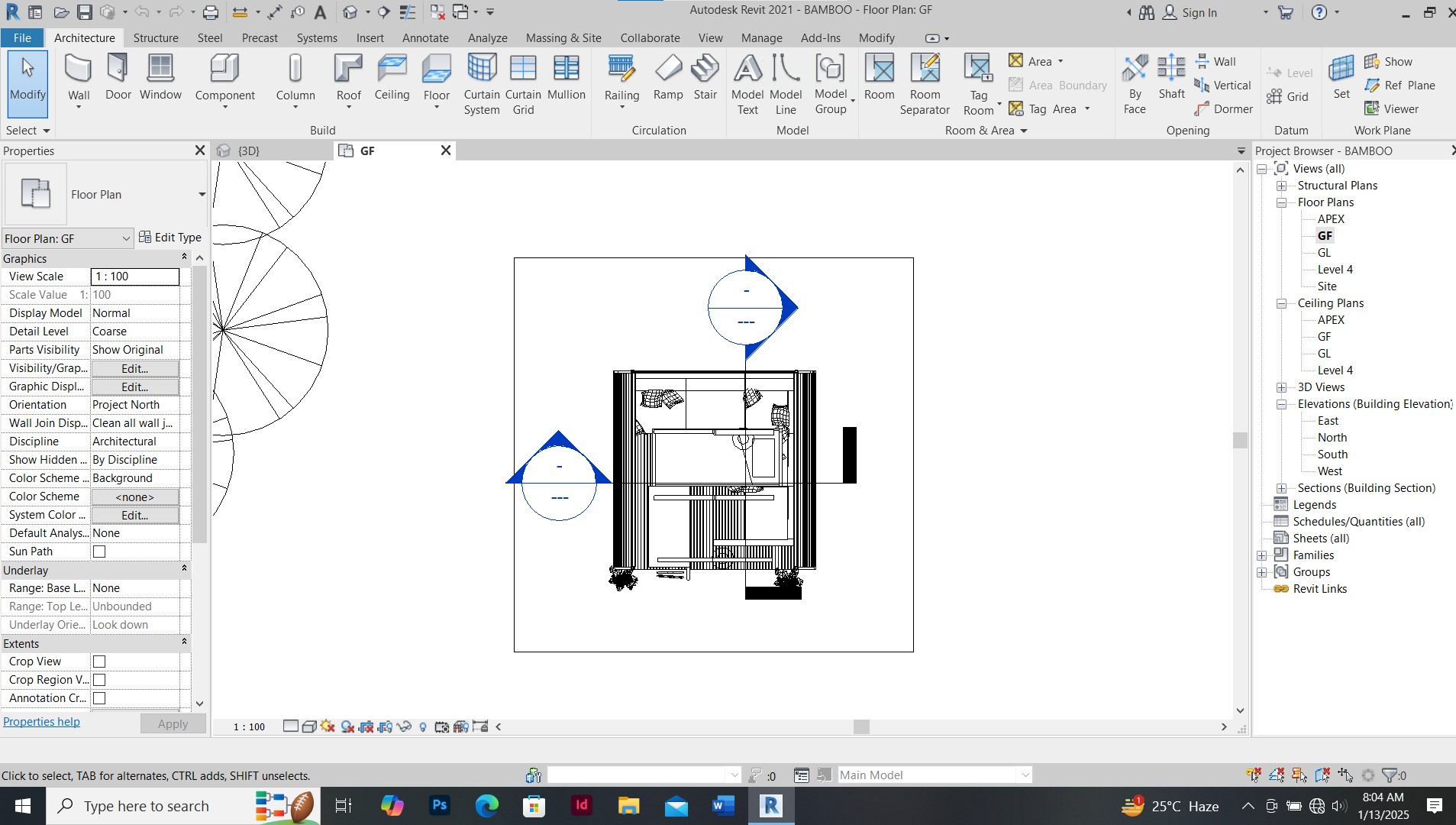
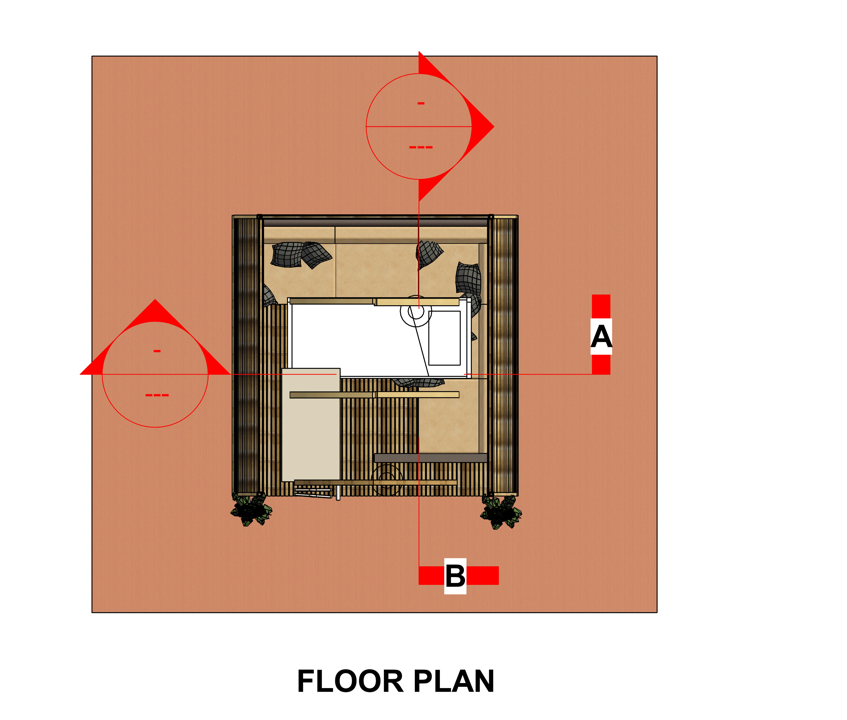
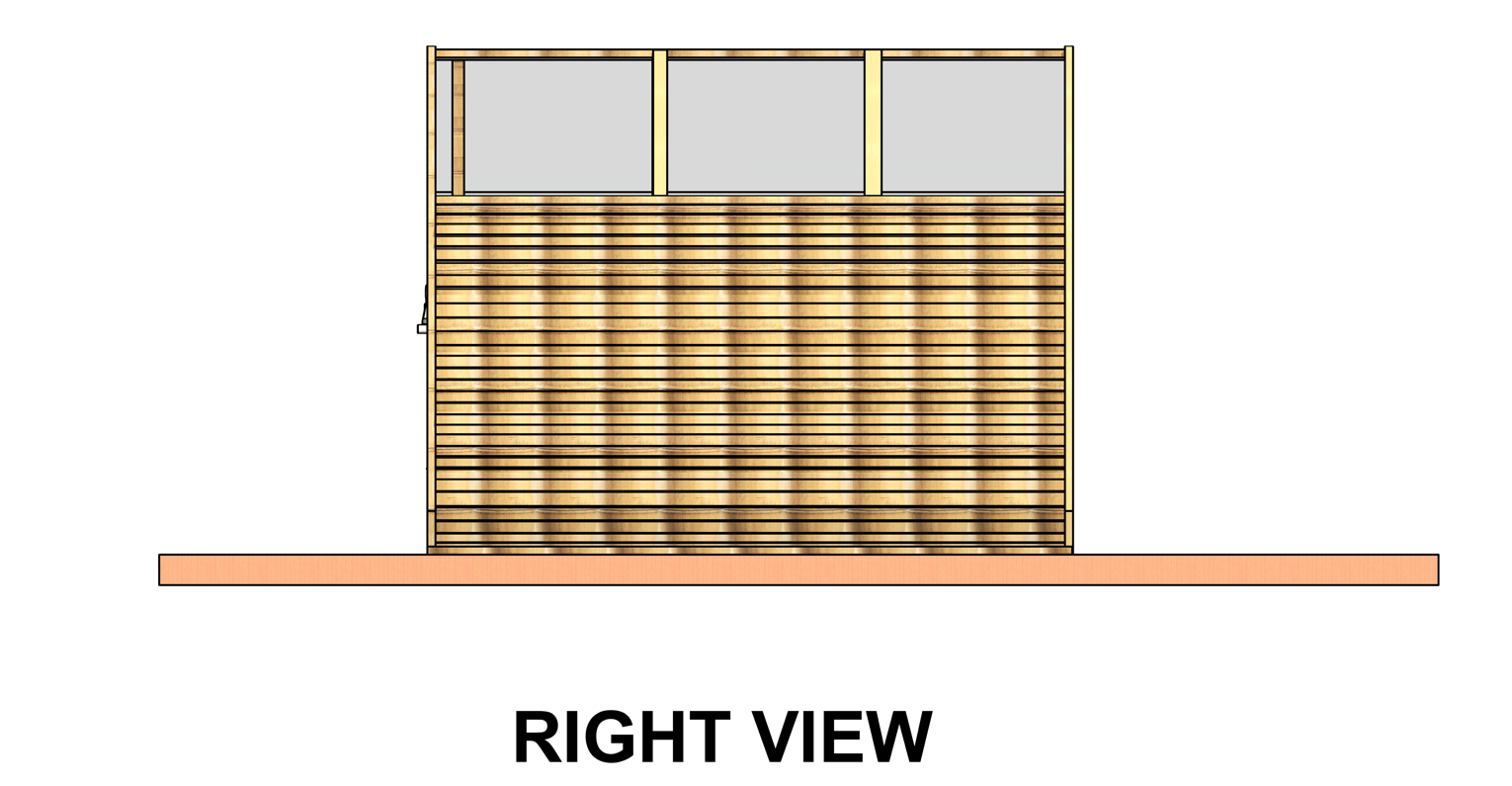
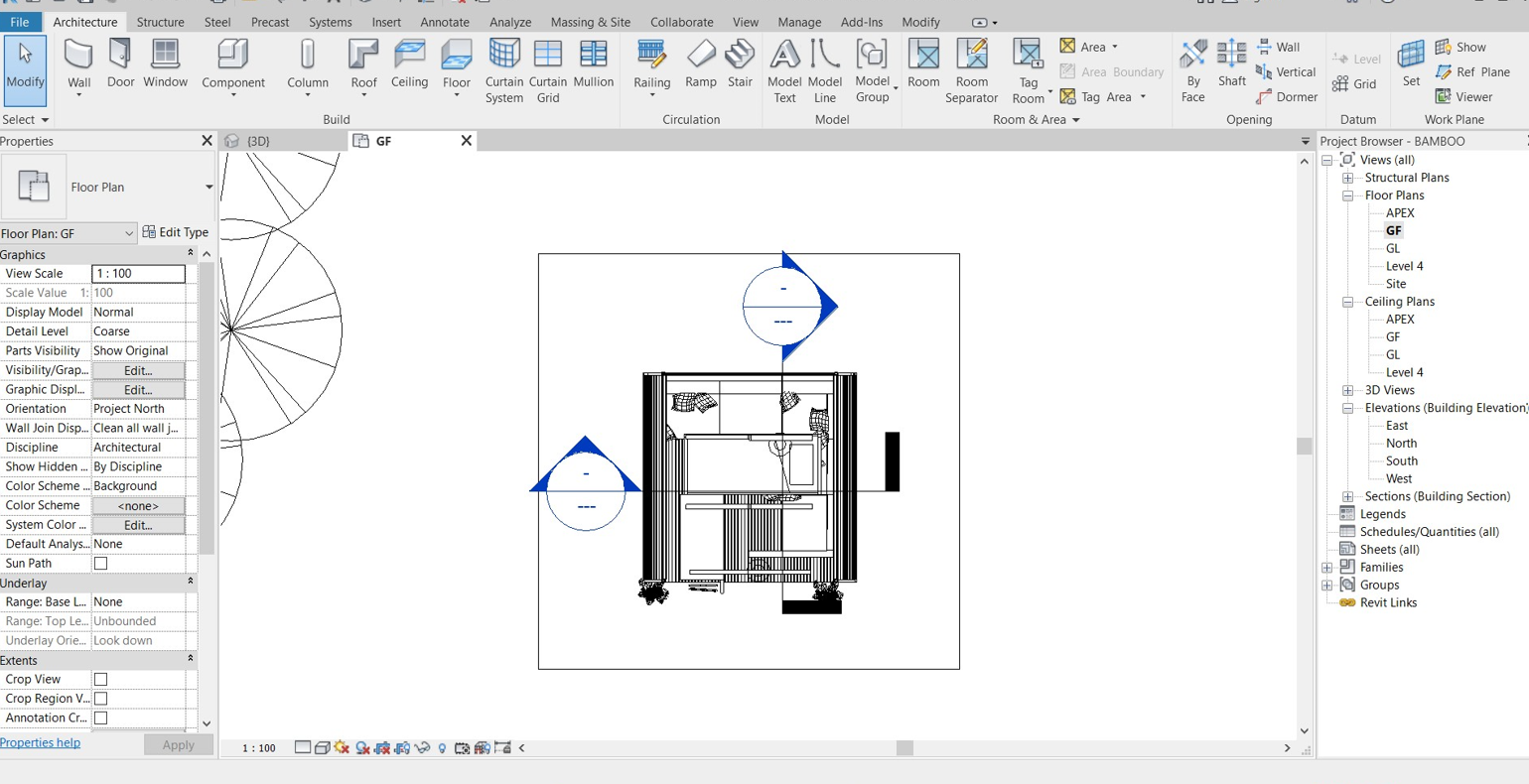
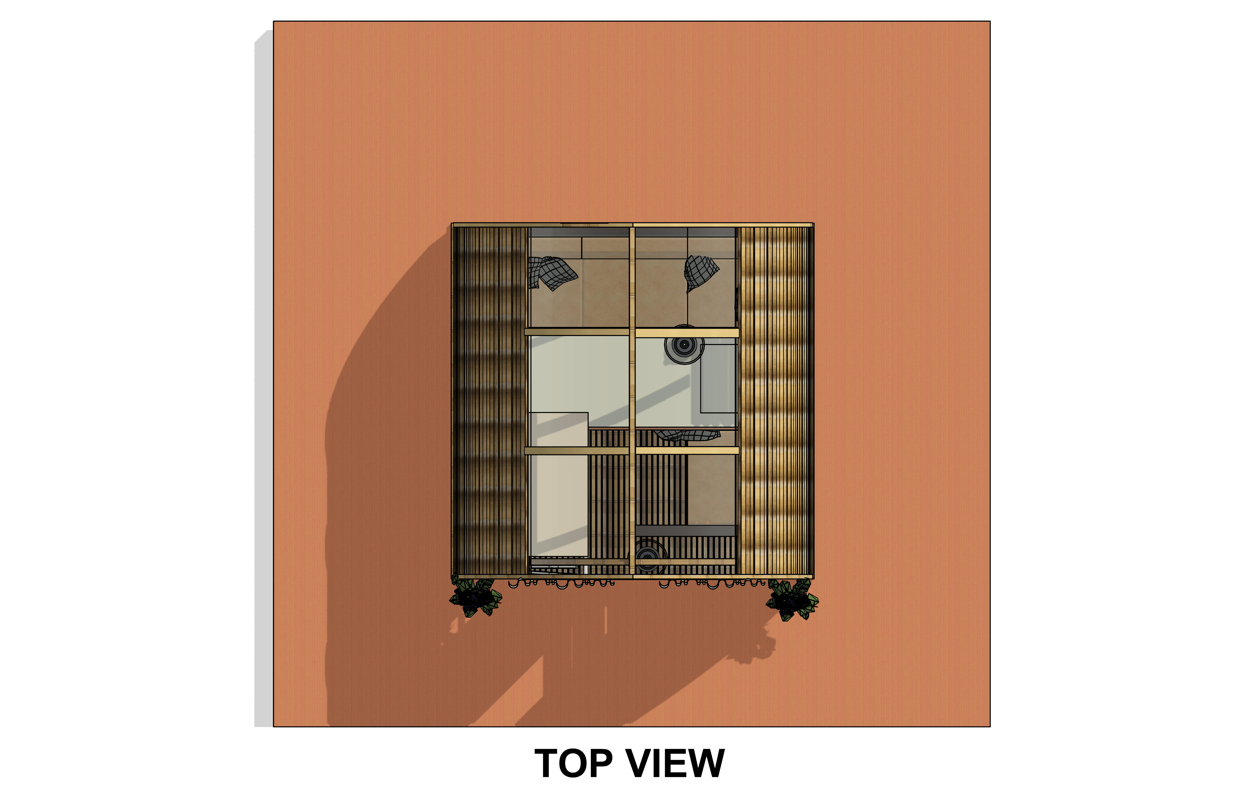
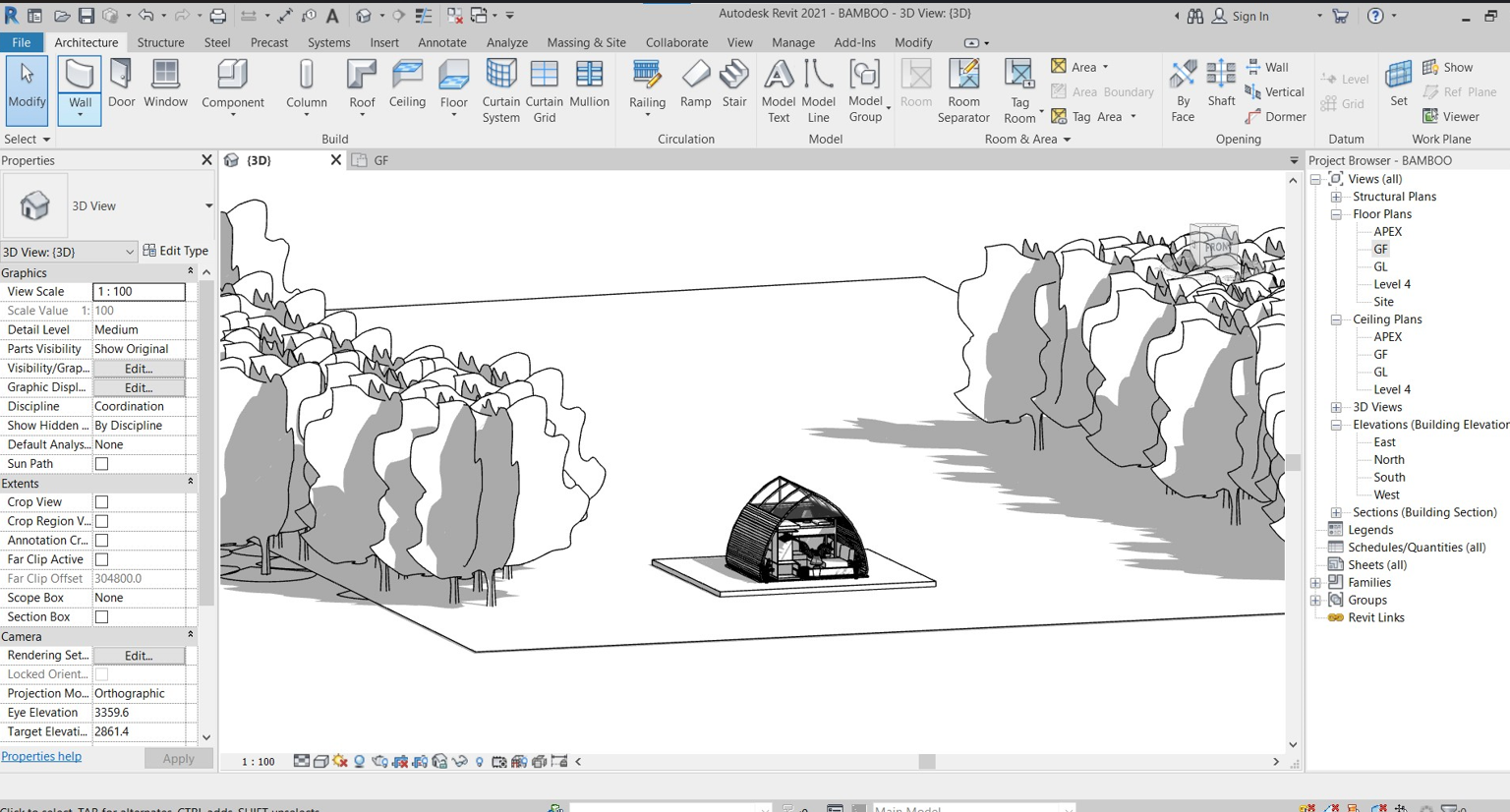
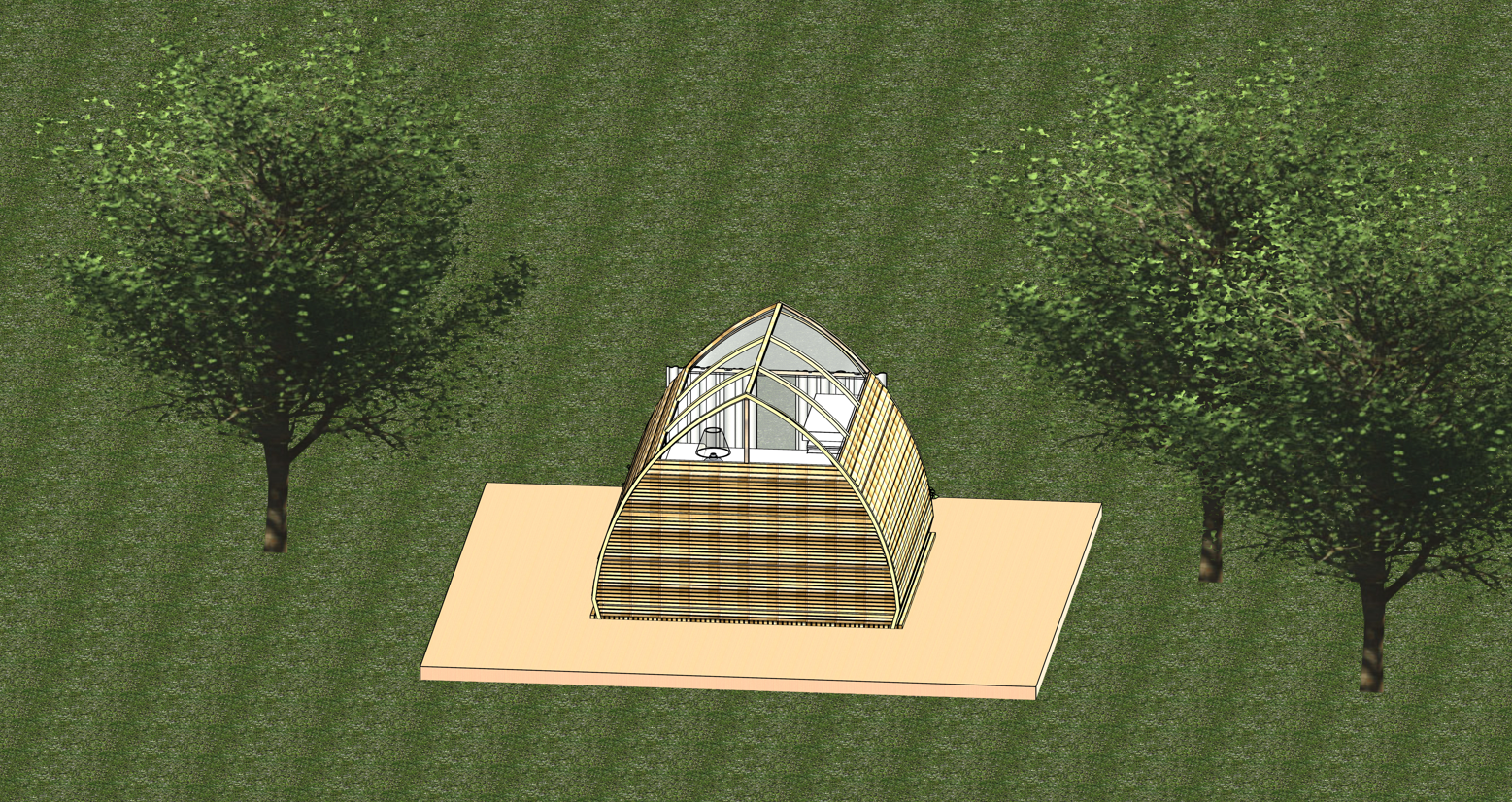
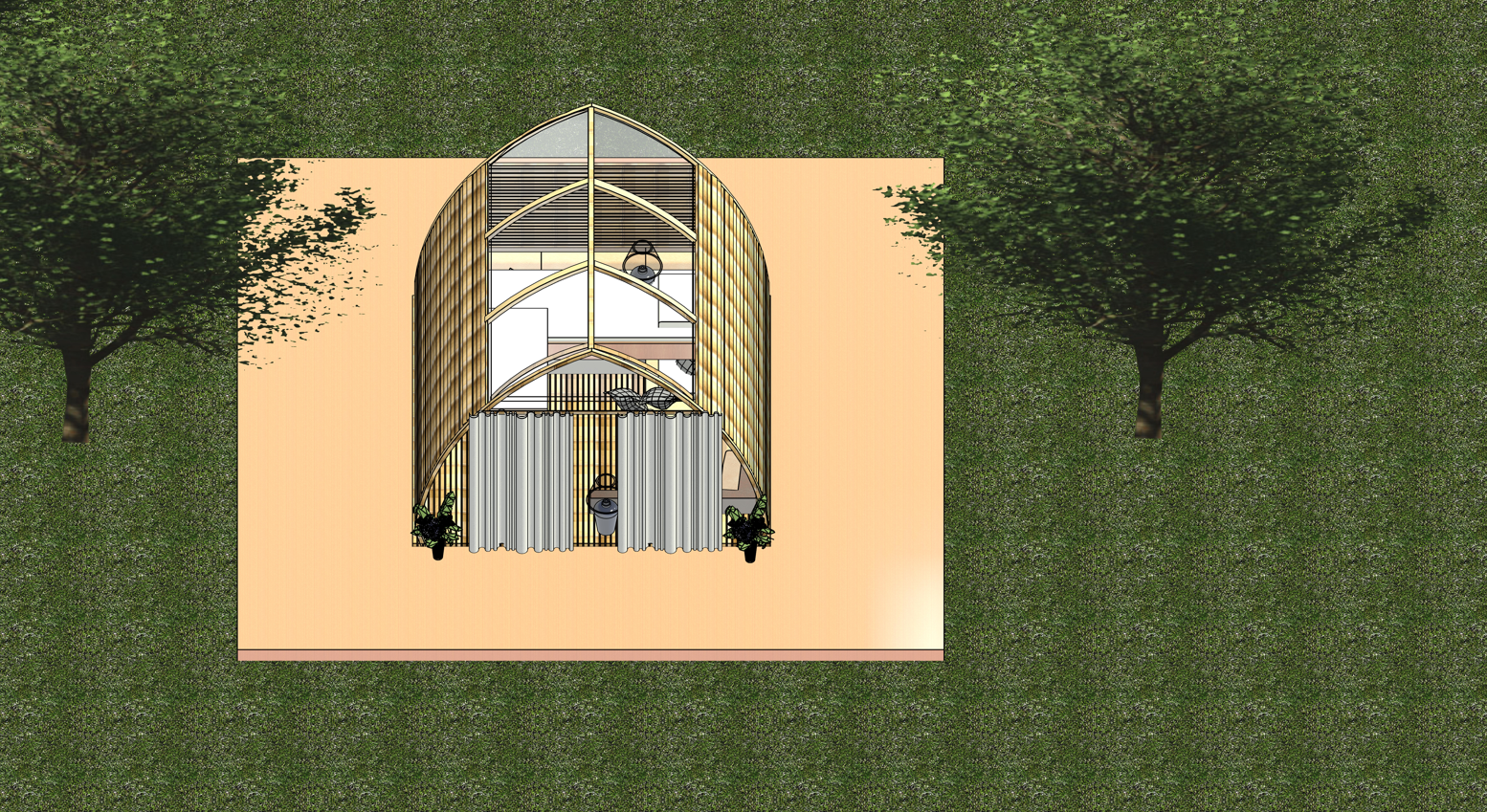
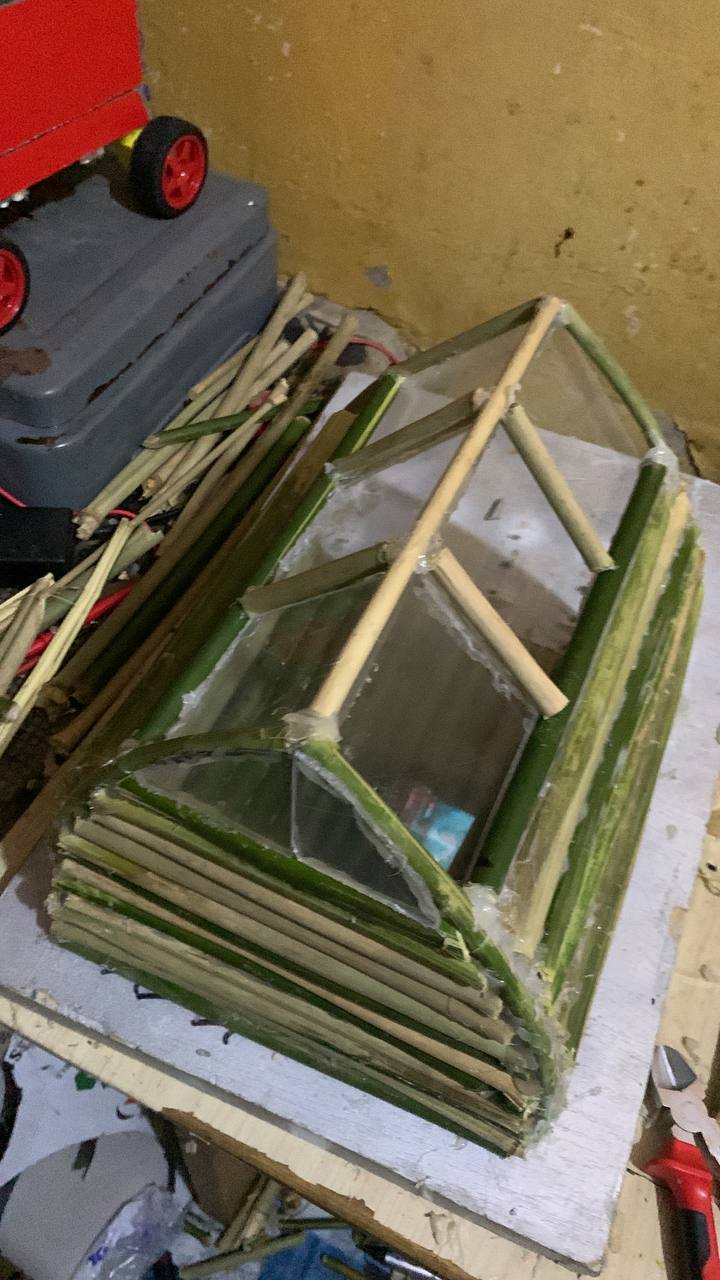
Design and Visualization: I began by creating a detailed 3D model using Autodesk Revit. This software allowed me to visualize the entire structure, ensuring the dimensions, layout, and materials would meet the design’s functional and aesthetic goals. The design incorporated a transparent glass roof, strategically placed to maximize the entry of natural sunlight, creating a well-lit and energy-efficient interior.
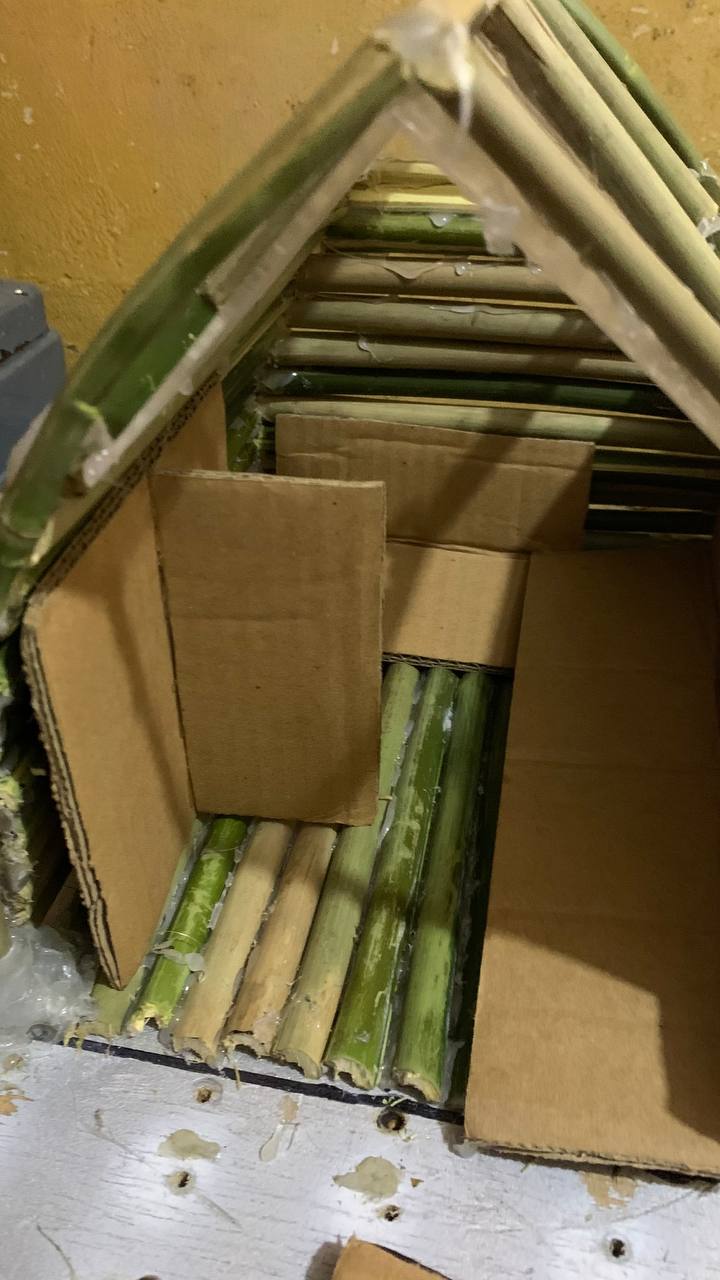
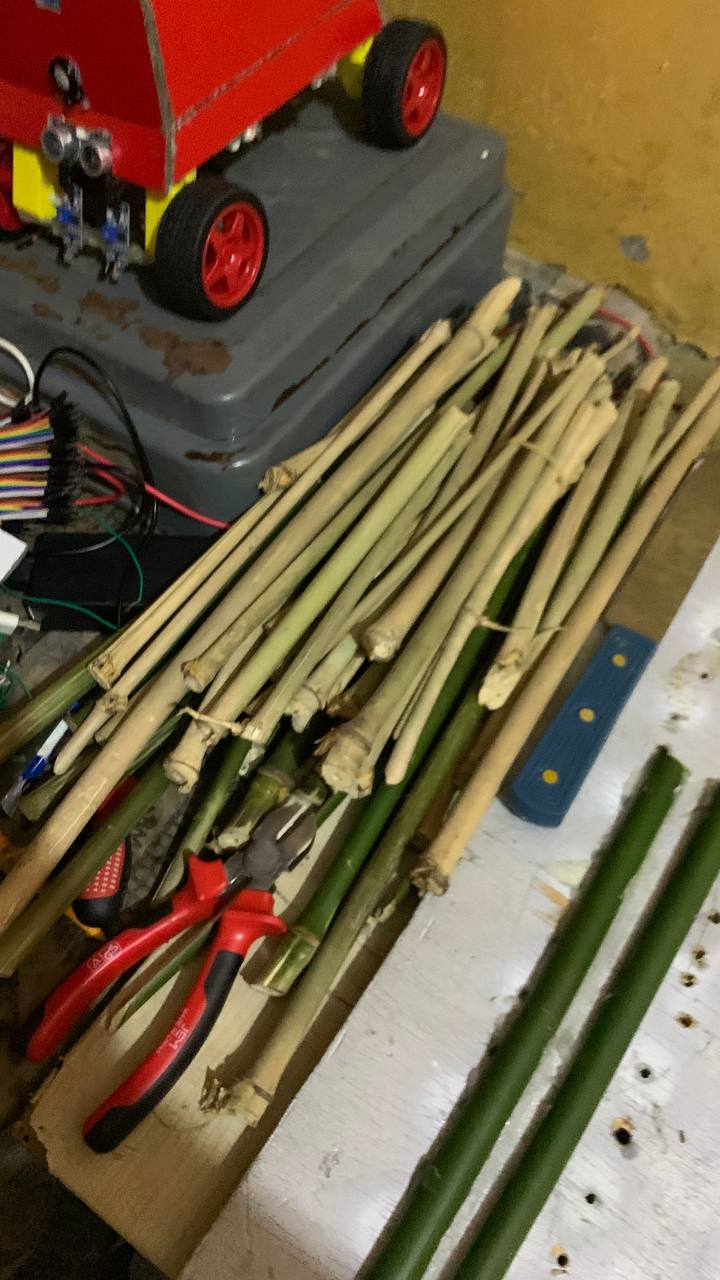
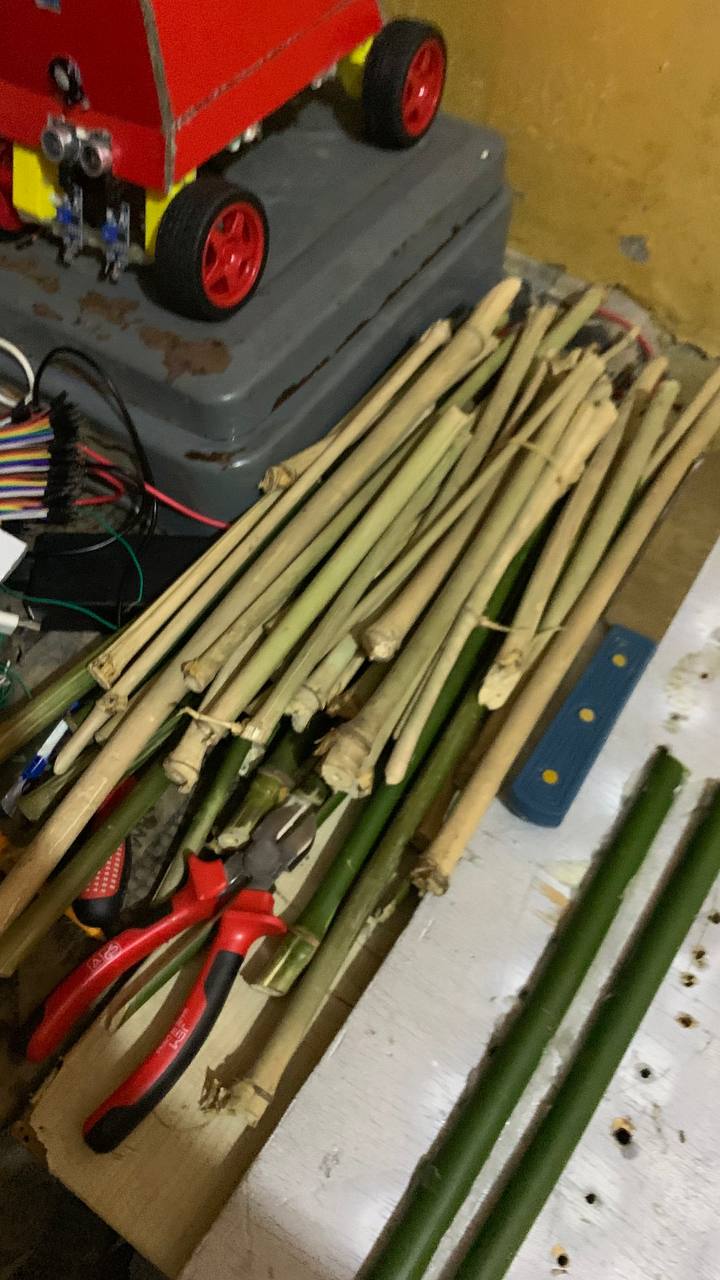
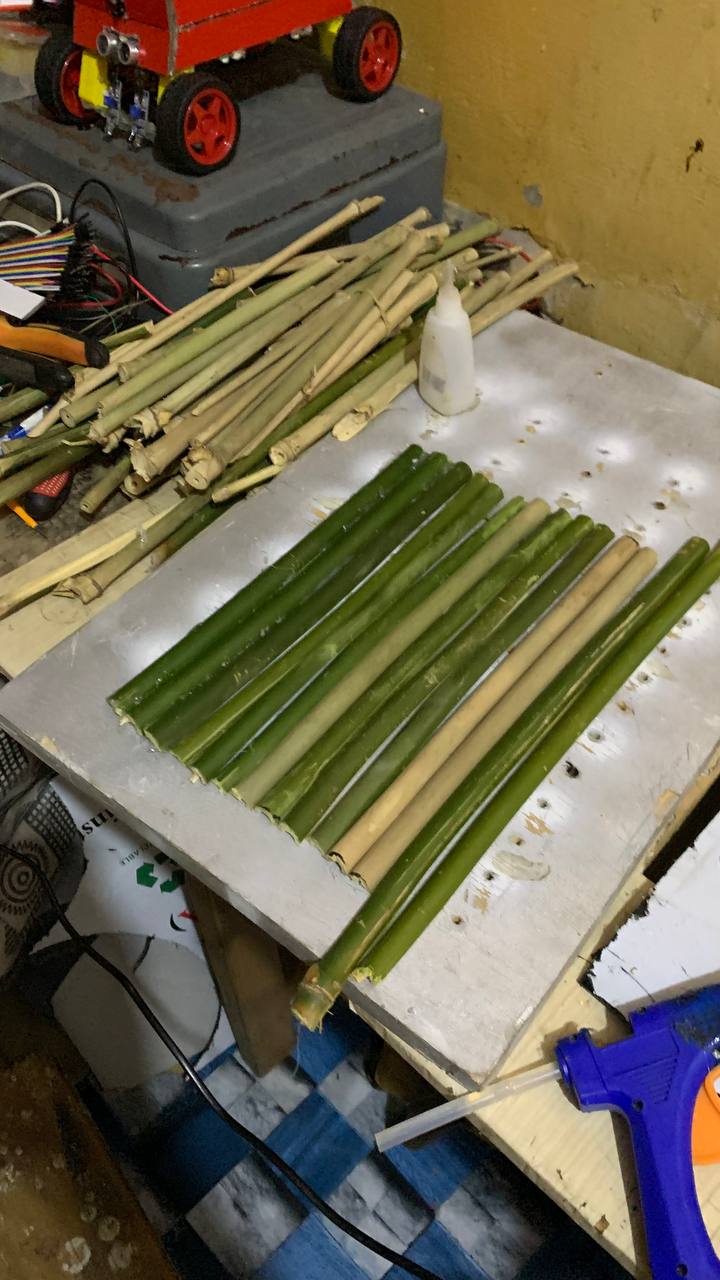
Material Sourcing: To maintain sustainability and authenticity, I visited a local bamboo farm to select high-quality bamboo for the construction. Bamboo was chosen for its strength, flexibility, and renewability. Only mature and treated bamboo poles were used to ensure durability and resistance to environmental factors.
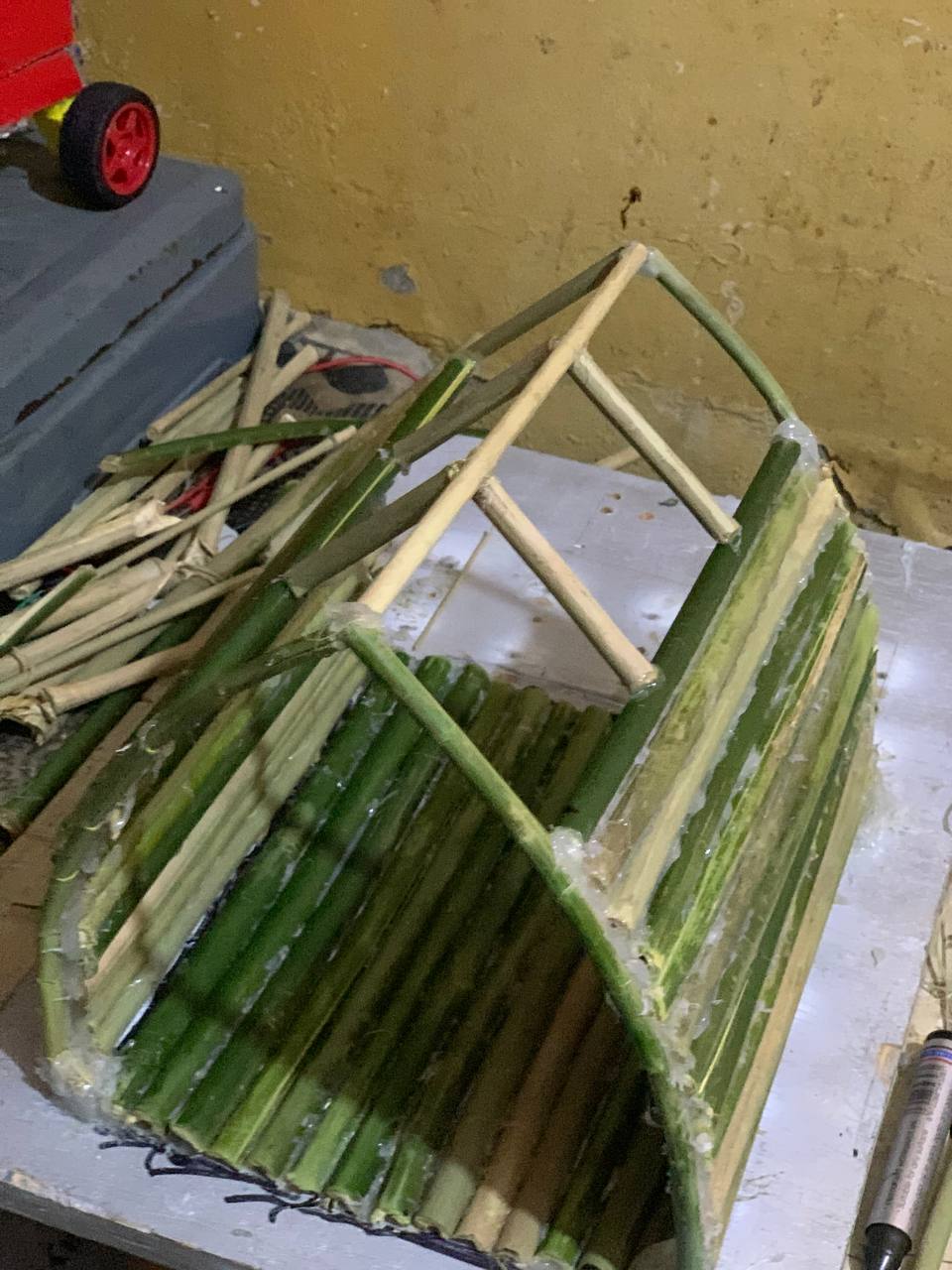
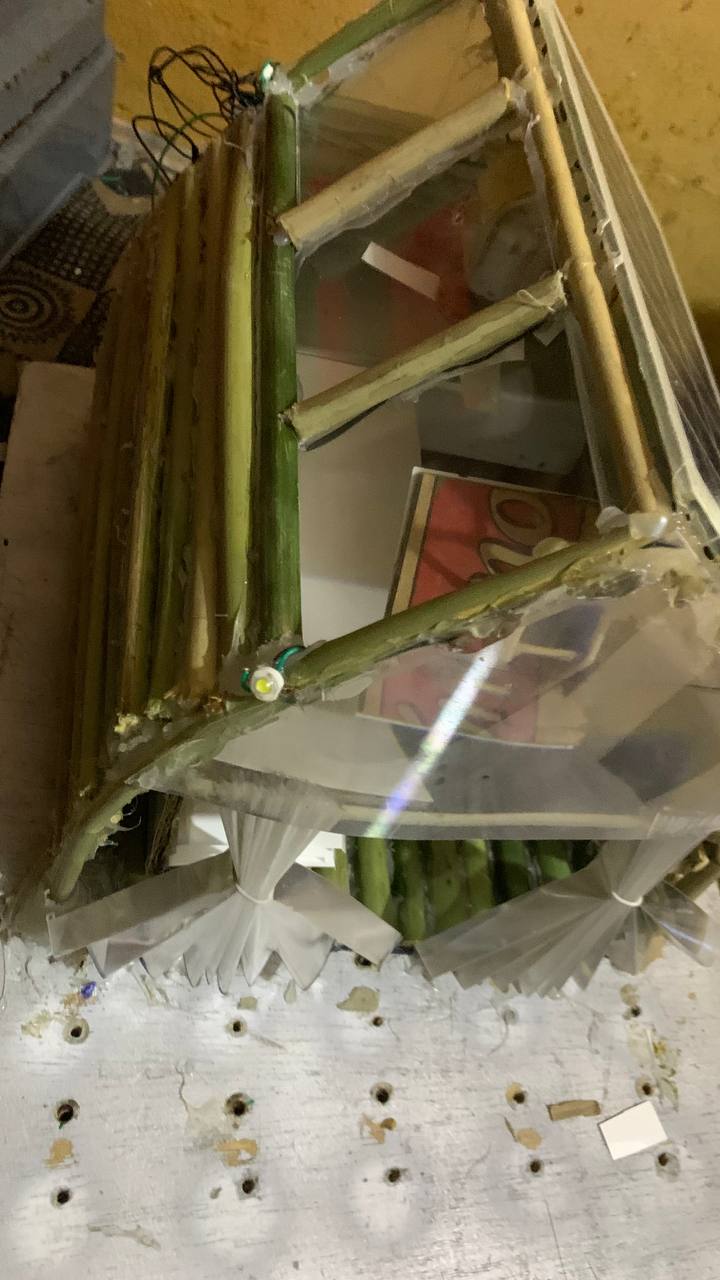
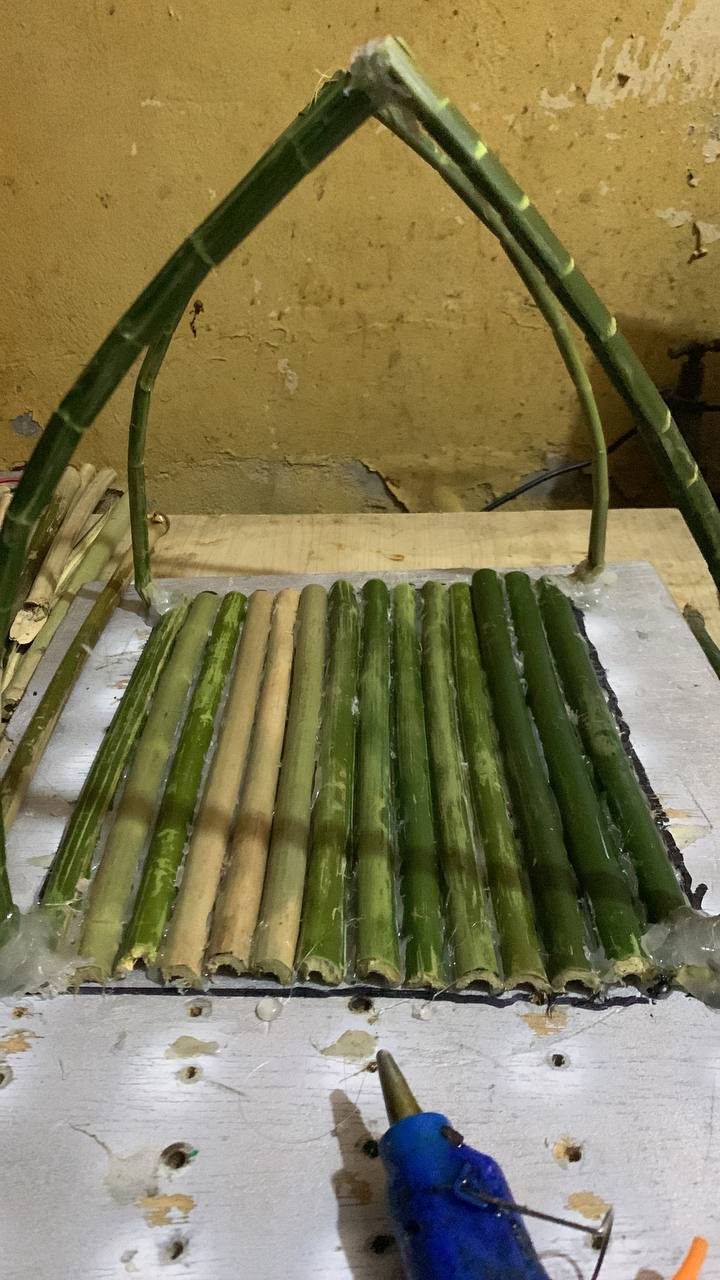
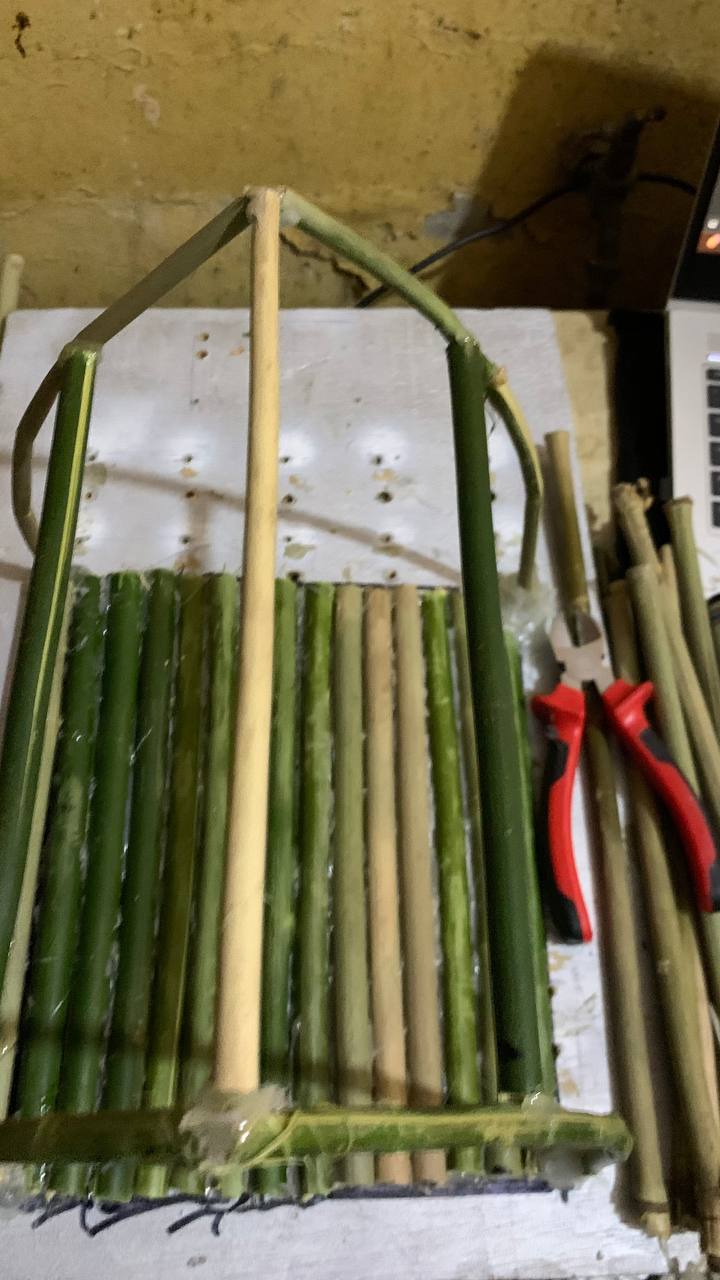
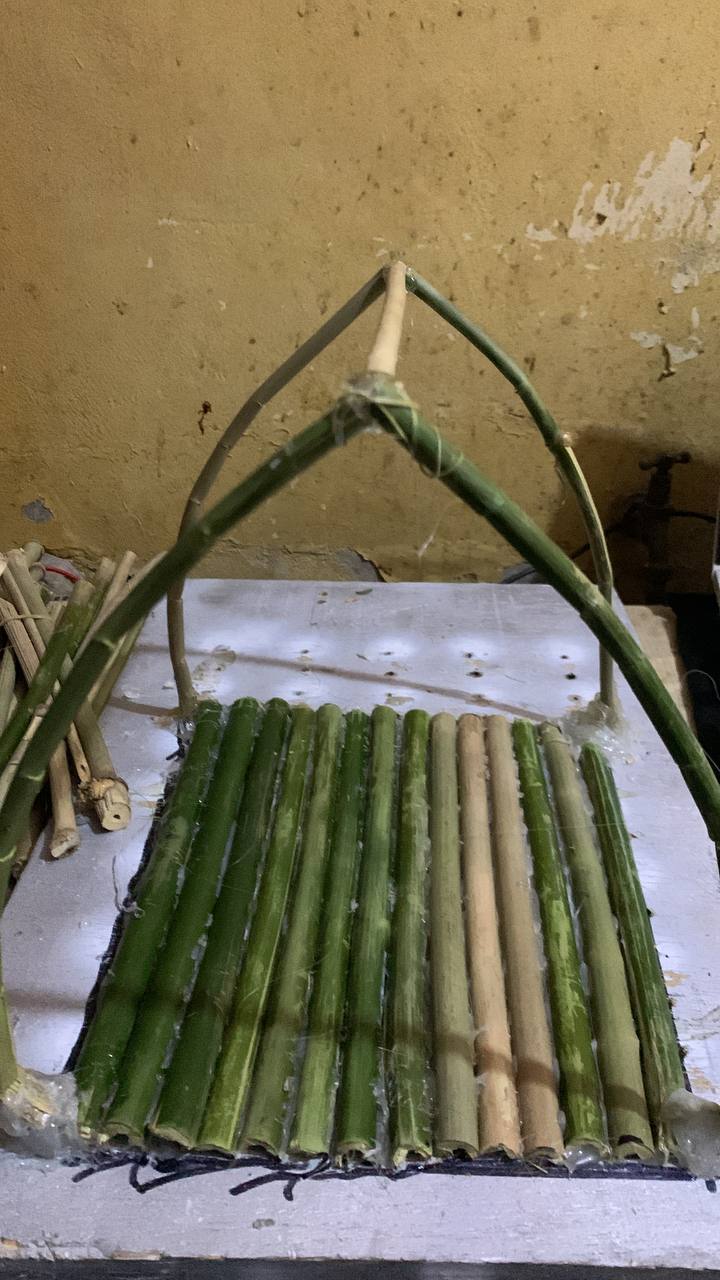
Prototype Construction: The bamboo was cut, treated, and assembled to form the structure’s frame. Special care was taken to create secure joints using traditional techniques combined with modern reinforcement for added stability. The transparent glass panels were installed at the top of the structure, allowing ample natural light to filter into the interior. This design reduces the need for artificial lighting during the day while creating a connection to the natural environment.
Integration of IoT Technology: Once the physical structure was complete, I integrated IoT features using Arduino IoT Cloud. The system included wiring for lights and a fan, allowing users to control these elements via a smartphone app. The IoT setup was designed to provide convenience without compromising the structure’s aesthetic or simplicity.
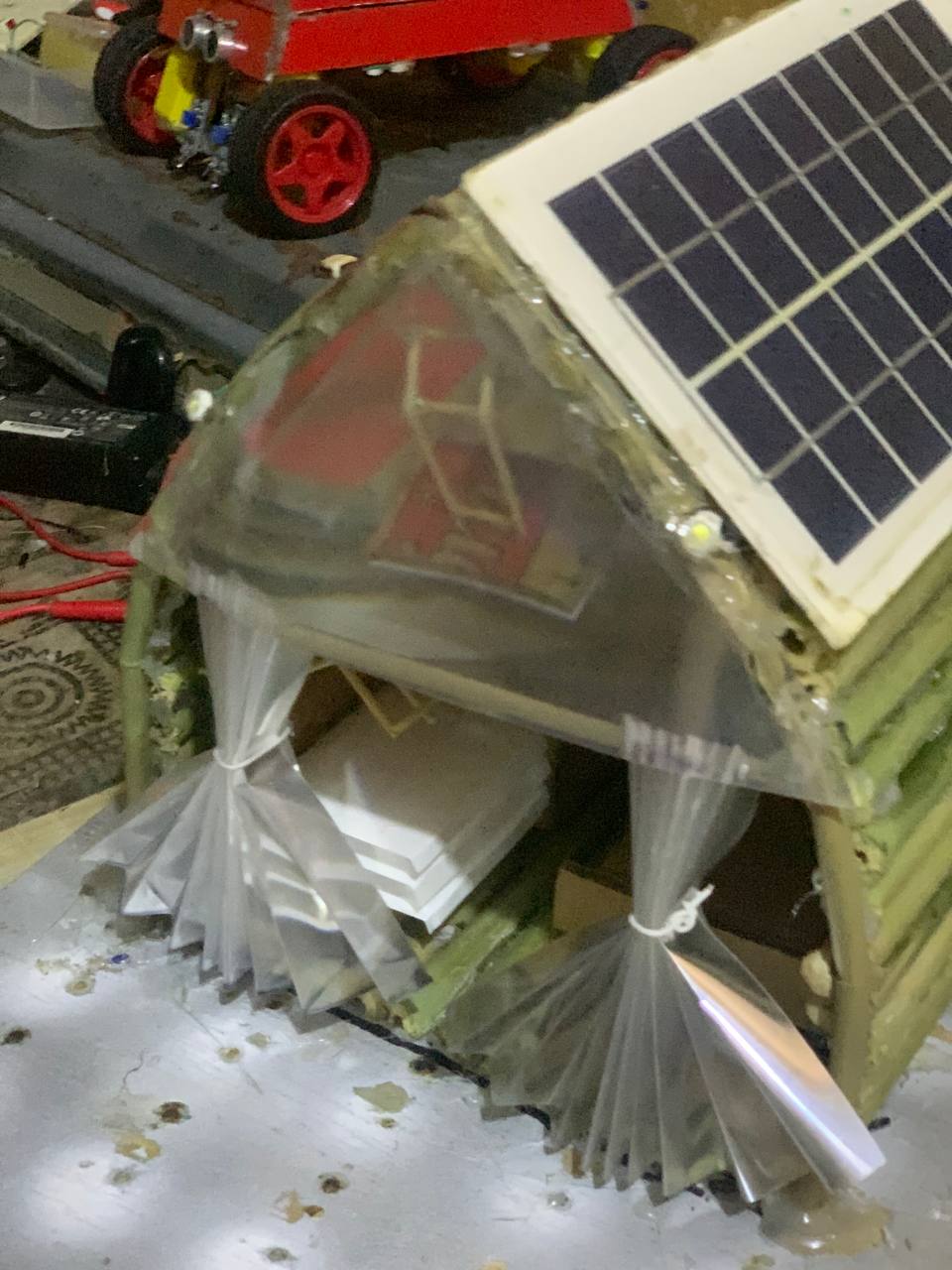
Sustainability Enhancements: Rainwater harvesting elements were incorporated by slightly angling the transparent roof panels to direct rainwater into collection systems. Solar panels were added to power the IoT system, ensuring the structure remains off-grid and eco-friendly.
Challenges I ran into
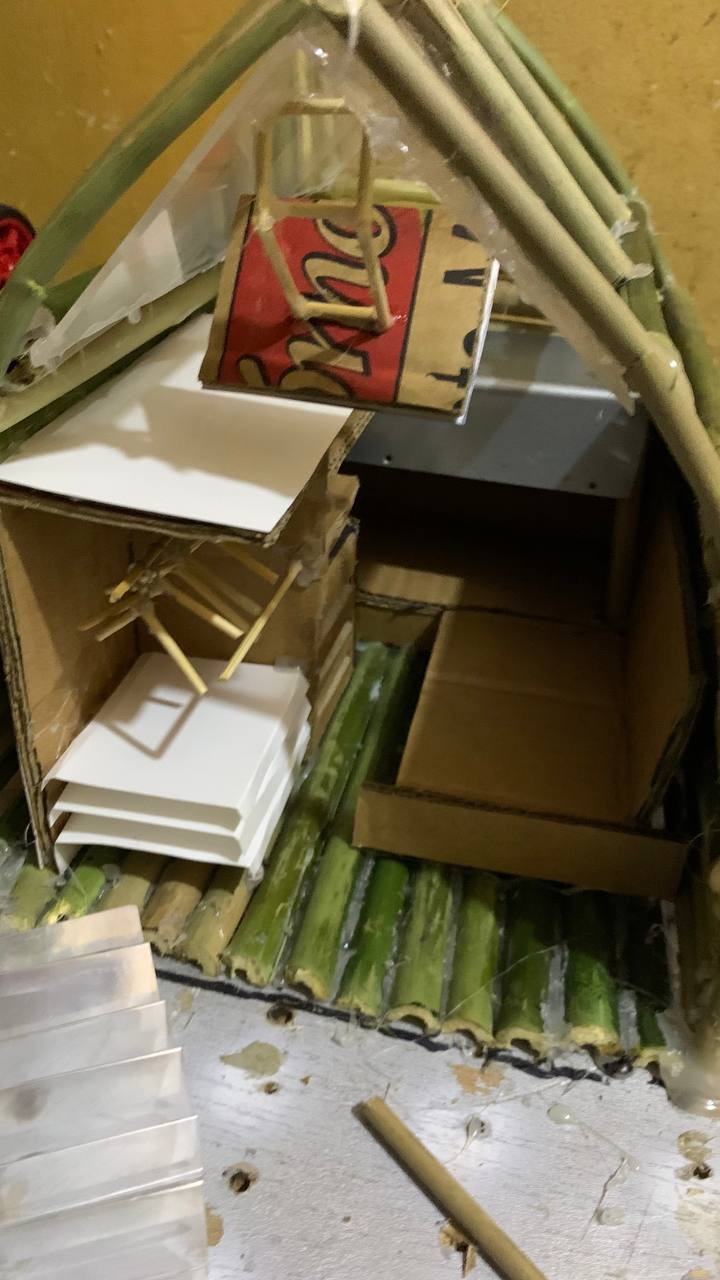
Securing the Glass Roof for Ventilation: Problem: Installing the glass panels securely on the bamboo frame while ensuring proper ventilation was challenging. Solution: I reinforced the bamboo frame to handle the weight of the glass and used glue sticks with a glue gun for secure adhesion. Small gaps were left intentionally between panels to allow natural ventilation.
Balancing Solar Panel Placement with Glass Roof Functionality: Problem: Placing the solar panels directly on the glass roof partially obstructed sunlight and ventilation. Solution: For the prototype, the solar panels were mounted on the roof for simplicity. However, future iterations could position the panels separately to maximize the roof’s purpose of providing natural light and airflow.
Maximizing Ventilation Through the Glass Roof: Problem: Ensuring sufficient airflow through the glass roof while protecting the interior from rain was tricky. Solution: Glass panels were slightly overlapped and angled to promote airflow while preventing rainwater from entering the structure.
Combining Bamboo Poles with Glue Gun: Problem: Bamboo’s smooth and rounded surfaces made it challenging to create strong joints using traditional methods. Solution: I used hot glue sticks and a glue gun to bond the bamboo poles securely. This method ensured quick assembly and strong adhesion while keeping the design lightweight and neat.
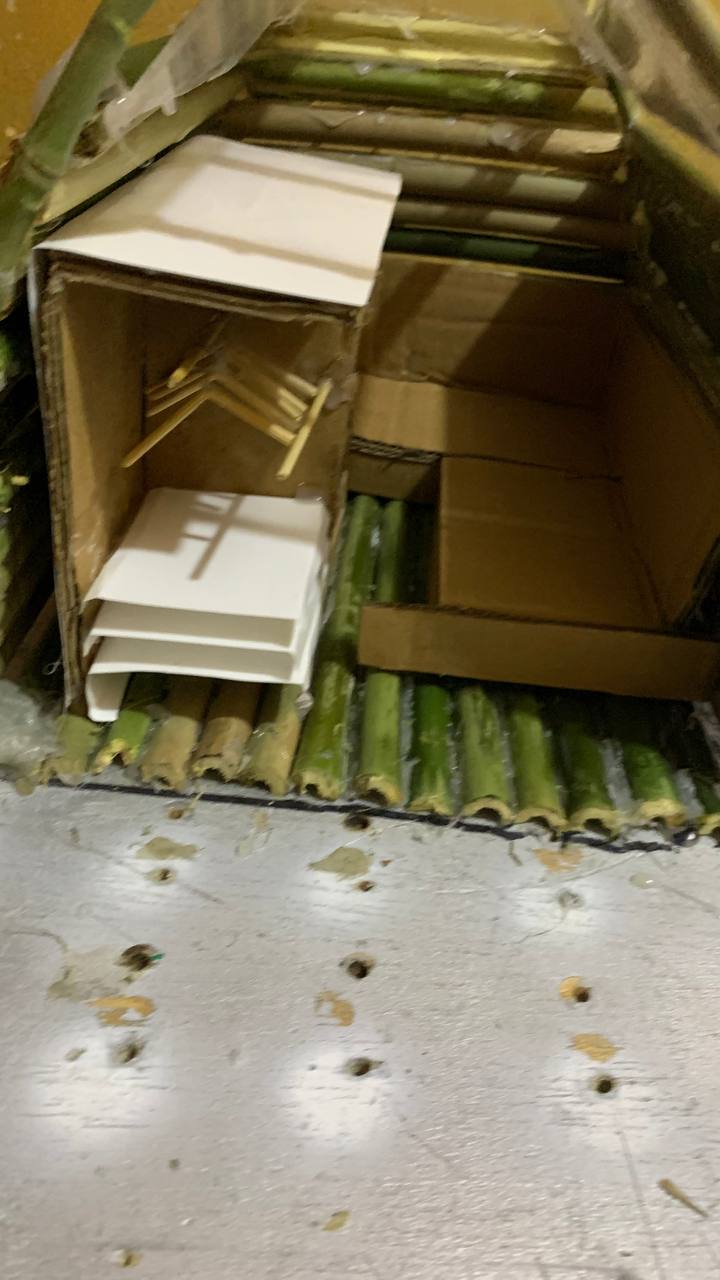
IoT System Integration: Problem: Concealing wires and Arduino IoT components within the bamboo structure without disrupting the natural look. Solution: Wires were routed through hollow bamboo sections, and the IoT control unit was housed in a small, hidden compartment within the frame.
Accomplishments that we're proud of
Successful Integration of Biomimicry and Technology: We created a design that seamlessly combines nature-inspired principles with modern IoT technology, showcasing how traditional materials like bamboo can work alongside cutting-edge innovations.
Functional and Aesthetic Prototype: The prototype not only serves its functional purpose but also maintains a visually appealing design, demonstrating the versatility of bamboo as a sustainable building material.
Use of Locally Sourced Materials: Sourcing bamboo locally highlights the project's eco-friendly approach while supporting local economies and reducing the carbon footprint.
IoT Automation Implementation: Successfully integrating Arduino IoT Cloud for user-controlled lighting and fan systems is a significant achievement that enhances convenience and energy efficiency.
What we learned
Material Versatility and Challenges: Bamboo is a remarkable material, but its unique properties, such as its smooth texture and natural flexibility, require specific techniques like using a glue gun for secure assembly.
Importance of Design Iteration: Every challenge in the design and construction process taught us the value of refining and adapting ideas to create a better final product.
Balancing Sustainability and Technology: Combining renewable materials like bamboo with IoT systems showed us how innovation and sustainability can coexist effectively.
What's next for Bamboo House
Scaling and Replication: Develop modular versions of the Bamboo House for various applications such as eco-tourism lodges, urban green spaces, and rural housing solutions.
Improved Solar Panel Integration: Explore better placements for solar panels, such as on a separate stand or integrated into the structure without obstructing the glass roof’s functionality.
Smart Features Expansion: Expand IoT capabilities to include sensors for monitoring air quality, occupancy, and other environmental conditions for an even smarter living experience.
Community Awareness and Education: Launch workshops and awareness campaigns to promote bamboo as a sustainable construction material and encourage its use in eco-friendly architecture.
Testing and Optimization: Test the prototype in various climates and conditions to optimize durability, performance, and usability.
Collaboration Opportunities: Partner with organizations, architects, and sustainability-focused initiatives to further develop and scale the Bamboo House for broader impact.

Log in or sign up for Devpost to join the conversation.