-
-
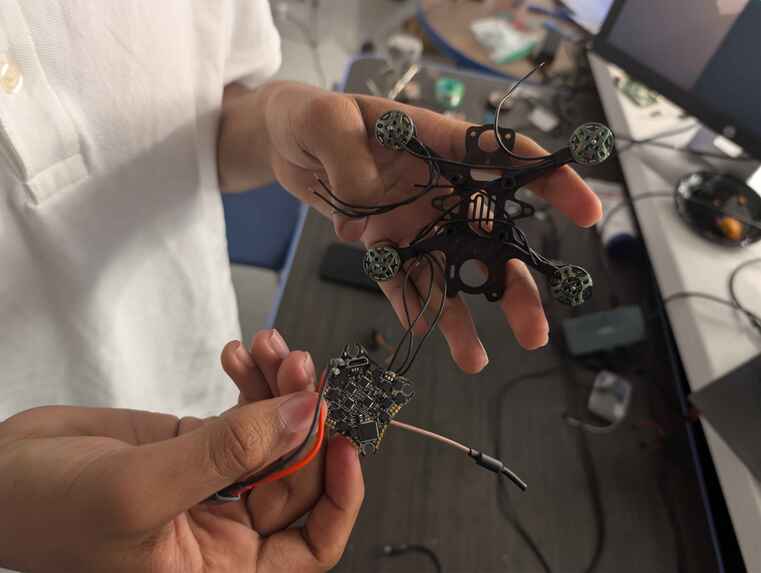
original drone
-
-
-
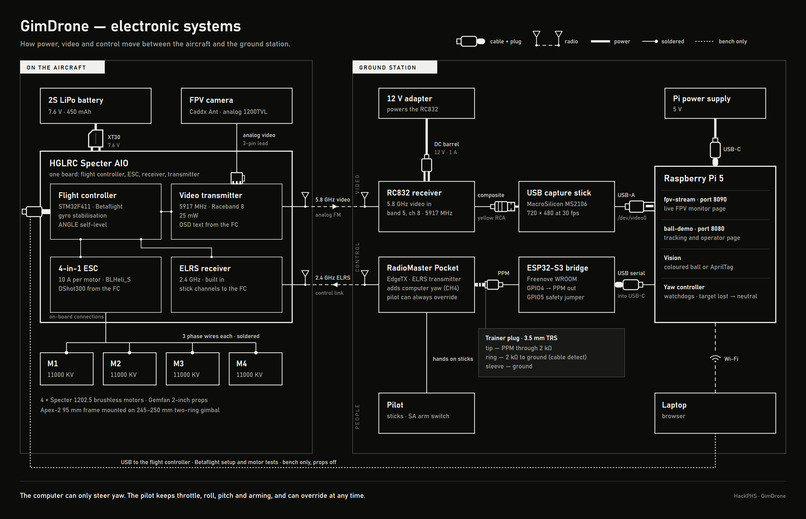
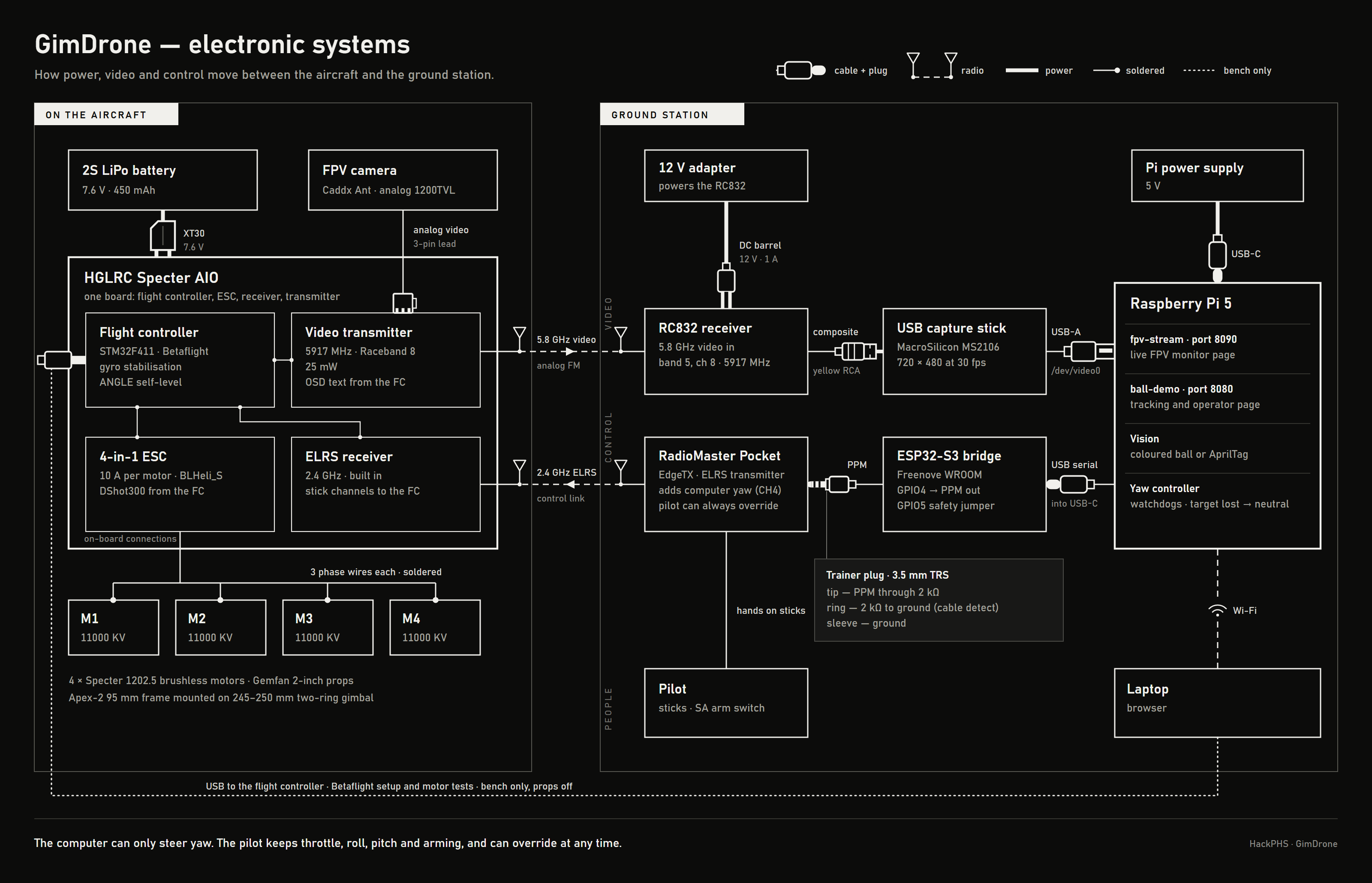
diagram of the stuff
-
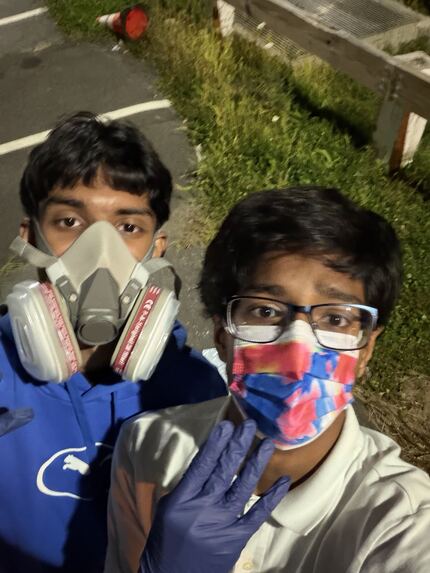
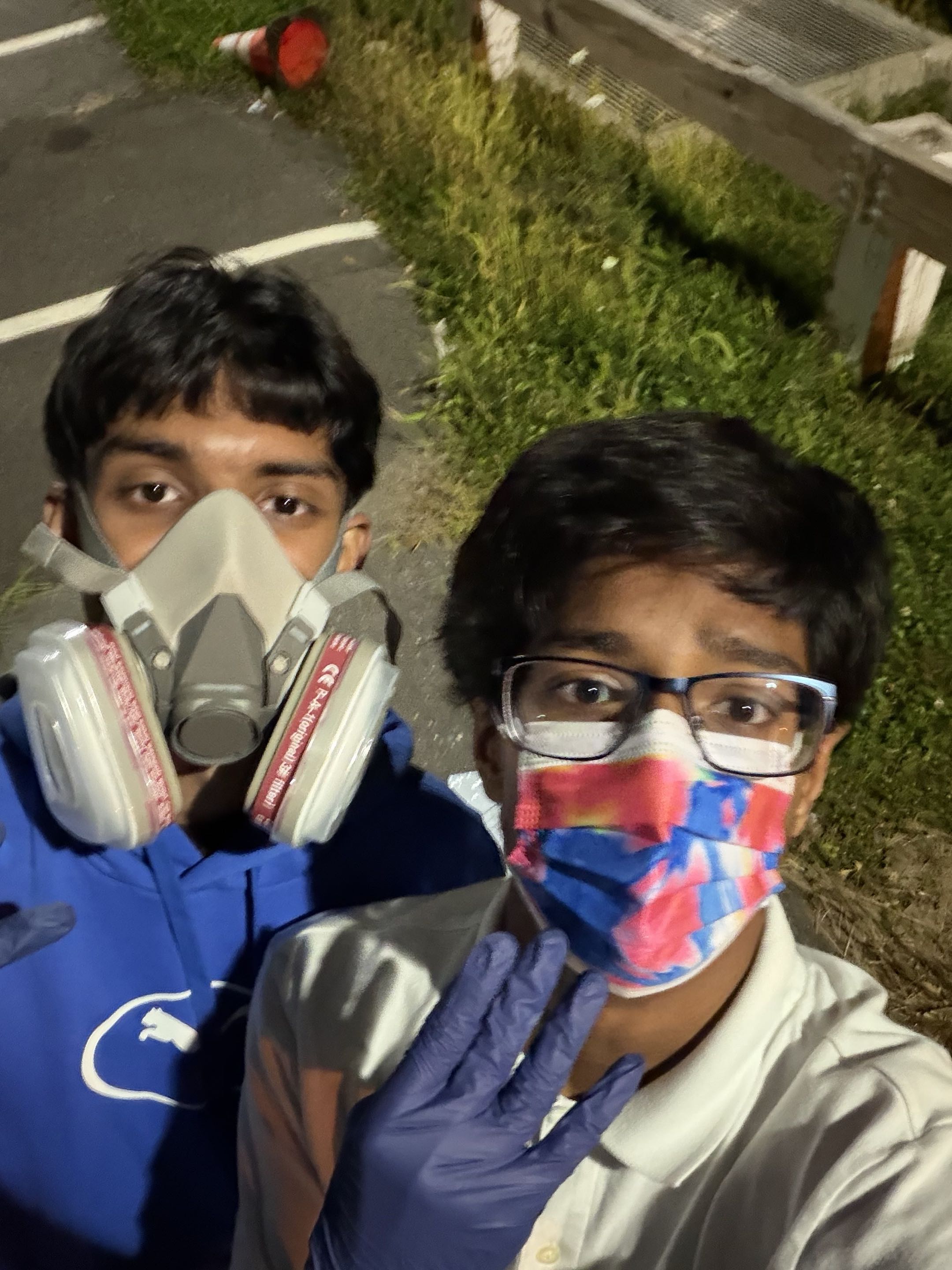
gas mask far from phs
-
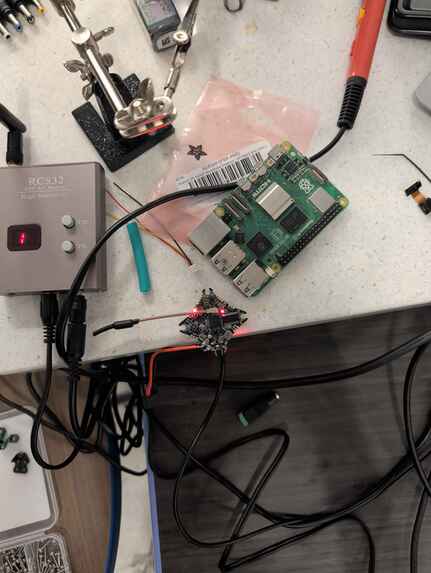
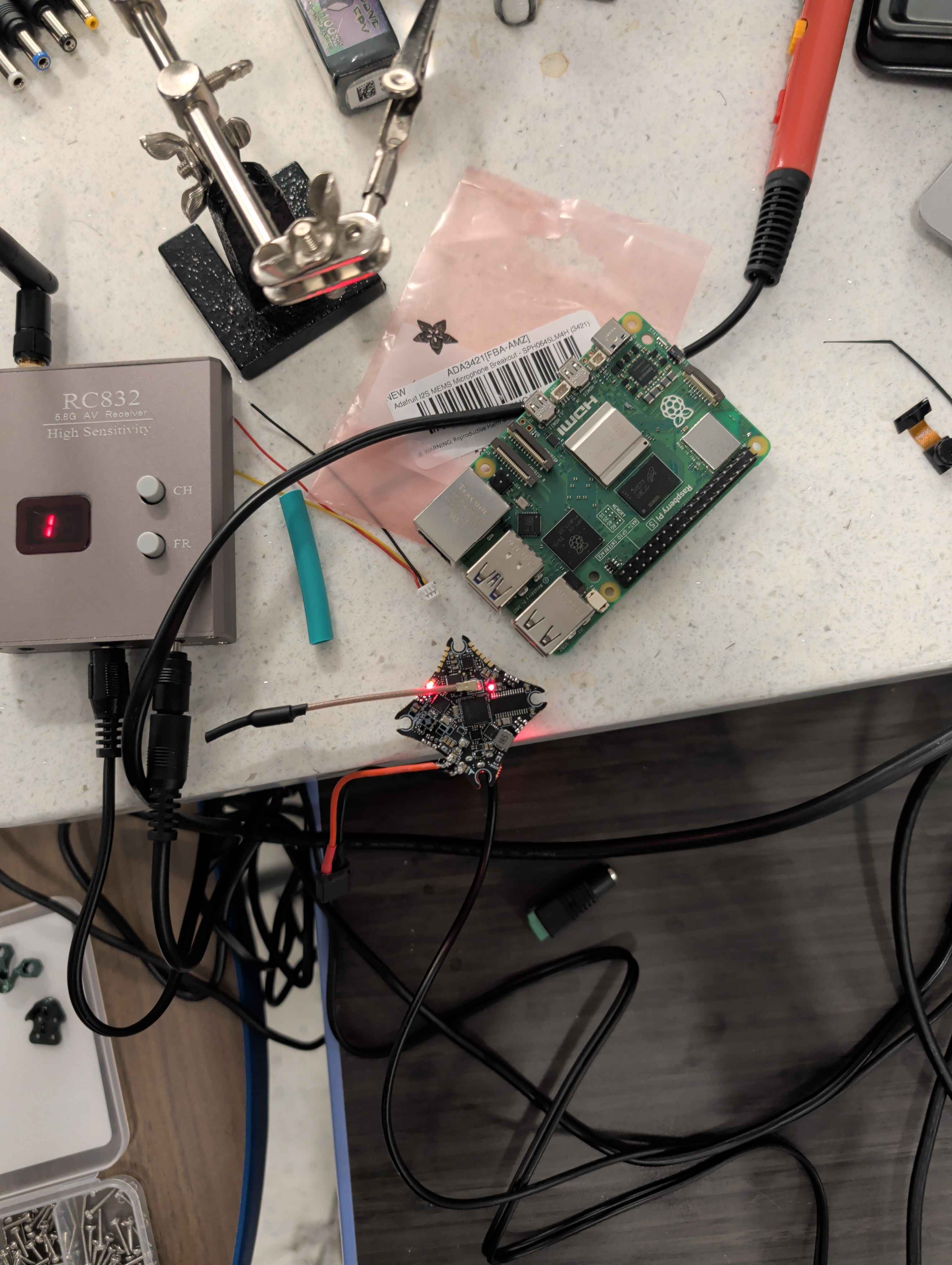
pi and shi
-
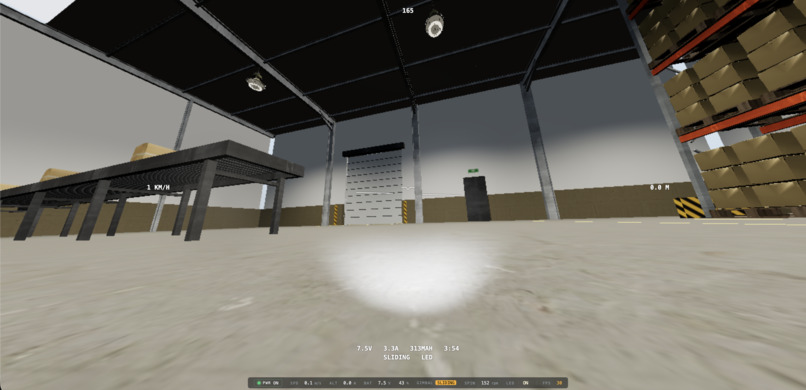
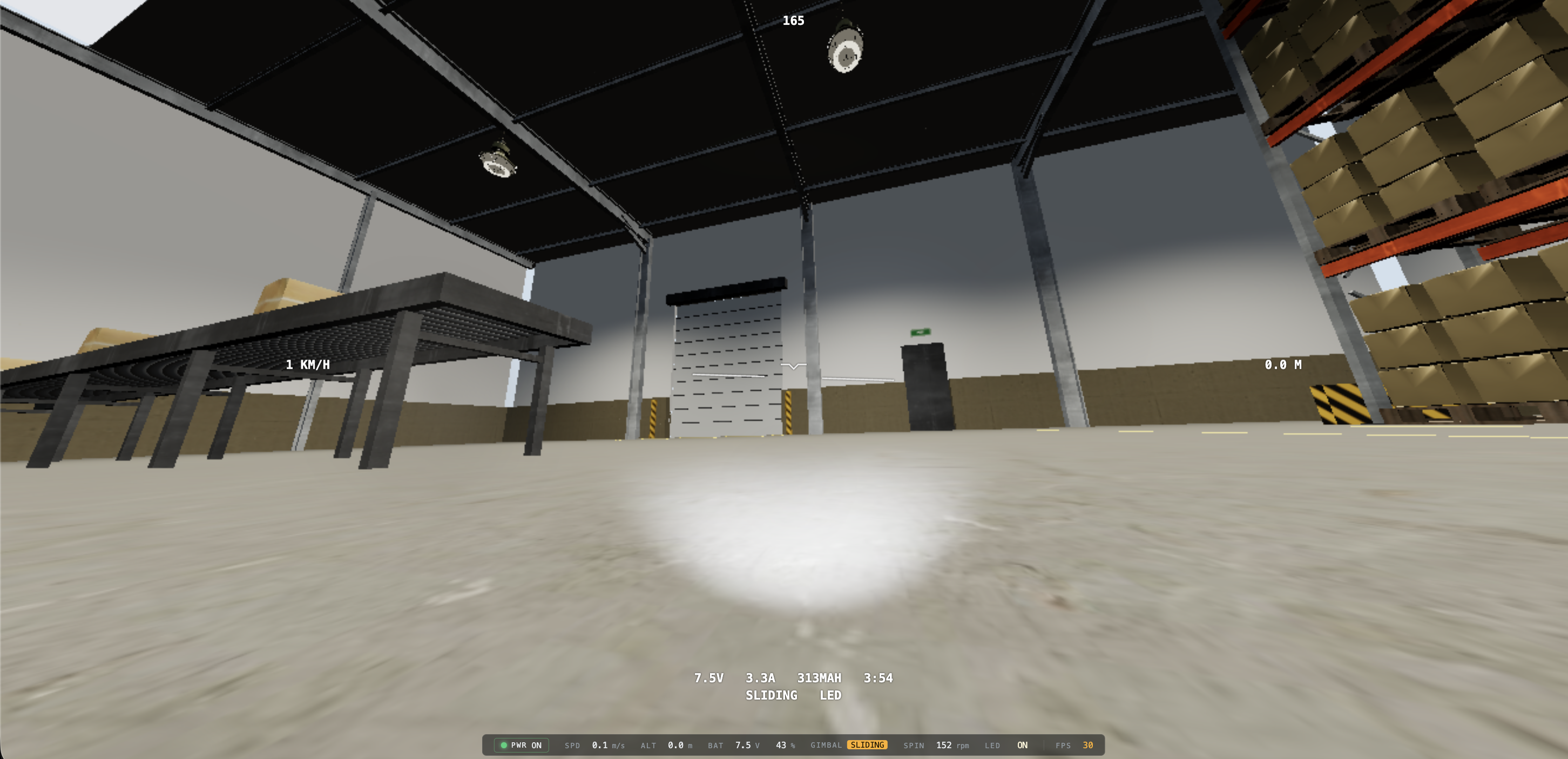
simulation fpv
-
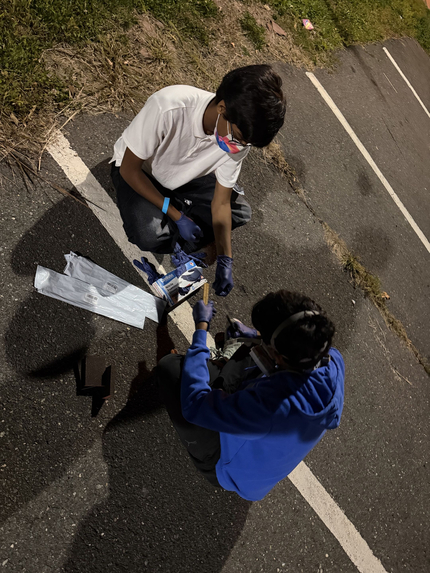
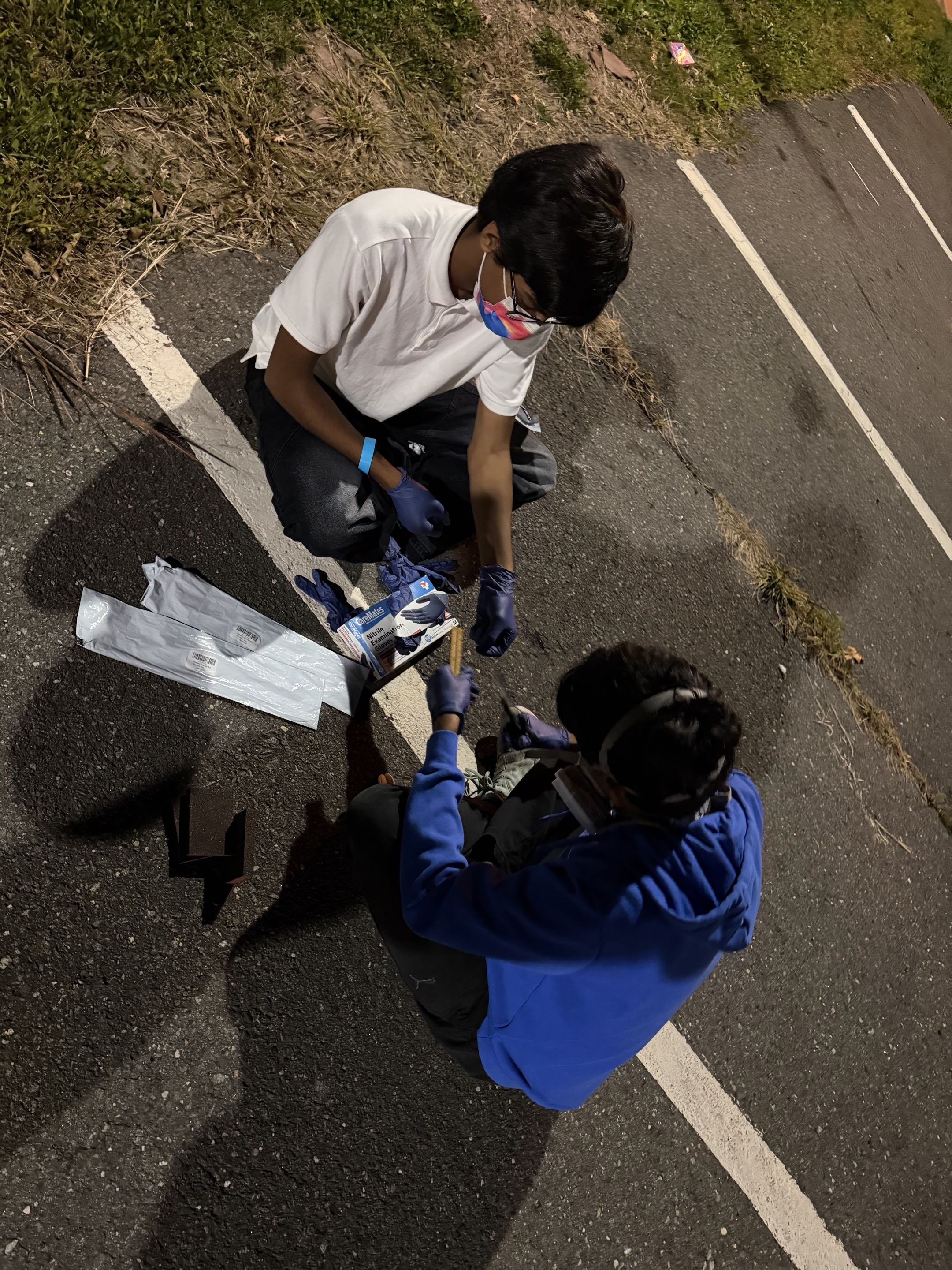
cutting the cf lmafo
https://drive.google.com/file/d/1x1ZaLebVEggenwKQCbsZQ237z4iIUh70/view
https://drive.google.com/file/d/1W-w-eoT08yyJuZ6SmJDD481EU_hyMJDC/view?usp=drivesdk
https://drive.google.com/file/d/1pGmIaaSMB3czVmd66sMR5WGiJb71Y2oc/view
Inspiration
We saw that most drones manage to prevent suffering damage in collisions through collision avoidance. Collision avoidance software is often fallible, and can lead to the drone being more expensive, heavier, and complicated. Instead, we decided that it would be a better idea to, instead of avoiding collisions with a fallible mechanism, accepting the possibility of collision and designing our drone to avoid them or making the key hardware resistant to any hard falls.
What it does
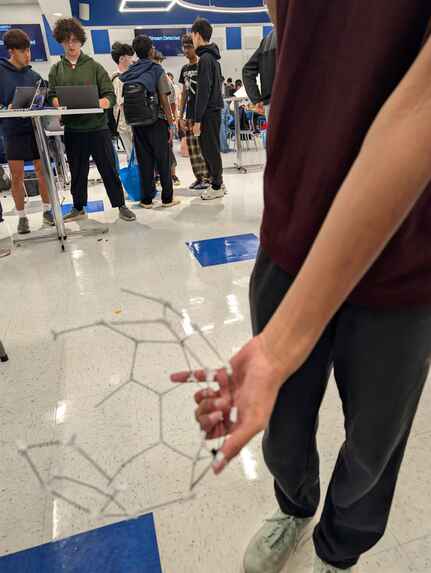
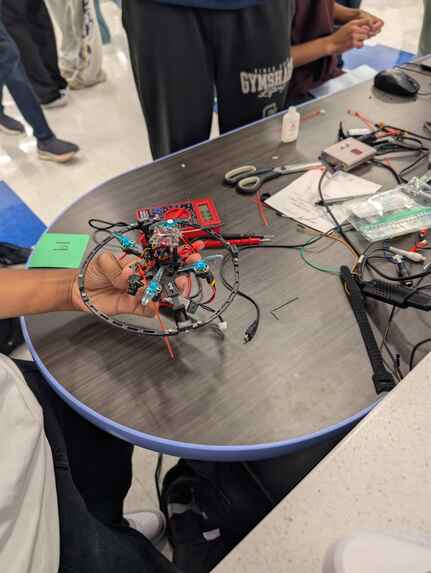
Quadcopter within a ~250mm 3D printed cage with two-ring gimbal. Live analog FPV video sent to Raspberry Pi on the ground. Computer yaw data goes through ESP32 into radio trainers port. Web dashboards enable testing, streaming of fpv camera if conditions permit.
How we built it
GLRC F411 all-in-one board (Betaflight + ELRS + video transmitter), Parametric CAD, PETG and PLA prints, Carbon fiber reinforced petg. We additionally used carbon fiber and we used epoxy resin. Tech stack; Control: Pi → USB serial → ESP32-S3 → PPM into the RadioMaster trainer jack → ELRS → FC Software used: OpenCV for AprilTag tracking, Three.js simulator with PyWebView backend, openssh server for access to raspberry pi
Challenges we ran into
We ran into a plethora of challenges while producing this product. We suffered issues during soldering due to the tiny size of the flight controller. Additionally, it was very difficult assembling the gimbal and cag
e. The actual cutting carbon fiber required going outside, which wasted precious time we could have been assembling or programming. 3D printing required a lot of time, and some of our prints were subpar in quality.
Had to cut an aux cable and perform some soldering. (8-11 hrs of soldering TINY pins with a microscope!)
Difficult to calibrate the drone given we had to have a USB connection to it while calibrating
Accomplishments that we're proud of
Proud of our scuffed aux cable which we were able to manipulate and solder to end up having the capability of connecting the Radiomaster to the ESP32.
FIRST HARDWARE HACK!!!
What we learned
How to configure things using Betaflight. 3D Part quality may vary. 3D Printing and Design, CADDING Soldering motors on drones, using brushless motors, connecting complex components and communicating over radio frequencies, utilizing rechargeable batteries, using multimeters, through (painstaking) debugging processes.
What's next for GimDrone
Integration of functionality with mobile app Two-way audio using speakers and microphone, attached to a pico atop the drone AprilTag-based following and landing Autonomous navigation


Log in or sign up for Devpost to join the conversation.