-
Bagle Bunch
Inspiration
As a group, we were thrilled of the idea of working with hardware, even if only a small sensor, and integrating it into an application for a commercial kitchen's UI. At first, we were not sure what type of appliance we were going to base our project on, but after looking at the work done by the Blue Sparq group, as well as the machine used by our local Einstein Bros. Bagel shop, we landed on the idea of a User interface for a self-serving bagel toaster.
What it does
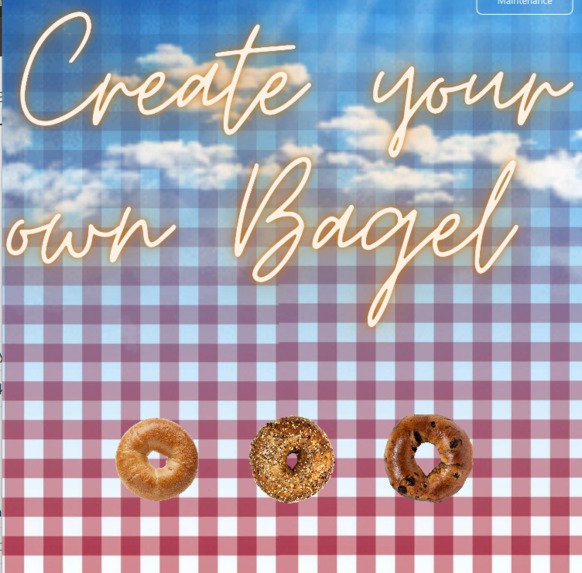
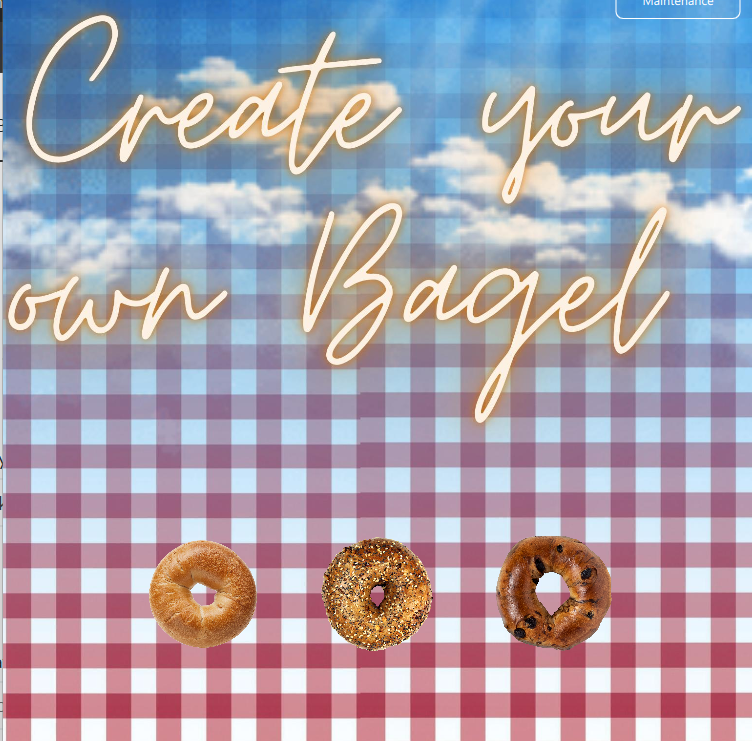
Our project focuses on the goal set out by the Blue Sparq group: simulate a UI for a commercial kitchen appliance. In our case, that appliance is a commercial Bagel toaster that will allow users to choose between a variety of bagels, choose between levels of toasting, or none at all , and then choose a spread, if any, to be smeared on before serving to the customer.
How we built it
Using the QT IDE, along side with QML, we designed and developed the front end of the machine, allowing the user to press on the screen options mentioned earlier. Then with python, we flashed a script onto the Adafruit Trinkey SHT45 to print the temperature and humidity values. And lastly, using C++, we combined both the backend and front end of the project to allow the UI to update based on the readings of the Adafruit sensor.
Challenges we ran into
During the beginning of our development, we struggled with many issues that ranged from a lack of experience with the QML language, to deciding the best IDE to develop our UI. Then as we continued development, we later arrived to our next, most difficult task, trying to properly receive readings from the Adafruit sensor in the QT environment. This challenge alone consumed a large part of our development time, as for most of our group, this type of embedded programming was a new field.
Accomplishments that we're proud of
Yet despite our challenges, we overcame most of them in the timeframe given to us. We became more comfortable with the QML and QT environment, and were able to develop multiple screens that the user will navigate when using the UI, as well as create simple animations to give the user a better experience.
What we learned
During this EagleHacks event, we learned a ton about QML development, and how companies like Blue Sparq design and develop machines that allow restaurant employees, or even customers, to select and modify their orders for food or drinks. We gain a better understanding of receiving and displaying sensor data into a UI that updates in real time to allow us to give user more information about their food.
What's next for Bagel Bunch
As EagleHacks comes to a close, we hope that our idea, much like our toppings, spread across the globe and maybe inspire someone to learning about the QT/QML environment, and bring life to our idea by creating a physical machine that implements a UI similar to ours to spread the joy of bagels into the world.
Company Challenge
Blue Sparq: Company Challenge: Dashboard for restaurant operations Simulated UI for a commercial kitchen appliance No restriction on tech stack or framework


Log in or sign up for Devpost to join the conversation.