-
Our logo!
-
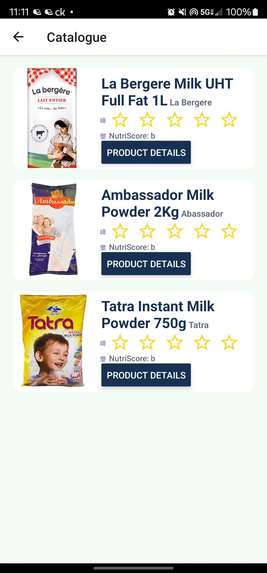
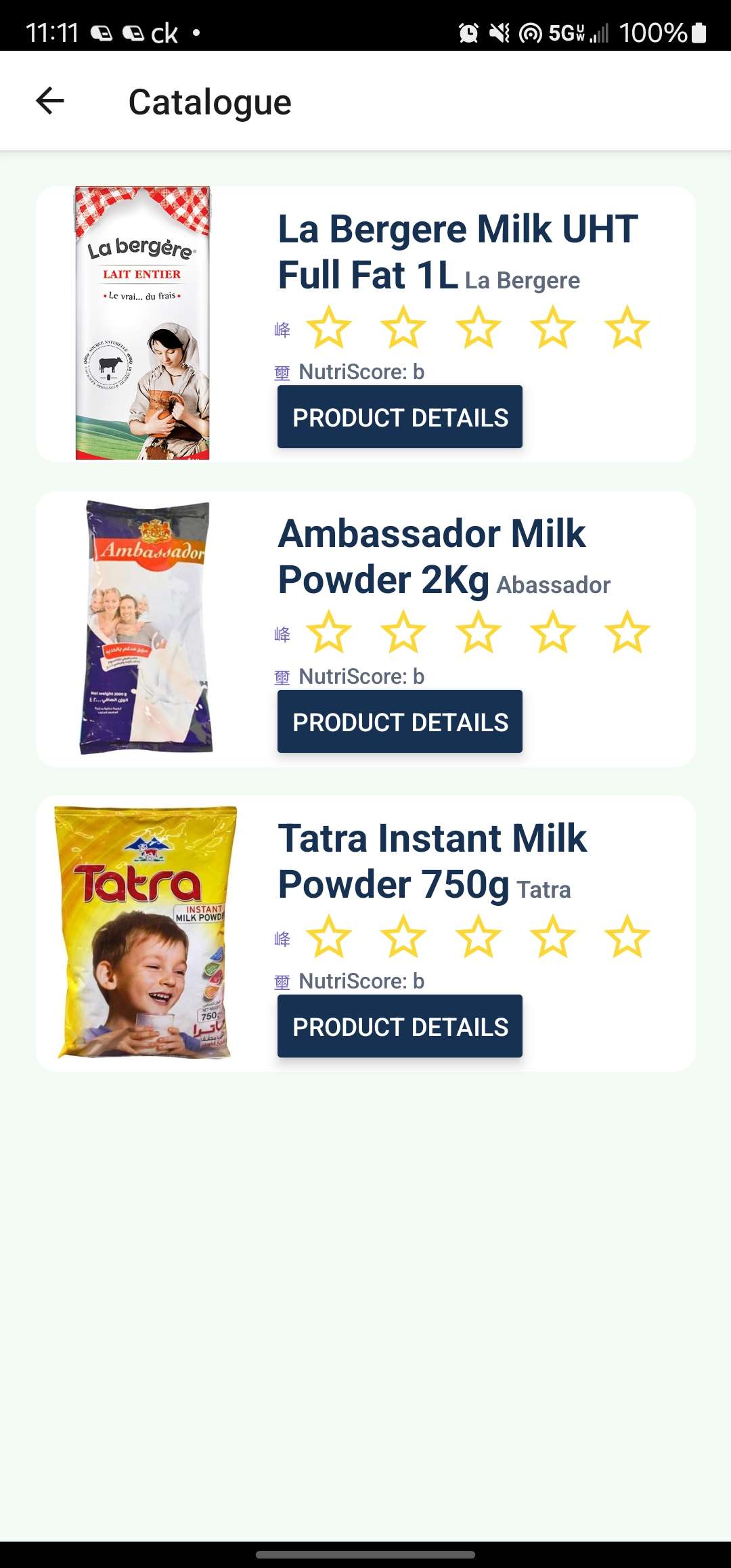
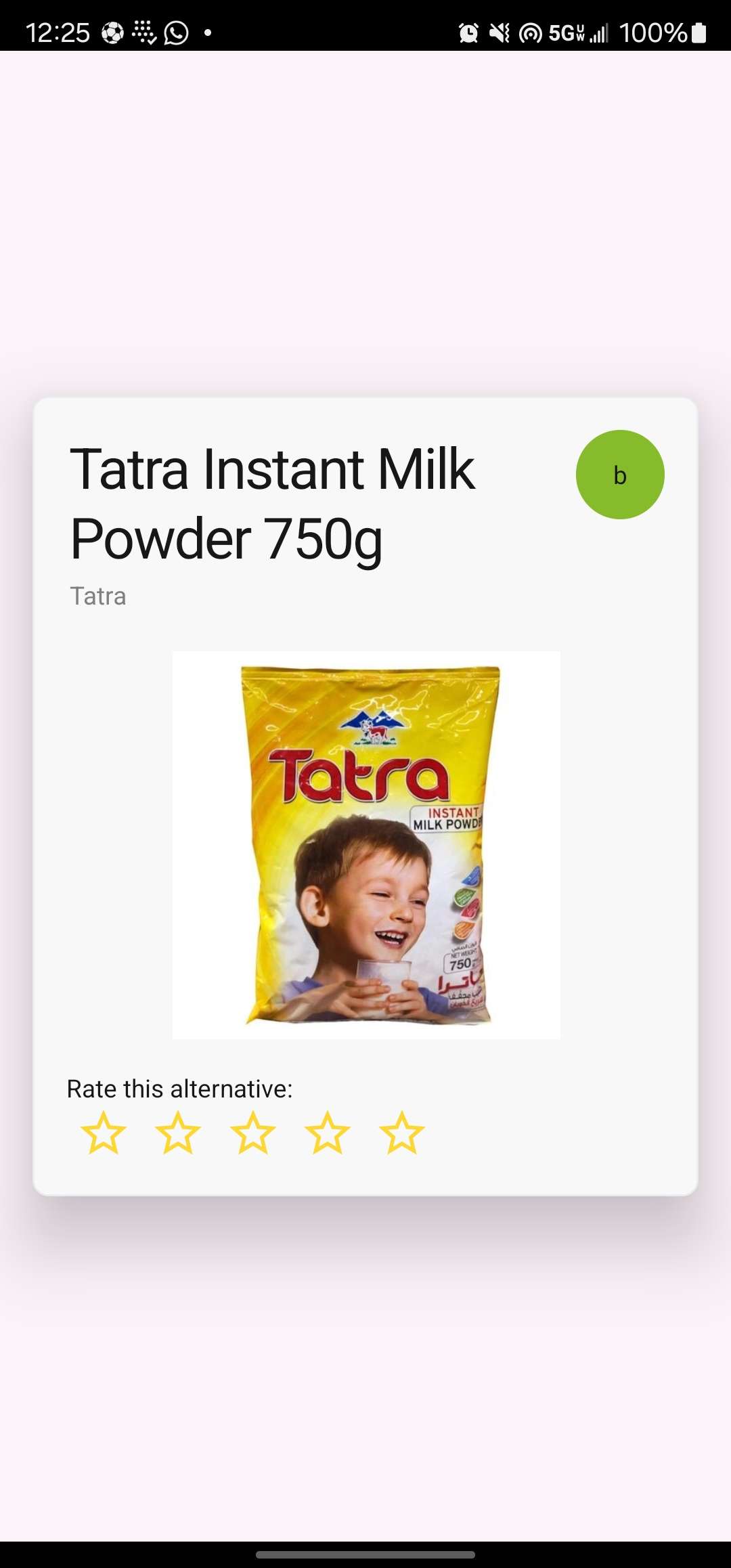
The catalogue screen users are routed to when they scan a barcode
-
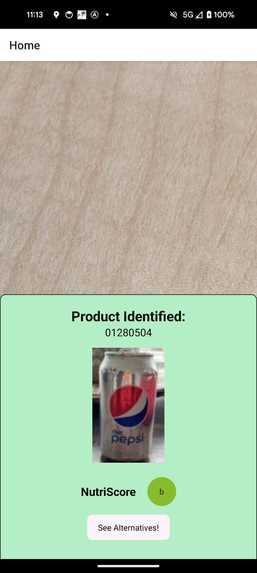
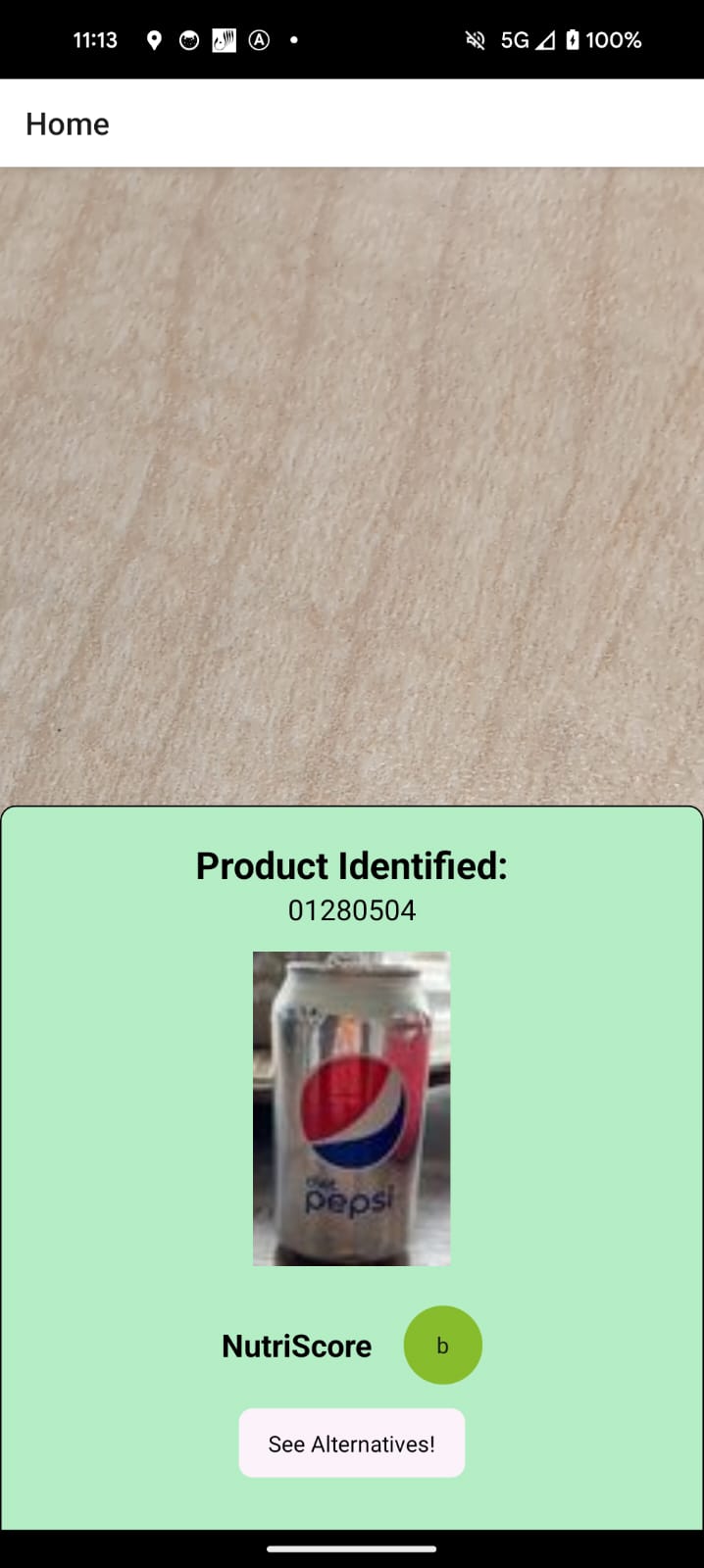
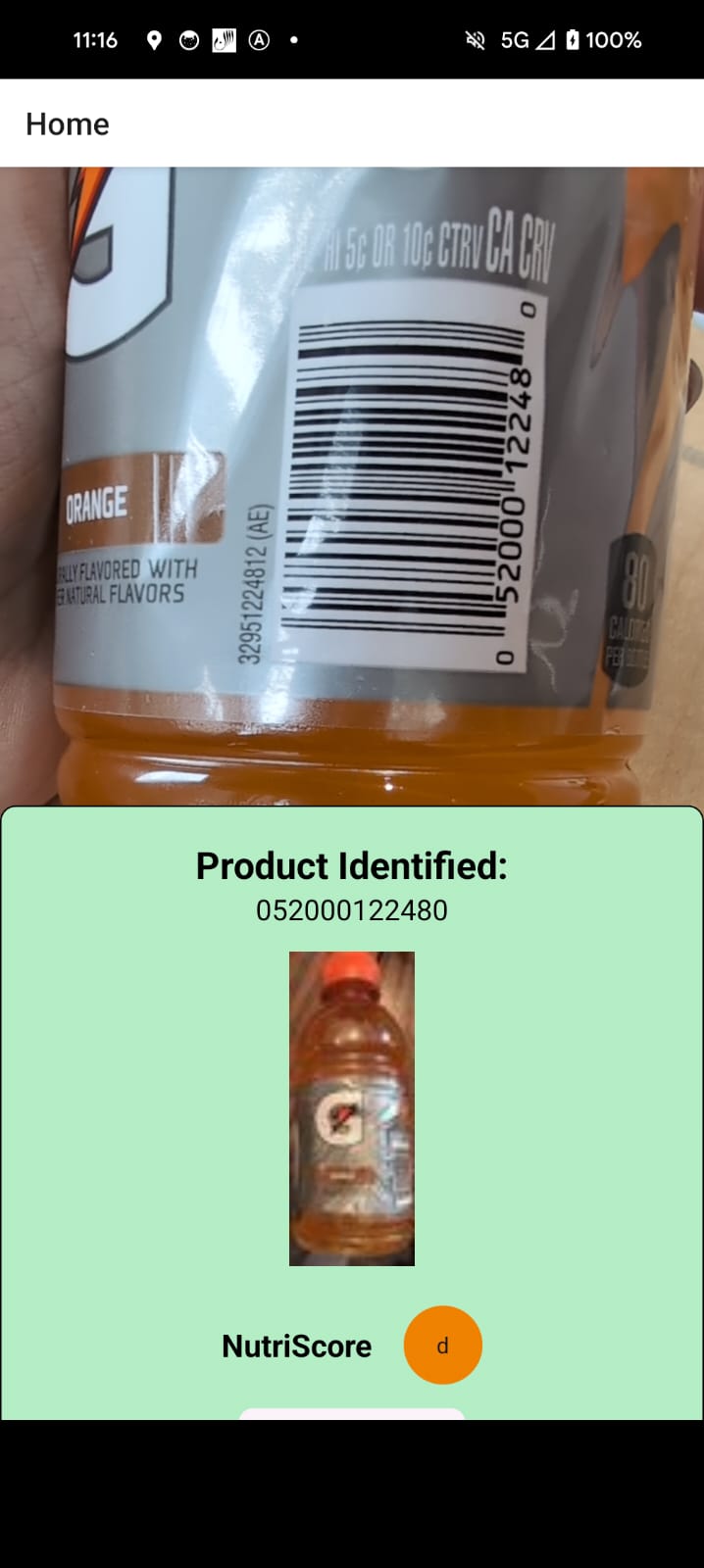
The scan screen modal which initiates the backend query
-
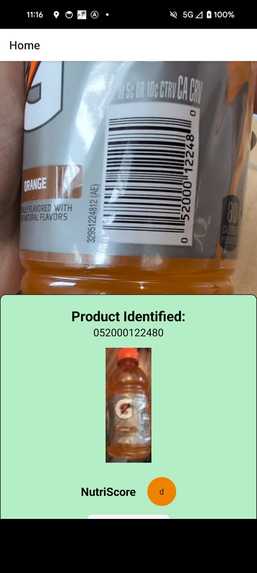
A barcode scanning in action
-
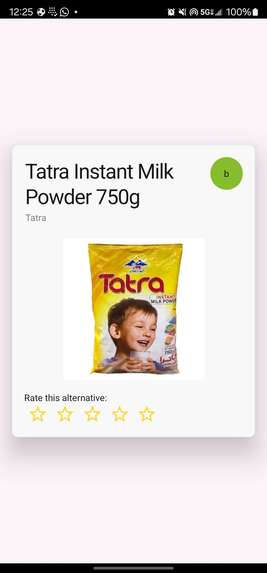
Each product can be clicked on to expand details about it
Inspiration
Having seen firsthand the effects of hyperinflation in our home country, and how it prices out the vast majority of working folk from buying basic necessities as a result of their wages, we took it upon ourselves to turn to our technical expertise to try and find a solution. Some quick research revealed that a mere 12 brands are in control of 80 % of the market share of food products. This represents an unbelievably strong grip over the market by a tiny number of monopolies. We are determined to change this by serving as a medium between small businesses and working class citizens, aiding them in making far more economical purchasing decisions in their day to day lives.
What it does
The algorithm lets users scan barcodes of items they want substitutes for, and submit a search request. Our database is queried with this barcode for cheaper but similar (if not better) quality items and the result is then displayed to our users in our app. And since our appeal is crowdsourcing, these users will also be allowed to upvote items as they please, resulting in our algorithms enhancing their visibility in search results.
How we built it
The frontend was developed in React Native, using TamagUI as the component library. The backend was developed in ASP.net.
Challenges we ran into
The open food API, though very capable, did not have a filter functionality to exclude certain brands. Therefore, we resorted to a crowdsourcing approach for the data available for the app. We spent hours trying to dump their database (it's open source), however the internet limitations of OU and our laptop's processing power prevented us from doing this successfully as it is nearly 60GB in size; therefore we ended up ditching using the database and instead resorting to a fully crowdsourced solution.
Accomplishments that we're proud of
The ease of use of our React Native App, and the responsiveness of it. It is designed to be a no hassle app for shoppers on the go, finding alternatives in the matter of seconds - a task which would have taken considerably longer if done manually.
What we learned
To adapt and approach the issues we face with a fresh mind. Roadblocks are characteristics of every path worth traveling, and ours was no different. It was our growth mindset towards the challenges we faced that made us persevere and be successful in the end.
What's next for Badil
Actually use the OpenFood API to fetch alternatives, and utilize a related API which is the OpenFacts API to fetch more details about each alternative product suggested. This will make for less reliability on crowdsourcing, which we see as speeding up processing times for users - enhancing their satisfaction with the experience.


Log in or sign up for Devpost to join the conversation.