-
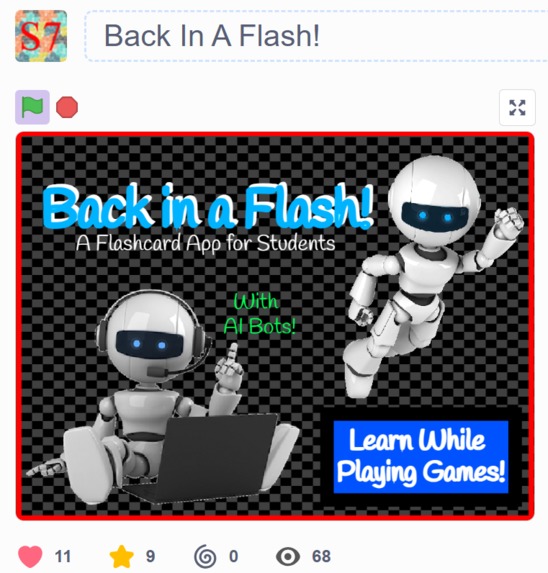
Main Project Image and Rating
-
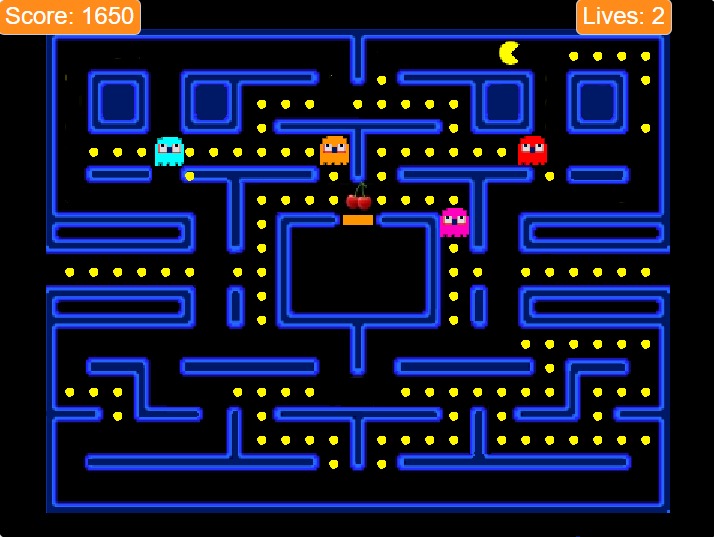
"Pac-Man" Game
-
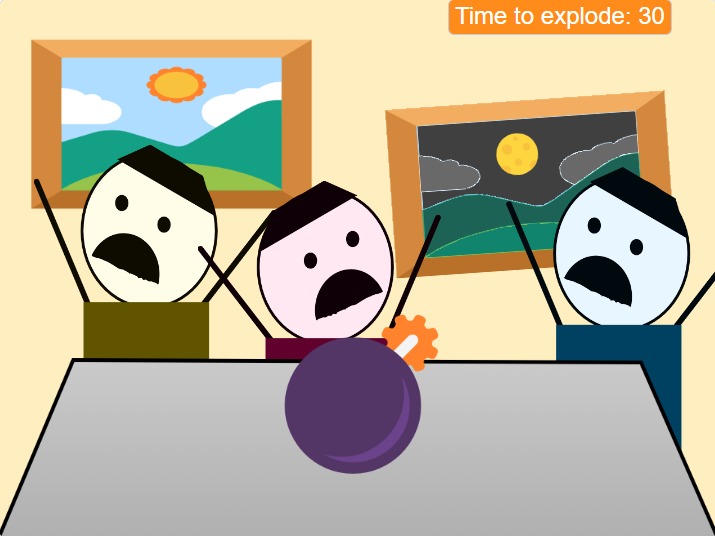
"The Race Against Time" Game
-
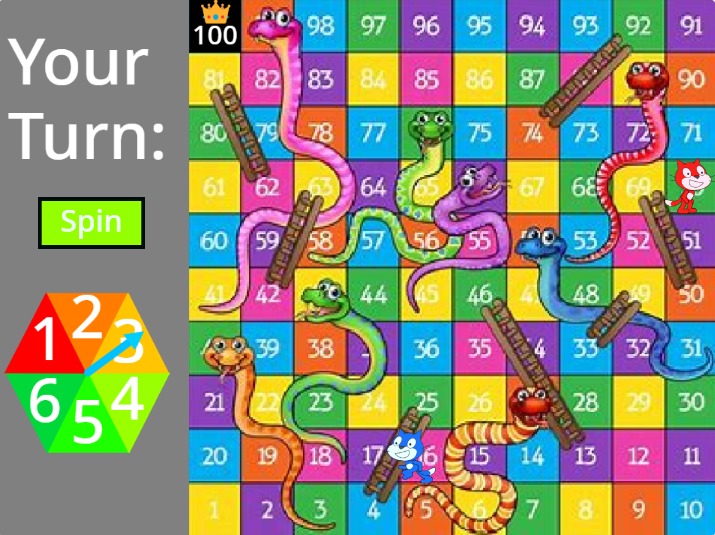
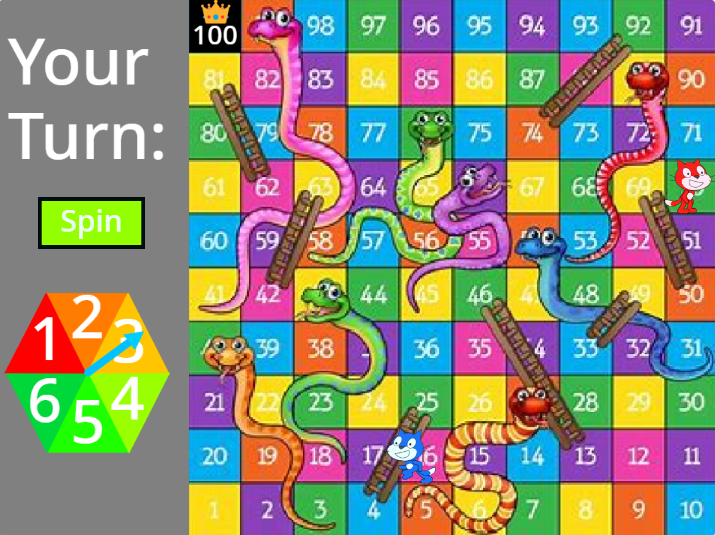
"Snakes & Ladders" Game
-
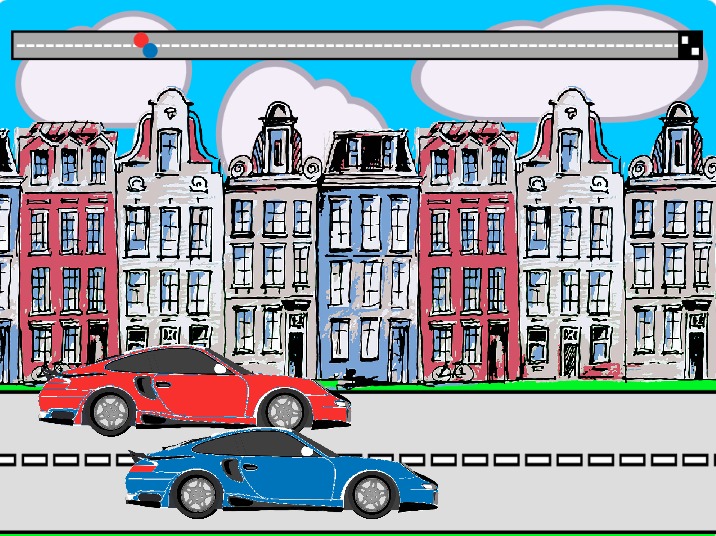
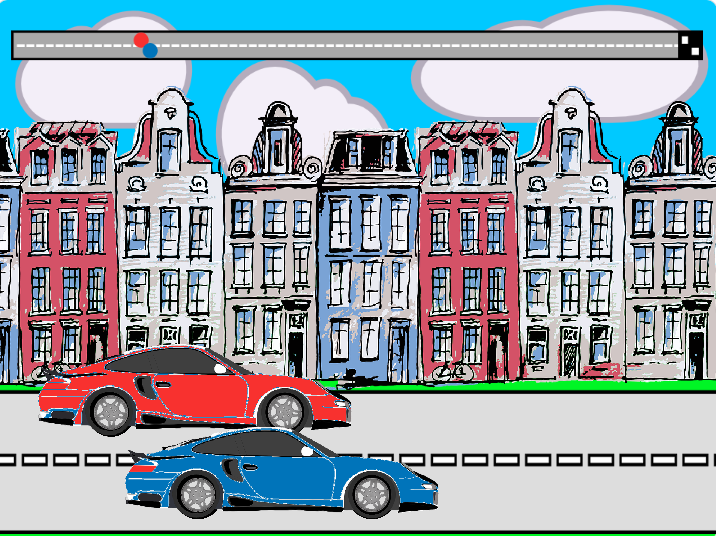
"Car Racing" Game
-
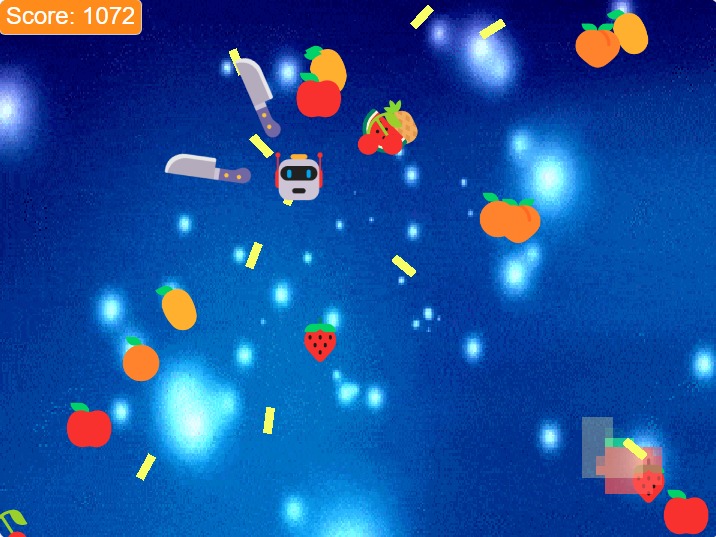
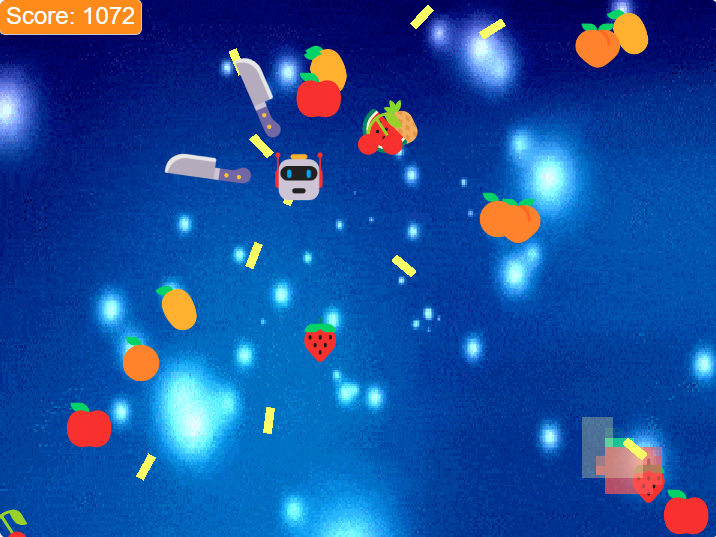
"Fruit Defense" Game
-
-
-
-

-

-




Inspiration
Inspiration for Back in a Flash comes from the research of the ways to make studying fun as well as how some children find studying boring as they couldn't find any fun in it. As research continued, it was evident that many children who play fun rewarding games while studying forget that they are even doing it. According to many sources including Learning Liftoff, children who give a break to reward themselves after a few sessions of studying perform better than those who find boredom in it. Consequently, this was my main source of inspiration to make a gaming studying tool.
What it does
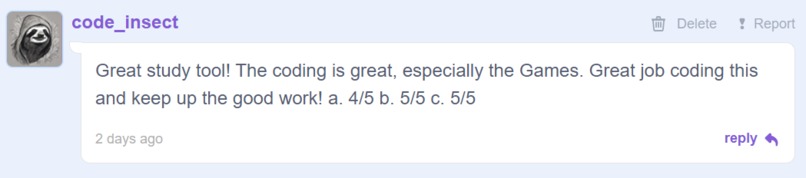
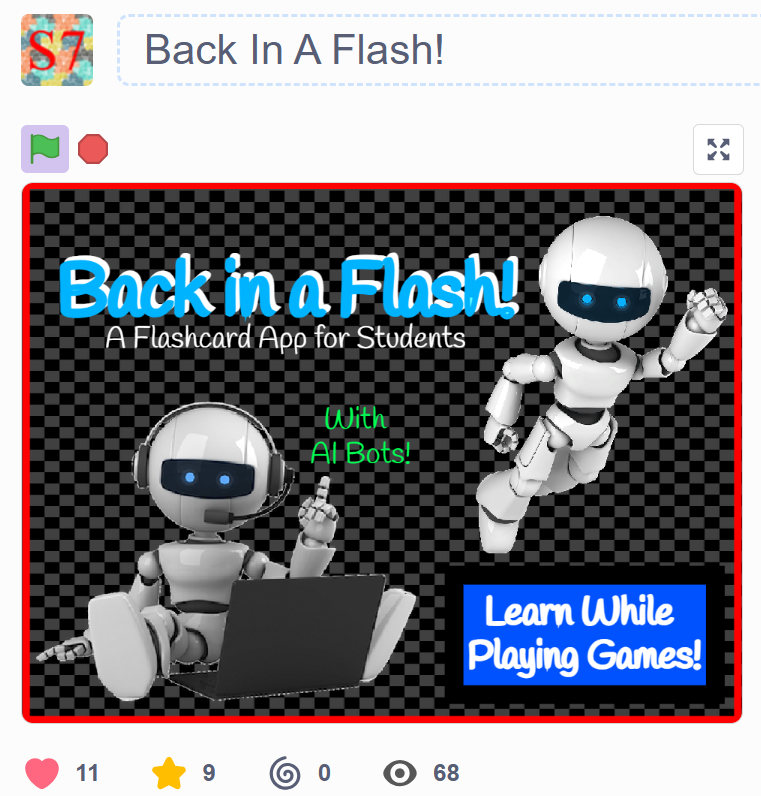
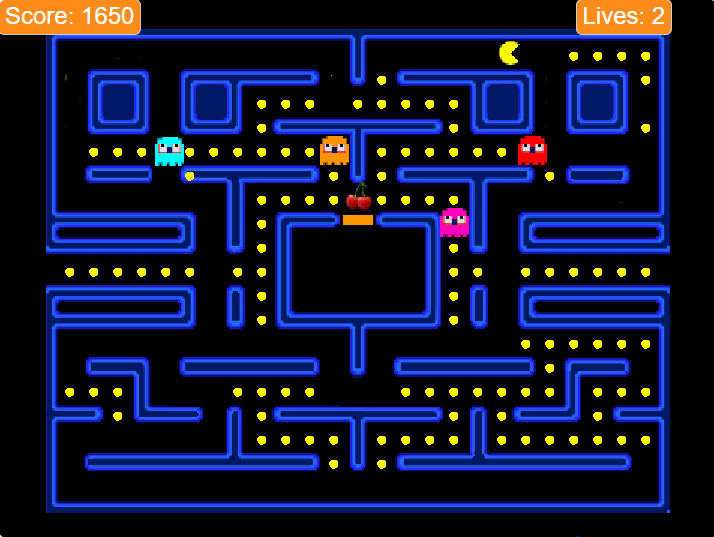
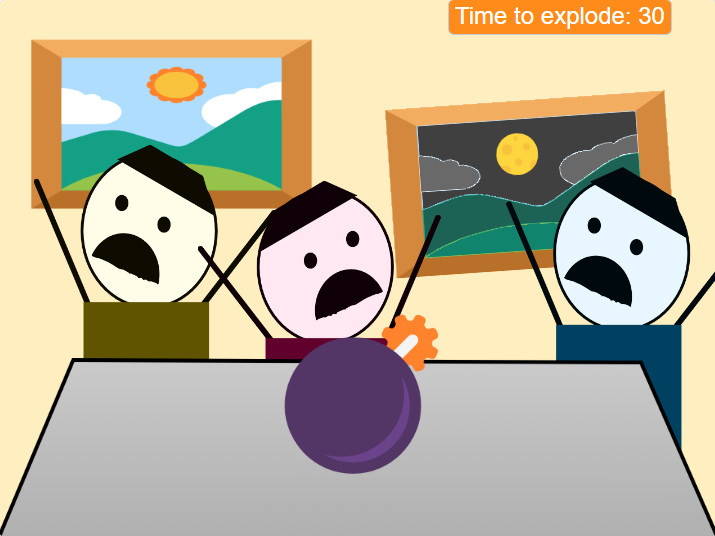
Back in a Flash has many abilities to help children study and play fun and rewarding games. Specifically, the user can interact with the GUI in order to add, delete, and study digital flashcards. After taking quizzes, the user receives points based off how well they did, and each point represents the number of exciting games they can play from the game menu. Games include Pac-Man, The Race Against Time, Snakes and Ladders, Fruit Defense (Slice), and even a Car Racing game! Pac-Man, Snakes and Ladders, and Car Racing all include AI bots that help make the game more fun and competitive.
How we built it
Back in a Flash was a project built using the language Turbowarp. Scratch is a programming language that uses blocks as the foundation for scripts of code. Scratch was not used to program the project, but since many children spend time playing games on the Scratch website, scratch.mit.edu was used to test out the project to see if it would help students study in a more fun way with the rewarding games. As a result, Turbowarp was the only language used in order to test the project with a cleaner UI, better toggling, and less lag. Turbowarp helped with interactive UI design, data structures, and much more.
Challenges we ran into
Many challenges arose during the programming session of the project, including the tedious and difficult work of giving the AI in the Snakes and Ladders game to detect a ladder, snake, or the end of the board in order to move "up," since the board is a 2d picture on the screen. Another challenge was how different objects were used to represent the AI in the Car Racing game, and synchronizing everything together to make it a competitive, entertaining bot was difficult. Lastly, lag and clone errors had always been a problem throughout, which is why Turbowarp was used more to handle it better.
Accomplishments that we're proud of
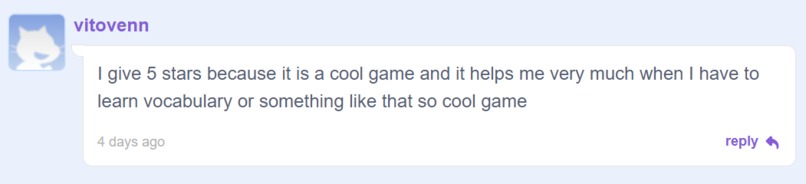
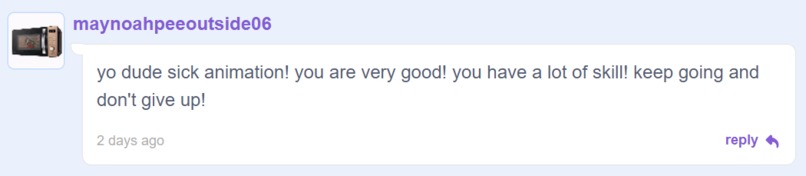
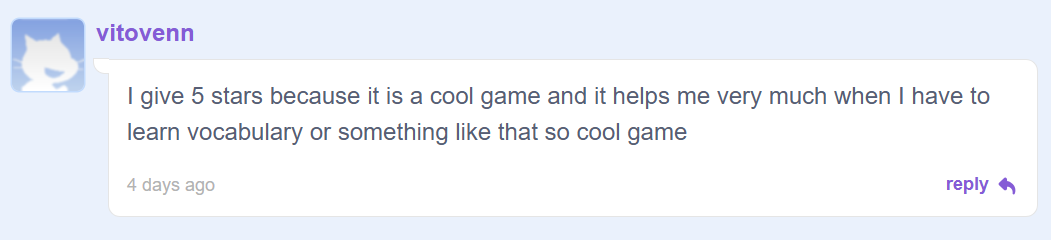
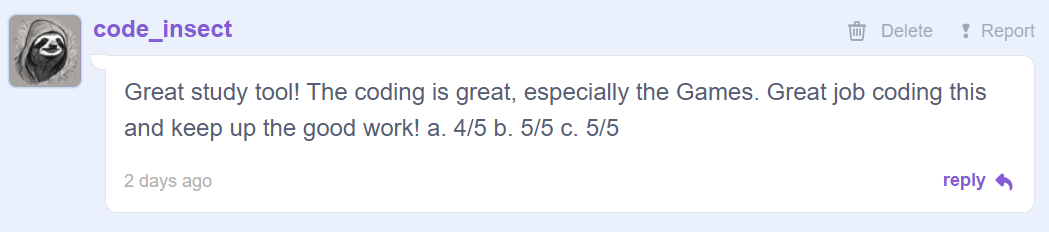
Some accomplishments that have been reached through the programming of this project is how right after sharing it on scratch.mit.edu, a website where many children spend their time playing games, many users loved and favorited the project. Many users rated the project out of five stars. So far, eleven users have given it five stars and seven gave it four. This was a huge achievement as many users stated that using Back in a Flash made studying more fun. But most importantly, most users enjoyed the games that were implemented in the project, as there was a wide variety to play in the game menu.
What we learned
By programming this project, I learned how much children love playing games, especially from the users on scratch.mit.edu that have been using our project. Other than that, I learned how AI bots can be programmed while trying to create fun games for the user. This project helps children play games while studying, and as a result, it was clear that games really help a children enjoy their day more rather than a full day of studying continuously. When students balanced their time studying and playing games using Back in a Flash, I learned how mandatory it was for students to take a rewarding break for good performance.
What's next for Back in a Flash
For the future of this project, more games and study habits will be implemented for better user experience. Furthermore, study tracking, databases, and daily/weekly streaks could be added that can also require the user to play more games, which can make students more excited in studying as a result while spending and enjoying their time in having fun. With more games implemented in the project, more students will be willing to not only use Back in a Flash but also save their time by studying and playing simultaneously. Overall, more games and daily game streaks are coming soon.
Built With
- collision-detection-algorithms
- event-driven-programming
- game-state-management
- interactive-ui-design
- list-and-variable-data-structures
- randomized-game-mechanics
- sprite-based-animation-systems
- turbowarp


Log in or sign up for Devpost to join the conversation.