-
-
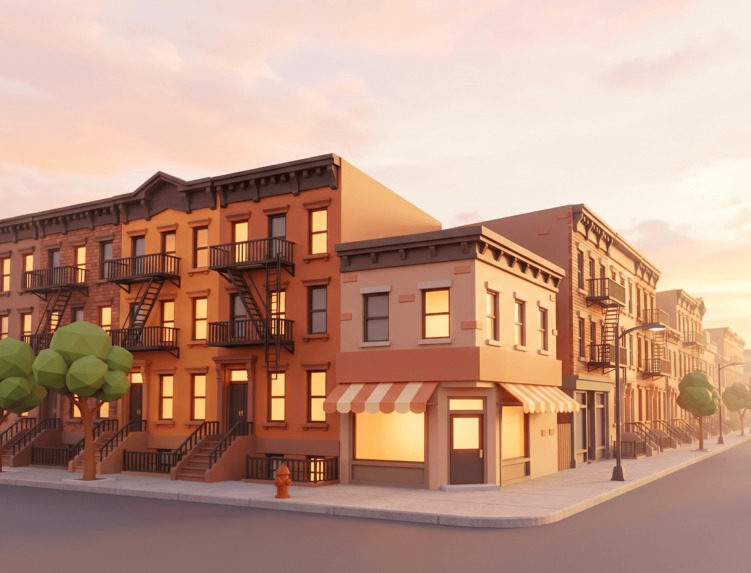
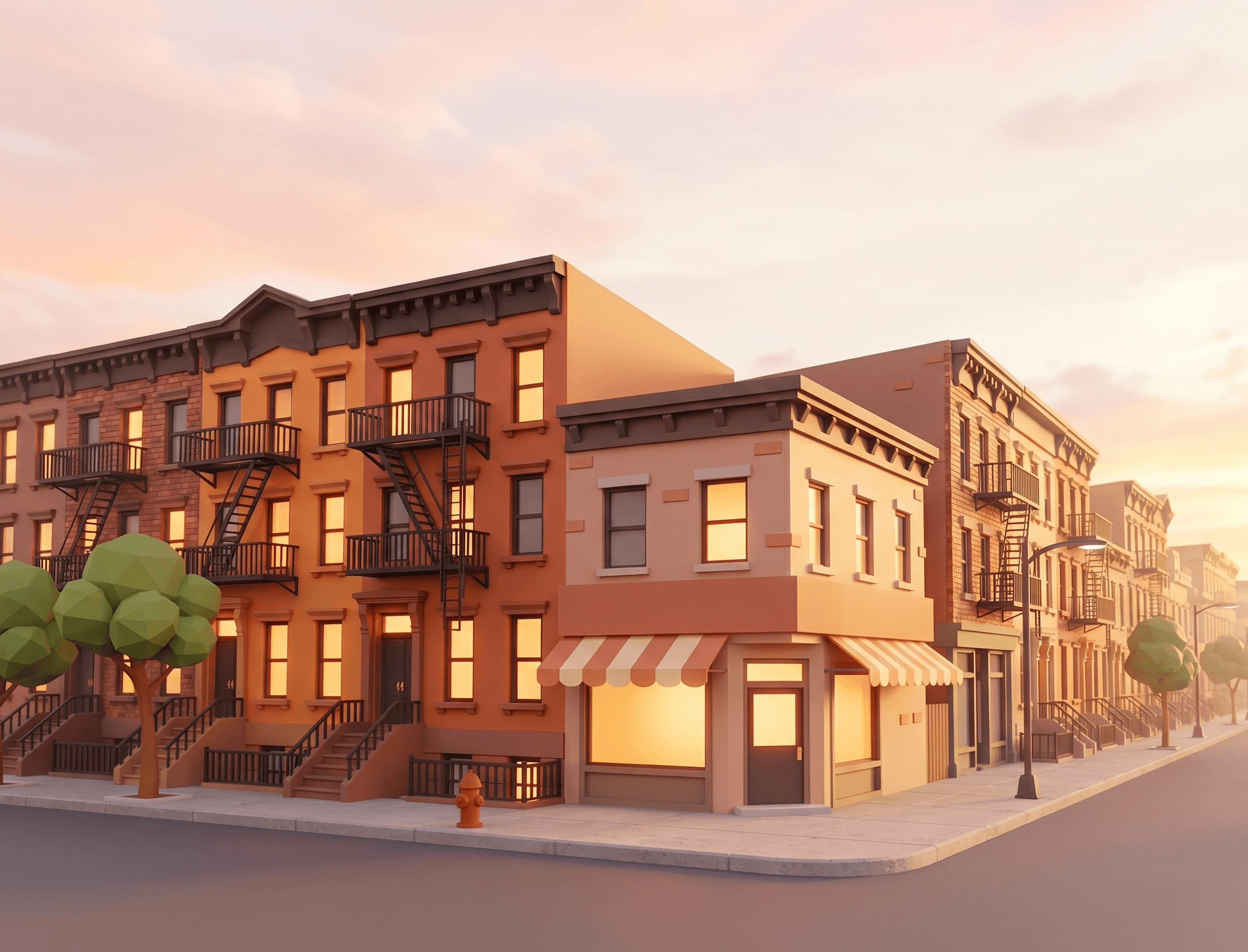
The Brooklyn block at dawn where the World takes place in
-
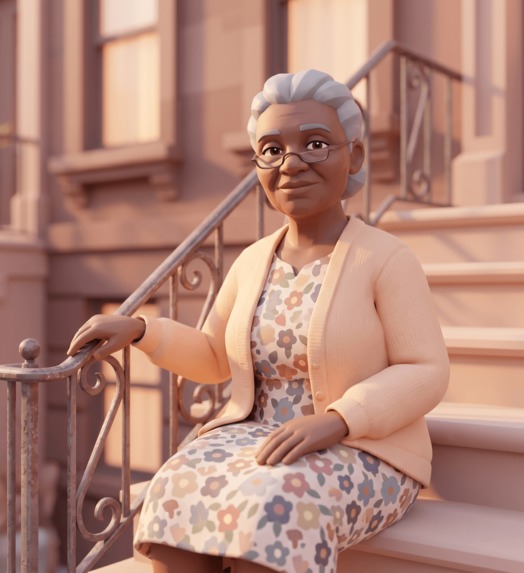
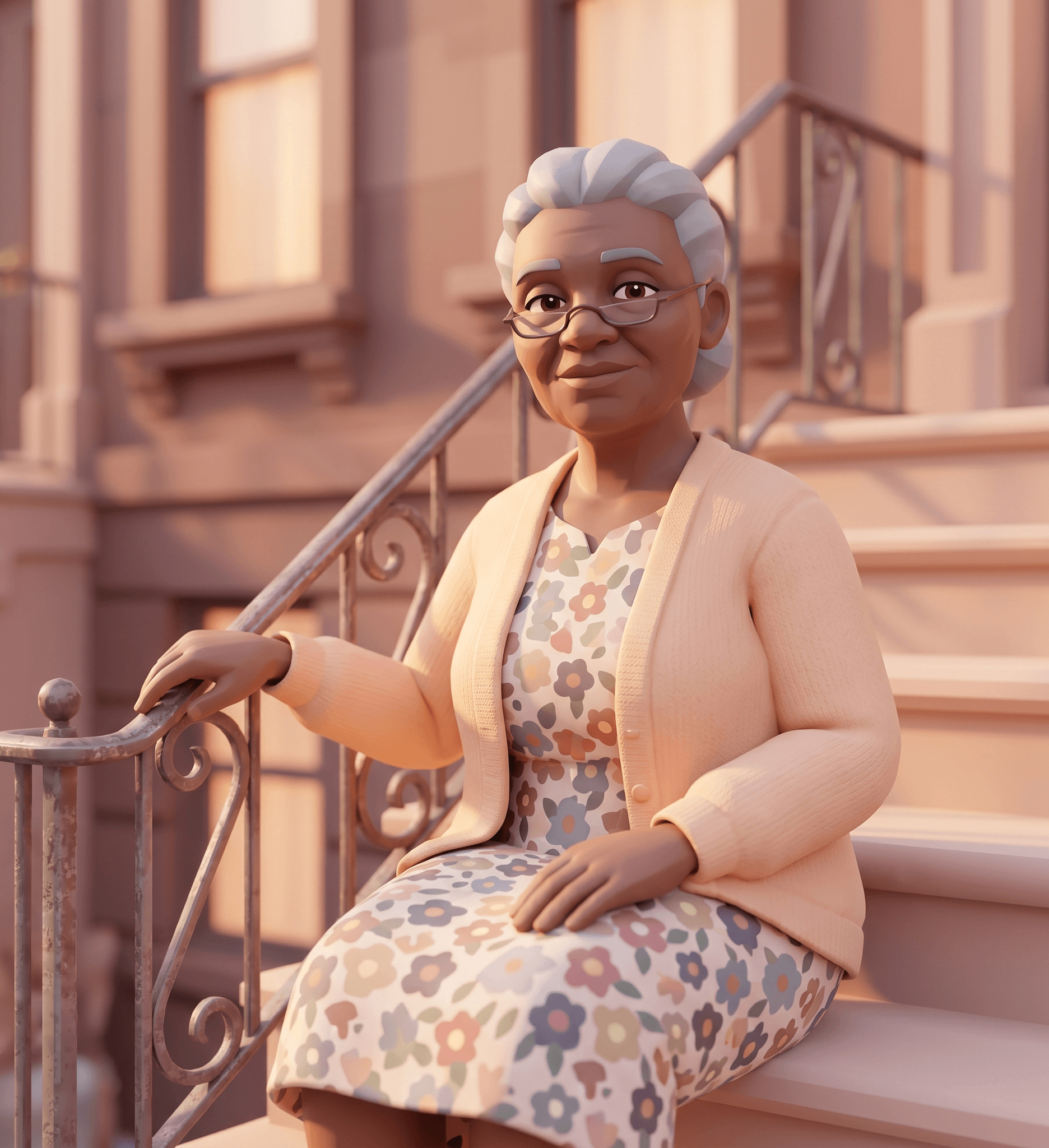
Miss Dot — stoop, dawn
-
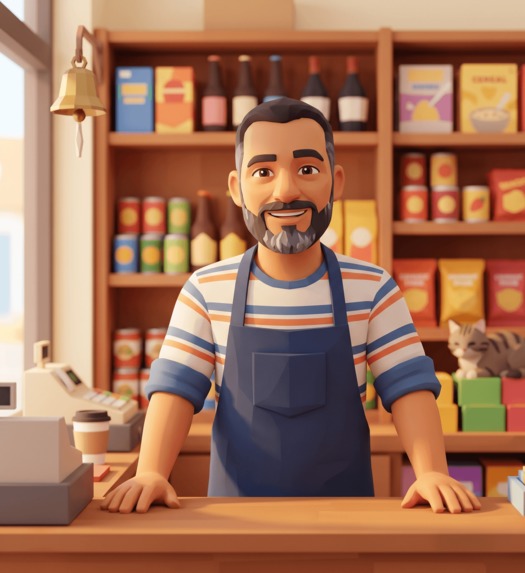
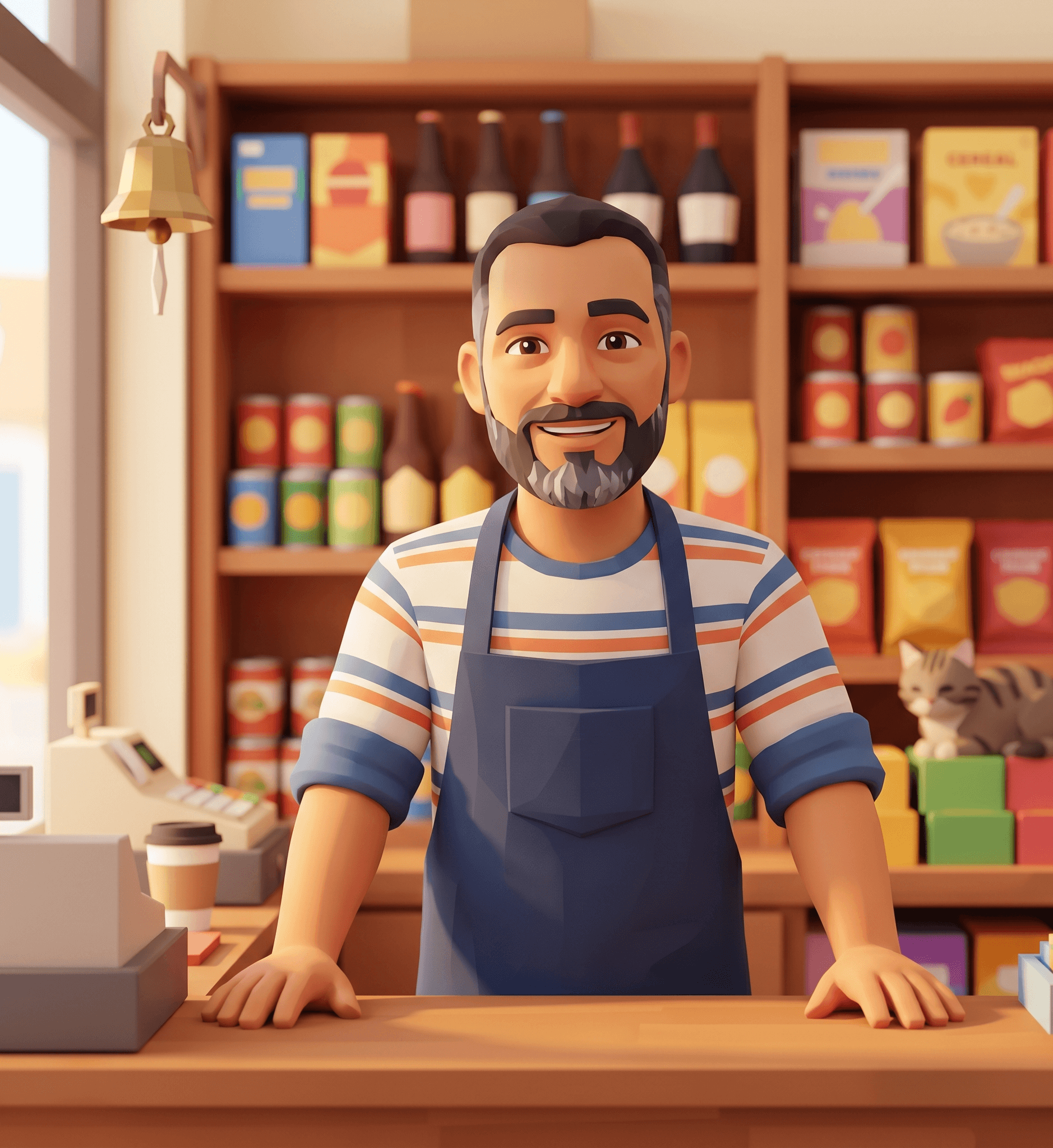
Tito — bodega counter, mid-morning
-
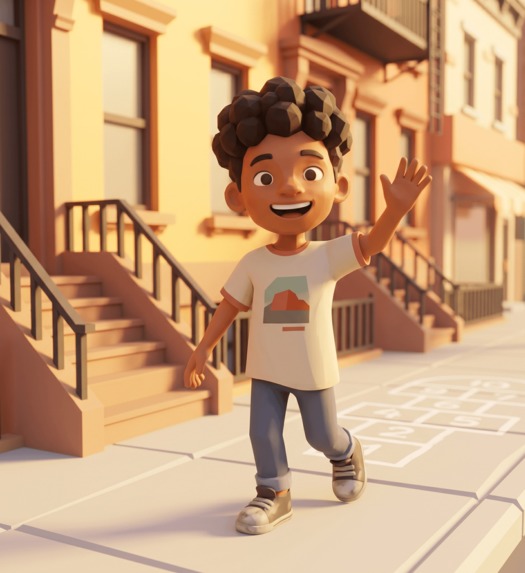
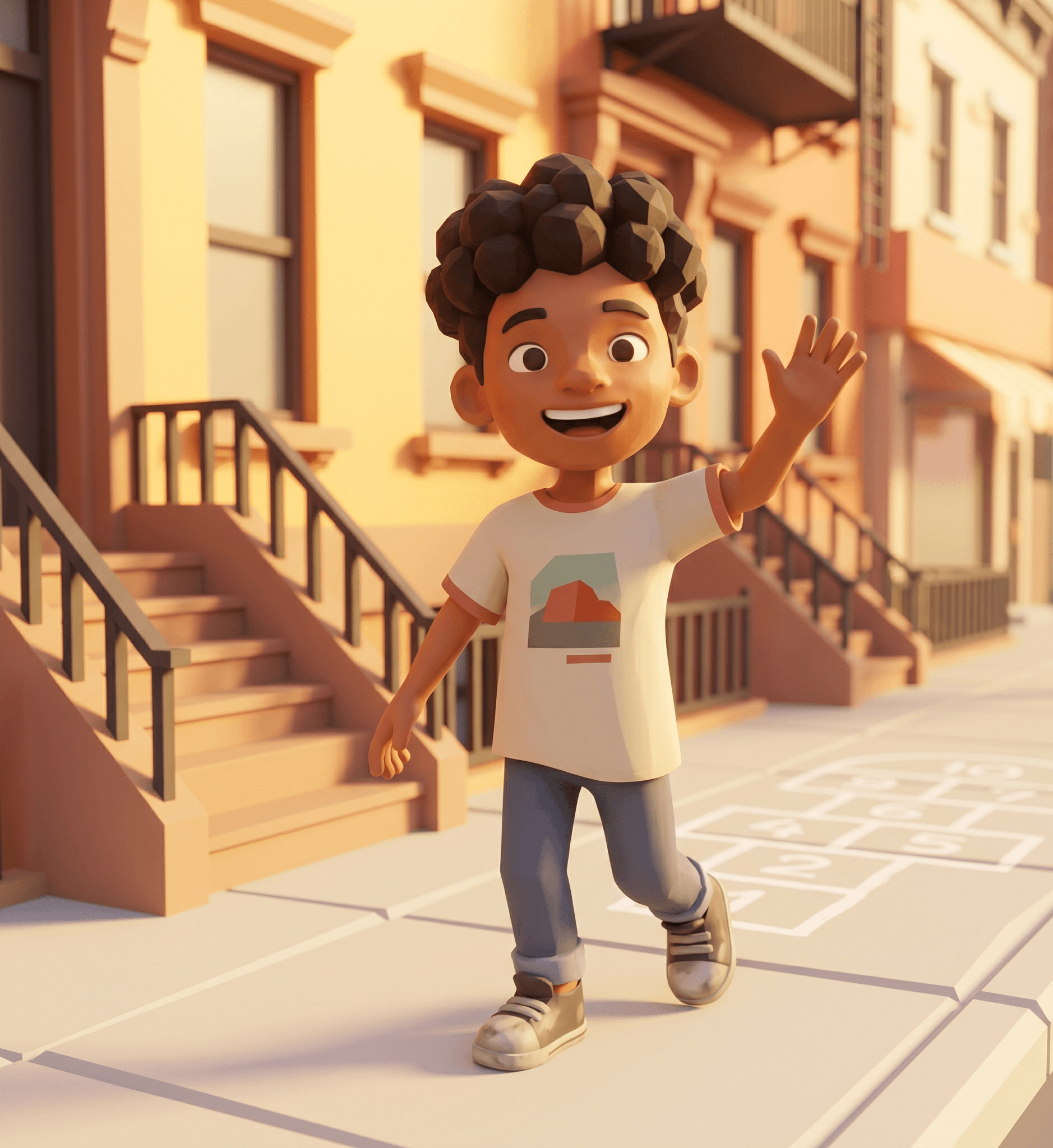
Junior — sidewalk wave-along, all day
-
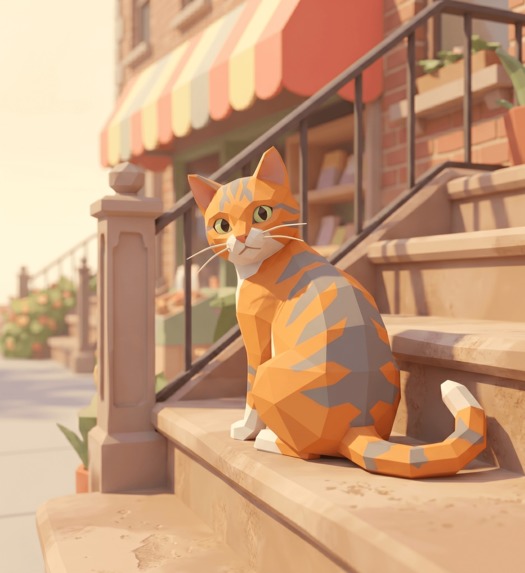
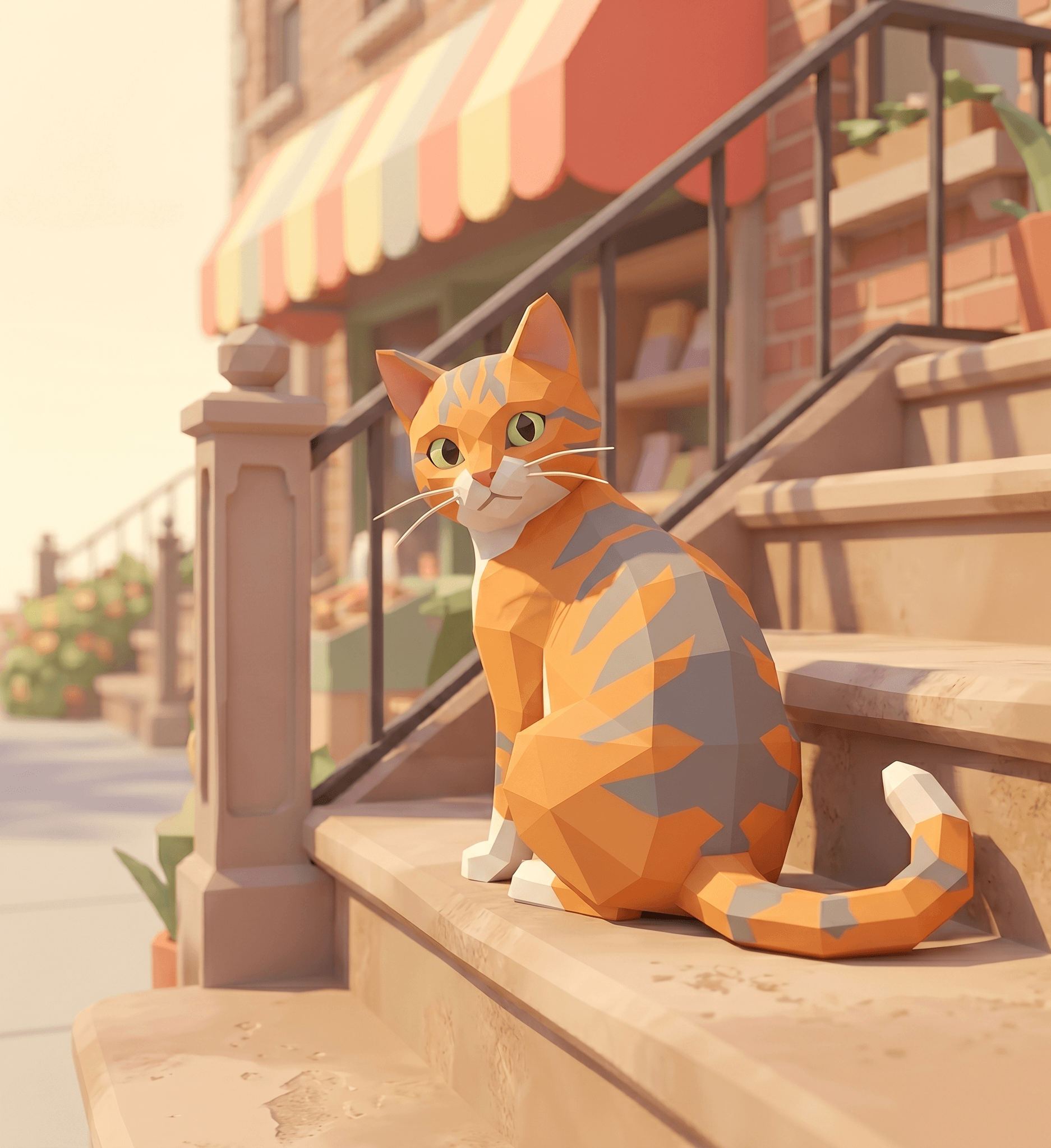
elusa — stoop cat side eye glance-back, mid-morning
-

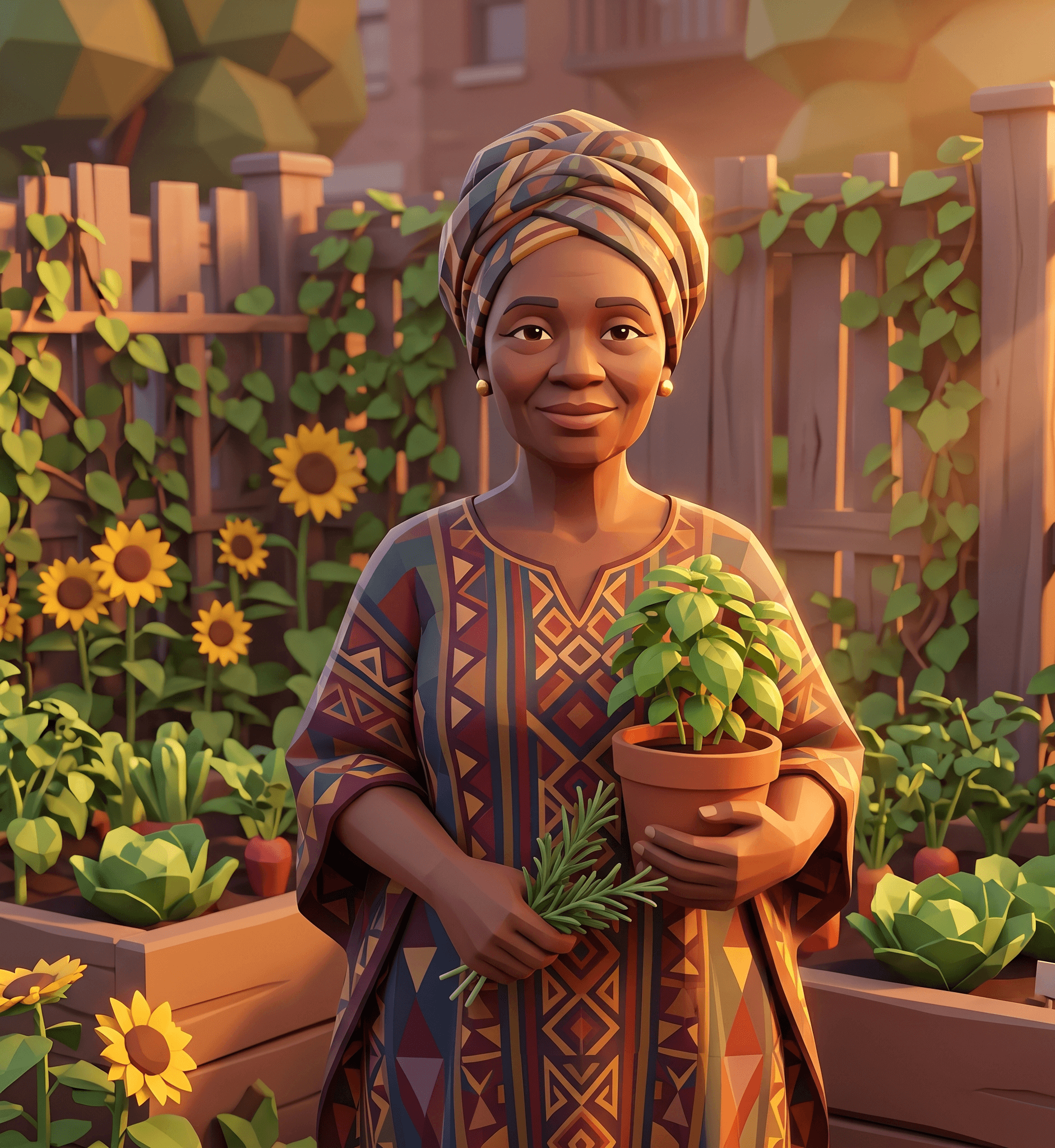
Yaya — community garden, golden hour
-
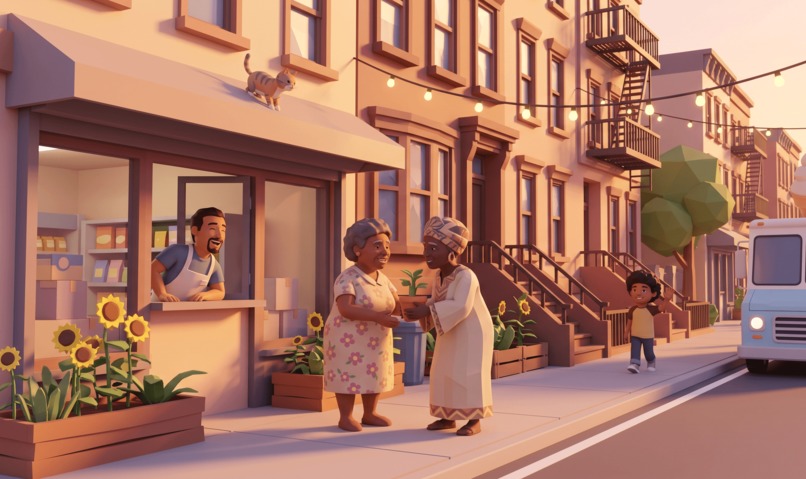
Mid day on the Block
Inspiration
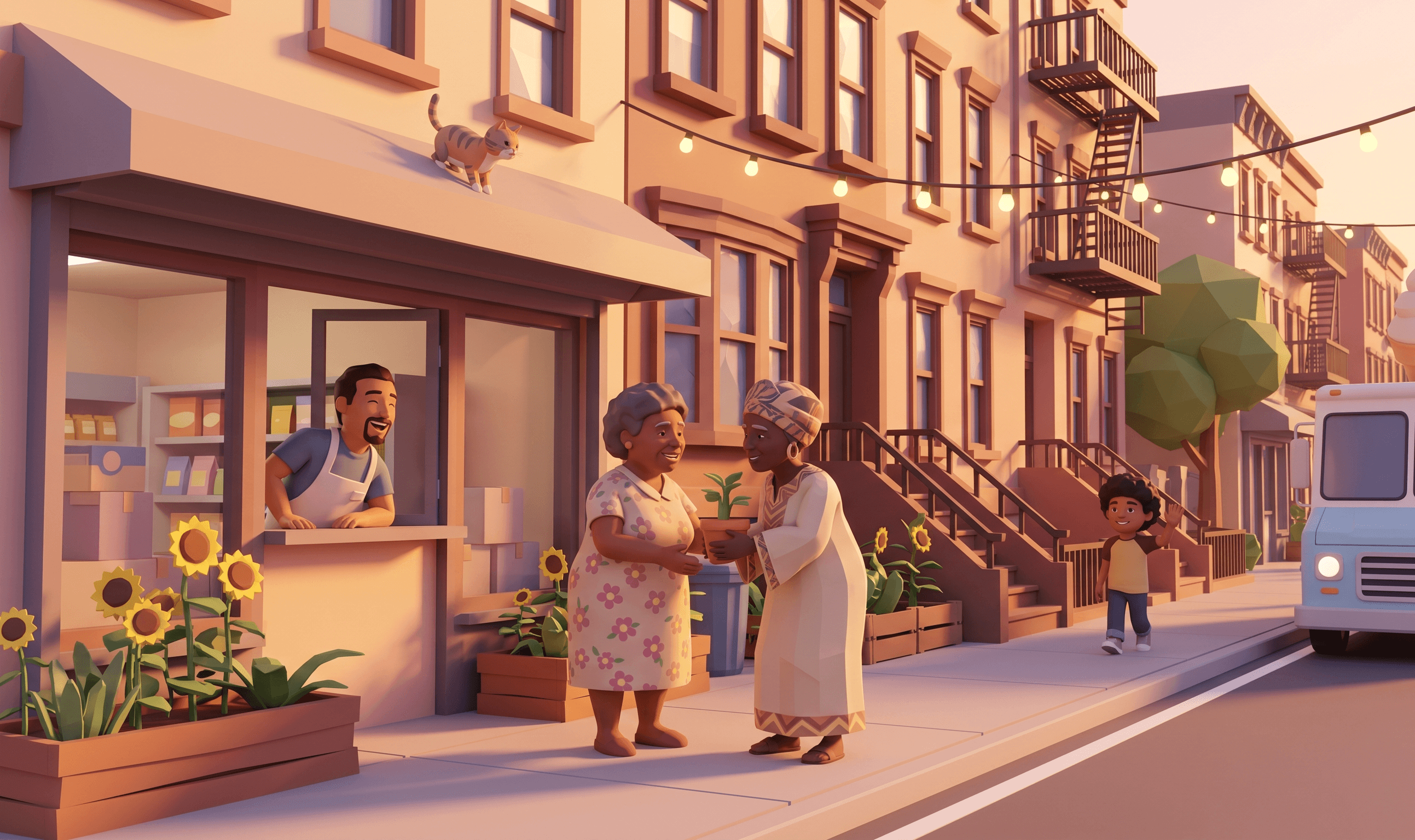
Back Around started with a feeling most cozy games skip: not the joy of building a town from nothing, but the quieter ache of coming home. We're a Brooklyn studio, and the thing we kept circling was the specific magic of a single city block on a summer day — the bodega cat that knows the route better than you do, the Mister Softee jingle that tells time better than a clock, the domino table you can't just sit down at until someone vouches for you.
Most life-sims hand you an empty place to fill. We wanted to invert that. What if the block was already full — full of routines, relationships, and small knowledge — and the whole game was the joy of slowly understanding how it all fits together? What if collecting wasn't about loot, but about people? And what if the day looped, not as a grind, but as a second chance to catch the thing you just missed?
That gave us our core promise: a returning local relives one looping day on their old block, carrying memory forward each loop, learning the rhythms of eight neighbors well enough to make the whole neighborhood glow at once. No villain. No fail state. The only antagonist is your own incomplete attention.
What it does
Back Around is a cozy Simulation & Management life-sim set on one looping Brooklyn block. You play a returning local reliving a single day from dawn to neon night. When night falls, the day comes back around — items reset, but everything you learned stays with you.
- The block is a system. Eight neighbors are each both a character and a node in the day's clockwork. Miss Dot opens at dawn; Tito's bodega counter routes the block's errands; Mr. Osei the tailor returns favors slowly; Don Rafa's domino table only seats you once you're vouched for; and Mister Softee isn't a person at all — he's a diegetic clock, a jingle you learn to read time by.
- Progression is knowledge, not gear. There's no XP bar and nothing to buy. You advance by understanding the block more deeply, tracked through per-neighbor trust tiers and a living Almanac that fills in as you learn — routines, wants, hidden paths (follow the cat), and the timing windows that connect them.
- Block Aliveness is the single management readout — a communal meter that lights up as your well-timed connections bring the neighborhood to life.
- Phased co-presence. Other players appear as luminous, out-of-phase echoes, drifting through their own version of the day. The block always feels inhabited and shared, but your personal loop is never disrupted — and Block Aliveness is communal, so a living world greets every returning player.
The skill ceiling is a feeling, not a high score: the all-at-once glow, a single loop where you finally catch every node at its perfect hour and the whole block lights simultaneously.
How we built it
We approached this as a complete pre-production package, designed for Meta Horizon Worlds and its native toolset:
- Design backbone first. We pinned the entire game down in a Game Design Document — pillars, core loop, progression, retention — and pressure-tested the concept across ten critique passes before writing a line of build plan. Every later artifact (Player Journey Map, Visual Concept Package, Production Plan) hangs off that spine.
- Built on Horizon primitives, no exotic tech. The day clock, trust-tier state, Almanac data, and Block Aliveness logic run on Horizon's TypeScript scripting. Neighbors use NPC gizmos with navigation mesh for their routes and open-hours. The loop's "knowledge persists, items reset" behavior maps onto Horizon's time/state systems and the persistence gizmo.
- Vertical-slice production sequencing. Our plan front-loads the riskiest systems: greybox the block, then prove the entire loop on one node (catch Tito at his hour; reset the day; keep the memory) before scaling to eight. Everything after that first node is replication and refinement, not invention.
- Art direction as performance strategy. The clean, stylized low-poly look isn't just an aesthetic — it's the GPU budget. High-poly meshes are the primary cost, so our visual identity doubles as our optimization plan.
- AI as a design thought-partner. We used Claude to pressure-test the loop, structure the documents, and draft copy, and MidJourney + Nano Banana (Gemini) for concept-art exploration across characters, environments, and key art.
Challenges we ran into
- Eight animated NPCs vs. a 72 FPS floor. This was the hardest constraint. Horizon targets 72 FPS for interactive worlds, and eight simultaneously animated NPCs on navmeshes is the single biggest GPU threat. We solved it in the design, not after: low-poly meshes, hour-gated activity (neighbors are most active only at their own hour, so animation load is naturally staggered), and LOD/culling for distant and off-phase nodes.
- How to be multiplayer without breaking the loop. This was the central design debate. A personal time-loop and live co-op pull in opposite directions — sync two players and you destroy the savoring; isolate them and you lose presence. The breakthrough was the phased-echoes model: everyone runs their own loop, but sees others as luminous out-of-phase forms, with a communal aliveness meter. It delivers genuine social presence while protecting the personal loop — and, bonus, out-of-phase echoes are far cheaper to render than synchronized rigs.
- Making a reset feel like hope, not repetition. A loop that just repeats is tedious. The fix was an engineered first-loop near-miss — a connection you can see but can't quite reach in time. That "I wish I'd reached them" beat is what turns the reset into relief and hope: you loop again not because a meter nags you, but because you now know you can catch what you missed.
- Teaching the loop with no tutorial. Cozy games die on pop-ups. We made Junior, the second-gen kid, a wordless tutorial — your mirror, who you used to be — so the mechanic is taught by living the day rather than by an instruction box.
Accomplishments that we're proud of
- A cozy-management design where the resource being optimized is the life of a neighborhood — and where collecting genuinely means reconnecting.
- The phased co-presence model: a single architectural idea that solves the social problem, the loop-integrity problem, and a performance problem at once.
- A cast that's a real NYC crossroads of diasporas — Caribbean, West African, Puerto Rican, second-generation — used as the actual texture of a block rather than decoration, with specificity as the moat.
- A complete, coherent pre-production package — GDD, Player Journey Map, Visual Concept Package, and Production Plan — that reads as one focused vision rather than a pile of ideas.
What we learned
- Specificity is a feature, not a risk. The more particular the block got — its diasporas, its food smells, its afternoon light — the stronger the concept became. A real, particular place earns loyalty a generic cozy town never will.
- Performance is a design discipline, not a final-pass cleanup. Our most important technical decisions (low-poly art, hour-staggered NPCs, phased echoes) were design decisions first. Treating the 72 FPS floor as a creative constraint made the game better, not just faster.
- The best mechanics carry emotion, not just state. The loop only works because the near-miss makes the reset feel like something. Engineering an emotional dip on purpose was the most counterintuitive — and most important — lesson.
- Cut discipline is what makes a vision legible. Everything we deferred maps cleanly to a larger plan, so the MVP reads as a focused first slice rather than a stripped-down compromise.
What's next for Back Around
- Sync-on-invite co-op. Let two friends collapse their phases into a shared loop on invite and experience the same day together. The phased-echo architecture was built to receive this without rewriting the social model.
- Deeper seasonal and event layers. Block-wide moments — a stoop party, a street fair, a snow day — that temporarily rewrite every neighbor's hour and reward veterans who can re-read a familiar block under new rules.
- An expanded Almanac and collectible memories. Personal mementos that accrete across loops, giving long-term players a tangible, sentimental record of their relationship with the block.
- More blocks. Adjacent blocks with their own casts and clocks, connected by shared characters — the same NYC, one corner at a time.
Back Around — one block, one looping day. Come back around.
Inspiration
Back Around started with a feeling most cozy games skip: not the joy of building a town from nothing, but the quieter ache of coming home. We're a Brooklyn studio, and the thing we kept circling was the specific magic of a single city block on a summer day — the bodega cat that knows the route better than you do, the Mister Softee jingle that tells time better than a clock, the domino table you can't just sit down at until someone vouches for you.
Most life-sims hand you an empty place to fill. We wanted to invert that. What if the block was already full — full of routines, relationships, and small knowledge — and the whole game was the joy of slowly understanding how it all fits together? What if collecting wasn't about loot, but about people? And what if the day looped, not as a grind, but as a second chance to catch the thing you just missed?
That gave us our core promise: a returning local relives one looping day on their old block, carrying memory forward each loop, learning the rhythms of eight neighbors well enough to make the whole neighborhood glow at once. No villain. No fail state. The only antagonist is your own incomplete attention.
What it does
Back Around is a cozy Simulation & Management life-sim set on one looping Brooklyn block. You play a returning local reliving a single day from dawn to neon night. When night falls, the day comes back around — items reset, but everything you learned stays with you.
- The block is a system. Eight neighbors are each both a character and a node in the day's clockwork. Miss Dot opens at dawn; Tito's bodega counter routes the block's errands; Mr. Osei the tailor returns favors slowly; Don Rafa's domino table only seats you once you're vouched for; and Mister Softee isn't a person at all — he's a diegetic clock, a jingle you learn to read time by.
- Progression is knowledge, not gear. There's no XP bar and nothing to buy. You advance by understanding the block more deeply, tracked through per-neighbor trust tiers and a living Almanac that fills in as you learn — routines, wants, hidden paths (follow the cat), and the timing windows that connect them.
- Block Aliveness is the single management readout — a communal meter that lights up as your well-timed connections bring the neighborhood to life.
- Phased co-presence. Other players appear as luminous, out-of-phase echoes, drifting through their own version of the day. The block always feels inhabited and shared, but your personal loop is never disrupted — and Block Aliveness is communal, so a living world greets every returning player.
The skill ceiling is a feeling, not a high score: the all-at-once glow, a single loop where you finally catch every node at its perfect hour and the whole block lights simultaneously.
How we built it
We approached this as a complete pre-production package, designed for Meta Horizon Worlds and its native toolset:
- Design backbone first. We pinned the entire game down in a Game Design Document — pillars, core loop, progression, retention — and pressure-tested the concept across ten critique passes before writing a line of build plan. Every later artifact (Player Journey Map, Visual Concept Package, Production Plan) hangs off that spine.
- Built on Horizon primitives, no exotic tech. The day clock, trust-tier state, Almanac data, and Block Aliveness logic run on Horizon's TypeScript scripting. Neighbors use NPC gizmos with navigation mesh for their routes and open-hours. The loop's "knowledge persists, items reset" behavior maps onto Horizon's time/state systems and the persistence gizmo.
- Vertical-slice production sequencing. Our plan front-loads the riskiest systems: greybox the block, then prove the entire loop on one node (catch Tito at his hour; reset the day; keep the memory) before scaling to eight. Everything after that first node is replication and refinement, not invention.
- Art direction as performance strategy. The clean, stylized low-poly look isn't just an aesthetic — it's the GPU budget. High-poly meshes are the primary cost, so our visual identity doubles as our optimization plan.
- AI as a design thought-partner. We used Claude to pressure-test the loop, structure the documents, and draft copy, and MidJourney + Nano Banana (Gemini) for concept-art exploration across characters, environments, and key art.
Challenges we ran into
- Eight animated NPCs vs. a 72 FPS floor. This was the hardest constraint. Horizon targets 72 FPS for interactive worlds, and eight simultaneously animated NPCs on navmeshes is the single biggest GPU threat. We solved it in the design, not after: low-poly meshes, hour-gated activity (neighbors are most active only at their own hour, so animation load is naturally staggered), and LOD/culling for distant and off-phase nodes.
- How to be multiplayer without breaking the loop. This was the central design debate. A personal time-loop and live co-op pull in opposite directions — sync two players and you destroy the savoring; isolate them and you lose presence. The breakthrough was the phased-echoes model: everyone runs their own loop, but sees others as luminous out-of-phase forms, with a communal aliveness meter. It delivers genuine social presence while protecting the personal loop — and, bonus, out-of-phase echoes are far cheaper to render than synchronized rigs.
- Making a reset feel like hope, not repetition. A loop that just repeats is tedious. The fix was an engineered first-loop near-miss — a connection you can see but can't quite reach in time. That "I wish I'd reached them" beat is what turns the reset into relief and hope: you loop again not because a meter nags you, but because you now know you can catch what you missed.
- Teaching the loop with no tutorial. Cozy games die on pop-ups. We made Junior, the second-gen kid, a wordless tutorial — your mirror, who you used to be — so the mechanic is taught by living the day rather than by an instruction box.
Accomplishments that we're proud of
- A cozy-management design where the resource being optimized is the life of a neighborhood — and where collecting genuinely means reconnecting.
- The phased co-presence model: a single architectural idea that solves the social problem, the loop-integrity problem, and a performance problem at once.
- A cast that's a real NYC crossroads of diasporas — Caribbean, West African, Puerto Rican, second-generation — used as the actual texture of a block rather than decoration, with specificity as the moat.
- A complete, coherent pre-production package — GDD, Player Journey Map, Visual Concept Package, and Production Plan — that reads as one focused vision rather than a pile of ideas.
What we learned
- Specificity is a feature, not a risk. The more particular the block got — its diasporas, its food smells, its afternoon light — the stronger the concept became. A real, particular place earns loyalty a generic cozy town never will.
- Performance is a design discipline, not a final-pass cleanup. Our most important technical decisions (low-poly art, hour-staggered NPCs, phased echoes) were design decisions first. Treating the 72 FPS floor as a creative constraint made the game better, not just faster.
- The best mechanics carry emotion, not just state. The loop only works because the near-miss makes the reset feel like something. Engineering an emotional dip on purpose was the most counterintuitive — and most important — lesson.
- Cut discipline is what makes a vision legible. Everything we deferred maps cleanly to a larger plan, so the MVP reads as a focused first slice rather than a stripped-down compromise.
What's next for Back Around
- Sync-on-invite co-op. Let two friends collapse their phases into a shared loop on invite and experience the same day together. The phased-echo architecture was built to receive this without rewriting the social model.
- Deeper seasonal and event layers. Block-wide moments — a stoop party, a street fair, a snow day — that temporarily rewrite every neighbor's hour and reward veterans who can re-read a familiar block under new rules.
- An expanded Almanac and collectible memories. Personal mementos that accrete across loops, giving long-term players a tangible, sentimental record of their relationship with the block.
- More blocks. Adjacent blocks with their own casts and clocks, connected by shared characters — the same NYC, one corner at a time.
Back Around — one block, one looping day. Come back around.
Built With
- claude
- gemini


Log in or sign up for Devpost to join the conversation.