-
-
-
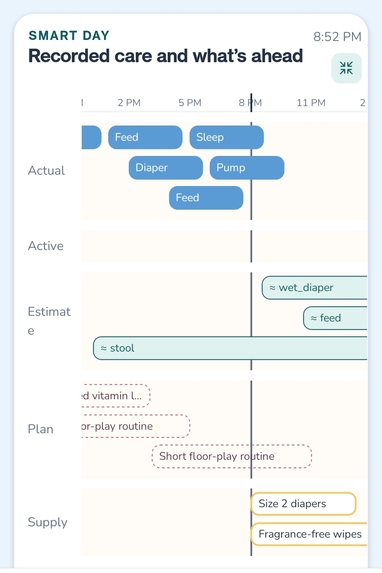
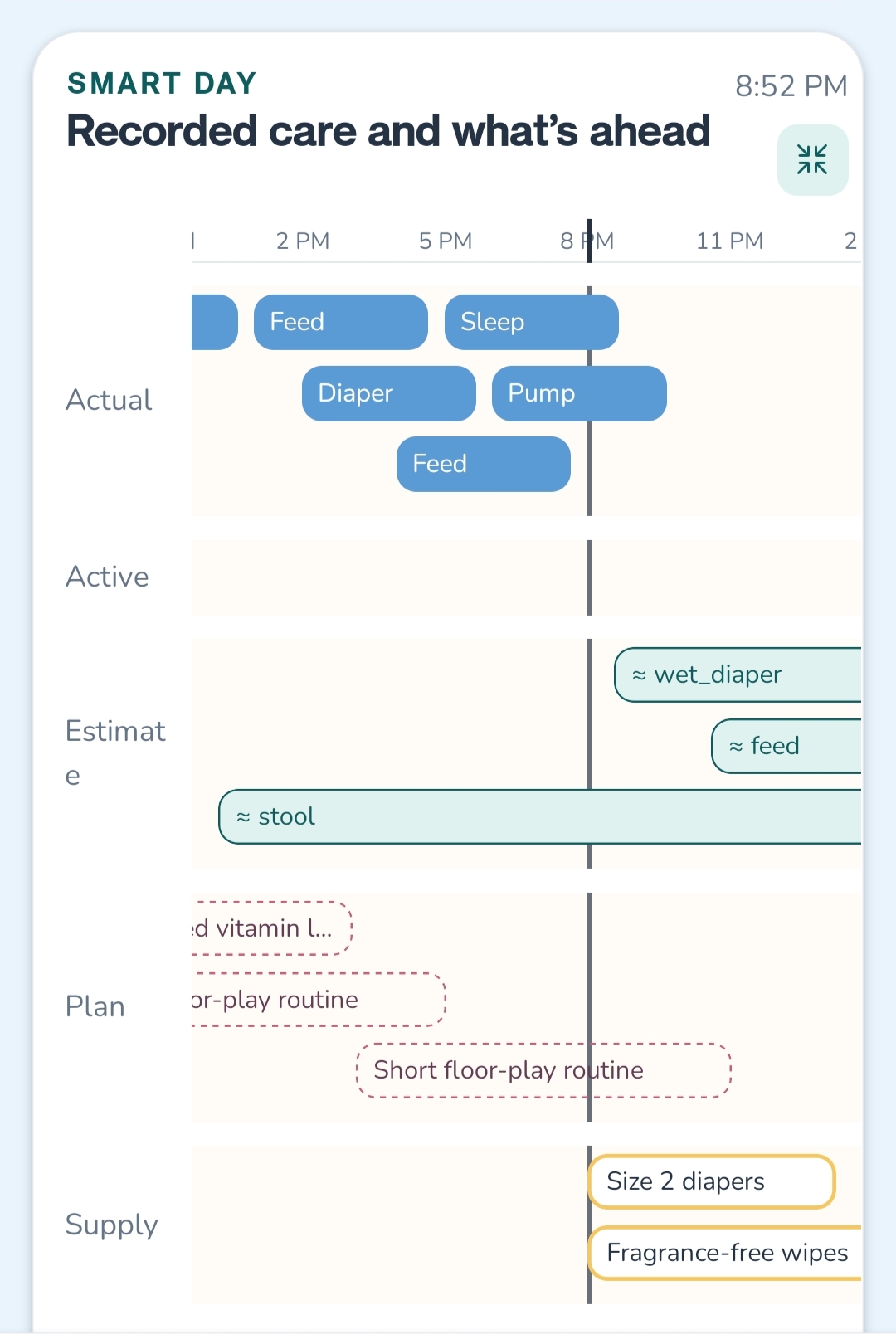
What's ahead
-
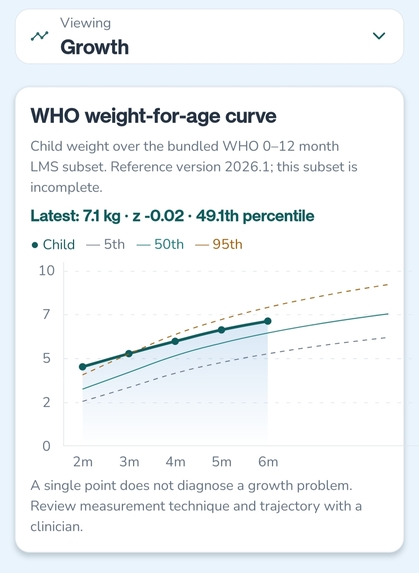
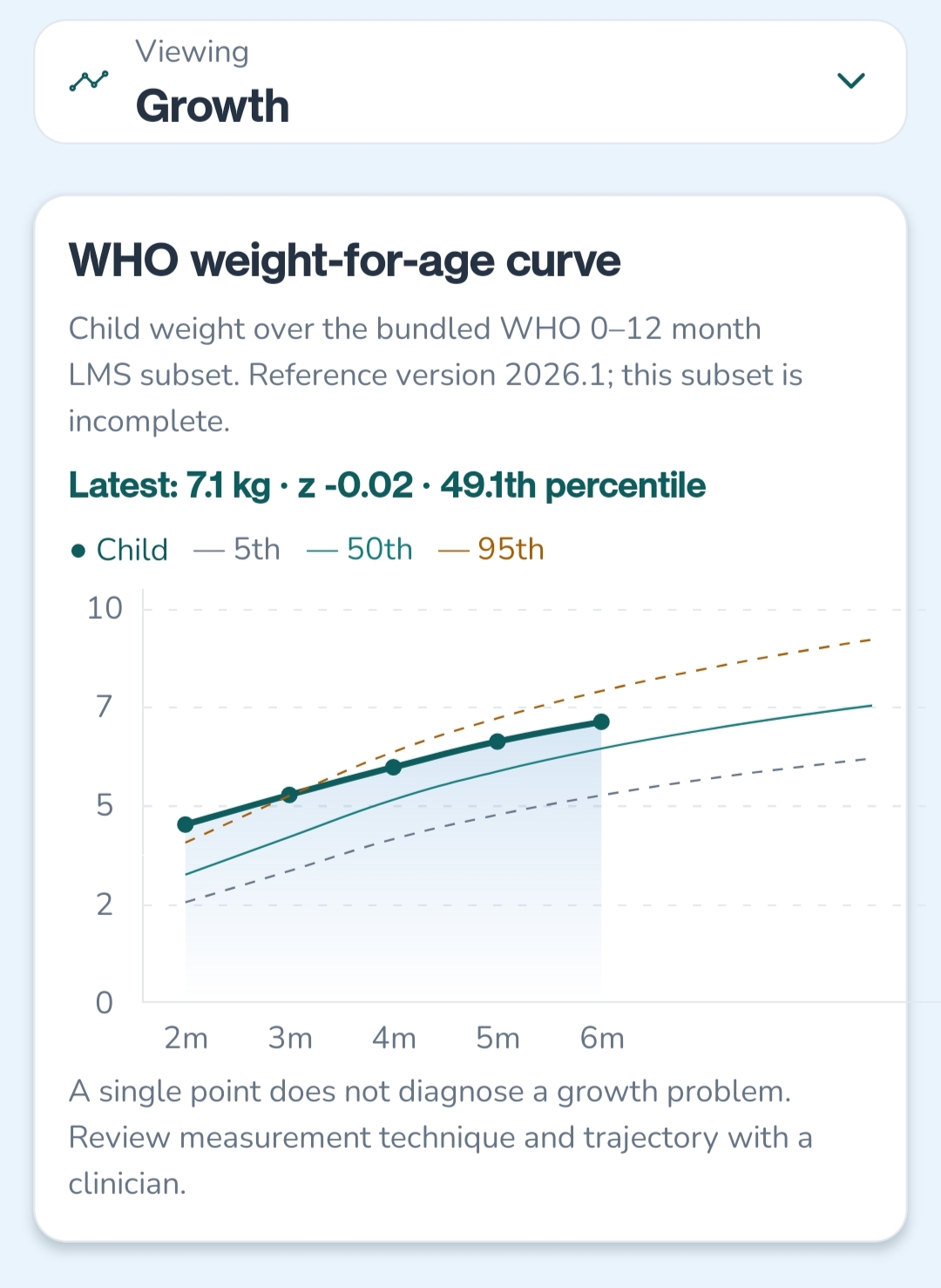
Growth charts
-
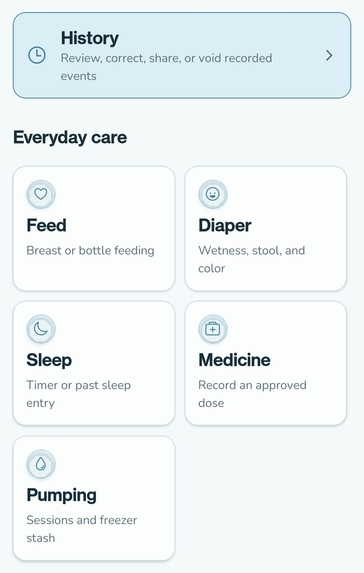
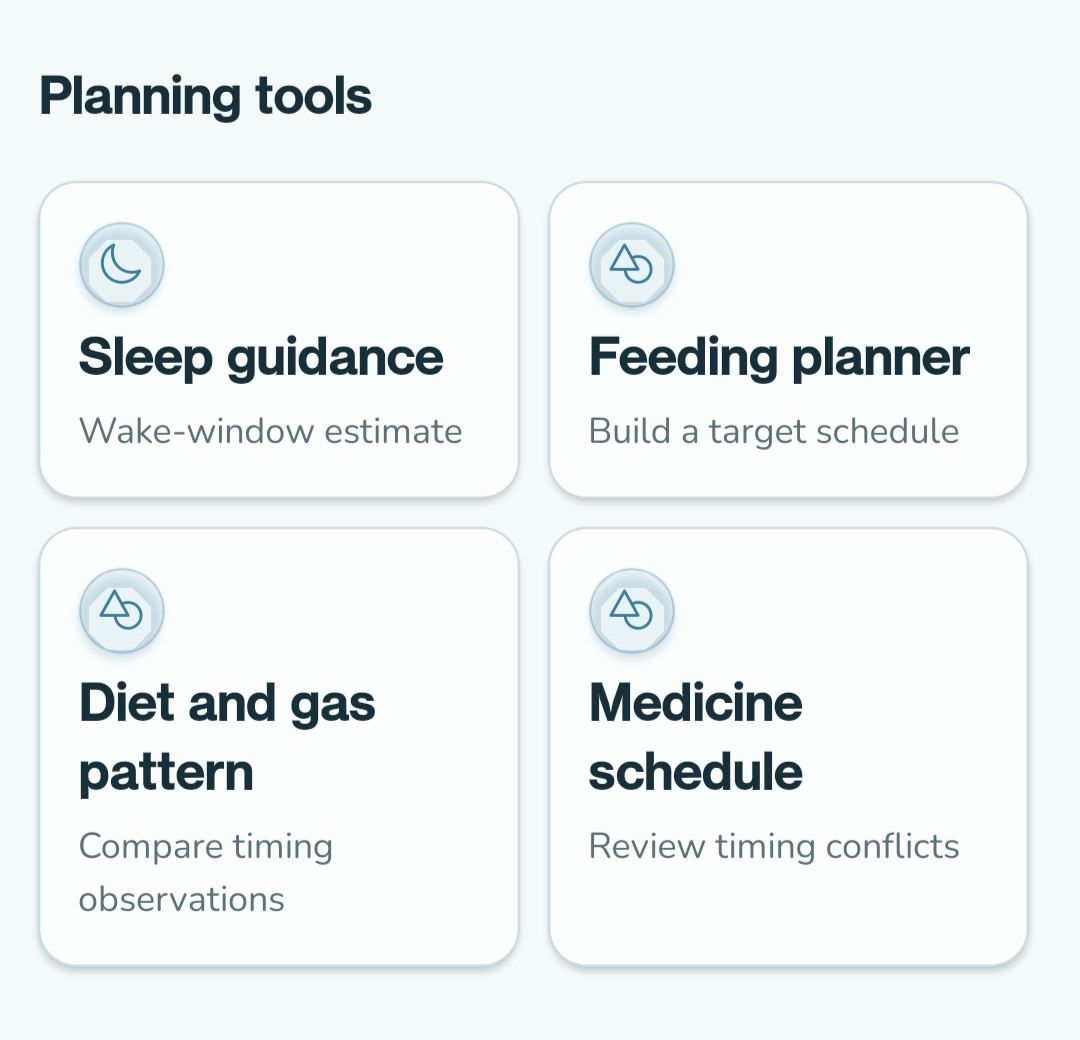
Trackers and Planners
-
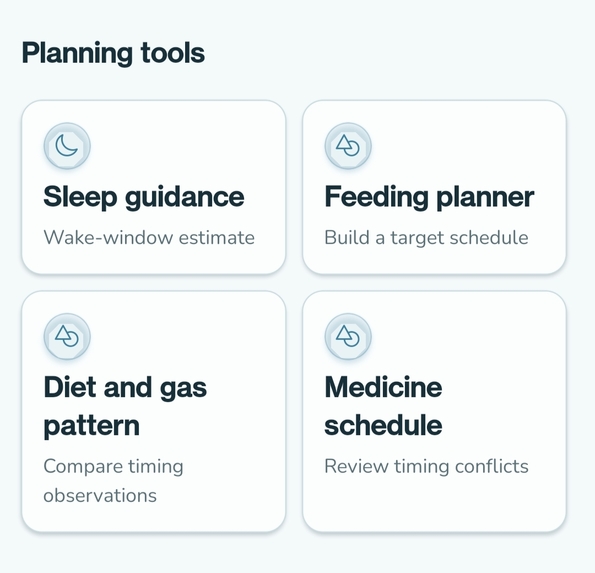
Trackers and Planners
-
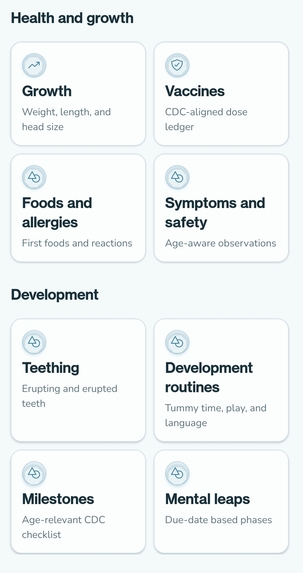
Trackers and Planners
-
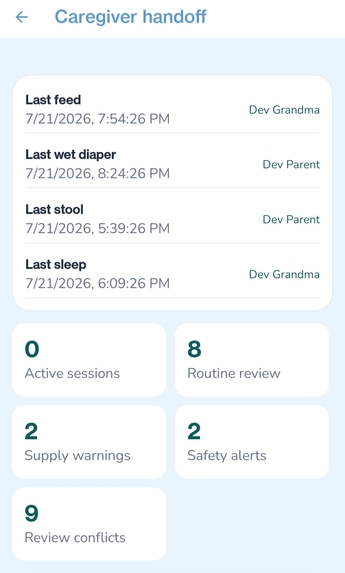
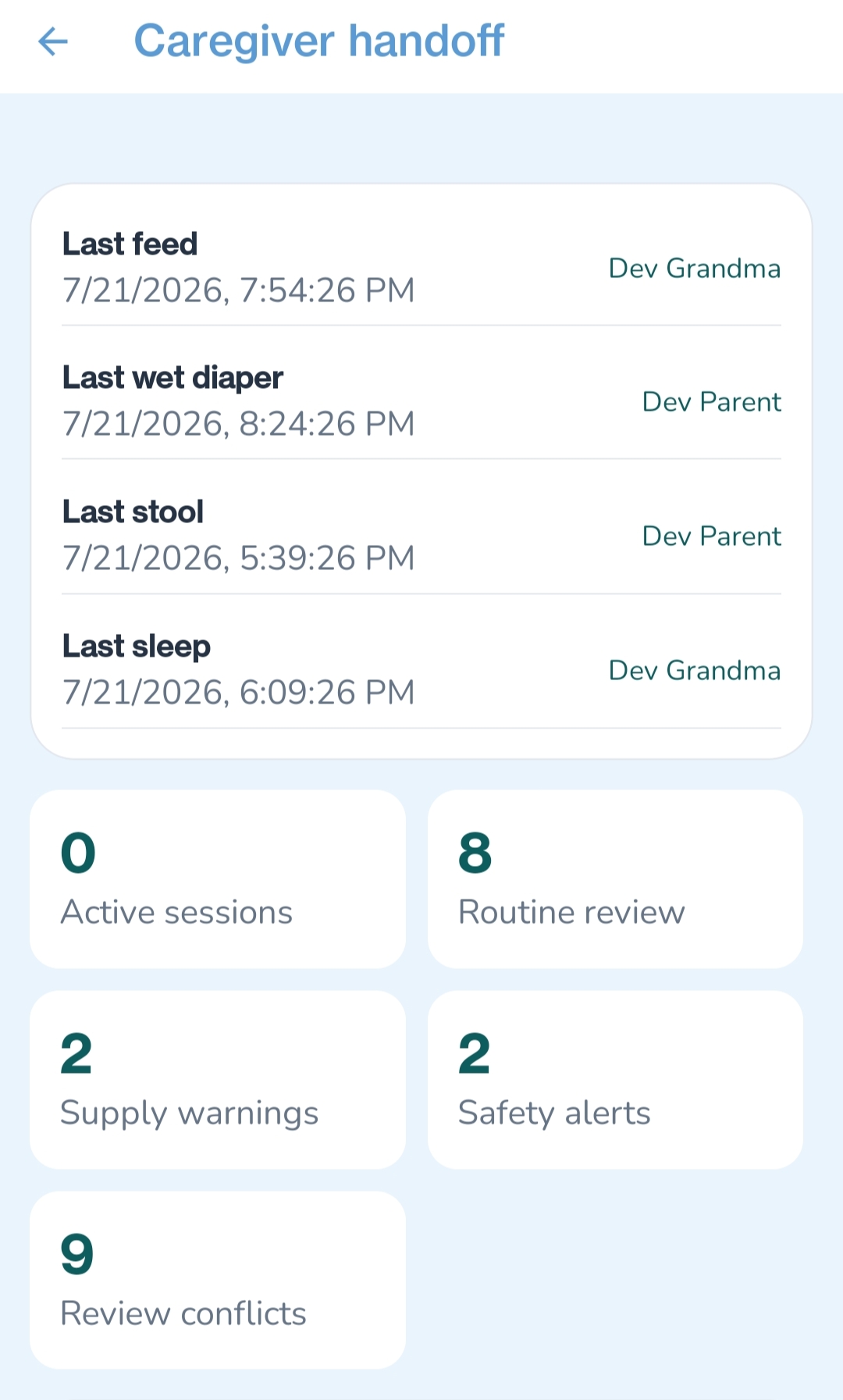
Caregiver hand-off
-
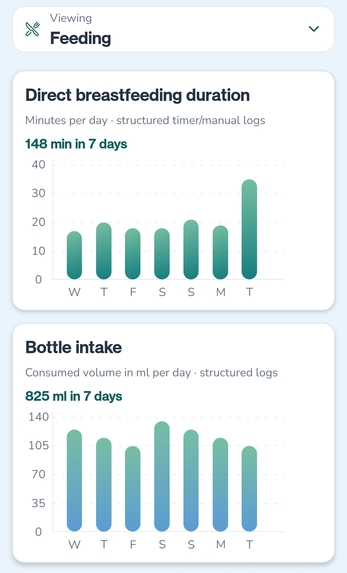
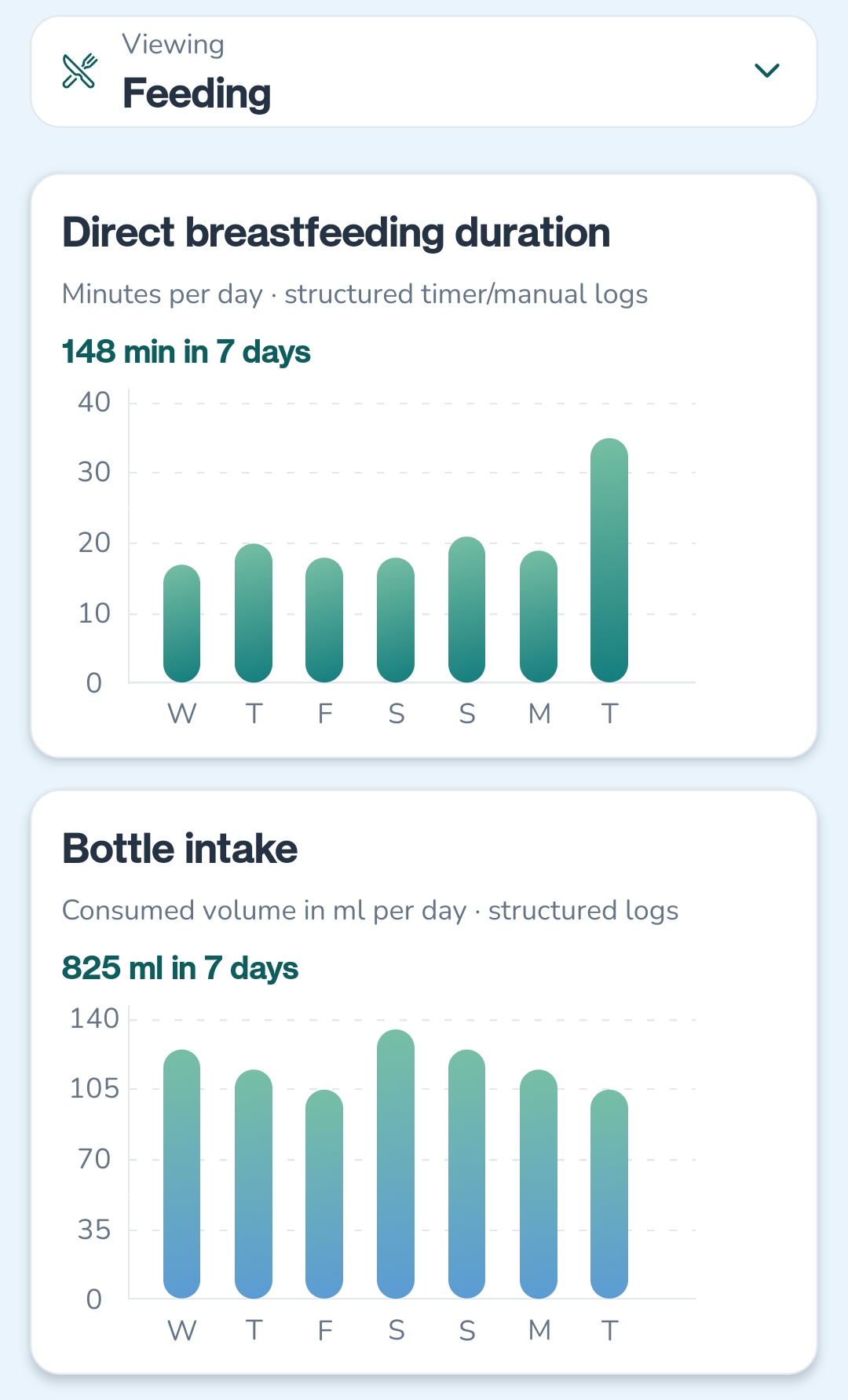
Feed intake
-
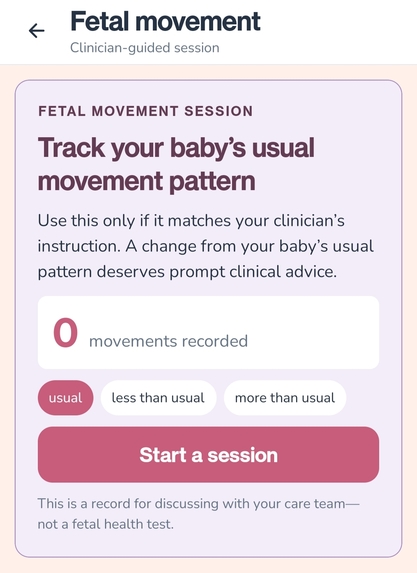
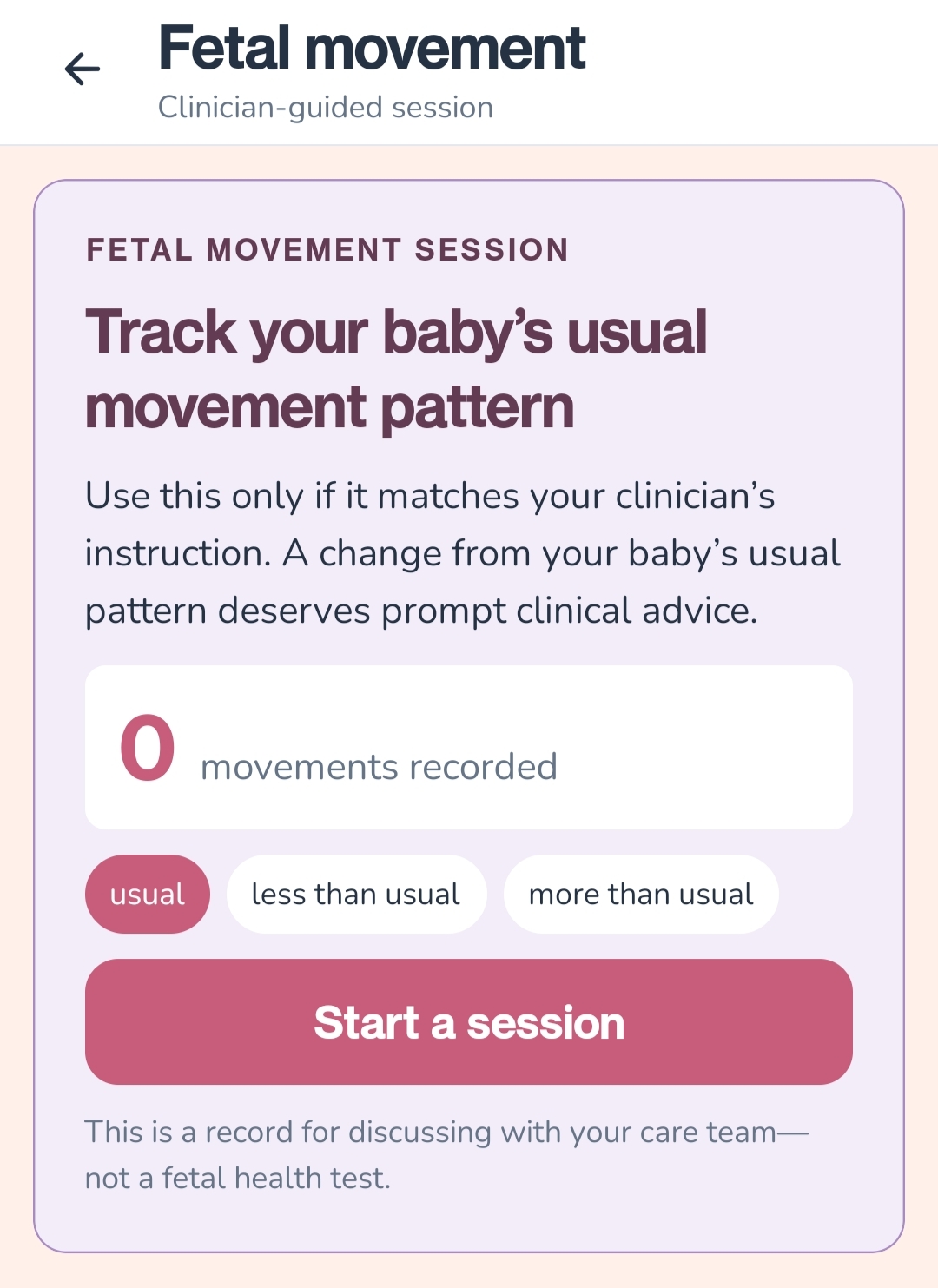
Fetal movement tracker
-
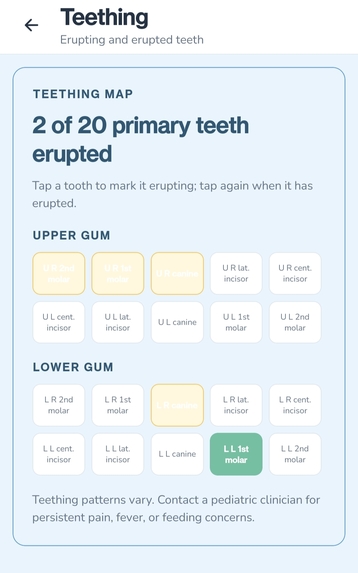
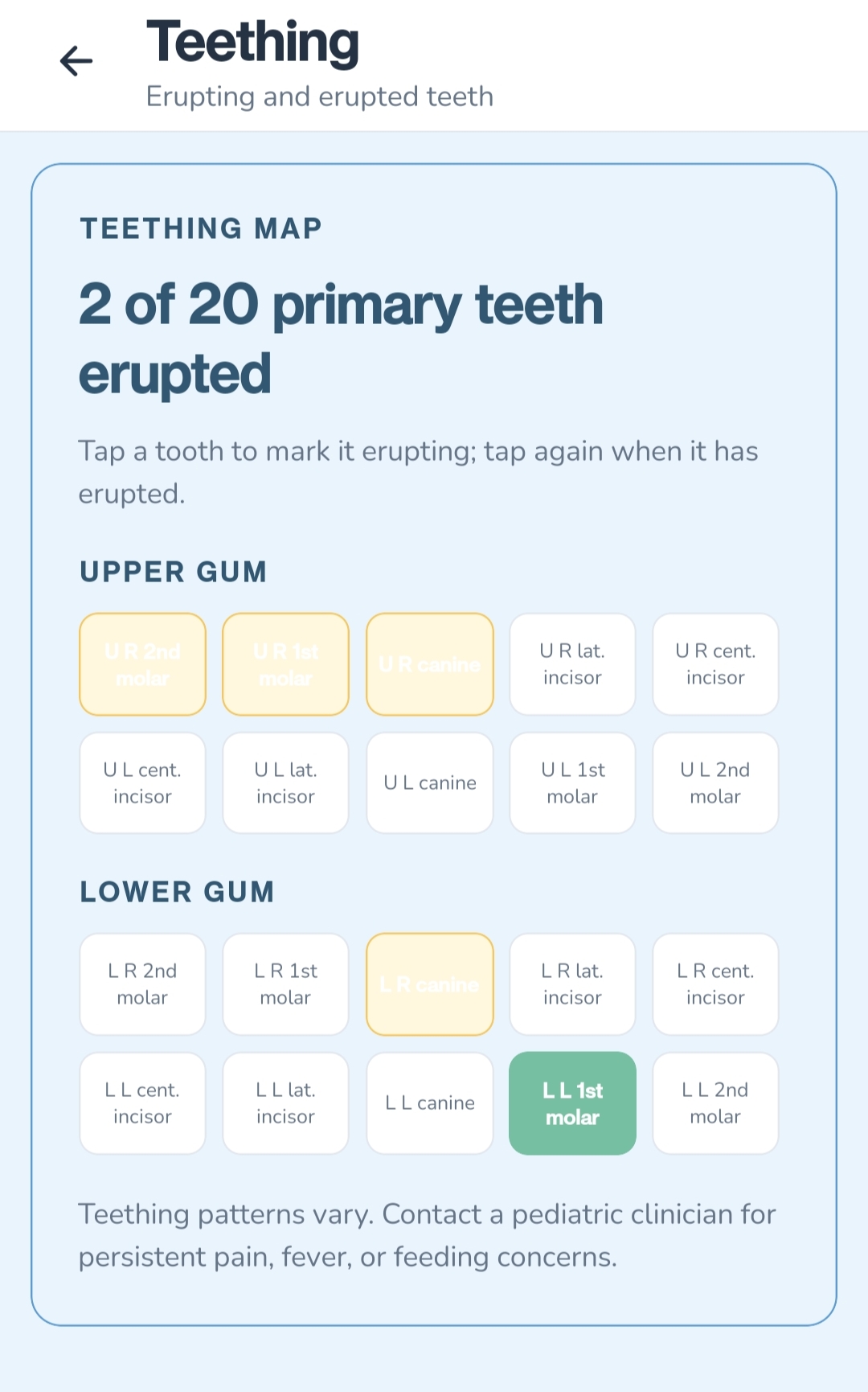
Teething tracker
-
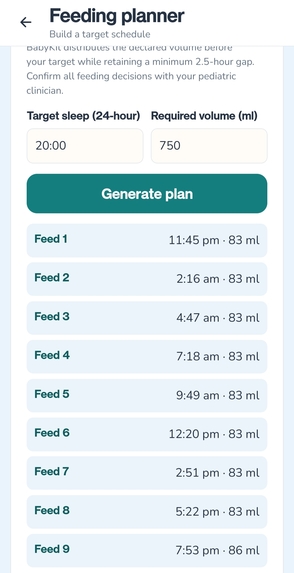
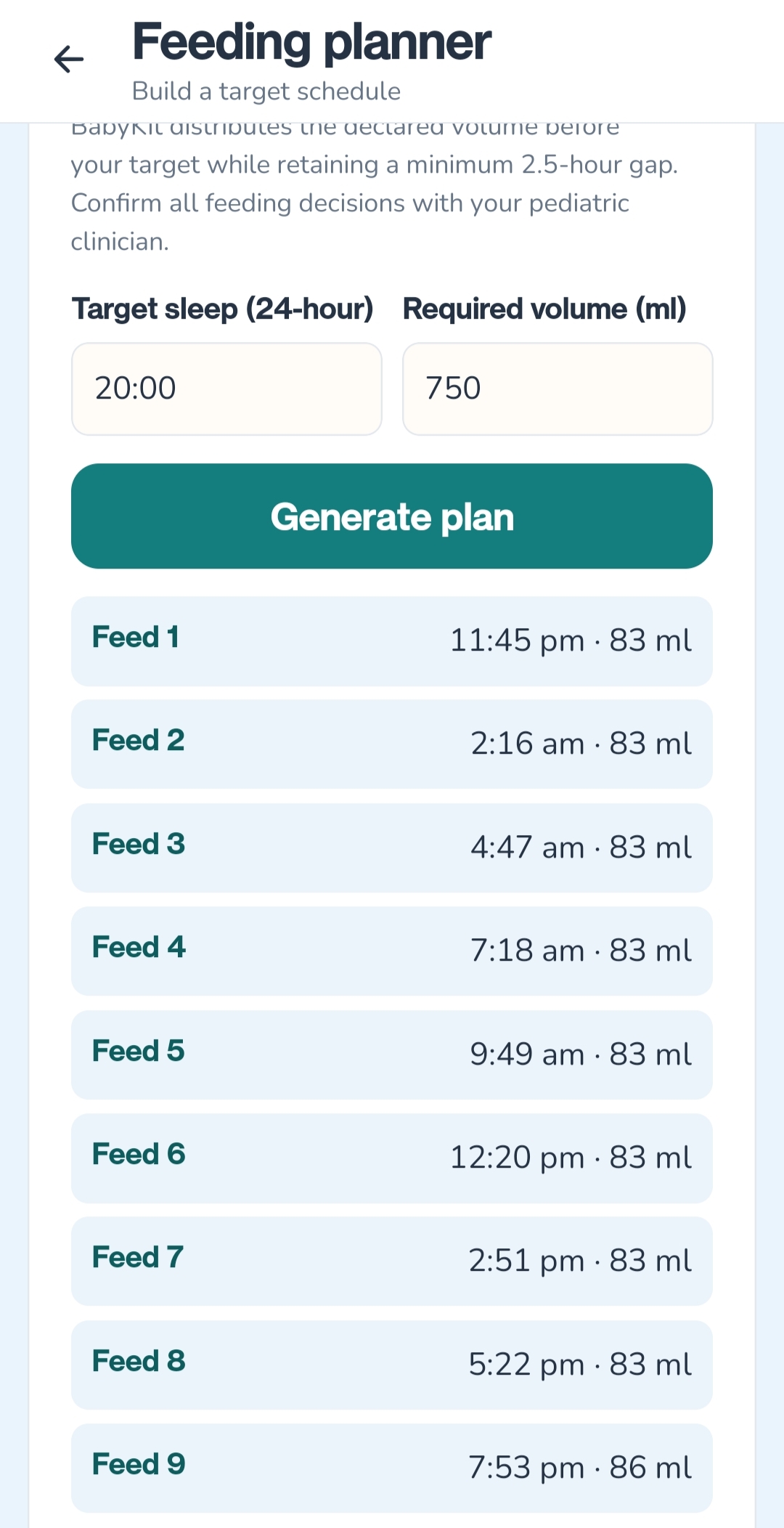
Feed planner
-
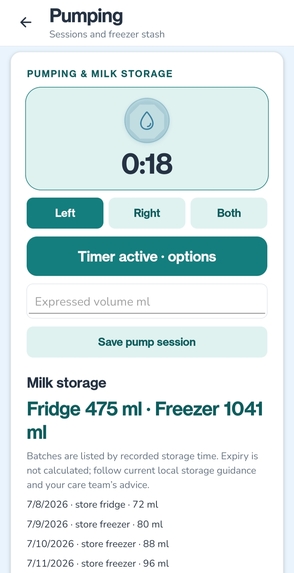
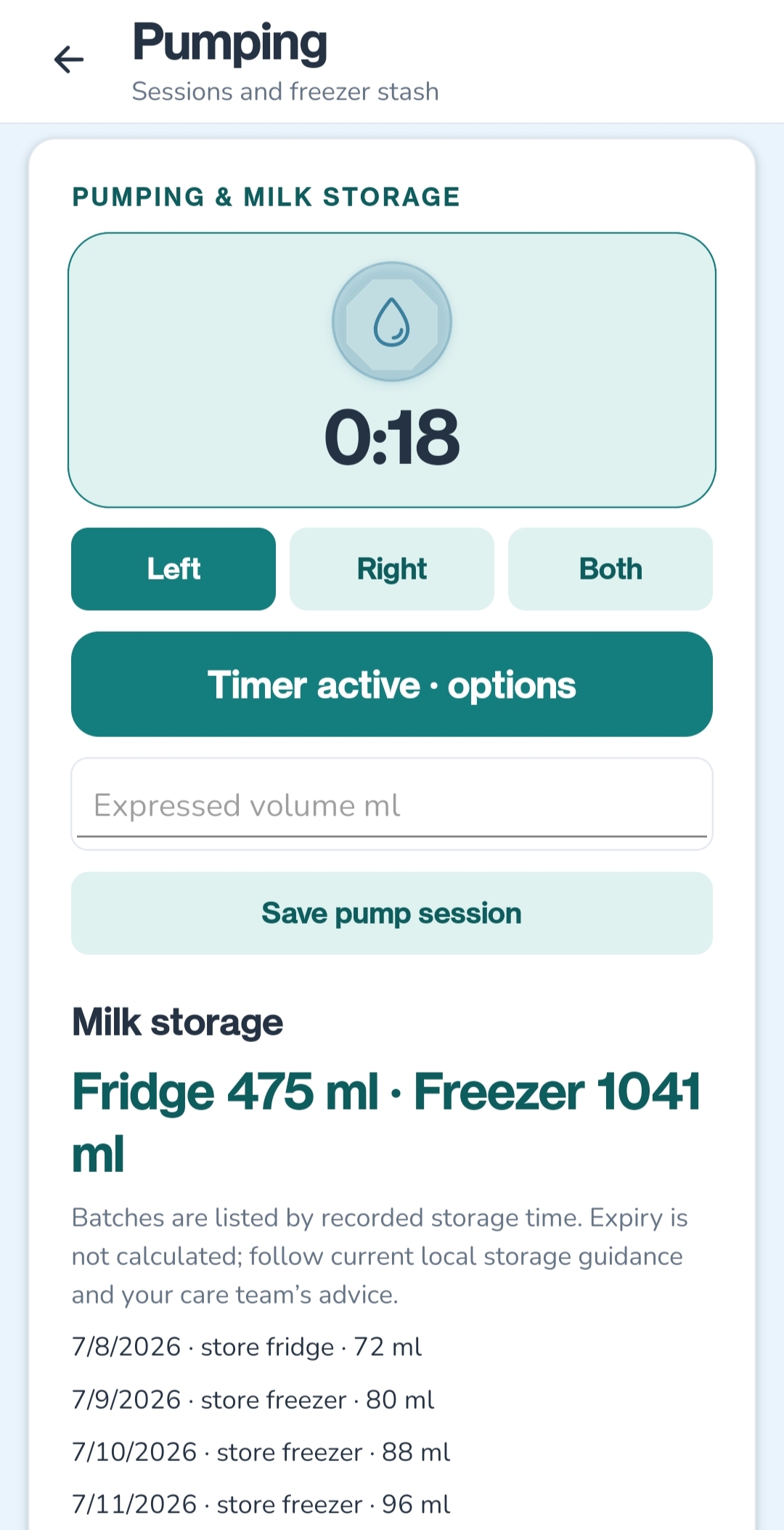
Breast pump tracker
-
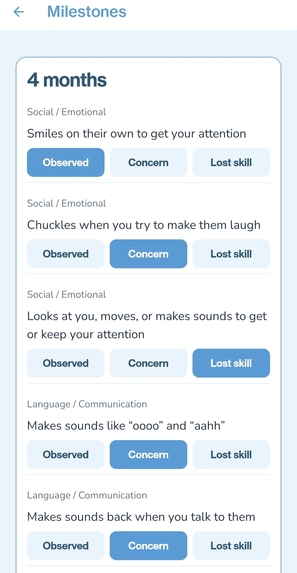
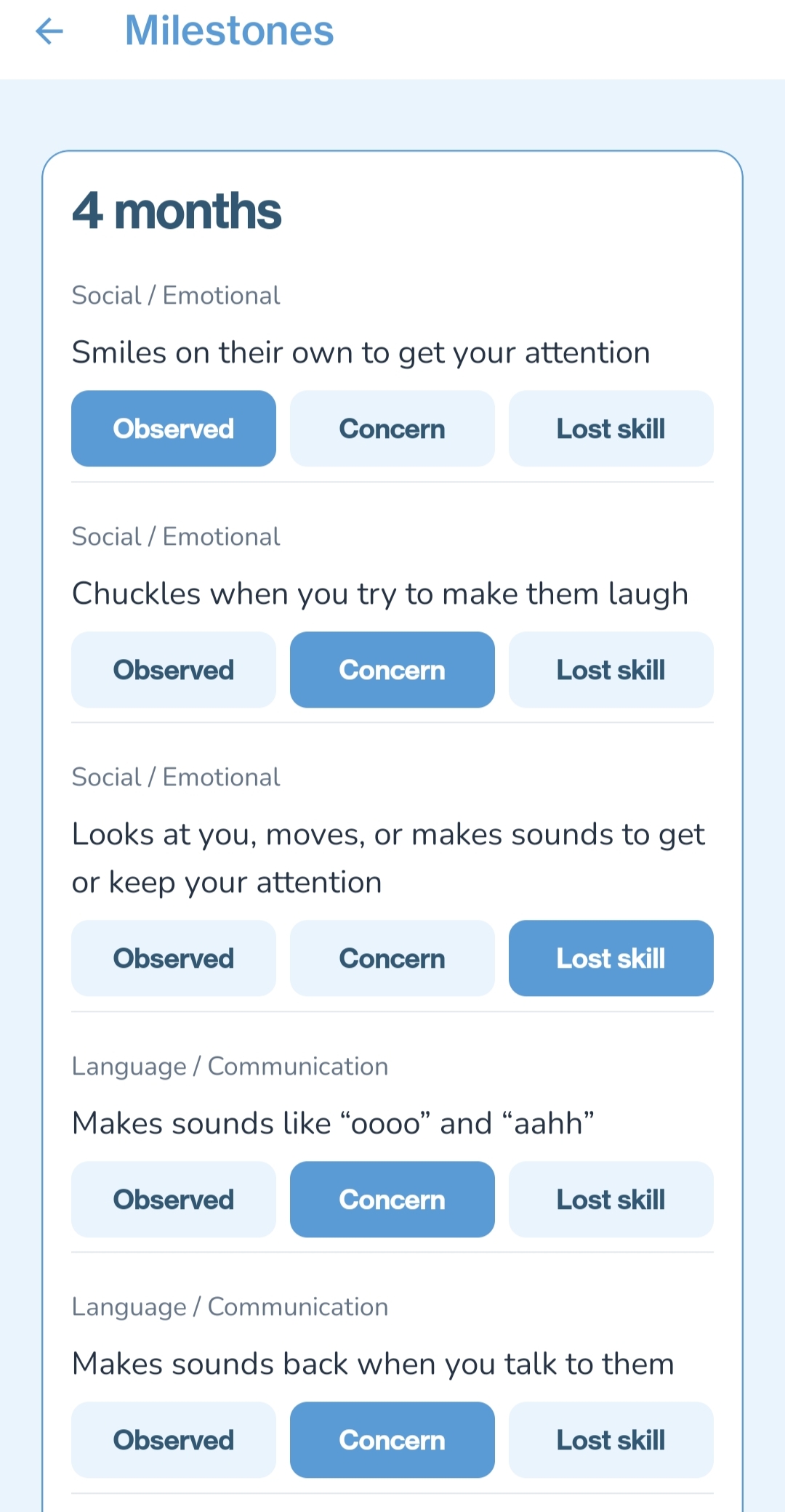
Milestone tracker
-
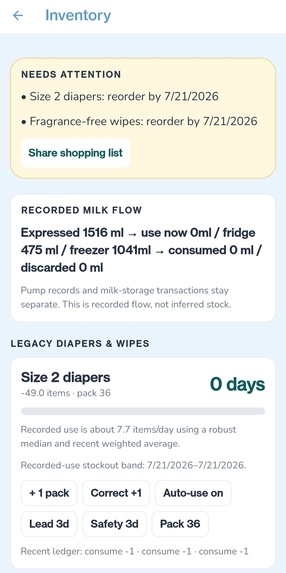
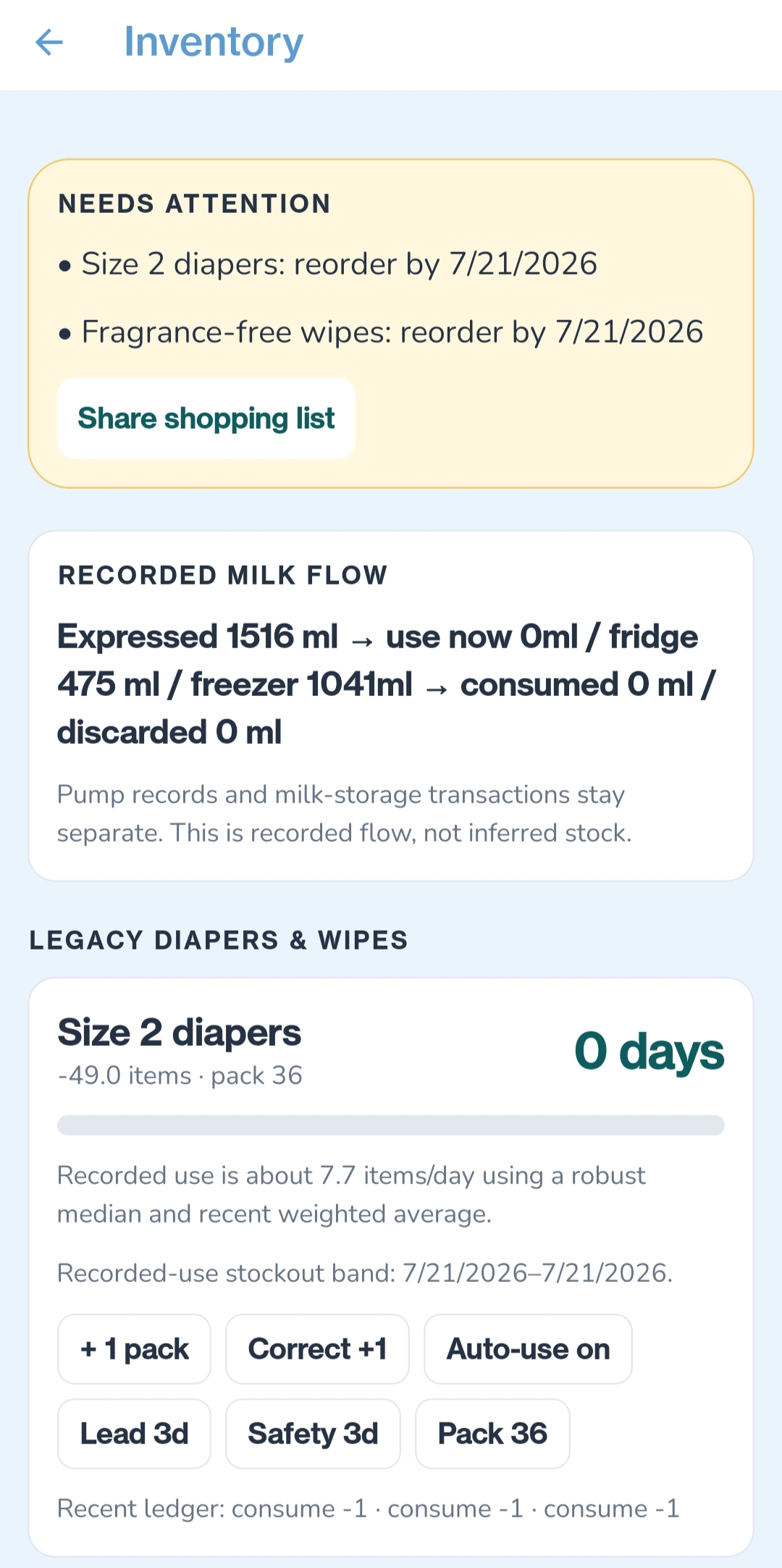
Inventory tracker
-
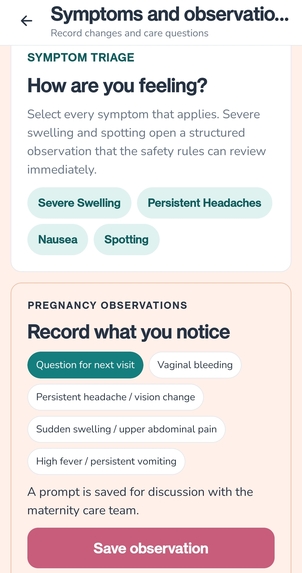
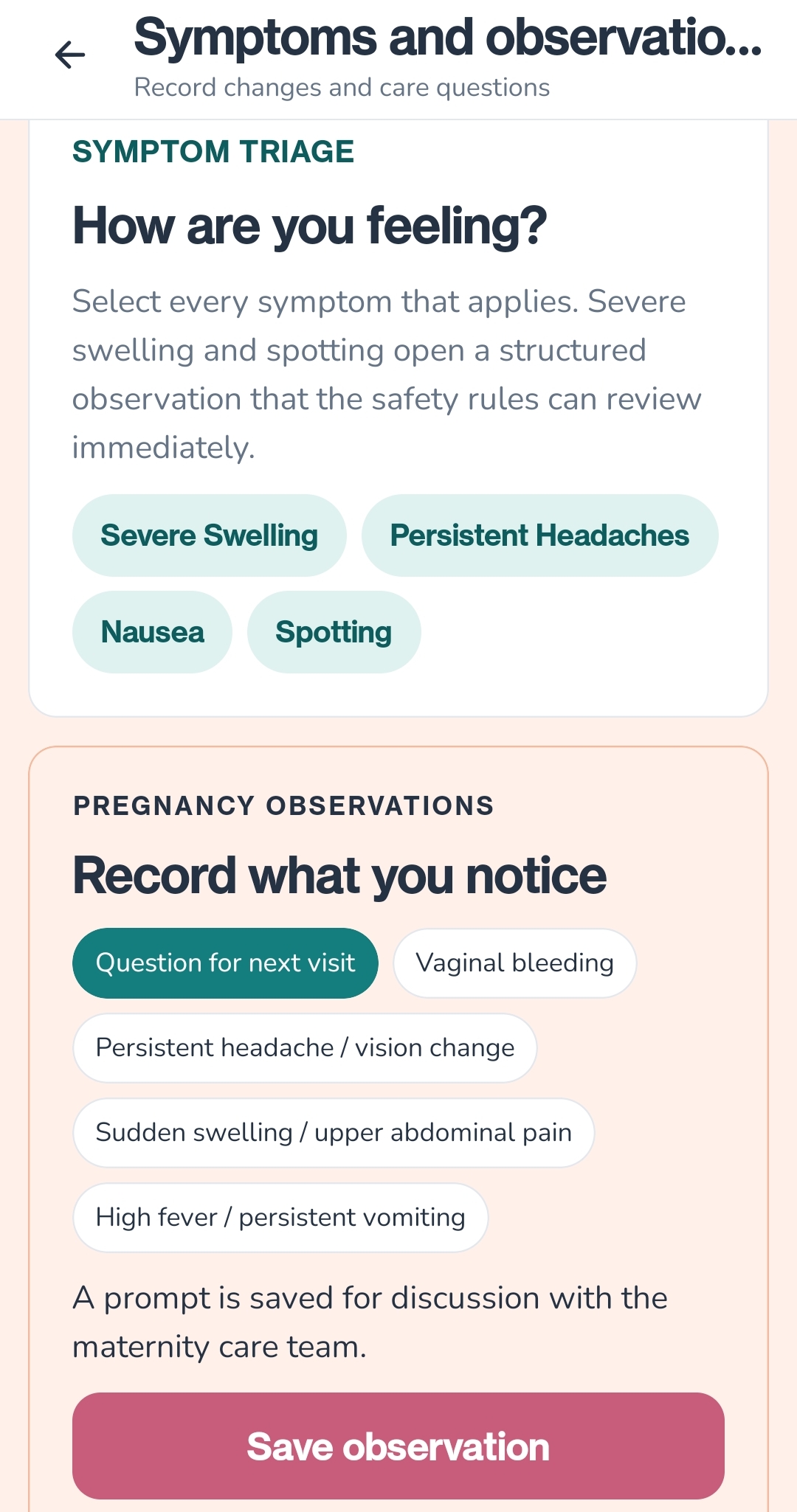
Observations & Triage
Inspiration
We recently welcomed a baby, and our lives took a complete U-turn. Because our baby arrived early, we felt especially unprepared.
Whenever our pediatrician asked for basic information, such as feed amounts, diaper counts, sleep patterns, medicines, or episodes of fussiness, we often struggled to answer accurately. Sleep deprivation and brain fog made it even harder. After waking up repeatedly through the night, neither of us could reliably remember when the last feed or diaper change had happened.
Handoffs between partners became stressful because we were constantly asking:
- When was the baby last fed?
- How much did the baby drink?
- Is the next medicine due?
- When was the last wet diaper?
- What needs to happen next?
We needed a shared system that could tell every caregiver what happened, what is due next, and what needs attention, without relying on exhausted memories.
What it does
BabyKit replaces the mental math of parenting.
It is a clinically aligned maternal and infant care companion that helps families track the journey from pregnancy through infancy.
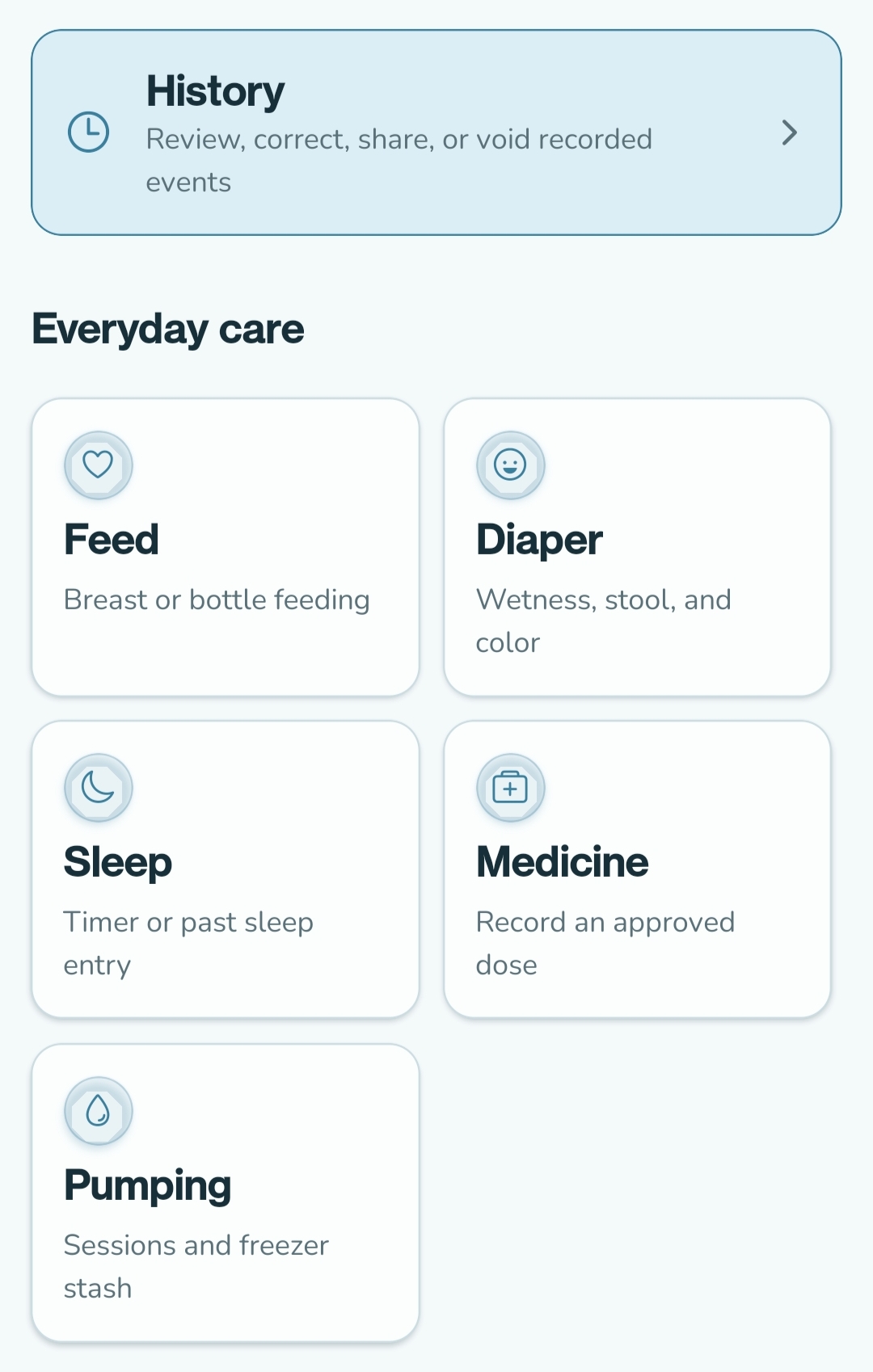
BabyKit provides a unified dashboard for recording:
- Feeding and pumping
- Diaper changes
- Sleep sessions
- Medicines and routines
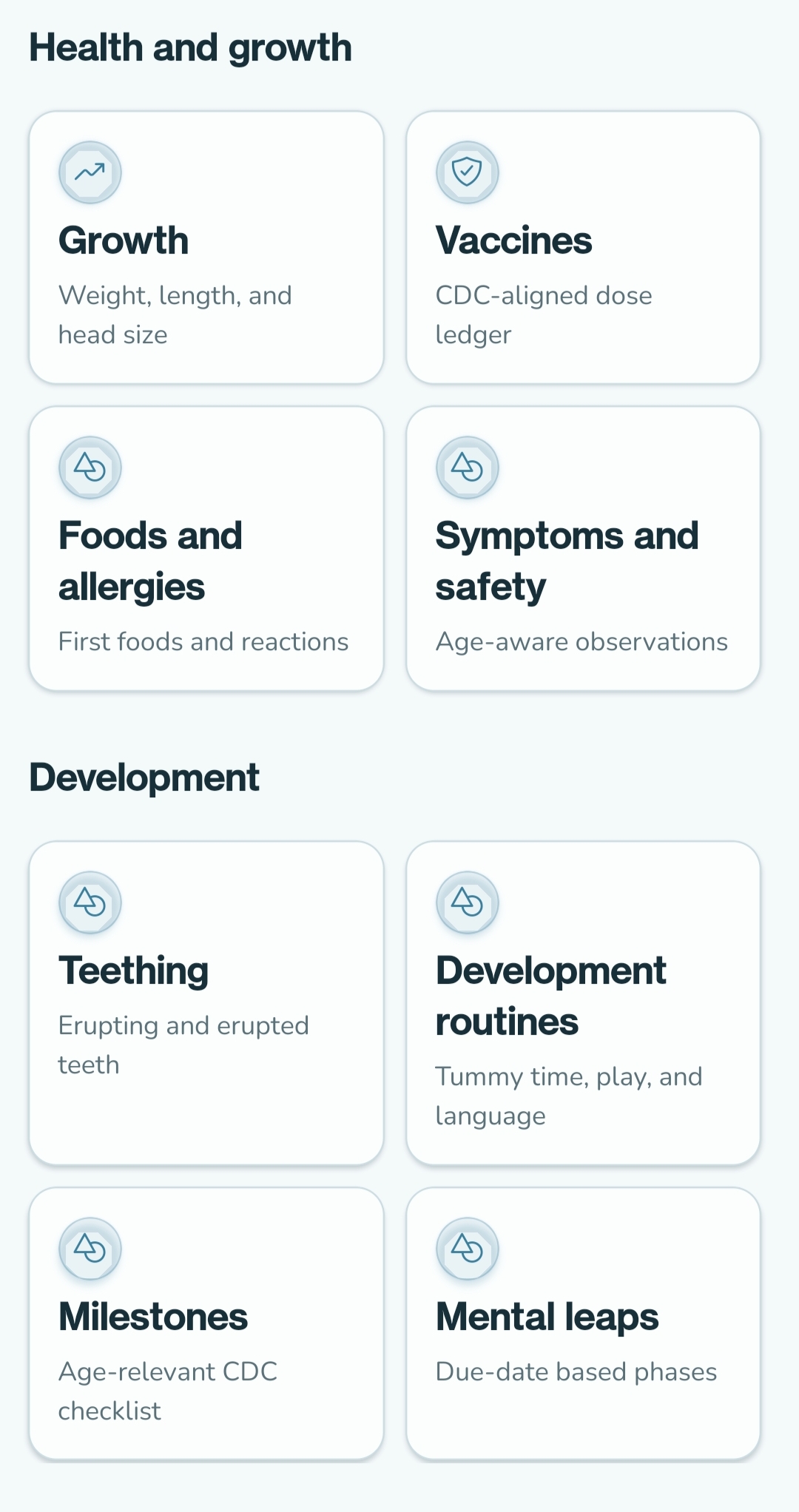
- Growth and developmental milestones
- Vaccinations, tests, and appointments
- Questions and observations for the doctor
Partners, family members, and caregivers can stay synchronized, making handoffs clearer and reducing missed or duplicated tasks.
BabyKit also plots a baby's weight, height, and head circumference against WHO-aligned growth standards, helping parents understand growth trends over time.
For medical appointments, BabyKit acts as a clinic-ready care record, organizing daily logs, growth history, medicines, symptoms, and parental questions into a clear summary that can support more informed conversations with healthcare professionals.
How we built it
We built BabyKit using React Native and Expo, allowing us to deliver a smooth cross-platform mobile experience from a shared codebase.
For authentication, cloud storage, and real-time synchronization, we used Firebase Authentication and Cloud Firestore. When one caregiver records a feed or diaper change, the information can be reflected across connected devices, helping everyone work from the same care history.
We use Zustand for efficient local state management and offline-first interactions. This keeps the application responsive and allows essential tracking workflows to remain usable even when network connectivity is unreliable.
The application was designed around several core principles:
- One-tap logging for common activities
- Offline-first reliability
- Real-time caregiver synchronization
- Progressive disclosure to avoid overwhelming parents
- Accessible controls for tired, distracted users
- Clinically responsible language that supports, rather than replaces, professional medical advice
Challenges we ran into
Our biggest challenge was reducing user friction.
Parents may need to use BabyKit while holding a baby, operating with one hand, or waking up at 4 AM with very little sleep. The experience therefore needed to feel like a natural part of the care routine rather than another administrative task.
Designing fast, one-tap actions required us to simplify the interface aggressively while still capturing enough information to make the records useful.
We also had to build a resilient synchronization architecture capable of handling:
- Multiple caregivers updating the same profile
- Intermittent network connectivity
- Offline logging and later synchronization
- Complex local state
- Application reloads and interruptions
- Consistent timelines across multiple devices
Balancing simplicity for parents with reliable data handling required significant product and engineering iteration.
Accomplishments that we're proud of
We have already begun dogfooding BabyKit with our own baby, using it during real feeds, diaper changes, sleep-deprived nights, medical follow-ups, and caregiver handoffs.
This has allowed us to identify practical usability issues that may not appear during conventional testing.
We have also reached out to mothers' groups in Bengaluru to beta-test the platform and provide real-world feedback.
We are especially proud of turning a deeply personal challenge into a working product that could help millions of parents facing similar cognitive overload. What began as a solution to our own sleep-deprived frustration has evolved into a practical care-coordination platform for families.
What we learned
We learned that caring for a baby involves an enormous amount of invisible mental calculation.
Parents are simultaneously managing feeding schedules, medicines, vaccinations, tests, appointments, growth measurements, sleep patterns, developmental milestones, and advice from multiple healthcare professionals.
Important tasks can be missed not because parents are careless, but because the cognitive load is simply too high.
For parents of premature babies, this burden can be even greater. Follow-ups such as routine vaccinations, developmental assessments, and tests such as ROP screening for Retinopathy of Prematurity may involve strict timelines.
Our most important learning was that parents do not necessarily need more information. They need actionable organization, shared context, and timely reminders.
What's next for BabyKit
Our next major step is to enable secure, consent-based sharing with hospitals and pediatric clinics.
With appropriate privacy safeguards, this could allow healthcare professionals to review growth histories and care patterns remotely, helping families identify when a clinical consultation may be needed.
We also plan to introduce smart consultation capture, allowing parents to securely record or upload consultation notes with permission. BabyKit could then extract:
- Follow-up actions
- Tests and appointments
- Medicine schedules
- Care instructions
- Questions requiring clarification
These extracted items would remain reviewable by the parent before being converted into reminders.
We also envision an intelligent post-visit assistant that helps parents understand and organize information based on their own clinician's notes, while clearly distinguishing between recorded medical guidance and general educational information.
Our long-term goal is to help shift family care from fragmented memory and reactive record-keeping toward organized, collaborative, and proactive care.

Log in or sign up for Devpost to join the conversation.