-
-
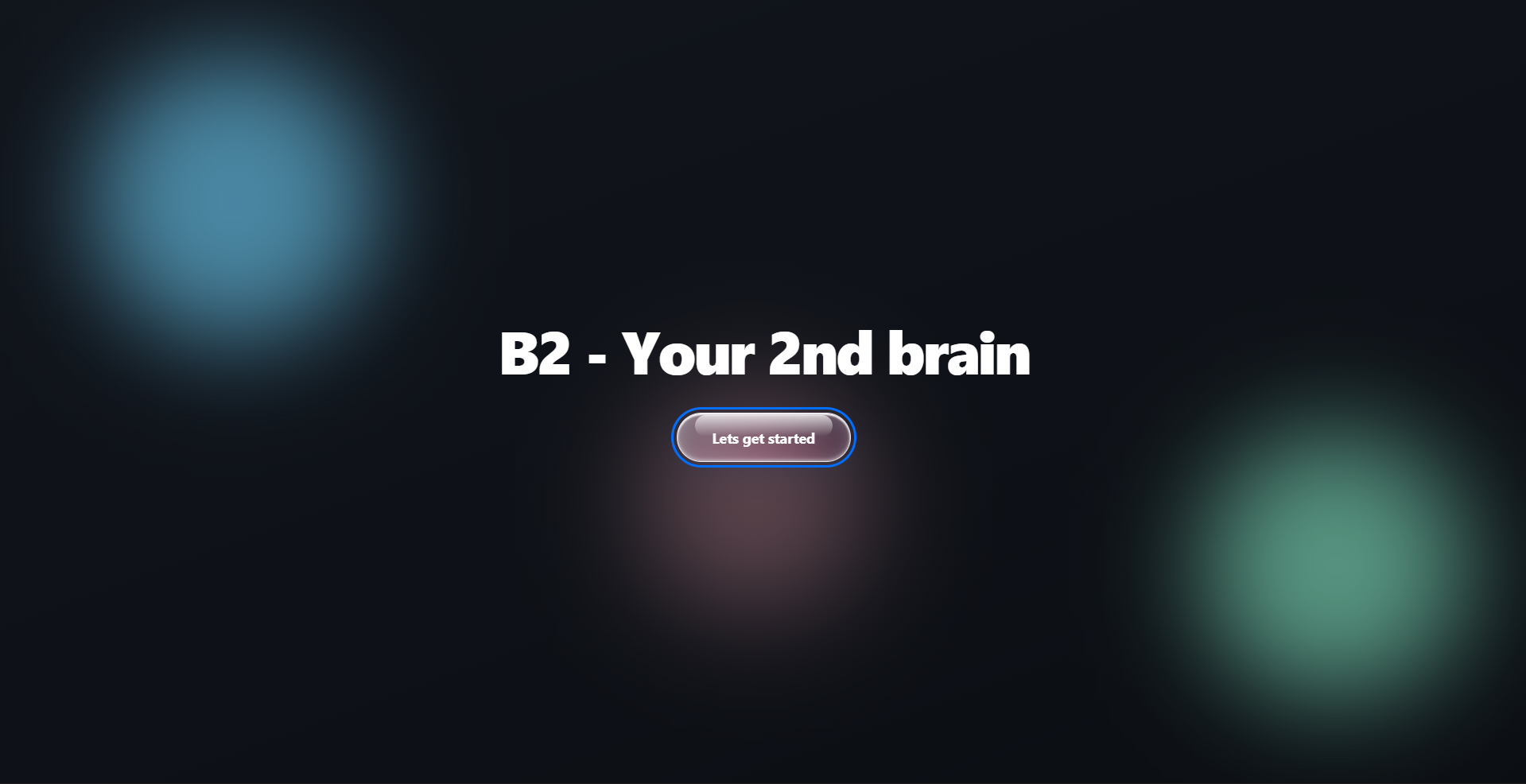
Landing Page
-
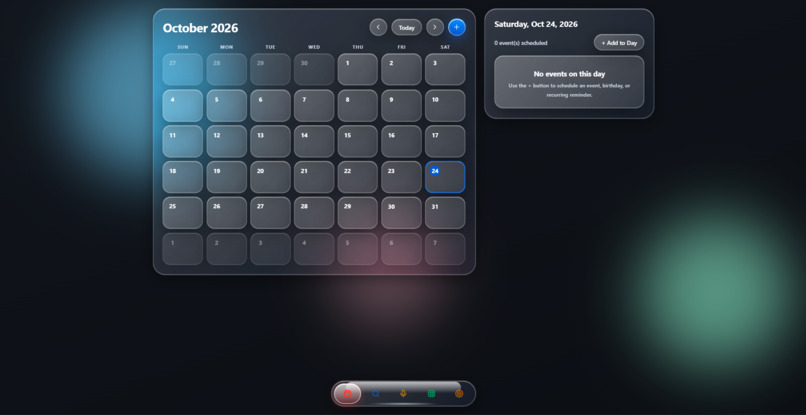
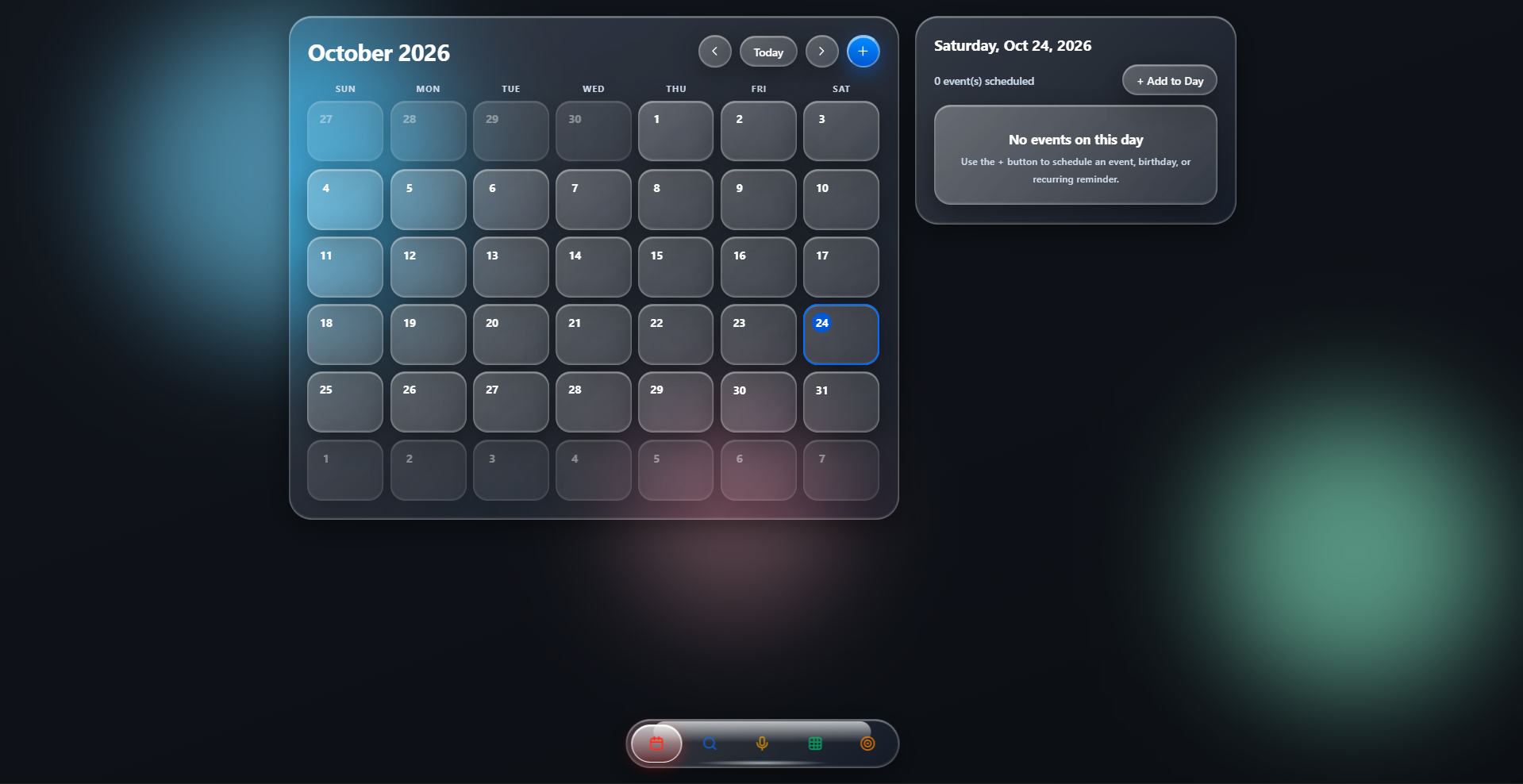
Calander
-
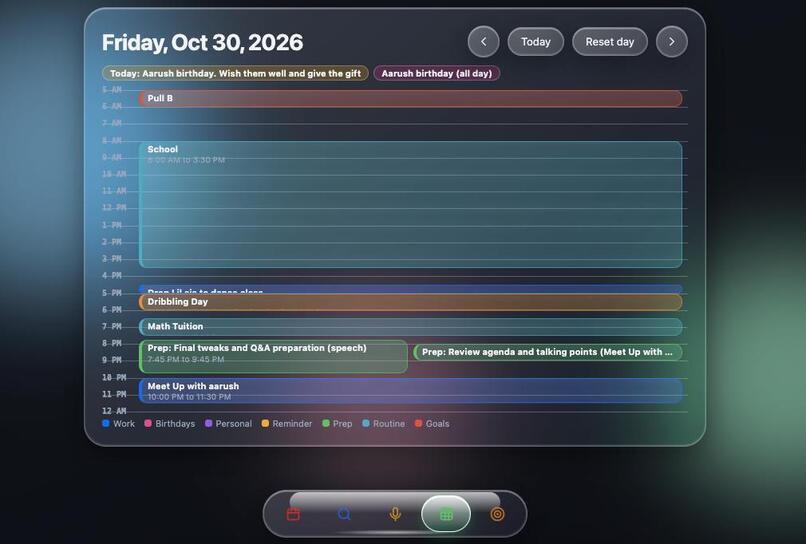
Custom Timetable
-
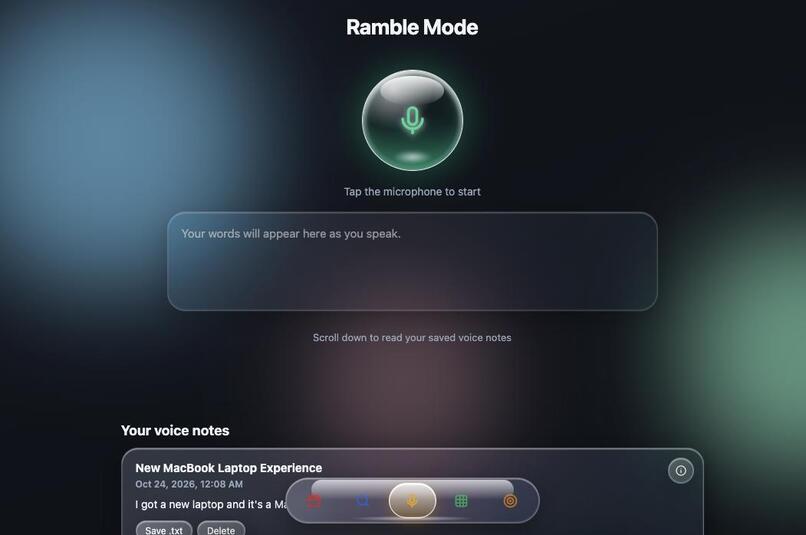
Ramble Mode
-
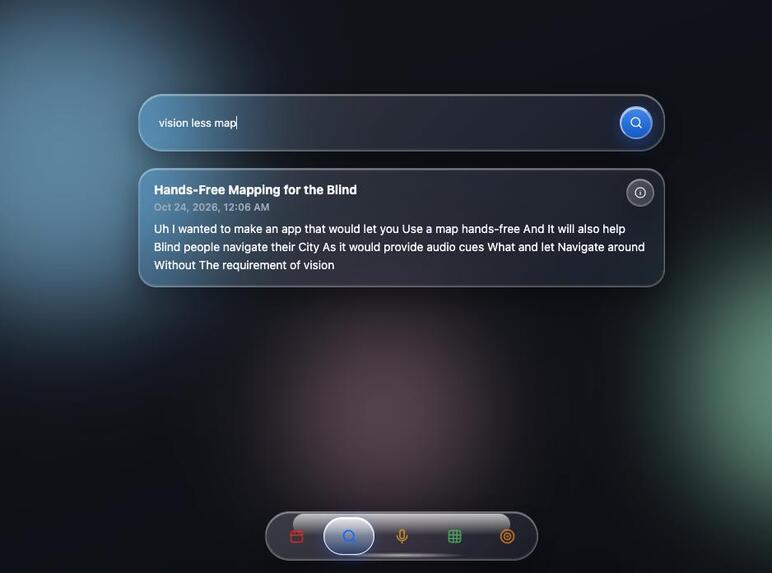
Semantic Search
-
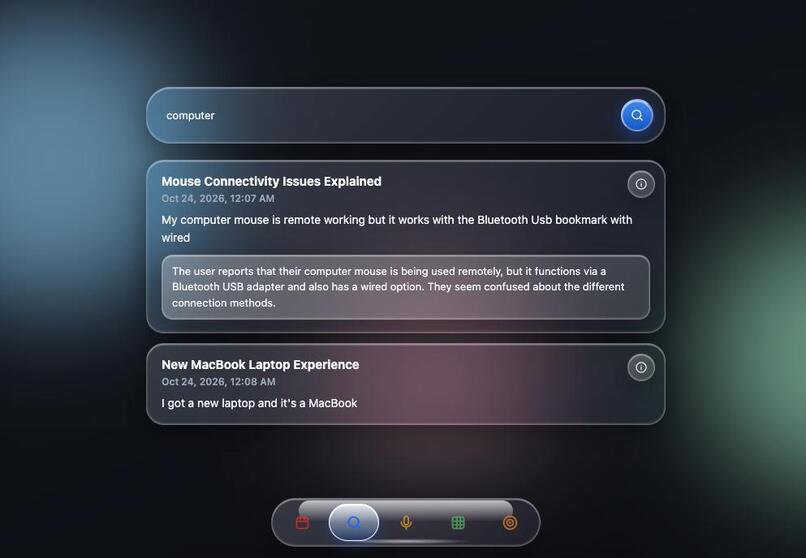
Semantic Search 2
Inspiration
We developed B2 (Brain 2) as a solution to an everyday problem we face as students: the debilitating chaos of balancing school, work, and personal goals without drowning in the unorganized thoughts in our head. Traditional productivity apps are unforgiving and force you to spend a lot of time sorting out your own thoughts and calculating what to do by yourself when- we wanted to build a system that removed unstructured "gutter" time and captured raw human thought in a voice input, and handled the tedious scheduling and calculation of heavy lifting and automating. We also felt Notion, one of the biggest and most feature-laden services in the space, was overly complicated for students aiming to use it to manage their own lives.
What it does
B2 is an intelligent second-brain productivity suite designed to bridge the gap between random thoughts and structured daily execution:
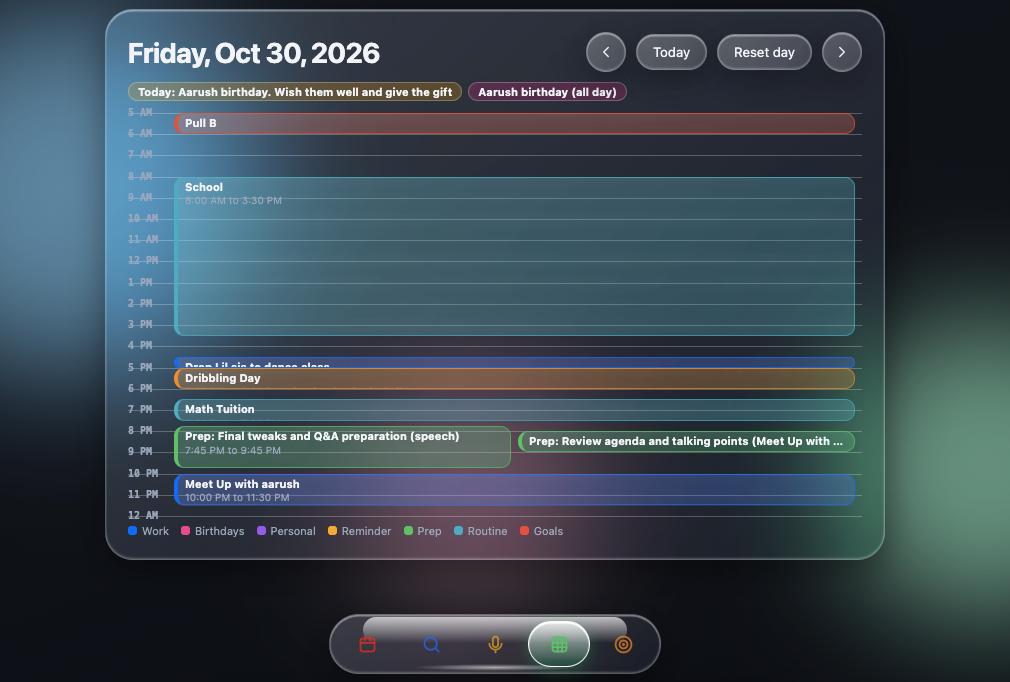
- Anti-Procrastination Calendar & Timetable: Automatically ranks events by urgency, importance, and prep effort, then actively injects practice and prep blocks into free time slots before your deadlines.
- Smart Routine & Goal integration: Users enter their daily schedule and goals (e.g. working out, spending time outdoors) and the app fits these in safely within unstructured free time without cutting into personal hours.
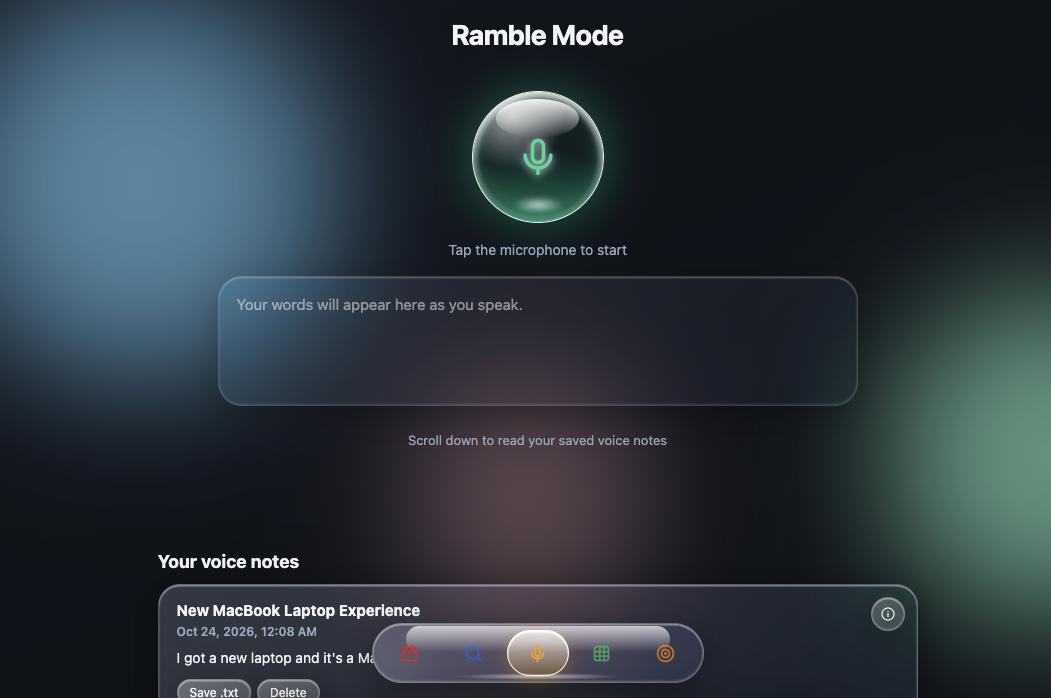
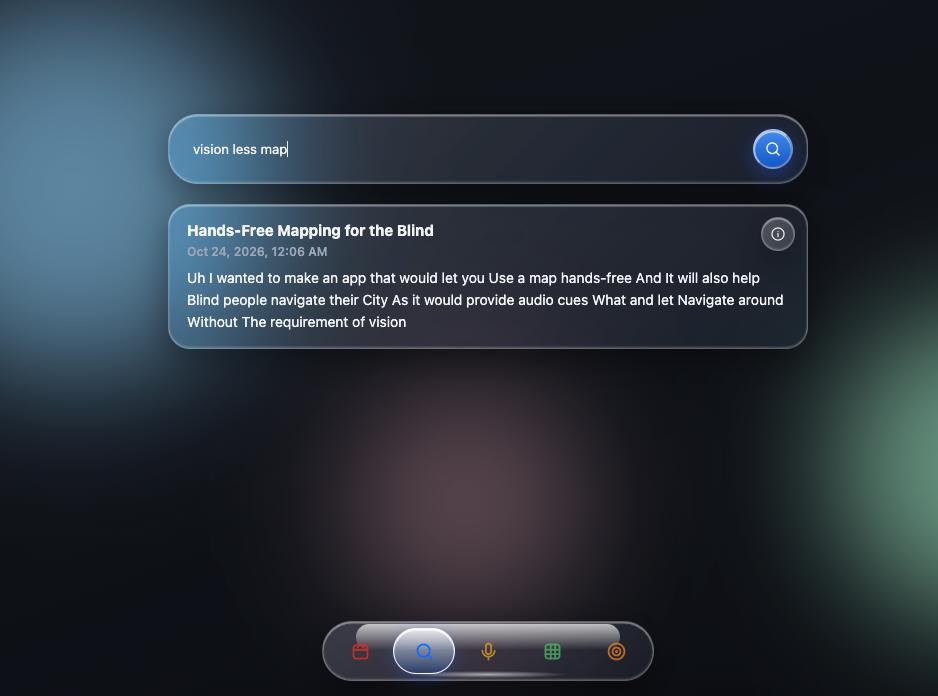
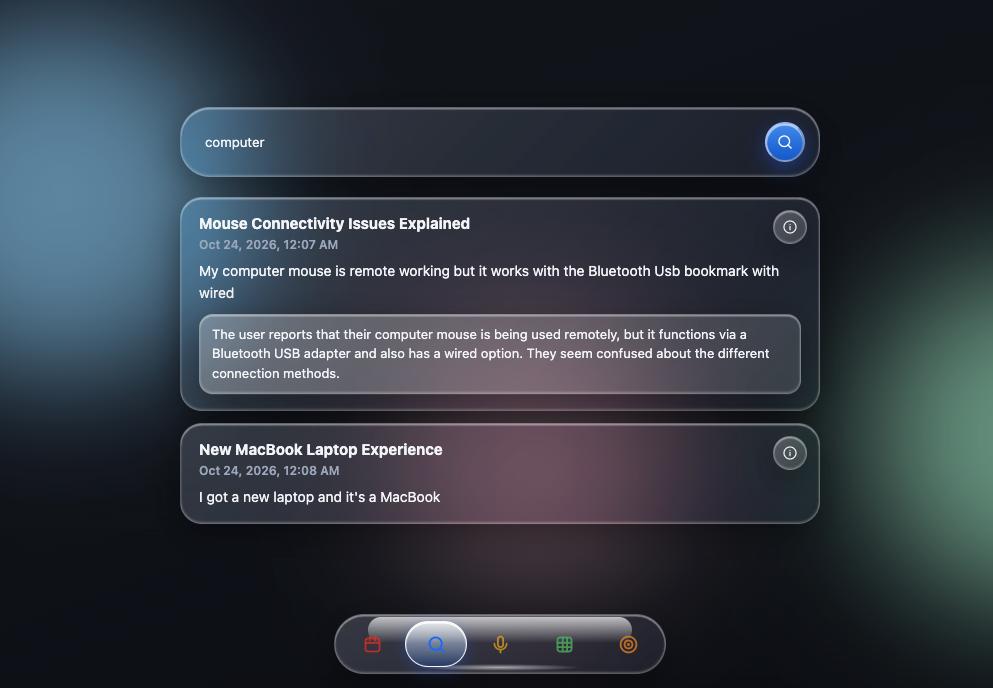
- Ramble Mode & Semantic Search: A live voice recorder that captures messy thoughts and stores them with rich semantic meaning for easy retrieval. Users can find the notes they need by searching the meanings of words and phrases.
- Liquid Glass UI: Built a liquid glass interface with true transparent refraction effects, custom navigation colors, iOS-style animations and modern feel. Liquid-glass is a relatively new design language that makes apps feel more immersive and intuitive.
How we built it
Prompt Engineering at a high level, we had an iterative AI-assisted coding process, and we used natural-language prompting to develop our ideas into actual code.
Plethora of ai agents
Challenges we ran into
- Bridging the gap between thought and structure: Getting the AI to interpret messy unstructured human rambling into clean calendar events and prep blocks without destroying the user's formatting was a huge technical and design hurdle. (which our app solves btw)
- Mobile microphone permissions: Getting tricky mobile browser-level permissions to work so ramble mode started recording without any hiccups on mobile devices.
- Claude token exhaustion
- Reaching consensus on a final idea: there was a lot of friction ideating.
Accomplishments that we're proud of
- Semantic Voice Search: Enabling users to find the thoughts they need without losing any good idea along the way. Being able to search accessibility maps and find exactly the random voice note they recorded a month ago about a concept.
- Polished MVP (Minimum Viable Product): Having a production-ready beautiful liquid-glass UI that looks like a native iOS app built right into the browser was a huge accomplishment.
- Solved a real problem: the creation of a platform where teenagers like ourselves can optimize our day, prioritize responsibilities and capture thoughts.
What we learned
We learned the importance of reducing friction for users trying to accomplish things. If you make a to-do list or thought journaling app and it's hard to type into, people won't use it. We got a little familiar with flask while figuring out the backend and got some fundamental understanding of concepts like integrating html, css and python. We also got familiar with flask and got a good understanding of how to build the backend of our application. We learnt effective prompt engineering that could steer the AI to deliver consistent results and desired product.
What's next for B2
- Auto add events through ramble mode.
- Cloud hosting.
- Google calendar and other service integrations.
Built With
- claude
- css3
- gemini
- groq
- html5
- javascript
- openai-api
- vercel
- web-audio-api
- web-speech-api


Log in or sign up for Devpost to join the conversation.