-
-
-
-
-
-

-
-
-
-
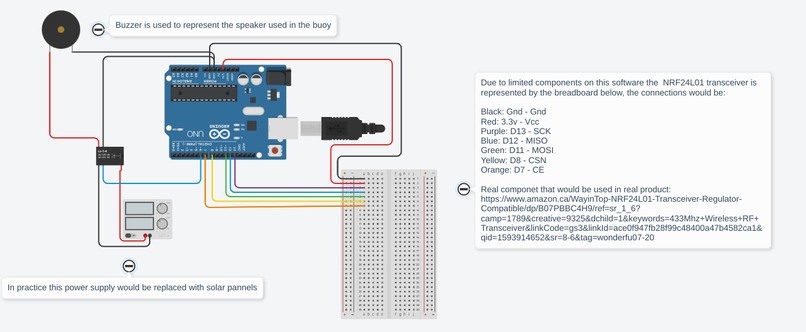
Controller
-
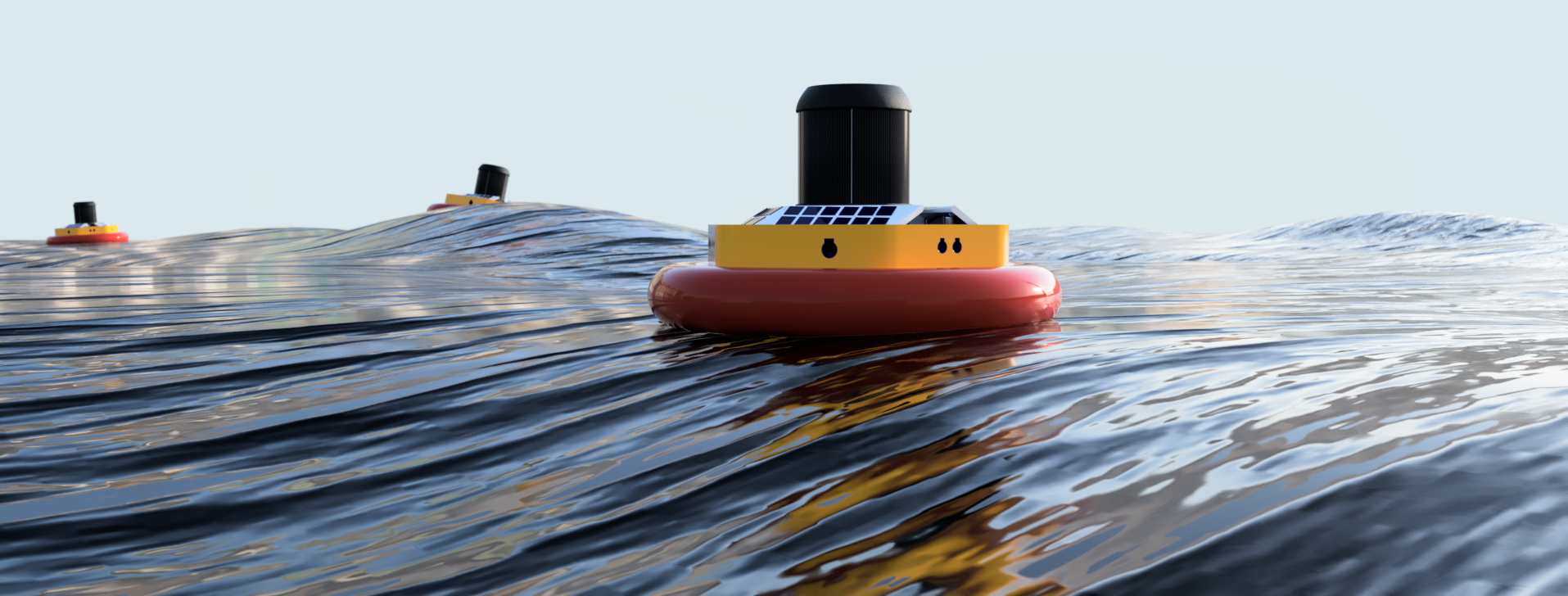
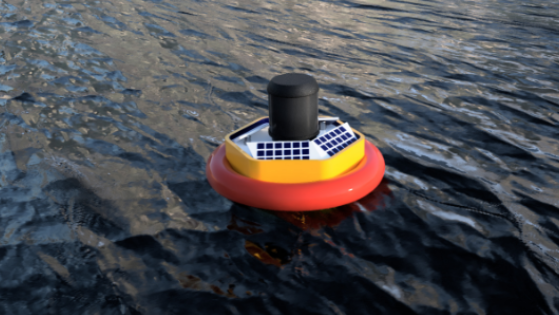
Buoy

Everyone’s Role
Aryam Sharma (Disc. @imaryamsharma#8716) - He was our programmer and also did some research to identify and solve the problem. He programmed and created the simulation of the solution.
Matthew Simpson (Disc. @inferno#8410) - He was our electronics engineer. He created the circuits and found what parts our speaker system would actually need. He also voiced and created the demo video.
Shahmeer Khan (Disc. @PotatoTheTomato#4133)- He was our main designer and modeler. He created the models and renders of the buoy itself.
Ishpreet Nagi (Disc. @Bapple_Boi#5294)- He was our documentar and main researcher. He documented all the work in the end and did the majority of the research in finding the problem and solution.
The Issue
Oil spills occur all around the world, unfortunately, birds are one of the most affected animals due to these oil spills. According to Ornithology.com, “Each year over 500,000 birds die worldwide due to oil spills.” (Lederer, D). The oil from an oil spill floats on the surface of the water, and birds are unable to distinguish the oil from the water. So when they come and sit on top of the water for either food or for rest, they get covered in the substance. Once covered with oil, the warm-blooded vertebrates are rendered flightless, their waterproofing ability is impaired, and they become more sensitive to extreme temperatures (International Bird Rescue).
Our Vision
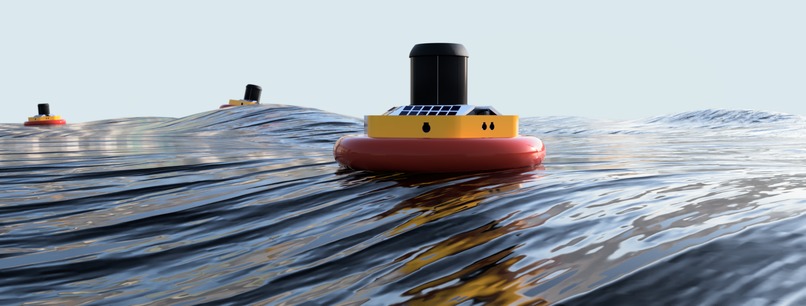
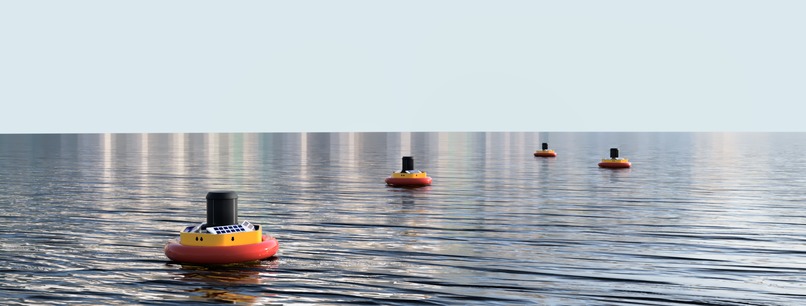
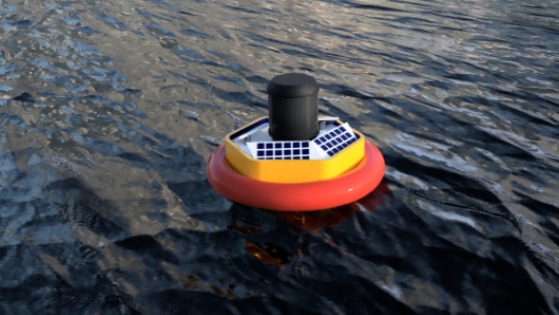
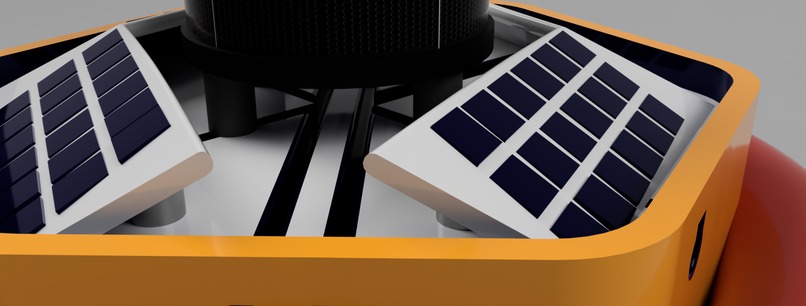
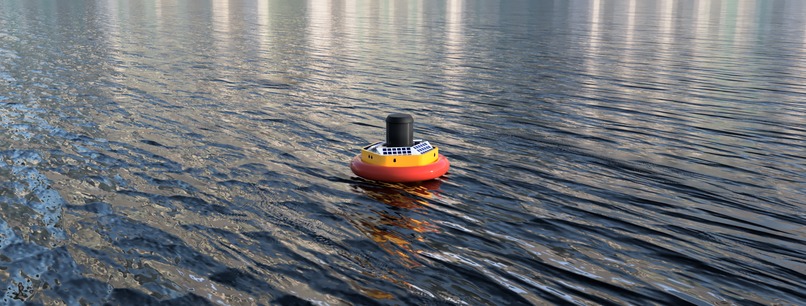
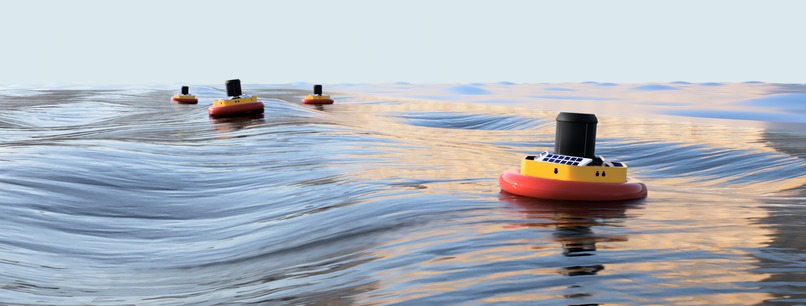
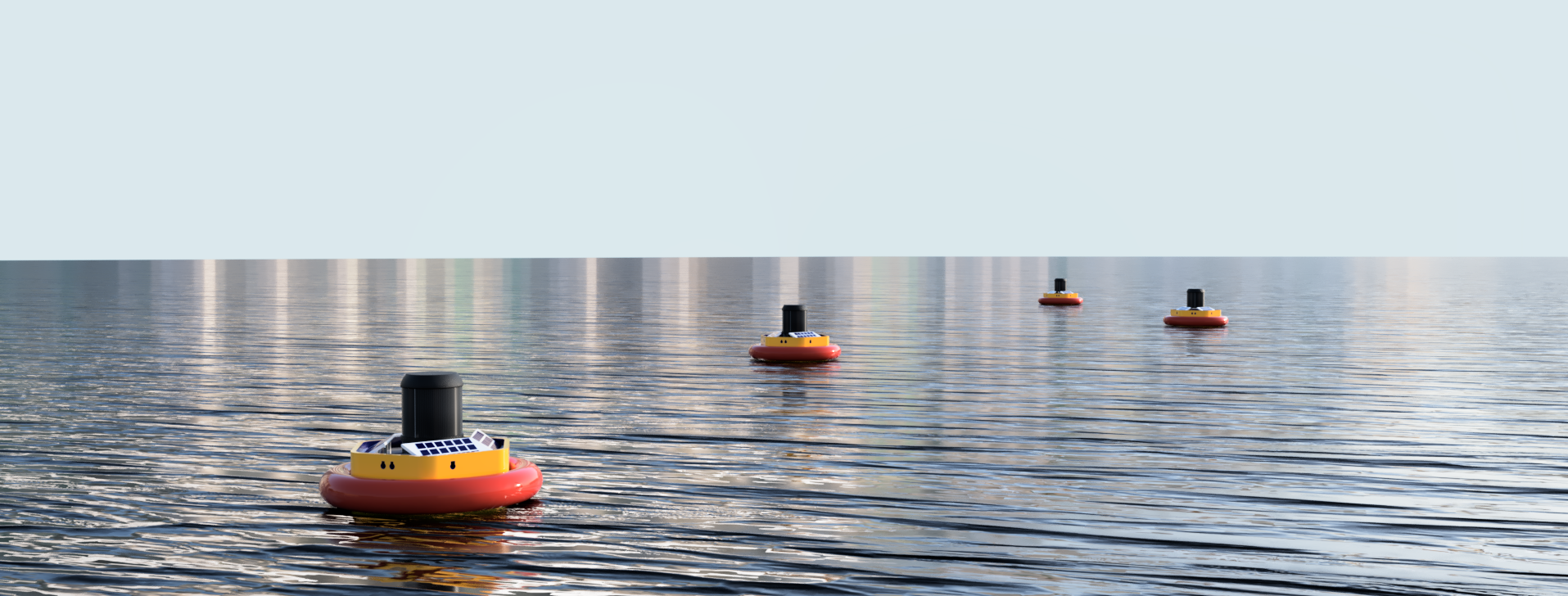
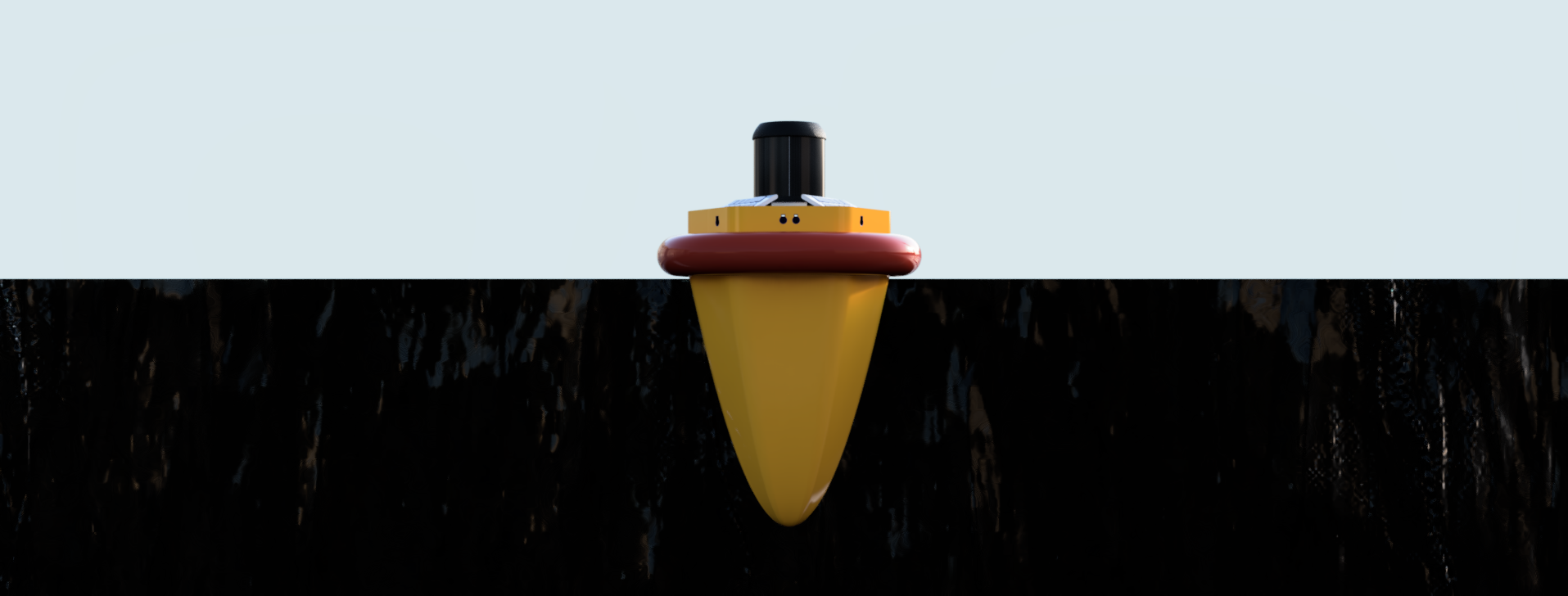
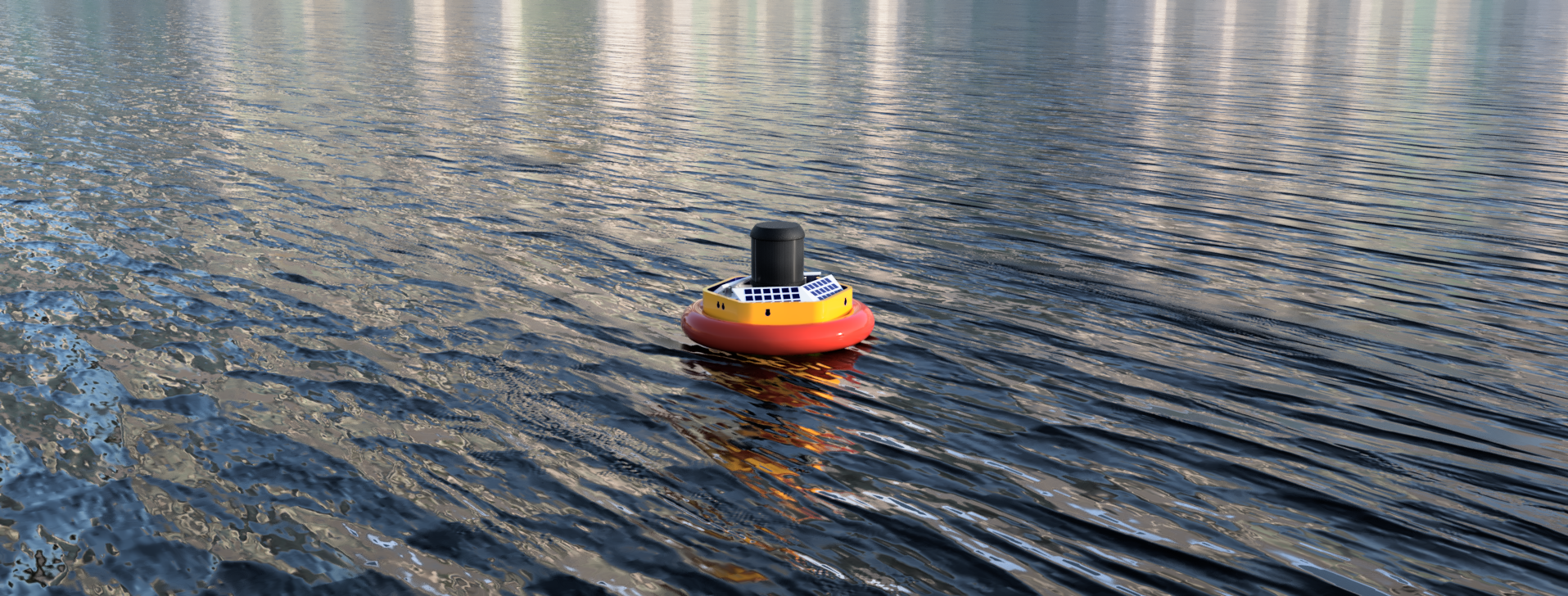
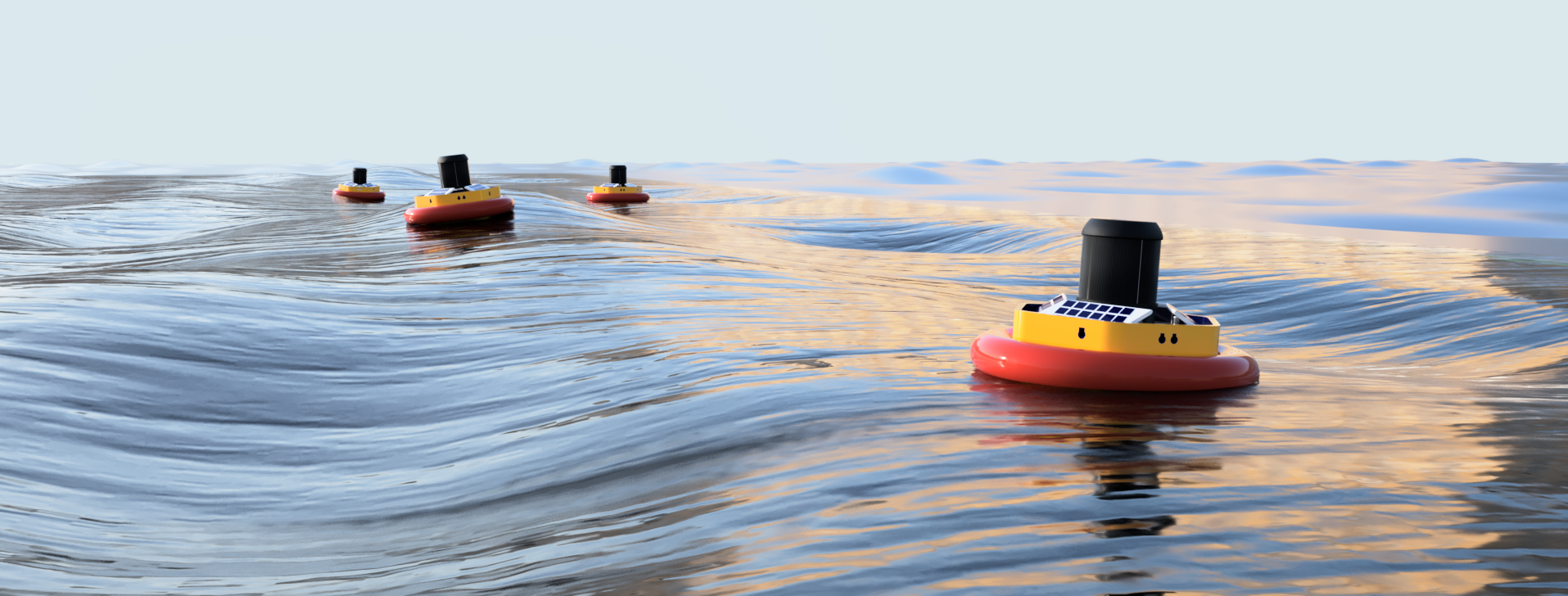
Bird Protection Buoys (B.P.B) are small buoys that would be placed around an oil spill, once in position, they would emit a frequency that deters the birds most susceptible to the oil. The buoys will continue to deter the birds from the oil spill while workers can try to clean up the mess. Once the mess is cleared, the buoys can be collected and reused.
How it works
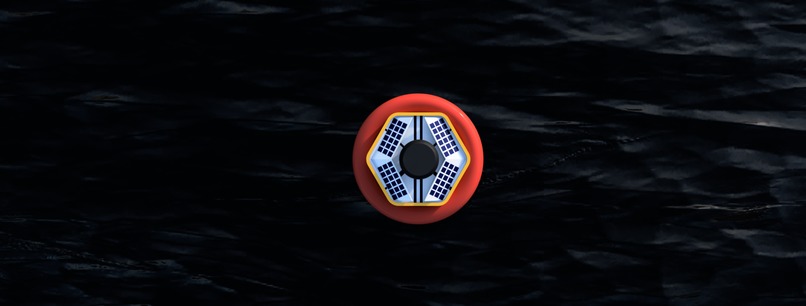
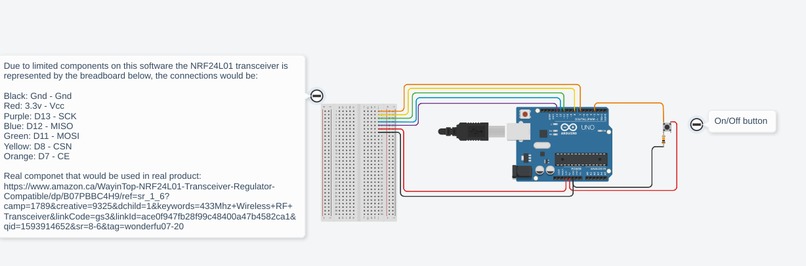
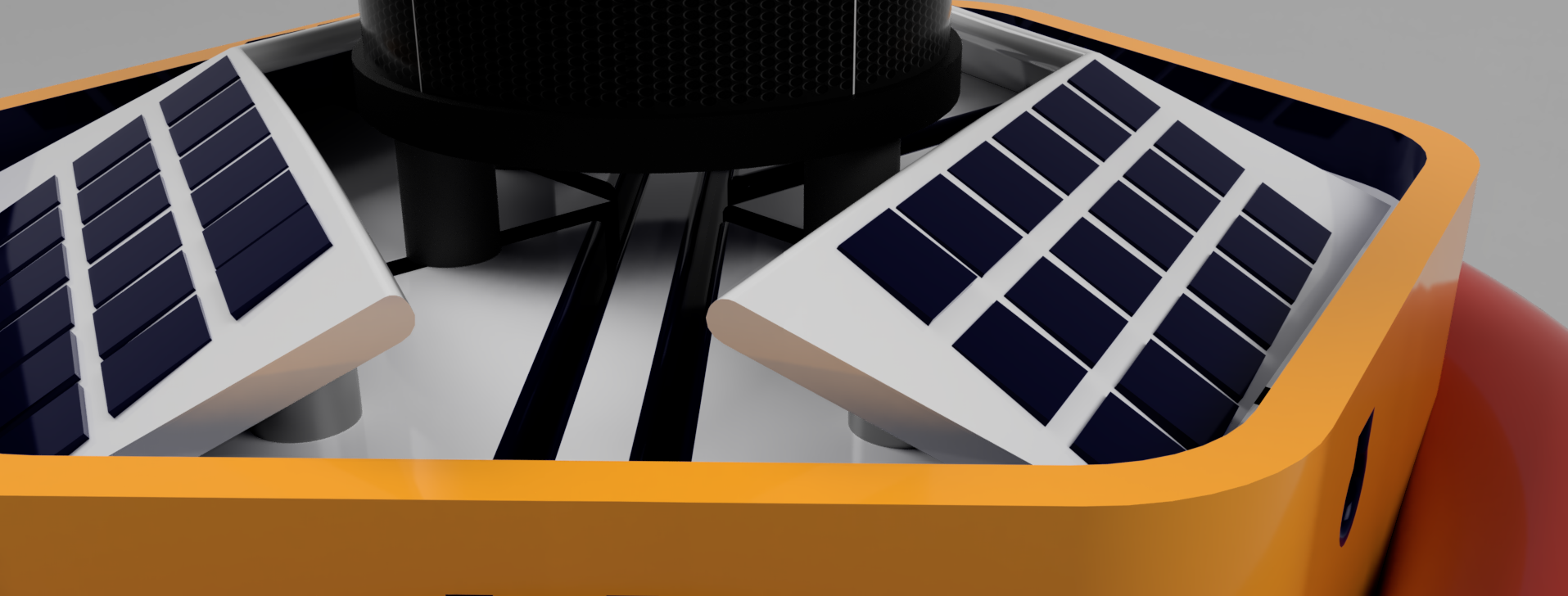
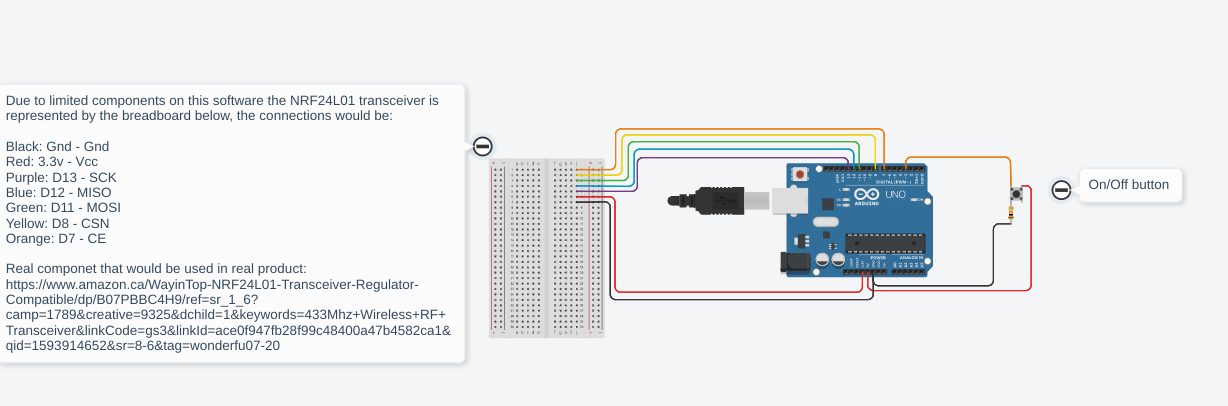
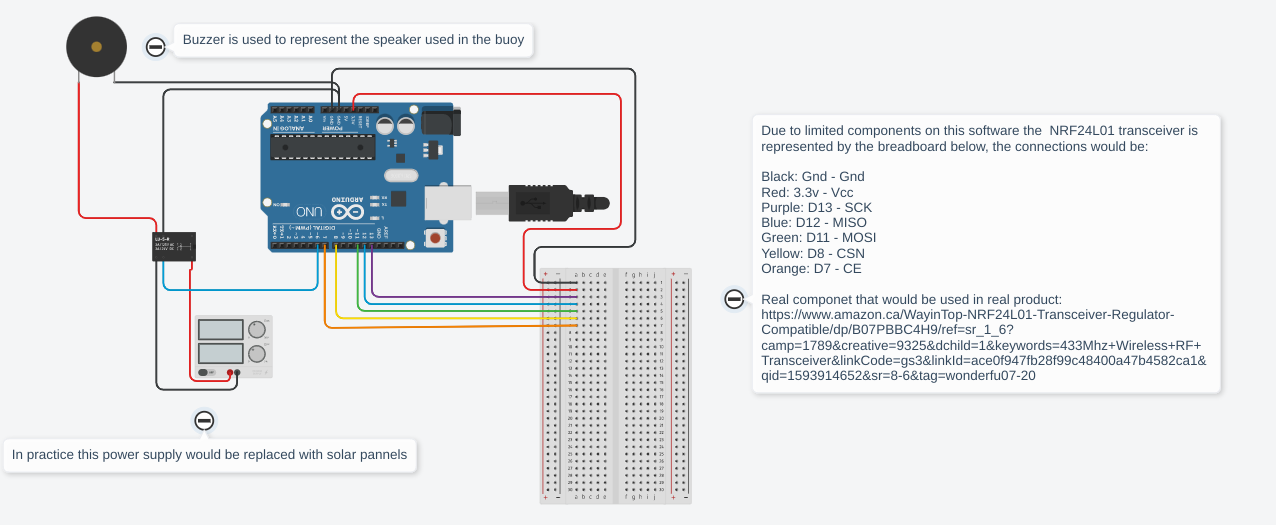
Each of the buoys would contain an Arduino Uno R3 that would be the central processing unit and will all be toggleable via a controller that all buoys will wirelessly connect to using NRF24L01 transceivers, this will allow the buoys to be turned on and off without a need to manually adjust each buoy. The Arduino would receive power from the rechargeable battery on the buoy itself that will be getting charged from solar panels also located on the buoy. The Arduino would contain the code which would instruct the omnidirectional speaker located at the center of the buoy to emit the 4000Hz frequency. The buoys will be placed 30m apart from each other around the oil spill and would surround the spill zone.
Challenges
-Time management was a huge issue during the construction of this project as we had many personal problems constantly coming up, so it was hard to get our parts done on the decided time.
-Agreeing on a solution was proving rather difficult for us as we had so many ideas. We could not see which one would work the best and would prove the most useful.
-An issue we encountered in creating circuits was that we were having a hard time ensuring that data was being transferred between the buoys and the main controller in charge of turning them on and off.
-Another issue we encountered in creating the circuits was that we could not get all components to get power from the power source and so had to mess around with the circuit and experiment with different wiring methods.
-It was difficult to emulate all of the electronics and hardware for the project due to limited access to emulators in current online status.
-It was our designers first time 3D modeling water so it was difficult to get the hang of at first
Our Accomplishments
-We were able to complete as much as we did in the small time frame we had and with all the personal issues coming up constantly.
-We were able to create a functioning simulation of our solution using Pygame.
-We were able to work as a team to create a solution that solves a real-world issue
What we Learned
-We learned much about the impacts of oil spills on the animal life of its surrounding area, we did not know the amount and variety of animals that are impacted by oil spills.
-We learned a lot about tools we had previously used and new tools, for example for some teammates they accessed Pygame and certain tools for the first time.
-We learned how to better communicate with one another during these chaotic times. We are able to better understand each other and their work schedules so we can create time frames when we could all log on and collaborate.
-We learned how to structure and create a demo video of our solution allowing us to communicate our idea using different medias
Resources
Lederer, D. (2018, April 22). Birds and Oil Spills. Retrieved July 18, 2020, from link
International Bird Rescue. (n.d.). Retrieved July 18, 2020, from link


Log in or sign up for Devpost to join the conversation.