-
-

Ayet app icon (1024 × 1024)
-
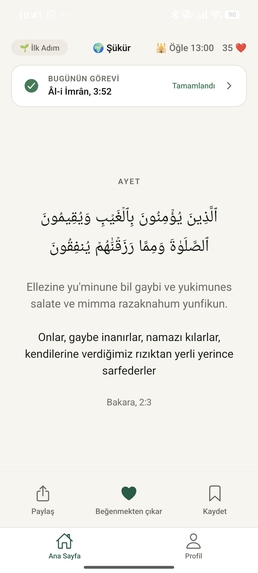
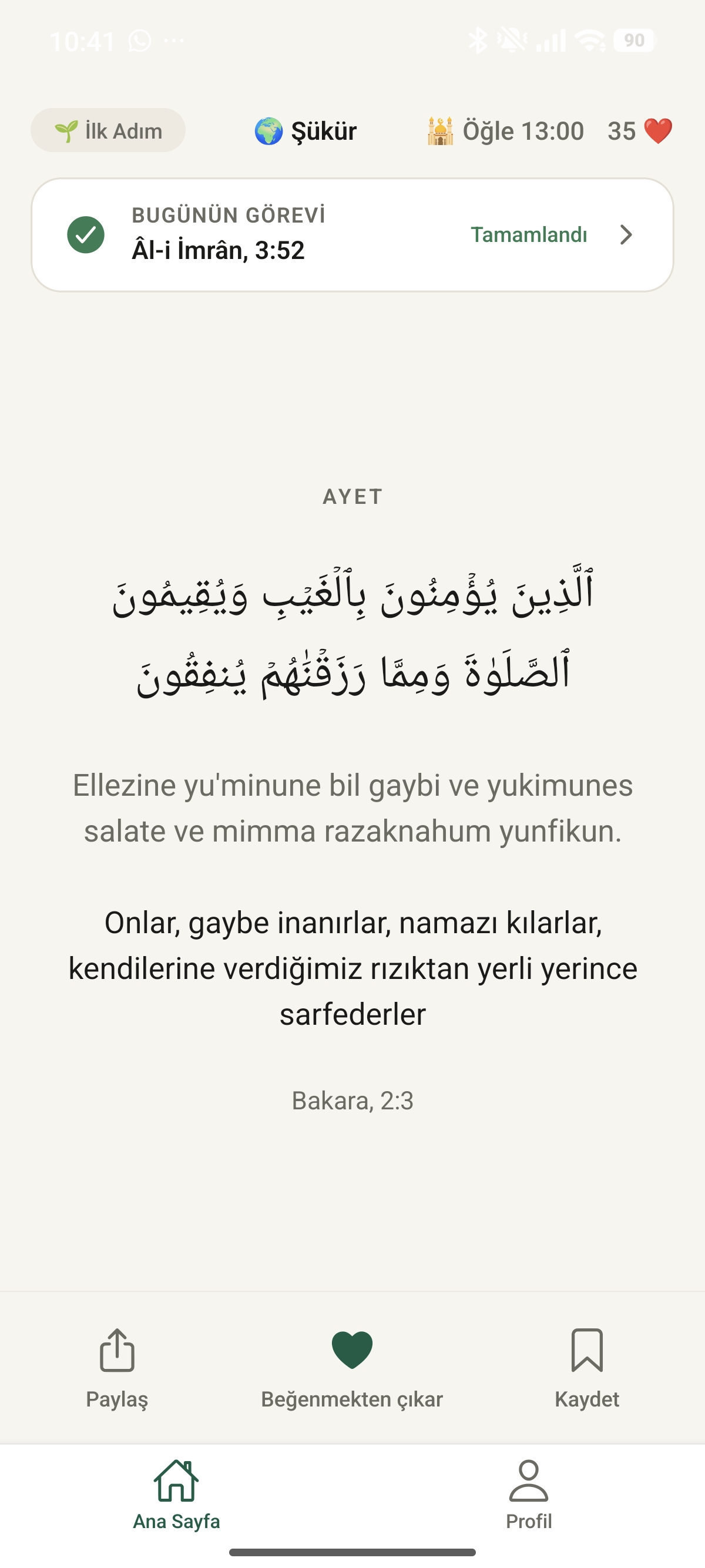
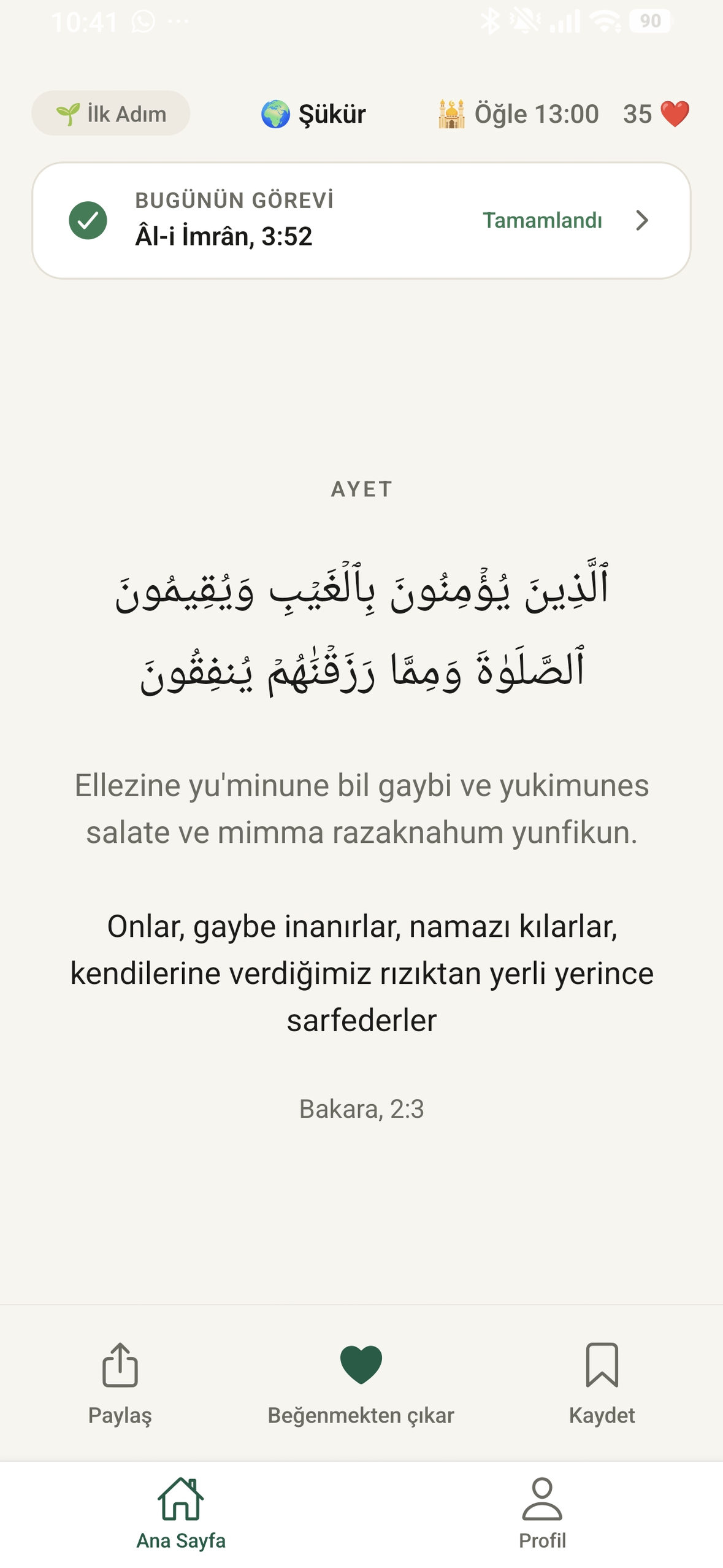
Daily verse: Arabic, pronunciation, Turkish translation and reference
-
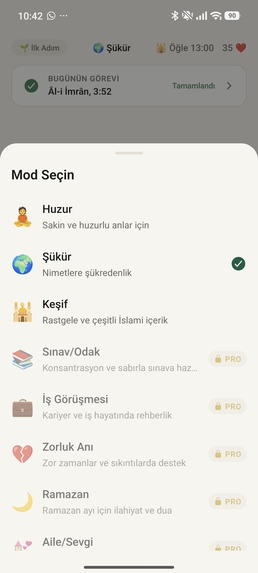
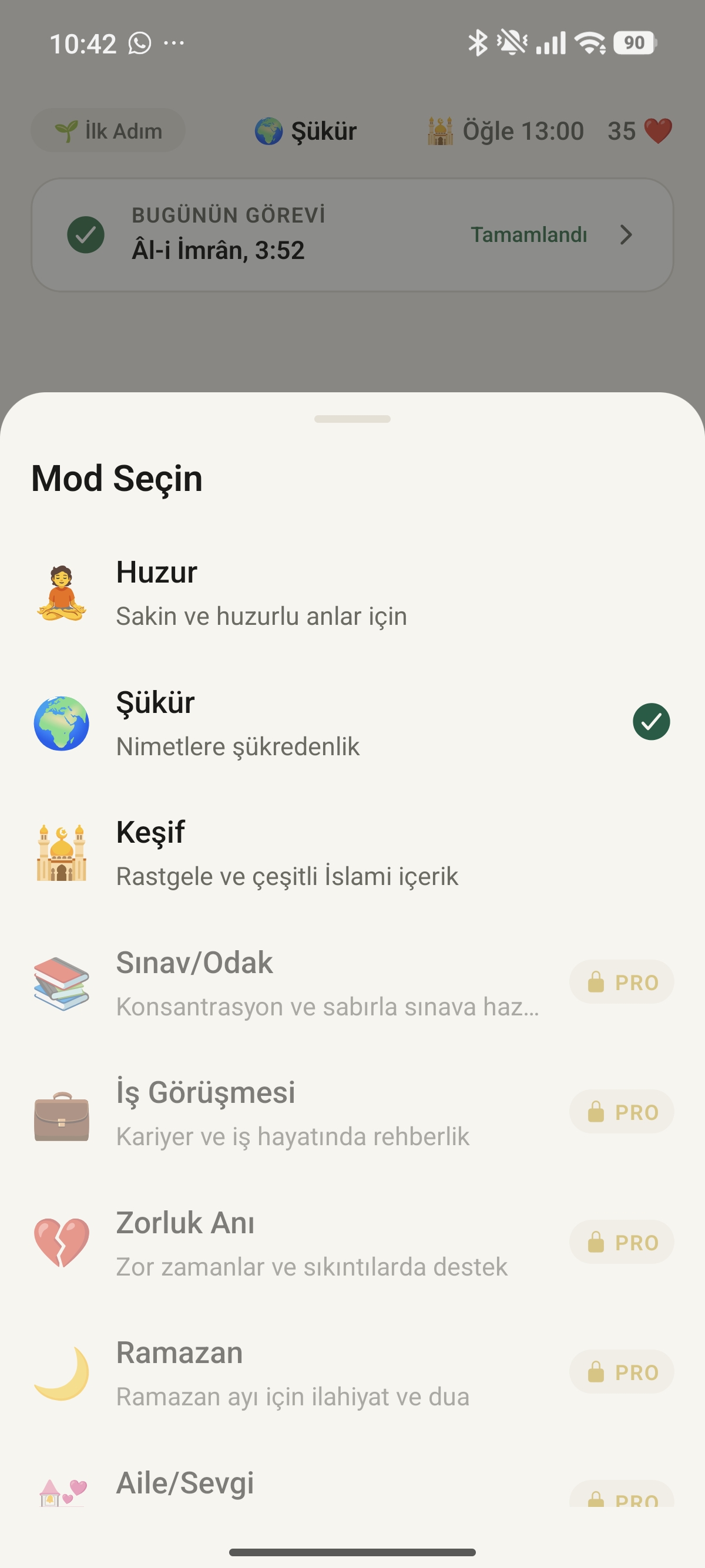
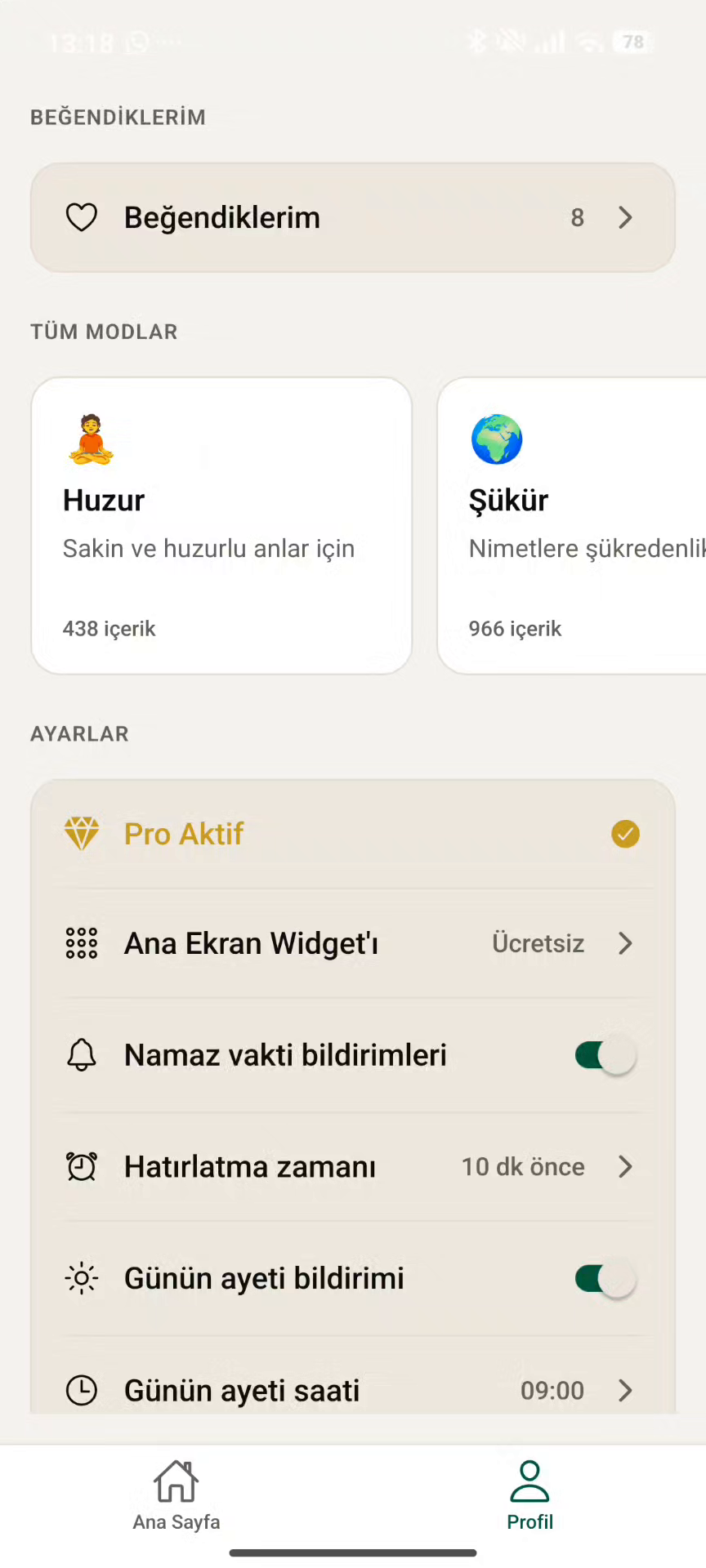
Choose a theme; additional modes are marked Pro
-
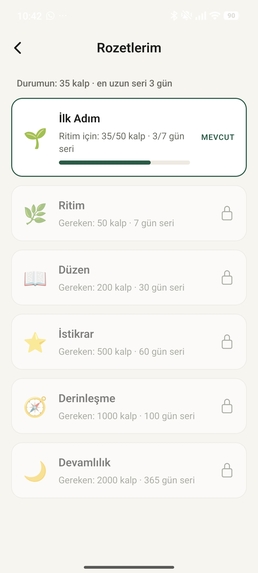
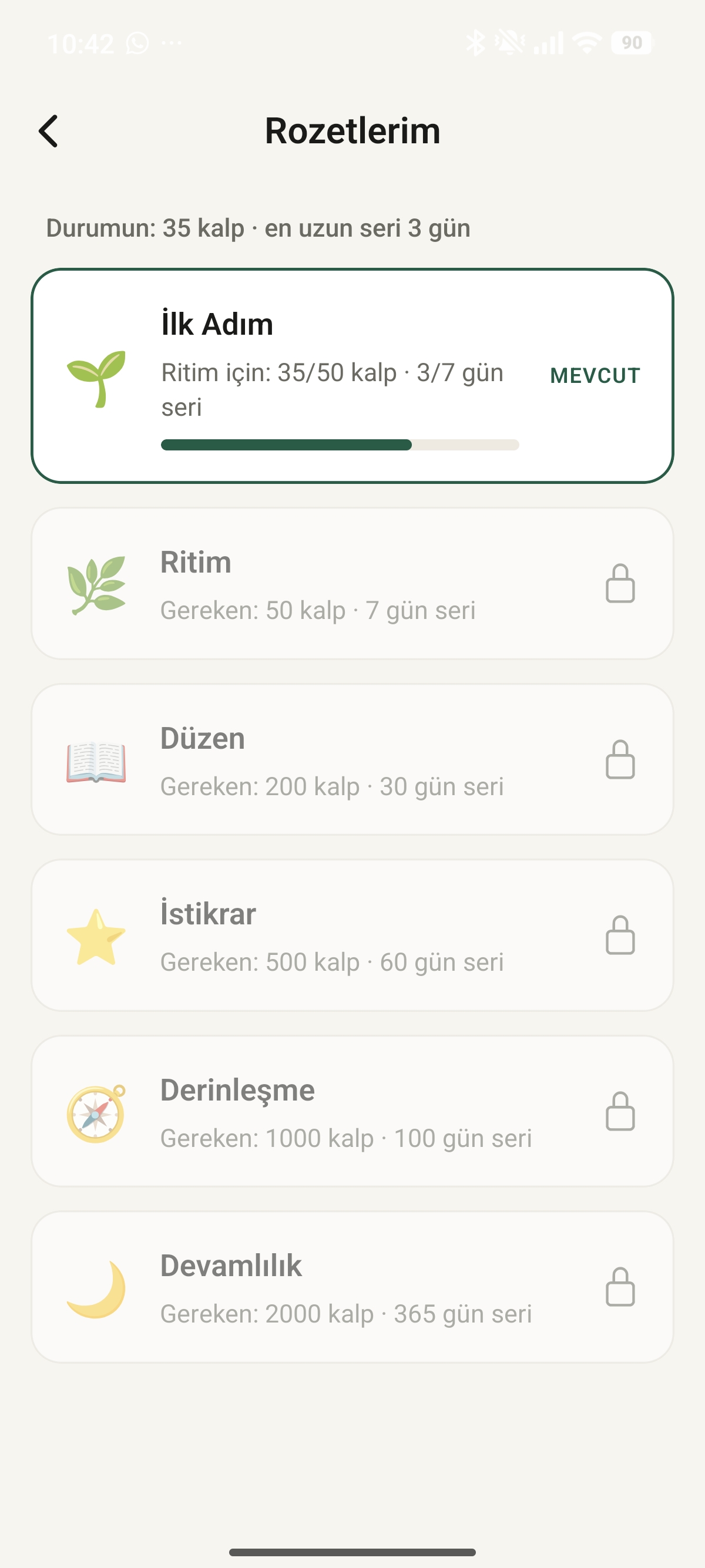
Reading streak, hearts and badge progress
-
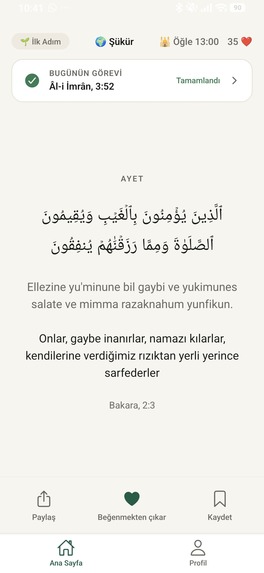
Daily verse on Android: Arabic, pronunciation, Turkish translation and reference
-
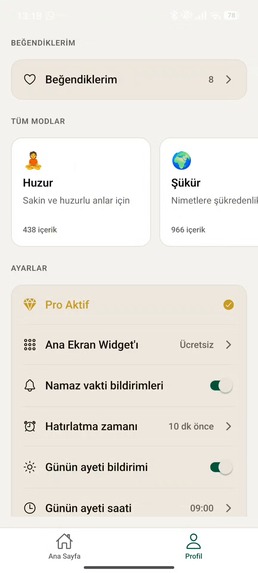
Google Play test purchase activated Ayet Pro on Android

Inspiration
Ayet began with a simple question: how can a busy person return to Quran reading for a brief, meaningful moment each day? We wanted the daily verse to feel close at hand, without making users search through a large library.
What it does
Ayet presents a daily verse with Arabic text, pronunciation, translation, and a source reference in a focused reading view. Android home screen widgets bring the verse outside the app. Readers can browse themes such as Peace, Gratitude, and Discovery, save verses, and set a gentle reminder. Core reading works without an account; bundled content is available offline. Ayet Pro removes ads and unlocks additional modes and themes. Theme suggestions support exploration and are not religious rulings. Ayet is independent of any religious authority or public institution.
How we built it
We built Ayet for Android with React Native and Expo, added home screen widgets and local reading preferences, and connected Google Play subscriptions through the RevenueCat SDK. The monthly and annual plans map to the ayet_pro entitlement. The first public Google Play version launched on September 23, 2026, after closed testing.
Challenges and learning
Keeping the widget and in-app verse consistent took careful work across the native and React Native parts of the app. We also aligned the Play product catalog with RevenueCat offerings and documented how ads and purchase processing affect privacy disclosures. The design lesson was to keep the verse and its source visible, while making the path back to reading as short as possible.
What is next
A Google Play license-test purchase reached RevenueCat and unlocked Ayet Pro on device. We are checking the restore experience and learning from the first users. We plan to refine the reading experience and accessibility based on real feedback.
